


Blog
Purpose And Audience
This document targets information researchers, technical evaluators and business decision makers and focuses on how to build a battery cage for layers in a way that supports efficient egg production, biosecurity and ease of management. It summarizes design decisions, technical parameters, cost categories, procurement paths and compliance considerations so your team can evaluate feasibility and ROI quickly.
What Is A Battery Cage For Layers?
A battery cage for layers is a structured housing system that organizes laying hens into tiered cages optimized for feeding, watering, egg collection and manure removal. When you consider how to build a battery cage for layers, you weigh bird density, ventilation, lighting, feeding lines and waste handling to meet welfare, productivity and operational goals. This section defines terms, cage types and basic metrics used in design and evaluation.
Application Scenarios And Farm Models
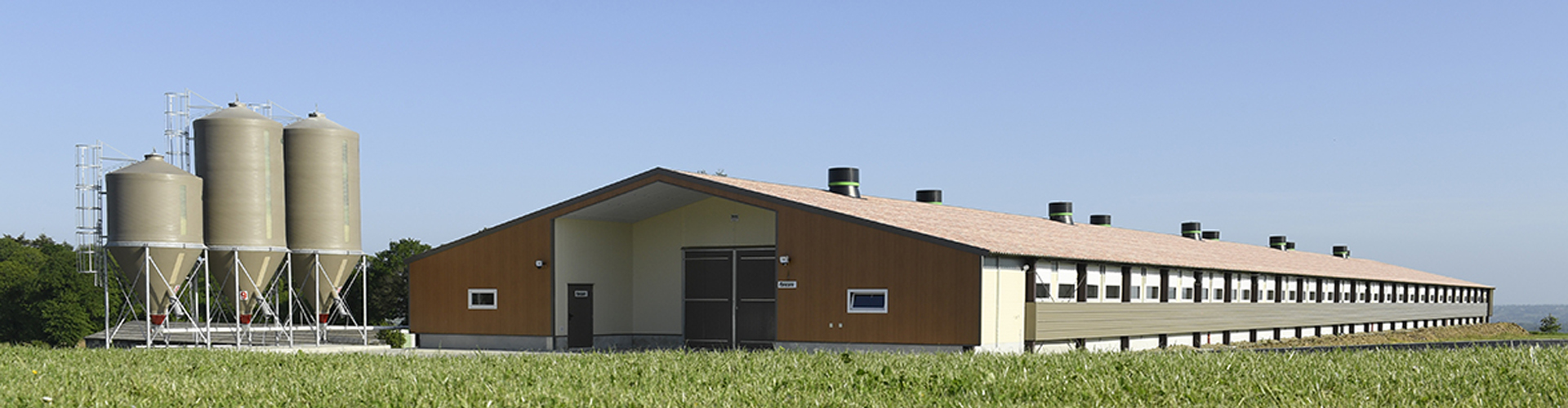
Farm size and model determine the approach to how to build a battery cage for layers. Small starter farms (100-3,000 birds) focus on simple manual cages and straightforward house plans. Commercial projects (3,000-10,000+ birds) combine multi-tier automatic cages, egg conveyors and integrated environmental control. For larger recycle farms we integrate organic manure processing, feed processing and egg handling rooms. Our company offers free layout design and house design based on your land size and shape to match the chosen model.
Design Principles And House Size Guidelines
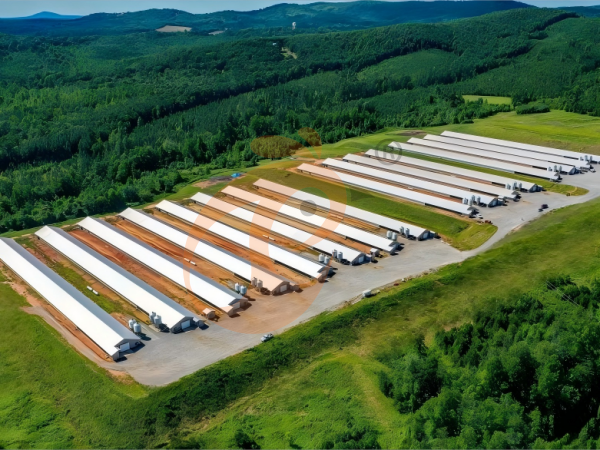
Key principles when deciding how to build a battery cage for layers include optimizing bird welfare, minimizing labor, maximizing space efficiency and ensuring biosecurity. Typical poultry house size parameters range from length 10 to 120 meters and width 8 to 20 meters with heights from 3 to 20 meters, allowing modular layouts such as 14 x 4 x 3.5 meters for smaller houses and 110 x 15 x 8 meters for large farms. Considerations include ventilation zones, feed and water lines, egg collection aisles and manure belts. Align cage row spacing and house cross-section for even airflow and maintenance access.
Technical Performance And Equipment Selection
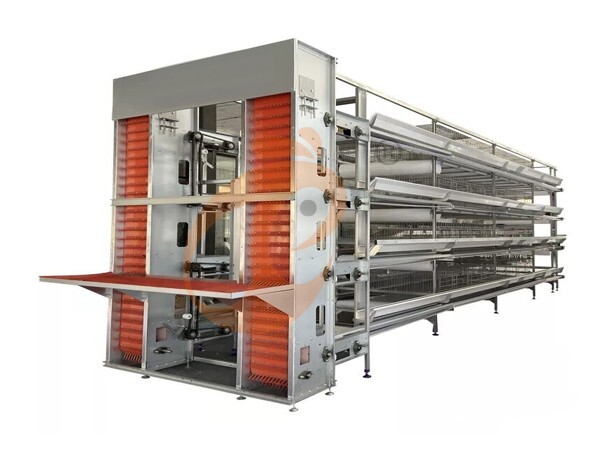
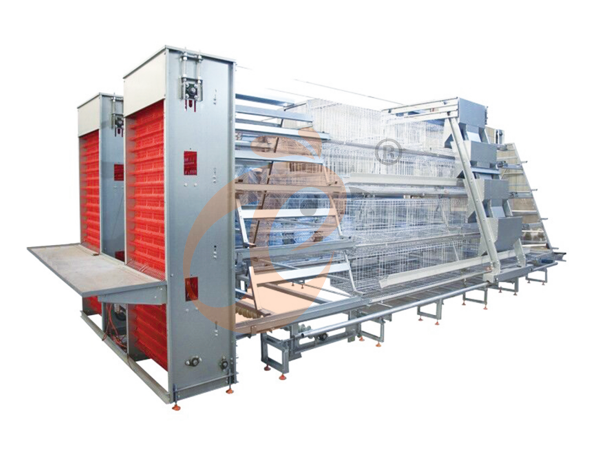
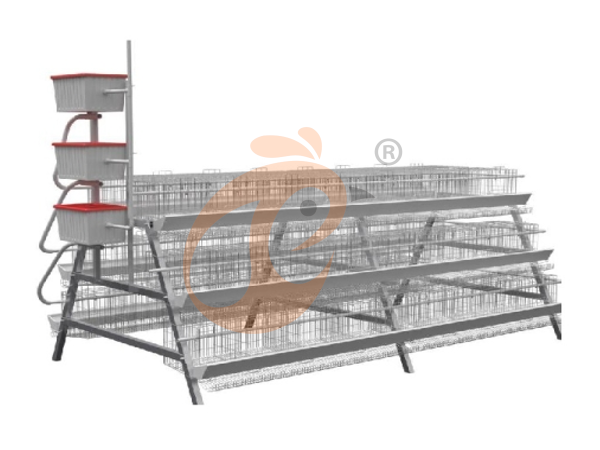
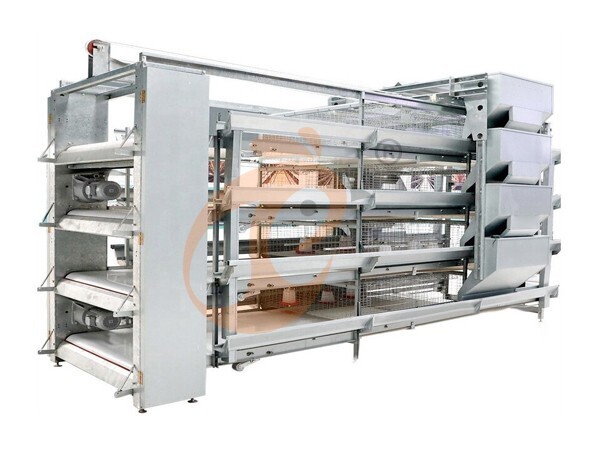
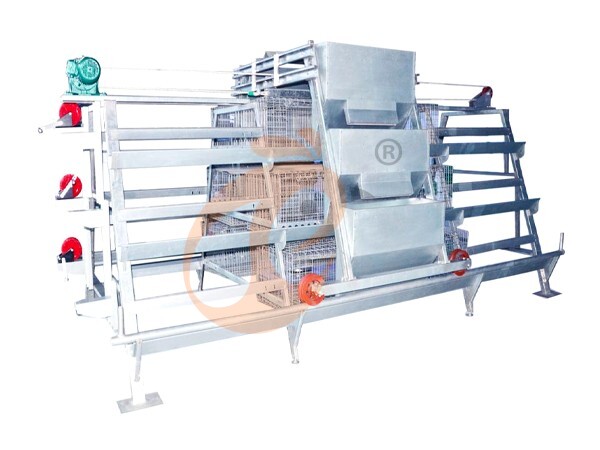
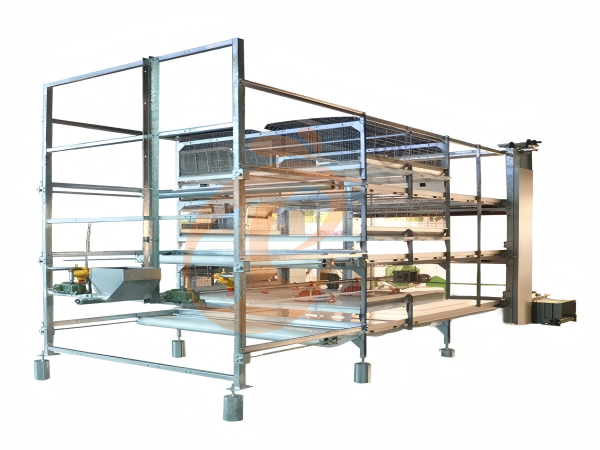
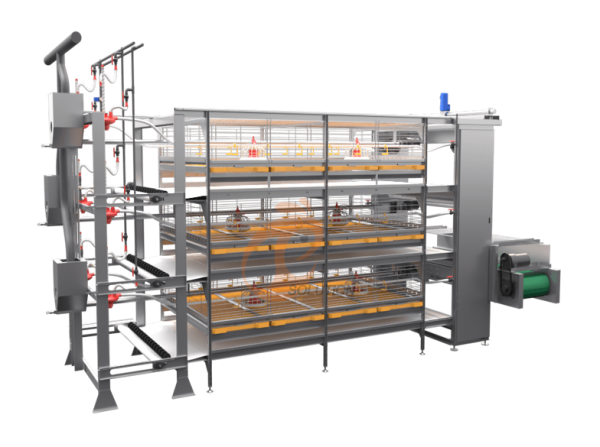
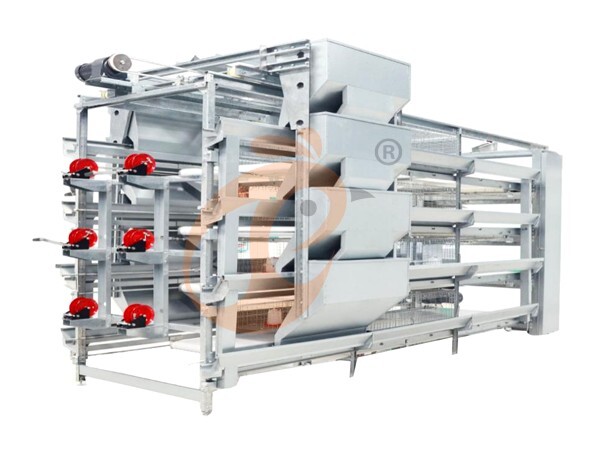
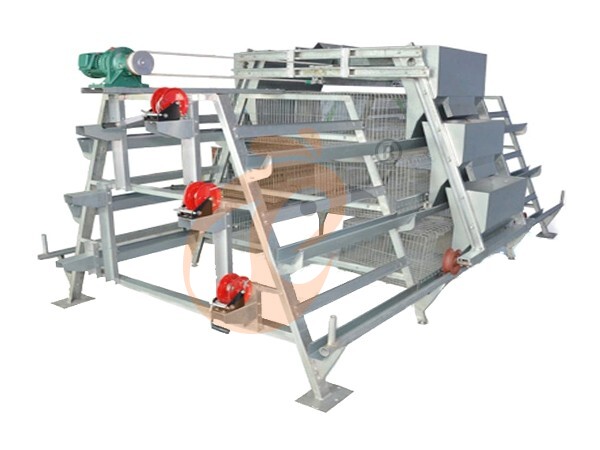
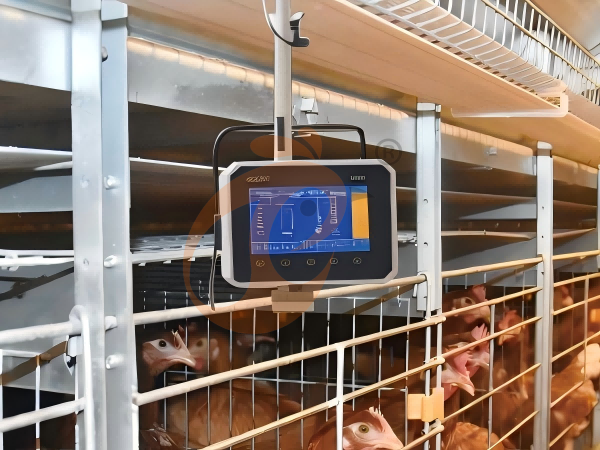
Selecting appropriate equipment is central to how to build a battery cage for layers. Choose between Manual and Automatic cage types (Manual, A type, Automatic A/H type, and Automatic H type) depending on labor availability and expected scale. Core equipment functions include egg production systems, brooder and broiler rearing elements, AI smart management, water drinking systems, feed processing and manure processing. For projects that require an integrated supply chain, use systems that support egg processing and slaughtering equipment. The product link below is an example of a scalable solution you can evaluate:
Standards, Certifications And Compliance
When you plan how to build a battery cage for layers, comply with local animal welfare regulations, national biosecurity codes and international standards like ISO for farm equipment where applicable. Document ventilation rates, ammonia thresholds, light schedules and stocking densities. Include records for equipment calibration and maintenance to support audits and buyer confidence. Technical evaluators should map local regulation clauses to design choices early in planning.
Cost Analysis, ROI And Financing Options
Budget categories for how to build a battery cage for layers include site preparation, structural works, cage systems, feeders and drinkers, environmental control, electrical systems, egg handling lines and manure treatment. Operating costs include feed, utilities, labor and veterinary care. Calculate ROI by modeling egg yield per bird, feed conversion ratio and mortality rate. A conservative financial model helps business evaluators compare manual and automatic systems: automation increases capital cost but reduces labor and improves consistency, often shortening payback in medium to large farms.
Procurement Guide And Installation Steps
Survey and site layout: assess land shape and soil, integrate security room, working place, egg stock room and processing rooms.
Choose cage type: select Manual, A type or Automatic models based on scale and budget.
Order equipment: consolidate feed, water, ventilation and egg handling systems to negotiate volume pricing.
Construct house: follow engineered drawings for foundations, insulation and drainage.
Install cages and systems: sequence electricity, ventilation, feeding and manure handling.
Commission: run systems under load, train staff on management and AI smart controls.
This procurement path reduces integration risks and supports faster commissioning.
Comparison Analysis: Manual Vs Automatic Battery Cages
Customer Case: Step-By-Step Example
In a recent project, a mid-scale farm asked how to build a battery cage for layers for 10,000 birds. We conducted a site survey, designed a closed house 90 x 15 x 8 meters, specified Automatic H type cages with manure belts, installed AI-driven environmental controls and provided staff training. The farm reached stable production in 8 weeks, with improved feed conversion and lower mortality. Our free layout and house design service accelerated decision-making and reduced rework.
Common Mistakes And Misconceptions
- Underestimating ventilation needs: poor air exchange increases disease risk.
- Ignoring manure handling: frequent buildup increases ammonia and reduces egg quality.
- Choosing cages only on price: long-term operating cost matters more than initial cost.
Skipping staff training: even automated systems need correct operation to perform.
FAQ: Quick Answers For Evaluators
Q: How much space per bird is typical? A: Depends on local regulations and cage model; design must balance welfare and productivity. Q: Can older houses retrofit battery cages? A: Often yes, with structural assessment. Q: What is the timeline to commission? A: From order to production-ready typically 6-12 weeks for medium projects.
Trends And Future Outlook
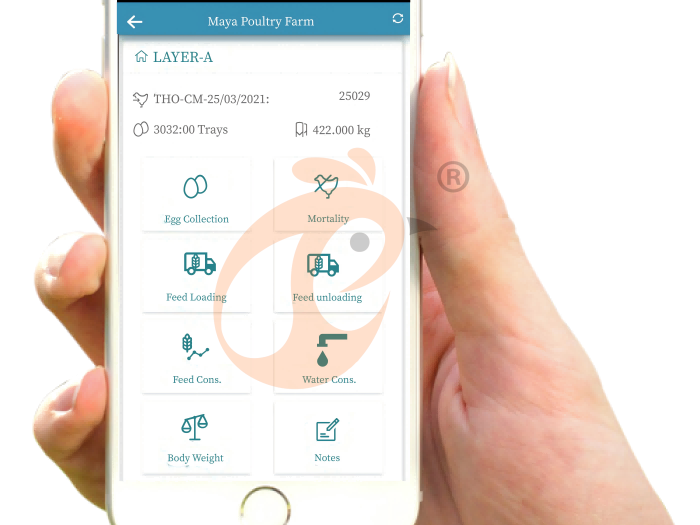
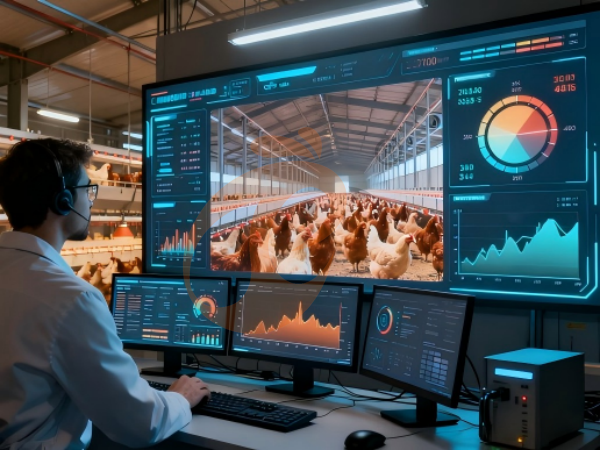
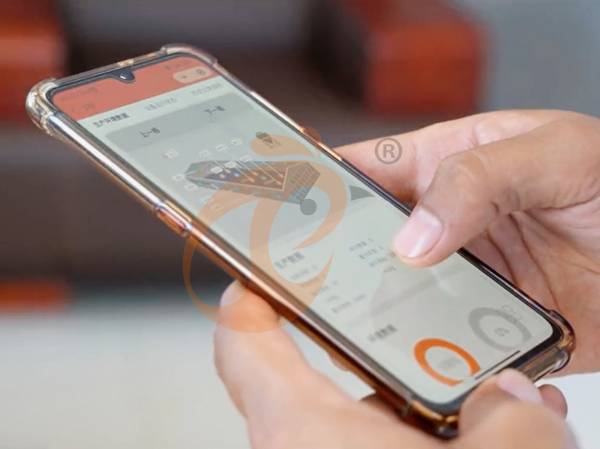
Modern projects increasingly combine AI smart management, automated egg processing and integrated manure treatment to create recycle farms. When considering how to build a battery cage for layers today, plan for modular expansion, data-driven monitoring and potential regulatory shifts toward welfare reporting. Adoption of AI and smart sensors improves early disease detection and feed efficiency.
Why Choose Us And Call To Action
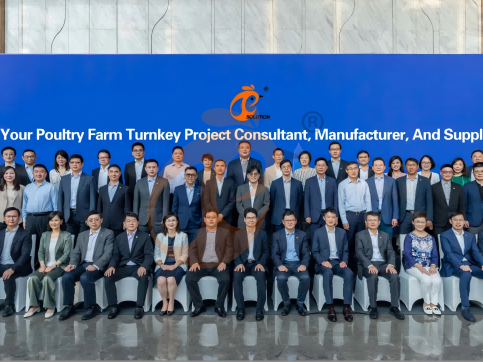
We provide personalized layout and house design based on your land, multi-country branches for local experience, European technology at competitive prices and fast after-sales service. For assistance in evaluating how to build a battery cage for layers and to get a free layout, contact our project team. Evaluate scalable models like 100 - 10,000 chickens/house: poultry farm solution, chicken cage, poultry farm equipment, AI smart management and request a tailored plan to match your land and production goals.
Contact
Request a free design consultation and a quote by reaching out to our sales team with your land dimensions and target bird capacity. We will deliver a detailed plan, equipment list and cost estimate to support your technical and business evaluation.
FAQ
Message
Products recommended
 >30,000 Pullets Automatic H Type Battery Cage1. More than 30,000 pullets a house, choose it.
2. It is designed to rearing older than 1 day old pullets to 12 to 16 weeks old chicken starting laying eggs.
3. Its lifespan is more than 25 years.
4. Its structure are Vcloud artificial intelligent fusion, electric control cabinet, automatic equipment of drinking, feeding, manure clean, manual harvesting.
5. Our 24 hour online reception What’sApp NO. is +8618830120193 <30,000 Pullets Automatic A Type Battery Cage1. 10,000 to 30,000 pullets a house, choose it.
2. It is designed to rearing older than 1 day old pullets to 12 to 16 weeks old chicken starting laying eggs.
3. Its lifespan is more than 25 years.
4. Its structure are Vcloud artificial intelligent fusion, electric control cabinet, automatic equipment of drinking, feeding, manure clean, manual harvesting.
5. Our 24 hour online reception What’sApp NO. is +86 18830120193. >30,000 Broilers Semi-Automatic Harvest H Type Battery Cage1. More than 30,000 broilers a house, choose it.
2. It is designed to rearing 1 to 45 day old adult broiler ready for market.
3. Its lifespan is more than 20 years.
4. Our 24 hour online reception What’sApp NO. is +8618830120193, +234 8111199996. >30,000 Broilers Manual Harvest H Type Battery Cage1. More than 30,000 broilers a house, choose it.
2. It is designed to rearing 1 to 45 day old adult broiler ready for market.
3. Its lifespan is more than 20 years.
4. Its structure are Vcloud artificial intelligent fusion, electric control cabinet, automatic equipment of drinking, feeding and manure clean, manual harvesting.
5. Our 24 hour online reception What’sApp NO. is +8618830120193, +234 8111199996. <30,000 Broilers Manual Harvest A Type Battery Cage1. Less 30,000 broilers a house, choose it.
2. It is designed to rearing 1 to 45 day old adult broiler ready for market.
3. Its lifespan is more than 20 years.
4. Its structure are Vcloud artificial intelligent fusion, electric control cabinet, automatic equipment of drinking, feeding and manure clean, manual harvesting.
5. Our 24 hour online reception What’sApp NO. is +8618830120193, +234 8111199996. HK Headquarter Offers EU-standard Poultry Farm Solutions, Manufacture Poultry Farm Equipment1. Continuous communication with the EU and the US
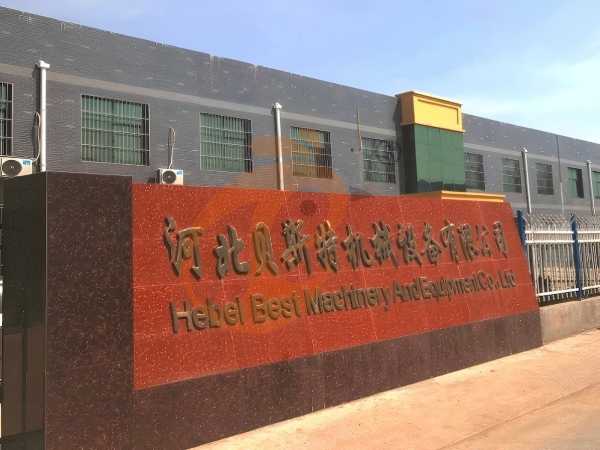
2. China, Nigeria, Ethiopia, Tanzania branch companies and factories
3. The products’ quality is customized for local poultry farms
4. Poultry cage and poultry farm equipment stock for sale
5. 24 online reception Whatsapp NO. : +8618830120193,contact us to get full information China Branch Offer Poultry Farm Business Plan, Manufacture Poultry Farm Equipment1. Address: Flat/RM 2416, 24/F, Runxing Building, Youyi Nan Street, Shijiazhuang City, Hebei Province, China
2. Poultry cage and poultry farm equipment factory and stock for sale
3. Customized for local poultry farms
4. Quality and design are based on Euro
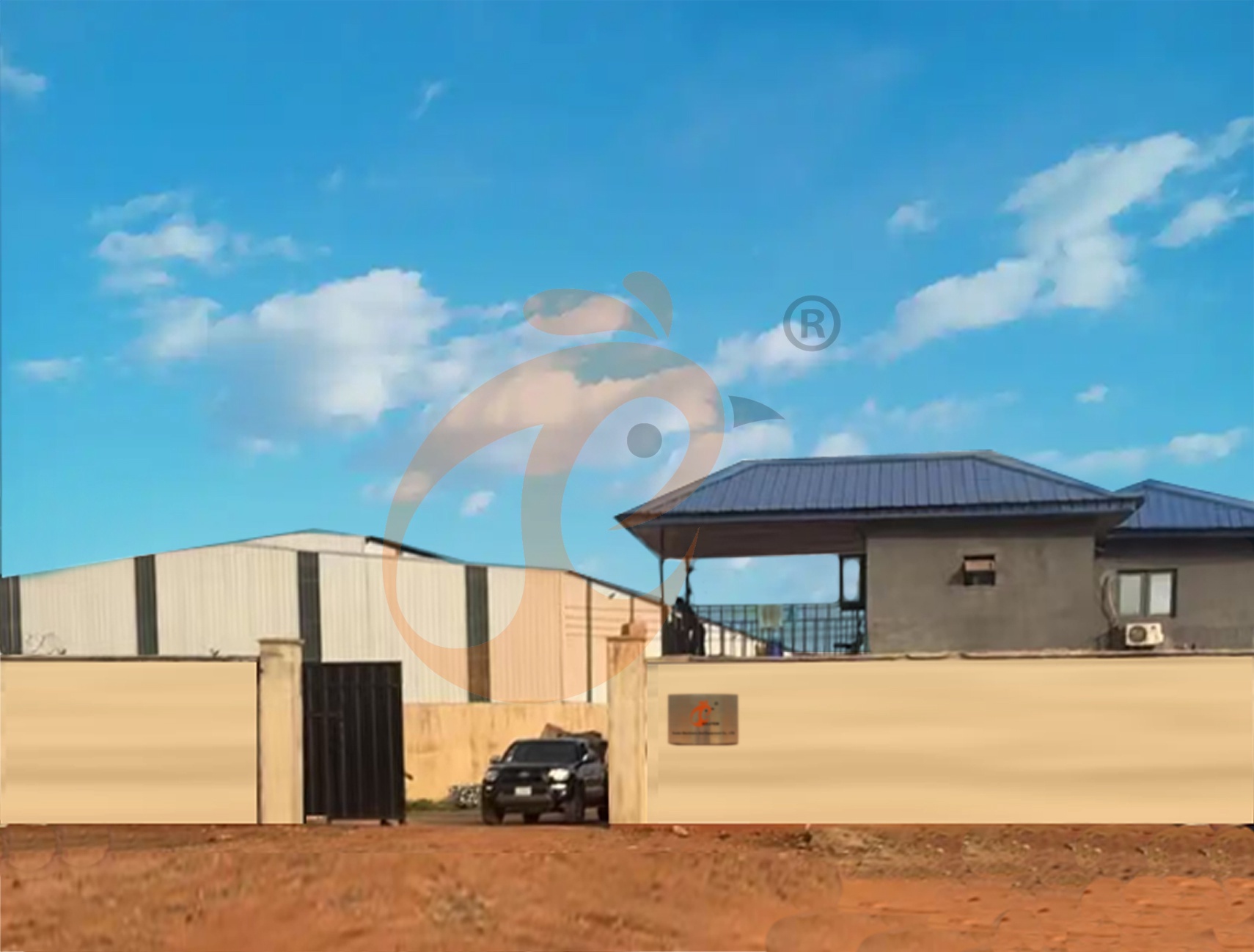
5. 24 online reception Whatsapp NO. : +8618830120193 Nigeria Branch Offer Poultry Farm Business Plan, Manufacture Poultry Farm Equipment1. Address: After Sinoma Office, 200 Meters Near Danco Filling Station, Lagos/Ibadan Expressway, Lagos State, Nigeria
2. Poultry cage and poultry farm equipment factory and stock for sale
3. Customized for Nigerian poultry farms
4. Quality and design are based on Euro
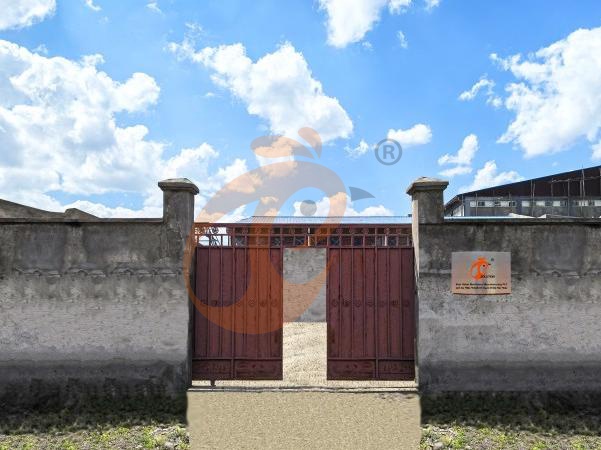
5. 24 online reception Whatsapp NO. : +8618830120193 Ethiopia Branch Offer Poultry Farm Business Plan, Manufacture Poultry Farm Equipment1. Address: Gelan Gura, Akaki-kaliti Sub City, Addis Ababa, Ethiopia
2. Poultry cage and poultry farm equipment stock for sale
3. Customized for Ethiopian poultry farms
4. Quality and design are based on Euro
5. 24 online reception Whatsapp NO. : +8618830120193, contact us to get price list Tanzania Branch Offer Poultry Farm Business Plan, Manufacture Poultry Farm Equipment1. Address: No.8, Sova Road, Msufini, Mlandizi, Kibaha, Pwani, Tanzania
2. Poultry cage and poultry farm equipment factory and stock for sale
3. Customized for Tanzanian poultry farms
4. Quality and design are based on Euro
5. 24 online reception Whatsapp NO. : +8618830120193

Contact