


Blog
Introduction: Why A Checklist Matters
This checklist helps you decide how to build a battery cage for layers in a modern, efficient and compliant way. Project teams must combine land layout, material selection, animal management and electrical and ventilation systems to deliver reliable egg production. Use this document to standardize your technical evaluation, vendor selection and cost estimation phases.
Definition And Key Terms
Battery cages for layers refer to multi-tiered enclosures that house laying hens in individual or group cages. Key terms you should know when you research how to build a battery cage for layers include cage pitch, tier height, manure belt, nipple drinkers, feed troughs, perch-free vs. furnished cage, and stocking density. Understanding terms reduces ambiguity when comparing proposals and designs.
Application Scenarios And Business Fit
Assess whether battery cages match your business goals. For high-density egg farms aiming for maximum floor productivity per hectare, battery cages remain a cost-effective option. However, market access, animal welfare regulations, and customer requirements may favor furnished cages or aviary systems. When planning how to build a battery cage for layers, outline expected production volumes, labor availability, and market channels to decide the right scale and type.
Design Requirements And Site Layout
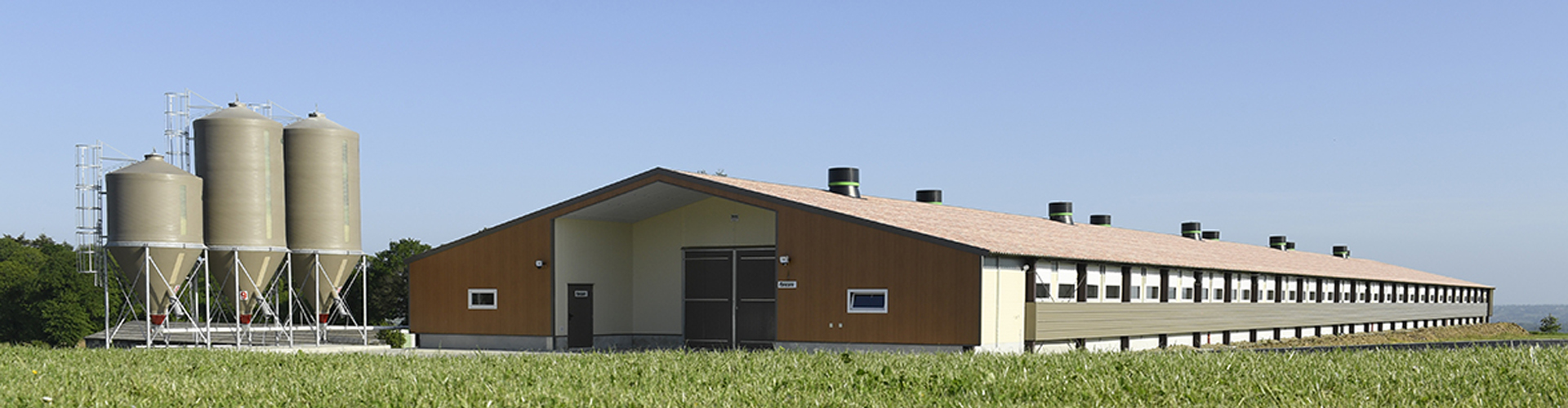
Start with a site layout that integrates house size, security room, working place, layer/chick/broiler rearing house, egg stock room and service areas. Important steps include:
- Measure land size and shape; design house orientation for natural light and ventilation.
- Define cage rows, alley widths, manure handling routes and egg collection paths.
- Plan utilities: electricity, water, fuel storage and waste routes.
Include biosecurity zones: clean, semi-clean and dirty areas to control disease spread.
When you ask how to build a battery cage for layers, include early-stage CAD layout or free cage layout design based on your land to reduce rework and ensure efficient logistics during operations.
Materials, Structure And Technical Performance
Choose corrosion-resistant materials like aluminized steel and durable plastics for troughs and belts. Cage mesh, support frames and fasteners should meet load ratings and cleaning requirements. Consider technical performance specs: load capacity per tier, ventilation pressure drops, and manure belt throughput.
Integrate reliable heating options for chick rearing and brooding zones. For example, product choices such as Brooder heater provide automatic temperature control, uniform heating and energy efficiency, features that improve chick survival and simplify early-stage management.
Standards, Certification And Welfare Considerations
Align your design with applicable standards: ISO facility standards, local animal welfare codes, and international buyer requirements (e.g., RSPCA, EU cage-free mandates where relevant). Document stocking densities, enrichment requirements, lighting schedules and emergency evacuation routes. Compliance influences market access and long-term business valuation when planning how to build a battery cage for layers.
Equipment And Procurement Guide
Create a procurement checklist listing cage systems, feeders, drinkers, egg conveyors, manure removal equipment, ventilation fans, controllers and heating solutions. Compare vendor warranties, life-cycle costs and spare parts availability. Practical checklist items include:
Cage units per tier and total capacity.
Feed and water systems: feed flow rate, drinker type, overflow protection.
Environmental control: fans, heaters, thermostats and sensors.
Waste handling: manure belt speed, collecting pits, composting or organic manure processing options.
Safety: flame-out protection and automatic electronic safety controls on heaters and motors.
Sample Equipment Specification Table
Cost Analysis And Alternatives
Estimate CAPEX for cages, feeders, ventilation, heating and construction. Include OPEX for feed, energy, labor and maintenance. Compare battery cages vs. furnished cages and aviary systems on cost per dozen eggs, labor hours per 10,000 hens and expected mortality. When calculating ROI and deciding how to build a battery cage for layers, model scenarios with conservative mortality and varied feed costs to test sensitivity.
Common Pitfalls And Misconceptions
Misconceptions can derail projects. Avoid thinking that the lowest-cost cage supplier offers the best long-term value; hidden costs include replacements, higher feed waste or increased mortality. Don’t underestimate ventilation needs: poor airflow raises ammonia and reduces egg quality. Finally, do not overlook spare parts logistics and staff training when designing how to build a battery cage for layers.
Case Study: Small-Scale Starter Farm
A starter farm used free cage layout design based on land size to install a 5,000-layer battery cage system with automated feeding and manure belts. Early investment in a reliable brooding system delivered higher chick survival. The project reduced labor by 30% and improved egg collection efficiency. This demonstrates how planning and correct equipment selection accelerate break-even points.
Installation And Commissioning Checklist
- Confirm foundation and building waterproofing before cage installation.
- Install cages, feeders and drinkers according to manufacturer tolerances.
- Test environmental control: setpoints, alarm thresholds and backup power.
- Train staff on daily routines, emergency procedures and maintenance tasks.
Perform a pilot cycle with a small flock to validate performance metrics.
Trends And Future Considerations
Regulatory pressure and consumer demand push toward higher welfare systems in many markets. When exploring how to build a battery cage for layers, plan for modular upgrades, potential transition paths to furnished systems and integration with organic manure processing or recycling projects if land allows. Automation and energy-efficient equipment, such as energy-saving heaters and sensor-driven ventilation, will drive lower operating costs and higher compliance.
FAQ
Q: What is the typical stocking density for a commercial battery cage? A: It varies by regulation and cage type; always reference local welfare codes and buyer standards. Q: Can a battery cage system be upgraded later? A: Yes, with modular frames and planning you can retrofit welfare enhancements. Q: How to evaluate suppliers? A: Check references, warranty terms, spare parts logistics and on-site service.
Why Choose Us And Next Steps
We deliver end-to-end design, from free cage layout and house design to installation and after-sales support. Our projects combine efficient layouts, energy-saving equipment and long-life components. Contact us to receive a customized proposal, layout or sample BOM so you can compare options and make an informed decision about how to build a battery cage for layers. For product-specific queries, ask about our heating options and long-life brooding solutions like Brooder heater.
Contact
Request free layout or farm design for your land; our team supports technical evaluation, ROI models and 24-hour service to help you implement a modern, efficient layer farm project.
FAQ
Message
Products recommended
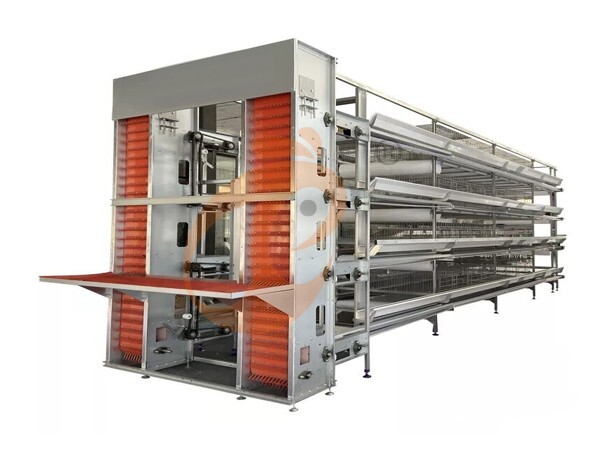
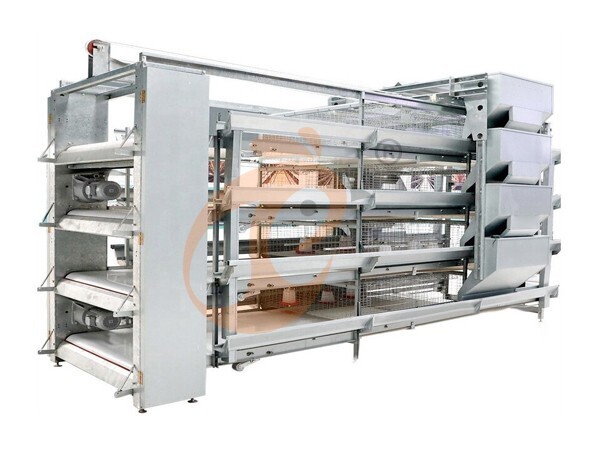
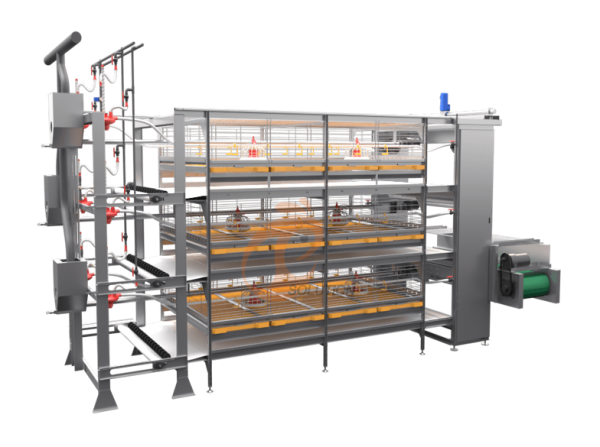
 >30,000 Pullets Automatic H Type Battery Cage1. More than 30,000 pullets a house, choose it.
2. It is designed to rearing older than 1 day old pullets to 12 to 16 weeks old chicken starting laying eggs.
3. Its lifespan is more than 25 years.
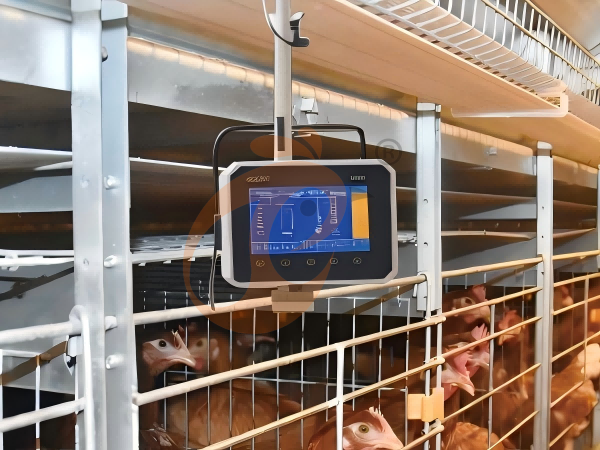
4. Its structure are Vcloud artificial intelligent fusion, electric control cabinet, automatic equipment of drinking, feeding, manure clean, manual harvesting.
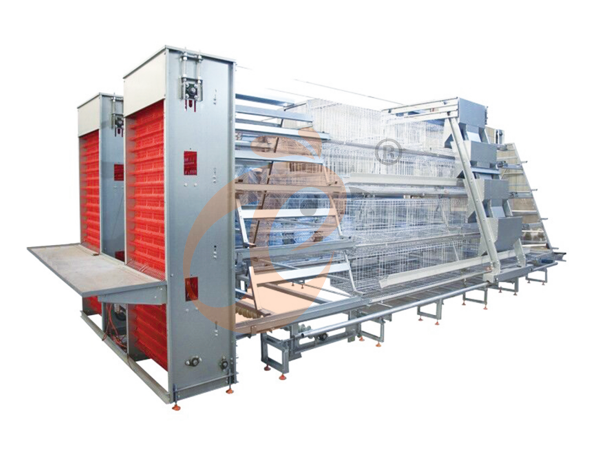
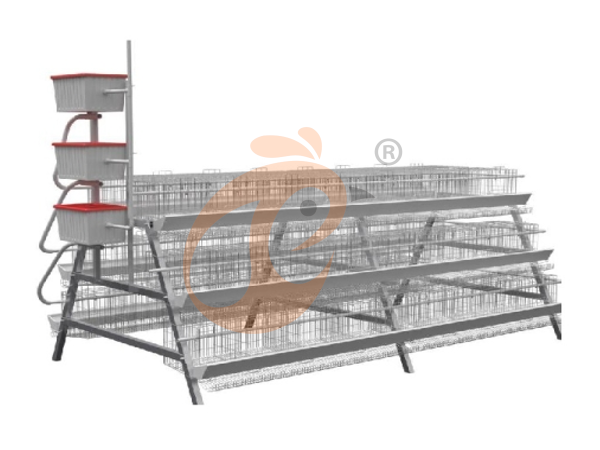
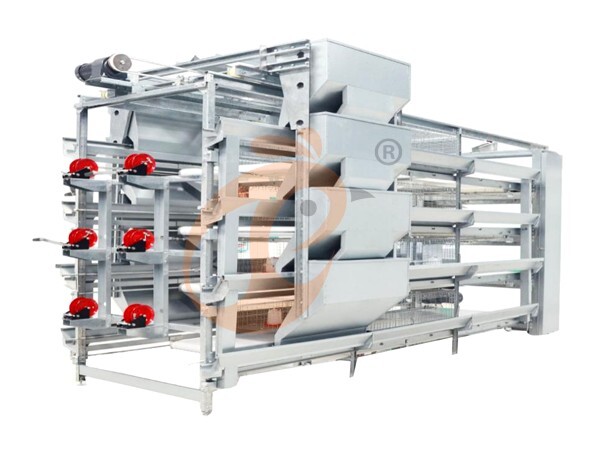
5. Our 24 hour online reception What’sApp NO. is +8618830120193 <30,000 Pullets Automatic A Type Battery Cage1. 10,000 to 30,000 pullets a house, choose it.
2. It is designed to rearing older than 1 day old pullets to 12 to 16 weeks old chicken starting laying eggs.
3. Its lifespan is more than 25 years.
4. Its structure are Vcloud artificial intelligent fusion, electric control cabinet, automatic equipment of drinking, feeding, manure clean, manual harvesting.
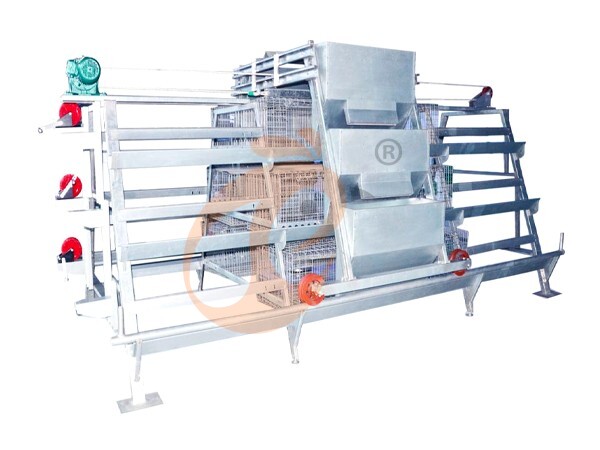
5. Our 24 hour online reception What’sApp NO. is +86 18830120193. >30,000 Broilers Semi-Automatic Harvest H Type Battery Cage1. More than 30,000 broilers a house, choose it.
2. It is designed to rearing 1 to 45 day old adult broiler ready for market.
3. Its lifespan is more than 20 years.
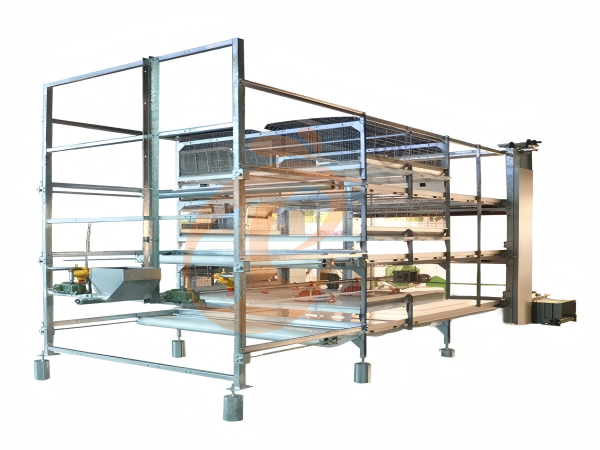
4. Our 24 hour online reception What’sApp NO. is +8618830120193, +234 8111199996. >30,000 Broilers Manual Harvest H Type Battery Cage1. More than 30,000 broilers a house, choose it.
2. It is designed to rearing 1 to 45 day old adult broiler ready for market.
3. Its lifespan is more than 20 years.
4. Its structure are Vcloud artificial intelligent fusion, electric control cabinet, automatic equipment of drinking, feeding and manure clean, manual harvesting.
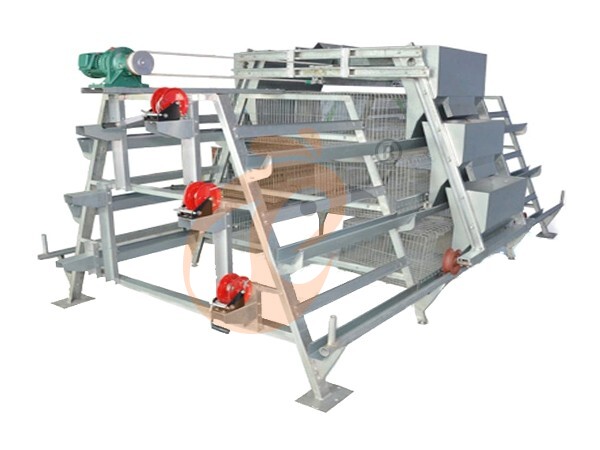
5. Our 24 hour online reception What’sApp NO. is +8618830120193, +234 8111199996. <30,000 Broilers Manual Harvest A Type Battery Cage1. Less 30,000 broilers a house, choose it.
2. It is designed to rearing 1 to 45 day old adult broiler ready for market.
3. Its lifespan is more than 20 years.
4. Its structure are Vcloud artificial intelligent fusion, electric control cabinet, automatic equipment of drinking, feeding and manure clean, manual harvesting.
5. Our 24 hour online reception What’sApp NO. is +8618830120193, +234 8111199996. HK Headquarter Offers EU-standard Poultry Farm Solutions, Manufacture Poultry Farm Equipment1. Continuous communication with the EU and the US
2. China, Nigeria, Ethiopia, Tanzania branch companies and factories
3. The products’ quality is customized for local poultry farms
4. Poultry cage and poultry farm equipment stock for sale
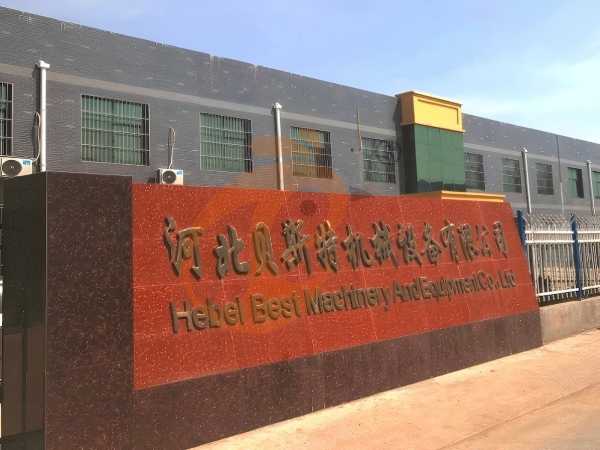
5. 24 online reception Whatsapp NO. : +8618830120193,contact us to get full information China Branch Offer Poultry Farm Business Plan, Manufacture Poultry Farm Equipment1. Address: Flat/RM 2416, 24/F, Runxing Building, Youyi Nan Street, Shijiazhuang City, Hebei Province, China
2. Poultry cage and poultry farm equipment factory and stock for sale
3. Customized for local poultry farms
4. Quality and design are based on Euro
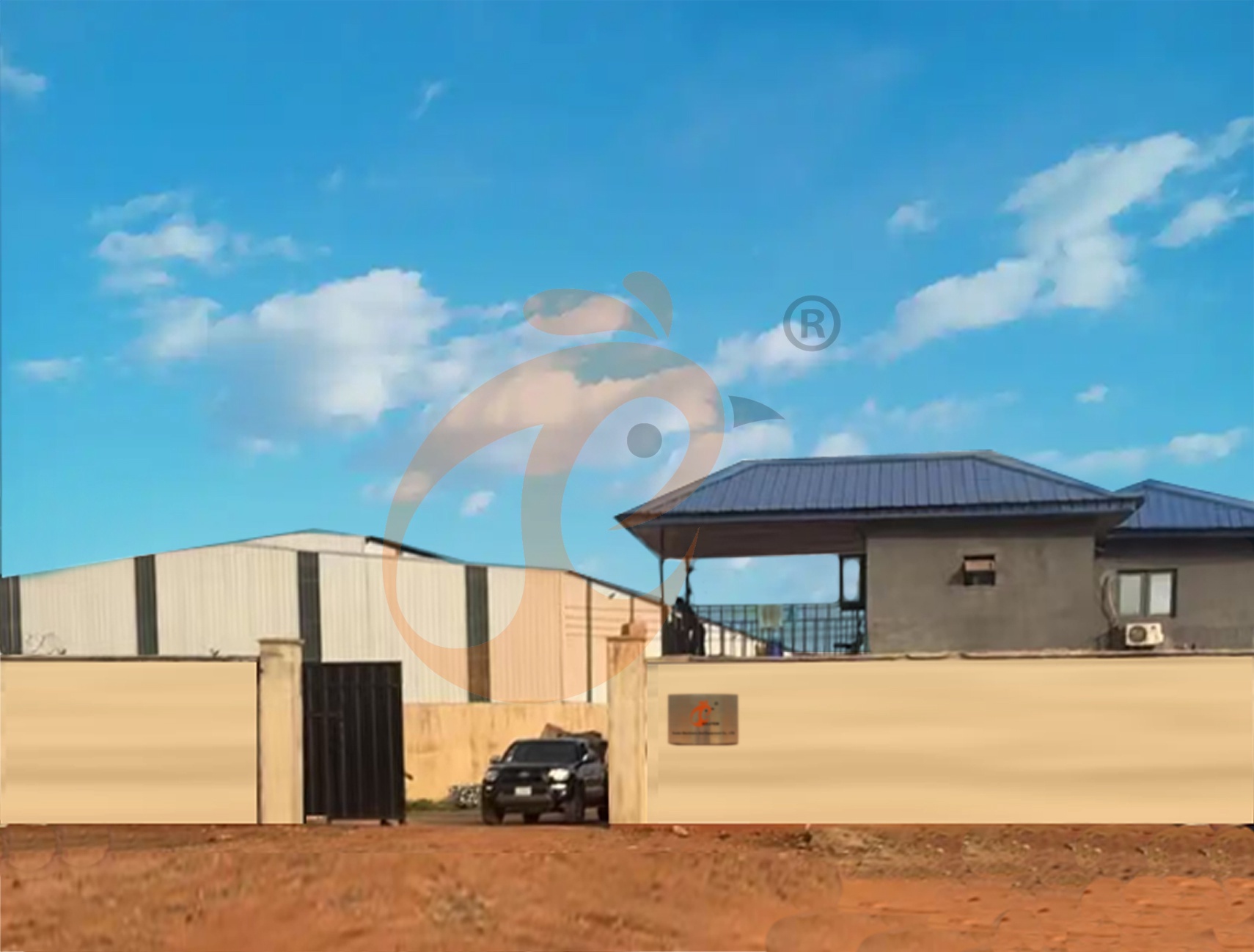
5. 24 online reception Whatsapp NO. : +8618830120193 Nigeria Branch Offer Poultry Farm Business Plan, Manufacture Poultry Farm Equipment1. Address: After Sinoma Office, 200 Meters Near Danco Filling Station, Lagos/Ibadan Expressway, Lagos State, Nigeria
2. Poultry cage and poultry farm equipment factory and stock for sale
3. Customized for Nigerian poultry farms
4. Quality and design are based on Euro
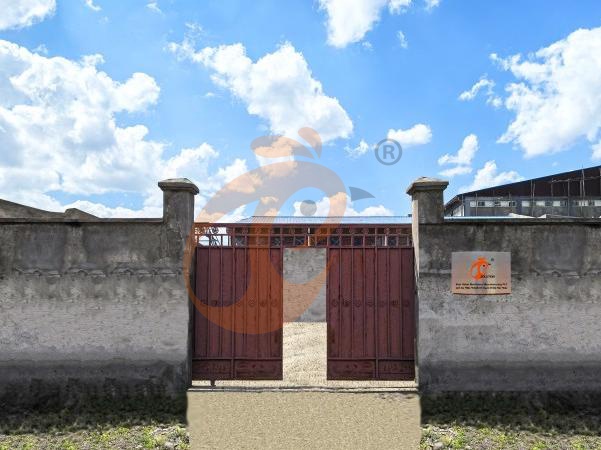
5. 24 online reception Whatsapp NO. : +8618830120193 Ethiopia Branch Offer Poultry Farm Business Plan, Manufacture Poultry Farm Equipment1. Address: Gelan Gura, Akaki-kaliti Sub City, Addis Ababa, Ethiopia
2. Poultry cage and poultry farm equipment stock for sale
3. Customized for Ethiopian poultry farms
4. Quality and design are based on Euro
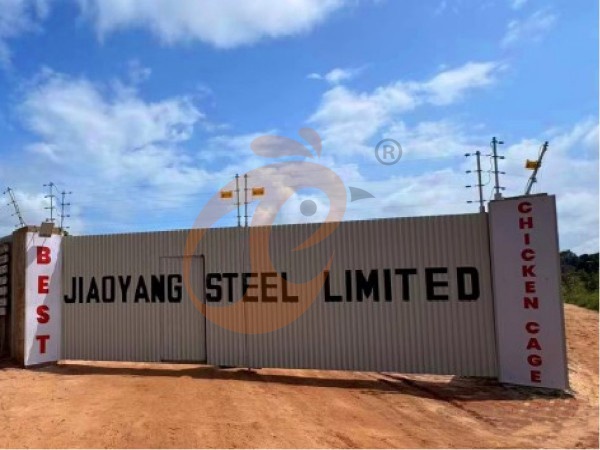
5. 24 online reception Whatsapp NO. : +8618830120193, contact us to get price list Tanzania Branch Offer Poultry Farm Business Plan, Manufacture Poultry Farm Equipment1. Address: No.8, Sova Road, Msufini, Mlandizi, Kibaha, Pwani, Tanzania
2. Poultry cage and poultry farm equipment factory and stock for sale
3. Customized for Tanzanian poultry farms
4. Quality and design are based on Euro
5. 24 online reception Whatsapp NO. : +8618830120193

Contact