


Blog
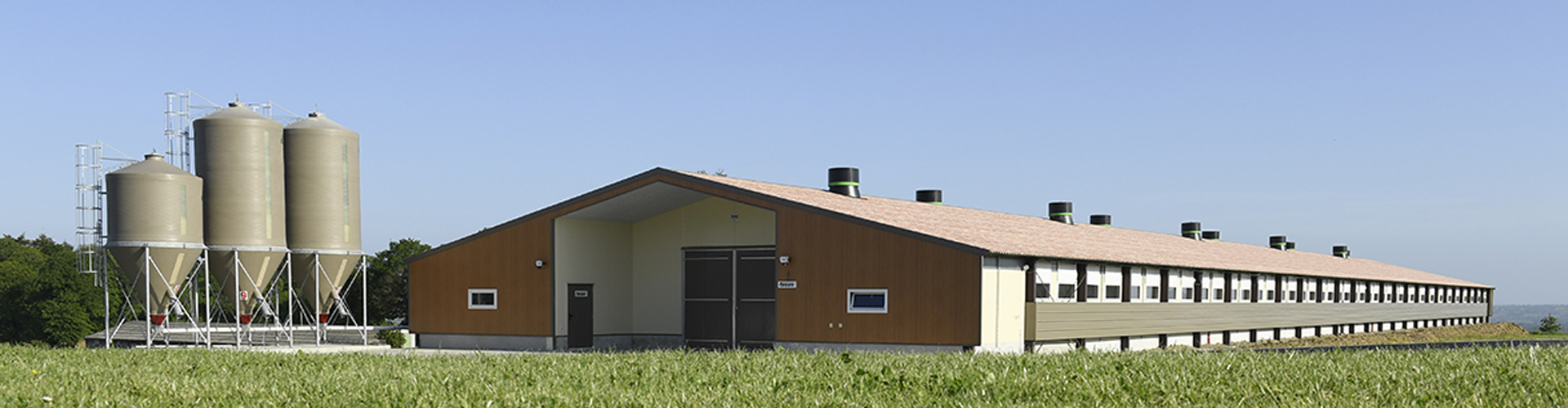
Broiler chicken cage ventilation system defines environmental stability in intensive poultry production facilities through engineered airflow distribution, thermal regulation, and gas exchange optimization.
Poultry house air management integrates sensor-driven ventilation modules, mechanical exhaust calibration, and humidity balancing to stabilize microclimate conditions inside high-density broiler cage structures.
Chicken cage ventilation control ensures consistent ammonia dilution, carbon dioxide evacuation, and temperature uniformity across multi-tier cage systems under commercial stocking loads.
Engineering design of ventilation architecture directly influences feed conversion ratio, daily weight gain, and mortality rate through controlled air velocity ranging from 0.21 to 0.32 m/s across cage levels.
Modern broiler production systems require synchronized ventilation response units to maintain temperature between 23.5°C and 33.0°C while stabilizing relative humidity within 50% to 63% across growth stages.
Get professional poultry farm construction guidance, equipment selection solutions, and the latest price lists, whatsApp to +8618830120193, click to learn more:
The Role Of Ventilation In Broiler Cages
Broiler cage ventilation system performance determines heat dissipation efficiency, gas exchange rate, and airborne pathogen control within confined poultry structures.
Airflow consistency directly influences metabolic stress levels and nutrient utilization efficiency in broiler flocks.
Data is for reference only.Swipe horizontally to view full table.
Proper poultry house air management stabilizes environmental equilibrium and reduces respiratory stress indicators across broiler populations in controlled cage environments.
Uniform Airflow Distribution Design
Chicken cage ventilation control requires engineered airflow symmetry across vertical cage tiers to eliminate stagnant air pockets and localized heat accumulation zones.
Air velocity variation must remain within controlled thresholds to ensure consistent bird comfort conditions.
Data is for reference only.Swipe horizontally to view full table.
Uniform broiler cage ventilation system design reduces thermal deviation between tiers and improves oxygen diffusion efficiency across densely populated cage modules.
Temperature And Humidity Regulation Dynamics
Environmental stabilization in broiler houses depends on synchronized temperature and humidity correction cycles aligned with bird growth stages.
Excess moisture accumulation accelerates microbial proliferation and litter degradation processes.
Data is for reference only.Swipe horizontally to view full table.
Chicken cage ventilation control systems stabilize thermal gradients and reduce weight variation deviation to below 2% across commercial broiler batches.
Gas Removal Efficiency Engineering
Ammonia and carbon dioxide accumulation inside poultry cages directly impacts respiratory epithelium integrity and feed intake efficiency.
Continuous extraction airflow is required to maintain safe gas concentration thresholds.
Data is for reference only.Swipe horizontally to view full table.
Poultry house air management reduces ammonia accumulation rate by 33% compared with passive ventilation configurations in high-density broiler systems.
Cage Density And Airflow Interaction Model
Stocking density directly modifies airflow resistance coefficient and micro-environmental stability inside broiler cage structures.
Controlled density ensures optimal oxygen availability per bird unit area.
Data is for reference only.Swipe horizontally to view full table.
Broiler cage ventilation system efficiency improves when airflow per bird exceeds 0.25 m³/min under standardized stocking configurations.
Automated Ventilation Control Systems
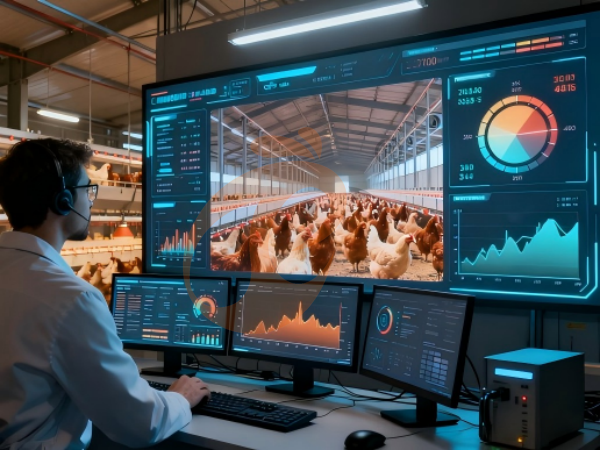
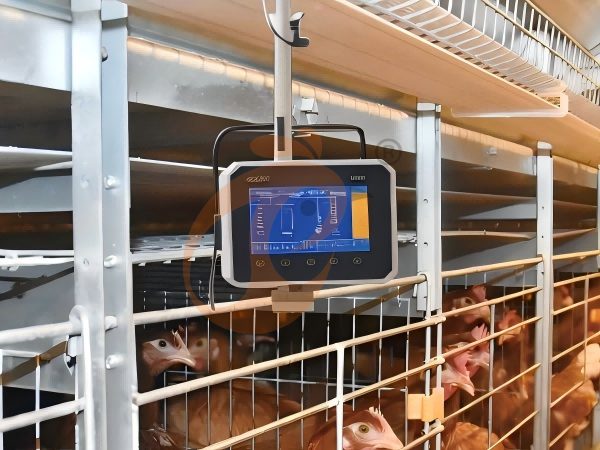
Automated ventilation architecture integrates sensor arrays, real-time processing modules, and actuator-driven fan regulation systems to stabilize environmental variables.
Data is for reference only.Swipe horizontally to view full table.
Chicken cage ventilation control automation improves production efficiency through continuous feedback loops and adaptive airflow correction algorithms.
Operational Error Analysis In Ventilation Systems
Mechanical inefficiencies in poultry ventilation systems often originate from airflow obstruction, sensor drift, and improper vent calibration.
These factors introduce measurable deviations in environmental parameters.
Data is for reference only.Swipe horizontally to view full table.
Poultry house air management corrections reduce ammonia concentration fluctuations by 5–10 ppm in controlled trials.
Case Study Of Ventilation Optimization
A commercial broiler facility implemented integrated chicken cage ventilation control systems with tier-specific airflow balancing and automated sensor regulation modules.
Data is for reference only.Swipe horizontally to view full table.
System optimization improved gas dilution efficiency and reduced environmental stress load across all cage tiers.
Equipment Configuration For Ventilation Systems
Data is for reference only.Swipe horizontally to view full table.
Proper integration enhances poultry house air management efficiency and stabilizes long-term production performance.
Management Practices For Stable Ventilation
Ensuring consistent chicken cage ventilation requires structured operational procedures and data-driven monitoring.
Key practices include
Scheduled inspections: Check fan operation and vent alignment every 48 hours. Verify airspeed at multiple cage points; target variation <0.05 m/s.
- Environmental calibration: Recalibrate temperature sensors weekly to maintain ±0.5°C accuracy and humidity sensors to ±2% RH.
- Litter monitoring: Measure moisture content twice weekly; maintain 22–25% to reduce ammonia release and pathogen growth.
- System optimization: Adjust exhaust fan speed incrementally based on flock age; recommended 0.05 m³/min per 100 birds increase every week after day 14.
- Documentation & feedback: Record readings daily to identify trends and implement corrective actions promptly.
These structured practices improve airflow uniformity, stabilize microclimate, and reduce production variability, directly supporting healthier broilers and higher operational efficiency.
Frequently Asked Questions
Q1: What determines ventilation efficiency in broiler cage systems?
Ventilation efficiency depends on airflow rate per cage, gas removal capacity, and temperature uniformity across tiers.
Sensor accuracy and fan calibration also influence system stability under high stocking density conditions.
Q2: How does poultry house air management affect growth performance?
Stable air management improves oxygen availability, reduces ammonia exposure, and enhances feed conversion efficiency.
Broilers under controlled ventilation show improved daily weight gain and reduced mortality variation across production cycles.
Q3: Why is chicken cage ventilation control critical in intensive farming?
Ventilation control stabilizes environmental parameters including humidity, temperature, and gas concentration.
These conditions directly affect respiratory health, metabolic efficiency, and uniform growth performance in broiler populations.
Taiyu (HK) Group - One Of China Largest Poultry Cage Ventilation Equipment Manufacturer
Broiler cage ventilation system integrates engineering airflow design and automated environmental control modules.
Global factory direct supply of poultry cage ventilation solutions ensures stable production performance.
Poultry equipment manufacturing includes complete ventilation, feeding, and drinking system integration.
Poultry cage turnkey engineering supports full farm installation and commissioning services.
Industrial ventilation system configuration improves flock productivity and environmental stability under intensive farming models.
Contact Us To Received Your Customized Poultry Farm Plan
Headquarters And Branchs

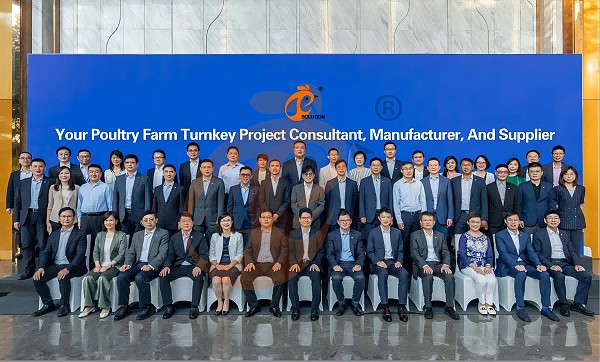
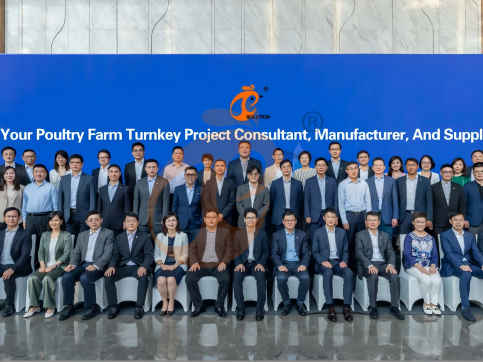
Hong Kong Headquarter Management Team
Hong Kong Headquarter Taiyu Industrial Group CO., LTD
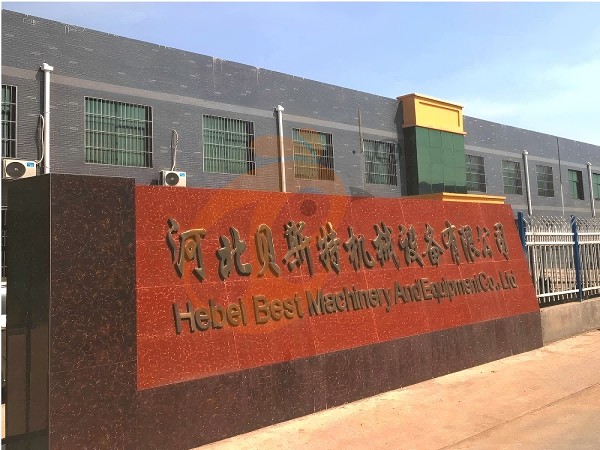
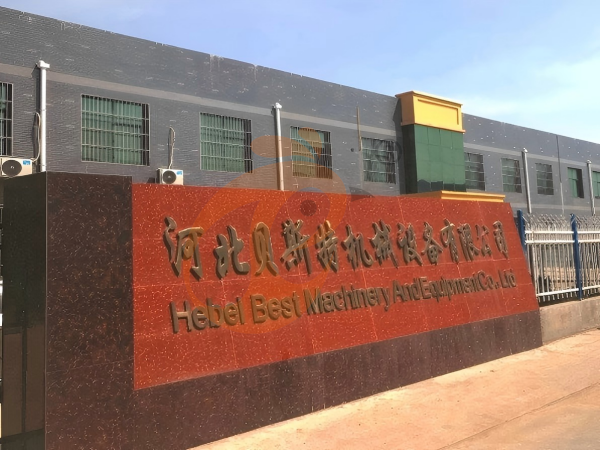
China Hebei Best Machinery And Equipment CO., LTD
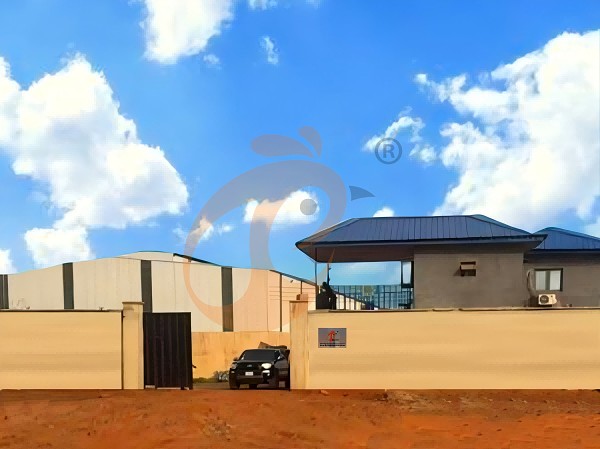
Nigeria Vanke Machinery And Equipment CO., LTD
Tanzania Best Machinery And Equipment CO., LTD
Ethiopia Best Hebei Machinery Manufacturing PLC
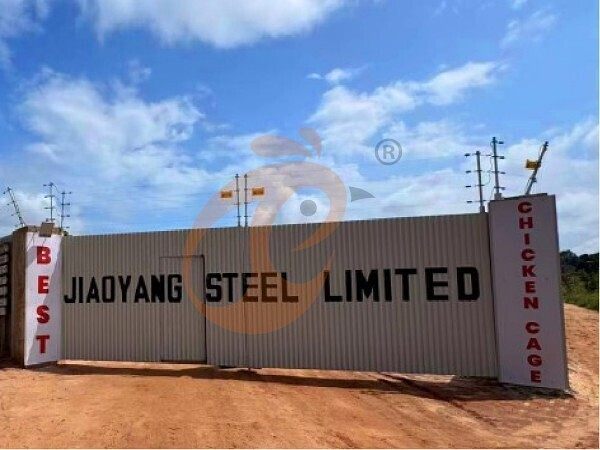
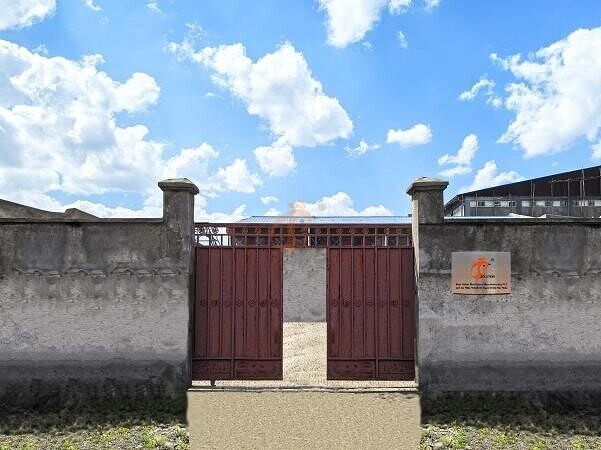
Reception /24 WhatsApp NO. : +8618830120193
FAQ
What Cage Structure Options Are Available For Broiler Chicken Cage Systems?
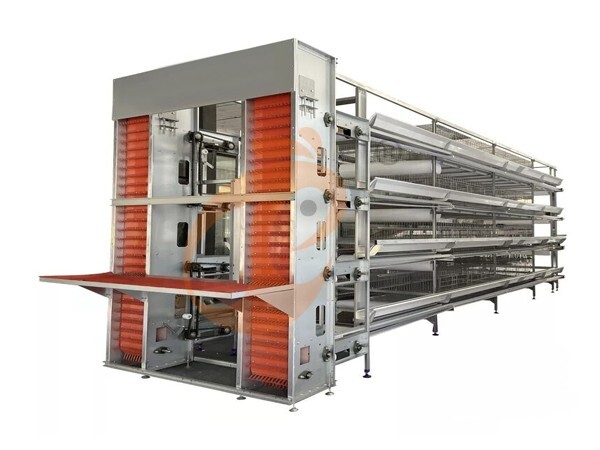
H-type cage systems are configured in 3–12 tiers accommodating 360–1440 birds per set for intensive farming operations.
Structural height ranges from 1.75–10.11 meters maximizing vertical space utilization and housing efficiency.
How Does Stocking Density Affect Broiler Chicken Cage Performance?
H-type systems maintain 500 cm² allocation per bird optimizing housing density and production output.
Bird distribution is balanced at 8 birds per compartment in partitioned cage configurations reducing competition.
Which Cage Dimensions Are Commonly Used In Broiler Chicken Cage Systems?
H-type cage modules measure 3.3 × 1.82 meters providing larger continuous housing sections.
Internal compartment height varies from 40–55 cm ensuring adequate bird activity and ventilation circulation.
- poultry farm
- chicken cage
- broiler cage
- poultry house
- poultry cage
- cage
- poultry farm construction
- broiler cage system
- poultry cage ventilation
- poultry equipment
- poultry cages
- broiler chicken cage
- broiler cages
- chickencage
- bestchickencage
- cage system
- cage systems
- Nigeria
- poultry ventilation system
- broiler cage ventilation
- poultry farm plan
- chicken cage ventilation
- Ethiopia
Message
Products recommended
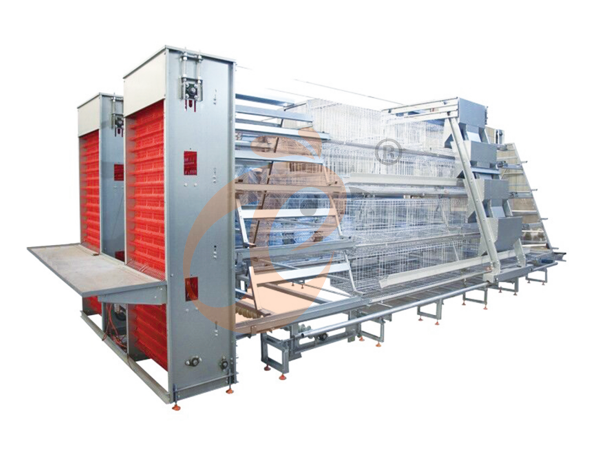
 >30,000 Pullets Automatic H Type Battery Cage1. More than 30,000 pullets a house, choose it.
2. It is designed to rearing older than 1 day old pullets to 12 to 16 weeks old chicken starting laying eggs.
3. Its lifespan is more than 25 years.
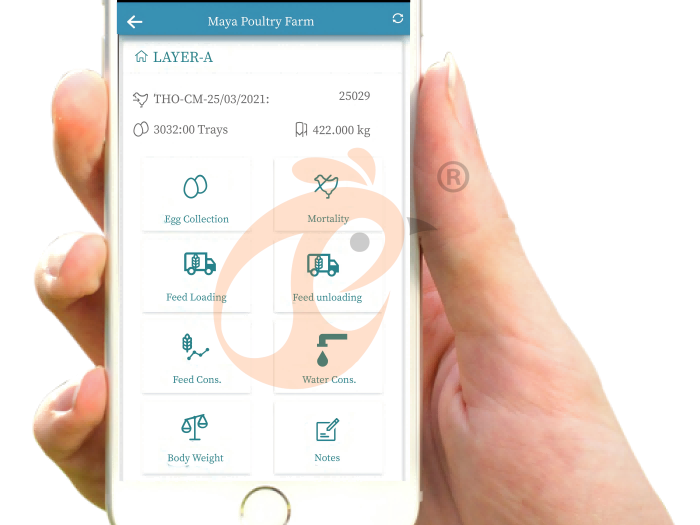
4. Its structure are Vcloud artificial intelligent fusion, electric control cabinet, automatic equipment of drinking, feeding, manure clean, manual harvesting.
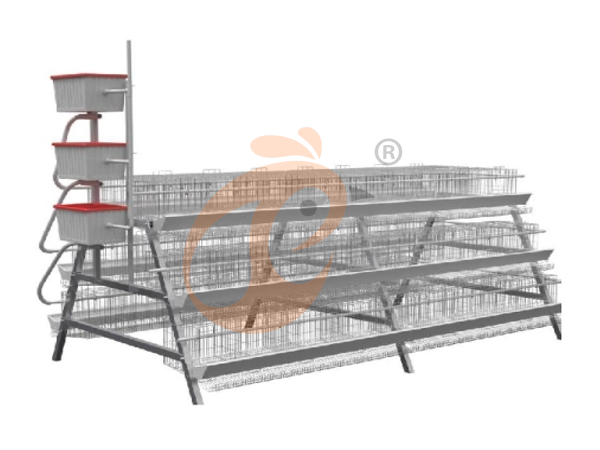
5. Our 24 hour online reception What’sApp NO. is +8618830120193 <30,000 Pullets Automatic A Type Battery Cage1. 10,000 to 30,000 pullets a house, choose it.
2. It is designed to rearing older than 1 day old pullets to 12 to 16 weeks old chicken starting laying eggs.
3. Its lifespan is more than 25 years.
4. Its structure are Vcloud artificial intelligent fusion, electric control cabinet, automatic equipment of drinking, feeding, manure clean, manual harvesting.
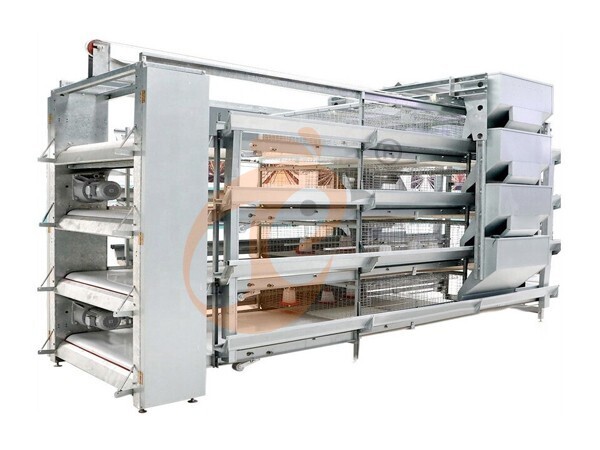
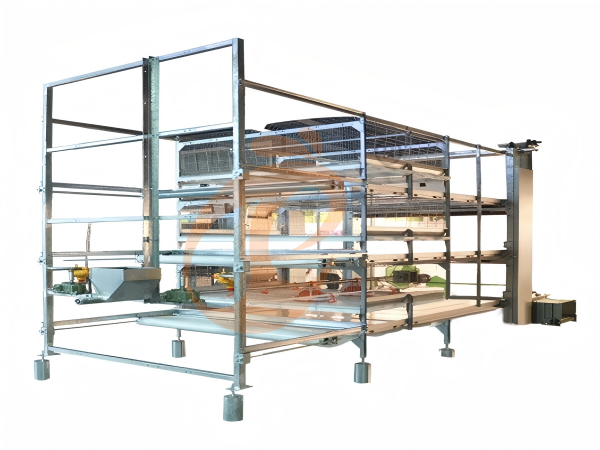
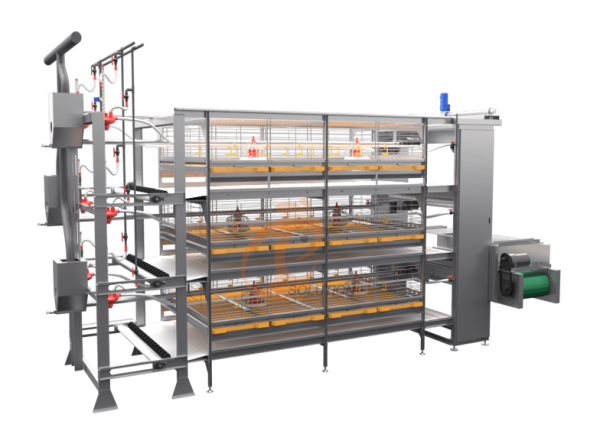
5. Our 24 hour online reception What’sApp NO. is +86 18830120193. >30,000 Broilers Semi-Automatic Harvest H Type Battery Cage1. More than 30,000 broilers a house, choose it.
2. It is designed to rearing 1 to 45 day old adult broiler ready for market.
3. Its lifespan is more than 20 years.
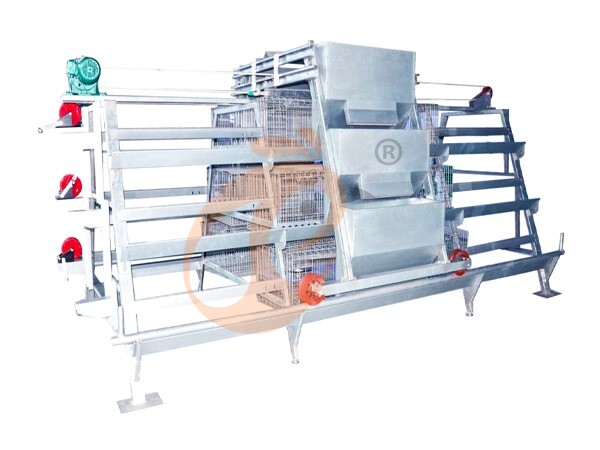
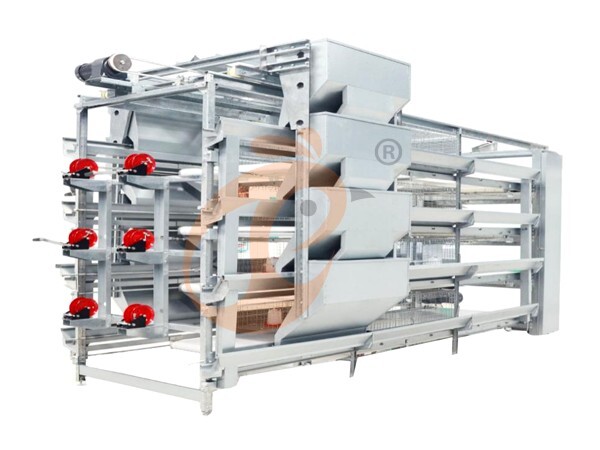
4. Our 24 hour online reception What’sApp NO. is +8618830120193, +234 8111199996. >30,000 Broilers Manual Harvest H Type Battery Cage1. More than 30,000 broilers a house, choose it.
2. It is designed to rearing 1 to 45 day old adult broiler ready for market.
3. Its lifespan is more than 20 years.
4. Its structure are Vcloud artificial intelligent fusion, electric control cabinet, automatic equipment of drinking, feeding and manure clean, manual harvesting.
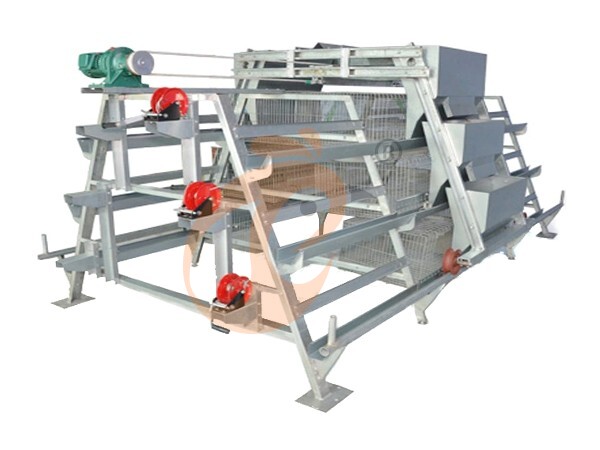
5. Our 24 hour online reception What’sApp NO. is +8618830120193, +234 8111199996. <30,000 Broilers Manual Harvest A Type Battery Cage1. Less 30,000 broilers a house, choose it.
2. It is designed to rearing 1 to 45 day old adult broiler ready for market.
3. Its lifespan is more than 20 years.
4. Its structure are Vcloud artificial intelligent fusion, electric control cabinet, automatic equipment of drinking, feeding and manure clean, manual harvesting.
5. Our 24 hour online reception What’sApp NO. is +8618830120193, +234 8111199996. HK Headquarter Offers EU-standard Poultry Farm Solutions, Manufacture Poultry Farm Equipment1. Continuous communication with the EU and the US
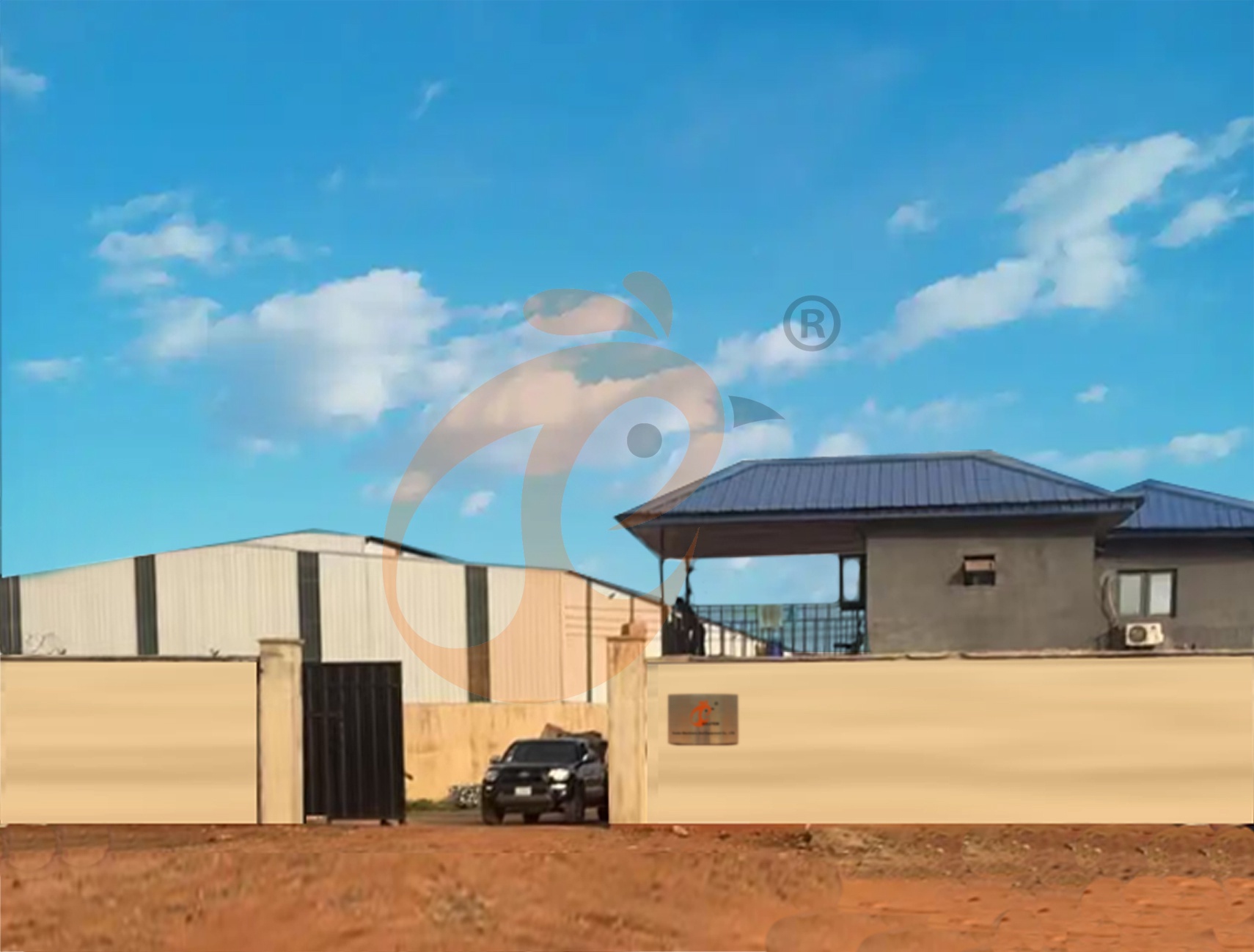
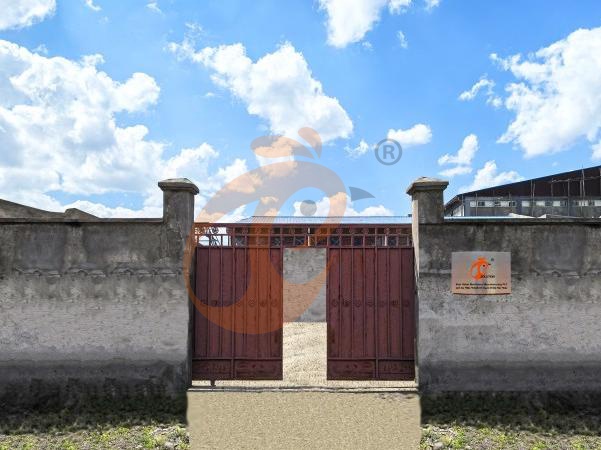
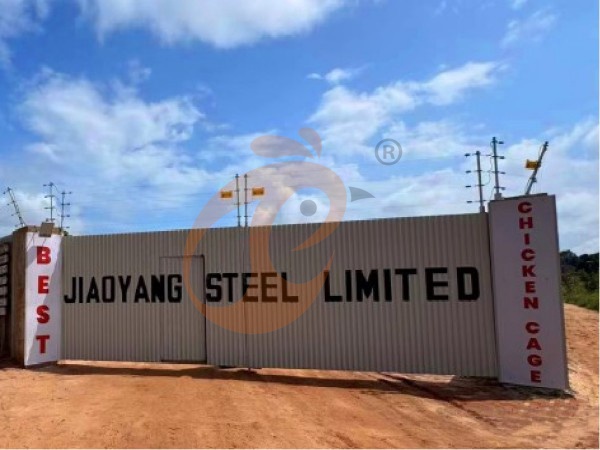
2. China, Nigeria, Ethiopia, Tanzania branch companies and factories
3. The products’ quality is customized for local poultry farms
4. Poultry cage and poultry farm equipment stock for sale
5. 24 online reception Whatsapp NO. : +8618830120193,contact us to get full information China Branch Offer Poultry Farm Business Plan, Manufacture Poultry Farm Equipment1. Address: Flat/RM 2416, 24/F, Runxing Building, Youyi Nan Street, Shijiazhuang City, Hebei Province, China
2. Poultry cage and poultry farm equipment factory and stock for sale
3. Customized for local poultry farms
4. Quality and design are based on Euro
5. 24 online reception Whatsapp NO. : +8618830120193 Nigeria Branch Offer Poultry Farm Business Plan, Manufacture Poultry Farm Equipment1. Address: After Sinoma Office, 200 Meters Near Danco Filling Station, Lagos/Ibadan Expressway, Lagos State, Nigeria
2. Poultry cage and poultry farm equipment factory and stock for sale
3. Customized for Nigerian poultry farms
4. Quality and design are based on Euro
5. 24 online reception Whatsapp NO. : +8618830120193 Ethiopia Branch Offer Poultry Farm Business Plan, Manufacture Poultry Farm Equipment1. Address: WR93+FQ2, Addis Ababa, Ethiopia
2. Poultry cage and poultry farm equipment stock for sale
3. Customized for Ethiopian poultry farms
4. Quality and design are based on Euro
5. 24 online reception Whatsapp NO. : +8618830120193, contact us to get price list Tanzania Branch Offer Poultry Farm Business Plan, Manufacture Poultry Farm Equipment1. Address: No.8, Sova Road, Msufini, Mlandizi, Kibaha, Pwani, Tanzania
2. Poultry cage and poultry farm equipment factory and stock for sale
3. Customized for Tanzanian poultry farms
4. Quality and design are based on Euro
5. 24 online reception Whatsapp NO. : +8618830120193


Contact
By clicking 'Allow All', you agree to the storage of cookies on your device to enhance site navigation, analyze site usage and assist with our marketing efforts.