


Blog
Basic information
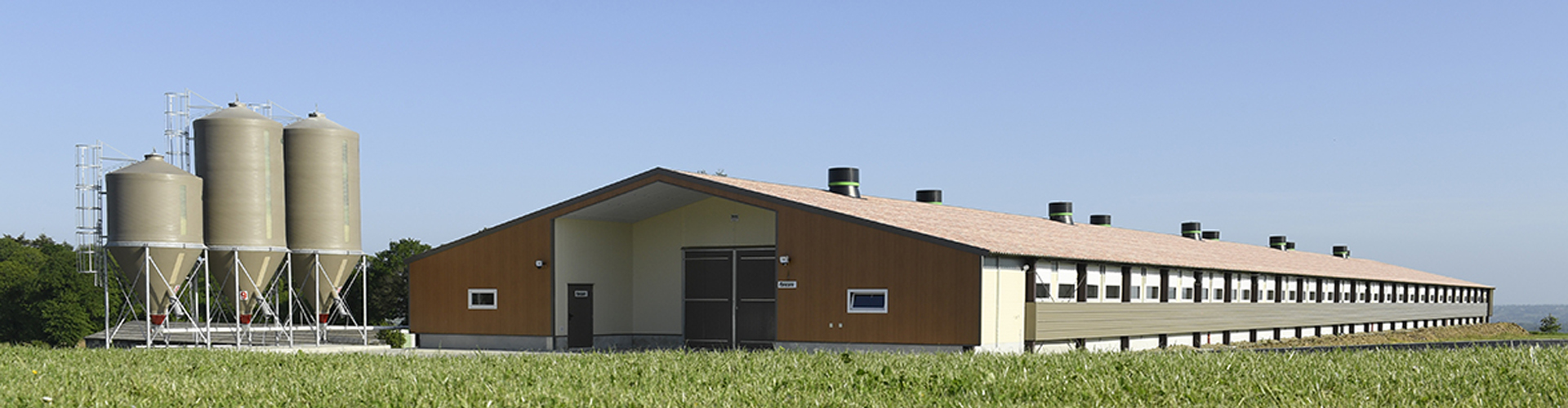
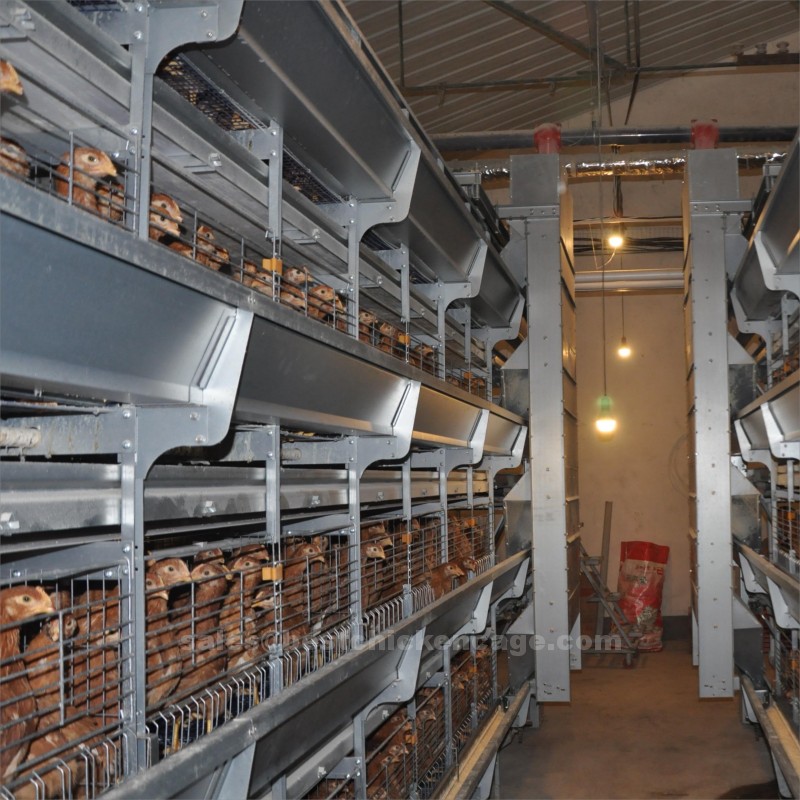
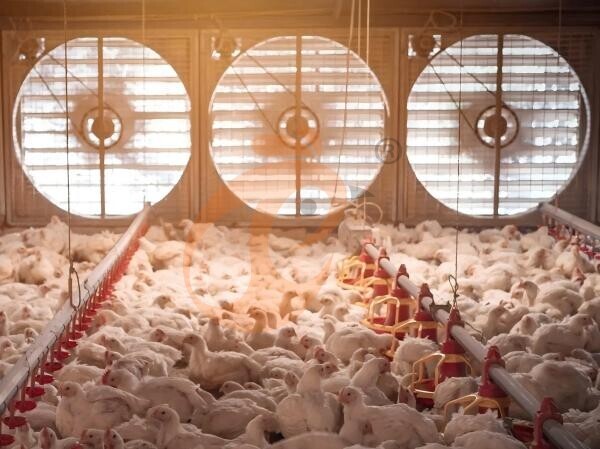
Chicken farms typically involve housing chickens in specialized facilities, such as coops or broiler houses, where they are provided with food, water, and ventilation. Farmers monitor the health and behavior of the chickens regularly and implement various management practices to optimize their growth and productivity
Some chicken farms may also incorporate additional activities, such as breeding, hatching, and processing, to create a vertically integrated operation. Overall, chicken farms play a vital role in meeting the global demand for protein and contribute significantly to the agricultural industry
Product description
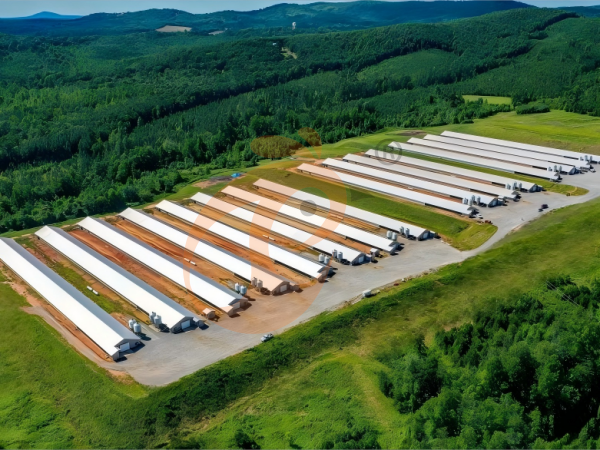
A chicken farm, also known as a poultry farm, is an agricultural operation that raises domesticated chickens for their meat, eggs, or feathers. Chicken farms can range in size from small, backyard operations to large, industrial scale facilities. The primary goal of a chicken farm is to produce high-quality meat or eggs while ensuring the health and well being of the chickens
We are always happy to support our customers and partners with technical questions, products you may want to learn more, click the name to visit
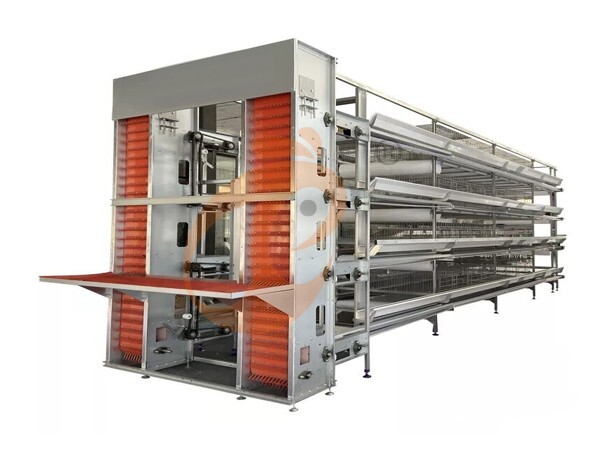
1. Automatic battery cage for pullet, brooder, layer, chicken parents and broiler
2. Chicken feed mill, manure drying machine and egg collection
3. Deep litter plasson drinker, feeder and broiler slaughtering equipment
4. Other poultry farm equipment...
Bookmark our website and contact us now to making enquiry, visiting to our office and factory and checking the sample...
How to start a chicken farm business a beginners guide
Starting a chicken farm business can be a rewarding venture, but it requires careful planning and execution
Here is a beginner's guide to help you get started
Step 1: Research and planning
Learn about the chicken farming industry, market trends, and consumer demand.
Define your niche (meat, eggs, or breeding)
Develop a business plan, including budget, production goals, and marketing strategy
Step 2: Secure funding
Determine startup costs (land, equipment, feed, etc.)
Explore financing options (loans, grants, investors)
Step 3: Choose a location
Ensure zoning regulations allow for chicken farming
Consider proximity to markets, feed suppliers, and veterinary services
Step 4: Build or renovate facilities
Design and construct chicken houses, runs, and other infrastructure
Ensure biosecurity and animal welfare standards
Step 5: Obtain necessary licenses and permits
Register your farm with local and national authorities
Obtain health certificates and permits
Step 6: Purchase equipment and supplies
Buy feeders, waterers, nesting boxes, and other essential equipment
Source high quality feed and veterinary supplies
Step 7: Acquire chickens
Choose a reputable hatchery or supplier
Select breeds suitable for your niche and climate
Step 8: Implement management practices
Develop a health management plan (vaccinations, parasite control)
Establish feeding and watering schedules
Step 9: Market your products
Develop a marketing strategy (direct sales, wholesale, online)
Create a brand and packaging
Step 10: Monitor and adapt
Continuously monitor farm performance and adjust strategies as needed
Stay up to date with industry developments and best practices
Importance
1. Protein source: Chicken farms provide a primary source of protein for human consumption
2. Food security: Chicken farms contribute to food security by producing a staple protein source
3. Economic growth: Chicken farms generate income and employment opportunities
4. Rural development: Chicken farms support rural development by creating jobs and stimulating local economies
5. Sustainable agriculture: Chicken farms can promote sustainable agriculture practices
6. Animal welfare: Chicken farms prioritize animal welfare and humane treatment
7. Environmental stewardship: Chicken farms can implement environmentally friendly practices
8. Research and development: Chicken farms support research and development in poultry science
9. Food safety: Chicken farms prioritize food safety and quality control
10. Consumer choice: Chicken farms offer consumers a choice of fresh, locally produced poultry products
Features
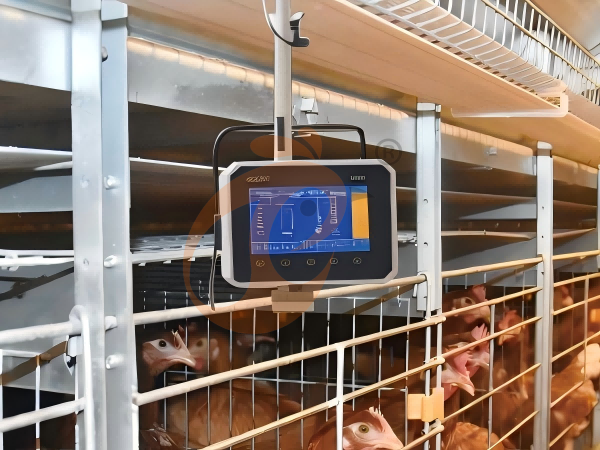
1. Modern farm infrastructure (e.g., climate-controlled houses, automated feeding systems)
2. High quality breeding stock and genetics
3. Advanced nutrition and feeding programs
4. Robust biosecurity measures (e.g., sanitation, vaccination, disease monitoring)
5. Efficient water management systems
6. Sustainable waste management practices
7. Integrated pest management (ipm) strategies
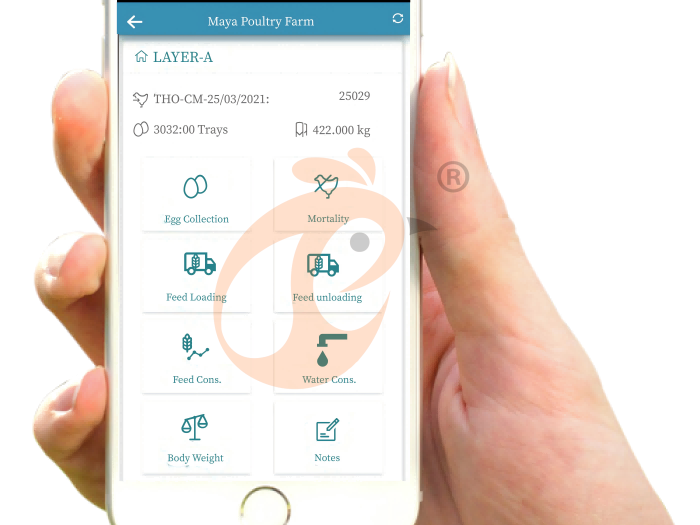
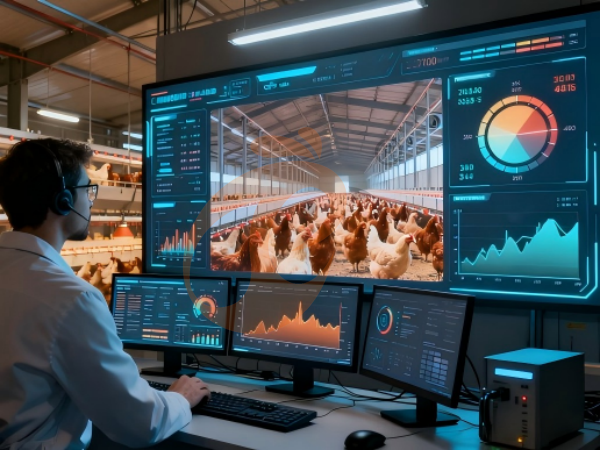
8. Advanced farm management software and data analysis tools
9. Regular veterinary care and health monitoring
10. Certifications and compliance with industry standards (e.g., animal welfare, environmental)
Our services
1. We provide detailed information to our customers
2. We sell long lasting equipments to meet our customers’ demands
3. We give our first time customers suggestions on how they should go about their poultry farm
4. We give satisfactory answers to any questions they may have concerning our products
5. We are well experienced on the product we are manufacturing
6. We follow up our customers from time to time concerning the equipments they purchased
Frequently ask questions
Q: What is the main benefit of starting a chicken farm business?
A: The main benefit is the potential for high returns on investment, as chicken farming can be a lucrative business with a high demand for products
Q: How does chicken farming contribute to food security?
A: Chicken farming contributes to food security by providing a reliable source of protein, which is essential for human health and well being
Q: What is a crucial aspect of chicken farm management?
A: Biosecurity is a crucial aspect of chicken farm management, as it helps prevent disease outbreaks and ensures the health and well-being of the flock
FAQ
Message
Products recommended
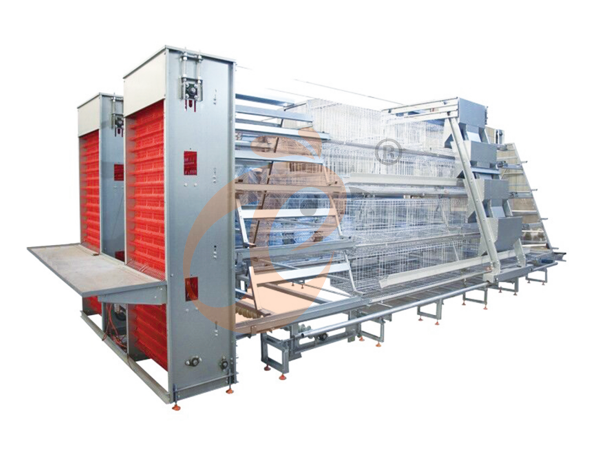
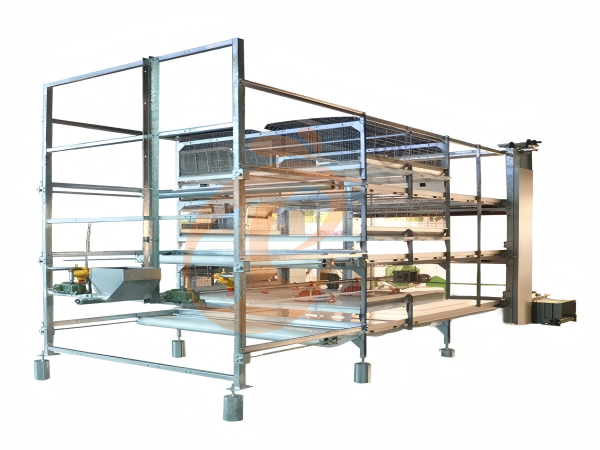
 >30,000 Pullets Automatic H Type Battery Cage1. More than 30,000 pullets a house, choose it.
2. It is designed to rearing older than 1 day old pullets to 12 to 16 weeks old chicken starting laying eggs.
3. Its lifespan is more than 25 years.
4. Its structure are Vcloud artificial intelligent fusion, electric control cabinet, automatic equipment of drinking, feeding, manure clean, manual harvesting.
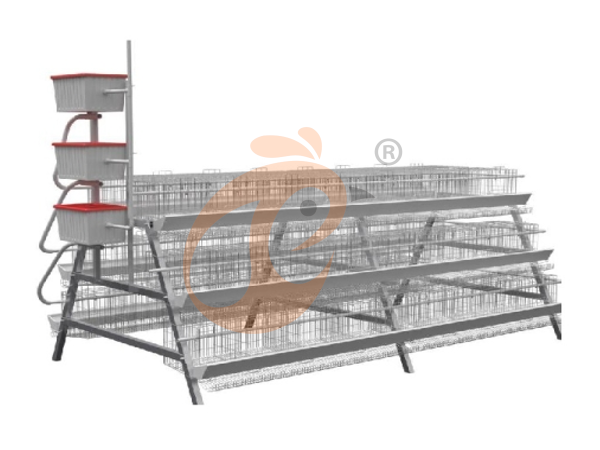
5. Our 24 hour online reception What’sApp NO. is +8618830120193 <30,000 Pullets Automatic A Type Battery Cage1. 10,000 to 30,000 pullets a house, choose it.
2. It is designed to rearing older than 1 day old pullets to 12 to 16 weeks old chicken starting laying eggs.
3. Its lifespan is more than 25 years.
4. Its structure are Vcloud artificial intelligent fusion, electric control cabinet, automatic equipment of drinking, feeding, manure clean, manual harvesting.
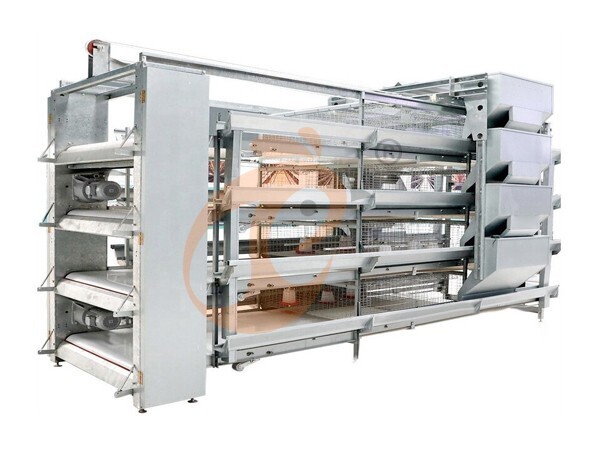
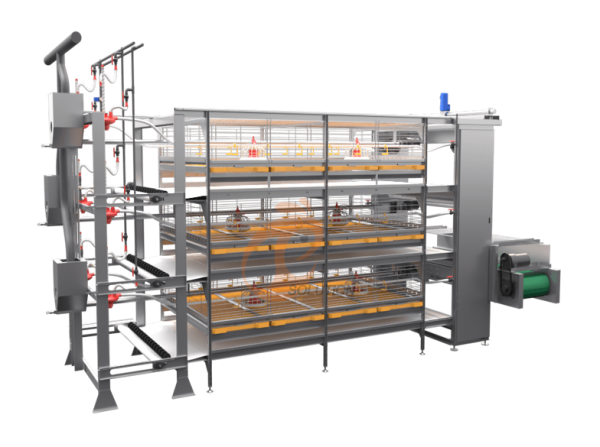
5. Our 24 hour online reception What’sApp NO. is +86 18830120193. >30,000 Broilers Semi-Automatic Harvest H Type Battery Cage1. More than 30,000 broilers a house, choose it.
2. It is designed to rearing 1 to 45 day old adult broiler ready for market.
3. Its lifespan is more than 20 years.
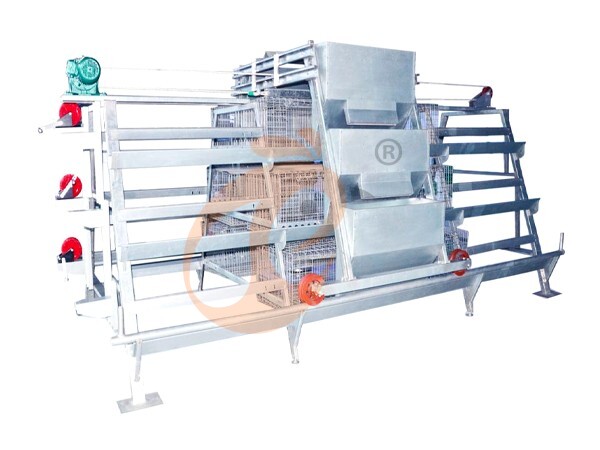
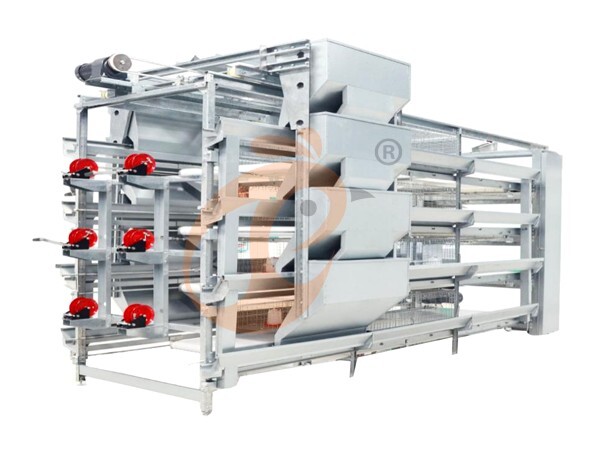
4. Our 24 hour online reception What’sApp NO. is +8618830120193, +234 8111199996. >30,000 Broilers Manual Harvest H Type Battery Cage1. More than 30,000 broilers a house, choose it.
2. It is designed to rearing 1 to 45 day old adult broiler ready for market.
3. Its lifespan is more than 20 years.
4. Its structure are Vcloud artificial intelligent fusion, electric control cabinet, automatic equipment of drinking, feeding and manure clean, manual harvesting.
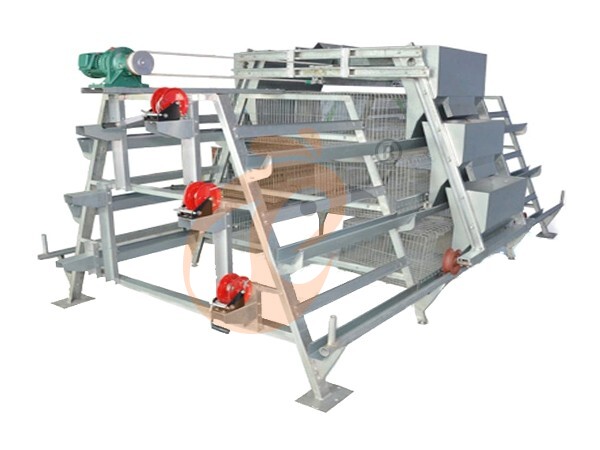
5. Our 24 hour online reception What’sApp NO. is +8618830120193, +234 8111199996. <30,000 Broilers Manual Harvest A Type Battery Cage1. Less 30,000 broilers a house, choose it.
2. It is designed to rearing 1 to 45 day old adult broiler ready for market.
3. Its lifespan is more than 20 years.
4. Its structure are Vcloud artificial intelligent fusion, electric control cabinet, automatic equipment of drinking, feeding and manure clean, manual harvesting.
5. Our 24 hour online reception What’sApp NO. is +8618830120193, +234 8111199996. HK Headquarter Offers EU-standard Poultry Farm Solutions, Manufacture Poultry Farm Equipment1. Continuous communication with the EU and the US
2. China, Nigeria, Ethiopia, Tanzania branch companies and factories
3. The products’ quality is customized for local poultry farms
4. Poultry cage and poultry farm equipment stock for sale
5. 24 online reception Whatsapp NO. : +8618830120193,contact us to get full information China Branch Offer Poultry Farm Business Plan, Manufacture Poultry Farm Equipment1. Address: Flat/RM 2416, 24/F, Runxing Building, Youyi Nan Street, Shijiazhuang City, Hebei Province, China
2. Poultry cage and poultry farm equipment factory and stock for sale
3. Customized for local poultry farms
4. Quality and design are based on Euro
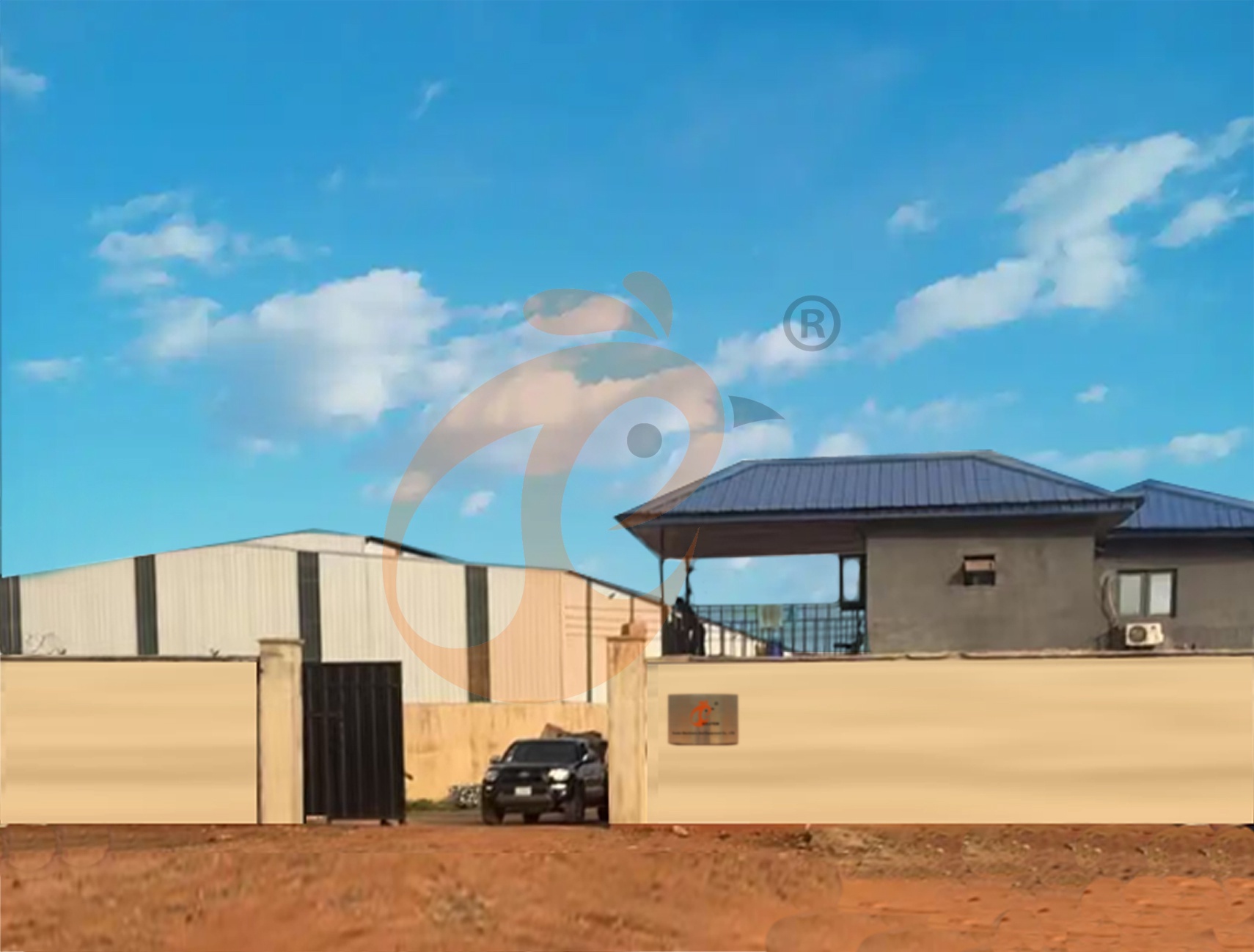
5. 24 online reception Whatsapp NO. : +8618830120193 Nigeria Branch Offer Poultry Farm Business Plan, Manufacture Poultry Farm Equipment1. Address: After Sinoma Office, 200 Meters Near Danco Filling Station, Lagos/Ibadan Expressway, Lagos State, Nigeria
2. Poultry cage and poultry farm equipment factory and stock for sale
3. Customized for Nigerian poultry farms
4. Quality and design are based on Euro
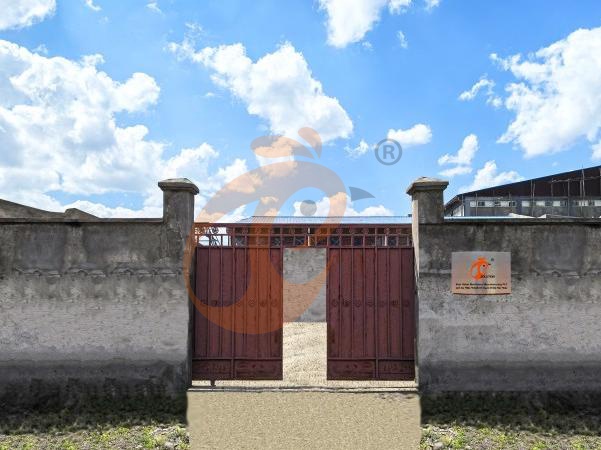
5. 24 online reception Whatsapp NO. : +8618830120193 Ethiopia Branch Offer Poultry Farm Business Plan, Manufacture Poultry Farm Equipment1. Address: Gelan Gura, Akaki-kaliti Sub City, Addis Ababa, Ethiopia
2. Poultry cage and poultry farm equipment stock for sale
3. Customized for Ethiopian poultry farms
4. Quality and design are based on Euro
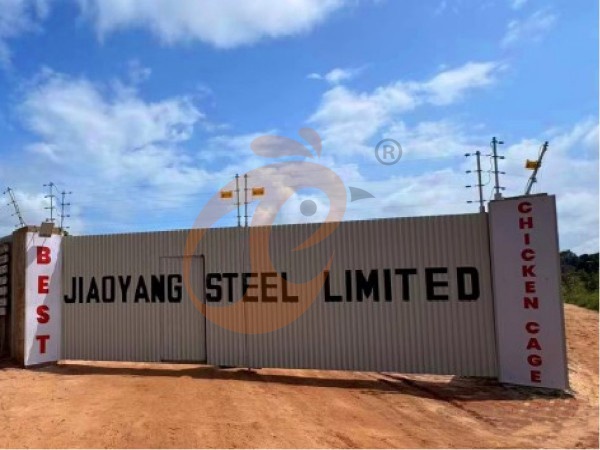
5. 24 online reception Whatsapp NO. : +8618830120193, contact us to get price list Tanzania Branch Offer Poultry Farm Business Plan, Manufacture Poultry Farm Equipment1. Address: No.8, Sova Road, Msufini, Mlandizi, Kibaha, Pwani, Tanzania
2. Poultry cage and poultry farm equipment factory and stock for sale
3. Customized for Tanzanian poultry farms
4. Quality and design are based on Euro
5. 24 online reception Whatsapp NO. : +8618830120193


Contact