


Blog
Pralson feeders troubleshooting quick fixes improves Poultry Feeding System stability across automated farms.
Mechanical feeder stability directly influences Feed Conversion Ratio, flock uniformity, and daily weight gain output.
Auger transport efficiency depends on torque balance, feed density, and motor voltage consistency parameters.
Field diagnostics integrate vibration monitoring, blockage frequency, and sensor calibration deviation metrics for accuracy control.
Poultry house automation performance improves when feeder mechanical, electrical, and environmental variables remain synchronized.
Get professional poultry farm construction guidance, equipment selection solutions, and the latest price lists, whatsApp to +8618830120193, click to learn more:
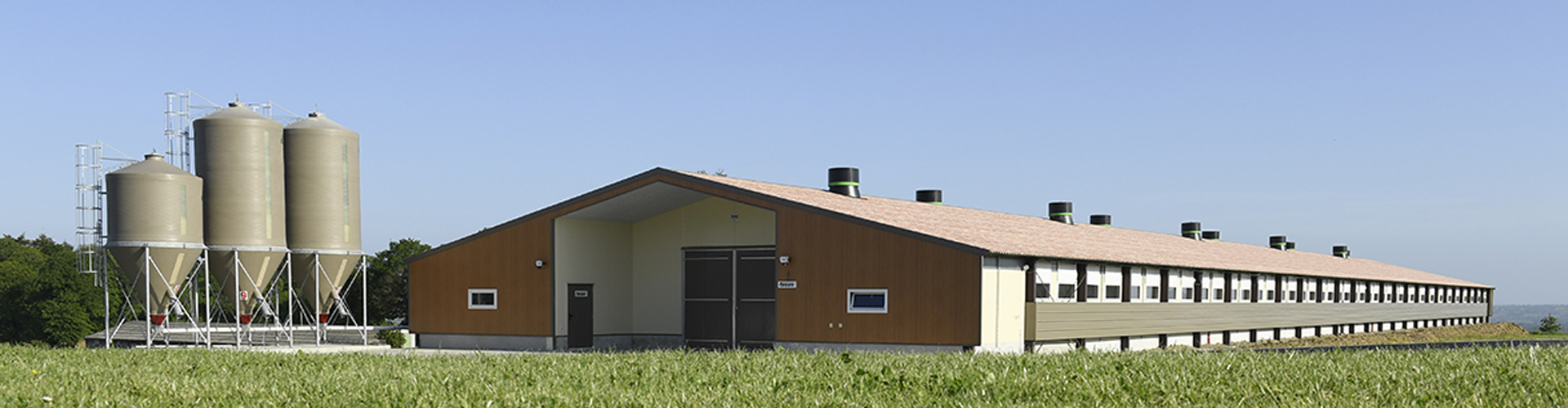
Pralson Feeders System Overview In Poultry Houses
Data is for reference only.Swipe horizontally to view full table.
Feed distribution architecture relies on continuous auger rotation and synchronized hopper discharge timing.
System throughput depends on mechanical alignment precision and motor torque stability under variable load conditions.
Blockage Mechanism Analysis In Feeding Lines
Data is for reference only.Swipe horizontally to view full table.
Blockage formation occurs in elbow joints where particle size variance increases mechanical friction coefficient.
Moisture levels above 13.8% increase particle adhesion and reduce auger displacement efficiency significantly.
Motor Torque And Drive Stability Adjustment
Data is for reference only.Swipe horizontally to view full table.
Motor torque imbalance directly affects Auger Feeding System consistency across long poultry feeding lines.
Voltage fluctuation beyond 10% alters rotational stability and increases mechanical stress accumulation.
Sensor Calibration And Feed Detection System
Data is for reference only.Swipe horizontally to view full table.
Sensor drift causes irregular feed cycling and disrupts real-time feed distribution System accuracy across production lines.
Calibration deviation above defined thresholds increases feeding inconsistency across synchronized poultry systems.
Mechanical Alignment And Structural Stability
Data is for reference only.Swipe horizontally to view full table.
Mechanical misalignment increases friction loss across feeder line sections and reduces feed flow uniformity.
Structural deviation accumulates gradually due to continuous vibration cycles in long poultry feeding system installations.
Scientific Explanation Of Feeding Dynamics
Pralson feeders operation follows controlled mass transport mechanics based on rotational displacement energy.
Feed flow rate depends on particle density, gravitational drop angle, and auger torque transfer efficiency.
Typical feed density ranges from 540 kg/m³ to 675 kg/m³ depending on formulation type used in poultry nutrition systems.
Friction coefficient variation between feed and tube surface directly modifies volumetric discharge stability across cycles.
Energy transfer efficiency determines whether feed flow remains continuous or becomes intermittent under mechanical load conditions.
Feed Flow Rate Optimization By Bird Growth Stage
Data is for reference only.Swipe horizontally to view full table.
Feed flow regulation ensures balanced nutrient intake distribution across different poultry feeding system growth phases.
Incorrect flow calibration increases weight variance across flock populations at harvest stage.
Environmental Impact On Feeding Stability
Data is for reference only.Swipe horizontally to view full table.
Environmental instability influences feed moisture absorption rate and accelerates mechanical wear in feeding components.
Ammonia concentration above 25 ppm accelerates corrosion of sensor terminals and electrical connectors.
Maintenance Optimization Schedule
Data is for reference only.Swipe horizontally to view full table.
Scheduled maintenance reduces unplanned feeder downtime across high-density poultry feeding system cycles.
Lubrication cycle consistency directly affects gearbox lifespan and torque transmission efficiency.
Frequently Asked Questions
Q1: What causes most Pralson feeder failures in poultry farms?
Most failures originate from auger blockage, motor torque imbalance, and sensor calibration drift.
Environmental humidity above 72% increases feed adhesion inside transport tubes.
Mechanical misalignment accumulates gradually in long feeder lines exceeding 80 meters.
Q2: How often should feeder calibration be performed?
Sensor calibration should be executed every 72 hours under continuous operation conditions.
Load cell deviation monitoring ensures accuracy within 0.18 kg tolerance range.
Encoder signal verification stabilizes rotational feedback loops in control systems.
Q3: What is the optimal motor condition for stable feeding
Stable feeding requires 220 V input with 1.85 Nm torque output and 50 Hz frequency stability.
Deviation beyond electrical tolerance increases gearbox wear and reduces feed consistency.
Regular inspection prevents overheating and mechanical stress accumulation.
Taiyu (HK) Group - One Of China Biggest Poultry Equipment Supplier
Pralson feeder troubleshooting equipment designed for Poultry Feeding System precision control.
Global factory direct supply of poultry equipment supporting automated farm integration projects.
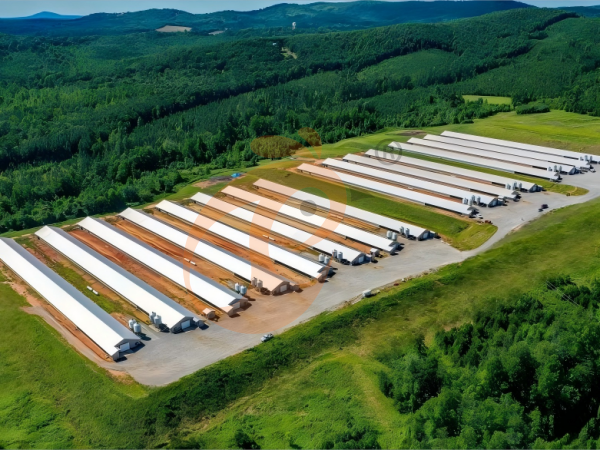
Poultry cage and feeding line manufacturing for large-scale poultry production facilities.
Turn-key engineering solutions for complete poultry house automation system deployment.
International poultry equipment exporter delivering feeder systems and spare parts worldwide.
Contact Us To Received Your Customized Poultry Farm Plan
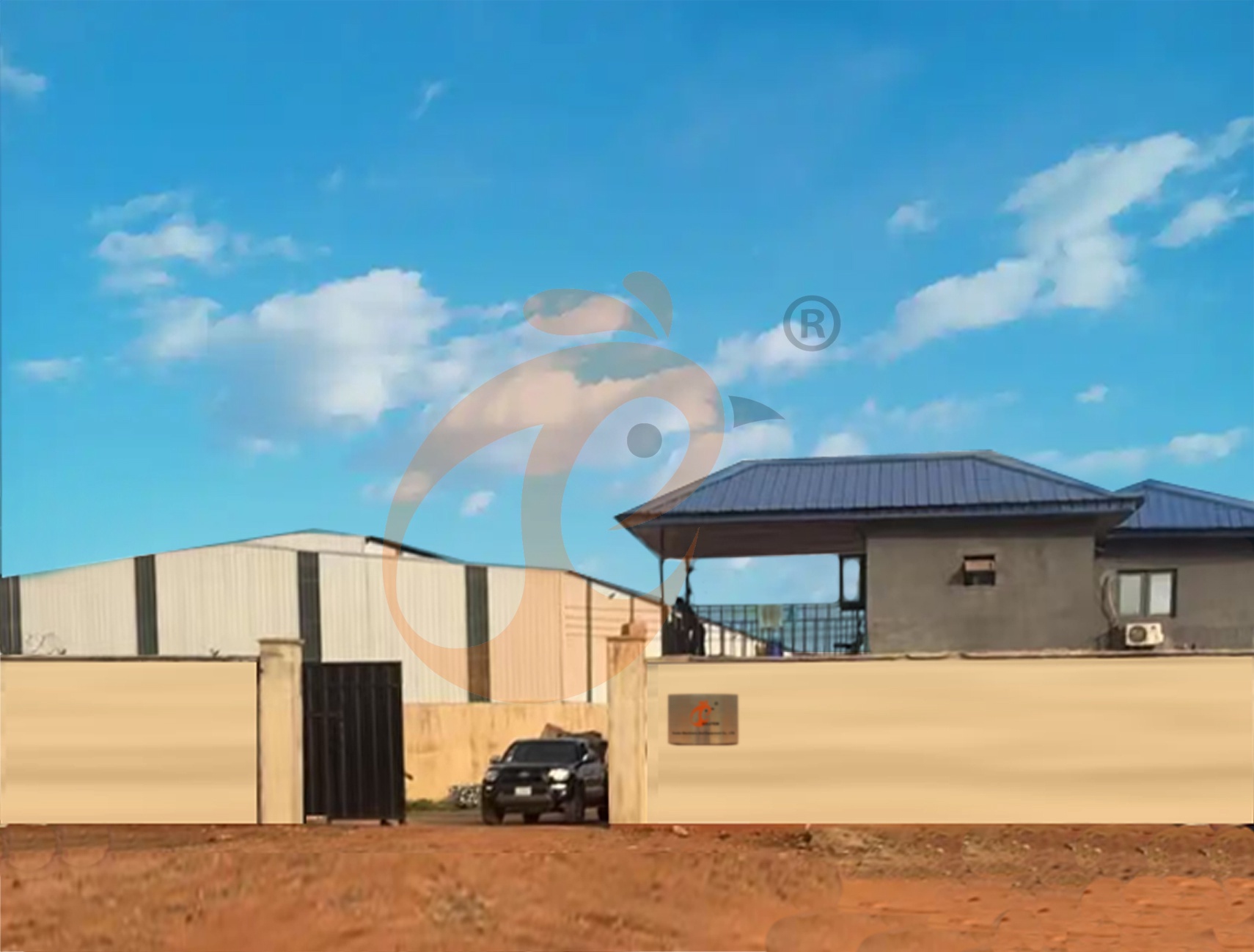
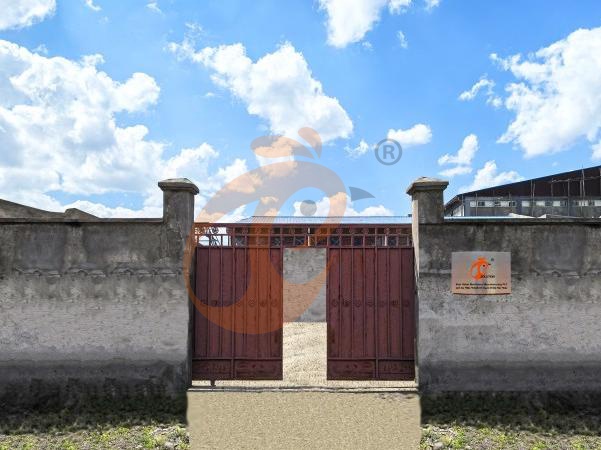
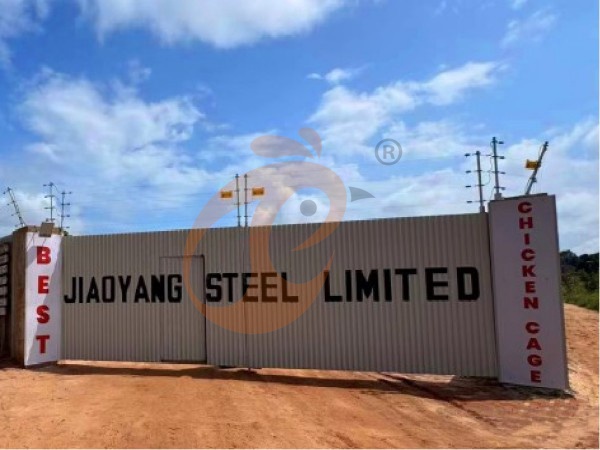
Headquarters And Branchs
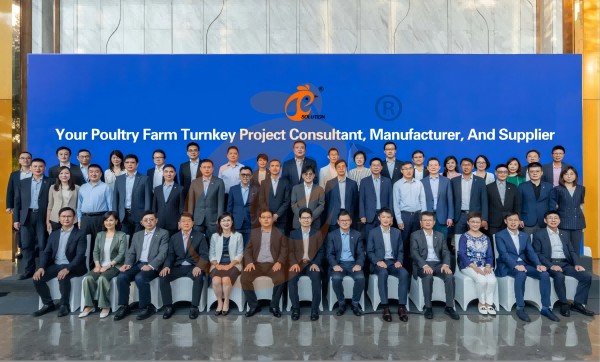
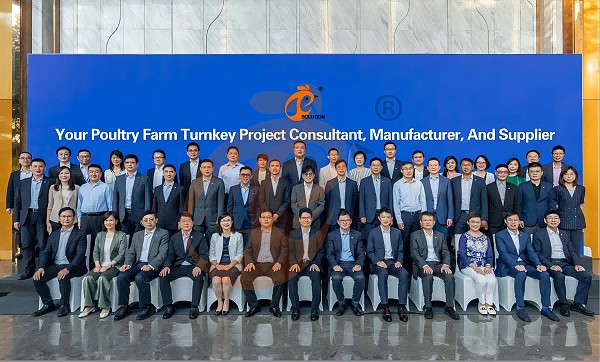
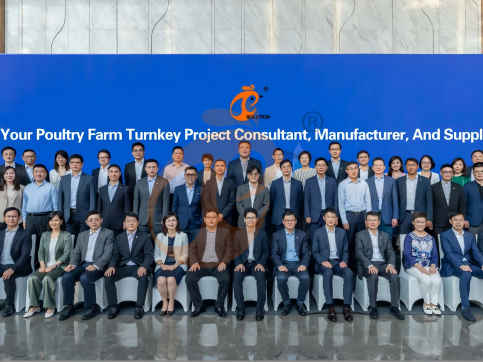
Hong Kong Headquarter Management Team
Hong Kong Headquarter Taiyu Industrial Group CO., LTD
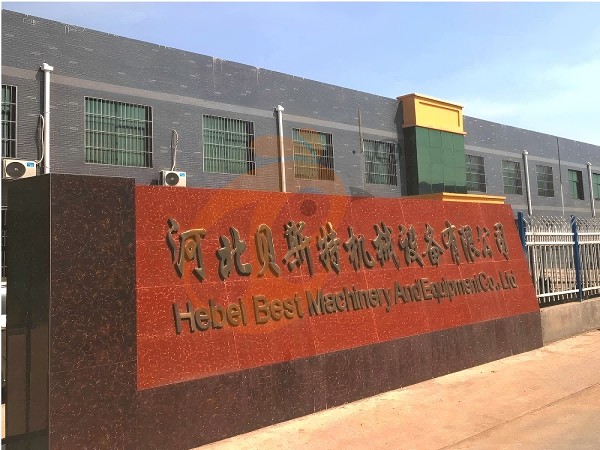
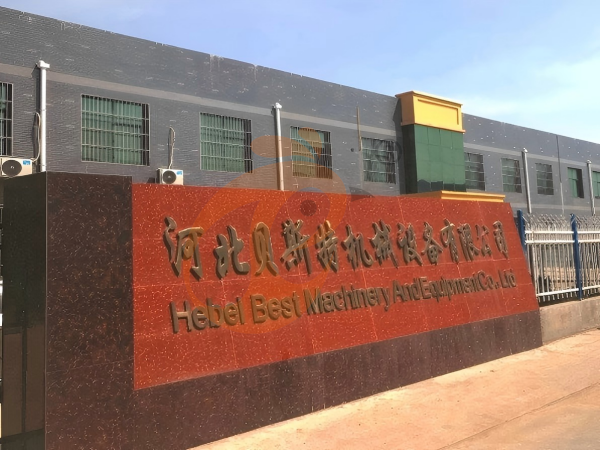
China Hebei Best Machinery And Equipment CO., LTD
Nigeria Vanke Machinery And Equipment CO., LTD
Tanzania Best Machinery And Equipment CO., LTD
Ethiopia Best Hebei Machinery Manufacturing PLC
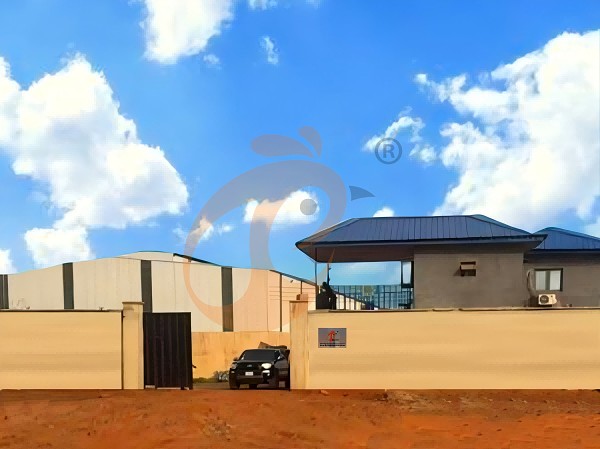
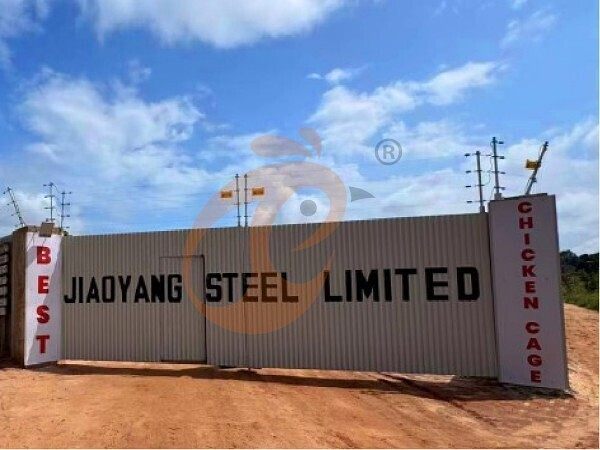
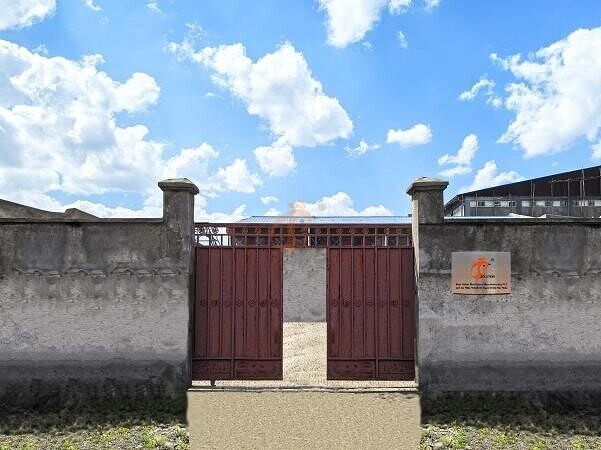
Reception /24 WhatsApp NO. : +8618830120193
FAQ
What Performance Advantages Does Plasson Poultry Equipment Provide In Poultry Chicken Farming Efficiency?
Labor requirement decreases by 50%–65% through automated water delivery systems.
Disease transmission risk is reduced by 35%–55% due to closed drinking environment design.
What Are The Installation Standards For Plasson Poultry Equipment In Poultry Chicken Farms?
Pipeline slope is maintained at 0.3%–0.5% for effective drainage and hygiene control.
Spacing between drinkers is configured at 25–35 cm to ensure equal water access distribution.
What Maintenance Requirements Apply To Plasson Poultry Equipment In Poultry Chicken Production Systems?
Seal inspection intervals are set at 20–30 days to prevent leakage and pressure loss.
Cleaning solution concentration is maintained at 0.03%–0.06% for effective system sanitation.
- poultry farm
- poultry farms
- poultry house
- poultry cage
- cage
- poultry farm construction
- poultry feeding system
- poultry equipment
- chickencage
- bestchickencage
- Nigeria
- poultry equipment supplier
- poultry house automation
- poultry feeding line
- poultry equipment exporter
- poultry farm plan
- poultry feed
- Ethiopia
Message
Products recommended
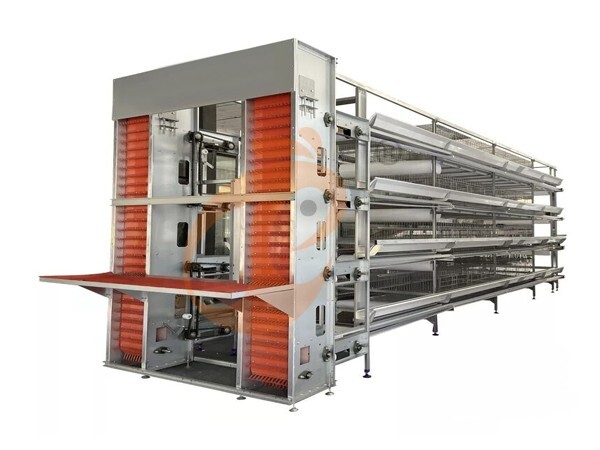
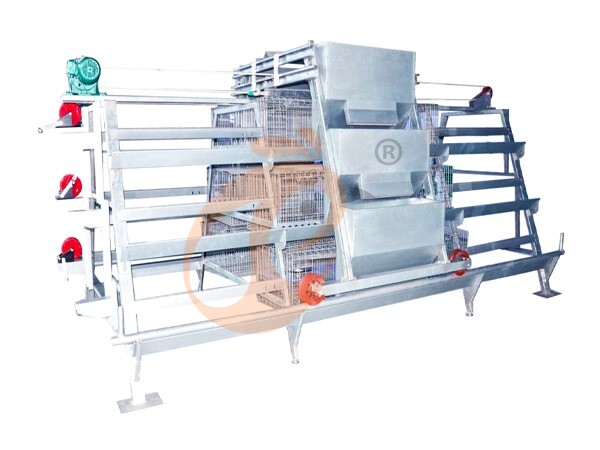
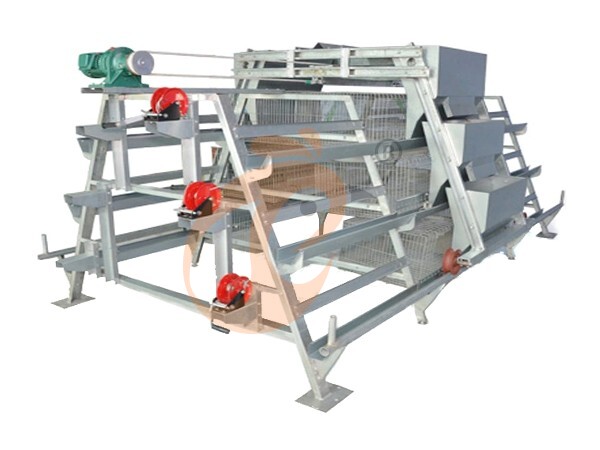
 >30,000 Pullets Automatic H Type Battery Cage1. More than 30,000 pullets a house, choose it.
2. It is designed to rearing older than 1 day old pullets to 12 to 16 weeks old chicken starting laying eggs.
3. Its lifespan is more than 25 years.
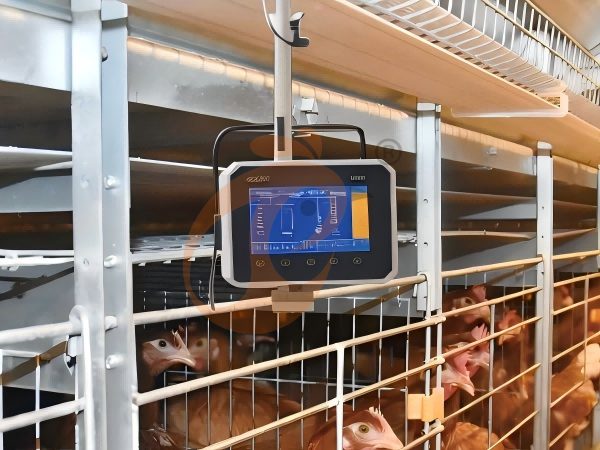
4. Its structure are Vcloud artificial intelligent fusion, electric control cabinet, automatic equipment of drinking, feeding, manure clean, manual harvesting.
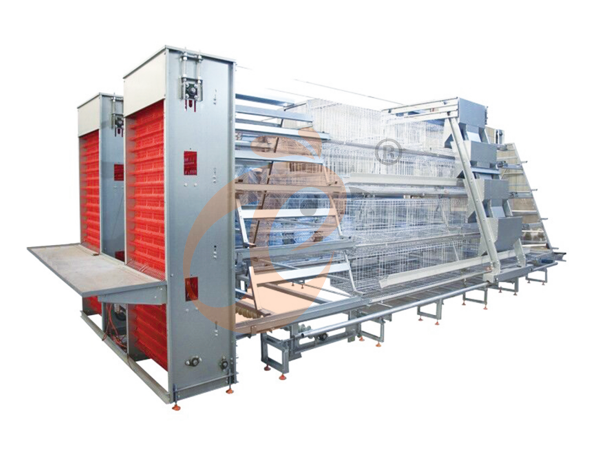
5. Our 24 hour online reception What’sApp NO. is +8618830120193 <30,000 Pullets Automatic A Type Battery Cage1. 10,000 to 30,000 pullets a house, choose it.
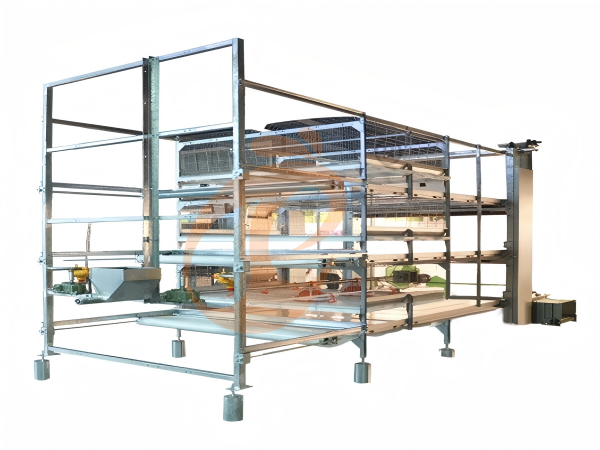
2. It is designed to rearing older than 1 day old pullets to 12 to 16 weeks old chicken starting laying eggs.
3. Its lifespan is more than 25 years.
4. Its structure are Vcloud artificial intelligent fusion, electric control cabinet, automatic equipment of drinking, feeding, manure clean, manual harvesting.
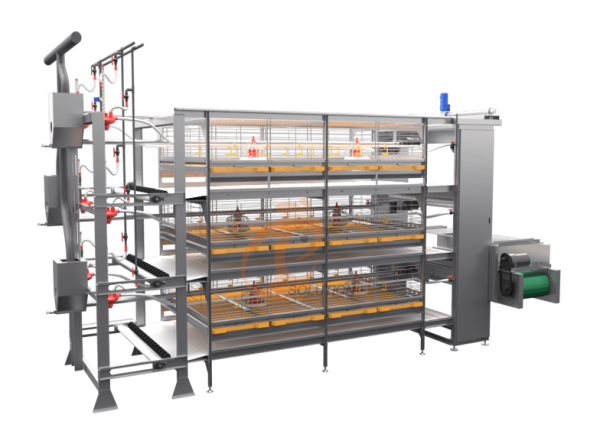
5. Our 24 hour online reception What’sApp NO. is +86 18830120193. >30,000 Broilers Semi-Automatic Harvest H Type Battery Cage1. More than 30,000 broilers a house, choose it.
2. It is designed to rearing 1 to 45 day old adult broiler ready for market.
3. Its lifespan is more than 20 years.
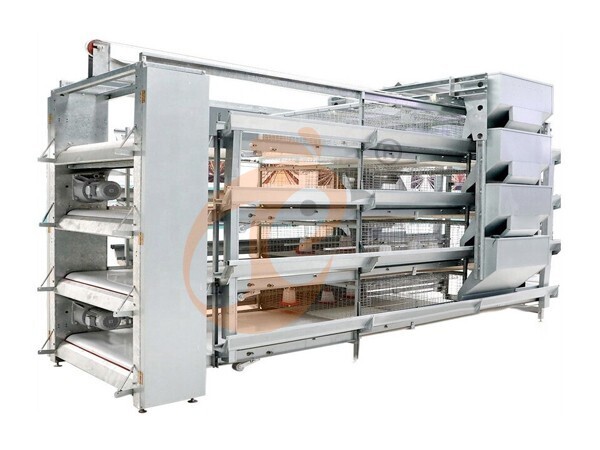
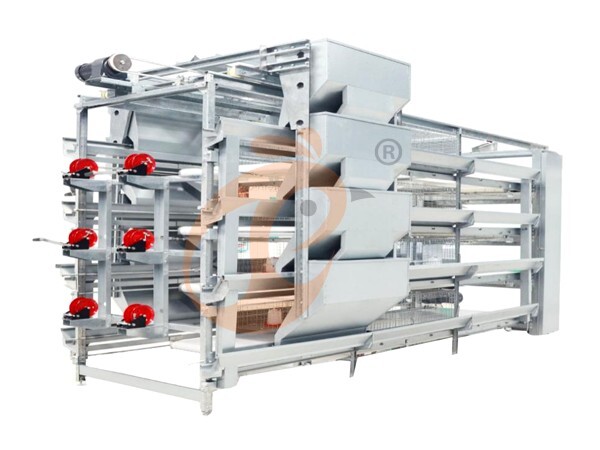
4. Our 24 hour online reception What’sApp NO. is +8618830120193, +234 8111199996. >30,000 Broilers Manual Harvest H Type Battery Cage1. More than 30,000 broilers a house, choose it.
2. It is designed to rearing 1 to 45 day old adult broiler ready for market.
3. Its lifespan is more than 20 years.
4. Its structure are Vcloud artificial intelligent fusion, electric control cabinet, automatic equipment of drinking, feeding and manure clean, manual harvesting.
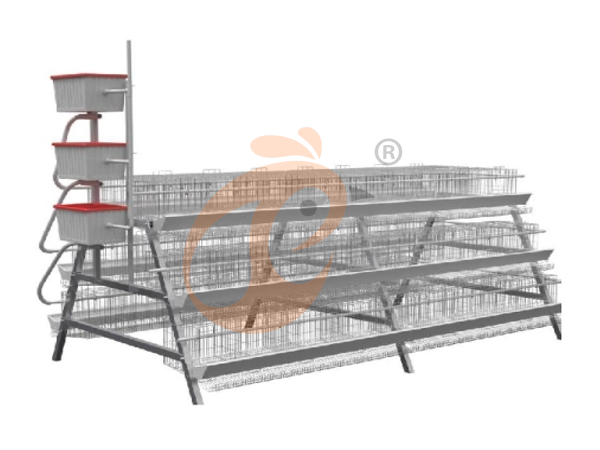
5. Our 24 hour online reception What’sApp NO. is +8618830120193, +234 8111199996. <30,000 Broilers Manual Harvest A Type Battery Cage1. Less 30,000 broilers a house, choose it.
2. It is designed to rearing 1 to 45 day old adult broiler ready for market.
3. Its lifespan is more than 20 years.
4. Its structure are Vcloud artificial intelligent fusion, electric control cabinet, automatic equipment of drinking, feeding and manure clean, manual harvesting.
5. Our 24 hour online reception What’sApp NO. is +8618830120193, +234 8111199996. HK Headquarter Offers EU-standard Poultry Farm Solutions, Manufacture Poultry Farm Equipment1. Continuous communication with the EU and the US
2. China, Nigeria, Ethiopia, Tanzania branch companies and factories
3. The products’ quality is customized for local poultry farms
4. Poultry cage and poultry farm equipment stock for sale
5. 24 online reception Whatsapp NO. : +8618830120193,contact us to get full information China Branch Offer Poultry Farm Business Plan, Manufacture Poultry Farm Equipment1. Address: Flat/RM 2416, 24/F, Runxing Building, Youyi Nan Street, Shijiazhuang City, Hebei Province, China
2. Poultry cage and poultry farm equipment factory and stock for sale
3. Customized for local poultry farms
4. Quality and design are based on Euro
5. 24 online reception Whatsapp NO. : +8618830120193 Nigeria Branch Offer Poultry Farm Business Plan, Manufacture Poultry Farm Equipment1. Address: After Sinoma Office, 200 Meters Near Danco Filling Station, Lagos/Ibadan Expressway, Lagos State, Nigeria
2. Poultry cage and poultry farm equipment factory and stock for sale
3. Customized for Nigerian poultry farms
4. Quality and design are based on Euro
5. 24 online reception Whatsapp NO. : +8618830120193 Ethiopia Branch Offer Poultry Farm Business Plan, Manufacture Poultry Farm Equipment1. Address: WR93+FQ2, Addis Ababa, Ethiopia
2. Poultry cage and poultry farm equipment stock for sale
3. Customized for Ethiopian poultry farms
4. Quality and design are based on Euro
5. 24 online reception Whatsapp NO. : +8618830120193, contact us to get price list Tanzania Branch Offer Poultry Farm Business Plan, Manufacture Poultry Farm Equipment1. Address: No.8, Sova Road, Msufini, Mlandizi, Kibaha, Pwani, Tanzania
2. Poultry cage and poultry farm equipment factory and stock for sale
3. Customized for Tanzanian poultry farms
4. Quality and design are based on Euro
5. 24 online reception Whatsapp NO. : +8618830120193



Contact
By clicking 'Allow All', you agree to the storage of cookies on your device to enhance site navigation, analyze site usage and assist with our marketing efforts.