


Blog
Poultry feed pellet machine cleaning procedure governs die permeability restoration, roller compression stability, and thermal residue elimination under continuous poultry feed extrusion environments.
Mechanical fouling increases specific energy consumption by altering friction coefficients inside 3.0 mm die micro-channels and reducing effective throughput capacity.
Controlled cleaning cycles stabilize starch gelatinization residue removal, maintaining pellet density consistency within industrial feed formulation standards.
Cleaning precision directly influences bearing thermal load distribution, lubrication flow continuity, and vibration amplitude across rotating assemblies.
Feed pellet mill cleaning optimization ensures hydraulic flow recovery, compression force normalization, and structural integrity of extruded poultry feed pellets.
Get professional poultry farm construction guidance, equipment selection solutions, and the latest price lists, whatsApp to +8618830120193, click to learn more:
Industrial Context Of Poultry Pellet Production Systems
Pellet machines in poultry feed production convert corn-soy formulations into structured pellets under controlled pressure and temperature.
Feed pellet mill cleaning optimization directly affects output stability and mechanical efficiency in continuous operations.
A 1.8 ton per hour pellet line shows measurable efficiency drift under delayed cleaning cycles.
Data is for reference only.Swipe horizontally to view full table.
Thermal bonding of starch and protein residues increases die resistance and reduces throughput efficiency.
Post Production Die Purging System
Die purging is a controlled cleaning stage applied immediately after shutdown in pellet machine maintenance for poultry farm systems.
Corn bran with 0.8–1.2 mm particle size is commonly used to displace residual mash inside die channels.
Internal die temperature and rotational parameters determine residue detachment efficiency.
Data is for reference only.Swipe horizontally to view full table.
Starch retrogradation begins rapidly after thermal drop below 60°C inside die channels.
Roller Compression Surface Restoration
Roller systems operate under controlled compression force to ensure pellet density stability in poultry feed production.
Surface residue thickness directly alters effective compression energy transfer.
Data is for reference only.Swipe horizontally to view full table.
Compression recovery improves pellet structural integrity and reduces fracture rate during cooling.
Die Hole Flow Recovery In Poultry Feed Systems
3.0 mm die systems dominate broiler starter and grower feed production lines.
Feed pellet mill cleaning optimization ensures uniform flow through micro-perforated die structures.
Data is for reference only.Swipe horizontally to view full table.
Blocked die channels reduce pellet length consistency within 6–10 mm range.
Bearing Thermal Stability And Lubrication System Cleaning
Bearing systems in poultry pellet machines operate under continuous mechanical stress and temperature variation.
Lubrication contamination increases vibration amplitude and reduces rotational stability.
Data is for reference only.Swipe horizontally to view full table.
Lubrication recovery restores flow rate to 1.2 ml/min per bearing housing.
Feed Formulation Based Cleaning Cycle Design
Different poultry feed recipes influence residue accumulation rate and die fouling speed.
High fat content increases adhesion probability inside die channels.
Data is for reference only.Swipe horizontally to view full table.
Higher lipid concentration accelerates thermal bonding inside compression zones.
Cutter System Calibration During Cleaning Cycle
Cutter assemblies regulate pellet length uniformity in poultry feed production systems.
Blade wear changes mechanical cutting resistance and pellet dimensional accuracy.
Data is for reference only.Swipe horizontally to view full table.
Cutting geometry drift increases pellet size deviation beyond acceptable feed standards.
Scientific Mechanism Of Residue Formation In Pellet Dies
Pellet formation involves compression, thermal activation, and structural binding of starch-protein matrices.
At 55–75°C, starch gelatinization occurs under mechanical pressure between 180–220 MPa.
Feed particles migrate into 0.5–3.0 mm die micro-channels during extrusion.
Cooling below 40°C triggers retrogradation and solidification inside die pores.
This thermomechanical cycle explains why feed pellet mill cleaning optimization requires immediate post-operation cleaning protocols.
Integrated Cleaning Management Schedule For Poultry Feed Mills
Systematic maintenance ensures stable output and controlled energy consumption in industrial poultry feed systems.
Data is for reference only.Swipe horizontally to view full table.
Frequently Asked Questions
Q1: What causes rapid die blockage in poultry pellet machines?
Die blockage occurs due to starch gelatinization, lipid adhesion, and micro-channel particle accumulation.
Thermal cycles above 60°C accelerate residue hardening inside 3.0 mm die holes.
Delayed cleaning increases structural resistance and reduces throughput stability significantly.
Q2: How often should poultry feed pellet machines be cleaned?
Cleaning frequency depends on feed formulation fat and fiber content.
High fat poultry feed requires cleaning every 7–10 hours of operation.
Low residue formulations extend interval up to 10 hours while maintaining stable output efficiency.
Q3: What is the most critical component during cleaning?
The die system is the most critical component in poultry feed pellet machines.
Micro-channel blockage directly affects pellet density, length, and energy consumption.
Immediate post-production purging maintains hydraulic flow stability and reduces mechanical wear accumulation.
Taiyu (HK) Group - One Of China Biggest Pellet Machine Manufacturer
Pellet machine maintenance for poultry farm covered with industrial die and roller systems for feed pellet production.
Global factory direct sales structure supports poultry equipment supply chain across multiple production scales.
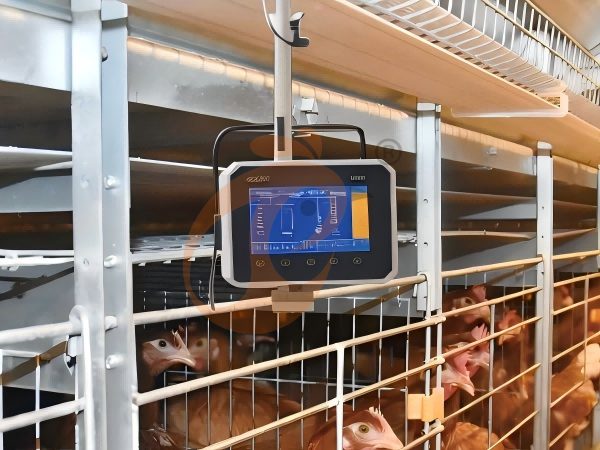
Poultry cage systems and feed pellet machine integration for large scale farm automation projects.
Turn-key engineering solutions for complete poultry feed mill installation and commissioning systems.
Exporter of pellet mill equipment with standardized manufacturing and controlled production accuracy systems.
Contact Us To Received Your Customized Poultry Farm Plan
Headquarters And Branchs

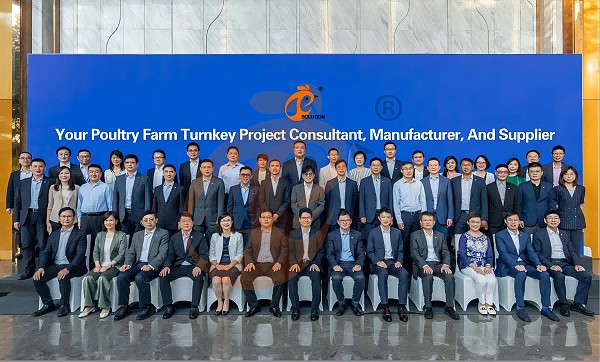
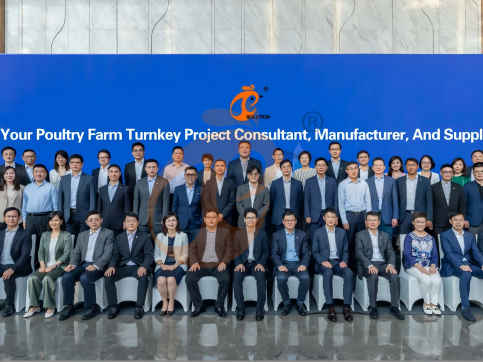
Hong Kong Headquarter Management Team
Hong Kong Headquarter Taiyu Industrial Group CO., LTD
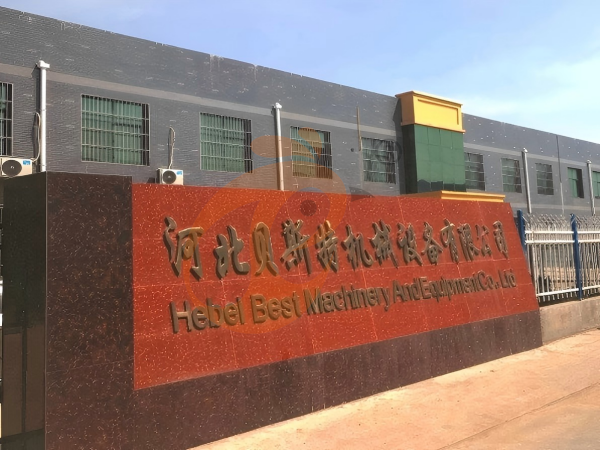
China Hebei Best Machinery And Equipment CO., LTD
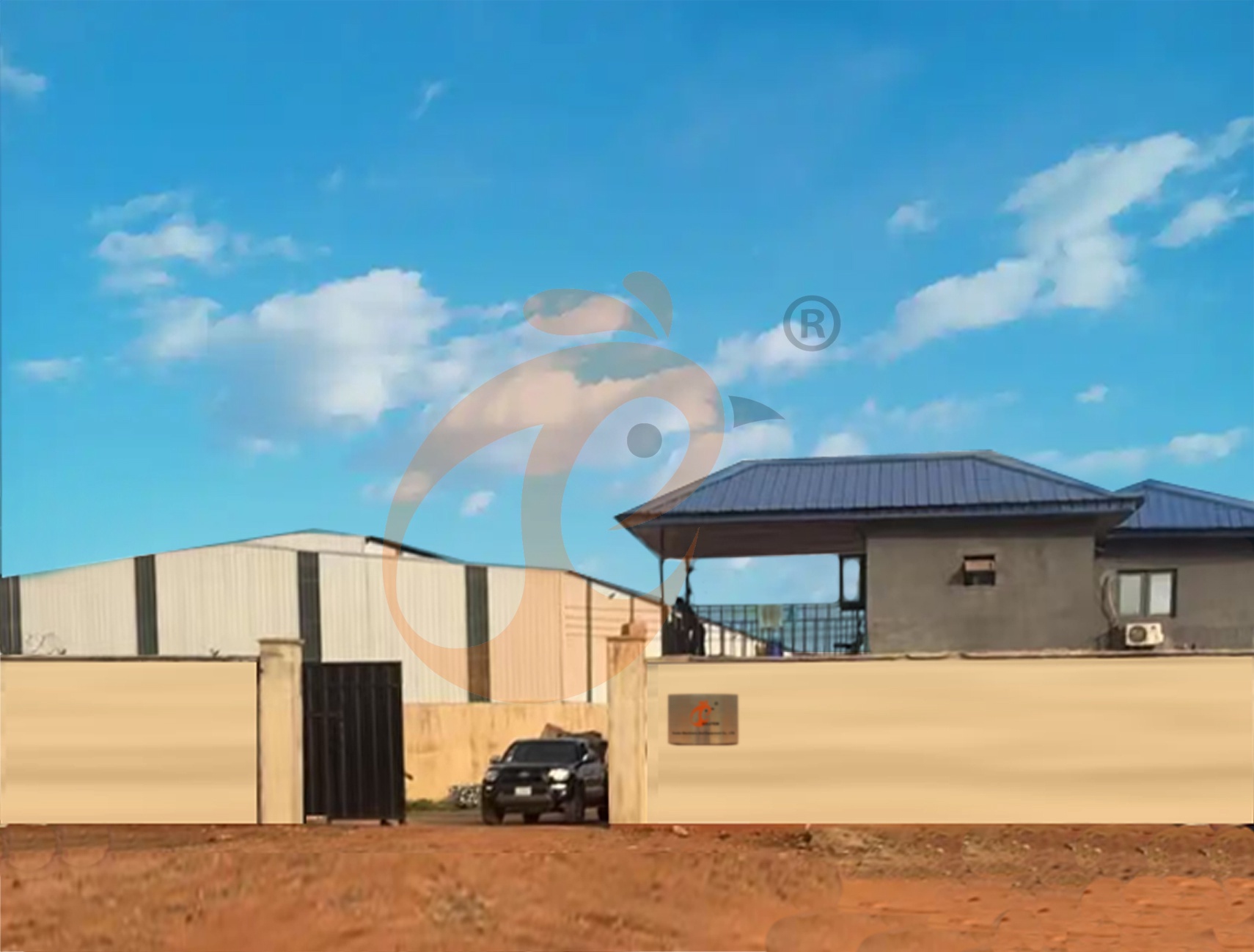
Nigeria Vanke Machinery And Equipment CO., LTD
Tanzania Best Machinery And Equipment CO., LTD
Ethiopia Best Hebei Machinery Manufacturing PLC




Reception /24 WhatsApp NO. : +8618830120193
FAQ
- poultry farm
- pellet machine
- poultry cage
- cage
- poultry farm construction
- poultry cage system
- poultry farm system
- poultry equipment
- chickencage
- bestchickencage
- cage system
- cage systems
- Nigeria
- poultry cage systems
- poultry feed system
- pellet machine manufacturer
- poultry feed mill
- poultry farm plan
- poultry feed
- poultry feed production
- Ethiopia
Message
Products recommended
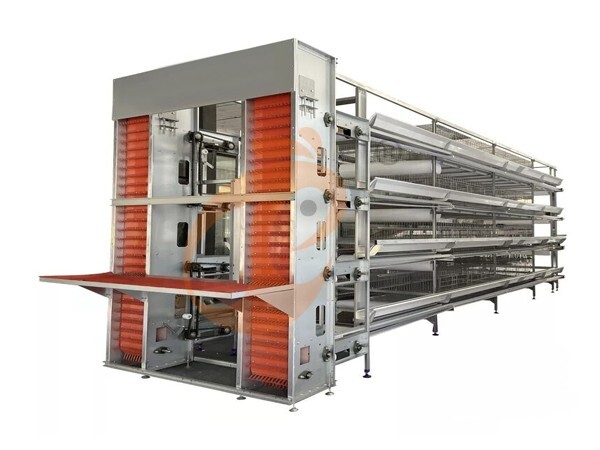
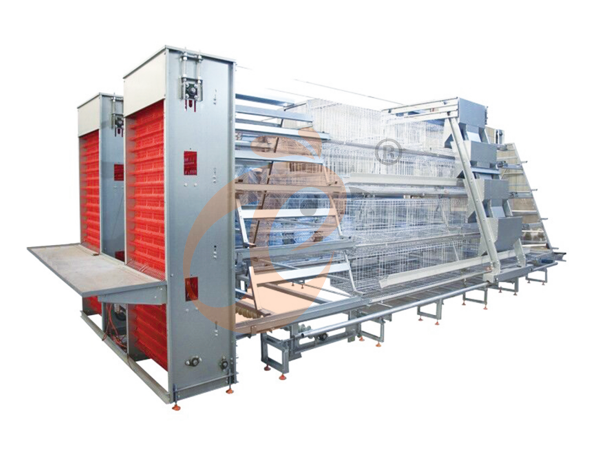
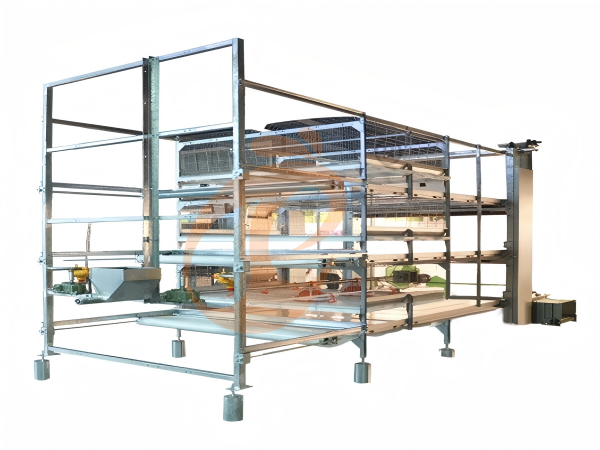
 >30,000 Pullets Automatic H Type Battery Cage1. More than 30,000 pullets a house, choose it.
2. It is designed to rearing older than 1 day old pullets to 12 to 16 weeks old chicken starting laying eggs.
3. Its lifespan is more than 25 years.
4. Its structure are Vcloud artificial intelligent fusion, electric control cabinet, automatic equipment of drinking, feeding, manure clean, manual harvesting.
5. Our 24 hour online reception What’sApp NO. is +8618830120193 <30,000 Pullets Automatic A Type Battery Cage1. 10,000 to 30,000 pullets a house, choose it.
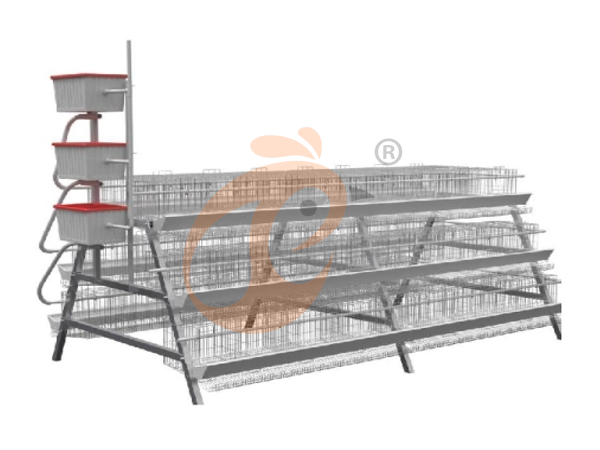
2. It is designed to rearing older than 1 day old pullets to 12 to 16 weeks old chicken starting laying eggs.
3. Its lifespan is more than 25 years.
4. Its structure are Vcloud artificial intelligent fusion, electric control cabinet, automatic equipment of drinking, feeding, manure clean, manual harvesting.
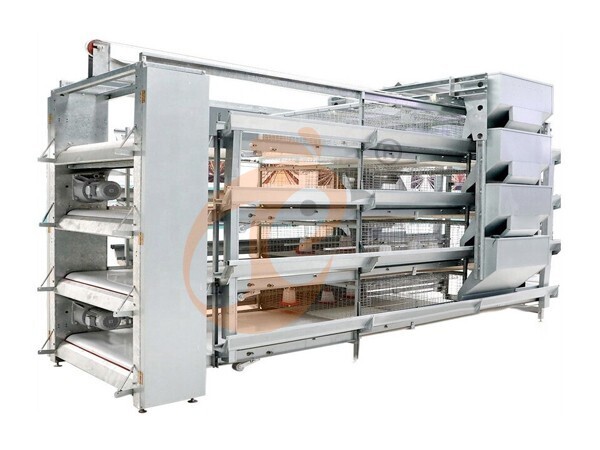
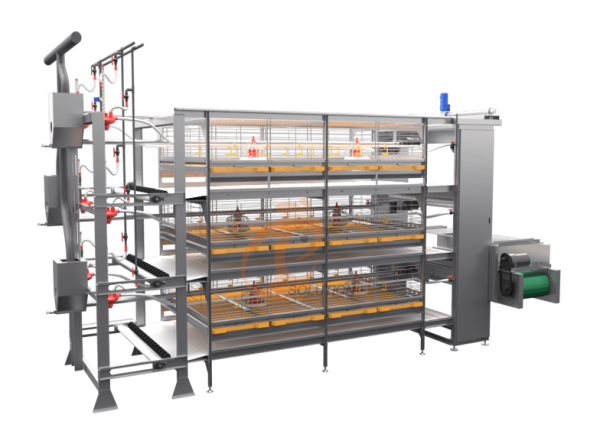
5. Our 24 hour online reception What’sApp NO. is +86 18830120193. >30,000 Broilers Semi-Automatic Harvest H Type Battery Cage1. More than 30,000 broilers a house, choose it.
2. It is designed to rearing 1 to 45 day old adult broiler ready for market.
3. Its lifespan is more than 20 years.
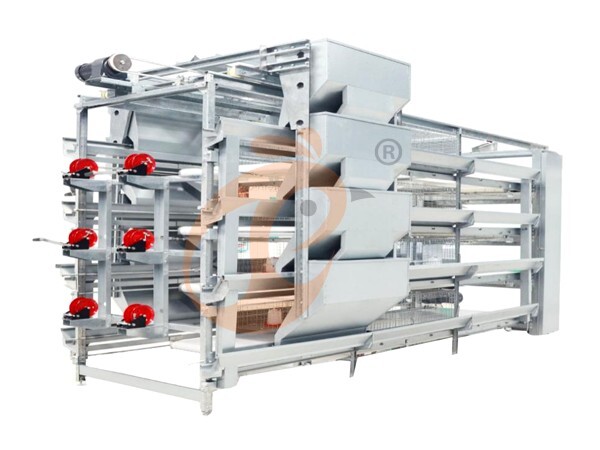
4. Our 24 hour online reception What’sApp NO. is +8618830120193, +234 8111199996. >30,000 Broilers Manual Harvest H Type Battery Cage1. More than 30,000 broilers a house, choose it.
2. It is designed to rearing 1 to 45 day old adult broiler ready for market.
3. Its lifespan is more than 20 years.
4. Its structure are Vcloud artificial intelligent fusion, electric control cabinet, automatic equipment of drinking, feeding and manure clean, manual harvesting.
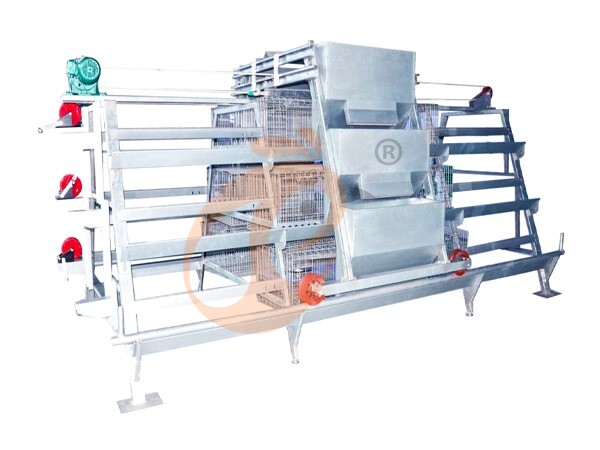
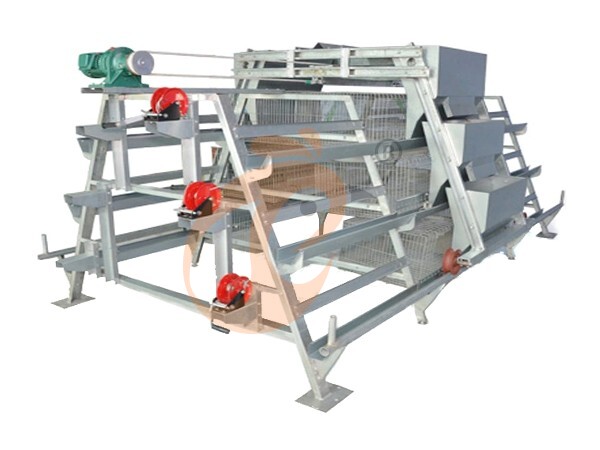
5. Our 24 hour online reception What’sApp NO. is +8618830120193, +234 8111199996. <30,000 Broilers Manual Harvest A Type Battery Cage1. Less 30,000 broilers a house, choose it.
2. It is designed to rearing 1 to 45 day old adult broiler ready for market.
3. Its lifespan is more than 20 years.
4. Its structure are Vcloud artificial intelligent fusion, electric control cabinet, automatic equipment of drinking, feeding and manure clean, manual harvesting.
5. Our 24 hour online reception What’sApp NO. is +8618830120193, +234 8111199996. HK Headquarter Offers EU-standard Poultry Farm Solutions, Manufacture Poultry Farm Equipment1. Continuous communication with the EU and the US
2. China, Nigeria, Ethiopia, Tanzania branch companies and factories
3. The products’ quality is customized for local poultry farms
4. Poultry cage and poultry farm equipment stock for sale
5. 24 online reception Whatsapp NO. : +8618830120193,contact us to get full information China Branch Offer Poultry Farm Business Plan, Manufacture Poultry Farm Equipment1. Address: Flat/RM 2416, 24/F, Runxing Building, Youyi Nan Street, Shijiazhuang City, Hebei Province, China
2. Poultry cage and poultry farm equipment factory and stock for sale
3. Customized for local poultry farms
4. Quality and design are based on Euro
5. 24 online reception Whatsapp NO. : +8618830120193 Nigeria Branch Offer Poultry Farm Business Plan, Manufacture Poultry Farm Equipment1. Address: After Sinoma Office, 200 Meters Near Danco Filling Station, Lagos/Ibadan Expressway, Lagos State, Nigeria
2. Poultry cage and poultry farm equipment factory and stock for sale
3. Customized for Nigerian poultry farms
4. Quality and design are based on Euro
5. 24 online reception Whatsapp NO. : +8618830120193 Ethiopia Branch Offer Poultry Farm Business Plan, Manufacture Poultry Farm Equipment1. Address: WR93+FQ2, Addis Ababa, Ethiopia
2. Poultry cage and poultry farm equipment stock for sale
3. Customized for Ethiopian poultry farms
4. Quality and design are based on Euro
5. 24 online reception Whatsapp NO. : +8618830120193, contact us to get price list Tanzania Branch Offer Poultry Farm Business Plan, Manufacture Poultry Farm Equipment1. Address: No.8, Sova Road, Msufini, Mlandizi, Kibaha, Pwani, Tanzania
2. Poultry cage and poultry farm equipment factory and stock for sale
3. Customized for Tanzanian poultry farms
4. Quality and design are based on Euro
5. 24 online reception Whatsapp NO. : +8618830120193



Contact
By clicking 'Allow All', you agree to the storage of cookies on your device to enhance site navigation, analyze site usage and assist with our marketing efforts.