


Blog
Introduction To Poultry Farming Systems
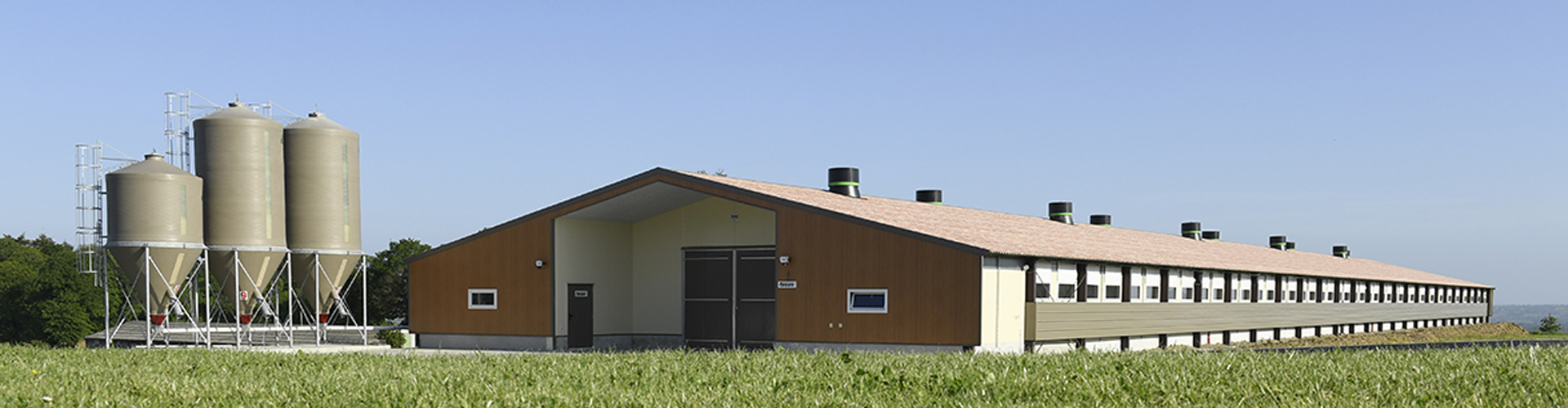
Poultry farming has evolved significantly over the years, with two primary systems dominating the industry: battery cage and free range. Each system has its unique advantages and challenges, particularly concerning productivity, cost, and animal welfare. This article aims to provide a comprehensive comparison to help farmers and decision-makers choose the most suitable system for their operations.
What Is A Battery Cage System?
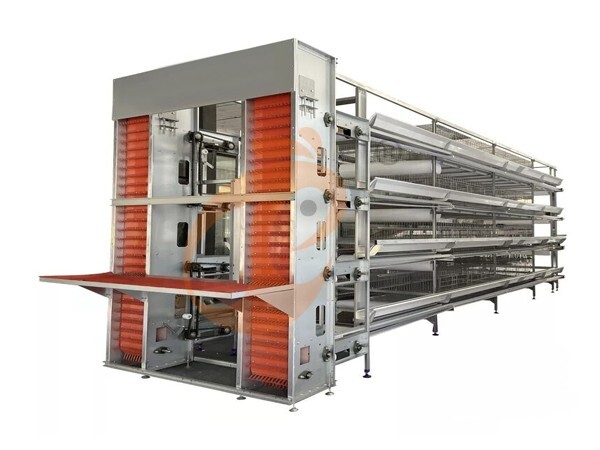
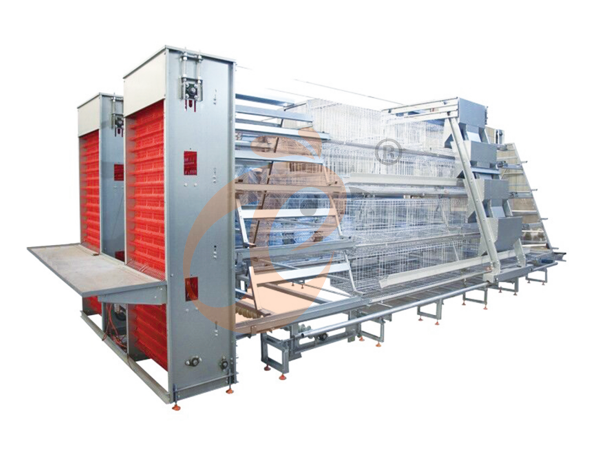
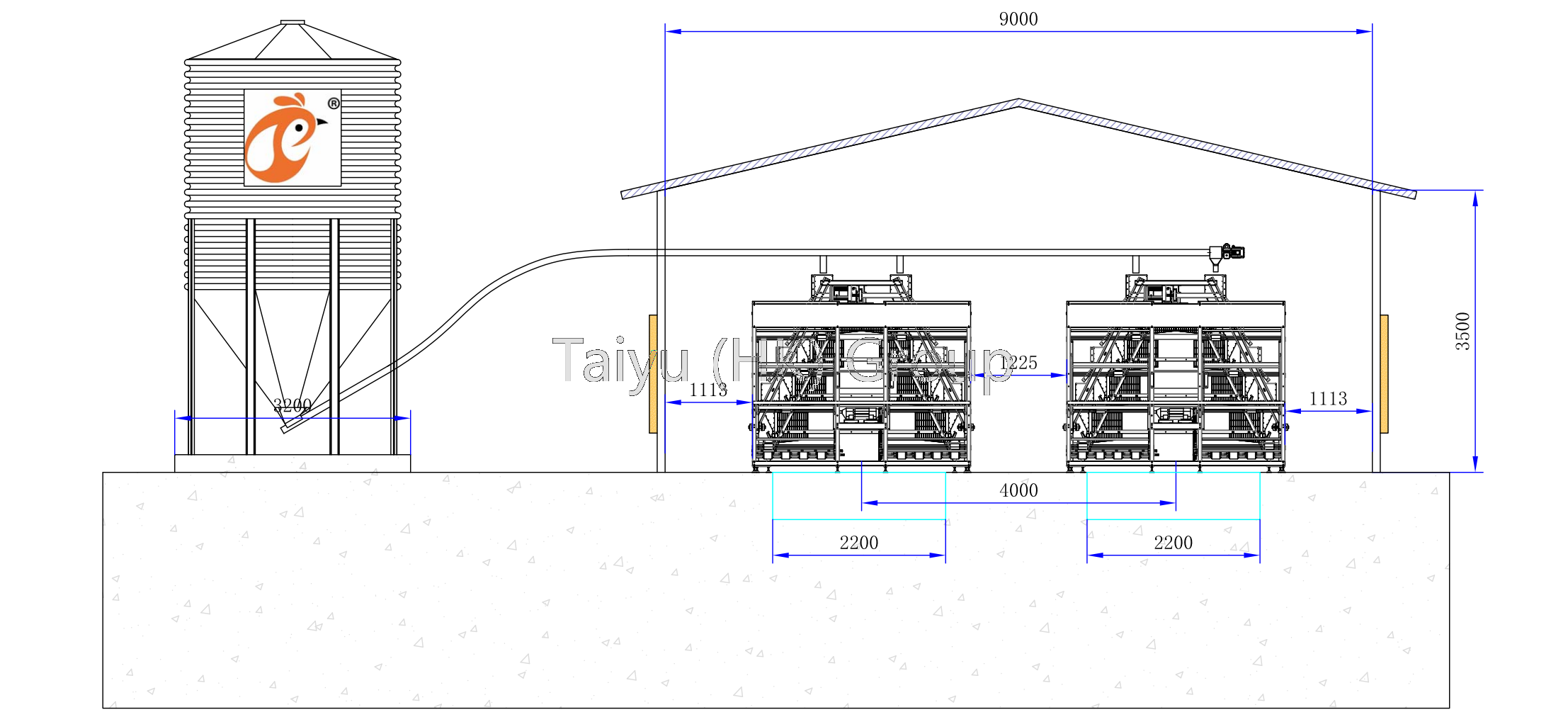
The battery cage system is a highly efficient method of housing layers in confined spaces. These cages are typically arranged in rows and tiers, maximizing space utilization. The system is designed to streamline feeding, egg collection, and waste management, making it a popular choice for large-scale poultry farms.
Key Features Of Battery Cage Systems
- High-density housing
- Automated feeding and watering systems
- Efficient egg collection
Reduced labor costs
What As A Free Range System?
Free range systems allow chickens to roam freely, providing them with access to outdoor areas. This method is often associated with better animal welfare and higher-quality eggs, though it comes with its own set of challenges, including higher labor costs and lower productivity per square foot.
Key Features Of Free Range Systems
- Access to outdoor areas
- Higher animal welfare standards
- Lower stocking density
Increased labor requirements
Productivity Comparison
When it comes to productivity, battery cage systems often outperform free range systems. The controlled environment of battery cages ensures optimal conditions for egg production, resulting in higher yields. However, free range systems may offer benefits in terms of egg quality and consumer perception.
Cost Analysis
Battery cage systems generally have lower operational costs due to their automated nature and higher stocking density. Free range systems, while more expensive to maintain, can command premium prices for their products, potentially offsetting the higher costs.
Ethical Considerations
Animal welfare is a significant concern in poultry farming. Free range systems are often seen as more ethical, providing chickens with a better quality of life. However, battery cage systems can also be designed to meet welfare standards, especially with advancements in cage design and management practices.
Industry Trends
The poultry industry is increasingly adopting hybrid systems that combine elements of both battery cage and free range methods. These systems aim to balance productivity, cost, and animal welfare, offering a middle ground for farmers.
Why Choose Our Poultry Farm Solutions?
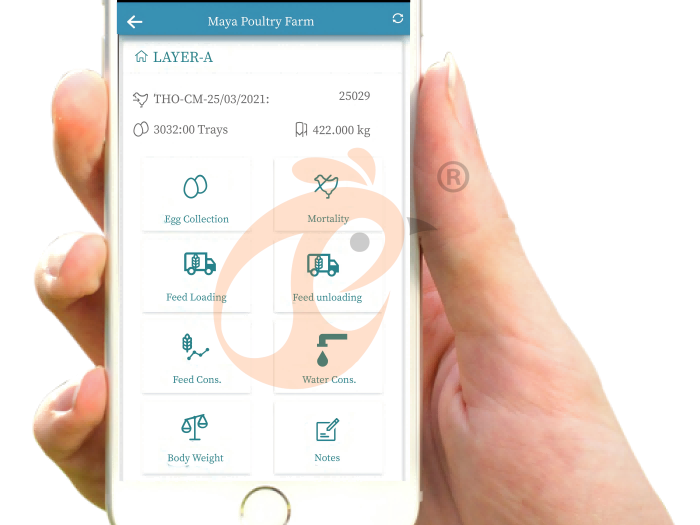
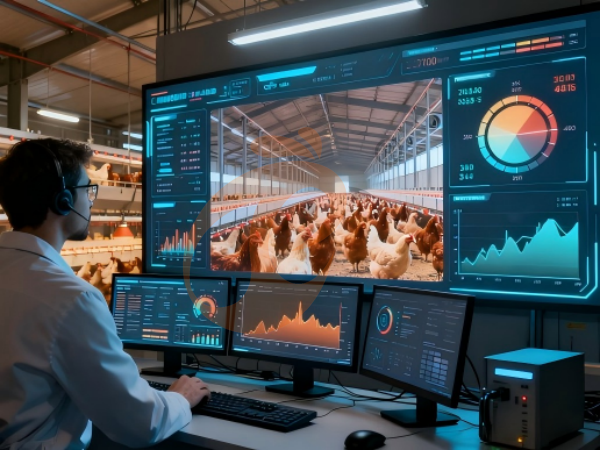
At 10,000 - 30,000 chickens/house: poultry farm solution, chicken cage, poultry farm equipment, AI smart management, we offer state-of-the-art poultry farming solutions tailored to your needs. Our systems are designed for maximum productivity, efficiency, and animal welfare, ensuring you get the best results from your investment.
Conclusion
Both battery cage and free range systems have their merits and drawbacks. The choice between them depends on your farm's specific needs, goals, and resources. By understanding the differences, you can make an informed decision that maximizes productivity and aligns with your ethical standards.
FAQ
Message
Products recommended
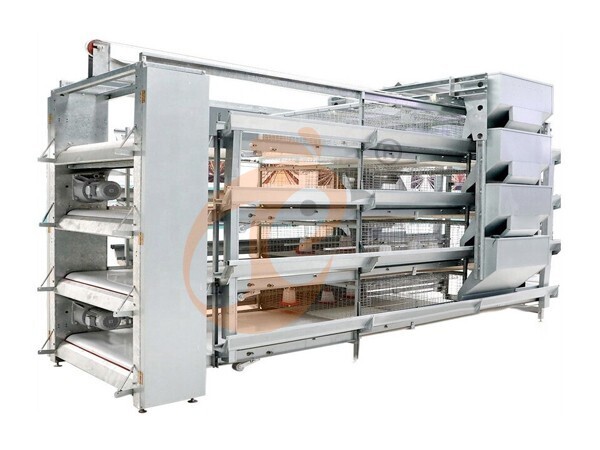
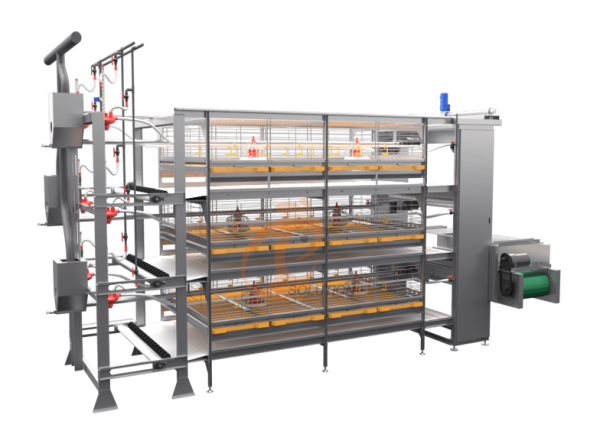
 >30,000 Pullets Automatic H Type Battery Cage1. More than 30,000 pullets a house, choose it.
2. It is designed to rearing older than 1 day old pullets to 12 to 16 weeks old chicken starting laying eggs.
3. Its lifespan is more than 25 years.
4. Its structure are Vcloud artificial intelligent fusion, electric control cabinet, automatic equipment of drinking, feeding, manure clean, manual harvesting.
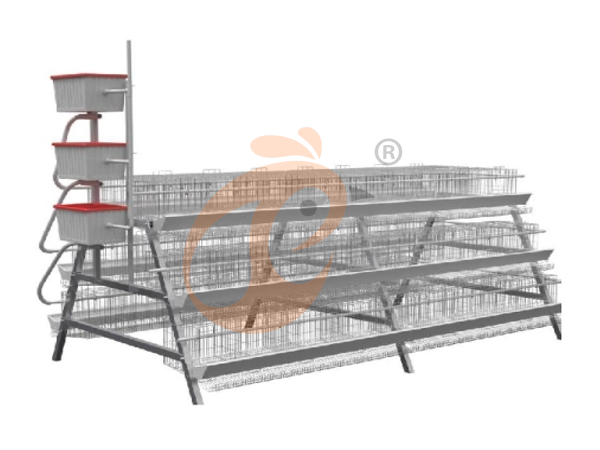
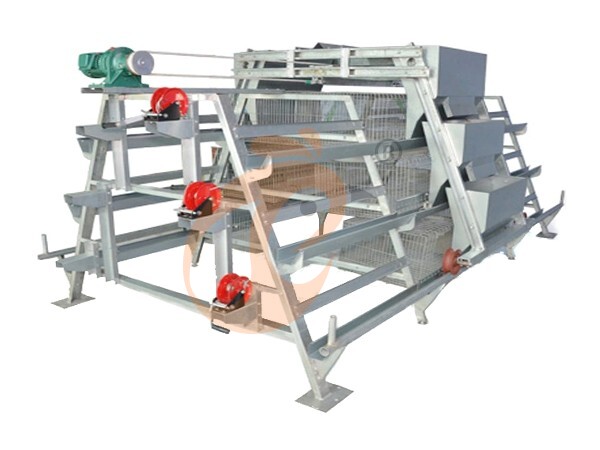
5. Our 24 hour online reception What’sApp NO. is +8618830120193 <30,000 Pullets Automatic A Type Battery Cage1. 10,000 to 30,000 pullets a house, choose it.
2. It is designed to rearing older than 1 day old pullets to 12 to 16 weeks old chicken starting laying eggs.
3. Its lifespan is more than 25 years.
4. Its structure are Vcloud artificial intelligent fusion, electric control cabinet, automatic equipment of drinking, feeding, manure clean, manual harvesting.
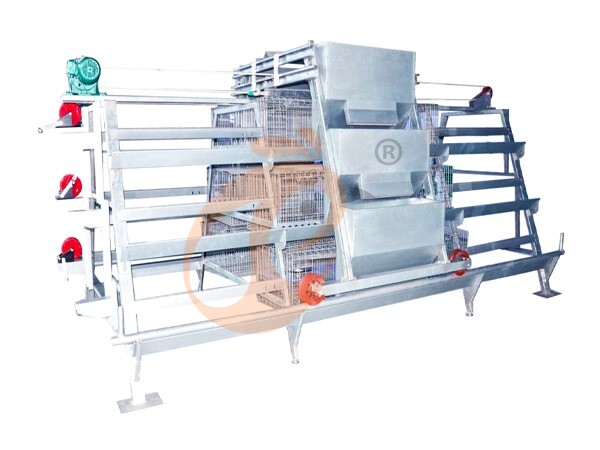
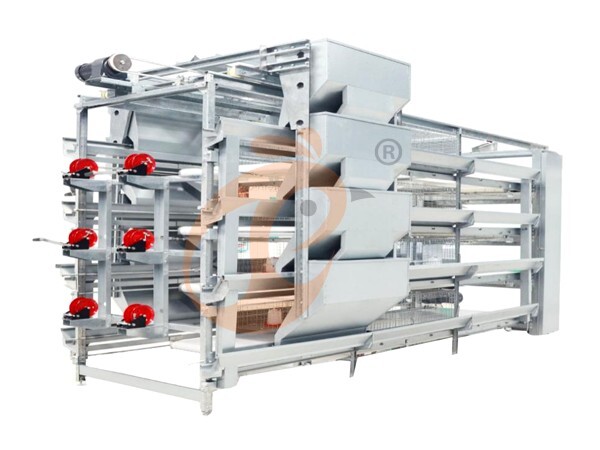
5. Our 24 hour online reception What’sApp NO. is +86 18830120193. >30,000 Broilers Semi-Automatic Harvest H Type Battery Cage1. More than 30,000 broilers a house, choose it.
2. It is designed to rearing 1 to 45 day old adult broiler ready for market.
3. Its lifespan is more than 20 years.
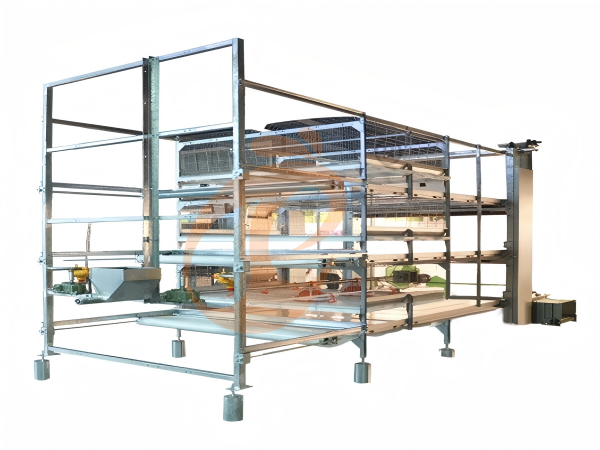
4. Our 24 hour online reception What’sApp NO. is +8618830120193, +234 8111199996. >30,000 Broilers Manual Harvest H Type Battery Cage1. More than 30,000 broilers a house, choose it.
2. It is designed to rearing 1 to 45 day old adult broiler ready for market.
3. Its lifespan is more than 20 years.
4. Its structure are Vcloud artificial intelligent fusion, electric control cabinet, automatic equipment of drinking, feeding and manure clean, manual harvesting.
5. Our 24 hour online reception What’sApp NO. is +8618830120193, +234 8111199996. <30,000 Broilers Manual Harvest A Type Battery Cage1. Less 30,000 broilers a house, choose it.
2. It is designed to rearing 1 to 45 day old adult broiler ready for market.
3. Its lifespan is more than 20 years.
4. Its structure are Vcloud artificial intelligent fusion, electric control cabinet, automatic equipment of drinking, feeding and manure clean, manual harvesting.
5. Our 24 hour online reception What’sApp NO. is +8618830120193, +234 8111199996. HK Headquarter Offers EU-standard Poultry Farm Solutions, Manufacture Poultry Farm Equipment1. Continuous communication with the EU and the US
2. China, Nigeria, Ethiopia, Tanzania branch companies and factories
3. The products’ quality is customized for local poultry farms
4. Poultry cage and poultry farm equipment stock for sale
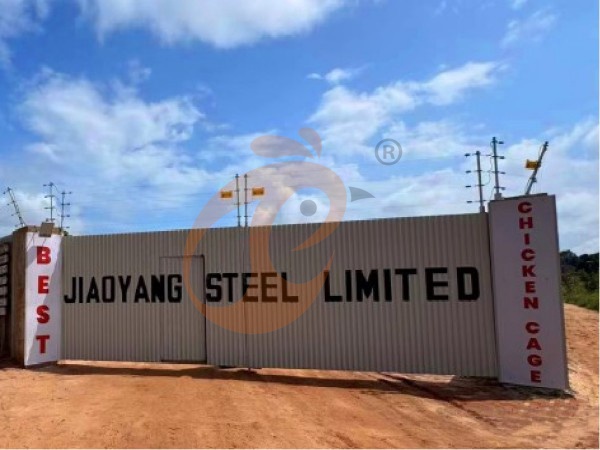
5. 24 online reception Whatsapp NO. : +8618830120193,contact us to get full information China Branch Offer Poultry Farm Business Plan, Manufacture Poultry Farm Equipment1. Address: Flat/RM 2416, 24/F, Runxing Building, Youyi Nan Street, Shijiazhuang City, Hebei Province, China
2. Poultry cage and poultry farm equipment factory and stock for sale
3. Customized for local poultry farms
4. Quality and design are based on Euro
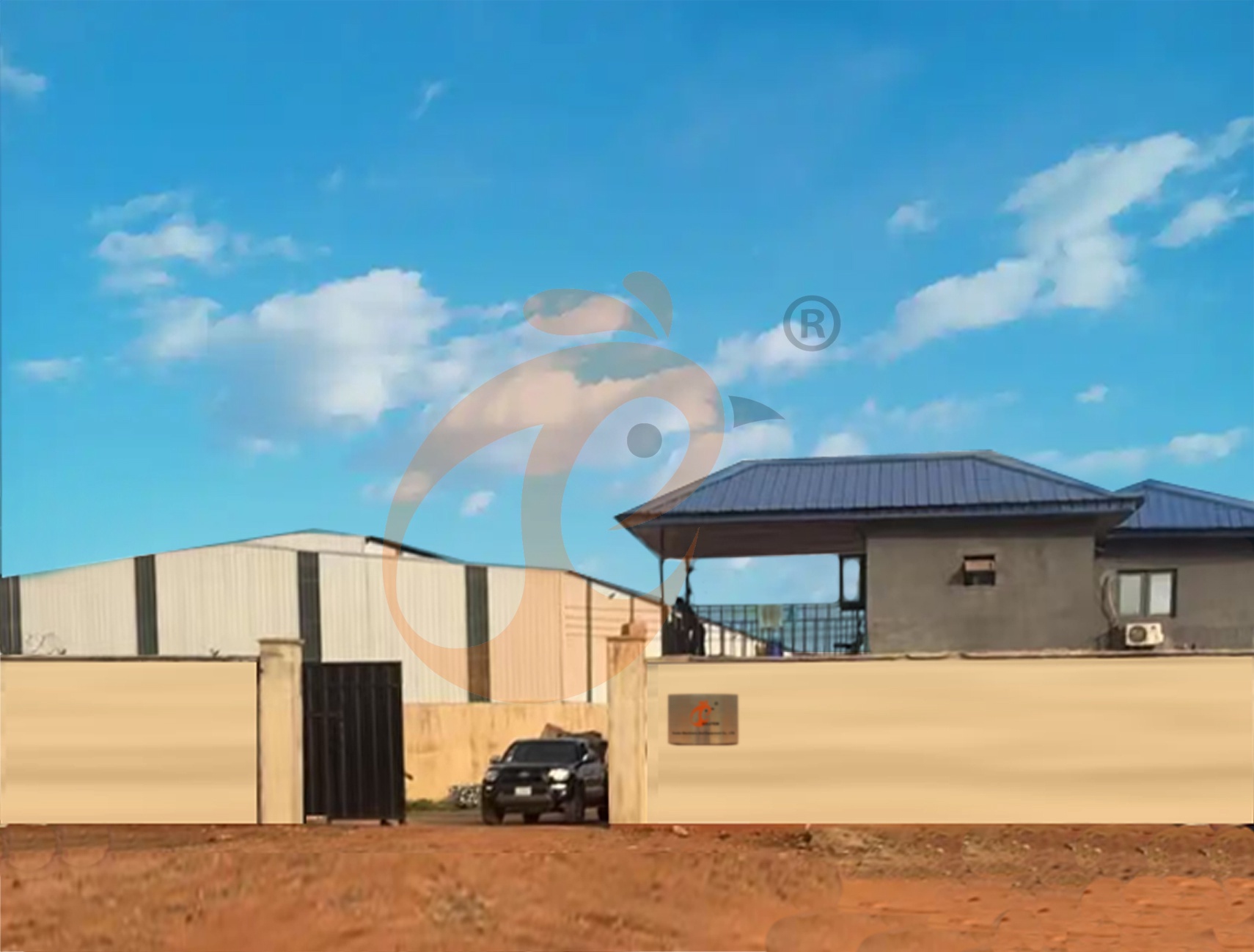
5. 24 online reception Whatsapp NO. : +8618830120193 Nigeria Branch Offer Poultry Farm Business Plan, Manufacture Poultry Farm Equipment1. Address: After Sinoma Office, 200 Meters Near Danco Filling Station, Lagos/Ibadan Expressway, Lagos State, Nigeria
2. Poultry cage and poultry farm equipment factory and stock for sale
3. Customized for Nigerian poultry farms
4. Quality and design are based on Euro
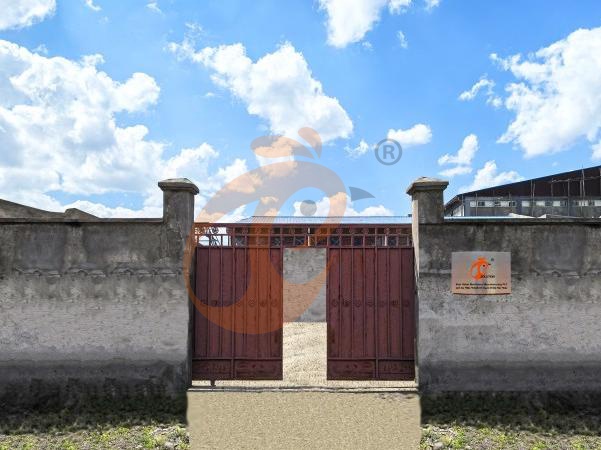
5. 24 online reception Whatsapp NO. : +8618830120193 Ethiopia Branch Offer Poultry Farm Business Plan, Manufacture Poultry Farm Equipment1. Address: WR93+FQ2, Addis Ababa, Ethiopia
2. Poultry cage and poultry farm equipment stock for sale
3. Customized for Ethiopian poultry farms
4. Quality and design are based on Euro
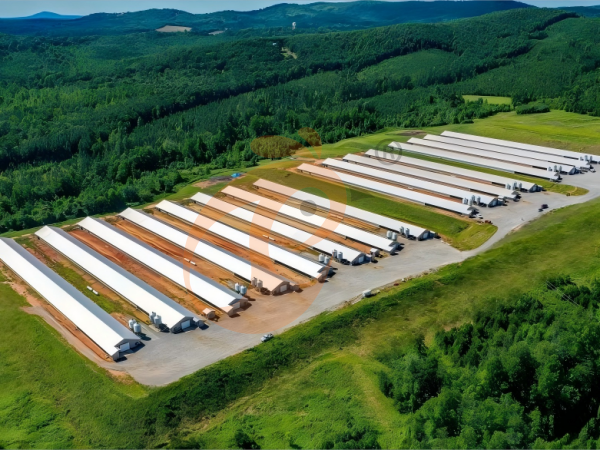
5. 24 online reception Whatsapp NO. : +8618830120193, contact us to get price list Tanzania Branch Offer Poultry Farm Business Plan, Manufacture Poultry Farm Equipment1. Address: No.8, Sova Road, Msufini, Mlandizi, Kibaha, Pwani, Tanzania
2. Poultry cage and poultry farm equipment factory and stock for sale
3. Customized for Tanzanian poultry farms
4. Quality and design are based on Euro
5. 24 online reception Whatsapp NO. : +8618830120193

Contact
By clicking 'Allow All', you agree to the storage of cookies on your device to enhance site navigation, analyze site usage and assist with our marketing efforts.