


Blog
Advanced feed mills provide scalable feed processing, precise formulation, and dependable output for growing poultry operations.
Automated grinding, mixing, pelleting, and cooling create consistent feed while supporting efficient commercial poultry production.
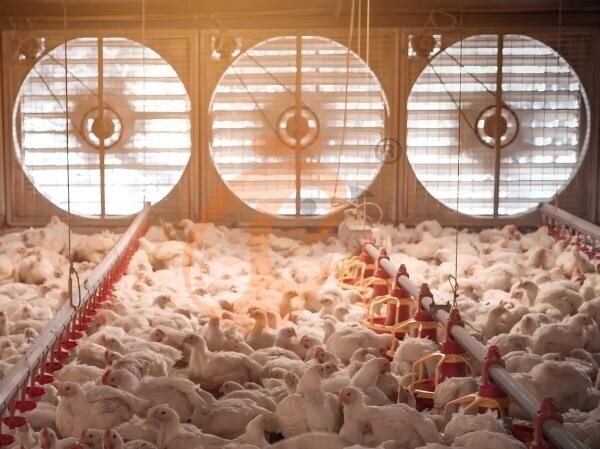
Integrated chicken house equipment connects feed storage, conveying, feeding, ventilation, drinking, and environmental control into one coordinated system.
Modular feed mill design supports capacity expansion, controlled investment, and streamlined engineering for farms operating multiple poultry houses.
Professional poultry equipment solutions combine factory-direct manufacturing, technical integration, and turn-key project support for modern commercial farms.
Get professional poultry farm construction guidance, equipment selection solutions, and the latest price lists, whatsApp to +8618830120193, click to learn more:
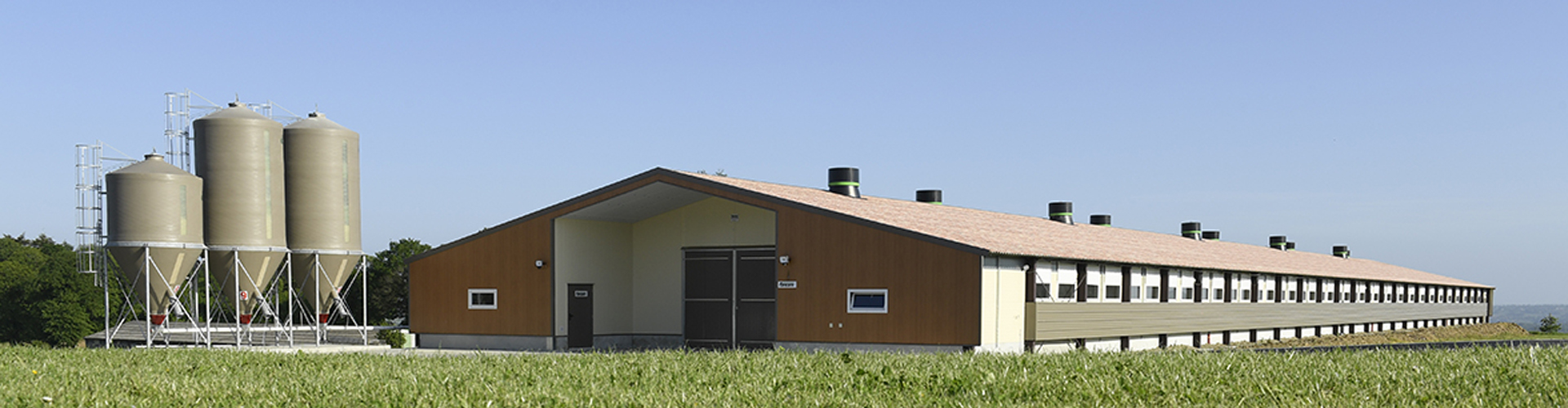
The Growth Challenge: More Birds, Greater Feed Demand
Modern poultry farms need feed-processing systems that can expand with flock numbers while maintaining stable production quality.
Feed represents a major operating cost, making commercial feed mill equipment and poultry feed production equipment important parts of farm planning.
Advanced feed mills can process grains, soybean meal, minerals, and additives through controlled grinding, batching, mixing, and pelleting.
When connected with complete chicken house equipment, a production line creates a continuous chain from raw materials to automatic bird feeding.
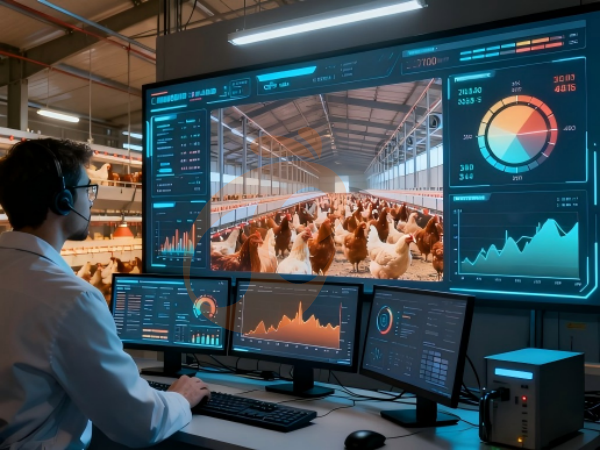
A centralized system can serve multiple poultry houses from one feed-storage area, while automated control reduces repeated manual operations.
Advanced Feed Mill Components At A Glance
Data is for reference only.Swipe horizontally to view full table.
Why Grinding And Mixing Quality Matter
Feed consistency begins before pellets enter the chicken house.
Grinding affects feed structure, while controlled mixing determines whether nutrients and additives are distributed throughout each batch.
A commercial hammer mill can be configured around a 2–4 mm screen aperture, depending on feed formulation and bird age.
Mixing systems can achieve a coefficient of variation below 5% when properly loaded and operated.
Consistent feed supports smooth operation through poultry feed mill machinery and automatic poultry feeding systems, particularly where long feeding lines serve several houses.
Feed Mill Capacity Comparison
Data is for reference only.Swipe horizontally to view full table.
From Feed Production To Chicken House Automation
Raw Materials
Grinding
Dosing & Mixing
Pelleting
Cooling
Silo Storage
Automatic House Feeding
This workflow allows feed to move through the farm with fewer manual transfer points.
A centralized feed system can coordinate supply between different poultry houses according to production schedules.
Inside the house, automatic feeding lines distribute finished feed through controlled feeding points.
A standard auger system can be engineered with a 36–45 mm feed-conveying auger diameter, while feeding-line layouts can be adapted to different house lengths.
Integrated automatic chicken feeding equipment and feed silo systems are particularly valuable for farms adding houses in phases.
Automated Feeding Equipment Options
Data is for reference only.Swipe horizontally to view full table.
A Scalable Production Model
Start → Standardize → Automate → Expand
Start
Select a feed-processing capacity matched to current flock requirements.
Standardize
Use consistent batching, ingredient handling, and feed formulations across houses.
Automate
Connect silos, conveyors, controllers, and feeding lines to reduce repetitive labor.
Expand
Add additional storage, processing modules, and house equipment as production increases.
A modular approach can simplify future installation.
Electrical control cabinets may be designed with IP54 protection, while equipment foundations can be planned around the final mill layout before expansion.
Integrated industrial feed mill systems and turn-key poultry equipment provide a practical structure for phased farm development.
Energy And Labor Efficiency
Data is for reference only.Swipe horizontally to view full table.
The Equipment Advantage: Designed As A Complete System
A feed mill delivers greater practical value when output matches requirements of chicken houses receiving feed.
A complete poultry equipment package can combine:
- Feed mills and processing machinery
- Feed silos and conveying systems
- Automatic pan feeding systems
- Nipple drinking systems
- Environmental controllers
- Tunnel ventilation equipment
- Cooling-pad systems
- Broiler and layer house solutions
A properly engineered house can use 50–80 Pa negative-pressure control for ventilation management.
Drinking systems can be designed around 10–20 birds per nipple, depending on flock type and installation standards.
This system-oriented approach allows feed mill manufacturers and poultry equipment suppliers to coordinate production capacity, feed delivery, environmental management, and house layout rather than treating every component as an independent purchase.
Key Investment Criteria
Data is for reference only.Swipe horizontally to view full table.
The Business Case For Integrated Poultry Equipment
Feed Production
Efficient milling converts bulk ingredients into standardized poultry feed.
Feed Distribution
Automated conveyors transfer finished feed from storage toward individual houses according to programmed demand.
House Management
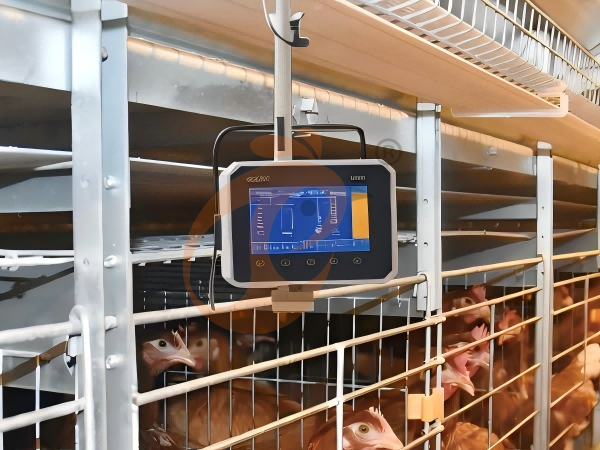
Automatic feeding works together with drinking, ventilation, cooling, and environmental-control equipment.
Production Expansion
The same infrastructure concept can be extended as additional houses are constructed.
The commercial advantage comes from treating the poultry farm as an engineered production system rather than a collection of separate machines.
A complete solution can reduce compatibility problems during installation and provide a clearer technical path for future upgrades.
Integrated poultry feed manufacturing equipment and commercial chicken house systems support coordinated project planning from processing through house
operation.
Build Your Next-Generation Poultry Farm
Data is for reference only.Swipe horizontally to view full table.
Scaling poultry production requires infrastructure that connects feed manufacturing with daily chicken-house operations.
Advanced feed mills establish the processing foundation, while silos, conveyors, automatic feeding lines, drinking systems, ventilation equipment, cooling systems, and environmental controllers extend efficiency into every poultry house.
For producers planning expansion, the practical strategy is to select equipment according to the complete production flow.
A professional advanced feed mill supplier can engineer feed processing, storage, conveying, house feeding, ventilation, and environmental systems as a
coordinated package.
Frequently Asked Questions
Q1: What feed mill capacity suits a growing poultry farm?
Capacity depends on flock size, feeding frequency, and future expansion.
A production line around 15–25 t/h can support substantial commercial operations when storage and conveying are correctly engineered.
Q2: Why connect a feed mill with automatic chicken house equipment?
Integration coordinates feed production, storage, delivery, and house feeding.
A centralized control structure can reduce manual transfer points and synchronize supply between multiple houses.
Q3: What should be considered before purchasing an advanced feed mill?
Project planning should evaluate formulation requirements, processing sequence, storage arrangement, electrical infrastructure, house layout, and expansion requirements.
A complete engineering plan can prevent capacity mismatches between the feed mill and downstream poultry equipment.
European union standard reference only.
Taiyu (HK) Group - One Of China Toppest Feed Mills Manufacturer
Advanced feed mills integrate grinding, batching, mixing, pelleting, cooling, and storage into an engineered poultry feed production line for commercial farms.
Global factory-direct supply combines feed-processing machinery, poultry equipment, technical drawings, installation guidance, and spare-parts coordination.
Poultry equipment packages connect feed mills with automatic feeding, drinking, ventilation, cooling, and environmental-control systems for integrated farm projects.
Turn-key engineering covers capacity planning, equipment configuration, production-line layout, electrical coordination, commissioning, and project implementation.
International project delivery supports broiler, layer, breeder, and multi-house facilities through coordinated equipment manufacturing and engineering services.
Contact Us To Received Your Customized Poultry Farm Plan
Headquarters And Branchs

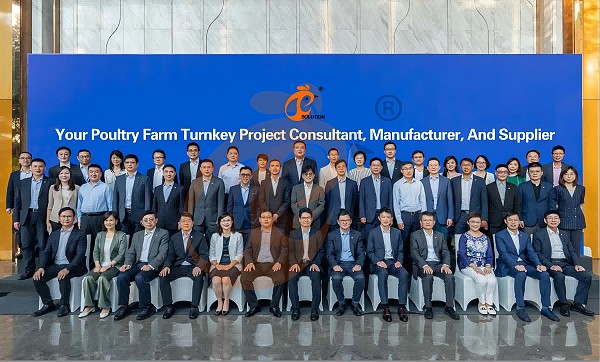
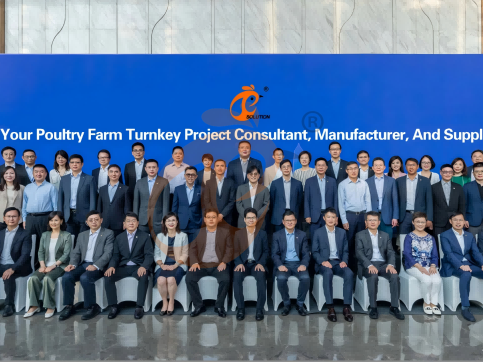
Hong Kong Headquarter Management Team
Hong Kong Headquarter Taiyu Industrial Group CO., LTD
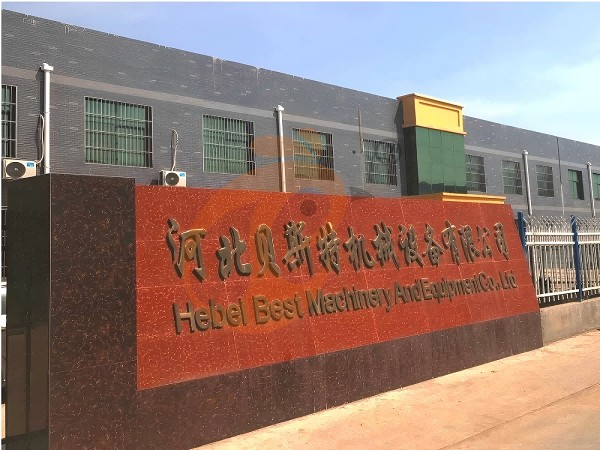
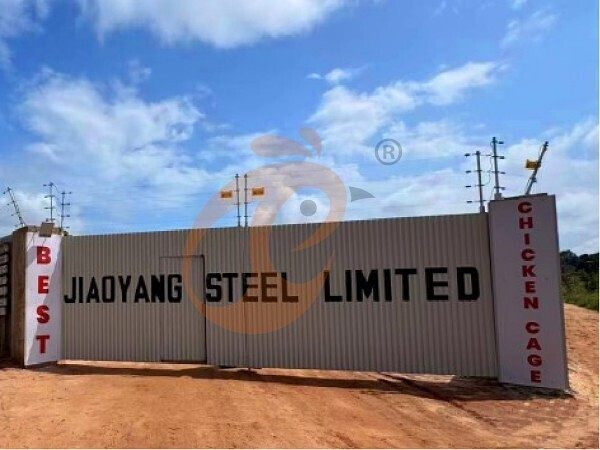
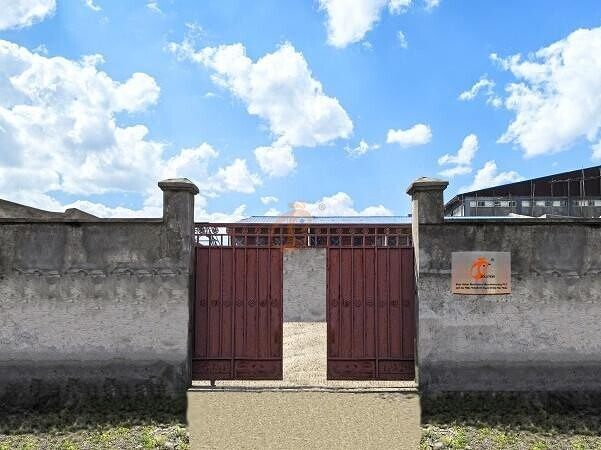
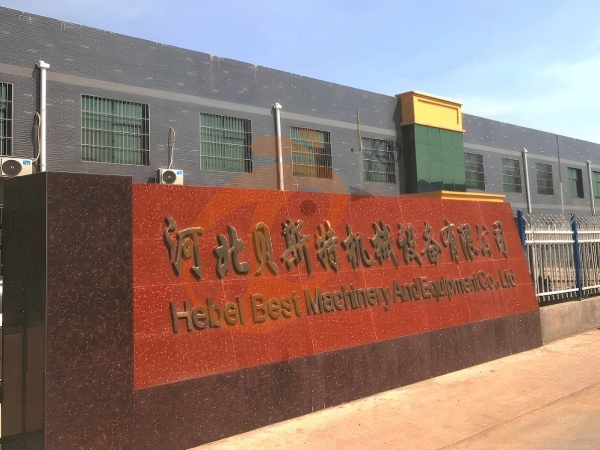
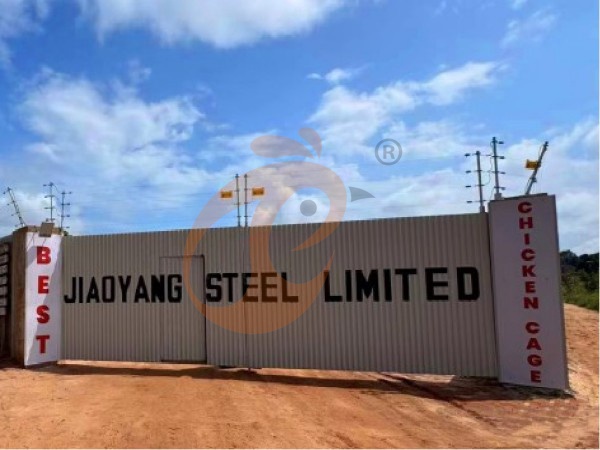
China Hebei Best Machinery And Equipment CO., LTD
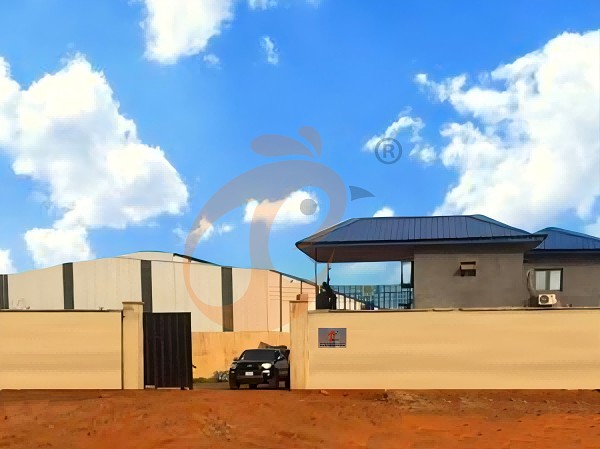
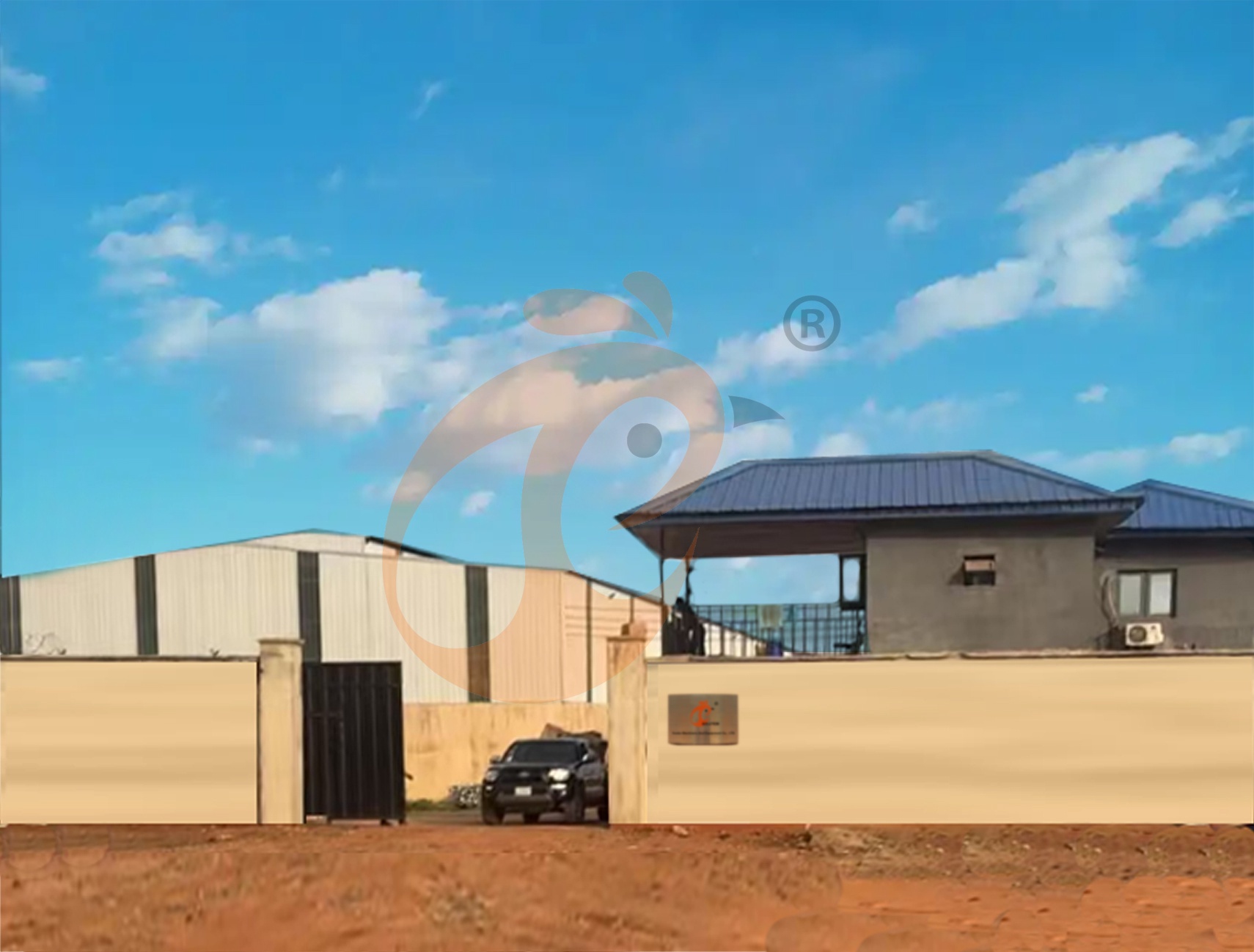
Nigeria Vanke Machinery And Equipment CO., LTD
Tanzania Best Machinery And Equipment CO., LTD
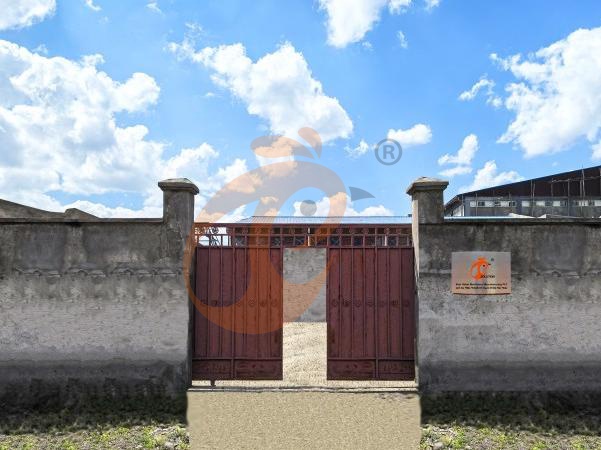
Ethiopia Best Hebei Machinery Manufacturing PLC
Reception /24 WhatsApp NO. : +8618830120193
FAQ
What Are The Main Equipment Components In Feed Mill And Feed Mixer Systems For Poultry Chicken Production?
Hammer mill units operate with rotor speeds of 2800–3600 rpm for efficient grain size reduction.
Twin-shaft mixers achieve batch capacities of 500–2000 kg per cycle for uniform poultry feed blending.
What Dust Control Requirements Are Needed In Feed Mill Operations For Poultry Chicken Farms?
Cyclone separators remove 85%–92% of airborne particles during grinding and conveying processes.
Negative pressure systems maintain airflow velocity between 0.8–1.2 m/s to prevent dust leakage.
What Temperature Parameters Are Used In Feed Mill Processing For Poultry Chicken Feed?
Conditioning temperature reaches 75–85°C to improve pellet durability and pathogen reduction.
Cooling stage reduces pellet temperature to within 5°C of ambient conditions for safe storage.
- poultry farm
- poultry farms
- chicken house
- poultry house
- cage
- poultry farm construction
- poultry feeding system
- automatic poultry feeding system
- poultry equipment
- chickencage
- bestchickencage
- Nigeria
- modern poultry farms
- poultry equipment supplier
- automatic chicken feeding equipment
- chicken house equipment
- modern poultry farm
- poultry feed mill
- chicken house automation
- poultry farm plan
- poultry equipment suppliers
- poultry feed
- chicken feed
- poultry feed production
- feed silo
- feed silo system
- Ethiopia
Message
Products recommended
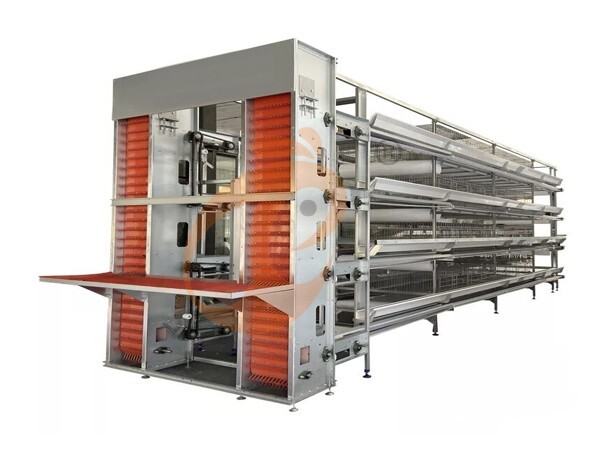
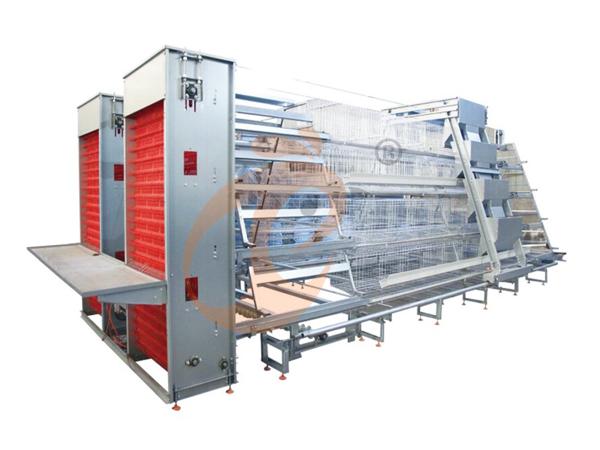
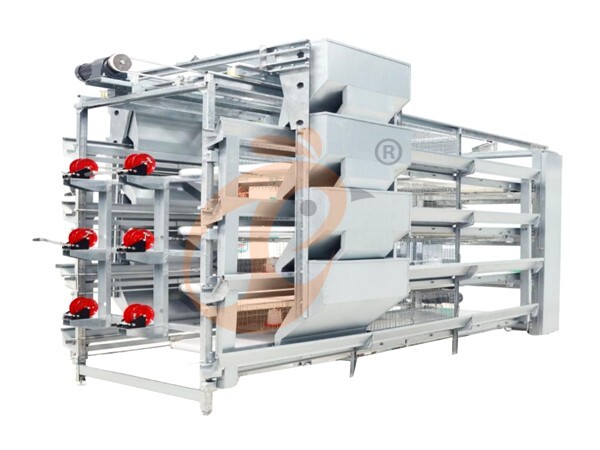
 >30,000 Pullets Automatic H Type Battery Cage1. More than 30,000 pullets a house, choose it.
2. It is designed to rearing older than 1 day old pullets to 12 to 16 weeks old chicken starting laying eggs.
3. Its lifespan is more than 25 years.
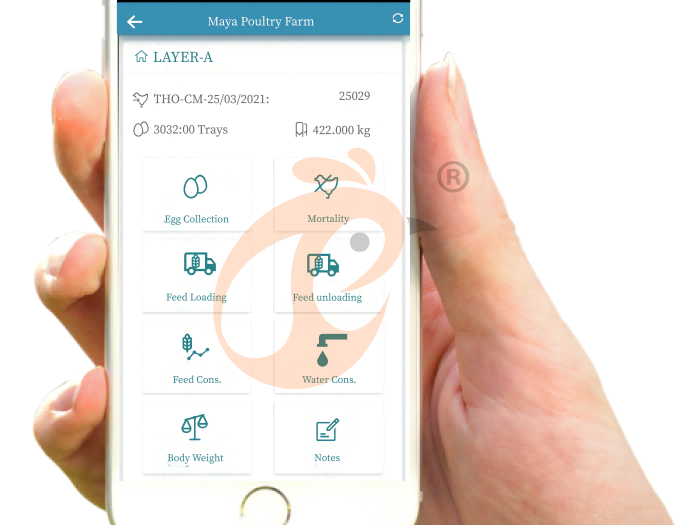
4. Its structure are Vcloud artificial intelligent fusion, electric control cabinet, automatic equipment of drinking, feeding, manure clean, manual harvesting.
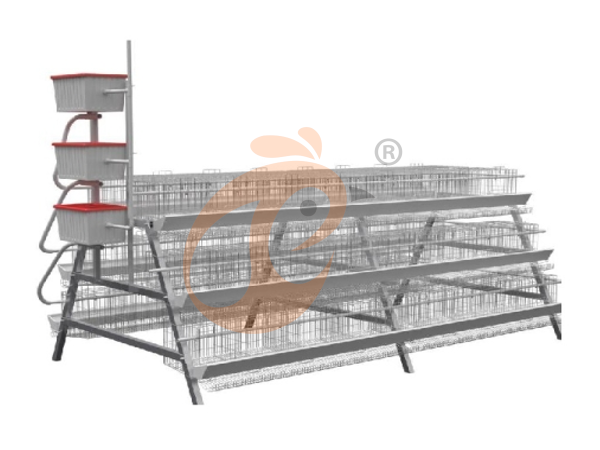
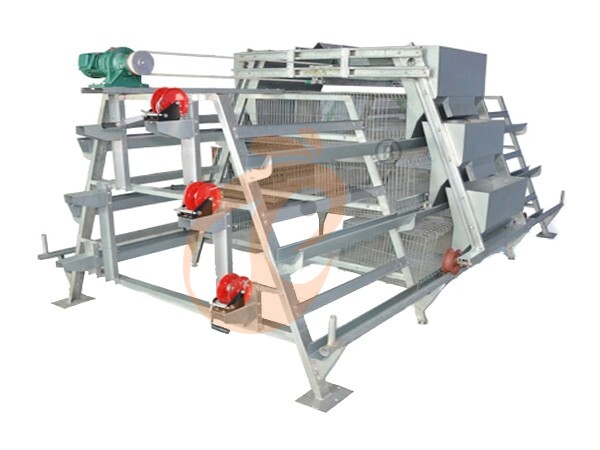
5. Our 24 hour online reception What’sApp NO. is +8618830120193 <30,000 Pullets Automatic A Type Battery Cage1. 10,000 to 30,000 pullets a house, choose it.
2. It is designed to rearing older than 1 day old pullets to 12 to 16 weeks old chicken starting laying eggs.
3. Its lifespan is more than 25 years.
4. Its structure are Vcloud artificial intelligent fusion, electric control cabinet, automatic equipment of drinking, feeding, manure clean, manual harvesting.
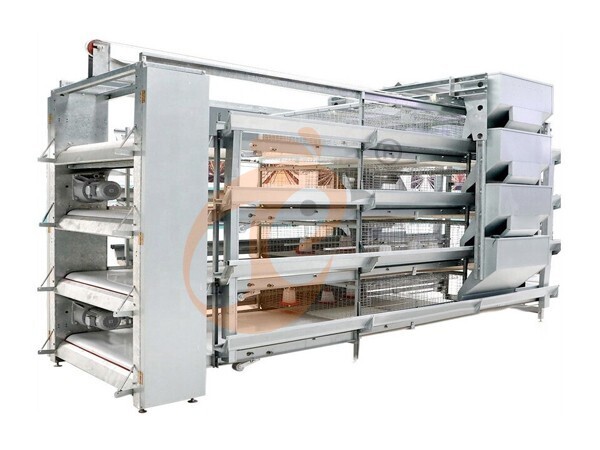
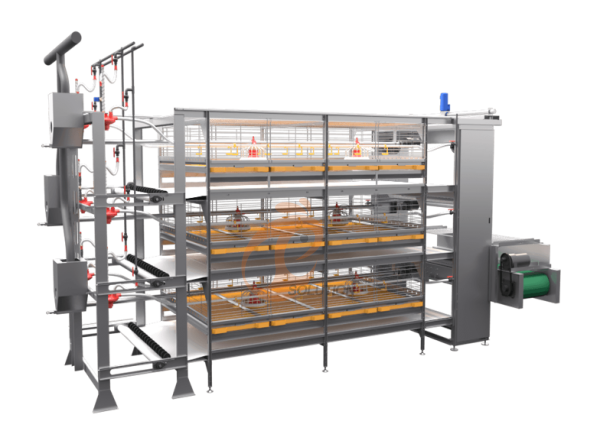
5. Our 24 hour online reception What’sApp NO. is +86 18830120193. >30,000 Broilers Semi-Automatic Harvest H Type Battery Cage1. More than 30,000 broilers a house, choose it.
2. It is designed to rearing 1 to 45 day old adult broiler ready for market.
3. Its lifespan is more than 20 years.
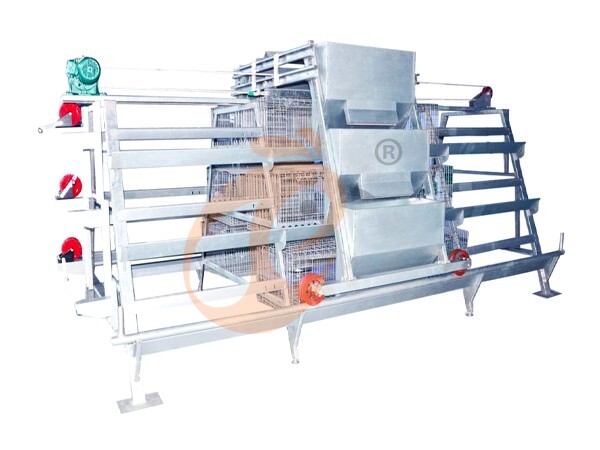
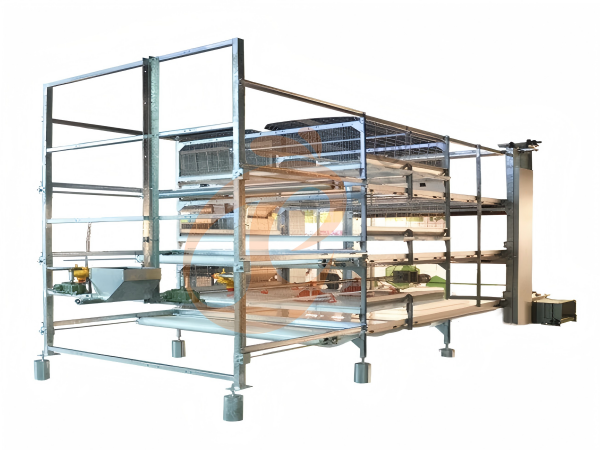
4. Our 24 hour online reception What’sApp NO. is +8618830120193, +234 8111199996. >30,000 Broilers Manual Harvest H Type Battery Cage1. More than 30,000 broilers a house, choose it.
2. It is designed to rearing 1 to 45 day old adult broiler ready for market.
3. Its lifespan is more than 20 years.
4. Its structure are Vcloud artificial intelligent fusion, electric control cabinet, automatic equipment of drinking, feeding and manure clean, manual harvesting.
5. Our 24 hour online reception What’sApp NO. is +8618830120193, +234 8111199996. <30,000 Broilers Manual Harvest A Type Battery Cage1. Less 30,000 broilers a house, choose it.
2. It is designed to rearing 1 to 45 day old adult broiler ready for market.
3. Its lifespan is more than 20 years.
4. Its structure are Vcloud artificial intelligent fusion, electric control cabinet, automatic equipment of drinking, feeding and manure clean, manual harvesting.
5. Our 24 hour online reception What’sApp NO. is +8618830120193, +234 8111199996. HK Headquarter Offers EU-standard Poultry Farm Solutions, Manufacture Poultry Farm Equipment1. Continuous communication with the EU and the US
2. China, Nigeria, Ethiopia, Tanzania branch companies and factories
3. The products’ quality is customized for local poultry farms
4. Poultry cage and poultry farm equipment stock for sale
5. 24 online reception Whatsapp NO. : +8618830120193,contact us to get full information China Branch Offer Poultry Farm Business Plan, Manufacture Poultry Farm Equipment1. Address: Flat/RM 2416, 24/F, Runxing Building, Youyi Nan Street, Shijiazhuang City, Hebei Province, China
2. Poultry cage and poultry farm equipment factory and stock for sale
3. Customized for local poultry farms
4. Quality and design are based on Euro
5. 24 online reception Whatsapp NO. : +8618830120193 Nigeria Branch Offer Poultry Farm Business Plan, Manufacture Poultry Farm Equipment1. Address: After Sinoma Office, 200 Meters Near Danco Filling Station, Lagos/Ibadan Expressway, Lagos State, Nigeria
2. Poultry cage and poultry farm equipment factory and stock for sale
3. Customized for Nigerian poultry farms
4. Quality and design are based on Euro
5. 24 online reception Whatsapp NO. : +8618830120193 Ethiopia Branch Offer Poultry Farm Business Plan, Manufacture Poultry Farm Equipment1. Address: Gelan Gura, Akaki-kaliti Sub City, Addis Ababa, Ethiopia
2. Poultry cage and poultry farm equipment stock for sale
3. Customized for Ethiopian poultry farms
4. Quality and design are based on Euro
5. 24 online reception Whatsapp NO. : +8618830120193, contact us to get price list Tanzania Branch Offer Poultry Farm Business Plan, Manufacture Poultry Farm Equipment1. Address: No.8, Sova Road, Msufini, Mlandizi, Kibaha, Pwani, Tanzania
2. Poultry cage and poultry farm equipment factory and stock for sale
3. Customized for Tanzanian poultry farms
4. Quality and design are based on Euro
5. 24 online reception Whatsapp NO. : +8618830120193


Contact