


Blog
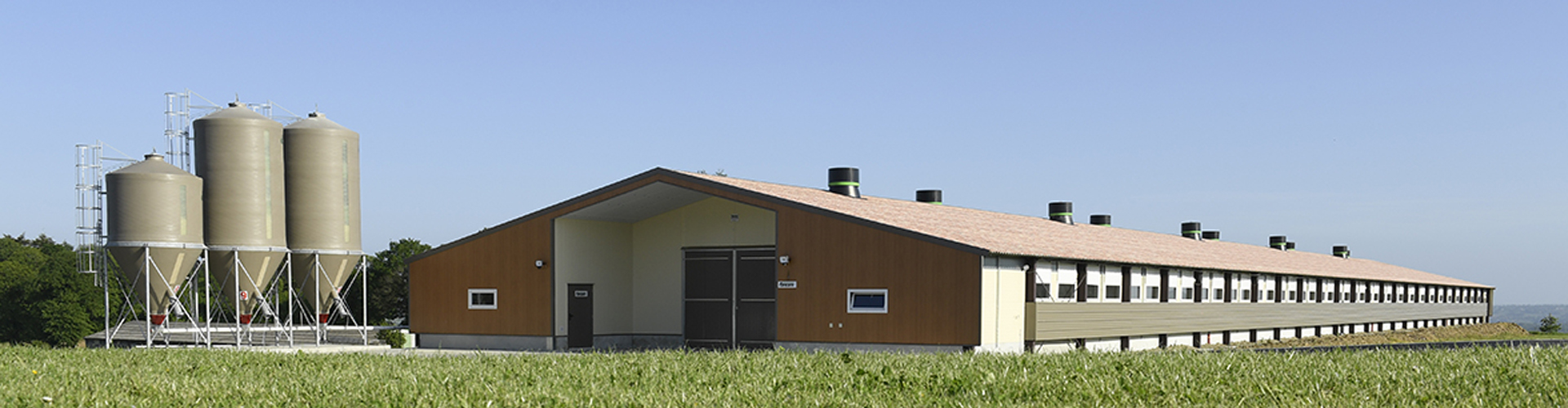
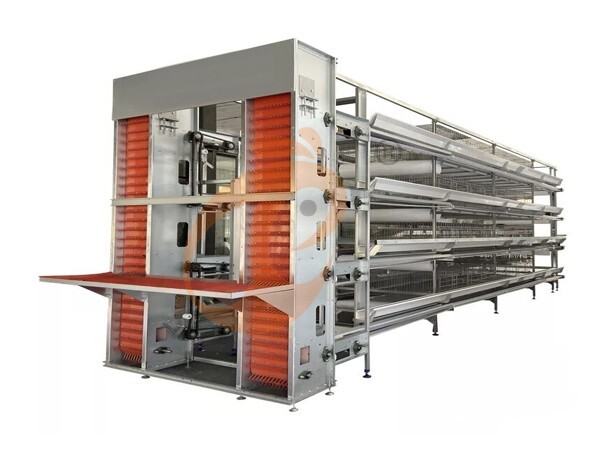
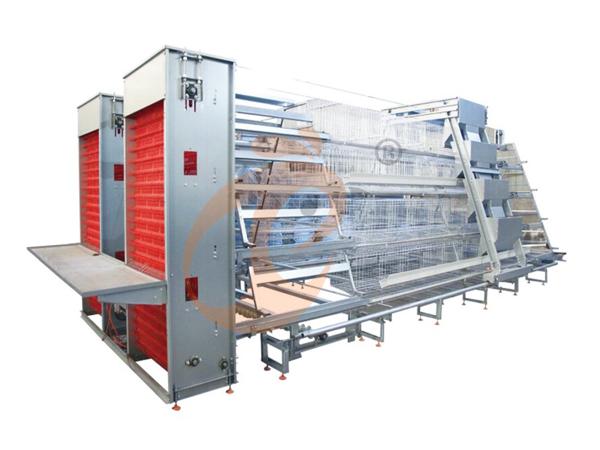
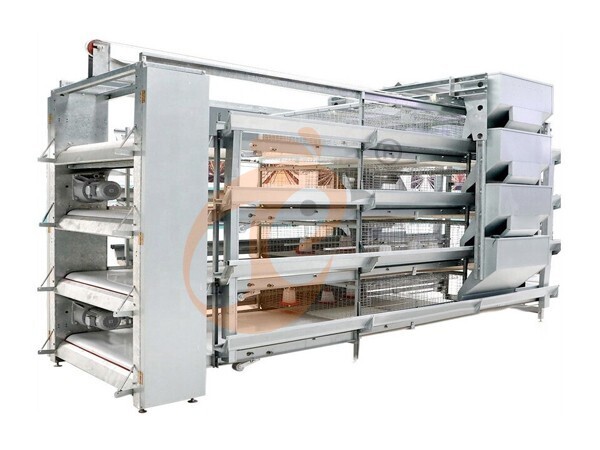
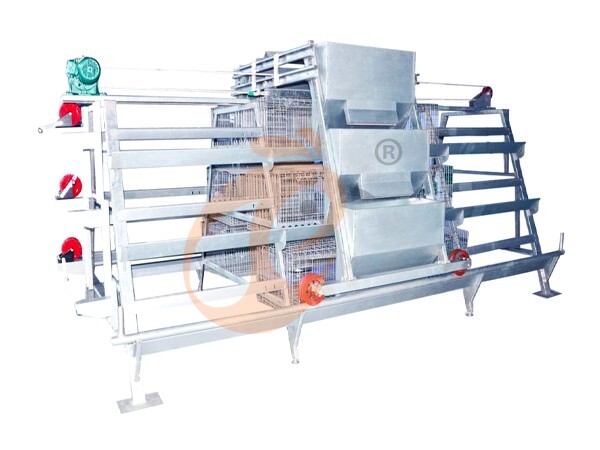
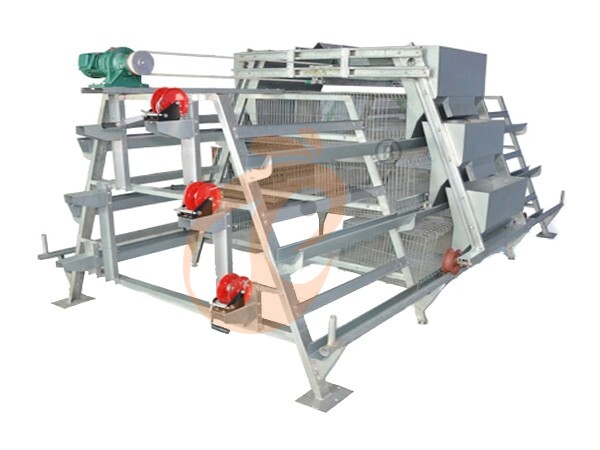
Battery cage for layers system supports commercial egg production through organized housing, automation, and measurable capacity, with projects commonly planned from 20,000 to 200,000 layers.
Space-efficient cage layouts can coordinate feeding, drinking, egg handling, manure removal, ventilation, and environmental control inside professionally engineered poultry houses.
Automatic layer cage systems reduce repetitive manual operations while supporting consistent daily workflows and scalable farm expansion.
Commercial buyers can compare equipment specifications, operating requirements, labor structure, and project configuration before selecting a suitable poultry production system.
Integrated poultry layer cage equipment creates a practical pathway toward standardized production, easier expansion, and professionally managed commercial egg farming.
Get professional poultry farm construction guidance, equipment selection solutions, and the latest price lists, whatsApp to +8618830120193, click to learn more:
The Scale Test: Start With The Bottleneck
A poultry farm rarely stops growing because of chicken numbers.
It stops because space, labor, feeding, egg collection, hygiene, and management capacity become bottlenecks.
A commercial layer house can be designed around a 120–150 m house length, while production planning commonly begins with target flock size and daily egg output.
Imagine two farms starting with the same investment.
Farm A uses a traditional floor poultry system.
Farm B installs a modern layer battery cage system with automated feeding, drinking, manure removal, and egg collection.
When both farms expand from 20,000 to 100,000 layers, the difference becomes obvious: cage-based housing can increase bird capacity while keeping daily operations organized and measurable.
The real question is not simply ''Which system is cheaper?''
It is:Which poultry equipment system allows more birds to be managed efficiently as the farm grows?
For commercial egg production, an integrated automatic layer cage system provides a practical route toward structured expansion.
Capacity Comparison: Where Does Each Square Meter Go?
Data is for reference only.Swipe horizontally to view full table.
The key advantage is space utilization.
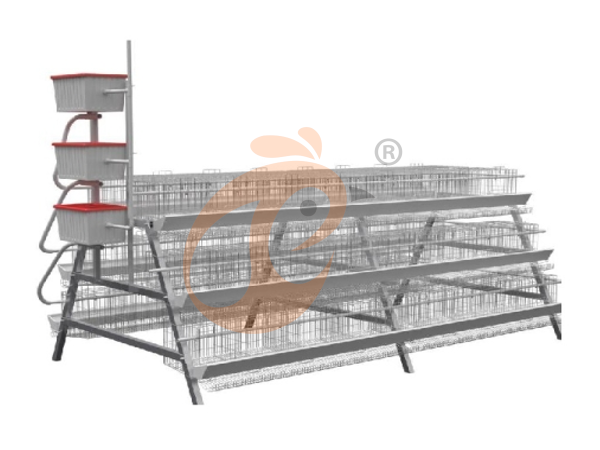
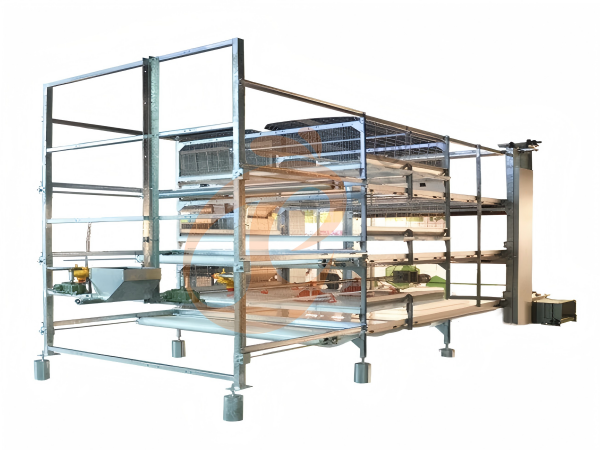
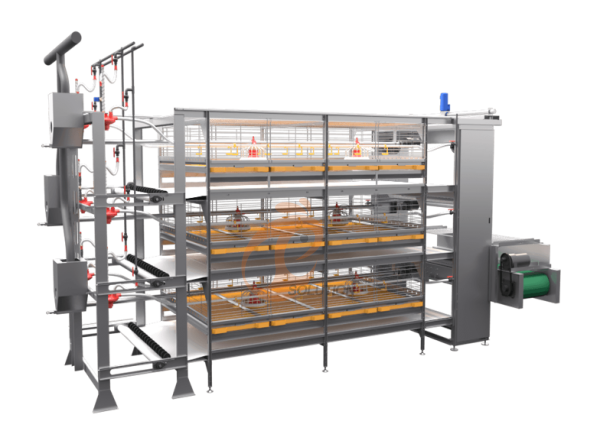
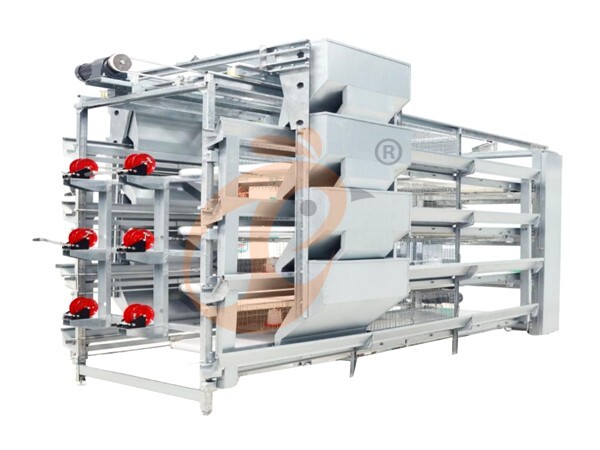
A professionally engineered poultry layer cage equipment layout uses multiple tiers, allowing more production capacity without proportionally increasing building footprint.
A cage module can be configured at approximately 2.0–2.4 m in length, allowing row layouts to match different building dimensions.
Follow One Egg Through The Farm
7:00 a.m. — Feeding
In a traditional house, workers distribute feed across the flock.
An automatic layer cage system can deliver measured feed along multiple rows at a line speed of 18–36 m/min.
10:00 a.m. — Drinking
Nipple drinkers provide continuous access to clean water, with recommended operating pressure around 20–30 cm water column.
1:00 p.m. — Egg Collection
Instead of walking through the house and collecting eggs manually, an integrated poultry layer cage equipment system transports eggs toward a central collection point.
4:00 p.m. — Manure Management
A manure belt or scraper system removes waste beneath cages, reducing manual cleaning and supporting controlled house management.
Equipment therefore becomes production infrastructure rather than an accessory.
Labor: The Hidden Cost Of Traditional Expansion
Data is for reference only.Swipe horizontally to view full table.
A farm may have enough capital to purchase more birds, but workforce requirements can become increasingly difficult to control.
Centralized layer battery cage system operation can coordinate repetitive processes through integrated motors, controllers, and transmission equipment.
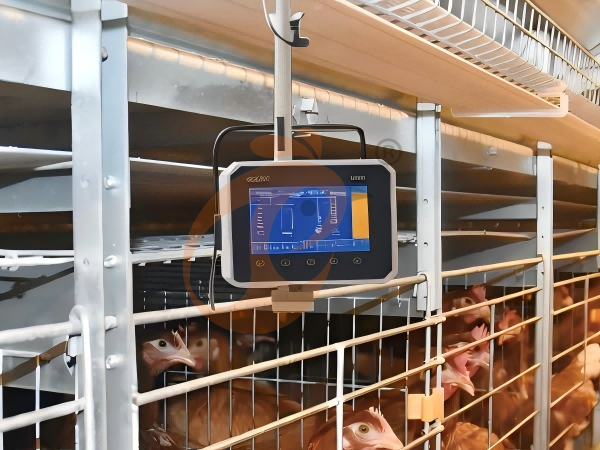
A centralized control cabinet can coordinate multiple equipment circuits with 380 V three-phase power, reducing independent manual operation.
The Expansion Challenge: 20,000 → 50,000 → 100,000 Layers
Think of expansion as three stages.
Stage A: 20,000 Layers
Traditional housing may still appear manageable.
A commercial flock at 95% laying rate can produce approximately 19,000 eggs per day, creating a substantial collection workload.
Stage B: 50,000 Layers
Daily manual operations multiply.
At a 95% laying rate, the flock can generate around 47,500 eggs per day, making conveyor-based handling increasingly valuable.
Stage C: 100,000+ Layers
At this point, farm design becomes critical.
A battery cage for layers system can create repeatable production zones, making additional capacity easier to integrate.
At 100,000 hens, a 95% laying rate represents approximately 95,000 eggs every day, requiring continuous material-flow planning.
Investment Vs. Operating Efficiency
Data is for reference only.Swipe horizontally to view full table.
The traditional system can offer a lower entry cost, but commercial producers should evaluate total operating cost, not only initial purchase price.
A complete automatic layer cage system may include cages, feeding lines, drinking systems, egg collection, manure removal, ventilation, and environmental controls.
That integrated approach turns individual machines into a coordinated production system.
What Changes When Automation Enters The House?
Instead of asking
''How many workers do I need for another 20,000 hens?''
Ask
''How much additional capacity can my equipment infrastructure support?''
This shift in thinking is fundamental.
A modern poultry equipment supplier should design around the entire production cycle:
Feed → Water → Housing → Eggs → Manure → Environment → Monitoring
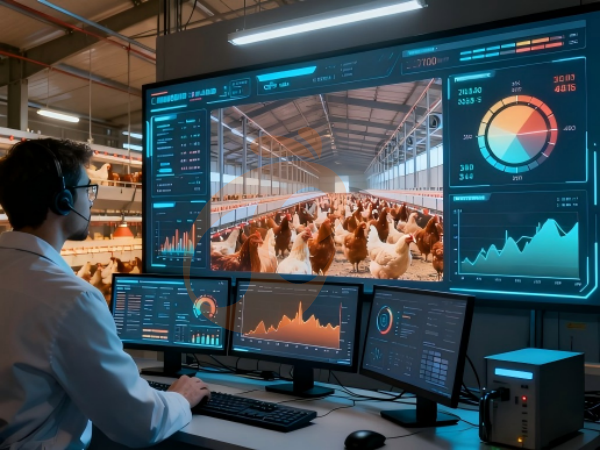
A properly engineered poultry layer cage equipment system can integrate temperature sensors with ±0.5°C accuracy and humidity monitoring across multiple house zones.
When processes are connected, expansion becomes more predictable.
For investors building a commercial layer farm, the best equipment is not necessarily the machine with the lowest purchase price.
The stronger choice is equipment supporting capacity, labor efficiency, management consistency, and long-term operation.
Equipment Configuration For A Commercial Layer House
Data is for reference only.Swipe horizontally to view full table.
A complete equipment configuration should match house dimensions, flock size, climate, cage tiers, automation level, and expansion plans.
For example, a house with 24 m width and 100–120 m length can use different row arrangements without changing the core equipment architecture.
A Buyer's Decision Formula
Before selecting a poultry housing system, evaluate five questions
1. Capacity
How many layers must the house accommodate today?
2. Expansion
Will the farm need to double capacity within several years?
3. Labor
Is skilled poultry labor expensive or difficult to recruit?
4. Climate
Does equipment require enhanced ventilation and cooling for local conditions?
5. Automation
How much feeding, egg collection, and manure removal should be automated?
If answers point toward commercial capacity, controlled labor requirements, and expansion, a layer battery cage system deserves serious consideration.
A professional supplier should provide layout planning rather than simply selling cages.
Project design should account for air inlet placement, emergency power, drainage slope, feed storage distance, and equipment maintenance access.
Productivity-Oriented System Selection
Data is for reference only.Swipe horizontally to view full table.
For small-scale farms with limited capital, traditional housing can still have a place.
For commercial egg producers targeting rapid expansion, the advantages of an engineered automatic layer cage system become increasingly important.
Equipment configuration should also reflect flock age, production targets, regional climate, and local power infrastructure.
Why Equipment Quality Determines Scaling Speed
Data is for reference only.Swipe horizontally to view full table.
Scaling quickly does not mean purchasing the largest system immediately.
It means creating a reliable production platform that can be expanded with confidence.
Professional poultry layer cage equipment suppliers should provide engineering design, installation guidance, spare parts, technical support, and customized layouts.
A supplier supporting 10,000 to more than 200,000 layers can standardize equipment specifications across multiple farm phases.
Final Verdict: Which System Scales Faster?
Data is for reference only.Swipe horizontally to view full table.
The conclusion is straightforward: traditional poultry systems may be simpler to start, but modern battery cage for layers systems are generally better positioned for commercial scale.
For a growing egg business, the goal should be more than increasing flock size.
The goal is building a poultry house where feeding, drinking, egg collection, manure removal, ventilation, and management can scale together.
That is where professional layer battery cage system engineering creates measurable commercial value.
A reliable manufacturer can provide customized cage layouts, automatic feeding and drinking systems, egg collection, manure removal, ventilation, and environmental control.
If the target is 20,000, 50,000, or 100,000+ layers, equipment should be selected according to future operating requirements rather than current flock size.
Frequently Asked Questions
Q1: What makes a battery cage for layers system suitable for expansion?
Multi-tier housing combines structured bird placement with automated material handling.
Modular row layouts also allow capacity to increase without redesigning every core subsystem.
Q2: Which equipment should be automated first?
Feeding, egg collection, and manure removal generally create the strongest operational impact.
A properly coordinated system can connect several production lines through centralized controls and scheduled operating cycles.
Q3: How should buyers compare cage systems from different suppliers?
Compare cage dimensions, steel specifications, automation configuration, ventilation design, installation standards, spare-parts support, and project engineering.
Equipment specifications should be evaluated together rather than selecting cages based only on purchase price.
Taiyu (HK) Group - One Of China Toppest Battery Cage Exporter
Battery cage for layers system integrates multi-tier housing, automatic feeding, nipple drinking, egg collection, manure handling, ventilation, and control architecture for commercial layer projects.
Global factory-direct production supplies poultry equipment with standardized components, project-specific layouts, quality inspection, and international shipment coordination.
Turn-key engineering covers project planning, equipment configuration, installation guidance, commissioning support, and production-line integration for commercial poultry farms.
Large-scale projects can be configured for 20,000–200,000+ layers, matching house dimensions, climate conditions, automation requirements, and planned expansion phases.
Factory engineering support provides technical documentation, spare-parts planning, equipment matching, and after-sales coordination for overseas poultry production projects.
Contact Us To Received Your Customized Poultry Farm Plan
Headquarters And Branchs
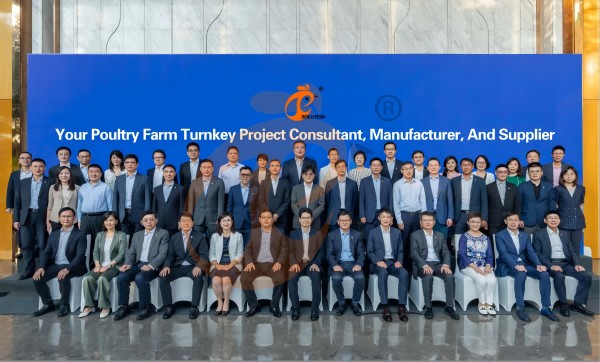
Hong Kong Headquarter Management Team
Hong Kong Headquarter Taiyu Industrial Group CO., LTD
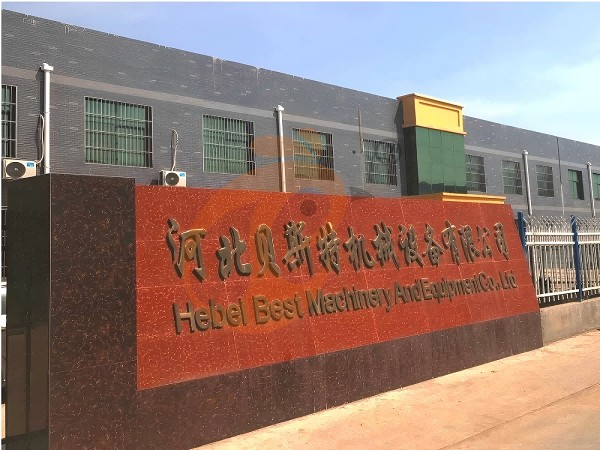
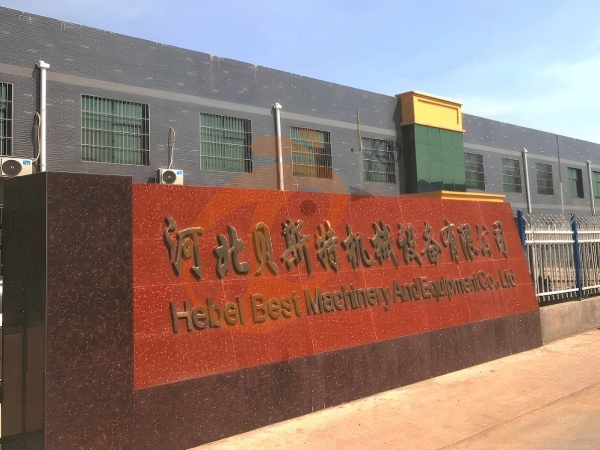
China Hebei Best Machinery And Equipment CO., LTD
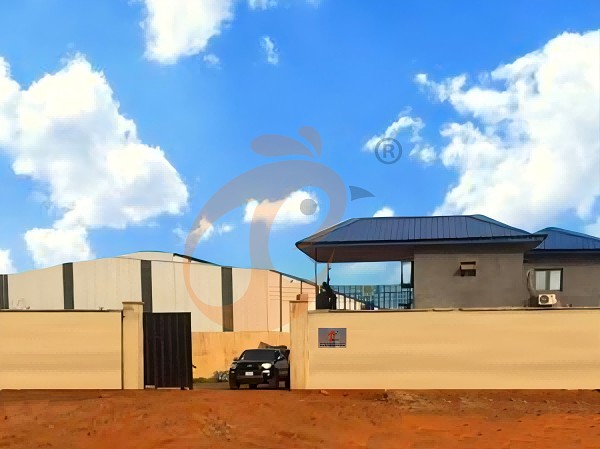
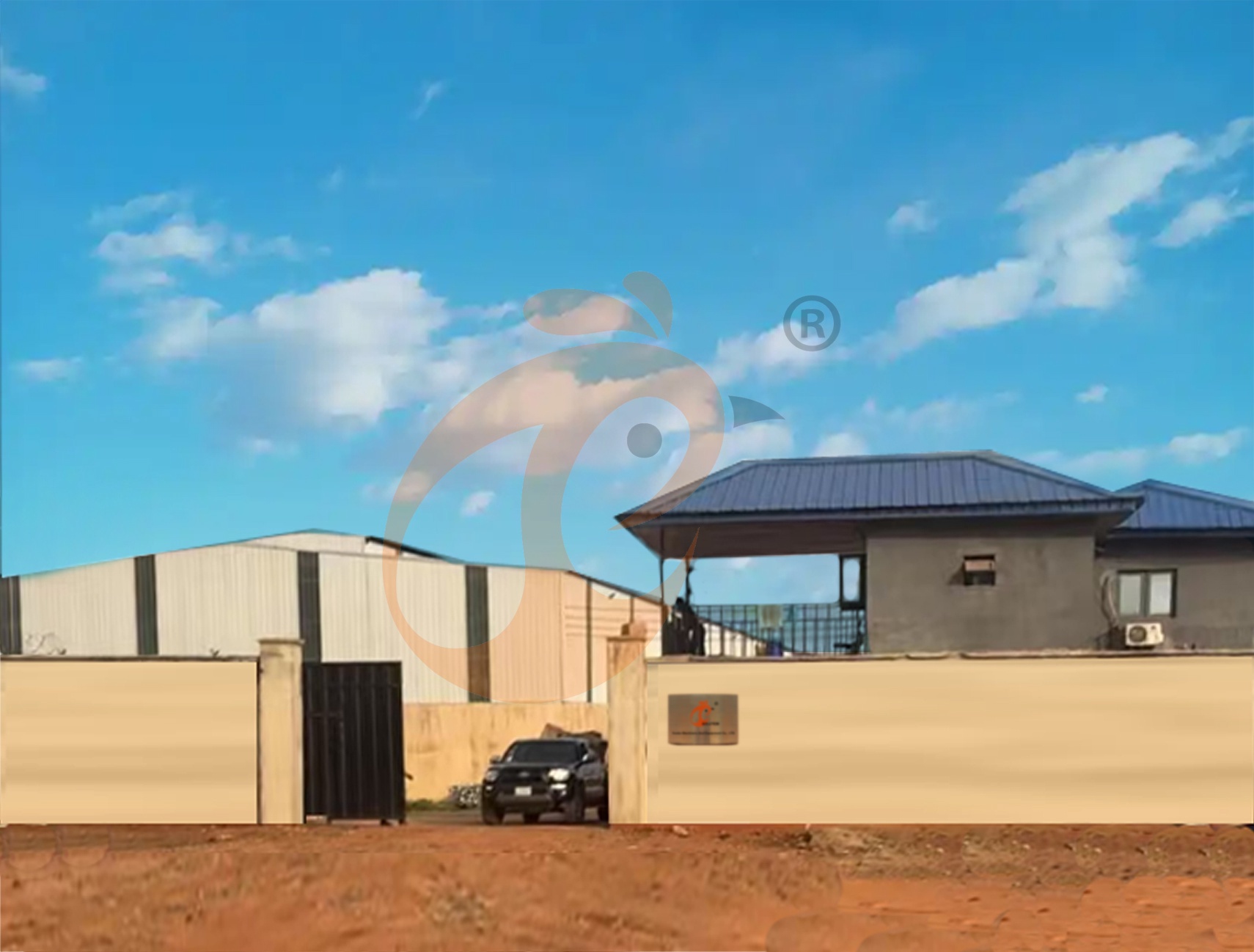
Nigeria Vanke Machinery And Equipment CO., LTD
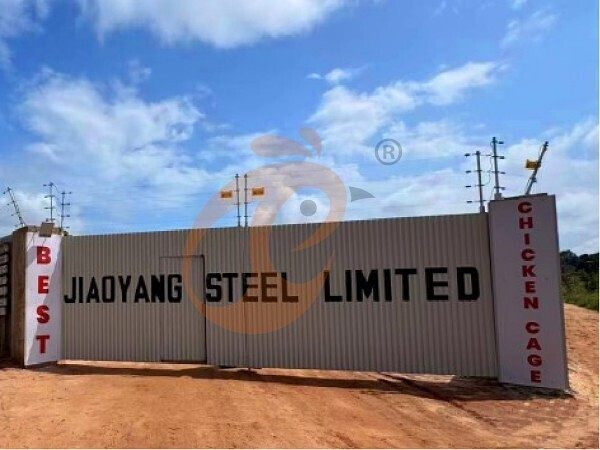
Tanzania Best Machinery And Equipment CO., LTD
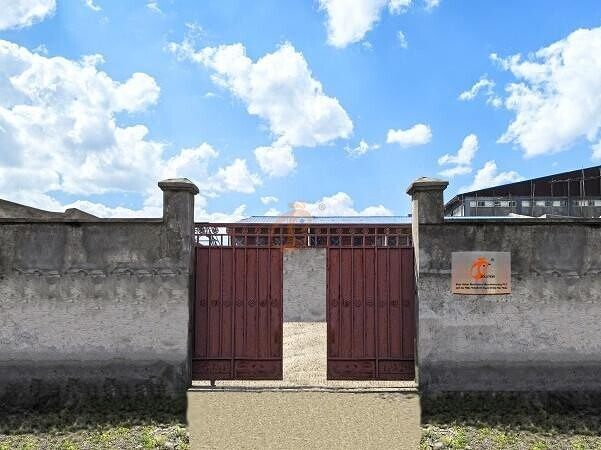
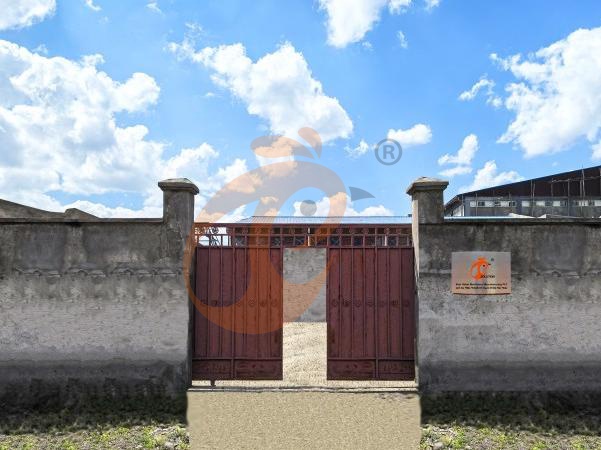
Ethiopia Best Hebei Machinery Manufacturing PLC
Reception /24 WhatsApp NO. : +8618830120193
FAQ
How To Reduce Stress And Improve Egg Production In Battery Cage Farms?
Good ventilation, temperature 18–25℃, lighting 16h/day.
Automatic feeding and drinking systems ensure sufficient nutrition and water; egg production 90–98%.
What Are The Advanced Tips For Egg Hygiene And Quality Control In Layer Cage Systems?
Monitor feed nutrition and water quality to ensure strong eggshells.
How To Implement Advanced Light Management Systems In Poultry Cage Farms?
Combined with automatic feeding, egg production increases 2–3%, breakage <3%.
- battery cage
- battery cage system
- battery cage for layers
- poultry farm
- poultry farms
- layer cage
- automatic layer cage
- poultry house
- poultry layer cage
- cage
- poultry farm construction
- battery cage exporter
- layer battery cage
- layer cage system
- layer battery cage system
- modern battery cage
- poultry housing system
- poultry equipment
- battery cages
- cage for layers
- automatic layer cage system
- chickencage
- bestchickencage
- cage system
- cage systems
- h cage
- Nigeria
- layer farm
- commercial egg farm
- commercial poultry farms
- poultry equipment supplier
- layer cage equipment
- cage exporter
- egg collection conveyor
- poultry farm plan
- Ethiopia
Message
Products recommended
 >30,000 Pullets Automatic H Type Battery Cage1. More than 30,000 pullets a house, choose it.
2. It is designed to rearing older than 1 day old pullets to 12 to 16 weeks old chicken starting laying eggs.
3. Its lifespan is more than 25 years.
4. Its structure are Vcloud artificial intelligent fusion, electric control cabinet, automatic equipment of drinking, feeding, manure clean, manual harvesting.
5. Our 24 hour online reception What’sApp NO. is +8618830120193 <30,000 Pullets Automatic A Type Battery Cage1. 10,000 to 30,000 pullets a house, choose it.
2. It is designed to rearing older than 1 day old pullets to 12 to 16 weeks old chicken starting laying eggs.
3. Its lifespan is more than 25 years.
4. Its structure are Vcloud artificial intelligent fusion, electric control cabinet, automatic equipment of drinking, feeding, manure clean, manual harvesting.
5. Our 24 hour online reception What’sApp NO. is +86 18830120193. >30,000 Broilers Semi-Automatic Harvest H Type Battery Cage1. More than 30,000 broilers a house, choose it.
2. It is designed to rearing 1 to 45 day old adult broiler ready for market.
3. Its lifespan is more than 20 years.
4. Our 24 hour online reception What’sApp NO. is +8618830120193, +234 8111199996. >30,000 Broilers Manual Harvest H Type Battery Cage1. More than 30,000 broilers a house, choose it.
2. It is designed to rearing 1 to 45 day old adult broiler ready for market.
3. Its lifespan is more than 20 years.
4. Its structure are Vcloud artificial intelligent fusion, electric control cabinet, automatic equipment of drinking, feeding and manure clean, manual harvesting.
5. Our 24 hour online reception What’sApp NO. is +8618830120193, +234 8111199996. <30,000 Broilers Manual Harvest A Type Battery Cage1. Less 30,000 broilers a house, choose it.
2. It is designed to rearing 1 to 45 day old adult broiler ready for market.
3. Its lifespan is more than 20 years.
4. Its structure are Vcloud artificial intelligent fusion, electric control cabinet, automatic equipment of drinking, feeding and manure clean, manual harvesting.
5. Our 24 hour online reception What’sApp NO. is +8618830120193, +234 8111199996. HK Headquarter Offers EU-standard Poultry Farm Solutions, Manufacture Poultry Farm Equipment1. Continuous communication with the EU and the US
2. China, Nigeria, Ethiopia, Tanzania branch companies and factories
3. The products’ quality is customized for local poultry farms
4. Poultry cage and poultry farm equipment stock for sale
5. 24 online reception Whatsapp NO. : +8618830120193,contact us to get full information China Branch Offer Poultry Farm Business Plan, Manufacture Poultry Farm Equipment1. Address: Flat/RM 2416, 24/F, Runxing Building, Youyi Nan Street, Shijiazhuang City, Hebei Province, China
2. Poultry cage and poultry farm equipment factory and stock for sale
3. Customized for local poultry farms
4. Quality and design are based on Euro
5. 24 online reception Whatsapp NO. : +8618830120193 Nigeria Branch Offer Poultry Farm Business Plan, Manufacture Poultry Farm Equipment1. Address: After Sinoma Office, 200 Meters Near Danco Filling Station, Lagos/Ibadan Expressway, Lagos State, Nigeria
2. Poultry cage and poultry farm equipment factory and stock for sale
3. Customized for Nigerian poultry farms
4. Quality and design are based on Euro
5. 24 online reception Whatsapp NO. : +8618830120193 Ethiopia Branch Offer Poultry Farm Business Plan, Manufacture Poultry Farm Equipment1. Address: Gelan Gura, Akaki-kaliti Sub City, Addis Ababa, Ethiopia
2. Poultry cage and poultry farm equipment stock for sale
3. Customized for Ethiopian poultry farms
4. Quality and design are based on Euro
5. 24 online reception Whatsapp NO. : +8618830120193, contact us to get price list Tanzania Branch Offer Poultry Farm Business Plan, Manufacture Poultry Farm Equipment1. Address: No.8, Sova Road, Msufini, Mlandizi, Kibaha, Pwani, Tanzania
2. Poultry cage and poultry farm equipment factory and stock for sale
3. Customized for Tanzanian poultry farms
4. Quality and design are based on Euro
5. 24 online reception Whatsapp NO. : +8618830120193


Contact