


Blog
Land Efficiency: A battery cage system maximizes stocking density on compact or irregular plots, whereas free-range requires extensive flat pasture.
Daily Labor & Control: Caged housing centralizes feeding, egg collection, and manure removal; free-range demands more outdoor labor and weather management.
Investment Structure: Cage systems require higher upfront equipment capital ($2.20–$4.50 USD/bird), while free-range shifts costs into land, fencing, and ongoing labor.
Market Positioning: Choose cages for high-volume, cost-competitive egg or broiler supply, and free-range for premium, welfare-certified retail markets.
Whole-Farm Planning: As a direct poultry equipment manufacturer, we customize house layouts, feed mills, and processing lines to fit your exact land dimensions.
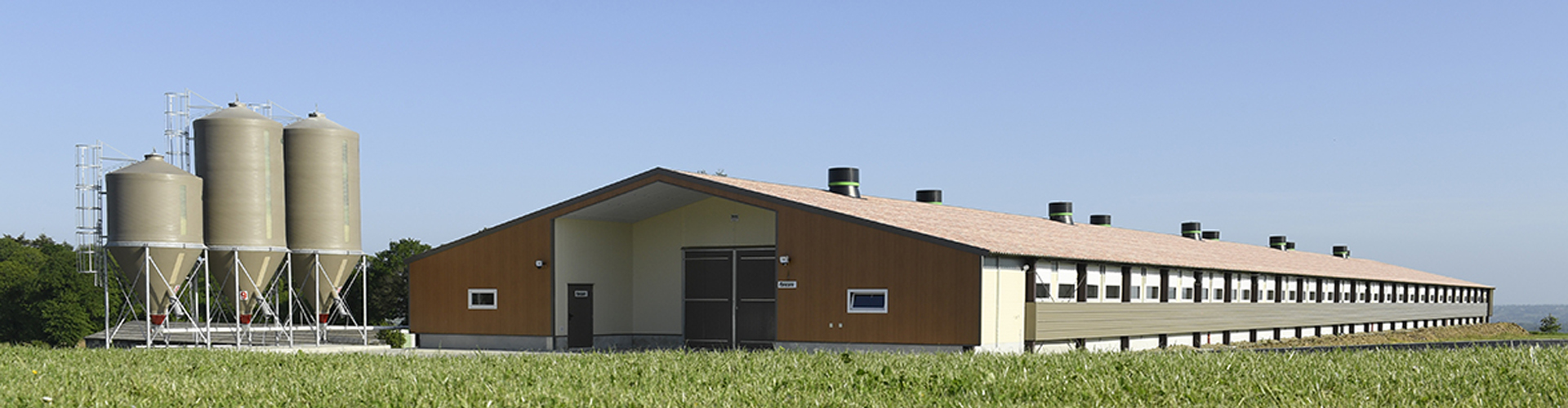
Selecting between a battery cage system and free-range housing shapes your farm's daily workflow, biosecurity, and long-term return on investment. At Vanke, we help commercial farm owners evaluate land limits, labor availability, and local market demand before committing to a housing layout.
Core Operational Differences Between Caged And Free-Range Systems
Daily Management And Bird Control
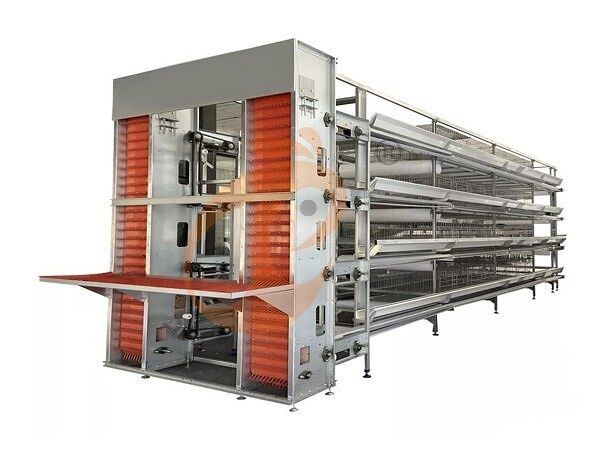
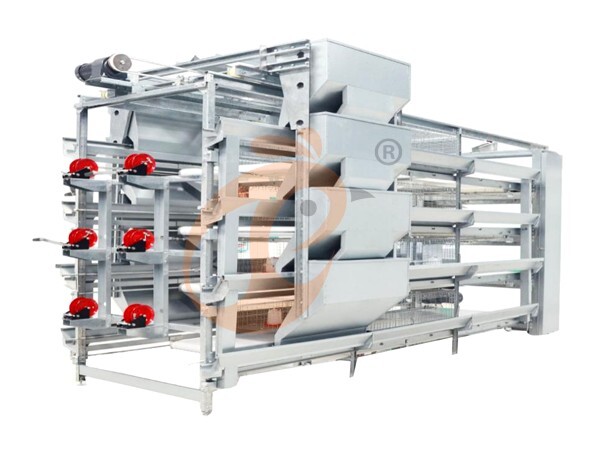
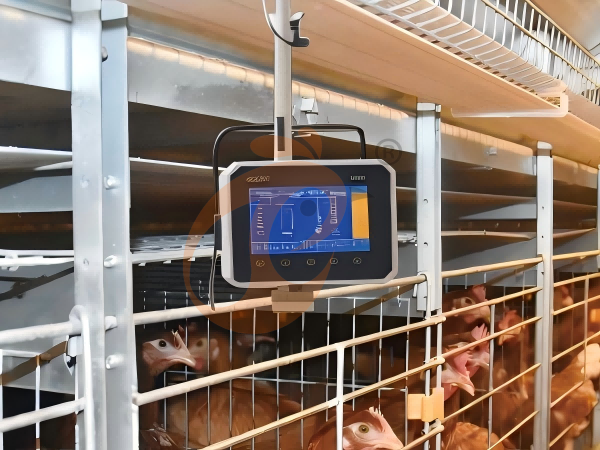
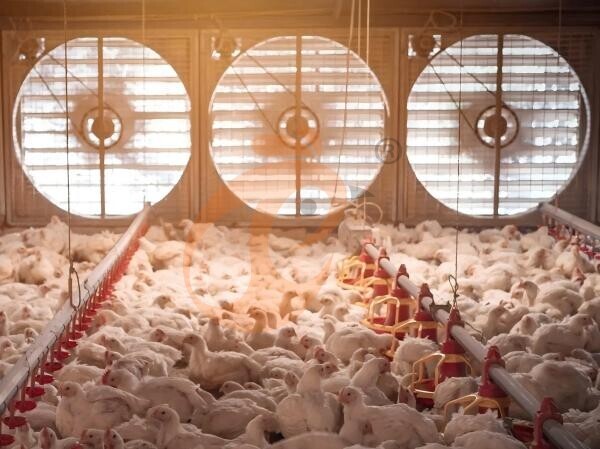
A battery cage system houses birds inside a climate-controlled building with automated feeding, nipple drinking, belt egg collection, and manure removal. Keeping birds separated from droppings reduces parasite risks and stabilizes daily production.
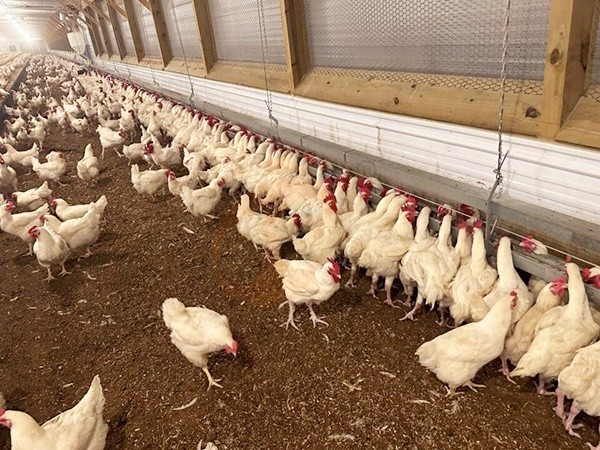
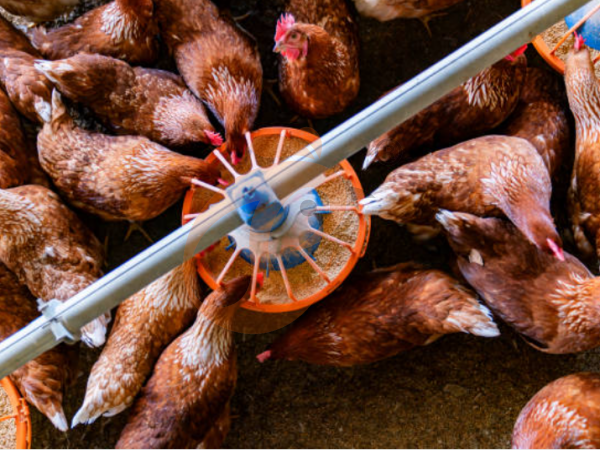
Free-range housing allows birds outdoor access, requiring pasture rotation, predator fencing, and manual collection of floor-laid eggs. Production fluctuates more with seasonal weather and flock behavior.
Land Layout, Hidden Costs, And Equipment Investment
Matching Housing To Your Land Shape
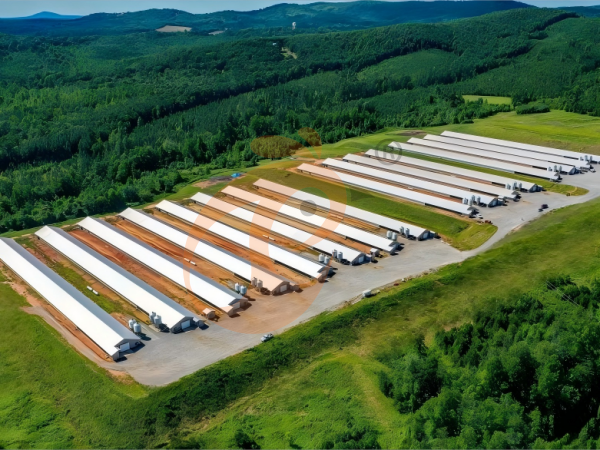
Land geometry often dictates the right system before equipment pricing does. Narrow or uneven plots work efficiently with multi-tier cage houses, while wide, well-drained land suits fenced grazing zones. When planning a modern circular farm, we map out clean and dirty routes across rearing houses, egg storage rooms, feed mills, and organic fertilizer areas.
Upfront Equipment Cost Vs. Ongoing Running Risk
Comparing only initial construction cost per bird can be misleading. Caged farms rely on stable electricity, tunnel ventilation, and routine belt maintenance, while free-range farms face higher recurring labor, wet-weather foot health issues, and predator losses.
Planning Beyond The Rearing House
Integrating Feed And Processing Lines
A profitable poultry farm requires smooth coordination beyond the rearing house. For broiler projects processing birds on-site, the processing room must match farm throughput with sequential scalding, defeathering, cutting, and packing zones. For example, our compact Scalding Machine processes 300 birds per hour (25 birds per batch, 120–150 seconds scalding time) with automatic water temperature control, fitting small-to-medium processing rooms without creating bottlenecks.
Frequently Asked Questions
Which Is More Profitable: Battery Cage Or Free-Range?
Battery cages generally deliver faster payback and higher margins in volume-driven markets due to lower labor and feed costs per egg. Free-range can match or exceed cage profits only if local buyers pay a consistent price premium for outdoor-raised products.
How Much Land Do I Need For A Battery Cage System Compared To Free-Range?
A multi-tier battery cage house requires roughly 15% to 25% of the total land needed for an equivalent free-range flock, making cages ideal when land is expensive or limited.
Can One Farm Combine Both Battery Cages And Free-Range Housing?
Yes. Some commercial farms run a high-capacity battery cage house for steady wholesale cash flow alongside a smaller free-range unit targeting local specialty supermarkets, provided biosecurity zones remain strictly separated.
Why Partner With Vanke For Your Poultry Project
Direct Equipment Manufacturer: We engineer and manufacture hot-dip galvanized battery cages, climate systems, and processing equipment in-house.
Free Site-Specific Layout Design: Send us your land measurements to receive a customized house, cage, and workflow layout plan at no cost.
Turnkey Farm Integration: We coordinate rearing cages, feed mills, egg storage, organic manure systems, and broiler processing lines in one package.
Proven Commercial Durability: Our Q235 hot-dip galvanized steel cages and automated systems are built for over 20 years of continuous farm operation.
Responsive Project Support: Contact our engineering team with your land size, target flock capacity, and budget for a tailored equipment quotation.
Contact Us To Received Your Customized Poultry Farm Plan
1. Global Service Network
Headquartered in Hong Kong, with branches and factories in China, Vietnam, Thailand, Nigeria, Kenya, Ethiopia, and Tanzania, providing more localized project and after-sales support.
2. International Quality Standards
Strict quality control and double inspections. Certifications and export documents include CE, SGS, ISO 9001, CCVO, PVOC, SONCAP, COC, ECTN, FORM A/F/M, and more.
3. One-to-One VIP Service
Dedicated account managers provide customized farm designs, equipment configurations, and quotations for projects ranging from 500 to 100,000+ birds per house.
4. Lifetime After-Sales Service
Installation guidance, equipment commissioning, operator training, remote technical support, spare parts supply, and ongoing maintenance.
Headquarters And Branchs

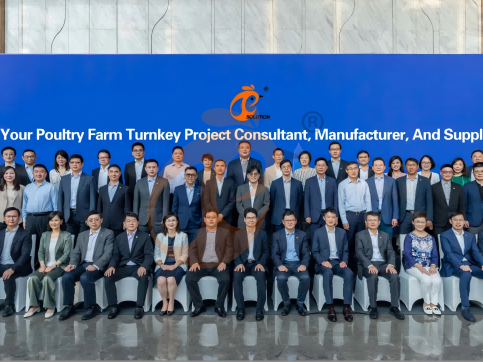
Hong Kong Headquarter Management Team
Hong Kong Headquarter Taiyu Industrial Group CO., LTD
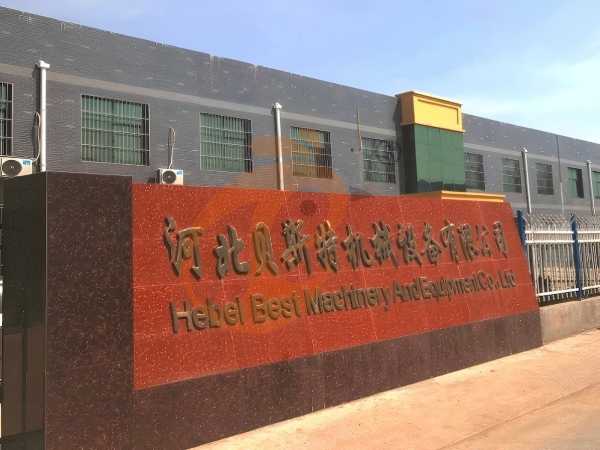
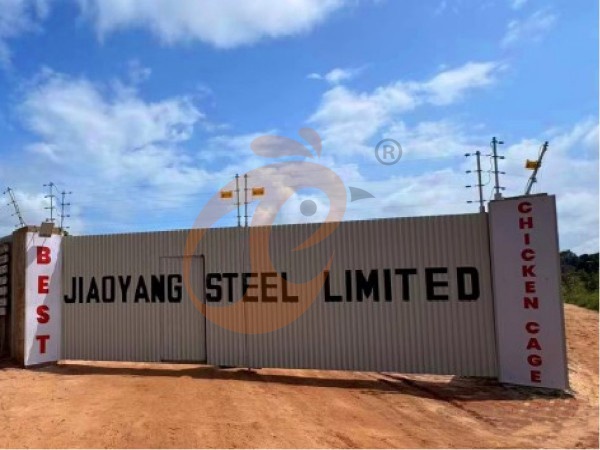
China Hebei Best Machinery And Equipment CO., LTD
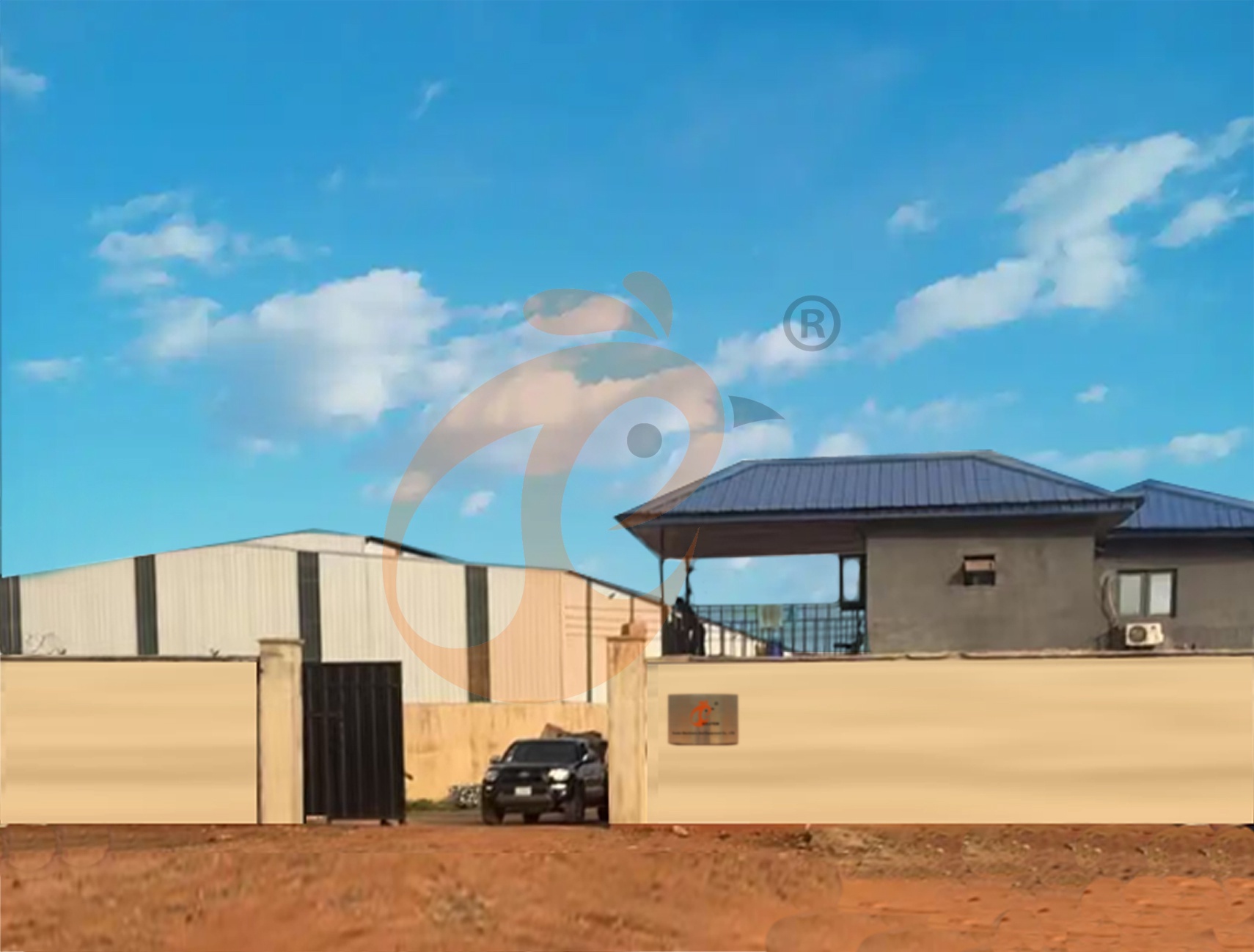
Nigeria Vanke Machinery And Equipment CO., LTD
Tanzania Best Machinery And Equipment CO., LTD
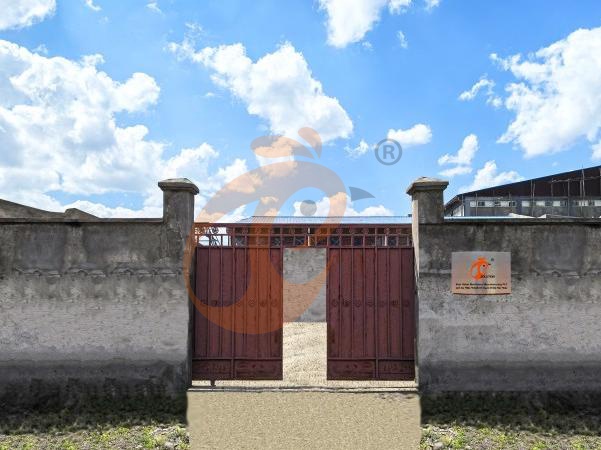
Ethiopia Best Hebei Machinery Manufacturing PLC




Reception /24 WhatsApp NO. : +8618830120193
Message
Products recommended
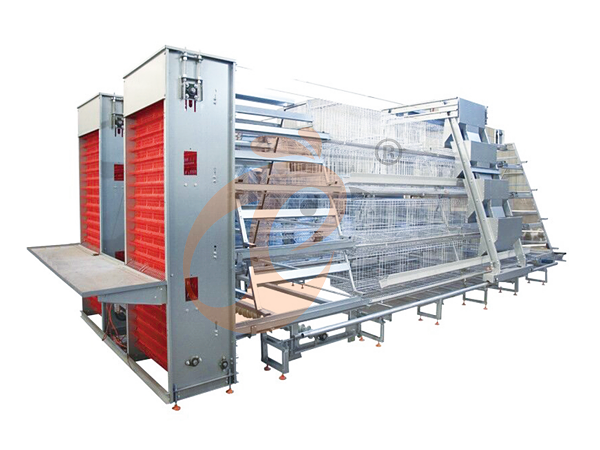
 Automatic H Type Battery Cage System1. For 30,000–1,000,000+ layer farmers.
2. Contains 30,000-100,000 chickens a house.
3. Makes feed utilization >98%, egg production rate 96%-99%, egg broken rate<0.3%.
4. Certificate: CE, SGS, PC, ISO 9001, SONCAP, PVOC,COC, OC, FORM M/A/F, CO and so on .
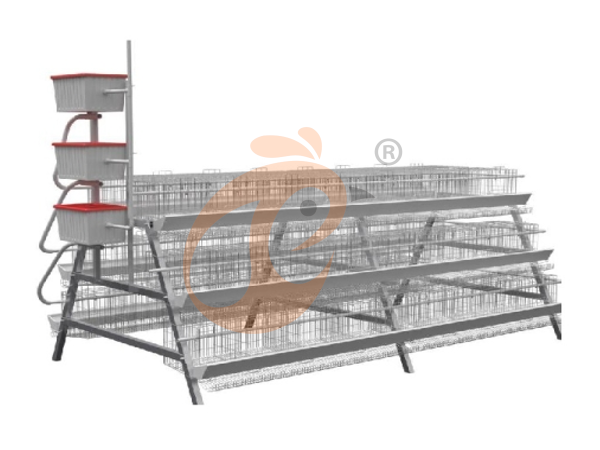
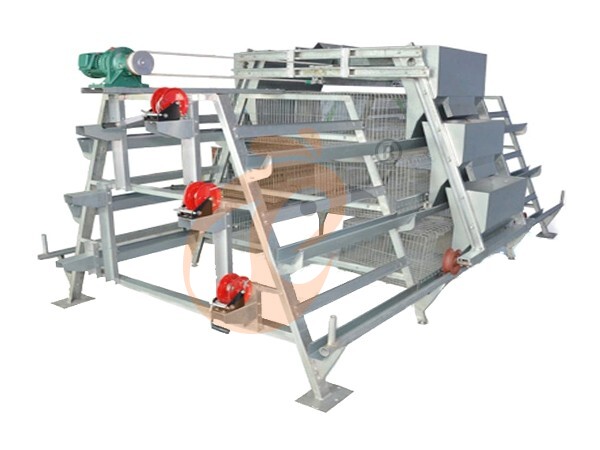
5. 24-hour online support: What'sApp +8618830120193. Automatic A Type Battery Cage For Layers1. For 5,000–30,000+ layer farmers.
2. Contains 30,000-100,000 chickens a house.
3. European standard automatic A type battery cage for layers.
4. Certificate: CE, SGS, PC, ISO 9001, SONCAP, PVOC,COC, OC, FORM M/A/F, CO and so on .
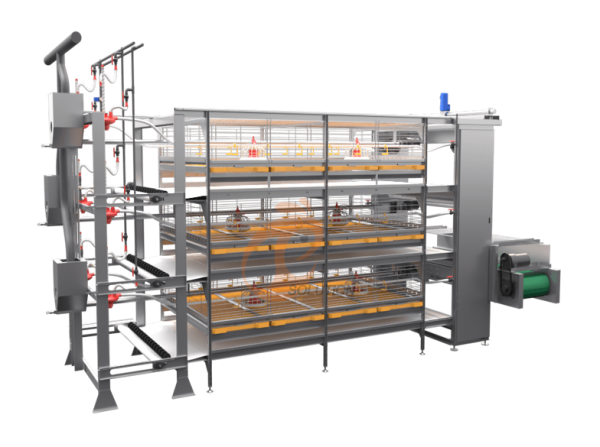
5. 24-hour online support: What'sApp +8618830120193. >30,000 Broilers Semi-Automatic Harvest H Type Battery Cage1. More than 30,000 broilers a house, choose it.
2. It is designed to rearing 1 to 45 day old adult broiler ready for market.
3. Its lifespan is more than 20 years.
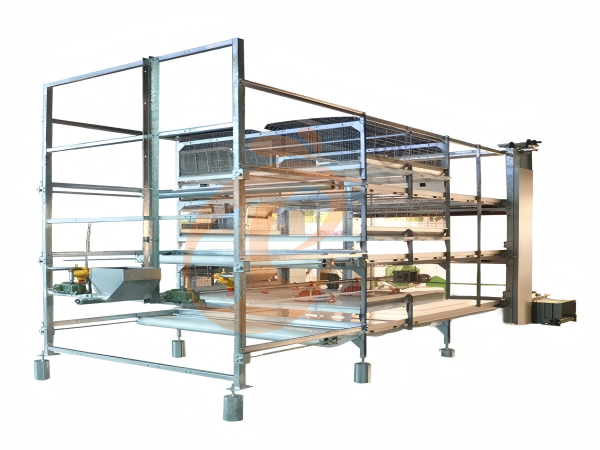
4. Our 24 hour online reception What’sApp NO. is +8618830120193, +234 8111199996. >30,000 Broilers Manual Harvest H Type Battery Cage1. More than 30,000 broilers a house, choose it.
2. It is designed to rearing 1 to 45 day old adult broiler ready for market.
3. Its lifespan is more than 20 years.
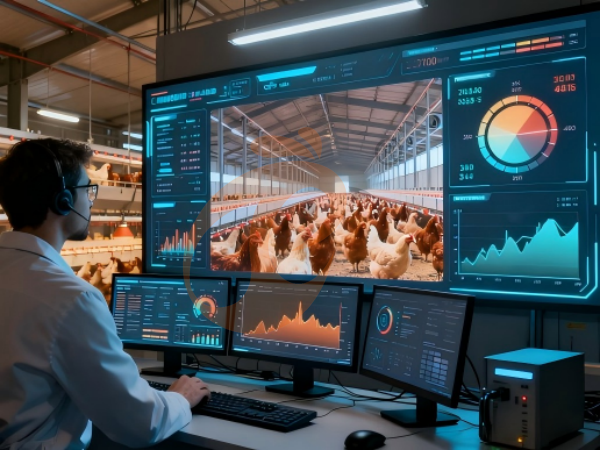
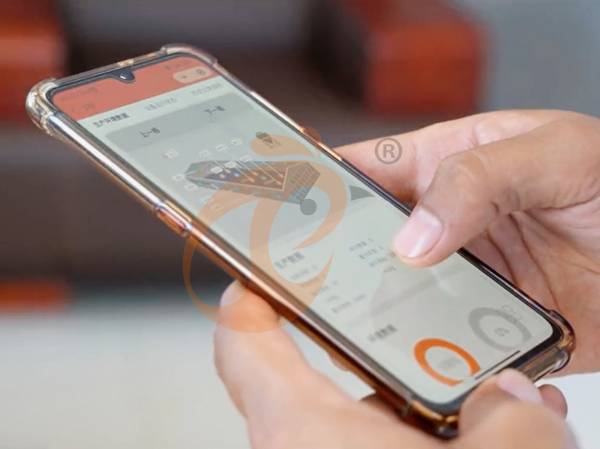
4. Its structure are Vcloud artificial intelligent fusion, electric control cabinet, automatic equipment of drinking, feeding and manure clean, manual harvesting.
5. Our 24 hour online reception What’sApp NO. is +8618830120193, +234 8111199996. <30,000 Broilers Manual Harvest A Type Battery Cage1. Less 30,000 broilers a house, choose it.
2. It is designed to rearing 1 to 45 day old adult broiler ready for market.
3. Its lifespan is more than 20 years.
4. Its structure are Vcloud artificial intelligent fusion, electric control cabinet, automatic equipment of drinking, feeding and manure clean, manual harvesting.
5. Our 24 hour online reception What’sApp NO. is +8618830120193, +234 8111199996. HK Headquarter Offers EU-standard Poultry Farm Solutions, Manufacture Poultry Farm Equipment1. Continuous communication with the EU and the US
2. China, Nigeria, Ethiopia, Tanzania branch companies and factories
3. The products’ quality is customized for local poultry farms
4. Poultry cage and poultry farm equipment stock for sale
5. 24 online reception Whatsapp NO. : +8618830120193,contact us to get full information China Branch Offer Poultry Farm Business Plan, Manufacture Poultry Farm Equipment1. Address: Flat/RM 2416, 24/F, Runxing Building, Youyi Nan Street, Shijiazhuang City, Hebei Province, China
2. Poultry cage and poultry farm equipment factory and stock for sale
3. Customized for local poultry farms
4. Quality and design are based on Euro
5. 24 online reception Whatsapp NO. : +8618830120193 Nigeria Branch Offer Poultry Farm Business Plan, Manufacture Poultry Farm Equipment1. Address: After Sinoma Office, 200 Meters Near Danco Filling Station, Lagos/Ibadan Expressway, Lagos State, Nigeria
2. Poultry cage and poultry farm equipment factory and stock for sale
3. Customized for Nigerian poultry farms
4. Quality and design are based on Euro
5. 24 online reception Whatsapp NO. : +8618830120193 Ethiopia Branch Offer Poultry Farm Business Plan, Manufacture Poultry Farm Equipment1. Address: Gelan Gura, Akaki-kaliti Sub City, Addis Ababa, Ethiopia
2. Poultry cage and poultry farm equipment stock for sale
3. Customized for Ethiopian poultry farms
4. Quality and design are based on Euro
5. 24 online reception Whatsapp NO. : +8618830120193, contact us to get price list Tanzania Branch Offer Poultry Farm Business Plan, Manufacture Poultry Farm Equipment1. Address: No.8, Sova Road, Msufini, Mlandizi, Kibaha, Pwani, Tanzania
2. Poultry cage and poultry farm equipment factory and stock for sale
3. Customized for Tanzanian poultry farms
4. Quality and design are based on Euro
5. 24 online reception Whatsapp NO. : +8618830120193

Contact