


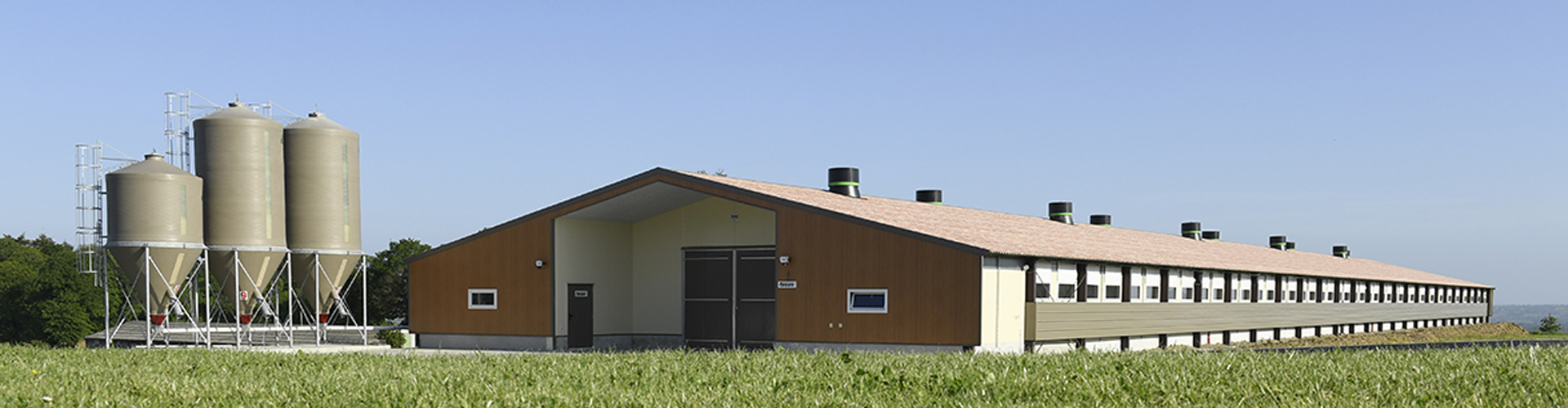
Blog
Choosing between a battery cage system in poultry and a floor system can directly affect investment cost, labor efficiency, bird health, and long-term farm returns.
- Battery cage system in poultry usually delivers higher stocking efficiency, cleaner eggs, and lower labor cost per bird.
- Floor systems offer more natural bird movement and can fit specific welfare-focused or premium market positioning.
- Your final choice should be based on land size, climate control level, egg sales target, and available labor.
For many commercial layer farms, the investment decision is not only about equipment price, but also about feed loss, egg breakage, mortality, manure handling, and house expansion potential.
Get professional poultry farm construction guidance, equipment selection solutions, and the latest price lists, whatsApp to +8618830120193, click to learn more:
Battery Cage System In Poultry Vs Floor System: Core Difference Overview
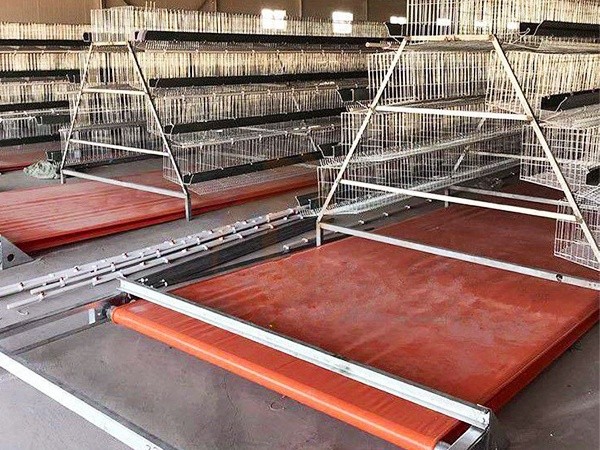
When buyers compare Battery Cage vs Floor System: Which Fits Better, the first question is usually about daily farm performance. In practical poultry farming, a battery cage system in poultry focuses on controlled management, high-density housing, easier egg collection, and more standardized output. A floor system focuses more on free movement, litter-based behavior, and simpler low-tech housing entry in some markets.
Below is a quick side-by-side view for commercial planning.
Why Commercial Farms Often Prefer Battery Cage System In Poultry
For a farm with 20,000 to 50,000 layers, management consistency matters every day. A battery cage system in poultry can reduce egg contamination, limit feed waste, and support more predictable performance. In many projects, feed waste can be reduced by around 3% to 8% compared with poorly managed floor systems, and cracked or dirty eggs can also decrease significantly.
Another reason is labor efficiency. One worker can manage a larger number of birds under an automated cage line than in a manual floor house. This matters when labor costs rise year after year. Using EU standard figures for reference only, saving even US$300 to US$800 per worker per month can create a major annual difference on a larger farm.
Buyers also care about expansion. Cage systems are easier to standardize across multiple houses. If the first house performs well, the second and third houses can follow the same feeding, watering, manure removal, and collection logic, reducing management complexity.
Investment Cost And Return
Battery Cage vs Floor System: Which Fits Better is ultimately a purchasing and return question. Floor systems can look less expensive at the start in simple house construction, especially when automation is limited. However, lower upfront cost does not always mean lower total production cost.
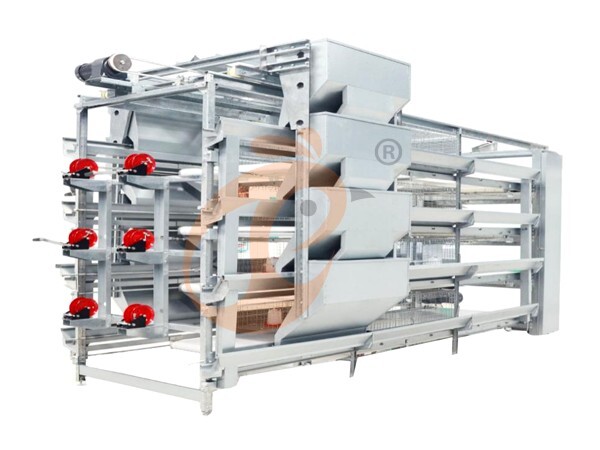
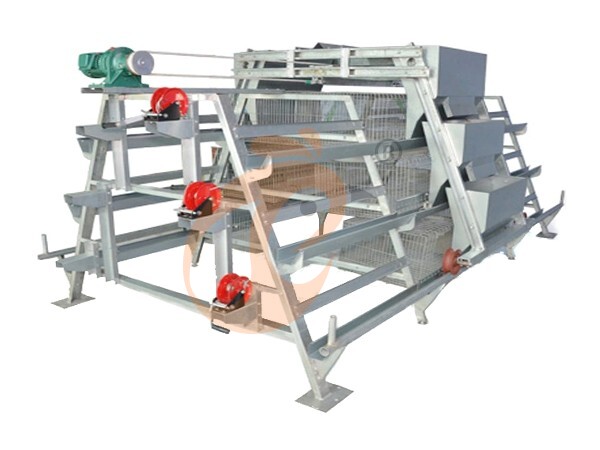
A battery cage system in poultry usually needs more equipment investment in cages, feeding lines, nipple drinkers, egg collection, and manure removal. But it often lowers recurring labor cost, reduces egg loss, and improves flock management. On a commercial farm, these savings can shorten the payback cycle.
For example, if a 20,000-bird project improves saleable egg rate by just 2% to 4%, the annual revenue impact can be substantial. If each hen produces around 290 to 320 eggs per year, the difference in marketable output becomes very meaningful. This is why many buyers compare total cost per sellable egg, not just installation budget.
The table below gives a planning-level financial comparison. All currency is in US dollars, EU standard for reference only.
How House Design Impacts Return
As a manufacturer, we always tell buyers that equipment performance depends on house design. A strong battery cage system in poultry project starts with correct building width, length, sidewall height, airflow path, manure discharge planning, and service corridor arrangement.
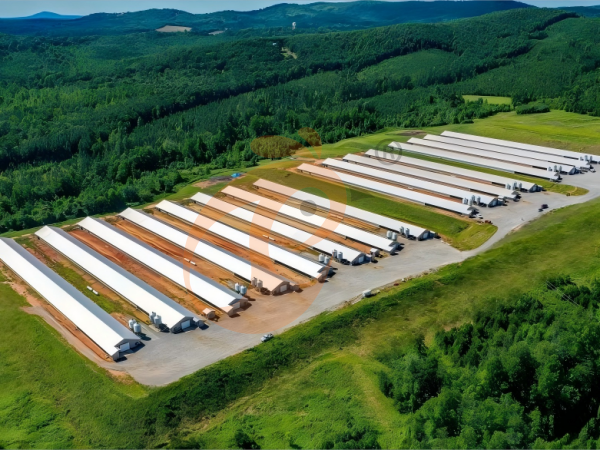
For starters, we can supply cage layout design or house design free according to your land. For a modern recycle farm, we can also design a full project according to land size and shape, including security room, working place, layer or chick or broiler house, egg stock room, broiler processing room, feed processing room, and even organic manure processing area if the land is large enough.
When the layout is right from day one, ventilation becomes more stable, walking routes become shorter, and future expansion becomes easier. That directly affects operating cost and farm efficiency over many years.
Production Performance And Bird Management In Battery Cage System In Poultry
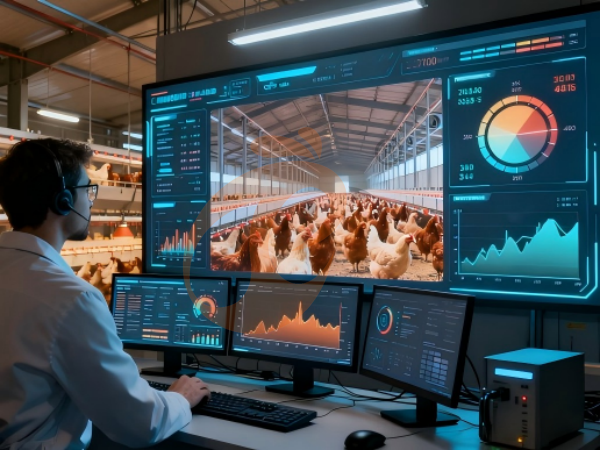
Production buyers do not purchase equipment only for capacity. They purchase consistency. In a battery cage system in poultry, birds are easier to monitor by row, age, feed intake, water consumption, and egg output. This helps identify weak groups faster and supports more accurate flock management.
In floor systems, birds move more freely, but feed competition, hidden mortality, floor eggs, wet litter, and local disease pressure can increase management difficulty. This does not mean floor systems cannot perform well. It means management quality has to stay high every day, especially in humid regions.
For intensive layer farming, standardized feeding and watering are major advantages. Automated systems also reduce daily manual disturbance, which can support more stable production curves. Many farms report 5% to 12% better management efficiency after moving from basic floor rearing to automated cages.
The table below shows a practical production comparison.
Where Floor Systems Can Still Be A Better Fit
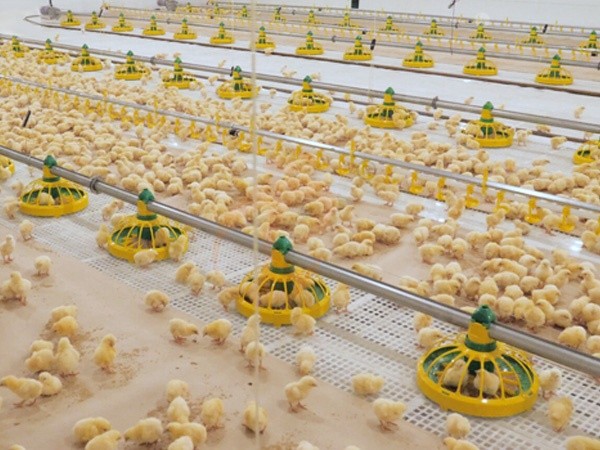
In some markets, buyers need a floor-based solution because of local welfare rules, land availability, or premium egg positioning. In these cases, a properly designed deep litter project can still perform very well if moisture, ventilation, and litter turning are managed correctly.
For example, our Layer Deep Litter System is designed for poultry farming projects that need scalable floor management. It supports bird capacities from 6,500 to 36,000, with bedding depth options from 14 cm to 25 cm and ventilation fan airflow at 4,200 m³ per hour. The recommended litter moisture range is 12% to 20%, which is important for hygiene and egg quality.
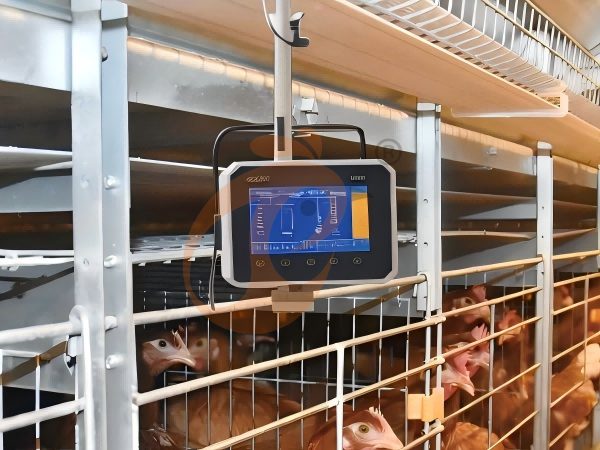
This type of solution can be a practical option for buyers who prefer a floor house but still want stronger automation. Features such as automatic feed and water delivery, smart environmental monitoring, and automated litter turning with 2 kW motor power help reduce caking, improve aeration, and support more efficient management.
For projects that need a balance between welfare-oriented design and commercial performance, this type of system can fit specific procurement goals, especially when combined with well-planned ventilation and manure utilization.
Farm Size, Land Layout, And Climate: How To Choose The Better System
Battery Cage vs Floor System: Which Fits Better depends heavily on project conditions. A buyer with limited land and a target of high egg output often prefers a battery cage system in poultry because it uses vertical space more efficiently. A buyer with more land, lower stocking intensity, or a specific market channel may consider a floor system.
Climate also matters. In high-humidity or rainy areas, floor systems can face more litter management challenges. Wet bedding increases ammonia risk, foot issues, and microbial pressure. In this environment, cage systems often provide cleaner and drier production conditions. In dry climates with strong ventilation design, floor systems may be easier to maintain.
House size planning should also match your labor and biosecurity capacity. A poorly designed large house can create more trouble than a smaller but optimized building. This is why layout design, equipment matching, and manure movement route planning should be done before purchase confirmation.
The table below can help buyers make a fast screening decision.
What Procurement Buyers Should Confirm Before Ordering
Before choosing a battery cage system in poultry or floor house, buyers should confirm six basic points: target bird number, land dimensions, climate conditions, automation level, egg market channel, and budget range. These six points decide the engineering direction.
We also recommend checking utility support, including electricity stability, water quality, manure processing method, and transport access. A good farm project is not only about inside equipment. It is also about how the whole operation runs from feed delivery to egg loading.
For modern recycle farms, integrated planning can create extra value. Layer house, chick house, manure processing area, feed room, stock room, and working area should connect smoothly. This improves daily management and supports future expansion without repeated construction waste.
Why Buyers Choose Vanke For Poultry Farm Equipment And Project Support
- We are a manufacturer with practical experience in chicken cage layout, house size design, and complete poultry farm planning for different land conditions.
- We provide free starter layout design based on your land, helping you choose the right battery cage system in poultry or floor solution before investment mistakes happen.
- We support modern recycle farm planning, including poultry house arrangement, egg stock room, feed room, manure processing, and efficient workflow design.
- Our solutions are built around reliable quality, competitive factory pricing, and professional after-sales service for long-term farm operation.
- Send us your land size, target bird quantity, and production goal now, and we will help you find which system fits better with a practical, cost-focused proposal.
Contact Us To Received Your Customized Poultry Farm Plan
Headquarters And Branchs

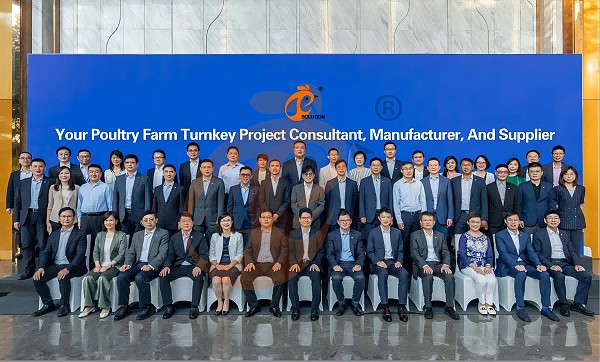
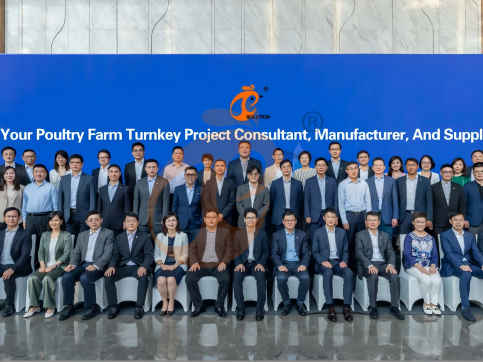
Hong Kong Headquarter Management Team
Hong Kong Headquarter Taiyu Industrial Group CO., LTD
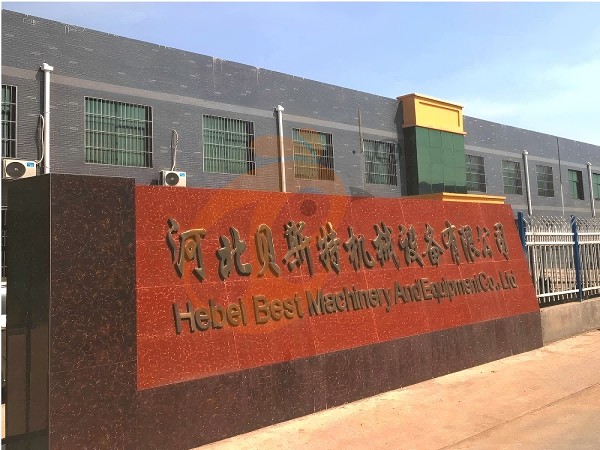
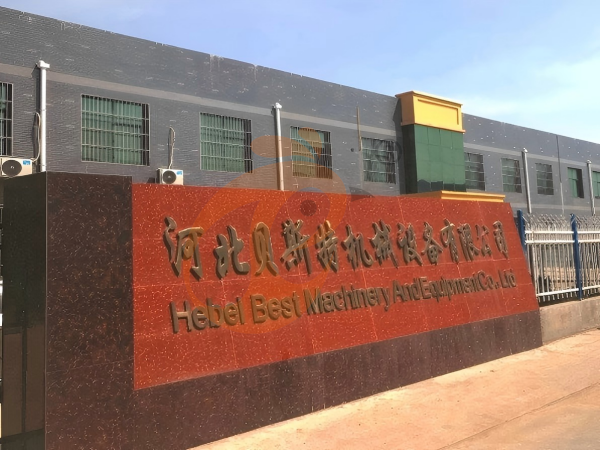
China Hebei Best Machinery And Equipment CO., LTD
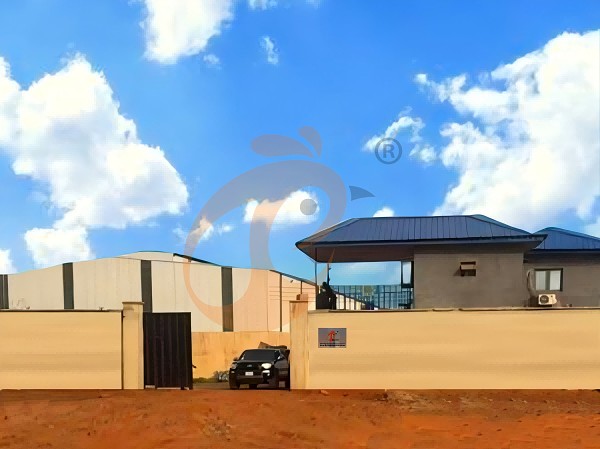
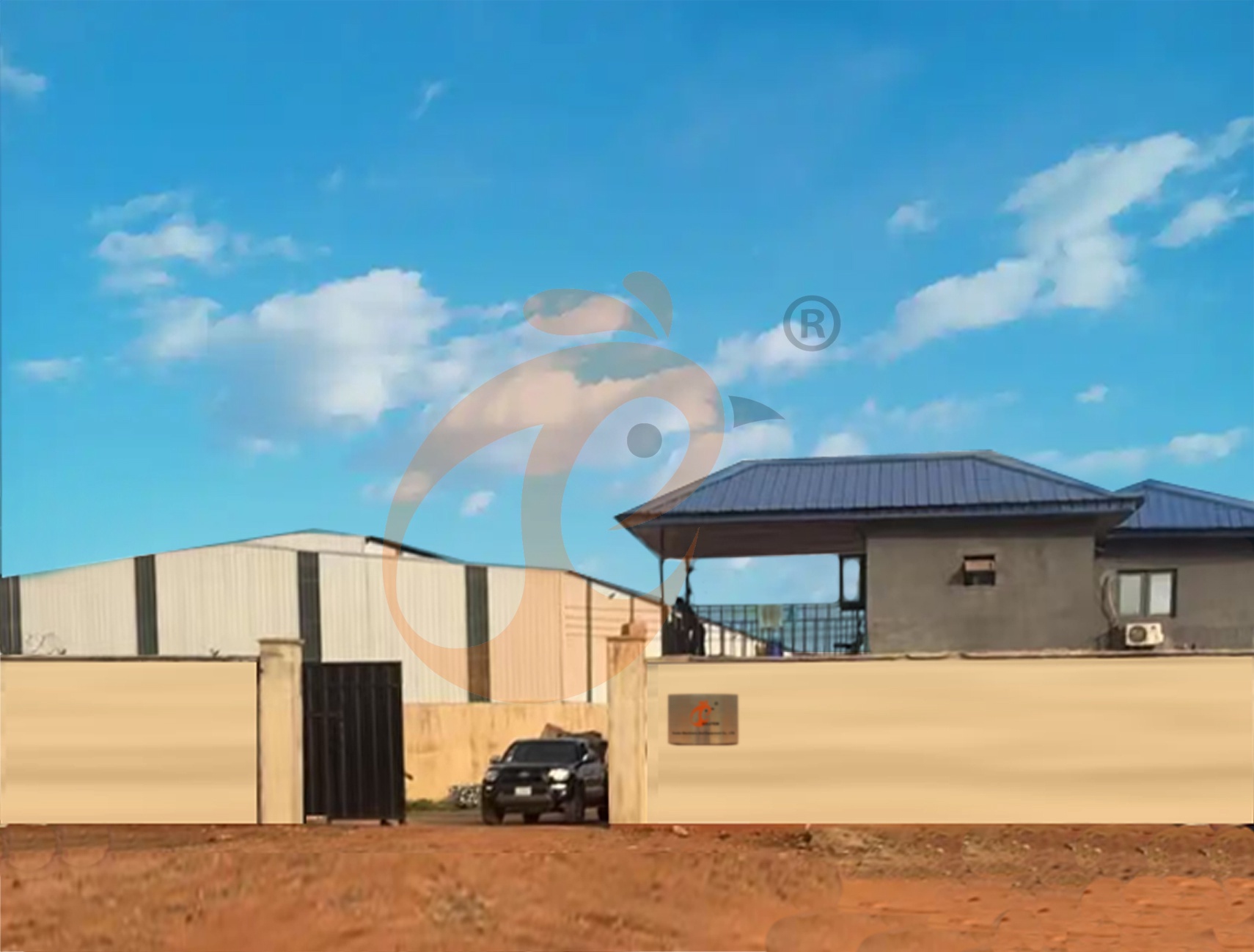
Nigeria Vanke Machinery And Equipment CO., LTD
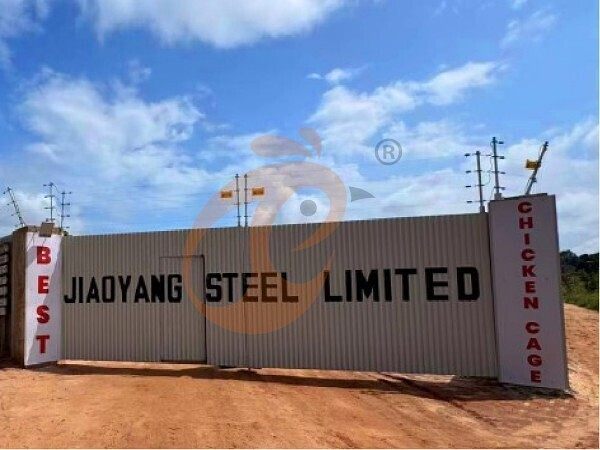
Tanzania Best Machinery And Equipment CO., LTD
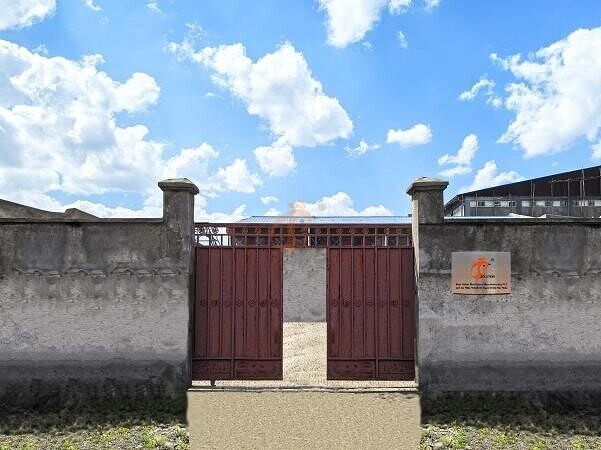
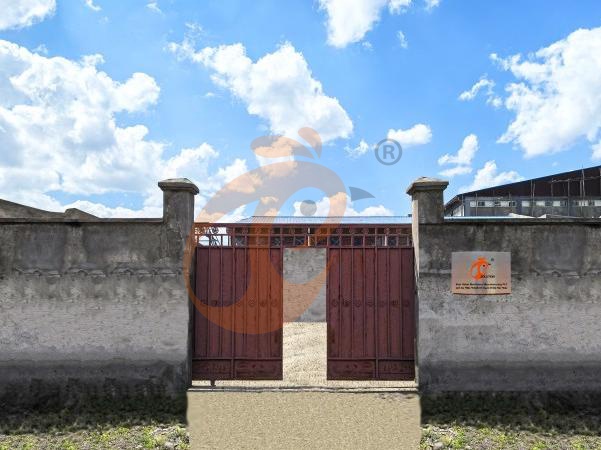
Ethiopia Best Hebei Machinery Manufacturing PLC
Reception /24 WhatsApp NO. : +8618830120193
FAQ
What Are The Litter Material Specifications In Deep Litter Poultry System For Poultry Chicken Production?
Rice husk usage ratio is set at 40%–60% of total bedding material mix.
Moisture absorption capacity reaches 250%–300% of dry litter weight.
What Are The Disease Control Measures In Deep Litter Poultry System For Poultry Chicken Houses?
Pathogen reduction efficiency reaches 70%–85% through fermentation and microbial activity.
Biosecurity entry concentration uses 0.08%–0.12% disinfectant solution for contamination control.
How Does Deep Litter System Affect Growth Efficiency In Poultry Chicken Farming?
Average daily gain increases by 8%–14% compared with bare floor systems.
Stress reduction improves uniformity rate to 86%–93% across production batches.
- battery cage
- battery cage system
- battery cage system in poultry
- poultry farm
- chicken cage
- poultry house
- cage
- poultry farm equipment
- poultry farm construction
- chicken cage layout
- poultry farm planning
- deep litter system
- layer deep litter system
- cage system in poultry
- chickencage
- bestchickencage
- cage system
- cage systems
- Nigeria
- layer farm
- poultry farming
- organic manure processing
- egg stock room
- broiler processing room
- modern recycle farm
- poultry farm plan
- Ethiopia
Message
Products recommended
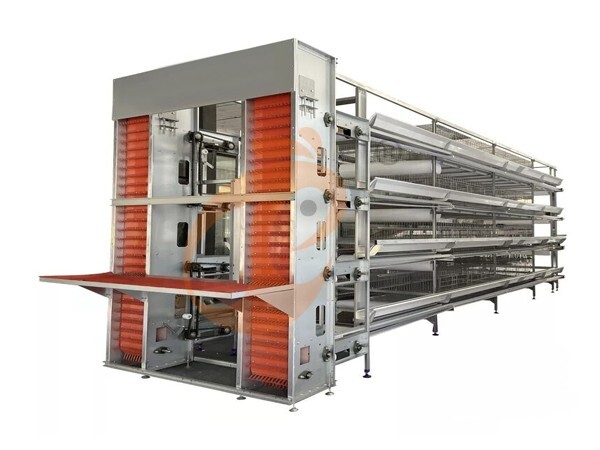
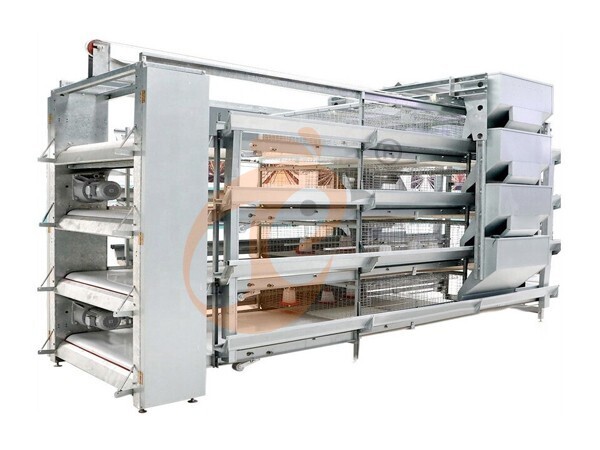
 >30,000 Pullets Automatic H Type Battery Cage1. More than 30,000 pullets a house, choose it.
2. It is designed to rearing older than 1 day old pullets to 12 to 16 weeks old chicken starting laying eggs.
3. Its lifespan is more than 25 years.
4. Its structure are Vcloud artificial intelligent fusion, electric control cabinet, automatic equipment of drinking, feeding, manure clean, manual harvesting.
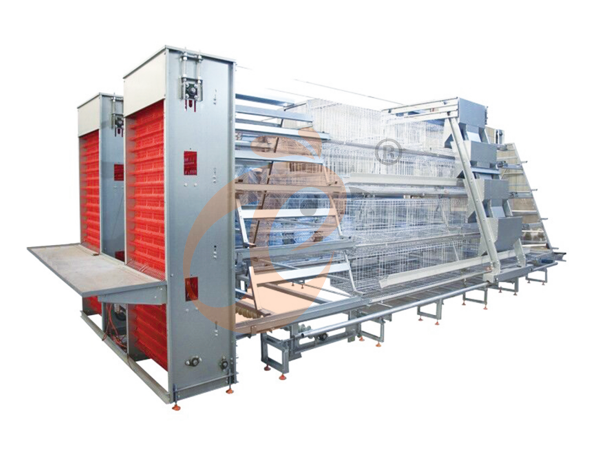
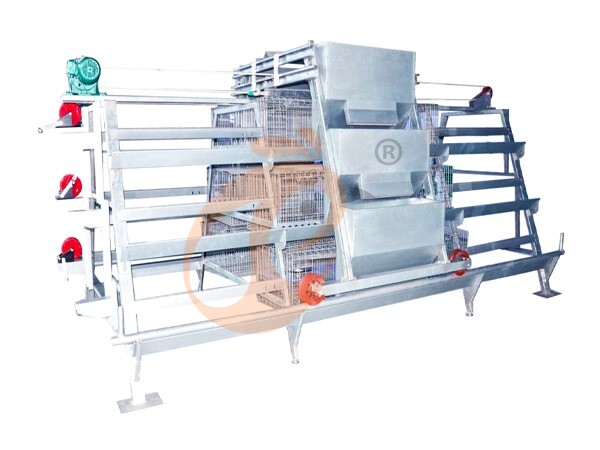
5. Our 24 hour online reception What’sApp NO. is +8618830120193 <30,000 Pullets Automatic A Type Battery Cage1. 10,000 to 30,000 pullets a house, choose it.
2. It is designed to rearing older than 1 day old pullets to 12 to 16 weeks old chicken starting laying eggs.
3. Its lifespan is more than 25 years.
4. Its structure are Vcloud artificial intelligent fusion, electric control cabinet, automatic equipment of drinking, feeding, manure clean, manual harvesting.
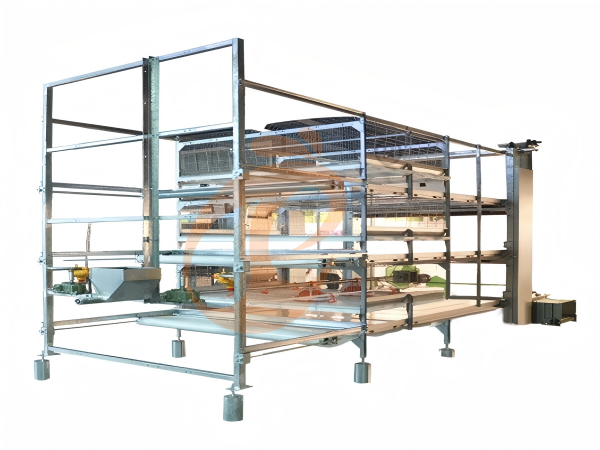
5. Our 24 hour online reception What’sApp NO. is +86 18830120193. >30,000 Broilers Semi-Automatic Harvest H Type Battery Cage1. More than 30,000 broilers a house, choose it.
2. It is designed to rearing 1 to 45 day old adult broiler ready for market.
3. Its lifespan is more than 20 years.
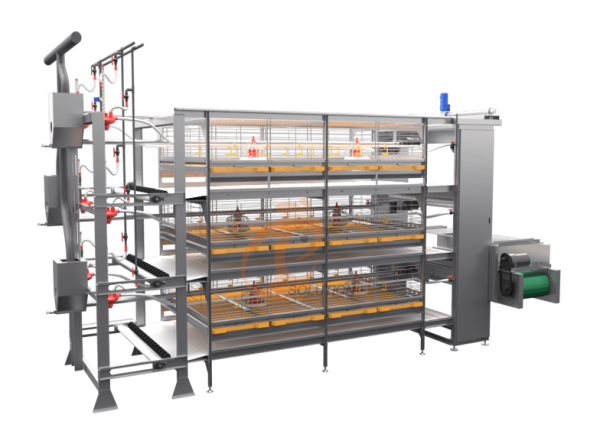
4. Our 24 hour online reception What’sApp NO. is +8618830120193, +234 8111199996. >30,000 Broilers Manual Harvest H Type Battery Cage1. More than 30,000 broilers a house, choose it.
2. It is designed to rearing 1 to 45 day old adult broiler ready for market.
3. Its lifespan is more than 20 years.
4. Its structure are Vcloud artificial intelligent fusion, electric control cabinet, automatic equipment of drinking, feeding and manure clean, manual harvesting.
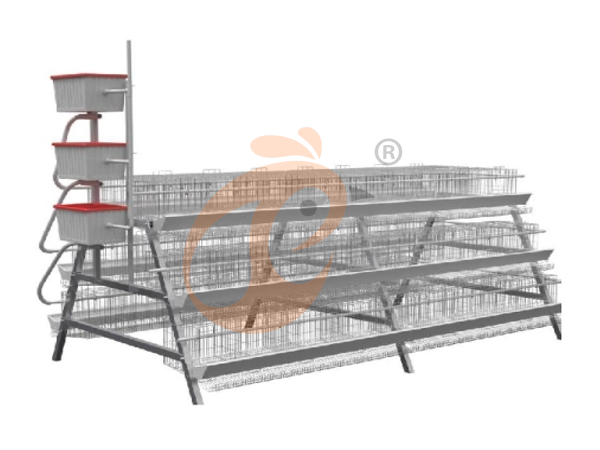
5. Our 24 hour online reception What’sApp NO. is +8618830120193, +234 8111199996. <30,000 Broilers Manual Harvest A Type Battery Cage1. Less 30,000 broilers a house, choose it.
2. It is designed to rearing 1 to 45 day old adult broiler ready for market.
3. Its lifespan is more than 20 years.
4. Its structure are Vcloud artificial intelligent fusion, electric control cabinet, automatic equipment of drinking, feeding and manure clean, manual harvesting.
5. Our 24 hour online reception What’sApp NO. is +8618830120193, +234 8111199996. HK Headquarter Offers EU-standard Poultry Farm Solutions, Manufacture Poultry Farm Equipment1. Continuous communication with the EU and the US
2. China, Nigeria, Ethiopia, Tanzania branch companies and factories
3. The products’ quality is customized for local poultry farms
4. Poultry cage and poultry farm equipment stock for sale
5. 24 online reception Whatsapp NO. : +8618830120193,contact us to get full information China Branch Offer Poultry Farm Business Plan, Manufacture Poultry Farm Equipment1. Address: Flat/RM 2416, 24/F, Runxing Building, Youyi Nan Street, Shijiazhuang City, Hebei Province, China
2. Poultry cage and poultry farm equipment factory and stock for sale
3. Customized for local poultry farms
4. Quality and design are based on Euro
5. 24 online reception Whatsapp NO. : +8618830120193 Nigeria Branch Offer Poultry Farm Business Plan, Manufacture Poultry Farm Equipment1. Address: After Sinoma Office, 200 Meters Near Danco Filling Station, Lagos/Ibadan Expressway, Lagos State, Nigeria
2. Poultry cage and poultry farm equipment factory and stock for sale
3. Customized for Nigerian poultry farms
4. Quality and design are based on Euro
5. 24 online reception Whatsapp NO. : +8618830120193 Ethiopia Branch Offer Poultry Farm Business Plan, Manufacture Poultry Farm Equipment1. Address: Gelan Gura, Akaki-kaliti Sub City, Addis Ababa, Ethiopia
2. Poultry cage and poultry farm equipment stock for sale
3. Customized for Ethiopian poultry farms
4. Quality and design are based on Euro
5. 24 online reception Whatsapp NO. : +8618830120193, contact us to get price list Tanzania Branch Offer Poultry Farm Business Plan, Manufacture Poultry Farm Equipment1. Address: No.8, Sova Road, Msufini, Mlandizi, Kibaha, Pwani, Tanzania
2. Poultry cage and poultry farm equipment factory and stock for sale
3. Customized for Tanzanian poultry farms
4. Quality and design are based on Euro
5. 24 online reception Whatsapp NO. : +8618830120193


Contact