


Blog
Ethiopian poultry farming investment increasingly focuses on automated layer farming systems to meet urban egg demand and improve productivity.
This article explains cost structure, equipment investment, and operational expenses in local Ethiopian conditions.
It analyzes feed, labor, land, and infrastructure challenges affecting total project cost.
Practical solutions are proposed based on Ethiopia's electricity, logistics, and feed supply realities.
Get professional poultry farm construction guidance, equipment selection solutions, and the latest price lists, whatsApp to +8618830120193, click to learn more:

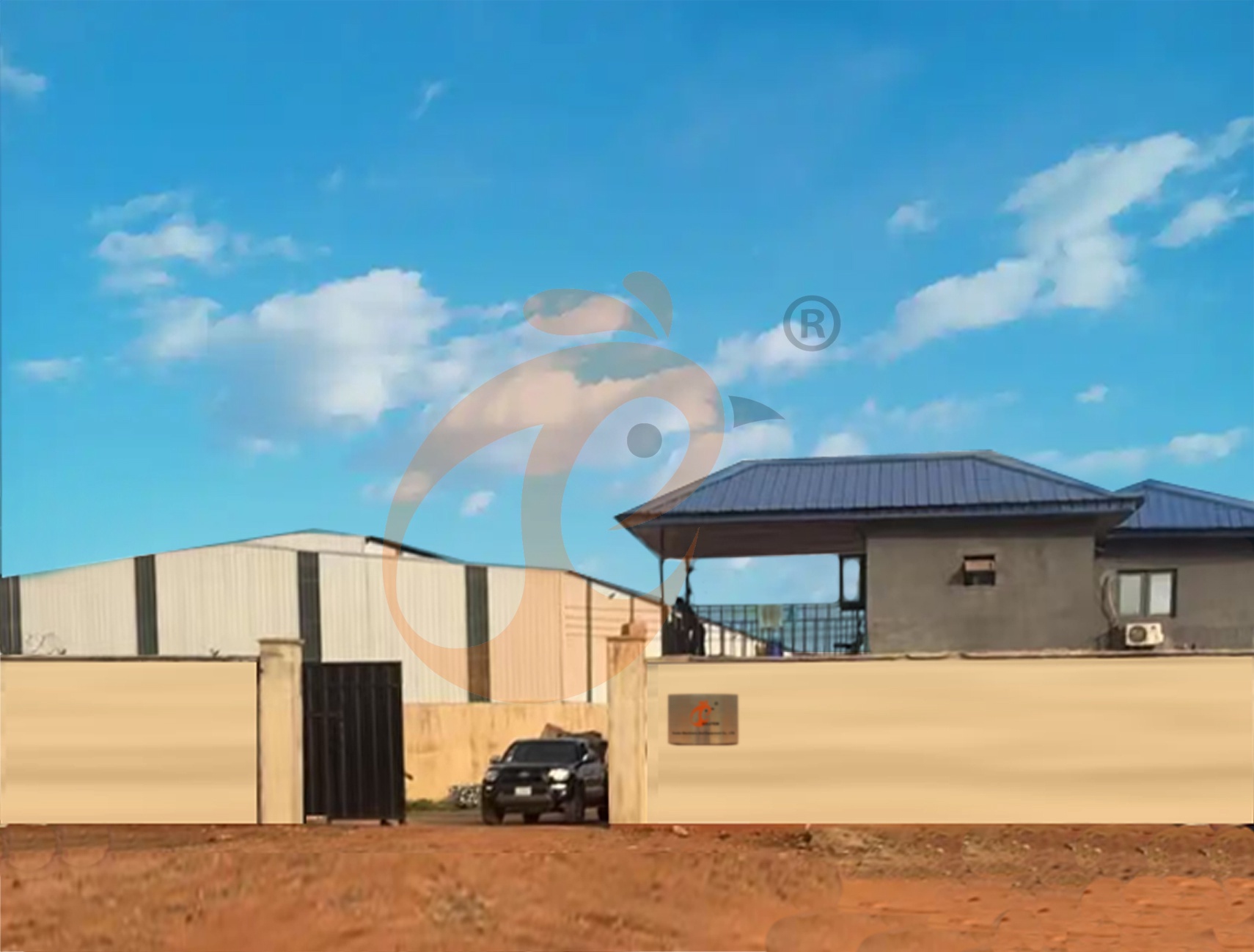
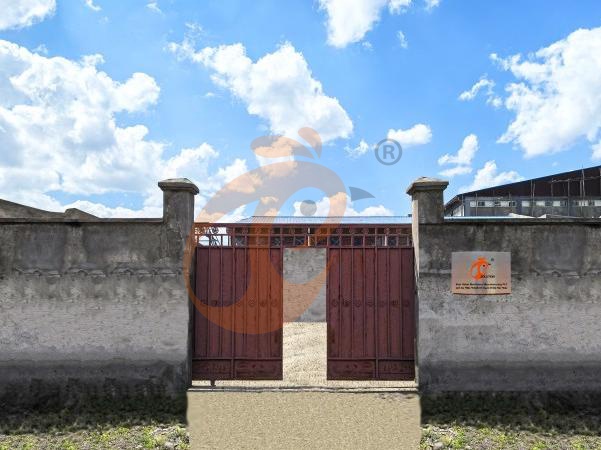
Ethiopia Branch Office And Factory Of Poultry Farm Equipment
Introduction: Ethiopian Poultry Context And Investment Reality
Ethiopia's poultry sector is undergoing structural transformation driven by urban demand in cities such as Addis Ababa, Hawassa, and Bahir Dar.
The shift from backyard systems to commercial layer farming is accelerating, with an annual growth rate exceeding 12% in recent years.
Within this transition, H-type layer chicken cage systems represent the most advanced production model.
However, their total cost is not limited to cage purchase alone—it encompasses infrastructure, feed, labor, and energy constraints that are
uniquely shaped by Ethiopian conditions such as inconsistent electricity supply and feed market volatility.
Understanding H-Type Cage Systems In Ethiopia
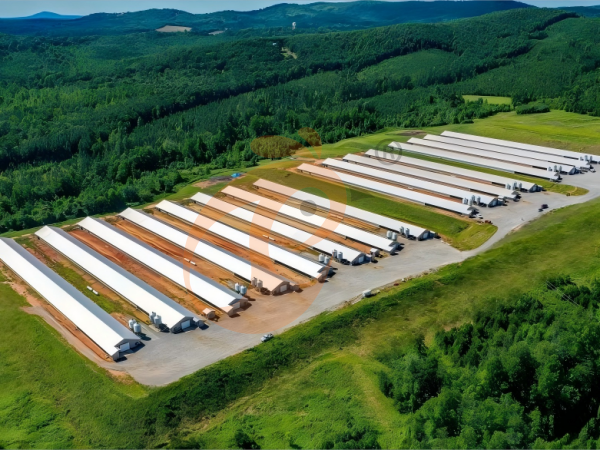
H-type cage systems are fully automated, high-density poultry housing solutions typically deployed in large-scale farms near Debre Zeit and Oromia.
Data is for reference only.Swipe horizontally to view full table.
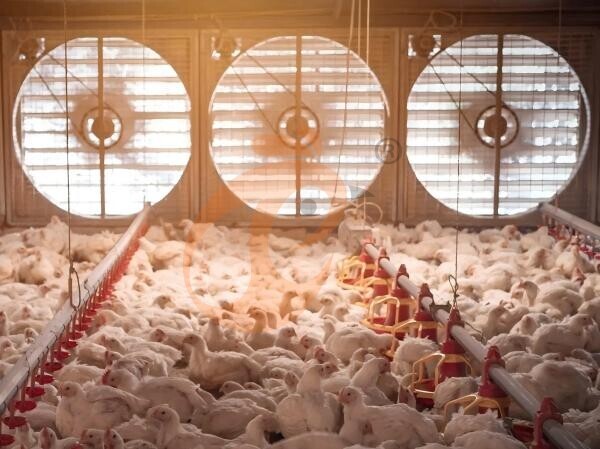
H-type systems significantly improve space utilization and labor efficiency but require advanced environmental control systems.
Core Cost Components Of H-Type Cage Systems
The total cost structure in Ethiopia can be divided into capital expenditure (CAPEX) and operational expenditure (OPEX).
Data is for reference only.Swipe horizontally to view full table.
These components interact with local constraints such as logistics delays and import dependency for poultry farm equipment.
Cage Equipment Cost In Ethiopia
H-type chicken cage systems are priced higher than conventional solutions due to automation and stocking density.
Data is for reference only.Swipe horizontally to view full table.
For a 10,000-layer farm, cage costs alone can exceed 2,000,000 Ethiopian Birr depending on configuration.
European union standard reference only.
Example: 10,000 Layer H-Type System Cost Breakdown
A realistic Ethiopian scenario for a medium-to-large farm demonstrates how costs accumulate across multiple components.
Data is for reference only.Swipe horizontally to view full table.
European union standard reference only.
This level of investment is common in peri-urban regions where layer farming systems are expanding rapidly.
Feed Cost: The Dominant Economic Factor
Feed remains the largest recurring expense in Ethiopia due to reliance on maize and soybean markets.
Data is for reference only.Swipe horizontally to view full table.
European union standard reference only.
Feed price fluctuations are influenced by seasonal production and regional supply chains across Ethiopia.
Labor And Operational Costs In Ethiopian Conditions
Labor availability differs significantly between Addis Ababa and rural regions like Amhara and Tigray.
Data is for reference only.Swipe horizontally to view full table.
European union standard reference only.
Electricity costs are heavily affected by unreliable grid supply, forcing farms to rely on diesel generators.
Land And Housing Efficiency Considerations
Land cost varies significantly across Ethiopia depending on proximity to urban markets.
Data is for reference only.Swipe horizontally to view full table.
European union standard reference only.
H-type systems reduce land requirements through vertical design, which is advantageous near major consumption centers.
Total Investment And Annual Cost Summary
Combining all cost components provides a comprehensive view of total financial requirements.
Data is for reference only.Swipe horizontally to view full table.
European union standard reference only.
This structure shows that operational costs quickly surpass initial investment in Ethiopian poultry projects.
Key Ethiopian Challenges Impacting Cost
Several localized constraints shape total cost and profitability in Ethiopia.
Feed supply instability is driven by dependence on maize and soybean availability.
Energy infrastructure limitations create additional operational expenses due to generator usage.
Skilled labor shortages reduce efficiency in automated poultry cage systems.
Logistics delays affect equipment delivery timelines, especially in remote farming areas.
Practical Solutions For Ethiopian Farmers
To optimize total cost and improve return on investment, localized strategies are necessary.
Hybrid energy systems combining solar panels and battery storage can stabilize power supply.
Local feed formulation using sorghum and alternative grains reduces dependence on imported inputs.
A modular investment approach allows gradual transition from basic systems to advanced chicken cage systems.
Training programs improve workforce capability and reduce operational inefficiencies.
Frequently Asked Questions
Q1: Is H-type chicken cage suitable for Ethiopian climate conditions?
Yes, it is suitable when proper ventilation and temperature control systems are installed
Tunnel ventilation and insulation are essential to handle temperature variation across regions like Oromia and Amhara.
Q2: Why is electricity cost so high in Ethiopian poultry farms?
Electricity supply instability leads to reliance on diesel generators, increasing operational cost significantly.
Installing solar hybrid systems can reduce long-term energy expenses.
Q3: How can farmers reduce total cost of layer farming systems in Ethiopia?
Farmers can reduce cost by sourcing local feed materials, adopting phased investment strategies, and improving farm management practices.
Efficient poultry farm equipment usage also contributes to lower operational expenses.
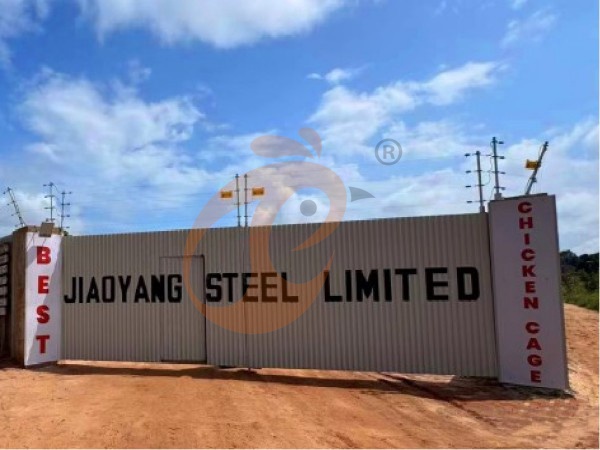
Ethiopia Best Hebei Machinery Manufacturing Plc - One Of Ethiopia Largest Chicken Cage System Supplier
The company provides global factory direct sales ensuring competitive pricing and consistent equipment quality for poultry farming projects.
- It specializes in poultry farm equipment and poultry cage systems designed for high efficiency and long service life in African environments.
- The company offers complete turn-key engineering solutions including design, installation, and technical training support for farmers.
- Advanced manufacturing processes ensure durability, corrosion resistance, and adaptability to Ethiopian climate conditions.
Professional after-sales service teams support long-term farm operation, maintenance, and performance optimization.
Contact Us To Received Your Customized Poultry Farm Plan
Headquarters And Branchs

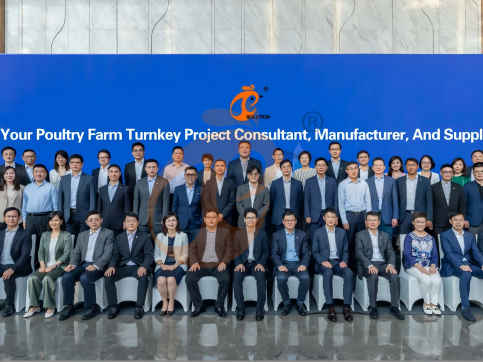
Hong Kong Headquarter Management Team
Hong Kong Headquarter Taiyu Industrial Group CO., LTD
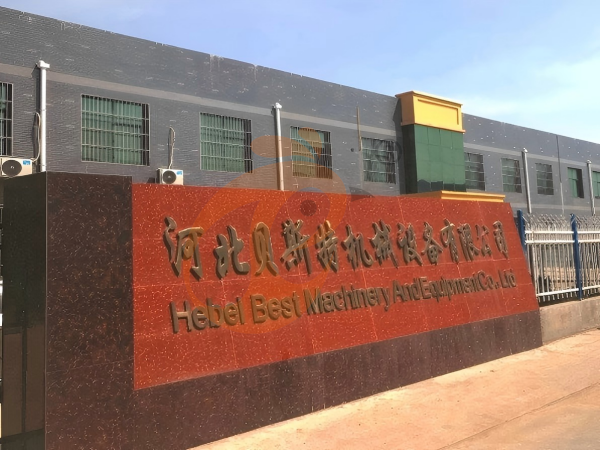
China Hebei Best Machinery And Equipment CO., LTD
Nigeria Vanke Machinery And Equipment CO., LTD
Tanzania Best Machinery And Equipment CO., LTD
Ethiopia Best Hebei Machinery Manufacturing PLC




Reception /24 WhatsApp NO. : +8618830120193
FAQ
How To Monitor Egg Quality In H-Type Layer Cage System?
Check shell thickness and weight
Egg production rate: 90-98%
Egg breakage rate <1%
Labor savings: 70-90%
What Are The Best Materials For H-Type Poultry Cage Construction?
Anti-corrosion coating for durability
Equipment lifespan: more than 25 years
Easy to clean and maintain
Egg production rate: 90-98%
How To Improve Air Quality In H-Type Chicken Cage Houses?
Install air filtration systems
Control temperature and humidity at 20–25°C
Mortality rate <3%
Egg production rate: 90-98%
- poultry farm
- chicken cage
- poultry farms
- poultry house
- poultry cage
- cage
- poultry farm equipment
- poultry farm construction
- poultry cage system
- chicken cage system
- poultry house construction
- chicken cage system supplier
- egg collection system
- chickencage
- bestchickencage
- cage system
- cage systems
- layer chicken cage
- Nigeria
- automated layer farm
- layer farm
- layer chicken cage system
- poultry farming
- poultry farm equipment USA
- layer farming system
- poultry cage systems
- poultry farm plan
- automated poultry cage system
- automated layer farming
- Ethiopia
Message
Products recommended
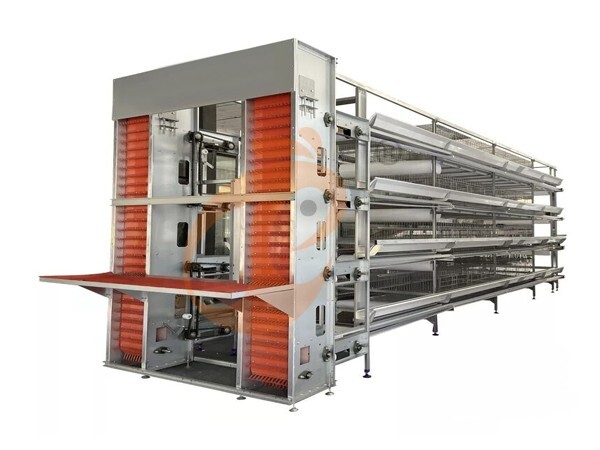
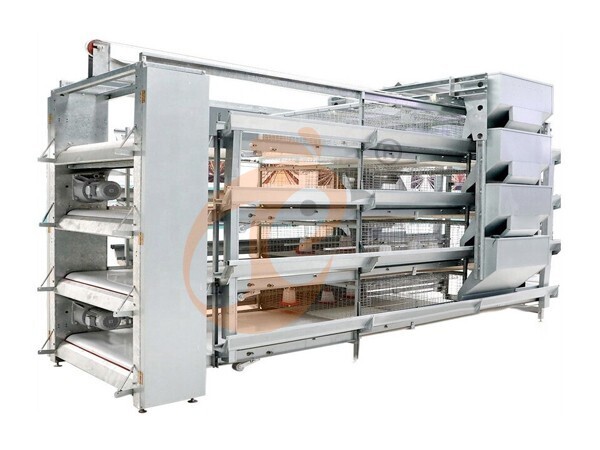
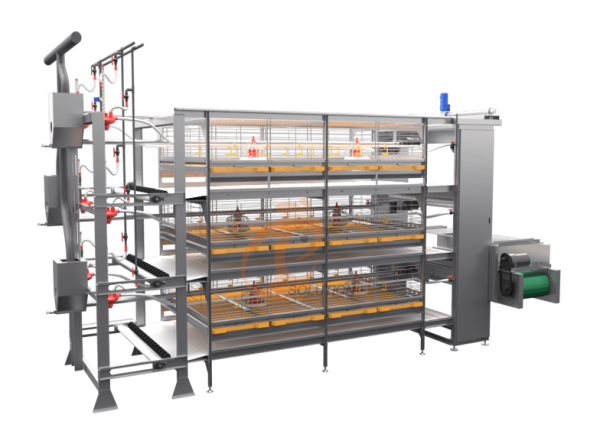
 >30,000 Pullets Automatic H Type Battery Cage1. More than 30,000 pullets a house, choose it.
2. It is designed to rearing older than 1 day old pullets to 12 to 16 weeks old chicken starting laying eggs.
3. Its lifespan is more than 25 years.
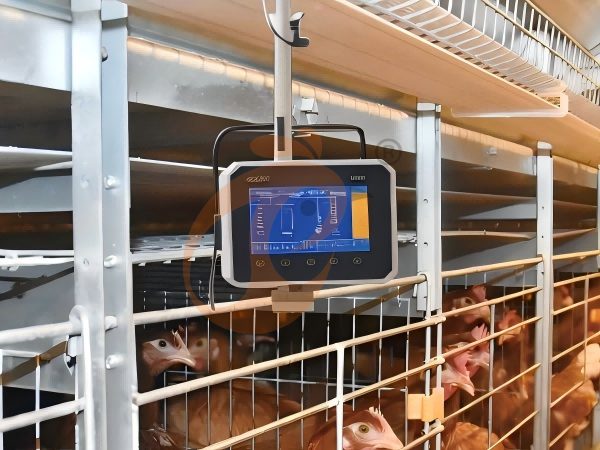
4. Its structure are Vcloud artificial intelligent fusion, electric control cabinet, automatic equipment of drinking, feeding, manure clean, manual harvesting.
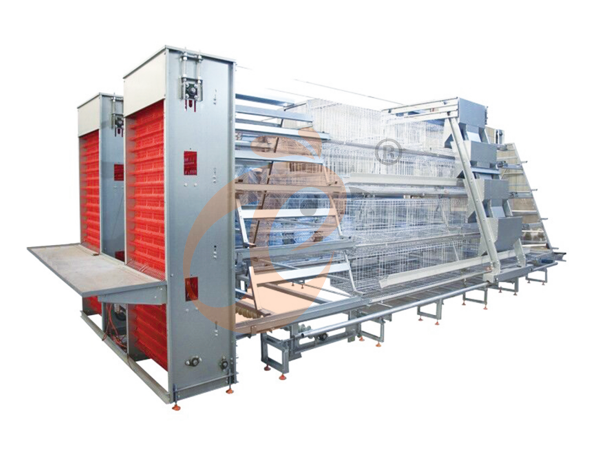
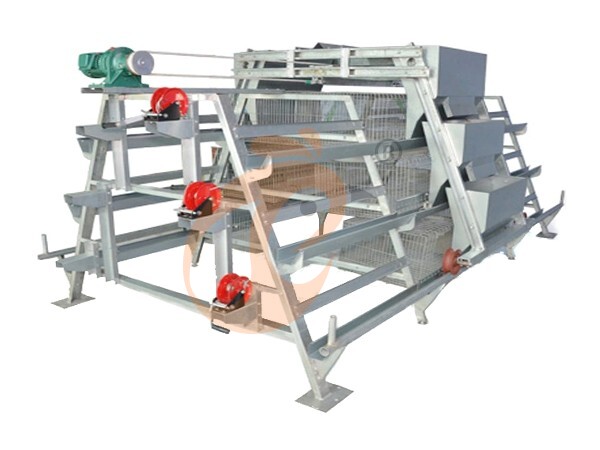
5. Our 24 hour online reception What’sApp NO. is +8618830120193 <30,000 Pullets Automatic A Type Battery Cage1. 10,000 to 30,000 pullets a house, choose it.
2. It is designed to rearing older than 1 day old pullets to 12 to 16 weeks old chicken starting laying eggs.
3. Its lifespan is more than 25 years.
4. Its structure are Vcloud artificial intelligent fusion, electric control cabinet, automatic equipment of drinking, feeding, manure clean, manual harvesting.
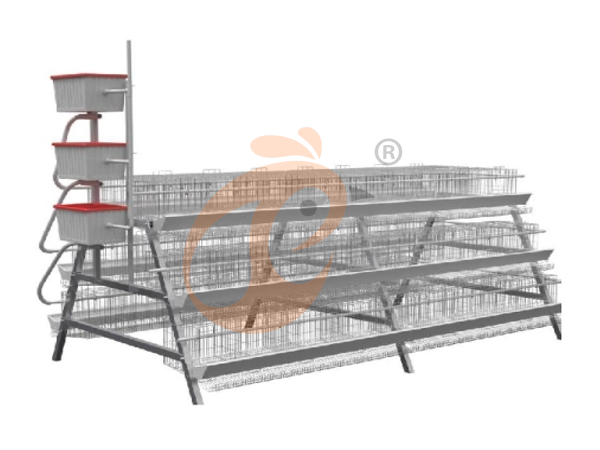
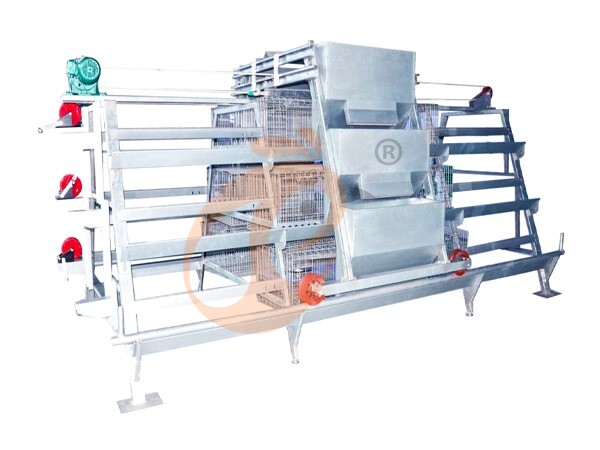
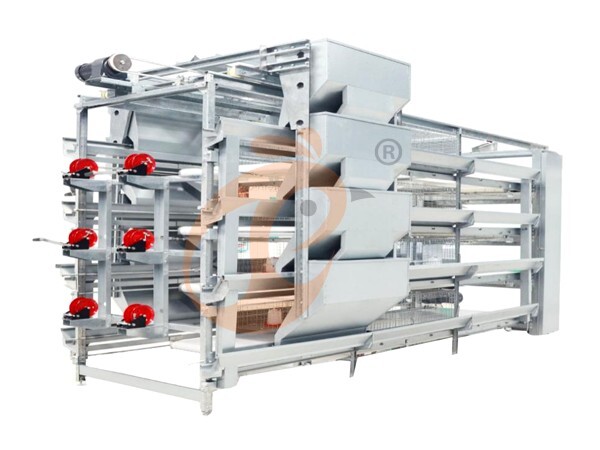
5. Our 24 hour online reception What’sApp NO. is +86 18830120193. >30,000 Broilers Semi-Automatic Harvest H Type Battery Cage1. More than 30,000 broilers a house, choose it.
2. It is designed to rearing 1 to 45 day old adult broiler ready for market.
3. Its lifespan is more than 20 years.
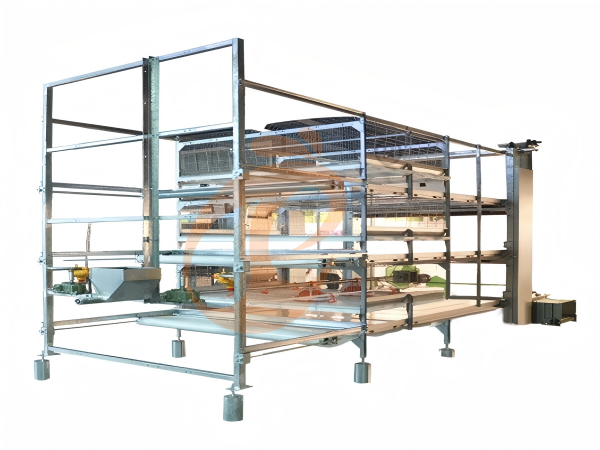
4. Our 24 hour online reception What’sApp NO. is +8618830120193, +234 8111199996. >30,000 Broilers Manual Harvest H Type Battery Cage1. More than 30,000 broilers a house, choose it.
2. It is designed to rearing 1 to 45 day old adult broiler ready for market.
3. Its lifespan is more than 20 years.
4. Its structure are Vcloud artificial intelligent fusion, electric control cabinet, automatic equipment of drinking, feeding and manure clean, manual harvesting.
5. Our 24 hour online reception What’sApp NO. is +8618830120193, +234 8111199996. <30,000 Broilers Manual Harvest A Type Battery Cage1. Less 30,000 broilers a house, choose it.
2. It is designed to rearing 1 to 45 day old adult broiler ready for market.
3. Its lifespan is more than 20 years.
4. Its structure are Vcloud artificial intelligent fusion, electric control cabinet, automatic equipment of drinking, feeding and manure clean, manual harvesting.
5. Our 24 hour online reception What’sApp NO. is +8618830120193, +234 8111199996. HK Headquarter Offers EU-standard Poultry Farm Solutions, Manufacture Poultry Farm Equipment1. Continuous communication with the EU and the US
2. China, Nigeria, Ethiopia, Tanzania branch companies and factories
3. The products’ quality is customized for local poultry farms
4. Poultry cage and poultry farm equipment stock for sale
5. 24 online reception Whatsapp NO. : +8618830120193,contact us to get full information China Branch Offer Poultry Farm Business Plan, Manufacture Poultry Farm Equipment1. Address: Flat/RM 2416, 24/F, Runxing Building, Youyi Nan Street, Shijiazhuang City, Hebei Province, China
2. Poultry cage and poultry farm equipment factory and stock for sale
3. Customized for local poultry farms
4. Quality and design are based on Euro
5. 24 online reception Whatsapp NO. : +8618830120193 Nigeria Branch Offer Poultry Farm Business Plan, Manufacture Poultry Farm Equipment1. Address: After Sinoma Office, 200 Meters Near Danco Filling Station, Lagos/Ibadan Expressway, Lagos State, Nigeria
2. Poultry cage and poultry farm equipment factory and stock for sale
3. Customized for Nigerian poultry farms
4. Quality and design are based on Euro
5. 24 online reception Whatsapp NO. : +8618830120193 Ethiopia Branch Offer Poultry Farm Business Plan, Manufacture Poultry Farm Equipment1. Address: WR93+FQ2, Addis Ababa, Ethiopia
2. Poultry cage and poultry farm equipment stock for sale
3. Customized for Ethiopian poultry farms
4. Quality and design are based on Euro
5. 24 online reception Whatsapp NO. : +8618830120193, contact us to get price list Tanzania Branch Offer Poultry Farm Business Plan, Manufacture Poultry Farm Equipment1. Address: No.8, Sova Road, Msufini, Mlandizi, Kibaha, Pwani, Tanzania
2. Poultry cage and poultry farm equipment factory and stock for sale
3. Customized for Tanzanian poultry farms
4. Quality and design are based on Euro
5. 24 online reception Whatsapp NO. : +8618830120193


Contact
By clicking 'Allow All', you agree to the storage of cookies on your device to enhance site navigation, analyze site usage and assist with our marketing efforts.