


Blog
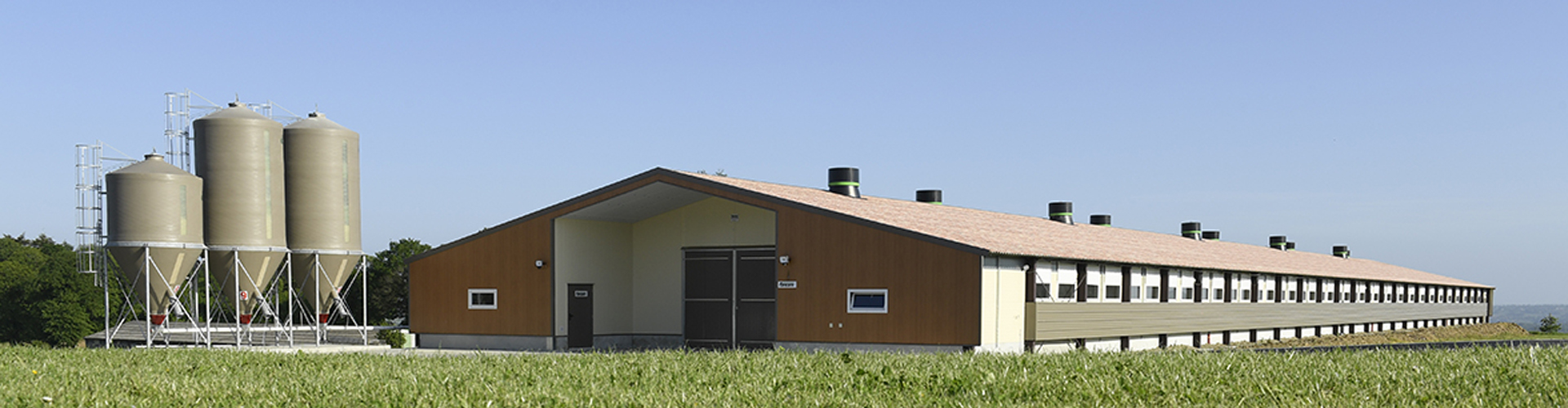
Free range poultry farming system integrates controlled housing pasture rotation poultry equipment integration for stable production output and reduced mortality risk.
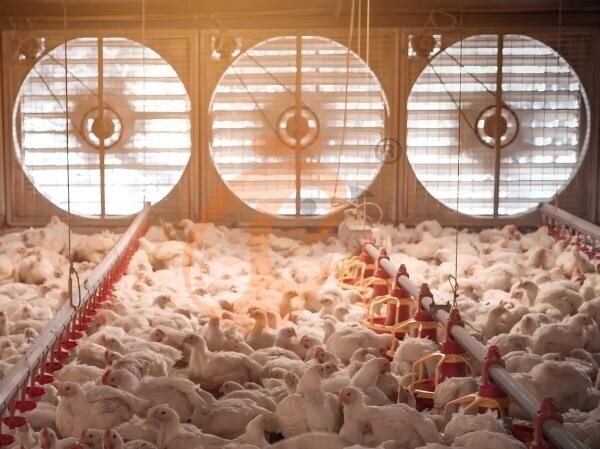
Beginner farmers adopt structured chicken house systems automatic feeding lines ventilation control to balance natural behavior and commercial efficiency.
Outdoor access zones improve welfare indicators while requiring engineered predator protection and biosecurity planning for operational safety.
Poultry equipment supplier solutions including cage modules drinker systems manure handling units support scalable production systems.
This guide explains six practical steps covering farm design feeding disease control and equipment selection for sustainable poultry farming business development.
Get professional poultry farm construction guidance, equipment selection solutions, and the latest price lists, whatsApp to +8618830120193, click to learn more:
Farm Planning And Land Zoning Architecture
Land planning determines whether free range poultry farming operates as a stable biological system or an uncontrolled exposure model.
Engineering-based zoning reduces disease transmission while improving feed distribution efficiency and pasture recovery cycles.
Data is for reference only.Swipe horizontally to view full table.
Well-designed zoning improves manure dispersion control and reduces pathogen concentration near housing exit points, especially in systems using modular
poultry equipment frameworks.
System Architecture Of Modern Free Range Farms
Free range poultry systems operate as layered production infrastructures combining indoor protection, outdoor movement, and automated equipment flow.
Each layer functions independently but must synchronize to maintain production stability.
Data is for reference only.Swipe horizontally to view full table.
This architecture improves environmental stability and ensures production continuity even under seasonal climate variation.
Breed Selection And Production Performance Model
Breed selection defines long-term productivity stability in free range environments, where energy consumption is higher due to movement and environmental exposure.
Data is for reference only.Swipe horizontally to view full table.
Production stability increases when breed selection is aligned with automated poultry farming equipment system design, ensuring uniform feed access across flock populations.
Poultry Equipment System Integration Strategy
Efficient poultry farming depends on synchronized mechanical systems rather than isolated devices.
Feeding, ventilation, watering, and manure removal must operate as a unified production network.
Data is for reference only.Swipe horizontally to view full table.
Integration of modern poultry farming equipment systems reduces manual intervention and stabilizes feed conversion ratios across production cycles.
Feeding Management And Nutrient Optimization
Feed management in free range systems must compensate for unpredictable forage intake by maintaining precise nutrient phase control.
This reduces performance variation between flocks.
Data is for reference only.Swipe horizontally to view full table.
Balanced feeding combined with chicken house equipment solutions improves metabolic stability and reduces seasonal production fluctuations.
Predator Protection And Biosecurity Engineering
Outdoor exposure increases biological risk factors, requiring engineered protection layers beyond basic fencing systems.
Structural design directly affects mortality control and operational safety.
Data is for reference only.Swipe horizontally to view full table.
Proper protection design ensures stable flock survival rate under commercial-scale outdoor operation conditions.
Behavioral Science In Free Range Poultry Systems
Free range environments significantly modify poultry behavior patterns, increasing movement, foraging time, and sunlight exposure, which directly influences physiological performance.
Data is for reference only.Swipe horizontally to view full table.
These biological improvements are strongly linked to housing design quality and poultry equipment system stability.
Environmental Control Inside Poultry Houses
Indoor poultry houses function as controlled recovery environments after outdoor activity cycles.
Environmental stability directly determines immune performance and production recovery rate.
Data is for reference only.Swipe horizontally to view full table.
Stable environmental control ensures consistent productivity in farms using modern poultry farming equipment systems.
Disease Prevention And Farm Biosecurity System
Disease prevention relies on layered control systems combining sanitation, vaccination, filtration, and spatial isolation.
Each layer reduces cumulative infection probability.
Data is for reference only.Swipe horizontally to view full table.
Water Supply Engineering System
Water systems must maintain consistent flow and hygiene levels to support feed conversion efficiency and egg production stability under free range conditions.
Data is for reference only.Swipe horizontally to view full table.
Economic Performance And Return On Investment Structure
Free range poultry systems require higher infrastructure investment but generate premium market positioning when supported by automated equipment systems.
Data is for reference only.Swipe horizontally to view full table.
European union standard reference only.
Frequently Asked Questions
Q1: What is the main advantage of free range poultry farming system?
It improves animal welfare, behavioral freedom, and product quality consistency when combined with structured poultry equipment systems.
Q2: How much outdoor space is required per bird?
Most commercial systems allocate 2.5–4 m² per bird depending on vegetation recovery and climate conditions.
Q3: Is automation necessary for small farms?
Yes, even small farms benefit from automated feeding and watering systems to reduce labor variability and improve flock uniformity.
Taiyu (HK) Group - One Of China Biggest Poultry Equipment Manufacturer
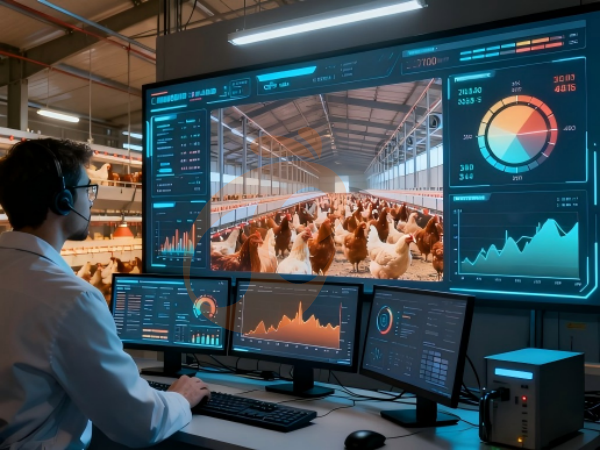
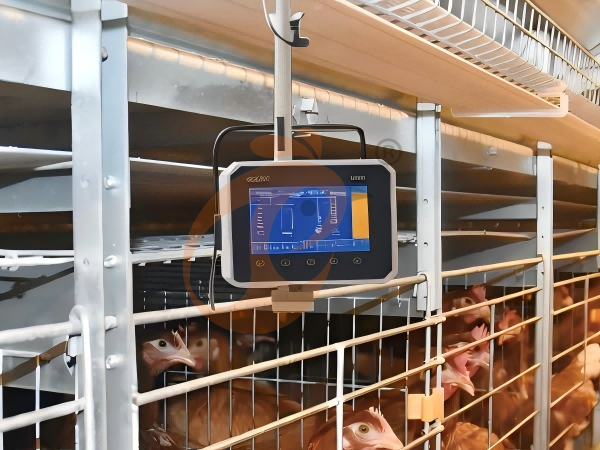
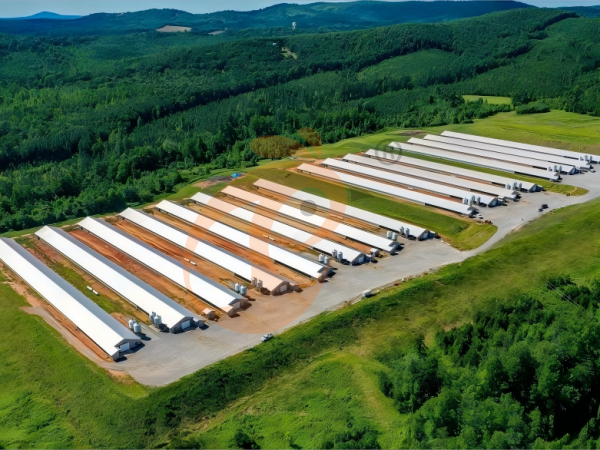
Free range poultry farming system integrated with poultry equipment manufacturing covering housing feeding ventilation manure management modules
Global factory direct supply model reduces procurement cost and improves installation efficiency for commercial poultry projects
Turn-key poultry farm engineering including design installation and system commissioning for large scale production facilities
Industrial poultry equipment solutions including automatic feeding lines cage systems and ventilation infrastructure for scalable farms
International project support providing standardized engineering delivery and long term technical service for poultry production systems
Contact Us To Received Your Customized Poultry Farm Plan
Headquarters And Branchs

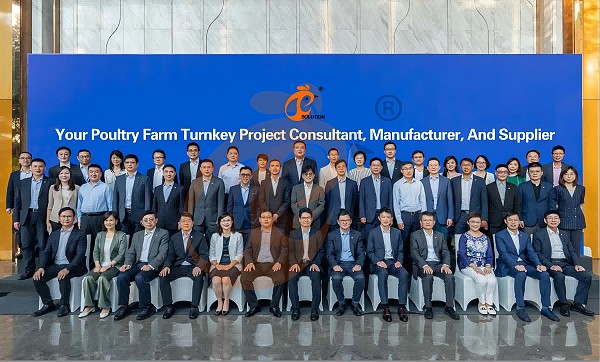
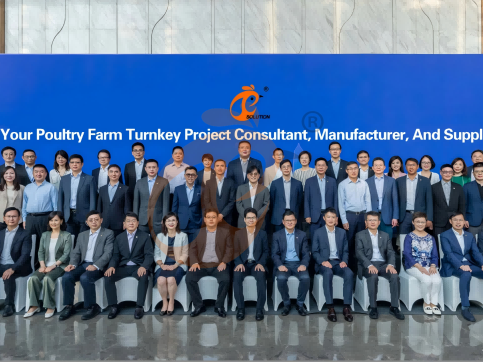
Hong Kong Headquarter Management Team
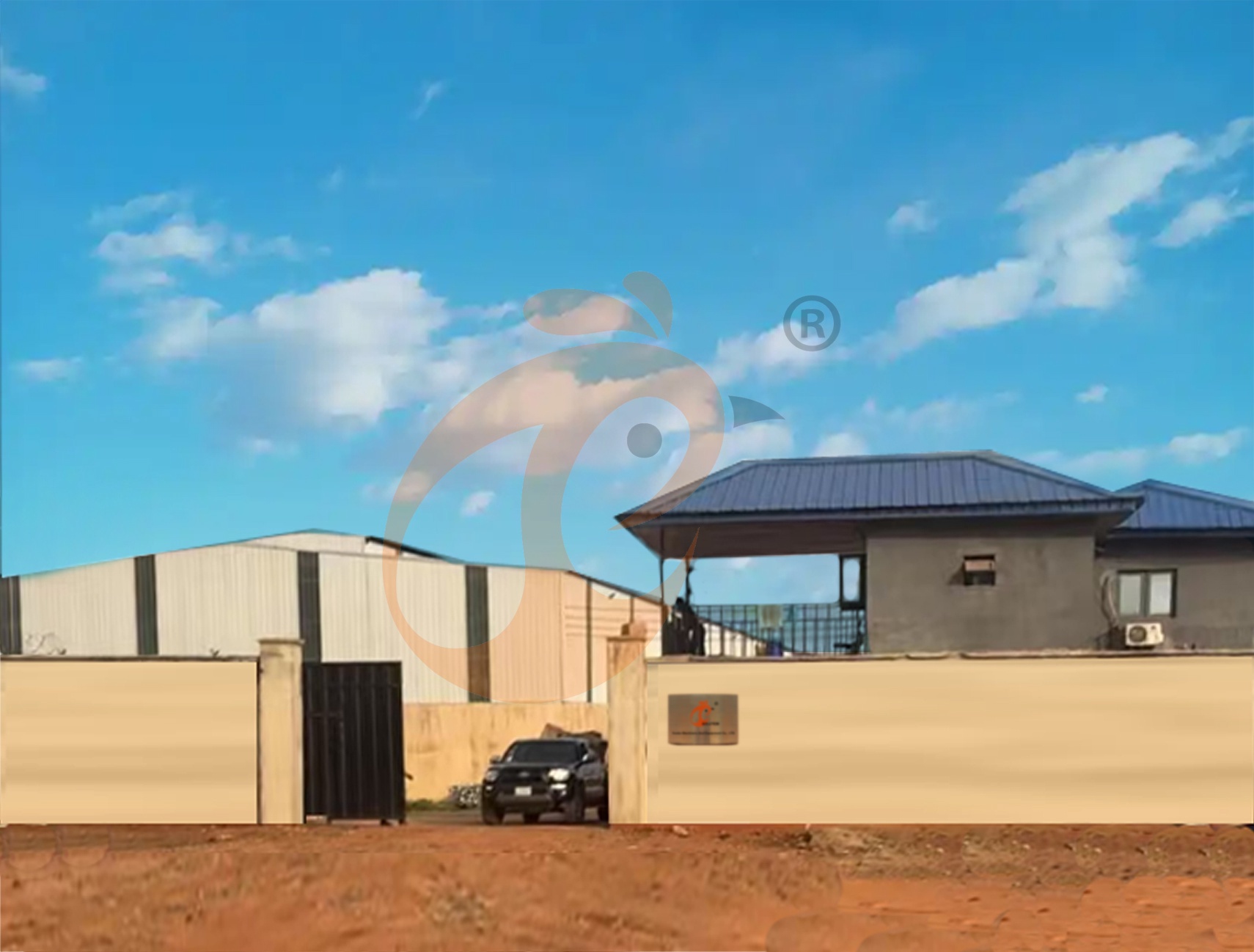
Hong Kong Headquarter Taiyu Industrial Group CO., LTD
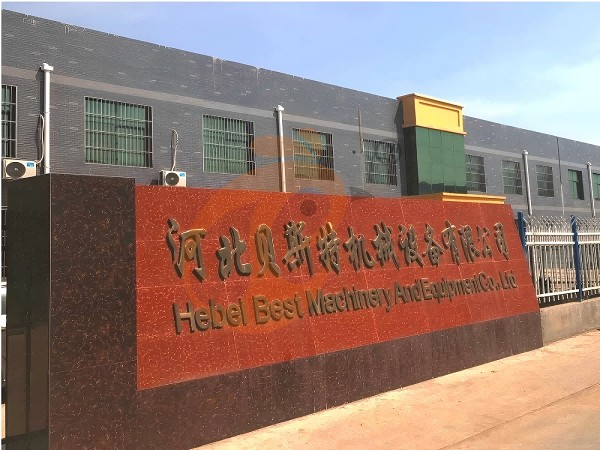
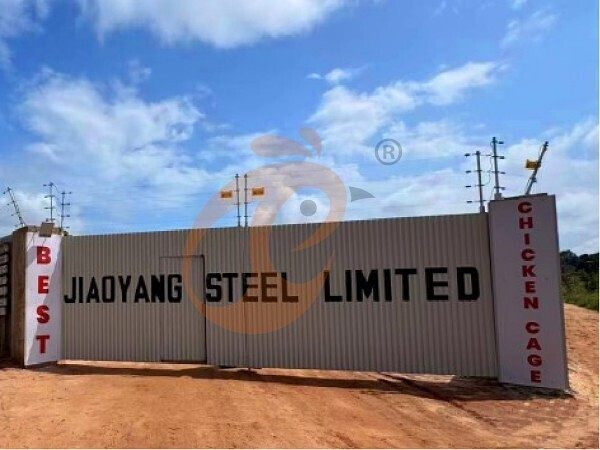
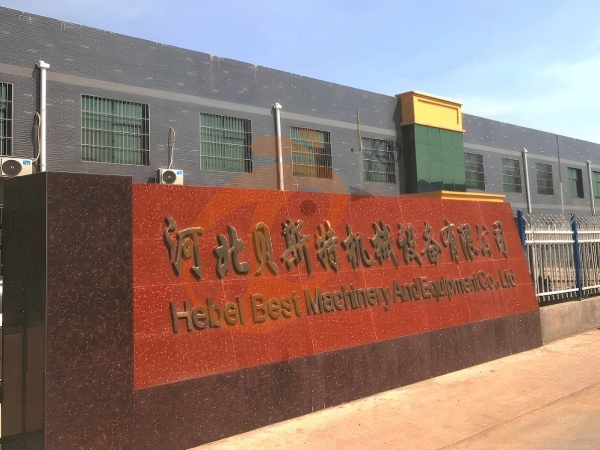
China Hebei Best Machinery And Equipment CO., LTD
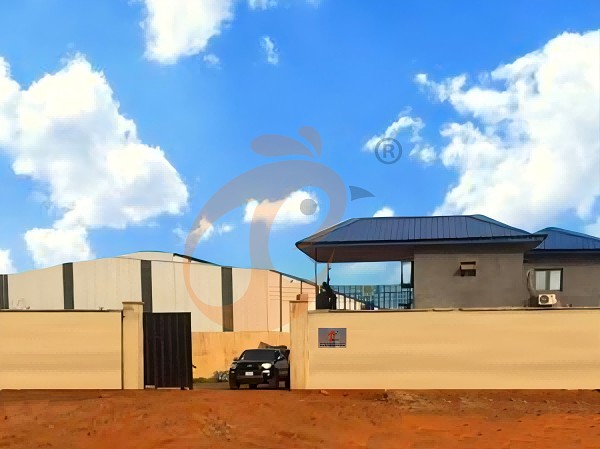
Nigeria Vanke Machinery And Equipment CO., LTD
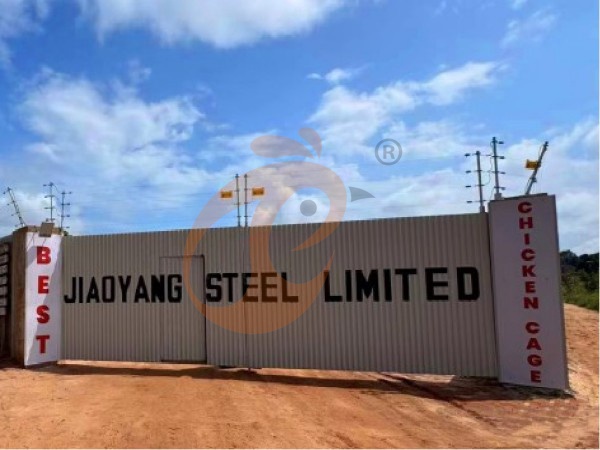
Tanzania Best Machinery And Equipment CO., LTD
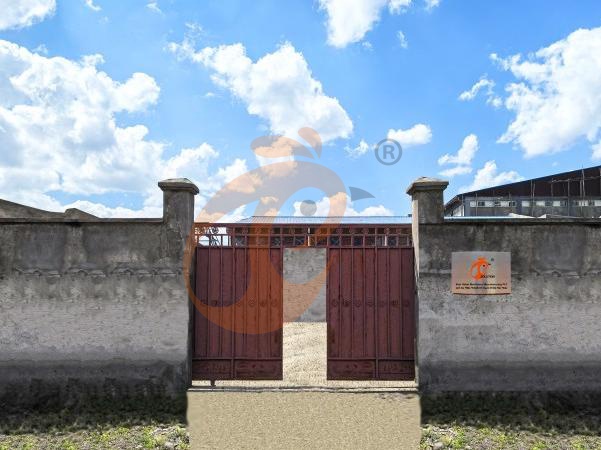
Ethiopia Best Hebei Machinery Manufacturing PLC
Reception /24 WhatsApp NO. : +8618830120193
FAQ
How Does Free Range System Affect Feed Consumption?
Energy expenditure increases daily intake variation by 15%–22% across seasons.
Feed conversion efficiency ranges from 1.9–2.3 depending on grazing intensity.
What Are The Housing Transition Management Standards In Free Range Poultry System?
Indoor-outdoor transition time is controlled within 10–15 minutes per flock movement cycle.
Lighting guidance systems operate at 5–8 lux to direct flock movement behavior.
What Are The Seasonal Adaptation Strategies In Free Range Poultry System?
Summer shade coverage is increased to 60%–80% of grazing area for heat stress reduction.
Rainfall drainage capacity handles 25–40 mm per hour precipitation levels for land usability.
- poultry farm
- chicken house
- poultry house
- cage
- poultry farm construction
- poultry farming equipment
- poultry equipment
- chickencage
- bestchickencage
- cage system
- cage systems
- Nigeria
- automated poultry farm
- poultry farming
- poultry equipment supplier
- poultry house system
- poultry equipment manufacturer
- chicken house equipment
- modern poultry farm
- modern poultry farming
- poultry farm plan
- poultry farming system
- Ethiopia
Message
Products recommended
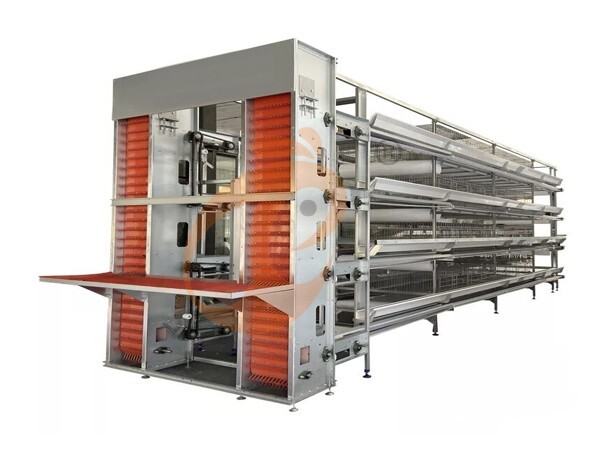
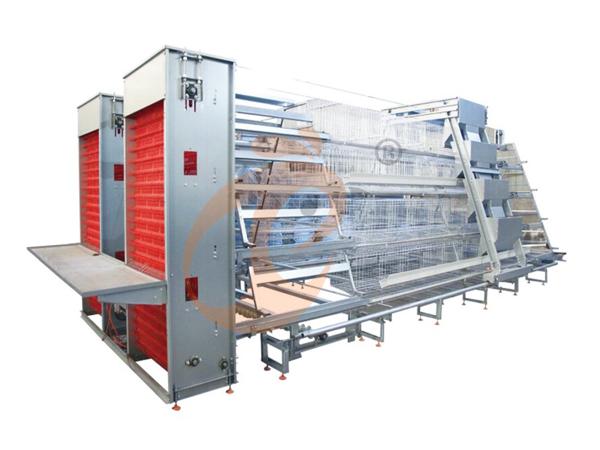
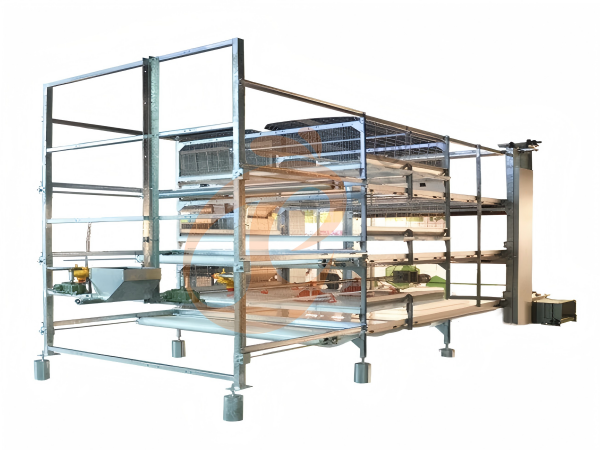
 >30,000 Pullets Automatic H Type Battery Cage1. More than 30,000 pullets a house, choose it.
2. It is designed to rearing older than 1 day old pullets to 12 to 16 weeks old chicken starting laying eggs.
3. Its lifespan is more than 25 years.
4. Its structure are Vcloud artificial intelligent fusion, electric control cabinet, automatic equipment of drinking, feeding, manure clean, manual harvesting.
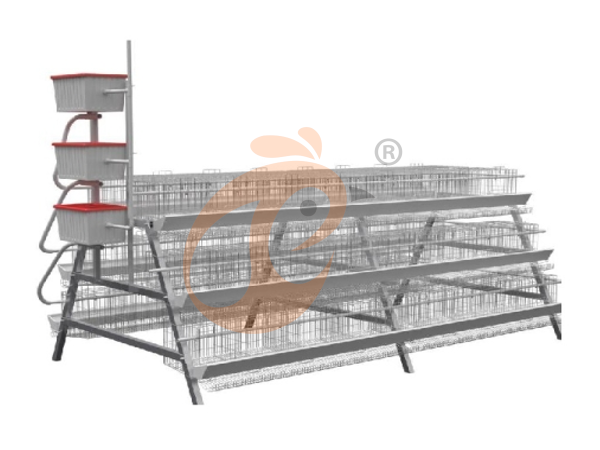
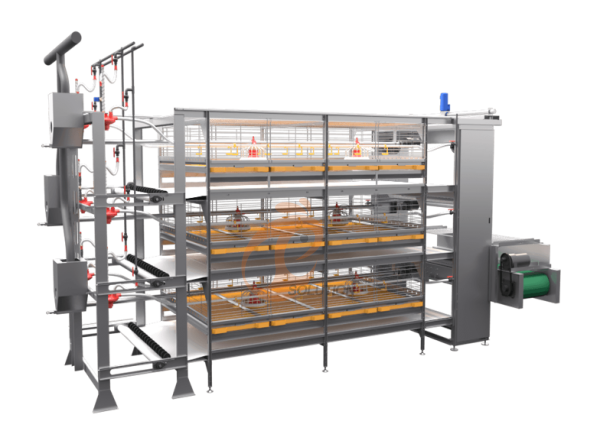
5. Our 24 hour online reception What’sApp NO. is +8618830120193 <30,000 Pullets Automatic A Type Battery Cage1. 10,000 to 30,000 pullets a house, choose it.
2. It is designed to rearing older than 1 day old pullets to 12 to 16 weeks old chicken starting laying eggs.
3. Its lifespan is more than 25 years.
4. Its structure are Vcloud artificial intelligent fusion, electric control cabinet, automatic equipment of drinking, feeding, manure clean, manual harvesting.
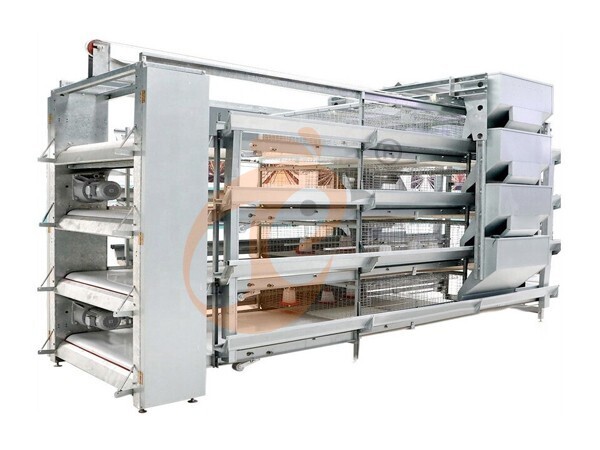
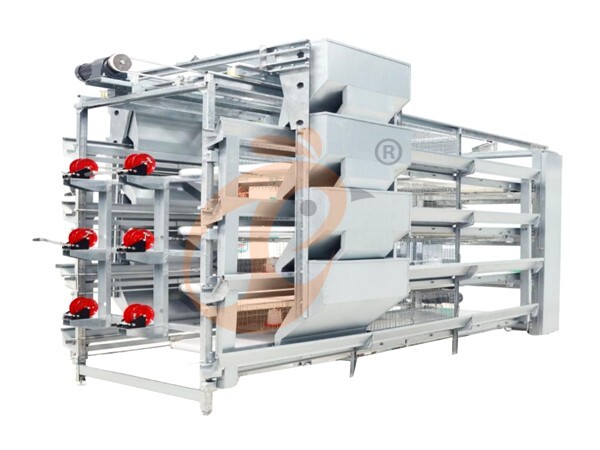
5. Our 24 hour online reception What’sApp NO. is +86 18830120193. >30,000 Broilers Semi-Automatic Harvest H Type Battery Cage1. More than 30,000 broilers a house, choose it.
2. It is designed to rearing 1 to 45 day old adult broiler ready for market.
3. Its lifespan is more than 20 years.
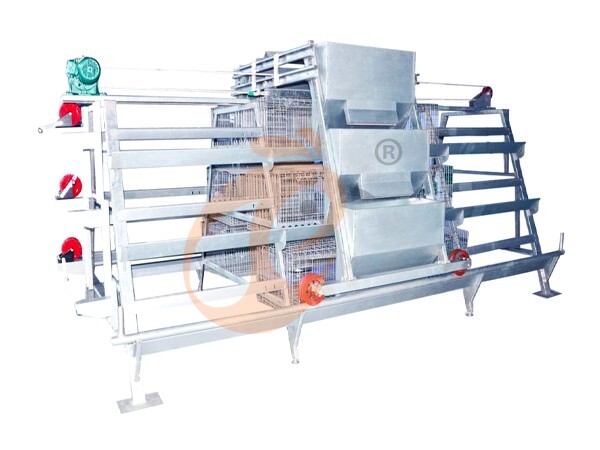
4. Our 24 hour online reception What’sApp NO. is +8618830120193, +234 8111199996. >30,000 Broilers Manual Harvest H Type Battery Cage1. More than 30,000 broilers a house, choose it.
2. It is designed to rearing 1 to 45 day old adult broiler ready for market.
3. Its lifespan is more than 20 years.
4. Its structure are Vcloud artificial intelligent fusion, electric control cabinet, automatic equipment of drinking, feeding and manure clean, manual harvesting.
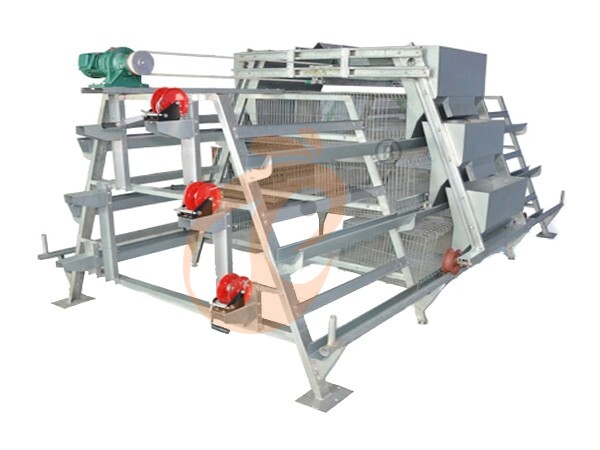
5. Our 24 hour online reception What’sApp NO. is +8618830120193, +234 8111199996. <30,000 Broilers Manual Harvest A Type Battery Cage1. Less 30,000 broilers a house, choose it.
2. It is designed to rearing 1 to 45 day old adult broiler ready for market.
3. Its lifespan is more than 20 years.
4. Its structure are Vcloud artificial intelligent fusion, electric control cabinet, automatic equipment of drinking, feeding and manure clean, manual harvesting.
5. Our 24 hour online reception What’sApp NO. is +8618830120193, +234 8111199996. HK Headquarter Offers EU-standard Poultry Farm Solutions, Manufacture Poultry Farm Equipment1. Continuous communication with the EU and the US
2. China, Nigeria, Ethiopia, Tanzania branch companies and factories
3. The products’ quality is customized for local poultry farms
4. Poultry cage and poultry farm equipment stock for sale
5. 24 online reception Whatsapp NO. : +8618830120193,contact us to get full information China Branch Offer Poultry Farm Business Plan, Manufacture Poultry Farm Equipment1. Address: Flat/RM 2416, 24/F, Runxing Building, Youyi Nan Street, Shijiazhuang City, Hebei Province, China
2. Poultry cage and poultry farm equipment factory and stock for sale
3. Customized for local poultry farms
4. Quality and design are based on Euro
5. 24 online reception Whatsapp NO. : +8618830120193 Nigeria Branch Offer Poultry Farm Business Plan, Manufacture Poultry Farm Equipment1. Address: After Sinoma Office, 200 Meters Near Danco Filling Station, Lagos/Ibadan Expressway, Lagos State, Nigeria
2. Poultry cage and poultry farm equipment factory and stock for sale
3. Customized for Nigerian poultry farms
4. Quality and design are based on Euro
5. 24 online reception Whatsapp NO. : +8618830120193 Ethiopia Branch Offer Poultry Farm Business Plan, Manufacture Poultry Farm Equipment1. Address: Gelan Gura, Akaki-kaliti Sub City, Addis Ababa, Ethiopia
2. Poultry cage and poultry farm equipment stock for sale
3. Customized for Ethiopian poultry farms
4. Quality and design are based on Euro
5. 24 online reception Whatsapp NO. : +8618830120193, contact us to get price list Tanzania Branch Offer Poultry Farm Business Plan, Manufacture Poultry Farm Equipment1. Address: No.8, Sova Road, Msufini, Mlandizi, Kibaha, Pwani, Tanzania
2. Poultry cage and poultry farm equipment factory and stock for sale
3. Customized for Tanzanian poultry farms
4. Quality and design are based on Euro
5. 24 online reception Whatsapp NO. : +8618830120193


Contact