


Blog
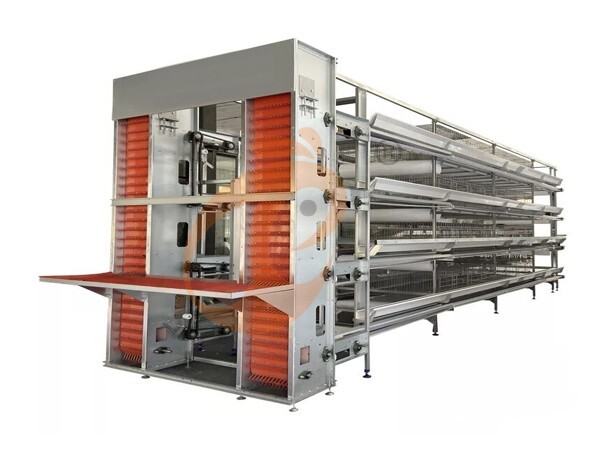
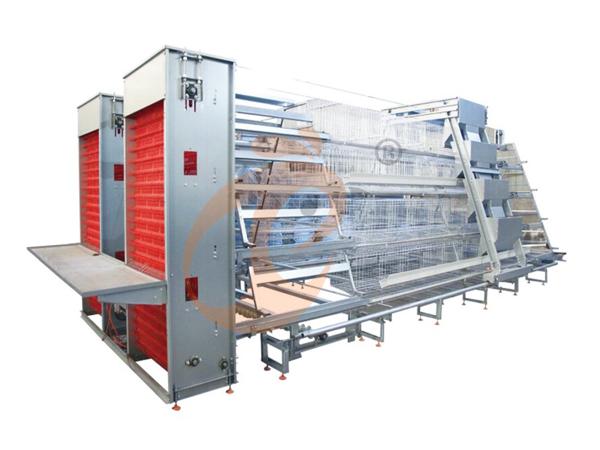
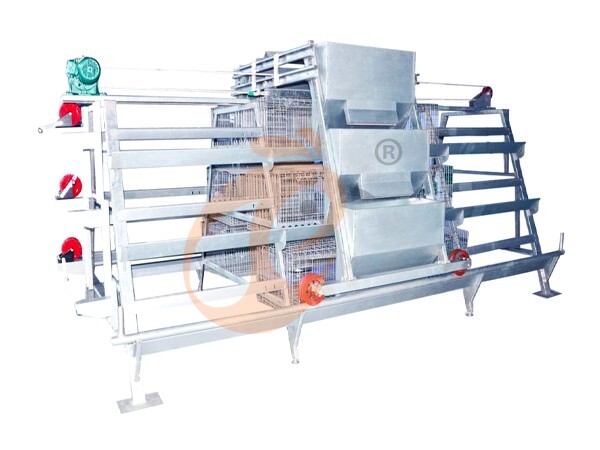
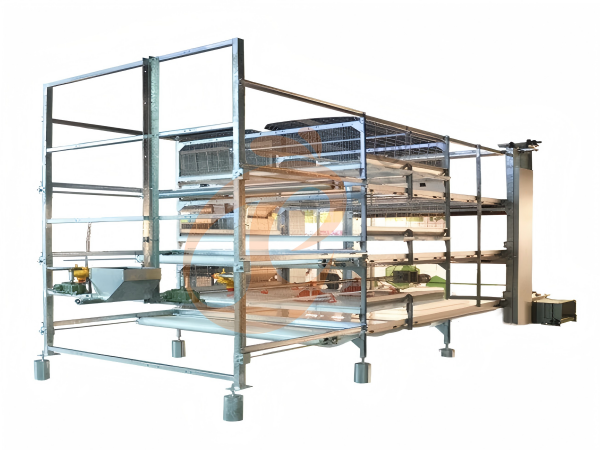
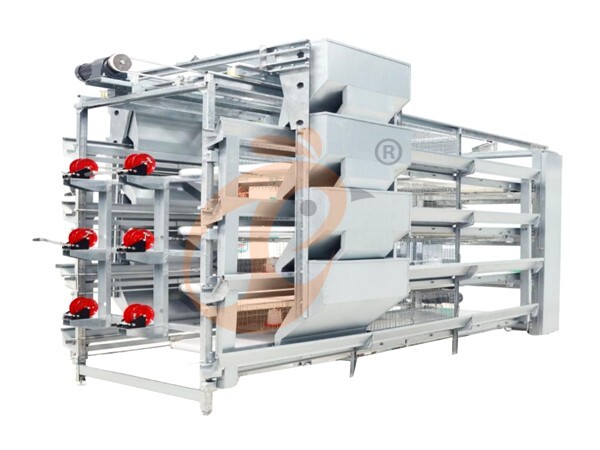
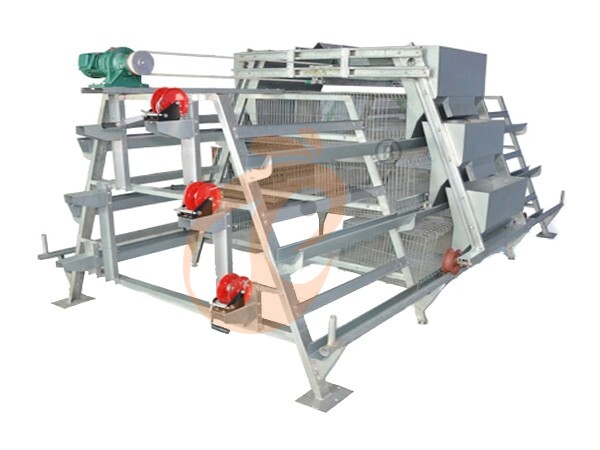
A type chicken cage system selection defines poultry farm productivity, space utilization, and long-term flock stability in modern egg production projects
Cage system sizing influences ventilation balance, stocking density control, and automation compatibility across commercial poultry operations
Modern poultry equipment manufacturer delivers engineered cage structures with galvanized steel protection reaching corrosion resistance above 250g/m² coating standard
Proper cage sizing improves airflow distribution efficiency, stabilizes ammonia control under 25ppm, and supports consistent laying cycles across production stages
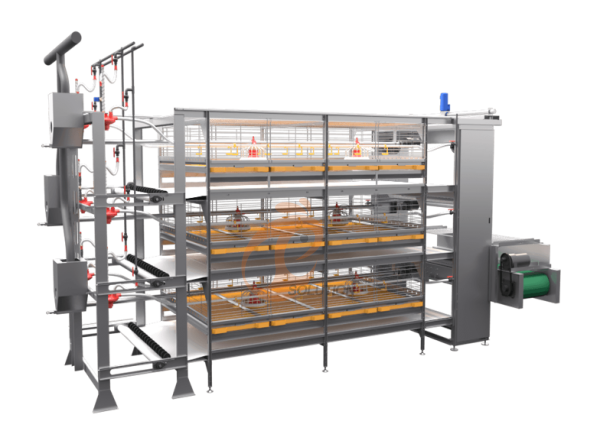
Integrates feeding, drinking, and manure removal design optimized for scalable poultry farming investment planning
Get professional poultry farm construction guidance, equipment selection solutions, and the latest price lists, whatsApp to +8618830120193, click to learn more:
Core Structural Engineering Layout
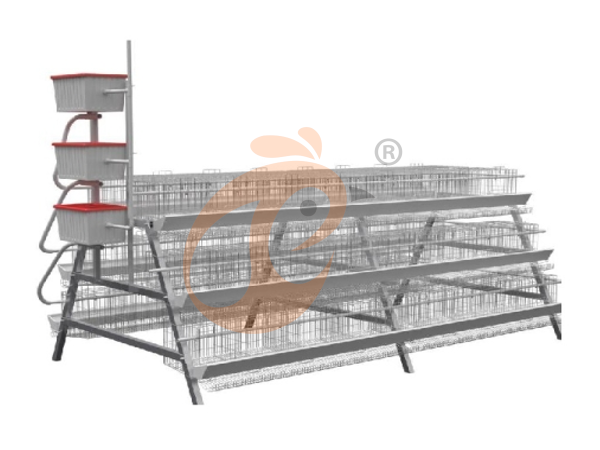
A type system depends on frame geometry, steel diameter, and tier spacing precision.
Structural engineering ensures load stability across multi-tier cage layers.
Data is for reference only.Swipe horizontally to view full table.
Standard Cage Size Selection Guidelines
Correct cage sizing ensures stable feeding behavior and improved flock uniformity.
Balanced geometry reduces stress-related production fluctuations.
Data is for reference only.Swipe horizontally to view full table.
Feed efficiency improves by 7–10% when cage spacing aligns with airflow channel direction inside poultry houses.
Farm Scale Matching Strategy
Farm scale determines whether compact or high-tier configurations should be selected.
Larger farms benefit from vertical stacking efficiency.
Table: Farm Matching Plan
Stocking Density Science Explanation
Stocking density affects immunity performance and egg shell consistency.
Excessive crowding increases stress hormone secretion and reduces productivity stability.
Table: Density Control Standards
Balanced density improves flock uniformity index by approximately 14% in controlled environments.
Ventilation And Environmental Optimization
A type cage system enhances airflow movement through staggered tier design.
Environmental regulation is essential for stable egg formation.
Table: Environmental Control Factors
Automation Integration Capability
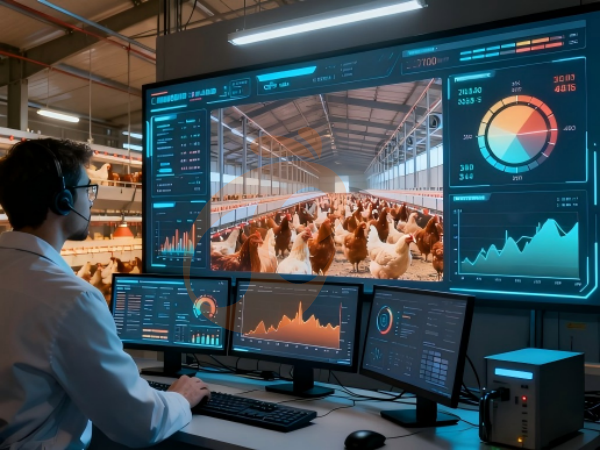
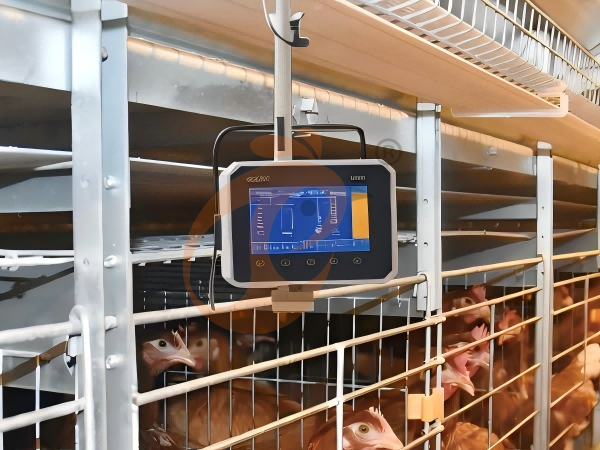
Automation improves operational consistency and reduces manual labor dependency.
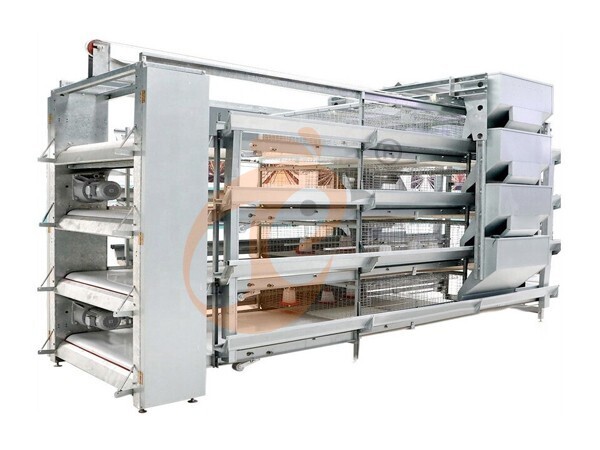
Systems integrate feeding motors, egg belts, and manure scrapers.
Table: Automation Levels
5 Buyer Tips For Correct Cage Size Selection
Match cage geometry with real flock capacity instead of theoretical expansion
Prioritize poultry house layout before selecting system configuration
Select tier structure based on ventilation strength and ceiling clearance
Integrate automation planning during initial engineering stage
Choose corrosion-resistant steel to extend operational lifespan
Operational Performance Insight
Production Cycle Stability Overview
Commercial A type chicken cage system operations maintain stable laying performance through controlled microclimate regulation, with laying hens sustaining productive cycles around 71–83 weeks after peak production phase
High-efficiency cage environments support consistent feed conversion when dietary formulation remains within 18–19.5% crude protein range
Industrial poultry systems can maintain egg breakage performance close to 1%–2% under automated handling lines, improving commercial yield efficiency
Proper airflow distribution inside cage houses stabilizes metabolic stress response, with ventilation systems operating efficiently between 10–15 air exchanges per hour in commercial farms
Structural rigidity of cage frames reduces vibration transmission between tiers, minimizing micro-impact accumulation during continuous egg flow operations
Egg Integrity Stability Factors
Optimized cage slope design ensures controlled egg rolling trajectory and reduces irregular acceleration at exit points
Conveyor synchronization reduces transition shock during egg collection, maintaining stable movement continuity
Environmental stability prevents temperature spikes above 28°C sensitivity threshold, supporting consistent shell formation quality
Frequently Asked Questions
Q1: What is the ideal cage size for medium-scale farms?
Medium-scale farms typically use 3–4 tier A type chicken cage system designs with stable airflow control and balanced density around 400–450 cm² per bird.
Q2: How does cage size affect egg production?
Incorrect sizing increases stress levels and reduces laying performance, while optimized spacing improves production stability by improving feeding access and ventilation balance.
Q3: Can A type systems support full automation?
Yes, modern systems integrate automatic feeding, egg collection belts, and manure removal for large-scale commercial poultry farming efficiency.
Taiyu (HK) Group - One Of China Most Famous A Type Chicken Cage System Manufacturer
A type chicken cage system engineered with galvanized steel structure and modular poultry housing design for commercial egg production and scalable farm expansion requirements
Global factory direct supply ensures cost efficiency and standardized poultry equipment manufacturing quality across international livestock engineering projects
Turn-key poultry equipment solutions include cage system design, ventilation planning, and full installation support for commercial poultry farm construction
Poultry equipment exporter specializing in A type chicken cage system for layer farms, breeder farms, and automated egg production facilities worldwide
Engineering-driven poultry supplier providing lifecycle support, maintenance planning, and farm optimization consultancy for high-efficiency poultry production systems
Contact Us To Received Your Customized Poultry Farm Plan
Headquarters And Branchs
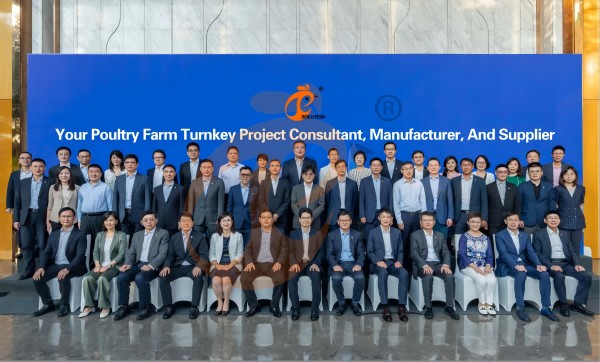
Hong Kong Headquarter Management Team
Hong Kong Headquarter Taiyu Industrial Group CO., LTD
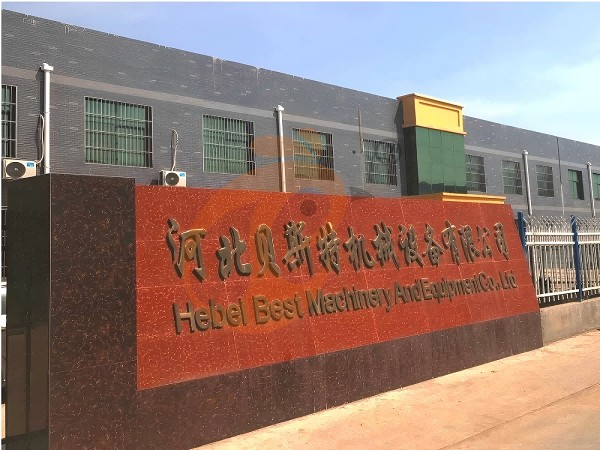
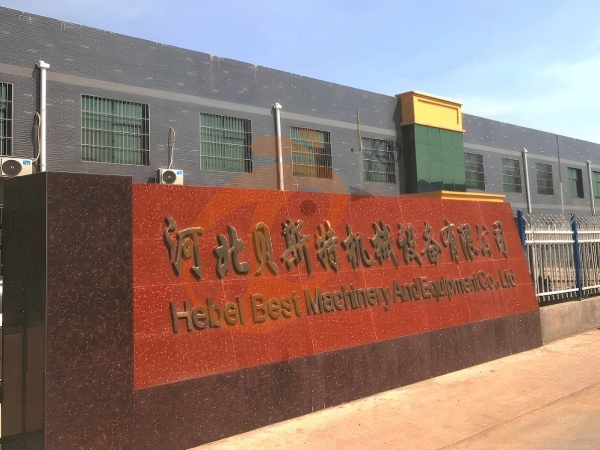
China Hebei Best Machinery And Equipment CO., LTD
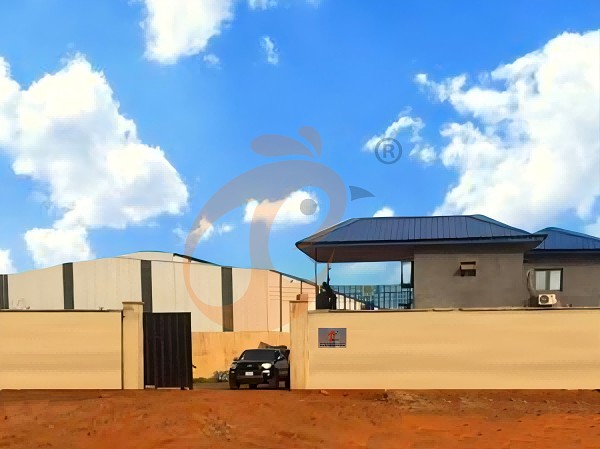
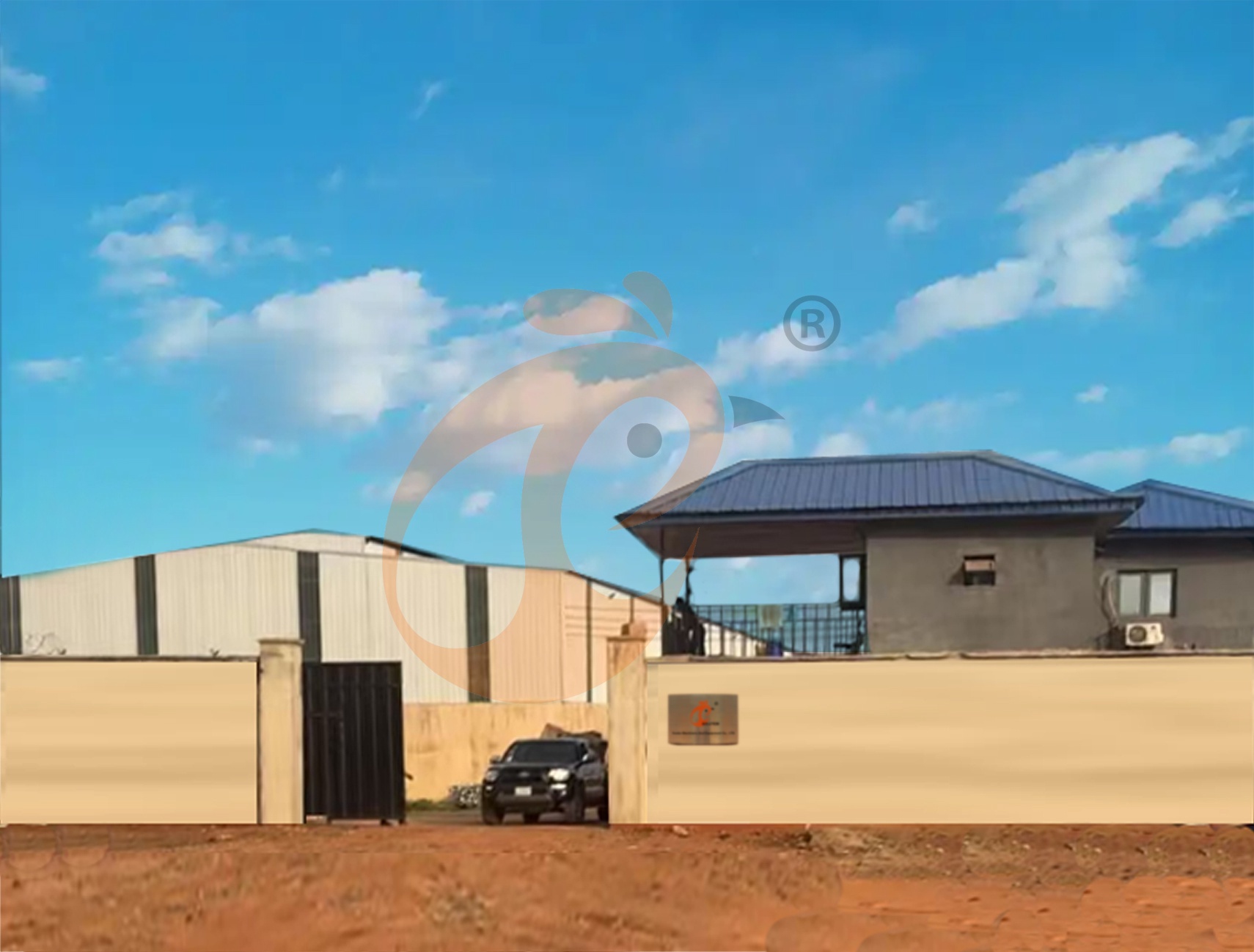
Nigeria Vanke Machinery And Equipment CO., LTD
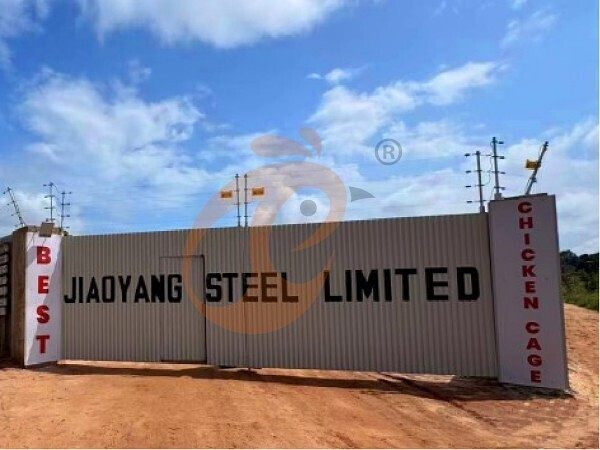
Tanzania Best Machinery And Equipment CO., LTD
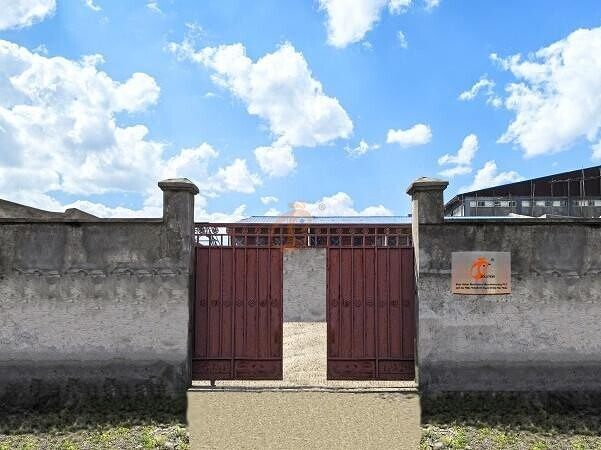
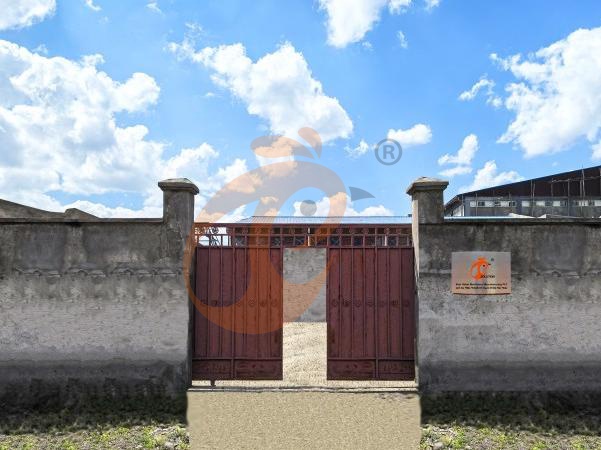
Ethiopia Best Hebei Machinery Manufacturing PLC
Reception /24 WhatsApp NO. : +8618830120193
FAQ
How To Increase Stocking Density Without Reducing Egg Production In A-Type Layer Cage?
Provide 418-500 cm² per bird
Ensure good ventilation
Egg production rate: 90–96%
What Are The Recommended Egg Conveyor Speeds For A-Type Layer Cage Farms?
Reduces egg collision and breakage
Egg breakage rate <1%
Daily egg yield: 900–960 eggs/1,000 birds
Egg production rate: 90–96%
How To Implement Lighting Control In A-Type Poultry Cage Farms?
Even illumination reduces stress
Egg production rate: 90–96%
FCR: 1.9–2.2
Egg breakage rate <1%
- poultry farm
- chicken cage
- layer cage
- poultry house
- poultry cage
- cage
- poultry farm construction
- layer cage system
- poultry cage equipment
- chicken cage system
- chicken cage system design
- poultry house layout
- poultry housing design
- chicken cage system supplier
- chicken cage system manufacturer
- poultry equipment
- manure scraper
- hen cage
- chickencage
- bestchickencage
- cage system
- cage layer
- a type chicken cage
- h cage
- Nigeria
- poultry farm productivity
- layer farm
- egg production project
- poultry farming
- poultry farm application
- layer cage system for poultry
- poultry equipment manufacturer
- poultry housing design for commercial
- poultry equipment exporter
- poultry farm plan
- Ethiopia
Message
Products recommended
 >30,000 Pullets Automatic H Type Battery Cage1. More than 30,000 pullets a house, choose it.
2. It is designed to rearing older than 1 day old pullets to 12 to 16 weeks old chicken starting laying eggs.
3. Its lifespan is more than 25 years.
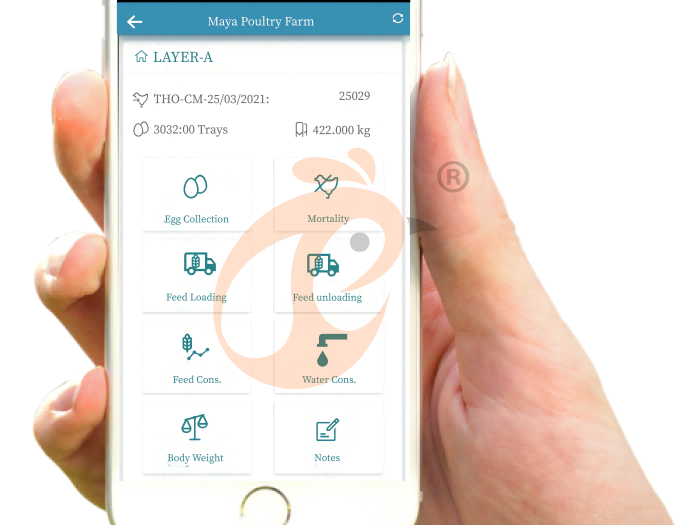
4. Its structure are Vcloud artificial intelligent fusion, electric control cabinet, automatic equipment of drinking, feeding, manure clean, manual harvesting.
5. Our 24 hour online reception What’sApp NO. is +8618830120193 <30,000 Pullets Automatic A Type Battery Cage1. 10,000 to 30,000 pullets a house, choose it.
2. It is designed to rearing older than 1 day old pullets to 12 to 16 weeks old chicken starting laying eggs.
3. Its lifespan is more than 25 years.
4. Its structure are Vcloud artificial intelligent fusion, electric control cabinet, automatic equipment of drinking, feeding, manure clean, manual harvesting.
5. Our 24 hour online reception What’sApp NO. is +86 18830120193. >30,000 Broilers Semi-Automatic Harvest H Type Battery Cage1. More than 30,000 broilers a house, choose it.
2. It is designed to rearing 1 to 45 day old adult broiler ready for market.
3. Its lifespan is more than 20 years.
4. Our 24 hour online reception What’sApp NO. is +8618830120193, +234 8111199996. >30,000 Broilers Manual Harvest H Type Battery Cage1. More than 30,000 broilers a house, choose it.
2. It is designed to rearing 1 to 45 day old adult broiler ready for market.
3. Its lifespan is more than 20 years.
4. Its structure are Vcloud artificial intelligent fusion, electric control cabinet, automatic equipment of drinking, feeding and manure clean, manual harvesting.
5. Our 24 hour online reception What’sApp NO. is +8618830120193, +234 8111199996. <30,000 Broilers Manual Harvest A Type Battery Cage1. Less 30,000 broilers a house, choose it.
2. It is designed to rearing 1 to 45 day old adult broiler ready for market.
3. Its lifespan is more than 20 years.
4. Its structure are Vcloud artificial intelligent fusion, electric control cabinet, automatic equipment of drinking, feeding and manure clean, manual harvesting.
5. Our 24 hour online reception What’sApp NO. is +8618830120193, +234 8111199996. HK Headquarter Offers EU-standard Poultry Farm Solutions, Manufacture Poultry Farm Equipment1. Continuous communication with the EU and the US
2. China, Nigeria, Ethiopia, Tanzania branch companies and factories
3. The products’ quality is customized for local poultry farms
4. Poultry cage and poultry farm equipment stock for sale
5. 24 online reception Whatsapp NO. : +8618830120193,contact us to get full information China Branch Offer Poultry Farm Business Plan, Manufacture Poultry Farm Equipment1. Address: Flat/RM 2416, 24/F, Runxing Building, Youyi Nan Street, Shijiazhuang City, Hebei Province, China
2. Poultry cage and poultry farm equipment factory and stock for sale
3. Customized for local poultry farms
4. Quality and design are based on Euro
5. 24 online reception Whatsapp NO. : +8618830120193 Nigeria Branch Offer Poultry Farm Business Plan, Manufacture Poultry Farm Equipment1. Address: After Sinoma Office, 200 Meters Near Danco Filling Station, Lagos/Ibadan Expressway, Lagos State, Nigeria
2. Poultry cage and poultry farm equipment factory and stock for sale
3. Customized for Nigerian poultry farms
4. Quality and design are based on Euro
5. 24 online reception Whatsapp NO. : +8618830120193 Ethiopia Branch Offer Poultry Farm Business Plan, Manufacture Poultry Farm Equipment1. Address: Gelan Gura, Akaki-kaliti Sub City, Addis Ababa, Ethiopia
2. Poultry cage and poultry farm equipment stock for sale
3. Customized for Ethiopian poultry farms
4. Quality and design are based on Euro
5. 24 online reception Whatsapp NO. : +8618830120193, contact us to get price list Tanzania Branch Offer Poultry Farm Business Plan, Manufacture Poultry Farm Equipment1. Address: No.8, Sova Road, Msufini, Mlandizi, Kibaha, Pwani, Tanzania
2. Poultry cage and poultry farm equipment factory and stock for sale
3. Customized for Tanzanian poultry farms
4. Quality and design are based on Euro
5. 24 online reception Whatsapp NO. : +8618830120193


Contact