


Blog
Layer chicken cages provide efficient poultry housing solutions with professional designs, supporting farms from 5,000 birds and above with 98% installation planning accuracy.
Safe transportation methods protect cage structures, automation parts, and project investment during delivery.
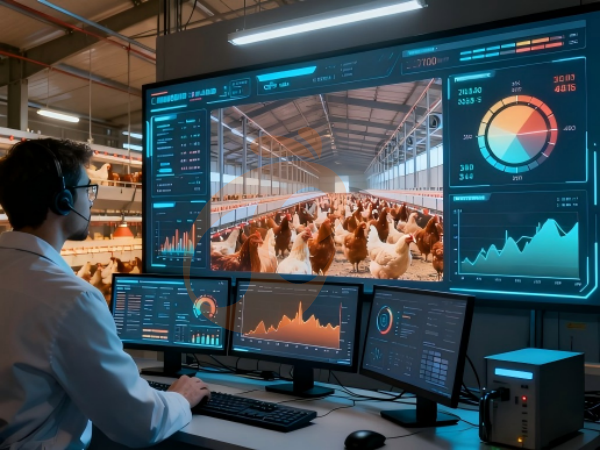
Modern poultry equipment integration improves feeding, drinking, and manure management efficiency through customized systems.
Professional installation procedures reduce project risks with technical guidance and organized engineering support.
Commercial farms benefit from reliable equipment solutions, factory service, and long-term production stability.
Get professional poultry farm construction guidance, equipment selection solutions, and the latest price lists, whatsApp to +8618830120193, click to learn more:
Preparing The Poultry House Before Equipment Arrival
Before installing layer chicken cages, professional preparation of the poultry house is essential.
For equipment buyers, a successful project depends not only on selecting quality products but also on ensuring the installation environment meets technical requirements.
Our company provides complete poultry housing solutions, helping farms prepare layouts that match cage structures, automation systems, and production goals.
A well-designed poultry house improves installation efficiency and supports long-term equipment performance.
Before delivery, customers should confirm building conditions, transportation routes, and installation areas.
Our engineering team can assist with project planning to make sure every component fits the farm design.
A practical preparation process includes checking structural conditions, organizing installation tools, and arranging worker access.
Modern cage projects usually require a working passage length of 18 meters and an equipment preparation period of 72 hours to maintain smooth installation procedures.
Transportation Inspection Checklist
Data is for reference only.Swipe horizontally to view full table.
Safe transportation begins with correct loading procedures.
Layer chicken cage components should be arranged according to their shape and weight distribution.
Metal frames, mesh panels, and automated system parts should be separated to prevent scratches and deformation.
Before shipment, workers should inspect packaging conditions and confirm that all accessories are labeled.
Proper transportation management protects the equipment investment and ensures installation can begin without unexpected replacement work.
Cage Component Handling Parameters
Data is for reference only.Swipe horizontally to view full table.
During unloading, operators should use suitable handling methods based on each component type.
Dragging cage parts on concrete surfaces may affect alignment and appearance.
Equipment buyers should ensure installation workers understand the correct handling process.
Organized unloading reduces assembly time and helps maintain the original condition of the cage system.
Step One: Installing The Main Cage Structure
The foundation of reliable poultry production starts with accurate cage structure installation.
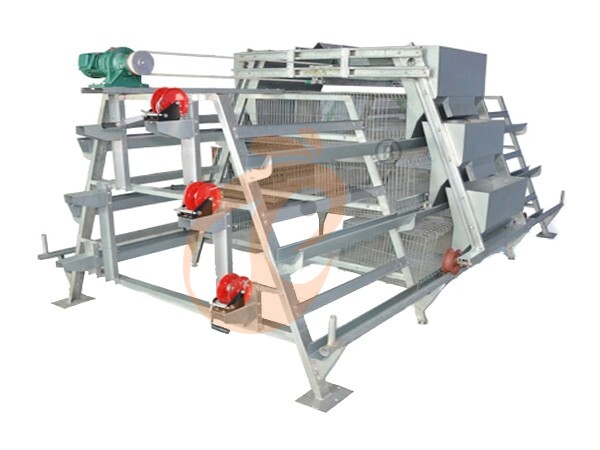
Our layer chicken cages are engineered for commercial farms requiring stable performance, convenient operation, and efficient space utilization.
The installation team should follow technical drawings carefully when connecting support frames and cage units.
A modular structure allows different farm layouts to be adjusted according to customer requirements.
Professional installation service is one of the advantages provided by our company.
From initial design communication to final equipment testing, specialists help customers complete each stage effectively.
The cage structure uses a corrosion resistance duration of 480 hours and a frame protection thickness of 275 g/m² to support reliable farm operation.
Foundation And Alignment Technical Data
Data is for reference only.Swipe horizontally to view full table.
Accurate alignment affects the performance of the entire layer chicken cage system.
Even small installation errors can influence equipment operation and daily management efficiency.
Installers should measure each section before final tightening.
The foundation stage should be completed carefully because later corrections may require additional labor.
Step Two: Installing Feeding And Drinking Systems
A complete poultry equipment solution requires more than cage frames.
Feeding and drinking systems are important parts of modern layer farm automation.
Our integrated designs help farmers reduce manual workload and improve daily management efficiency.
During installation, workers should connect each feeding line and drinking component according to project drawings.
Correct system arrangement ensures chickens receive consistent access to feed and water.
Our automatic layer chicken cage systems support customized configurations based on farm requirements.
The system design can include a control accuracy rate of 96% and an operation schedule capacity of 20 cycles daily.
Feeding System Installation Parameters
Data is for reference only.Swipe horizontally to view full table.
A properly installed feeding system improves daily workflow and reduces manual labor requirements.
Each connection should be inspected before operation.
Workers should verify that feed distribution is consistent throughout cage rows.
Regular inspection after installation helps maintain stable performance.
Drinking System Configuration Data
Data is for reference only.Swipe horizontally to view full table.
The drinking system requires precise installation because water supply directly affects poultry management.
Connections should be sealed properly to prevent leakage.
After installation, workers should test water flow from different positions along the system.
This procedure confirms that all sections operate correctly.
Step Three: Final Safety Inspection Before Operation
Before placing birds into cages, a complete inspection process should be completed.
Our company recommends professional commissioning because correct equipment adjustment influences farm productivity and user experience.
The inspection stage covers structural connections, automation functions, and operational safety.
A reliable supplier should provide technical support after installation to help customers solve practical problems.
Before starting production, farm managers should confirm all systems work together smoothly.
Our service team provides installation guidance with a response period within 24 hours and 15 technical document categories.
Automatic Equipment Testing Parameters
Data is for reference only.Swipe horizontally to view full table.
Automatic equipment should be tested separately after mechanical installation.
Testing helps identify connection problems before regular farm operation begins.
A complete test process improves reliability and allows workers to become familiar with system controls.
Maintenance Schedule Reference Table
Data is for reference only.Swipe horizontally to view full table.
Routine maintenance extends the working life of layer chicken cages.
Buyers should establish a maintenance plan immediately after installation.
Regular checks allow farms to discover small issues before they develop into equipment failures.
Frequently Asked Questions
Q1: What should buyers check before transporting layer chicken cages?
Buyers should confirm packaging condition, transportation access, installation drawings, and component quantity before delivery.
Q2: How can installation safety be improved for poultry equipment projects?
Following manufacturer instructions, using trained technicians, and checking every connection point can improve installation quality with approximately 3 inspection stages.
Q3: Why choose professional layer chicken cage suppliers?
Professional suppliers provide engineering support, equipment compatibility, and after-sales service for long-term farm operation.
Taiyu (HK) Group - One Of China Biggest Layer Chicken Cages Manufacturer
Layer chicken cages deliver professional poultry housing structures designed for commercial farms with optimized production management.
Global factory direct supply provides complete poultry equipment solutions with manufacturing control and project coordination.
Poultry equipment engineering services support farm construction through professional design, installation, and commissioning processes.
Turn-key engineering projects integrate cage systems, automation equipment, and operational planning for international customers.
Export service networks provide technical communication, project support, and customized poultry production solutions worldwide.
Contact Us To Received Your Customized Poultry Farm Plan
Headquarters And Branchs
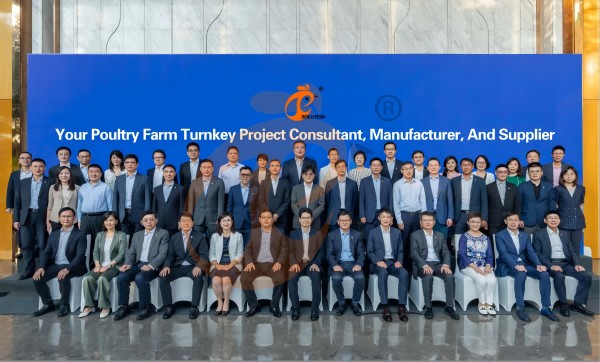
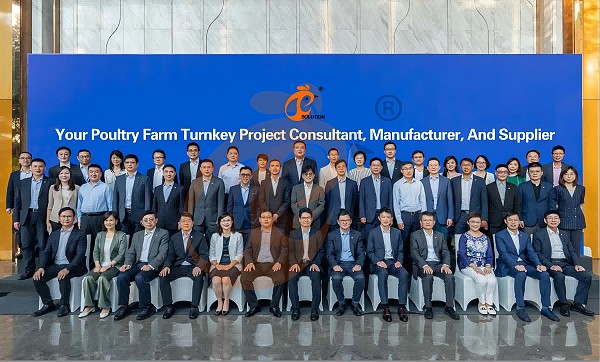
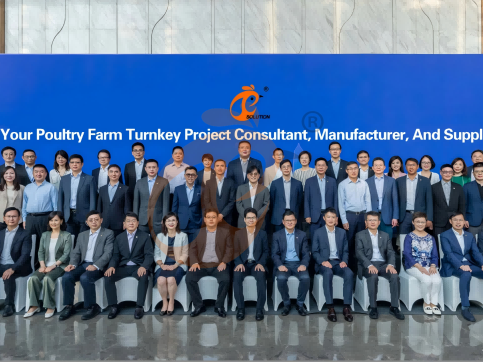
Hong Kong Headquarter Management Team
Hong Kong Headquarter Taiyu Industrial Group CO., LTD
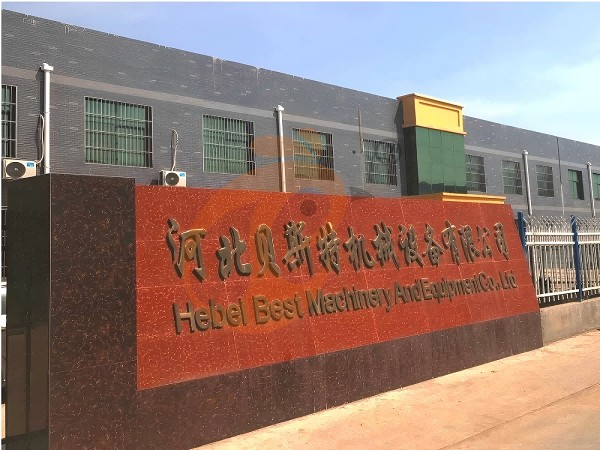
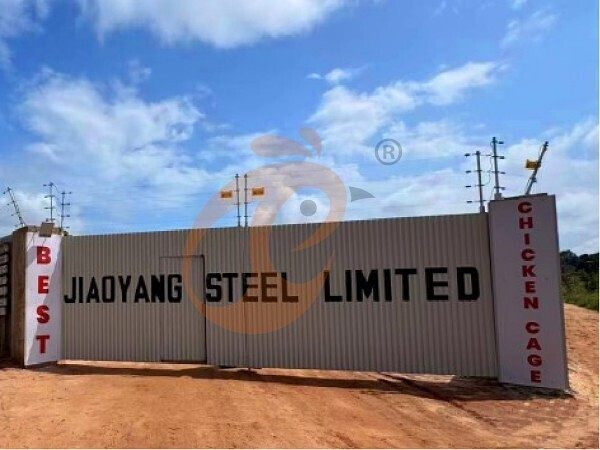
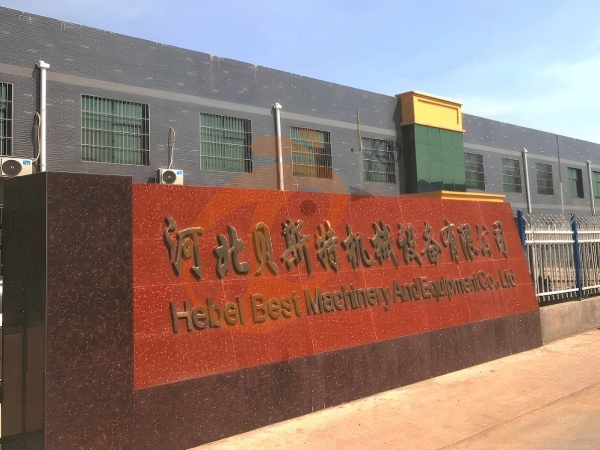
China Hebei Best Machinery And Equipment CO., LTD
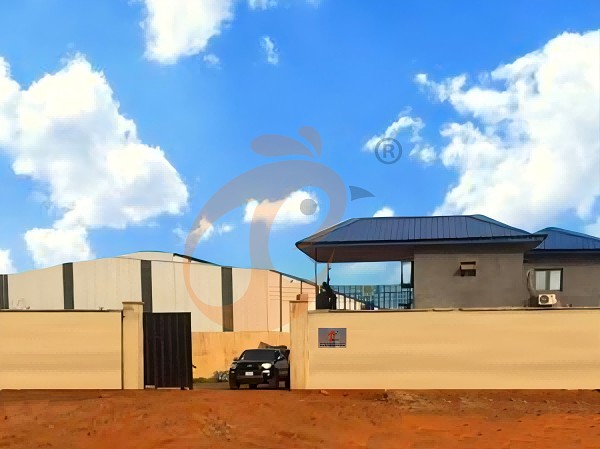
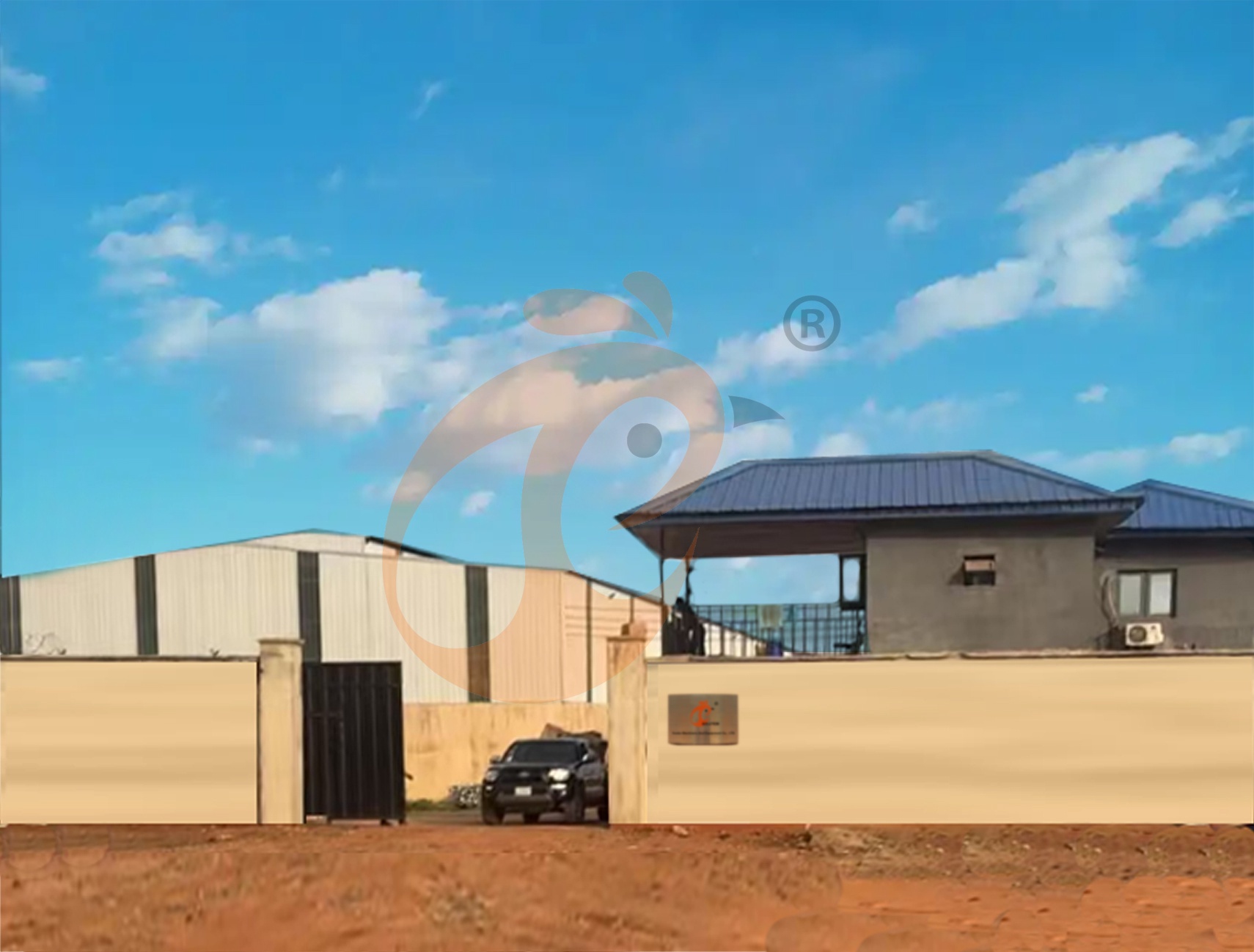
Nigeria Vanke Machinery And Equipment CO., LTD
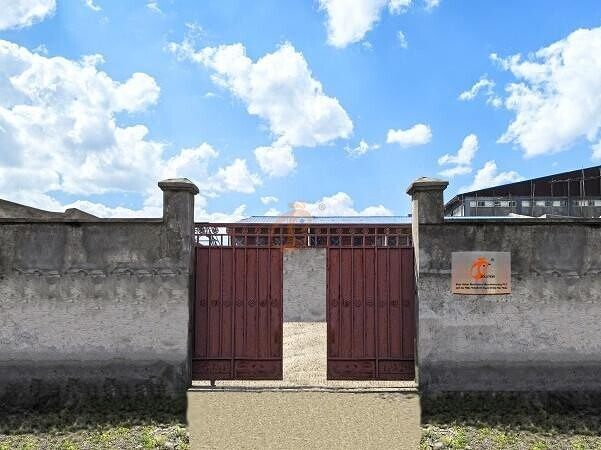
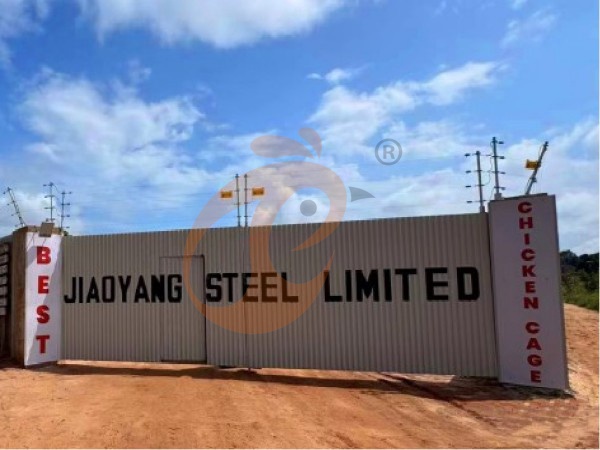
Tanzania Best Machinery And Equipment CO., LTD
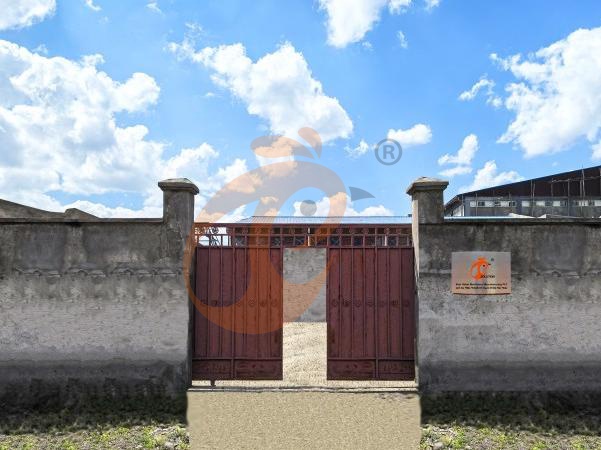
Ethiopia Best Hebei Machinery Manufacturing PLC
Reception /24 WhatsApp NO. : +8618830120193
FAQ
How To Reduce Stress And Improve Egg Production In Battery Cage Farms?
Good ventilation, temperature 18–25℃, lighting 16h/day.
Automatic feeding and drinking systems ensure sufficient nutrition and water; egg production 90–98%.
What Are The Advanced Tips For Egg Hygiene And Quality Control In Layer Cage Systems?
Monitor feed nutrition and water quality to ensure strong eggshells.
How To Implement Advanced Light Management Systems In Poultry Cage Farms?
Combined with automatic feeding, egg production increases 2–3%, breakage <3%.
- poultry farm
- chicken cage
- poultry farms
- poultry house
- cage
- poultry farm construction
- chicken cage system
- chicken cage supplier
- poultry equipment
- chicken cages
- chickencage
- bestchickencage
- cage system
- cage systems
- layer chicken cage supplier
- h cage
- chicken cage suppliers
- layer chicken cage
- Nigeria
- layer chicken cages
- layer farm
- layer chicken cage system
- automatic layer chicken cage
- cage supplier
- poultry farm plan
- modern layer farm
- Ethiopia
Message
Products recommended
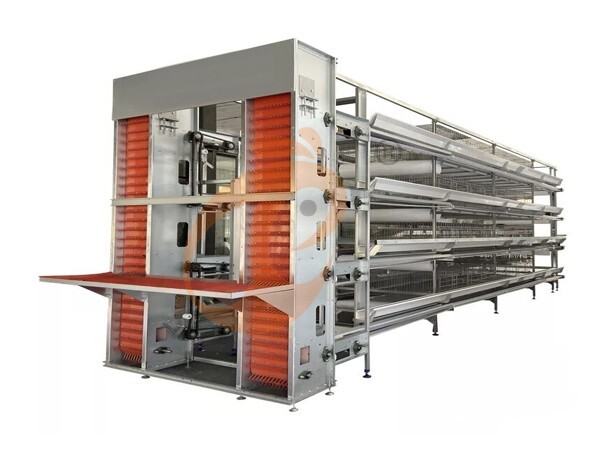
 >30,000 Pullets Automatic H Type Battery Cage1. More than 30,000 pullets a house, choose it.
2. It is designed to rearing older than 1 day old pullets to 12 to 16 weeks old chicken starting laying eggs.
3. Its lifespan is more than 25 years.
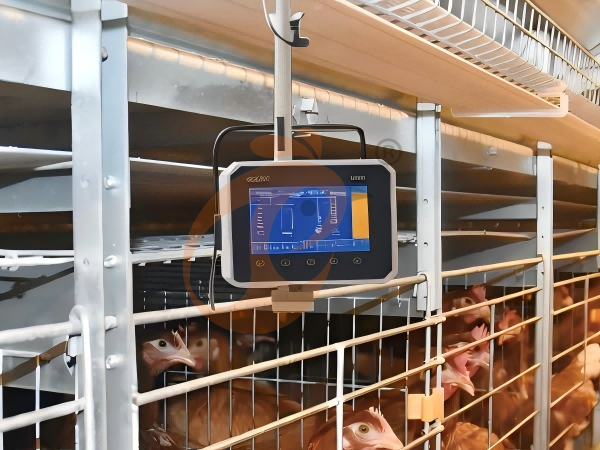
4. Its structure are Vcloud artificial intelligent fusion, electric control cabinet, automatic equipment of drinking, feeding, manure clean, manual harvesting.
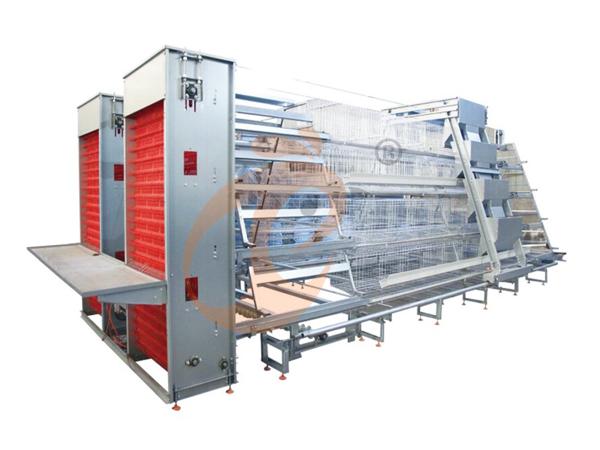
5. Our 24 hour online reception What’sApp NO. is +8618830120193 <30,000 Pullets Automatic A Type Battery Cage1. 10,000 to 30,000 pullets a house, choose it.
2. It is designed to rearing older than 1 day old pullets to 12 to 16 weeks old chicken starting laying eggs.
3. Its lifespan is more than 25 years.
4. Its structure are Vcloud artificial intelligent fusion, electric control cabinet, automatic equipment of drinking, feeding, manure clean, manual harvesting.
5. Our 24 hour online reception What’sApp NO. is +86 18830120193. >30,000 Broilers Semi-Automatic Harvest H Type Battery Cage1. More than 30,000 broilers a house, choose it.
2. It is designed to rearing 1 to 45 day old adult broiler ready for market.
3. Its lifespan is more than 20 years.
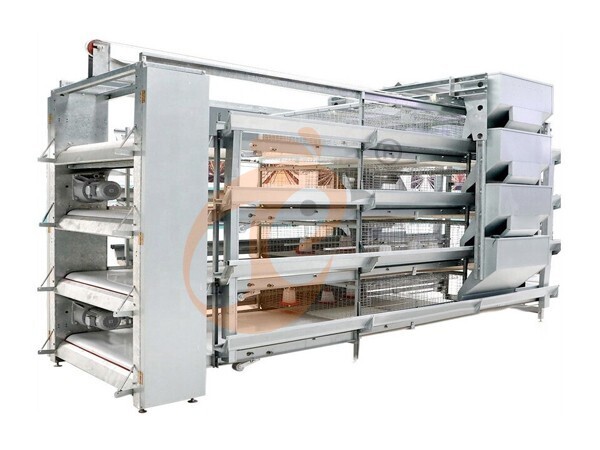
4. Our 24 hour online reception What’sApp NO. is +8618830120193, +234 8111199996. >30,000 Broilers Manual Harvest H Type Battery Cage1. More than 30,000 broilers a house, choose it.
2. It is designed to rearing 1 to 45 day old adult broiler ready for market.
3. Its lifespan is more than 20 years.
4. Its structure are Vcloud artificial intelligent fusion, electric control cabinet, automatic equipment of drinking, feeding and manure clean, manual harvesting.
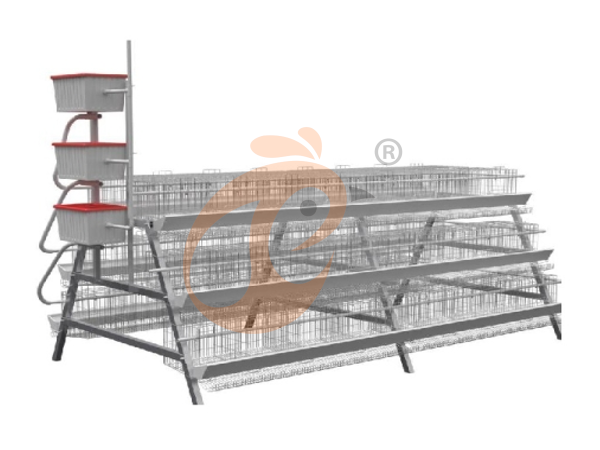
5. Our 24 hour online reception What’sApp NO. is +8618830120193, +234 8111199996. <30,000 Broilers Manual Harvest A Type Battery Cage1. Less 30,000 broilers a house, choose it.
2. It is designed to rearing 1 to 45 day old adult broiler ready for market.
3. Its lifespan is more than 20 years.
4. Its structure are Vcloud artificial intelligent fusion, electric control cabinet, automatic equipment of drinking, feeding and manure clean, manual harvesting.
5. Our 24 hour online reception What’sApp NO. is +8618830120193, +234 8111199996. HK Headquarter Offers EU-standard Poultry Farm Solutions, Manufacture Poultry Farm Equipment1. Continuous communication with the EU and the US
2. China, Nigeria, Ethiopia, Tanzania branch companies and factories
3. The products’ quality is customized for local poultry farms
4. Poultry cage and poultry farm equipment stock for sale
5. 24 online reception Whatsapp NO. : +8618830120193,contact us to get full information China Branch Offer Poultry Farm Business Plan, Manufacture Poultry Farm Equipment1. Address: Flat/RM 2416, 24/F, Runxing Building, Youyi Nan Street, Shijiazhuang City, Hebei Province, China
2. Poultry cage and poultry farm equipment factory and stock for sale
3. Customized for local poultry farms
4. Quality and design are based on Euro
5. 24 online reception Whatsapp NO. : +8618830120193 Nigeria Branch Offer Poultry Farm Business Plan, Manufacture Poultry Farm Equipment1. Address: After Sinoma Office, 200 Meters Near Danco Filling Station, Lagos/Ibadan Expressway, Lagos State, Nigeria
2. Poultry cage and poultry farm equipment factory and stock for sale
3. Customized for Nigerian poultry farms
4. Quality and design are based on Euro
5. 24 online reception Whatsapp NO. : +8618830120193 Ethiopia Branch Offer Poultry Farm Business Plan, Manufacture Poultry Farm Equipment1. Address: Gelan Gura, Akaki-kaliti Sub City, Addis Ababa, Ethiopia
2. Poultry cage and poultry farm equipment stock for sale
3. Customized for Ethiopian poultry farms
4. Quality and design are based on Euro
5. 24 online reception Whatsapp NO. : +8618830120193, contact us to get price list Tanzania Branch Offer Poultry Farm Business Plan, Manufacture Poultry Farm Equipment1. Address: No.8, Sova Road, Msufini, Mlandizi, Kibaha, Pwani, Tanzania
2. Poultry cage and poultry farm equipment factory and stock for sale
3. Customized for Tanzanian poultry farms
4. Quality and design are based on Euro
5. 24 online reception Whatsapp NO. : +8618830120193


Contact