


Blog
Deep litter poultry system profitability analysis spans infrastructure, feed science, labor dynamics, output yield, environmental control.
Deep litter poultry system profitability evaluation connects capital structure, biological efficiency, revenue diversification, operational risk, market pricing behavior.
Article explores housing engineering metrics, feed formulation design, manure monetization pathways, flock productivity indicators.
Discussion includes economic simulation models across small farm unit, scaled commercial operation, and urban micro production layout.
Coverage extends toward cost recovery timing, sustainability pressure factors, and long term poultry enterprise viability assessment.
Get professional poultry farm construction guidance, equipment selection solutions, and the latest price lists, whatsApp to +8618830120193, click to learn more:
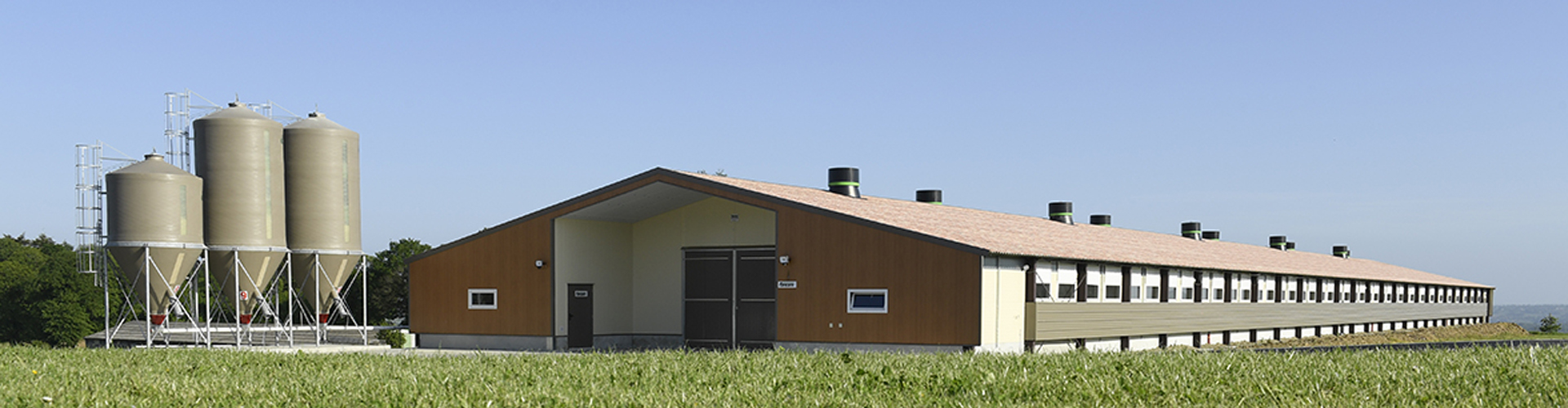
Capital Investment Structure For Poultry Housing
Deep litter poultry system profitability depends strongly on construction configuration and material specification balance.
Construction design influences airflow stability, sanitation efficiency, and flock density accommodation capability.
Data is for reference only.Swipe horizontally to view full table.
Feed Composition And Nutrient Design
Feed formulation represents major determinant of deep litter poultry system profitability structure.
Energy density balance and amino acid profile alignment directly affect flock conversion efficiency.
Data is for reference only.Swipe horizontally to view full table.
Search term relevance: deep litter poultry system profitability
Labor Allocation And Operational Workflow
Operational labor structure significantly affects deep litter poultry system profitability margins.
Task distribution efficiency reduces overhead pressure across daily production cycle.
Data is for reference only.Swipe horizontally to view full table.
Production Output Performance Metrics
Biological productivity directly defines deep litter poultry system profitability ceiling.
Genetic strain selection and nutrition consistency influence cycle yield stability.
Data is for reference only.Swipe horizontally to view full table.
Bedding System Management And Microclimate Control
Deep litter environment regulation supports disease suppression and ammonia stabilization.
Organic bedding decomposition rate determines hygiene consistency across production cycle.
Data is for reference only.Swipe horizontally to view full table.
Search term relevance: deep litter poultry system profitability
Revenue Streams And Financial Return Structure
Income diversification improves deep litter poultry system profitability resilience against market fluctuations.
Egg sales, manure processing, and byproduct utilization contribute combined cash flow structure.
Data is for reference only.Swipe horizontally to view full table.
European union standard reference only.
Environmental Emission And Waste Index
Environmental load influences long term compliance feasibility for poultry enterprises.
Emission control performance affects licensing stability and expansion feasibility.
Data is for reference only.Swipe horizontally to view full table.
Profitability Simulation Scenarios
Financial structure varies under scaling intensity and management discipline levels.
Capital recovery speed depends on feed efficiency and mortality control stability.
Data is for reference only.Swipe horizontally to view full table.
Search term relevance: deep litter poultry system profitability
Risk Exposure And System Stability Factors
Disease pressure increases significantly when stocking density reaches 7.8 birds per square meter, raising infection transmission probability in enclosed flock environments.
Feed price variability recorded around 0.14 USD per kilogram grain equivalent creates unstable cost distribution across full production cycles.
Humidity imbalance emerges when litter moisture retention exceeds 2,950 liters per cycle, accelerating bacterial proliferation and ammonia formation.
Ventilation inefficiency below 4.2 air exchanges per hour leads to measurable gas accumulation and reduced respiratory performance in birds.
Mitigation strategy includes vaccination scheduling, continuous litter temperature monitoring at 29.4°C threshold, and structured procurement agreements for feed materials.
Frequently Asked Questions
Q1: What level of feed efficiency supports stable profitability?
Feed conversion below 2.5 FCR maintains stable margin structure.
Energy density around 12 MJ/kg supports consistent egg output near 280 units per cycle.
Q2: How often bedding replacement required in deep litter system?
Replacement interval typically 110 to 120 days depending on humidity load.
Moisture above 60 percent accelerates decomposition and reduces hygiene stability.
Q3: Can small scale unit achieve commercial return?
Small unit with 500 birds may reach 10,000 USD annual net return.
Mortality control under 9 percent improves payback speed significantly.
Taiyu (HK) Group - One Of China Largest Deep Litter Poultry System Manufacturer
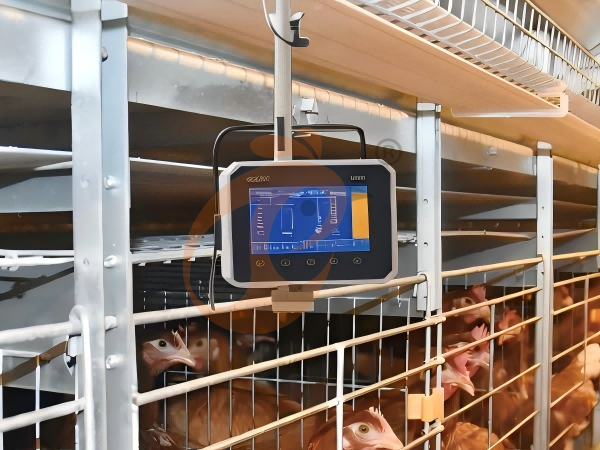
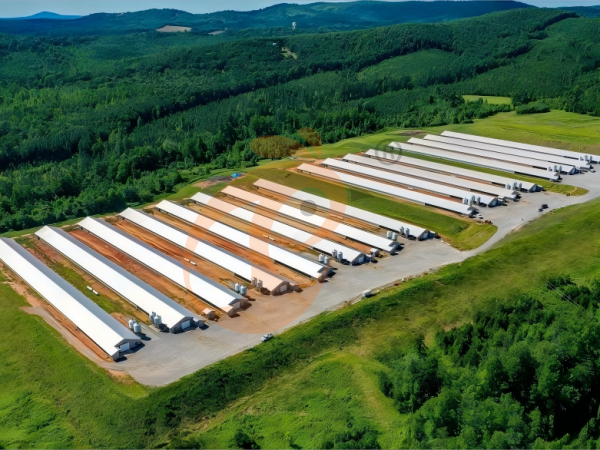
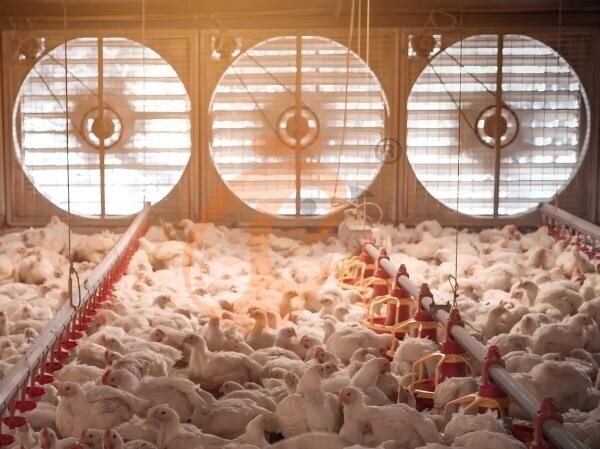
Deep litter poultry system integrated engineering solution applied in commercial poultry housing, supporting automated feeding layout, ventilation balance, and manure recycling structure design.
Global factory direct supply chain ensures standardized poultry equipment production with modular installation compatibility across different farm scales.
Turn-key engineering service covers design, fabrication, on-site assembly, and operational commissioning for poultry farming projects.
Industrial grade poultry equipment portfolio includes cage alternative systems, environmental control units, and litter management machinery sets.
Export oriented manufacturing model supports bulk delivery, technical documentation support, and cross-border installation guidance services.
Contact Us To Received Your Customized Poultry Farm Plan
Headquarters And Branchs
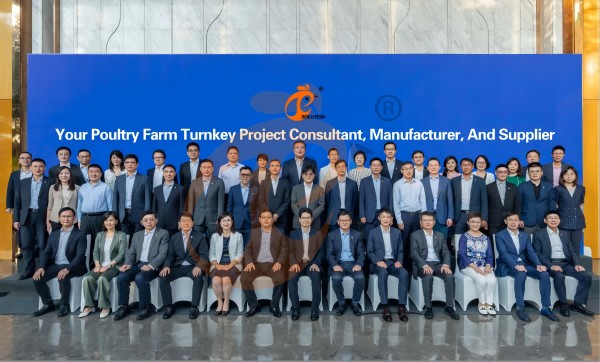
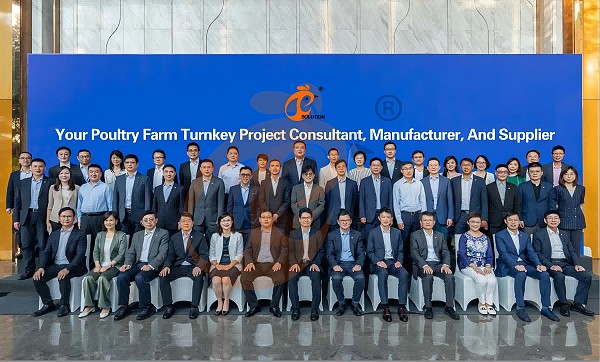
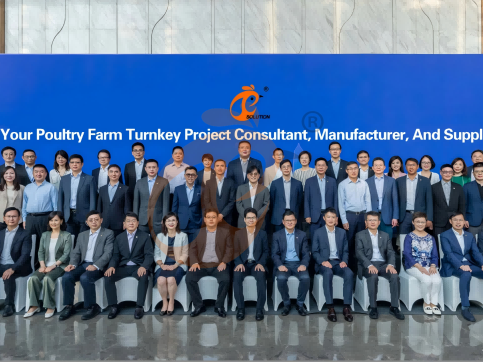
Hong Kong Headquarter Management Team
Hong Kong Headquarter Taiyu Industrial Group CO., LTD
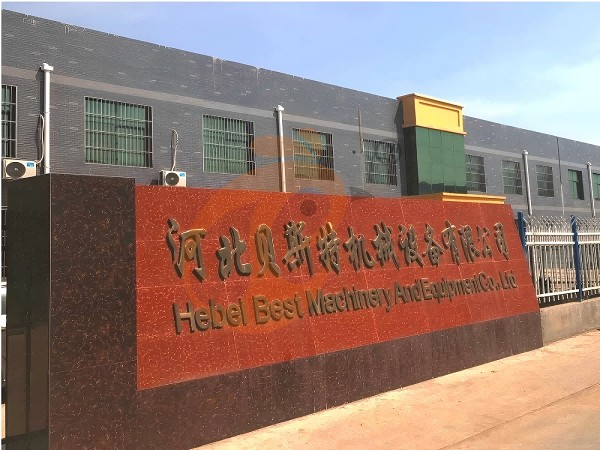
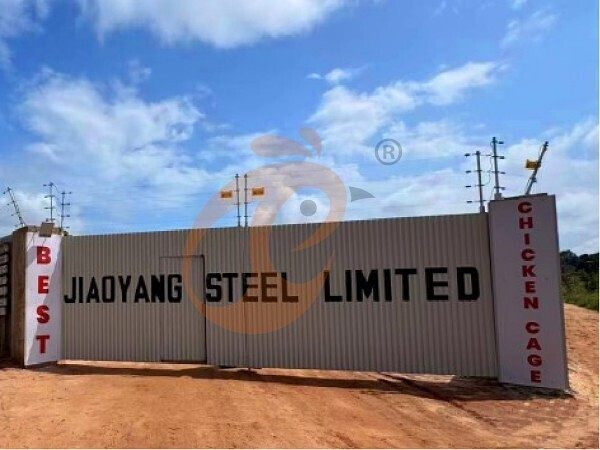
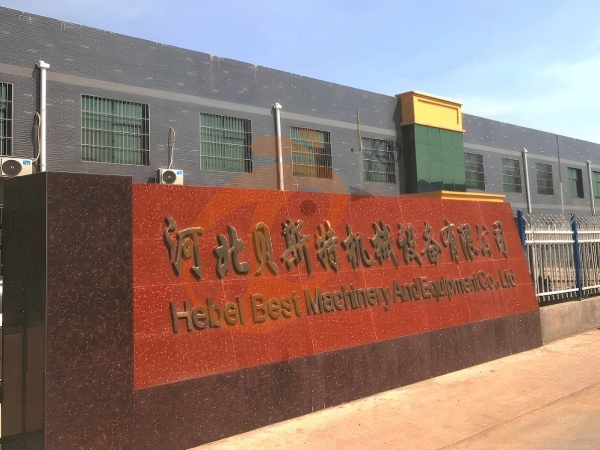
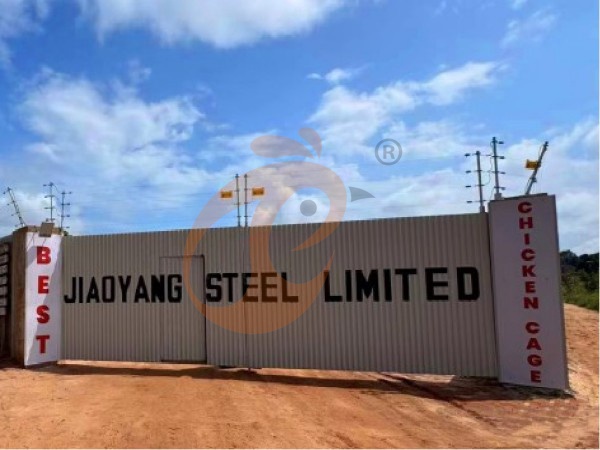
China Hebei Best Machinery And Equipment CO., LTD
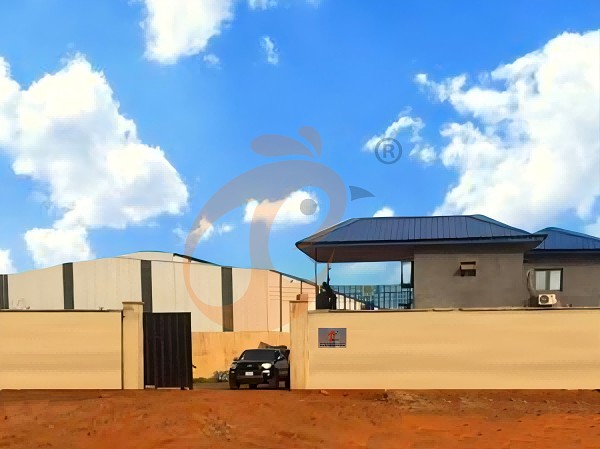
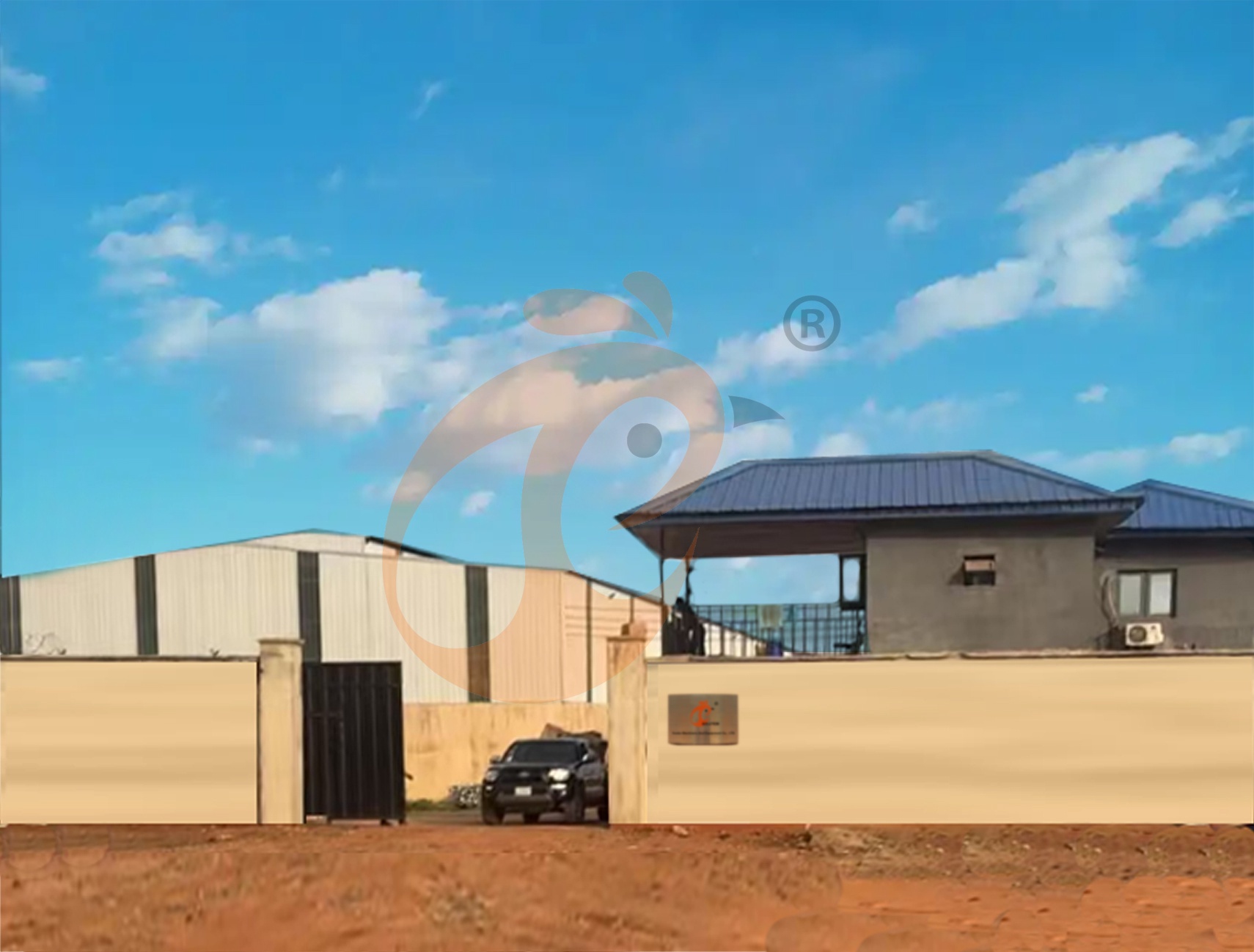
Nigeria Vanke Machinery And Equipment CO., LTD
Tanzania Best Machinery And Equipment CO., LTD
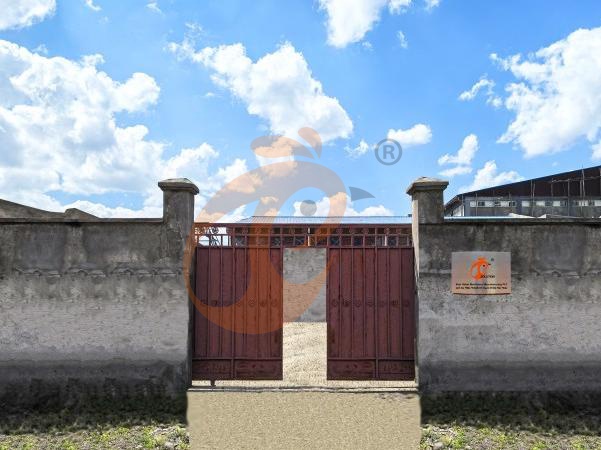
Ethiopia Best Hebei Machinery Manufacturing PLC

Reception /24 WhatsApp NO. : +8618830120193
FAQ
Message
Products recommended
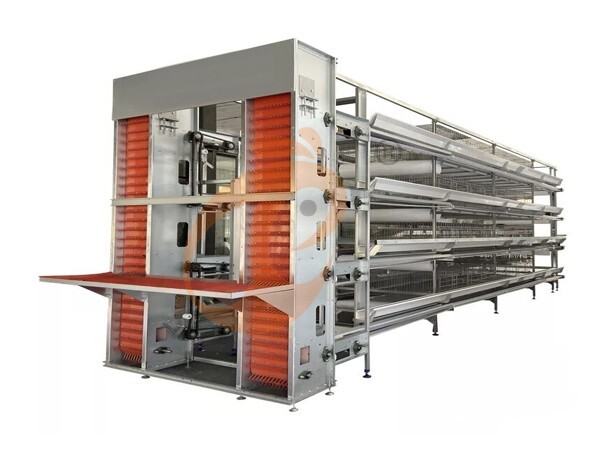
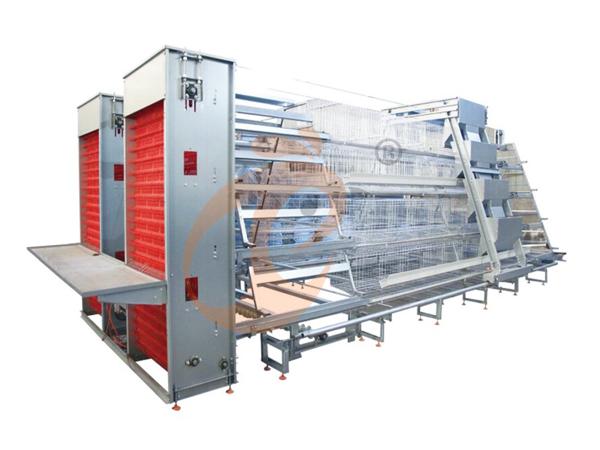
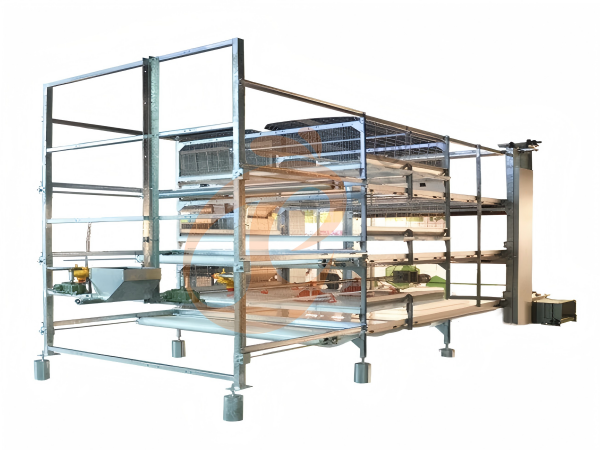
 >30,000 Pullets Automatic H Type Battery Cage1. More than 30,000 pullets a house, choose it.
2. It is designed to rearing older than 1 day old pullets to 12 to 16 weeks old chicken starting laying eggs.
3. Its lifespan is more than 25 years.
4. Its structure are Vcloud artificial intelligent fusion, electric control cabinet, automatic equipment of drinking, feeding, manure clean, manual harvesting.
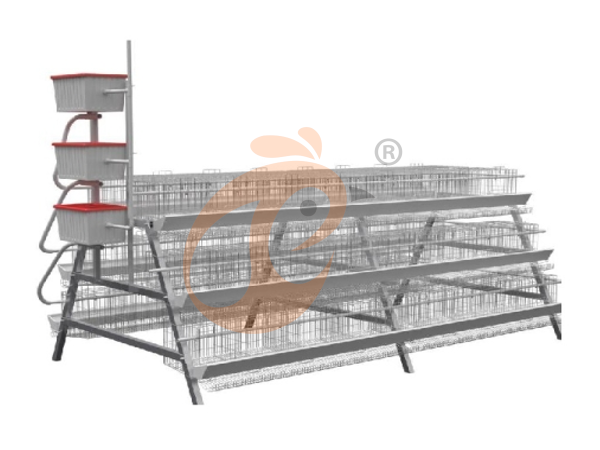
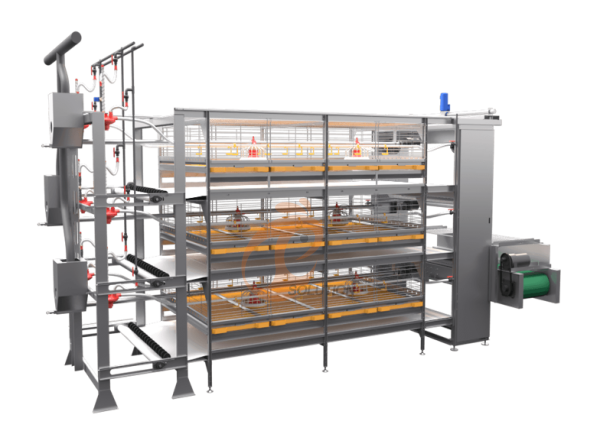
5. Our 24 hour online reception What’sApp NO. is +8618830120193 <30,000 Pullets Automatic A Type Battery Cage1. 10,000 to 30,000 pullets a house, choose it.
2. It is designed to rearing older than 1 day old pullets to 12 to 16 weeks old chicken starting laying eggs.
3. Its lifespan is more than 25 years.
4. Its structure are Vcloud artificial intelligent fusion, electric control cabinet, automatic equipment of drinking, feeding, manure clean, manual harvesting.
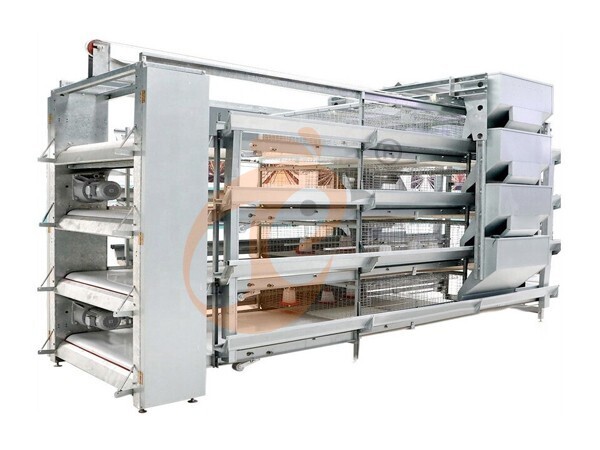
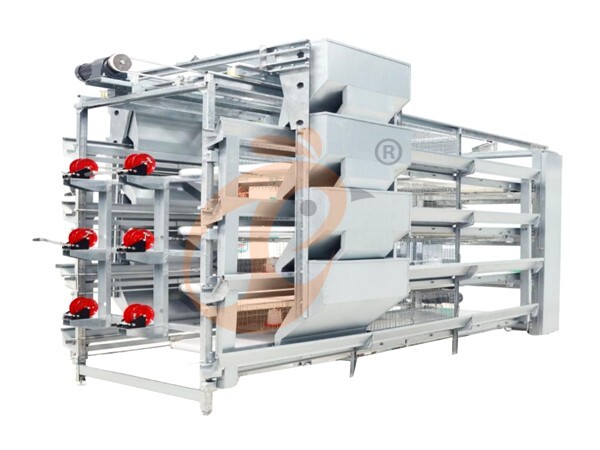
5. Our 24 hour online reception What’sApp NO. is +86 18830120193. >30,000 Broilers Semi-Automatic Harvest H Type Battery Cage1. More than 30,000 broilers a house, choose it.
2. It is designed to rearing 1 to 45 day old adult broiler ready for market.
3. Its lifespan is more than 20 years.
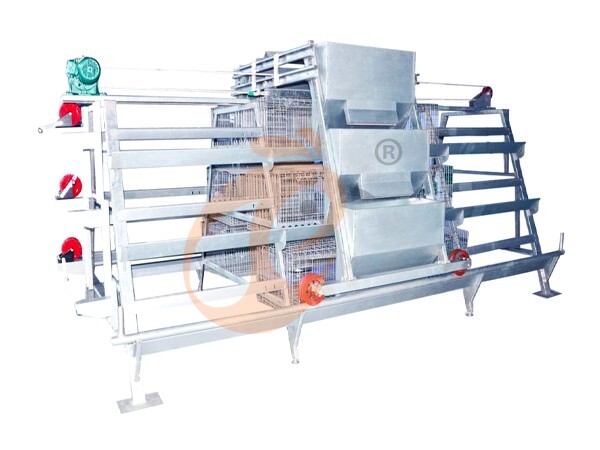
4. Our 24 hour online reception What’sApp NO. is +8618830120193, +234 8111199996. >30,000 Broilers Manual Harvest H Type Battery Cage1. More than 30,000 broilers a house, choose it.
2. It is designed to rearing 1 to 45 day old adult broiler ready for market.
3. Its lifespan is more than 20 years.
4. Its structure are Vcloud artificial intelligent fusion, electric control cabinet, automatic equipment of drinking, feeding and manure clean, manual harvesting.
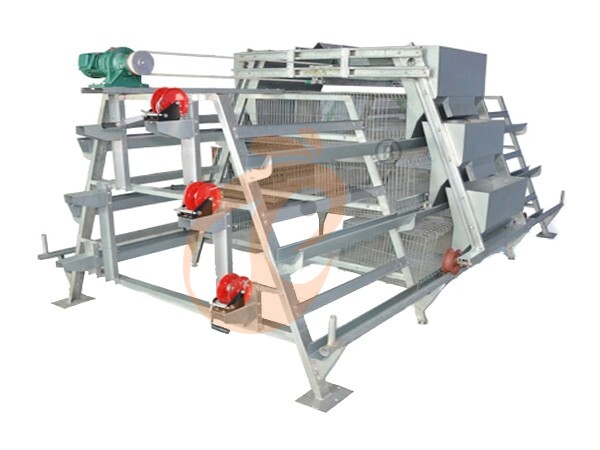
5. Our 24 hour online reception What’sApp NO. is +8618830120193, +234 8111199996. <30,000 Broilers Manual Harvest A Type Battery Cage1. Less 30,000 broilers a house, choose it.
2. It is designed to rearing 1 to 45 day old adult broiler ready for market.
3. Its lifespan is more than 20 years.
4. Its structure are Vcloud artificial intelligent fusion, electric control cabinet, automatic equipment of drinking, feeding and manure clean, manual harvesting.
5. Our 24 hour online reception What’sApp NO. is +8618830120193, +234 8111199996. HK Headquarter Offers EU-standard Poultry Farm Solutions, Manufacture Poultry Farm Equipment1. Continuous communication with the EU and the US
2. China, Nigeria, Ethiopia, Tanzania branch companies and factories
3. The products’ quality is customized for local poultry farms
4. Poultry cage and poultry farm equipment stock for sale
5. 24 online reception Whatsapp NO. : +8618830120193,contact us to get full information China Branch Offer Poultry Farm Business Plan, Manufacture Poultry Farm Equipment1. Address: Flat/RM 2416, 24/F, Runxing Building, Youyi Nan Street, Shijiazhuang City, Hebei Province, China
2. Poultry cage and poultry farm equipment factory and stock for sale
3. Customized for local poultry farms
4. Quality and design are based on Euro
5. 24 online reception Whatsapp NO. : +8618830120193 Nigeria Branch Offer Poultry Farm Business Plan, Manufacture Poultry Farm Equipment1. Address: After Sinoma Office, 200 Meters Near Danco Filling Station, Lagos/Ibadan Expressway, Lagos State, Nigeria
2. Poultry cage and poultry farm equipment factory and stock for sale
3. Customized for Nigerian poultry farms
4. Quality and design are based on Euro
5. 24 online reception Whatsapp NO. : +8618830120193 Ethiopia Branch Offer Poultry Farm Business Plan, Manufacture Poultry Farm Equipment1. Address: Gelan Gura, Akaki-kaliti Sub City, Addis Ababa, Ethiopia
2. Poultry cage and poultry farm equipment stock for sale
3. Customized for Ethiopian poultry farms
4. Quality and design are based on Euro
5. 24 online reception Whatsapp NO. : +8618830120193, contact us to get price list Tanzania Branch Offer Poultry Farm Business Plan, Manufacture Poultry Farm Equipment1. Address: No.8, Sova Road, Msufini, Mlandizi, Kibaha, Pwani, Tanzania
2. Poultry cage and poultry farm equipment factory and stock for sale
3. Customized for Tanzanian poultry farms
4. Quality and design are based on Euro
5. 24 online reception Whatsapp NO. : +8618830120193



Contact