


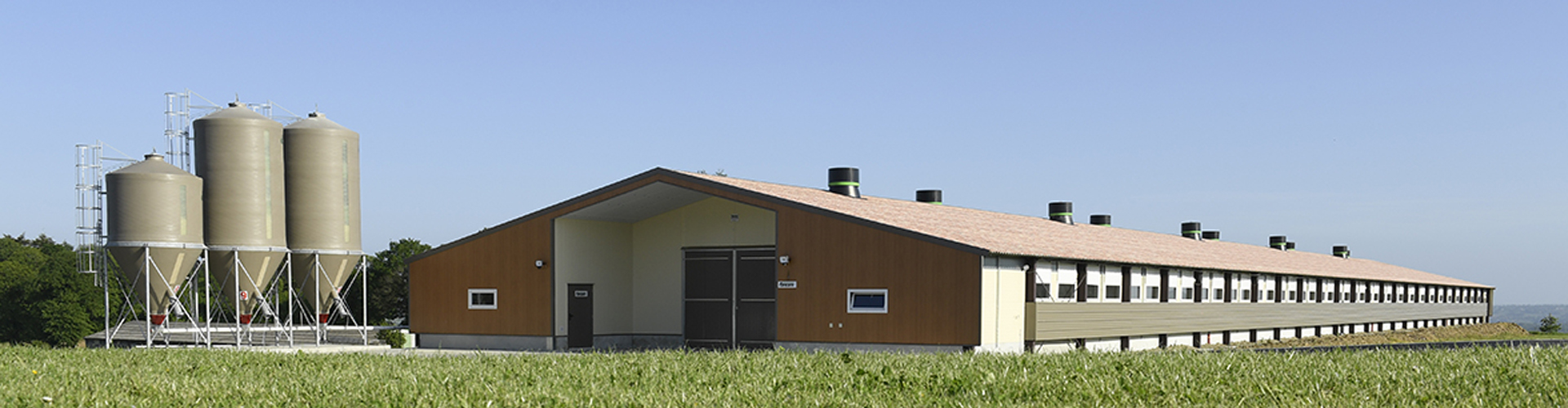
Blog
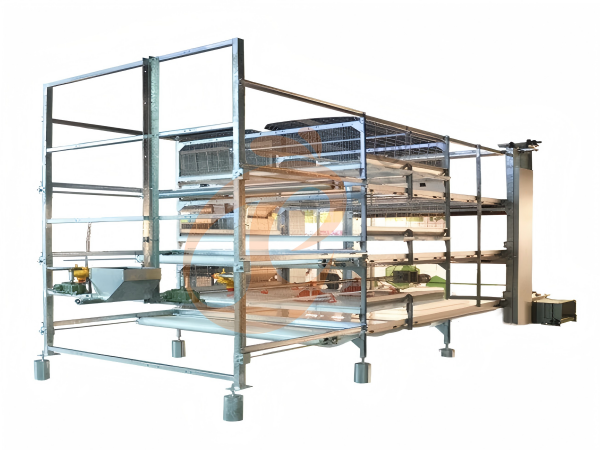
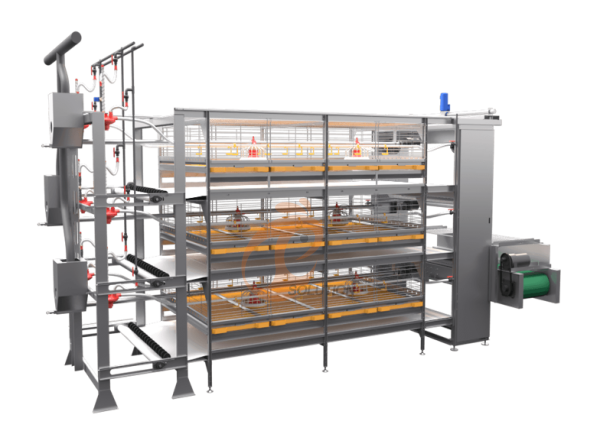
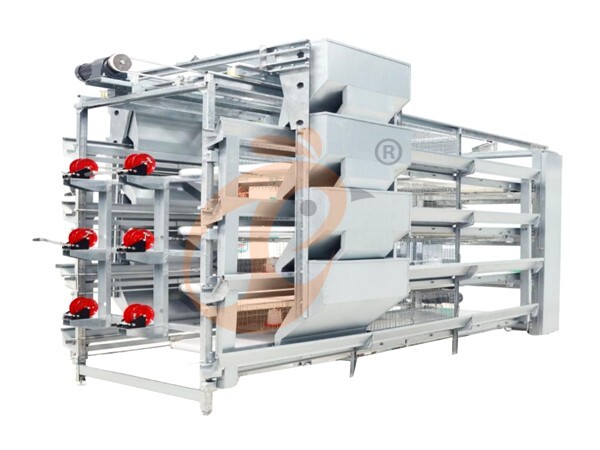
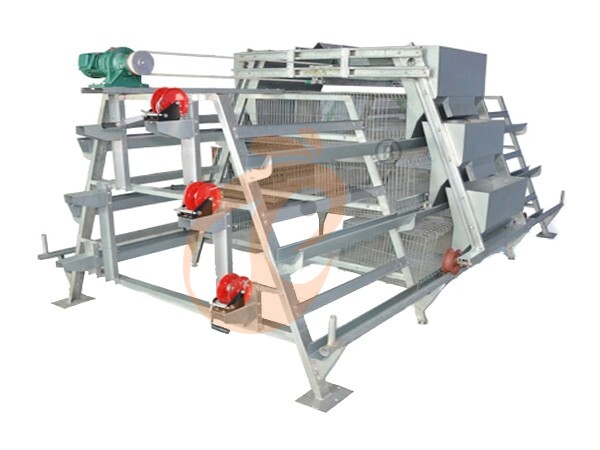
Pralson feeders provide modern poultry farms with automated feeding solutions designed to reduce repetitive labor and improve chicken house efficiency with 24-hour operational stability.
Semi-automatic feeding systems integrate mechanical delivery structures, supporting commercial farms with 95% feeding consistency and optimized daily management.
Manual and semi-automatic equipment comparison reveals differences in labor allocation, maintenance requirements, expansion capability, and investment planning.
Professional chicken house equipment solutions combine reliable components, customized installation, and practical farm engineering for global poultry projects.
Advanced feeding technology creates measurable value through controlled feed distribution, reduced workforce pressure, and scalable poultry production systems.
Get professional poultry farm construction guidance, equipment selection solutions, and the latest price lists, whatsApp to +8618830120193, click to learn more:
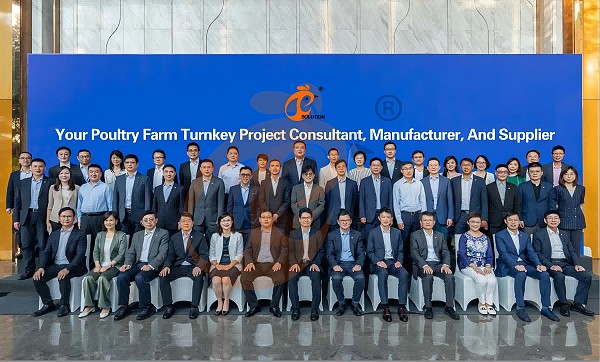
Transforming Poultry Feeding With Professional Equipment Solutions
Modern poultry production requires equipment that can support continuous operation, stable feeding schedules, and efficient labor management.
Pralson feeders are designed as a practical solution for farms upgrading from manual feeding methods to mechanical feeding processes.
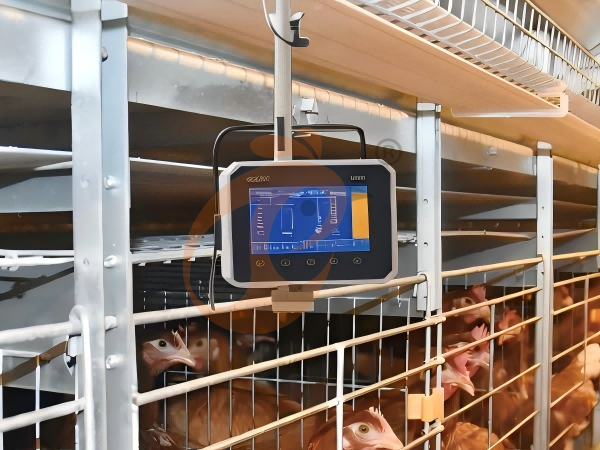
A professional chicken house feeding system can combine feed transportation, distribution control, and equipment monitoring into one integrated structure.
Modern automatic poultry feeding equipment commonly uses motors, conveyors, and controlled delivery systems to improve feed management efficiency and reduce manual handling requirements.
Equipment Upgrade Direction
Manual feeding → labor-dependent operation
- Semi-automatic pralson feeder → mechanical feeding assistance
- Integrated poultry equipment → complete farm management solution
Commercial farms selecting feeding equipment usually consider installation structure, service life, and future expansion requirements.
A customized feeding solution with IP65 motor protection design and 220V power compatibility can support different poultry house environments while maintaining stable operation.
Manual Pralson Feeder Operation Characteristics
Manual pralson feeder systems rely on workers to complete feed loading, transportation, distribution, and inspection.
Small poultry houses may continue using manual feeding because of simple operation requirements and limited equipment investment.
However, increasing bird numbers create additional labor pressure because workers must repeat feeding procedures throughout every production cycle.
Manual Feeding Challenges
Continuous human involvement
- Repeated feed transportation work
- Limited production expansion flexibility
Traditional feeding operations may require 6 daily inspection rounds and 45-minute preparation procedures, creating additional management workload for commercial poultry farms.
For farms planning expansion, upgrading to a professional poultry feeding equipment system can improve workflow organization and reduce unnecessary labor consumption.
Semi-Automatic Pralson Feeder Working Principle
Semi-automatic pralson feeders combine operator supervision with mechanical feed transportation technology.
The system allows workers to manage feeding schedules while equipment performs repeated feed movement tasks.
A well-designed semi-automatic poultry feeder provides stable delivery performance through coordinated motors, transmission components, and feed control structures.
Modern feeding systems are widely adopted because they support accurate distribution, lower feed waste, and improved production planning.
Data is for reference only.Swipe horizontally to view full table.
A factory-engineered pralson feeder solution can be configured according to chicken house length, flock capacity, and feeding management requirements.
The equipment structure supports 24-hour standby capability and 30-meter customized line adjustment, helping farms achieve flexible installation planning.
Labor Requirement Comparison Between Two Systems
Labor optimization remains a primary reason poultry farms upgrade feeding equipment.
Manual feeding requires workers to repeatedly transport feed materials, while semi-automatic systems transfer many physical tasks into controlled mechanical operation.
A professional poultry equipment manufacturer focuses on reducing labor dependence through efficient feeding design and reliable components.
Data is for reference only.Swipe horizontally to view full table.
Semi-automatic pralson feeders allow farms to redirect workers toward flock monitoring, equipment inspection, and production management.
Advanced installation projects can include 12-month operation planning and 98% equipment availability targets for commercial poultry production environments.
Feed Distribution Efficiency And Labor Influence
Feed distribution quality directly affects poultry production efficiency, flock uniformity, and daily management workload.
Semi-automatic pralson feeders provide controlled feed delivery through mechanical operation, helping farms reduce repeated adjustment work and maintain stable feeding schedules.
Professional poultry equipment manufacturers focus on combining feeder structure design, transmission reliability, and practical installation methods to create complete feeding solutions for commercial chicken houses.
Automatic feeding systems are widely recognized for reducing manual feeding pressure and improving feed distribution consistency in large-scale poultry operations.
A modern poultry feeding project can integrate 16-hour scheduled operation cycles and 7-level feed adjustment options to support different production stages.
Data is for reference only.Swipe horizontally to view full table.
Maintenance Requirements And Workforce Impact
Selecting a pralson feeder supplier requires evaluating not only equipment performance but also maintenance convenience.
A reliable poultry equipment system should provide accessible components, standardized replacement parts, and practical operation procedures.
Semi-automatic feeding equipment changes worker responsibilities from physical feed handling toward equipment supervision and production management.
Factory-designed systems can include 35-minute maintenance windows and 90-day spare part preparation plans to support continuous farm operation.
Data is for reference only.Swipe horizontally to view full table.
Economic Analysis Of Labor Savings
Investment decisions for poultry equipment should consider long-term operational value instead of only initial purchasing cost.
Semi-automatic pralson feeders create economic advantages by reducing repetitive labor requirements and improving feeding workflow efficiency.
Commercial farms usually evaluate automation based on production scale, labor availability, and future expansion planning.
Automatic feeding solutions can reduce workforce requirements while improving feed management accuracy, making them an important investment direction for modern poultry farms.
Data is for reference only.Swipe horizontally to view full table.
European union standard reference only.
A professional pralson feeder manufacturer can provide complete project support including equipment selection, farm layout planning, installation guidance, and technical service.
The equipment solution can support 3 production expansion phases and 15-year structural design evaluation, helping investors improve long-term project planning.
Scalability Differences Between Feeding Methods
Poultry farms require feeding systems that can adapt to production growth.
Manual feeding methods usually require additional workers when flock capacity increases, while semi-automatic Pralson Feeders provide modular expansion possibilities.
A scalable poultry equipment design allows farms to extend feeding lines, adjust layouts, and upgrade production capacity without replacing the entire system.
Professional engineering teams can design feeding solutions according to building dimensions, bird quantity, and operational targets.
Equipment planning may include 45-meter house layout optimization and 8-stage installation evaluation procedures for large poultry projects.
Data is for reference only.Swipe horizontally to view full table.
Worker Safety And Daily Management
Reducing physical workload has become an important target for modern chicken house equipment projects.
Manual feeding requires workers to repeatedly transport feed materials, creating additional physical pressure during daily operation.
Semi-automatic pralson feeders transfer heavy handling tasks into mechanical processes, allowing farm teams to focus on flock observation and equipment management.
Professional equipment design supports safer working environments through organized feeding routes and simplified operation procedures.
A complete feeding solution can provide 28-minute operator training sessions and 4-step daily checking procedures for easier farm management.
Environmental And Operational Advantages
Feeding equipment influences chicken house cleanliness, feed utilization, and overall production stability.
Semi-automatic pralson feeders help create organized feeding environments through controlled feed movement and scheduled distribution.
Modern poultry equipment projects often combine feeding systems with ventilation, environmental control, and farm automation solutions to improve overall production performance.
Data is for reference only.Swipe horizontally to view full table.
Final Comparison: Which System Saves More Labor?
Labor reduction remains the main purchasing motivation for farms comparing manual and semi-automatic feeding methods.
Manual pralson feeders provide simple operation for small-scale farms, while semi-automatic pralson feeders provide stronger commercial value through mechanical assistance.
Semi-Automatic Feeder Advantages
Reduced dependence on manual operation
- More consistent feeding schedules
- Better support for farm expansion
A professional poultry equipment supplier provides not only feeder products but also complete engineering solutions for modern chicken house development.
Semi-automatic feeding technology is becoming an important upgrade choice for farms seeking improved efficiency and stable production management.
Semi-Automatic Pralson Feeders Provide Greater Labor Efficiency
Semi-automatic pralson feeders represent a practical direction for poultry farms upgrading their feeding management systems.
Mechanical feeding structures reduce repetitive human tasks while improving operational consistency.
For commercial chicken house projects, equipment selection should focus on reliability, scalability, maintenance convenience, and long-term economic value.
A professionally engineered pralson feeder system can support farms with stable feeding performance, optimized workforce planning, and future production expansion.
Modern poultry equipment investment is not only an equipment purchase but also an improvement in farm management capability.
Frequently Asked Questions
Q1: What is the main difference between manual and semi-automatic pralson feeders?
Manual pralson feeders require workers to complete most feeding activities, while semi-automatic systems use mechanical delivery components to reduce repeated labor operations.
Many commercial projects combine semi-automatic feeding with approximately 10-hour daily management schedules.
Q2: How much labor can semi-automatic pralson feeders reduce?
Labor reduction depends on farm size, layout, and management methods.
Large poultry houses can significantly reduce feeding-related workload because one operator can supervise multiple feeding sections with proper equipment configuration.
Q3: Are semi-automatic pralson feeders suitable for large chicken farms?
Yes, semi-automatic pralson feeders are designed for scalable poultry production environments.
Systems can be customized with different feeding line lengths, installation structures, and control configurations according to project requirements.
Taiyu (HK) Group - One Of China Biggest Pralson Feeders Manufacturer
Pralson feeders are engineered poultry feeding systems integrating mechanical delivery structures, stable transmission components, and commercial chicken house application designs.
Global factory direct supply provides poultry equipment solutions with manufacturing control, technical support, and international project experience.
Turn-key engineering services cover poultry house planning, equipment installation, system commissioning, and production optimization.
Complete poultry equipment packages include feeding systems, housing solutions, environmental equipment, and farm automation components.
International project cooperation delivers customized solutions for different climates, farm capacities, and commercial production requirements.
Contact Us To Received Your Customized Poultry Farm Plan
Headquarters And Branchs
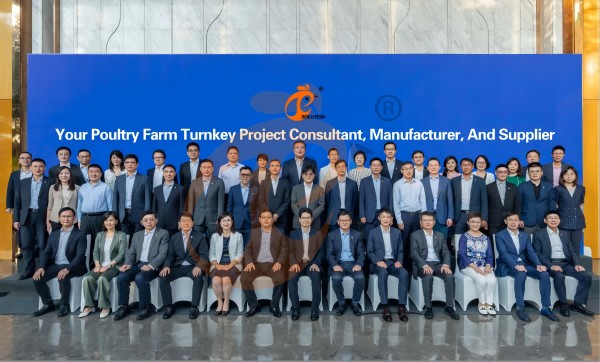
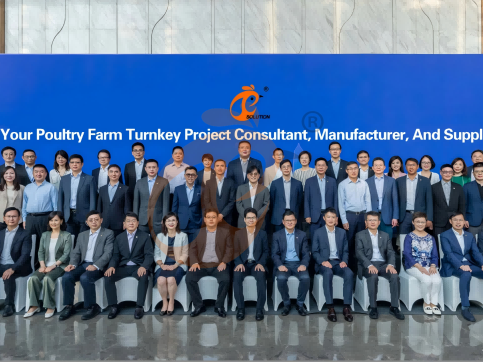
Hong Kong Headquarter Management Team
Hong Kong Headquarter Taiyu Industrial Group CO., LTD
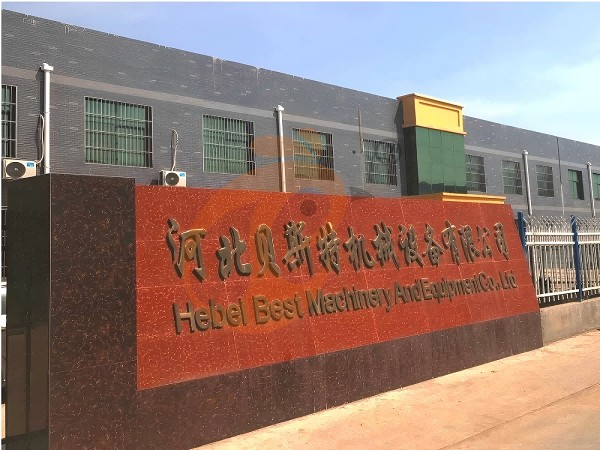
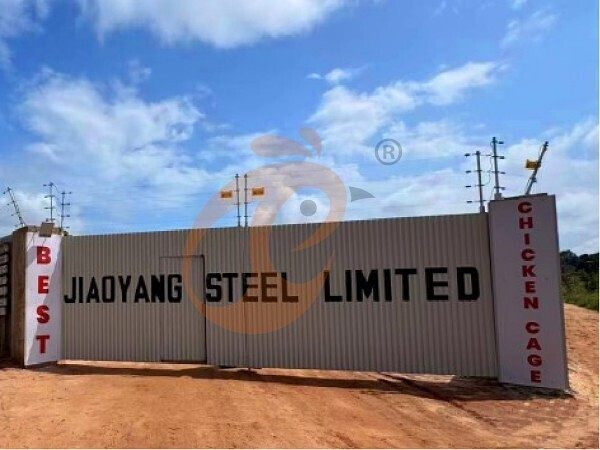
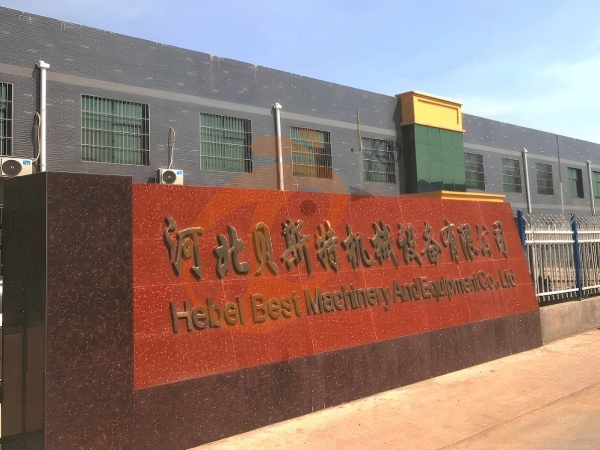
China Hebei Best Machinery And Equipment CO., LTD
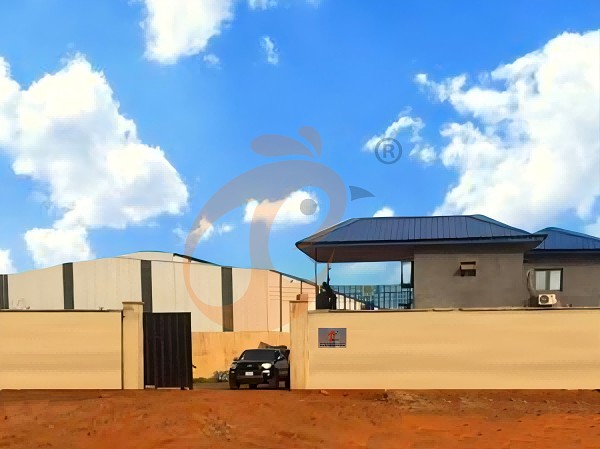
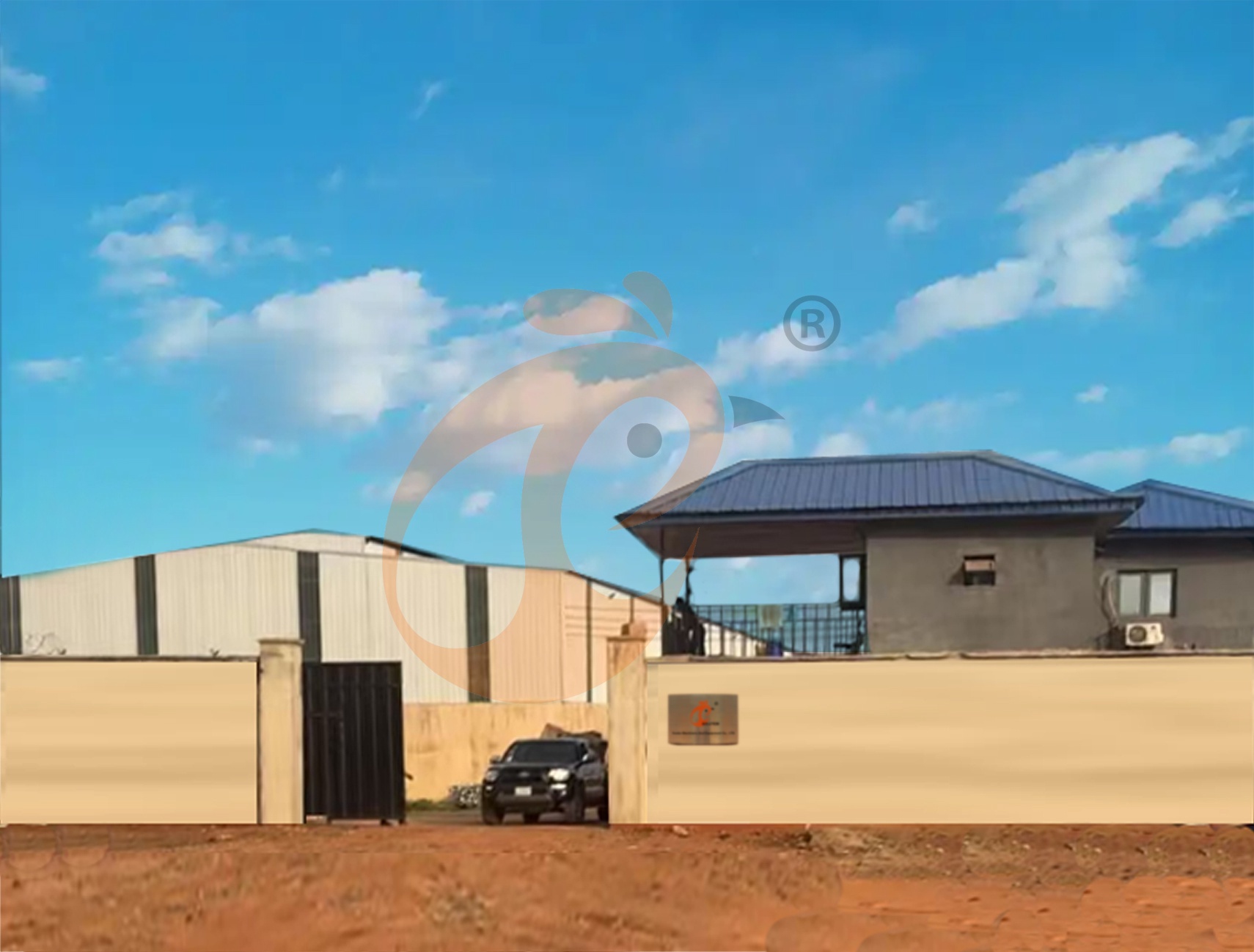
Nigeria Vanke Machinery And Equipment CO., LTD
Tanzania Best Machinery And Equipment CO., LTD
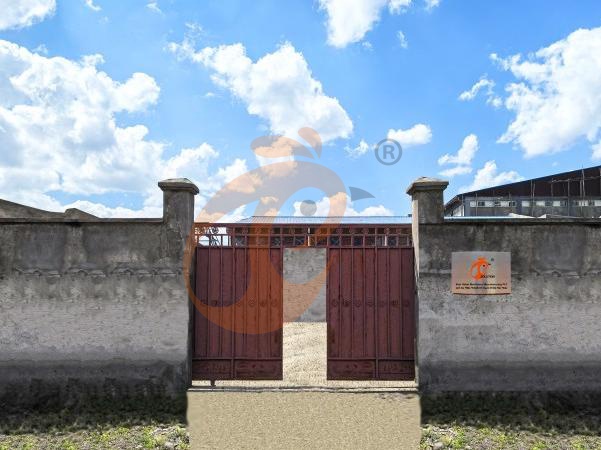
Ethiopia Best Hebei Machinery Manufacturing PLC

Reception /24 WhatsApp NO. : +8618830120193
FAQ
What Are The Water Filtration Requirements For Plasson Poultry Equipment?
Suspended solid concentration is controlled below 40 mg per liter for system stability.
Backwash flow rate reaches 1.5–2.0 m³ per hour for effective filter regeneration.
What Are The Pipeline Dimension Standards In Plasson Poultry Equipment?
Branch lines operate with 16–20 mm diameter for balanced pressure across drinking points.
Maximum pipeline length per zone reaches 80–120 meters without pressure loss impact.
What Are The Bird Age Adaptation Settings In Plasson Poultry Equipment
Water flow sensitivity is adjusted to 60–100 ml per minute for different age groups.
Bird access spacing is optimized at 8–15 birds per nipple depending on growth phase.
- poultry farm
- poultry farms
- chicken farm
- chicken house
- poultry house
- cage
- poultry farm construction
- chicken house design
- poultry feeding system
- poultry feeding equipment
- automatic feeding system
- automatic poultry feeding equipment
- poultry equipment
- chickencage
- bestchickencage
- Nigeria
- modern poultry farms
- commercial poultry farms
- poultry equipment supplier
- modern chicken house
- poultry equipment manufacturer
- chicken house equipment
- automatic poultry feeder
- modern poultry farm
- chicken house efficiency
- poultry farm plan
- poultry house planning
- chicken house feeding system
- poultry feed
- Ethiopia
Message
Products recommended
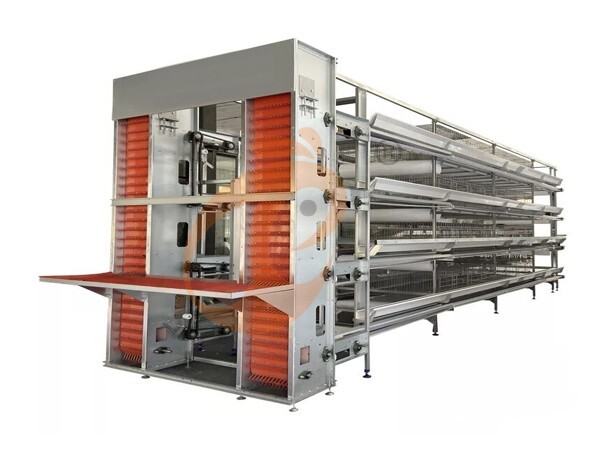
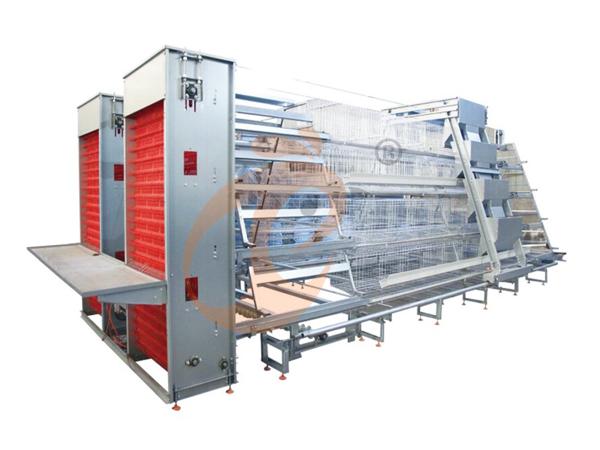
 >30,000 Pullets Automatic H Type Battery Cage1. More than 30,000 pullets a house, choose it.
2. It is designed to rearing older than 1 day old pullets to 12 to 16 weeks old chicken starting laying eggs.
3. Its lifespan is more than 25 years.
4. Its structure are Vcloud artificial intelligent fusion, electric control cabinet, automatic equipment of drinking, feeding, manure clean, manual harvesting.
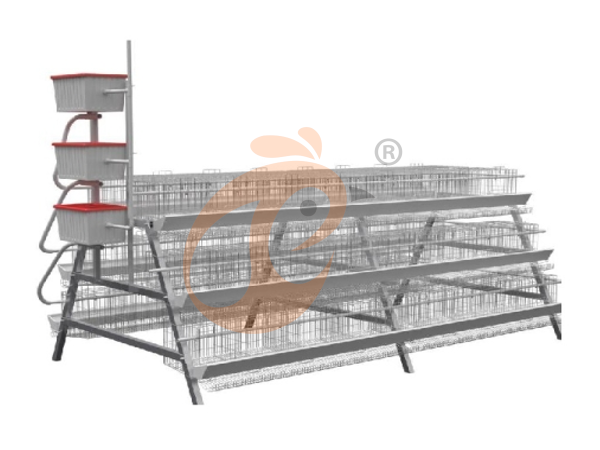
5. Our 24 hour online reception What’sApp NO. is +8618830120193 <30,000 Pullets Automatic A Type Battery Cage1. 10,000 to 30,000 pullets a house, choose it.
2. It is designed to rearing older than 1 day old pullets to 12 to 16 weeks old chicken starting laying eggs.
3. Its lifespan is more than 25 years.
4. Its structure are Vcloud artificial intelligent fusion, electric control cabinet, automatic equipment of drinking, feeding, manure clean, manual harvesting.
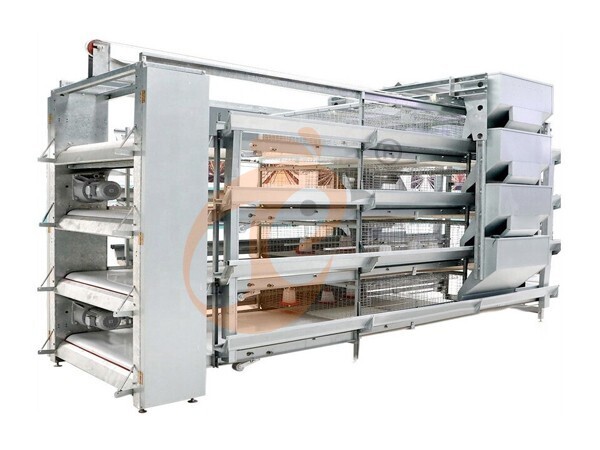
5. Our 24 hour online reception What’sApp NO. is +86 18830120193. >30,000 Broilers Semi-Automatic Harvest H Type Battery Cage1. More than 30,000 broilers a house, choose it.
2. It is designed to rearing 1 to 45 day old adult broiler ready for market.
3. Its lifespan is more than 20 years.
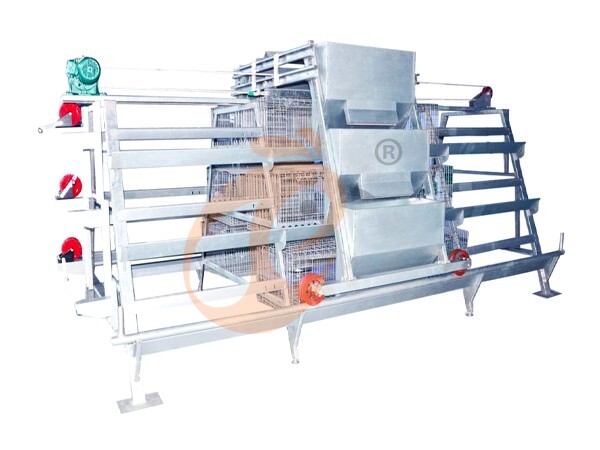
4. Our 24 hour online reception What’sApp NO. is +8618830120193, +234 8111199996. >30,000 Broilers Manual Harvest H Type Battery Cage1. More than 30,000 broilers a house, choose it.
2. It is designed to rearing 1 to 45 day old adult broiler ready for market.
3. Its lifespan is more than 20 years.
4. Its structure are Vcloud artificial intelligent fusion, electric control cabinet, automatic equipment of drinking, feeding and manure clean, manual harvesting.
5. Our 24 hour online reception What’sApp NO. is +8618830120193, +234 8111199996. <30,000 Broilers Manual Harvest A Type Battery Cage1. Less 30,000 broilers a house, choose it.
2. It is designed to rearing 1 to 45 day old adult broiler ready for market.
3. Its lifespan is more than 20 years.
4. Its structure are Vcloud artificial intelligent fusion, electric control cabinet, automatic equipment of drinking, feeding and manure clean, manual harvesting.
5. Our 24 hour online reception What’sApp NO. is +8618830120193, +234 8111199996. HK Headquarter Offers EU-standard Poultry Farm Solutions, Manufacture Poultry Farm Equipment1. Continuous communication with the EU and the US
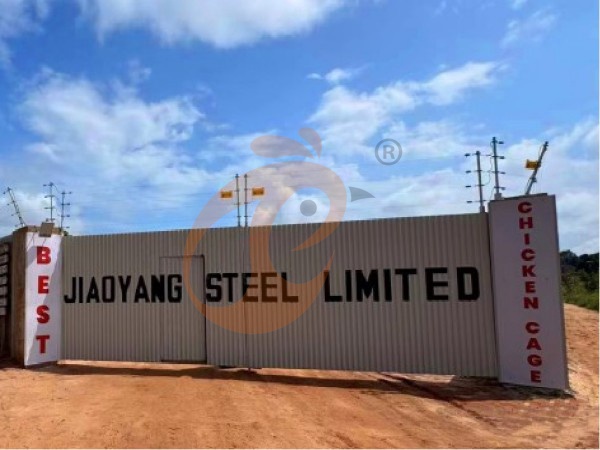
2. China, Nigeria, Ethiopia, Tanzania branch companies and factories
3. The products’ quality is customized for local poultry farms
4. Poultry cage and poultry farm equipment stock for sale
5. 24 online reception Whatsapp NO. : +8618830120193,contact us to get full information China Branch Offer Poultry Farm Business Plan, Manufacture Poultry Farm Equipment1. Address: Flat/RM 2416, 24/F, Runxing Building, Youyi Nan Street, Shijiazhuang City, Hebei Province, China
2. Poultry cage and poultry farm equipment factory and stock for sale
3. Customized for local poultry farms
4. Quality and design are based on Euro
5. 24 online reception Whatsapp NO. : +8618830120193 Nigeria Branch Offer Poultry Farm Business Plan, Manufacture Poultry Farm Equipment1. Address: After Sinoma Office, 200 Meters Near Danco Filling Station, Lagos/Ibadan Expressway, Lagos State, Nigeria
2. Poultry cage and poultry farm equipment factory and stock for sale
3. Customized for Nigerian poultry farms
4. Quality and design are based on Euro
5. 24 online reception Whatsapp NO. : +8618830120193 Ethiopia Branch Offer Poultry Farm Business Plan, Manufacture Poultry Farm Equipment1. Address: Gelan Gura, Akaki-kaliti Sub City, Addis Ababa, Ethiopia
2. Poultry cage and poultry farm equipment stock for sale
3. Customized for Ethiopian poultry farms
4. Quality and design are based on Euro
5. 24 online reception Whatsapp NO. : +8618830120193, contact us to get price list Tanzania Branch Offer Poultry Farm Business Plan, Manufacture Poultry Farm Equipment1. Address: No.8, Sova Road, Msufini, Mlandizi, Kibaha, Pwani, Tanzania
2. Poultry cage and poultry farm equipment factory and stock for sale
3. Customized for Tanzanian poultry farms
4. Quality and design are based on Euro
5. 24 online reception Whatsapp NO. : +8618830120193



Contact