


Blog
Poultry cage quotation preparation requires accurate farm data, equipment selection, and technical documents for efficient project evaluation with 120-page engineering files possible.
Complete poultry equipment information helps manufacturers design suitable cage layouts, automation systems, and installation plans for commercial farms.
Detailed building drawings, flock requirements, and utility specifications improve quotation accuracy and reduce unexpected modification costs.
Professional poultry projects combine smart farm planning, durable equipment selection, and customized solutions for different production capacities.
Proper documentation supports reliable investment decisions, efficient construction schedules, and long-term poultry production performance.
Get professional poultry farm construction guidance, equipment selection solutions, and the latest price lists, whatsApp to +8618830120193, click to learn more:
Site And Housing Dimension Layout Requirements
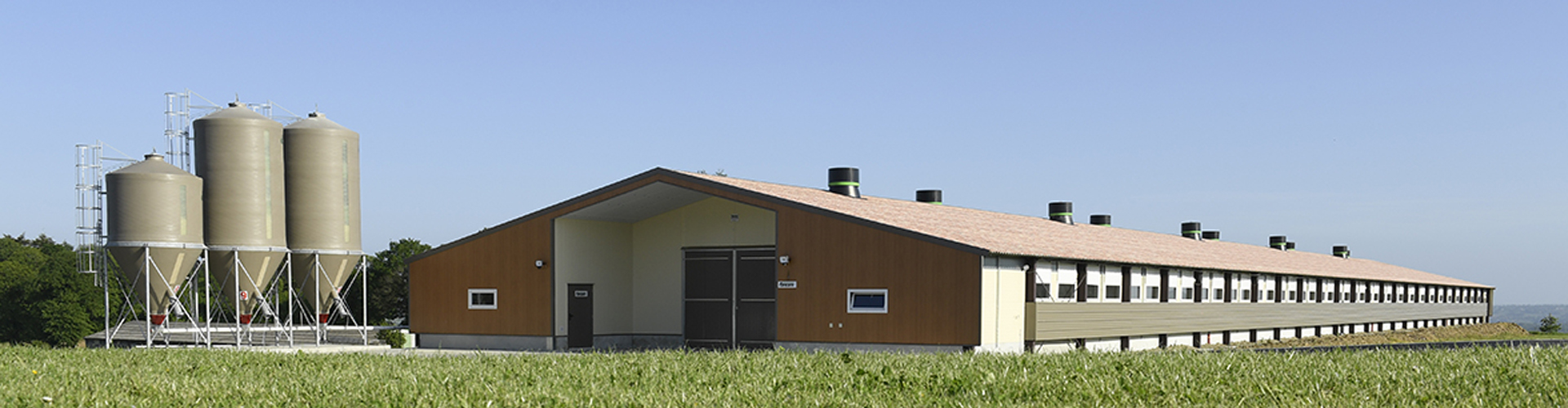
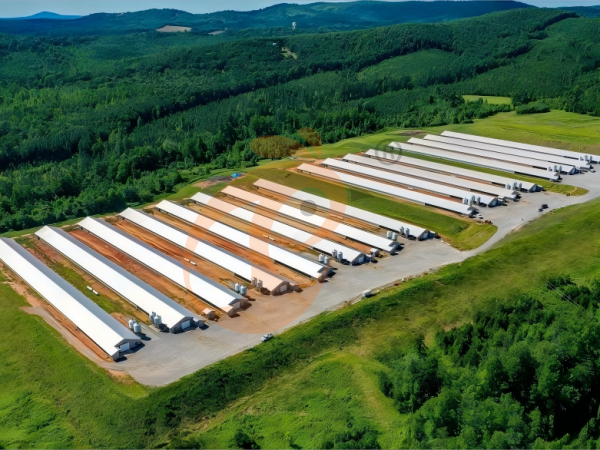
The foundation document for a poultry cage quotation is a complete chicken house layout drawing.
Manufacturers need exact measurements to determine cage rows, service aisles, equipment positions, and ventilation arrangements.
Detailed building information helps engineers design suitable poultry equipment layouts with accurate installation planning.
For commercial farms, internal dimensions such as column positions, ceiling structure, and access points influence the final cage configuration.
A complete CAD drawing package with 6–8 structural sections provides better support for cage system engineering evaluation.
Data is for reference only.Swipe horizontally to view full table.
Understanding House Dimensions And Equipment Installation
Building height and internal structure directly influence poultry cage system selection.
Different cage designs require different vertical spaces for frames, feeding systems, manure equipment, and ventilation components.
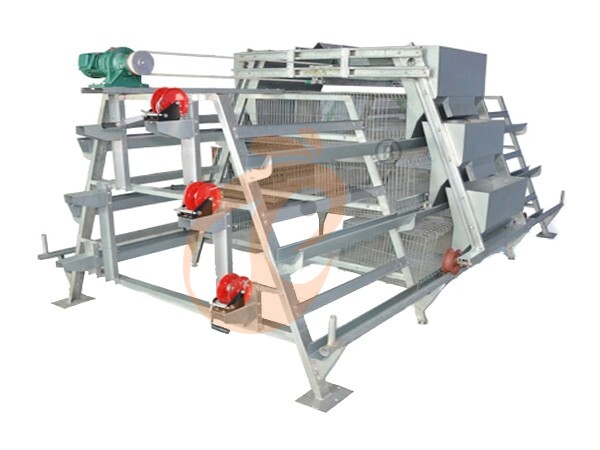
Commercial farms using automatic poultry cage systems need sufficient installation space for mechanical operation and maintenance access.
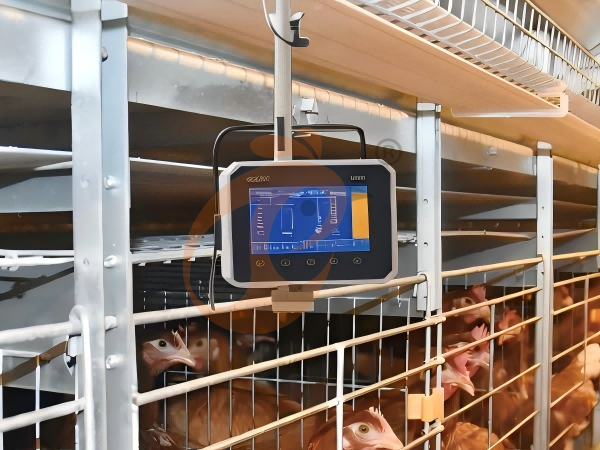
A well-planned house layout can support equipment integration with ventilation fans, environmental sensors, and automatic control systems.
Engineers usually evaluate more than 15 installation points before preparing final equipment drawings.
Bird Capacity And Flock Requirements
Bird capacity information determines the required cage quantity, feeding design, and supporting poultry equipment configuration.
Different production types require different cage structures.
Layer farms normally require egg collection equipment, while broiler farms focus on stronger load-bearing structures.
Providing breed information and production targets helps manufacturers recommend suitable poultry cage solutions.
Farm owners should include future expansion plans because scalable equipment design can reduce later modification requirements.
Data is for reference only.Swipe horizontally to view full table.
Matching Flock Requirements With Cage Technical Specifications
Selecting proper cage specifications improves production stability and daily management efficiency.
Manufacturers analyze bird type, feeding behavior, and operational requirements before designing equipment systems.
Layer chicken cage structures normally include egg collection solutions and optimized floor designs.
Broiler cage systems require reinforced components because birds can reach 2.5–3.2 kg during production cycles.
Professional engineering teams evaluate cage mesh structure, support strength, and maintenance requirements before manufacturing.
Data is for reference only.Swipe horizontally to view full table.
Equipment And Automation Preferences
Modern farms increasingly require automated poultry equipment to improve management efficiency.
Quotation documents should clearly describe feeding, drinking, manure removal, egg collection, and environmental control requirements.
Complete automation planning allows suppliers to provide integrated poultry farm equipment instead of separate machine quotations.
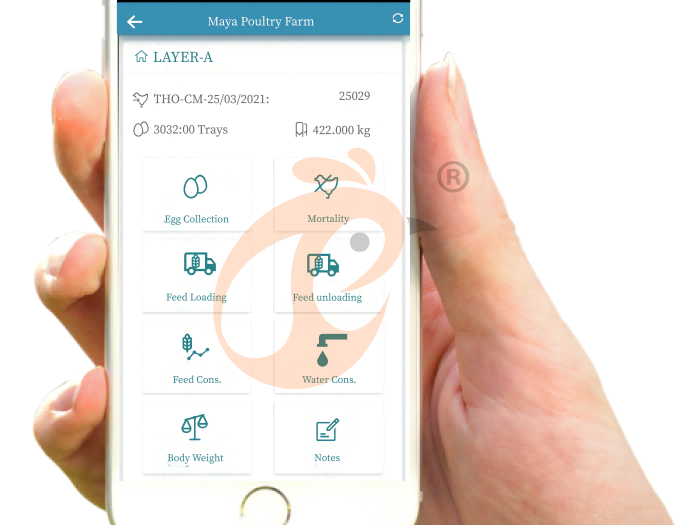
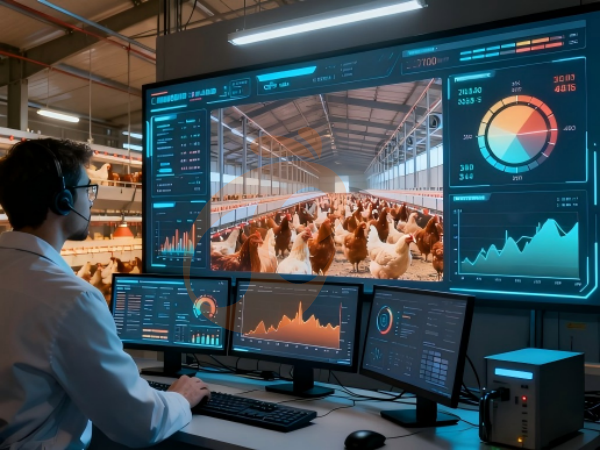
Automatic systems can combine mechanical operation with digital monitoring platforms for better farm management.
A complete automation specification normally includes 8–12 equipment categories for large commercial projects.
Data is for reference only.Swipe horizontally to view full table.
Local Climate And Utility Information
Farm environment affects equipment materials, electrical components, and ventilation planning.
Poultry cage projects located in humid areas require suitable corrosion protection and material treatment.
Electric supply conditions also influence motor selection and control cabinet design.
Providing complete site data helps manufacturers prepare compatible poultry equipment solutions.
For projects requiring currency evaluation, quotation values should be converted into USD, and any reference pricing should be marked as European union standard reference only.
Data is for reference only.Swipe horizontally to view full table.
Shipping And Installation Documents
Poultry cage systems include multiple components requiring organized transportation planning.
Shipping information allows manufacturers to calculate packaging volume, container loading, and installation preparation.
Complete logistics documents improve international project coordination.
Data is for reference only.Swipe horizontally to view full table.
Standard Cage System Parameters
Understanding standard poultry cage specifications helps buyers compare different supplier proposals.
A professional quotation should include material information, structural design, and accessory configuration.
Standard parameters allow farms to evaluate equipment compatibility before purchasing.
Data is for reference only.Swipe horizontally to view full table.
Frequently Asked Questions
Q1: What documents are required before requesting a poultry cage quotation?
Farm owners should prepare house drawings, flock information, automation requirements, utility data, and shipping details.
A complete document package with more than 20 technical items can help suppliers provide accurate project planning.
Q2: Why do poultry cage manufacturers need house dimensions?
House dimensions determine cage arrangement, equipment installation position, ventilation planning, and maintenance space.
A difference of only 500 mm in building width may affect row layout and equipment connection design.
Q3: Can poultry cage quotations include complete poultry equipment systems?
Yes.
Professional suppliers can provide integrated solutions including cages, feeding systems, drinking systems, manure removal equipment, and turn-key engineering services.
Taiyu (HK) Group - One Of Largest Poultry Cage Manufacturer
Poultry cage systems provide engineered structures, automated integration, and customized layouts for commercial egg and meat production facilities.
Global factory direct sales deliver complete poultry equipment packages with competitive manufacturing supply chains.
Turn-key engineering services include project design, installation guidance, and complete poultry farm construction support.
International customers receive customized solutions covering poultry equipment selection, automation configuration, and technical consultation.
Factory production combines engineering standards, quality inspection procedures, and long-term project cooperation worldwide.
Contact Us To Received Your Customized Poultry Farm Plan
Headquarters And Branchs
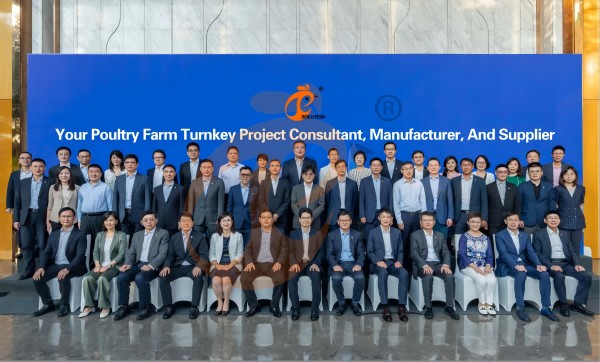
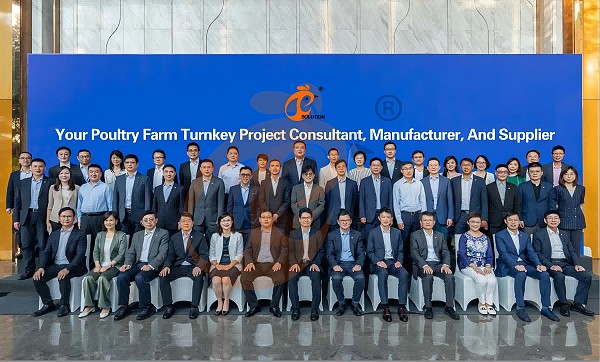
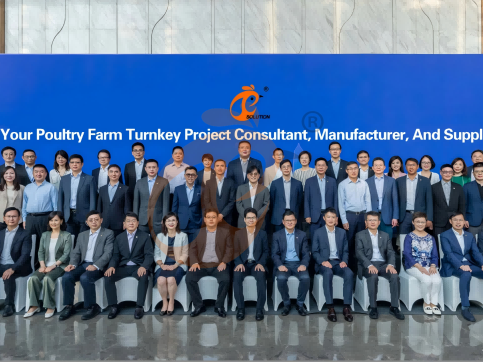
Hong Kong Headquarter Management Team
Hong Kong Headquarter Taiyu Industrial Group CO., LTD
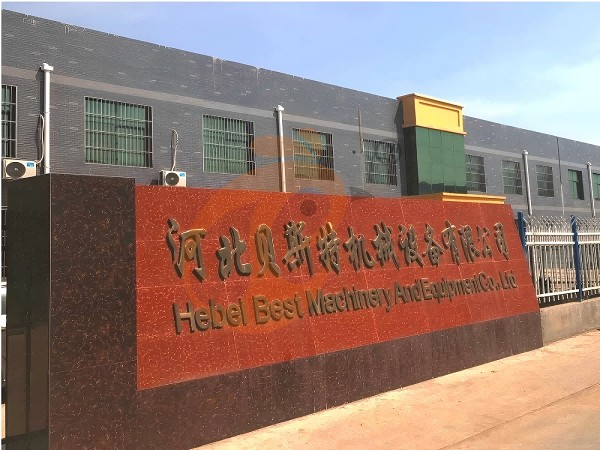
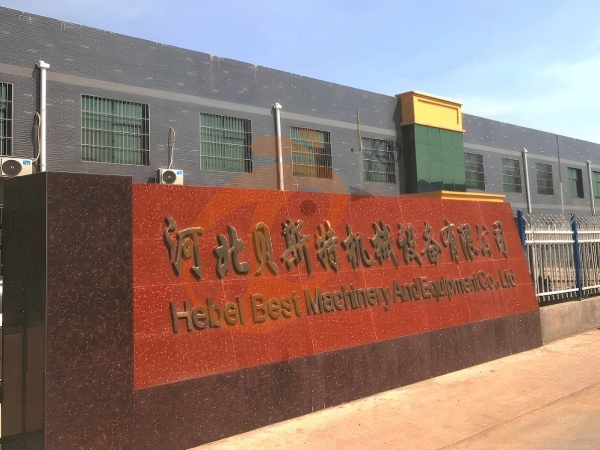
China Hebei Best Machinery And Equipment CO., LTD
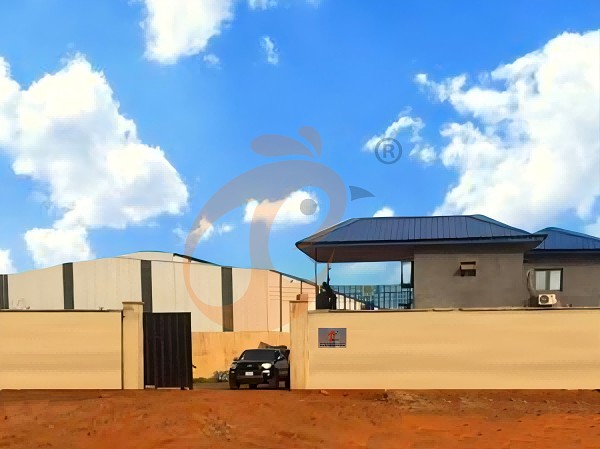
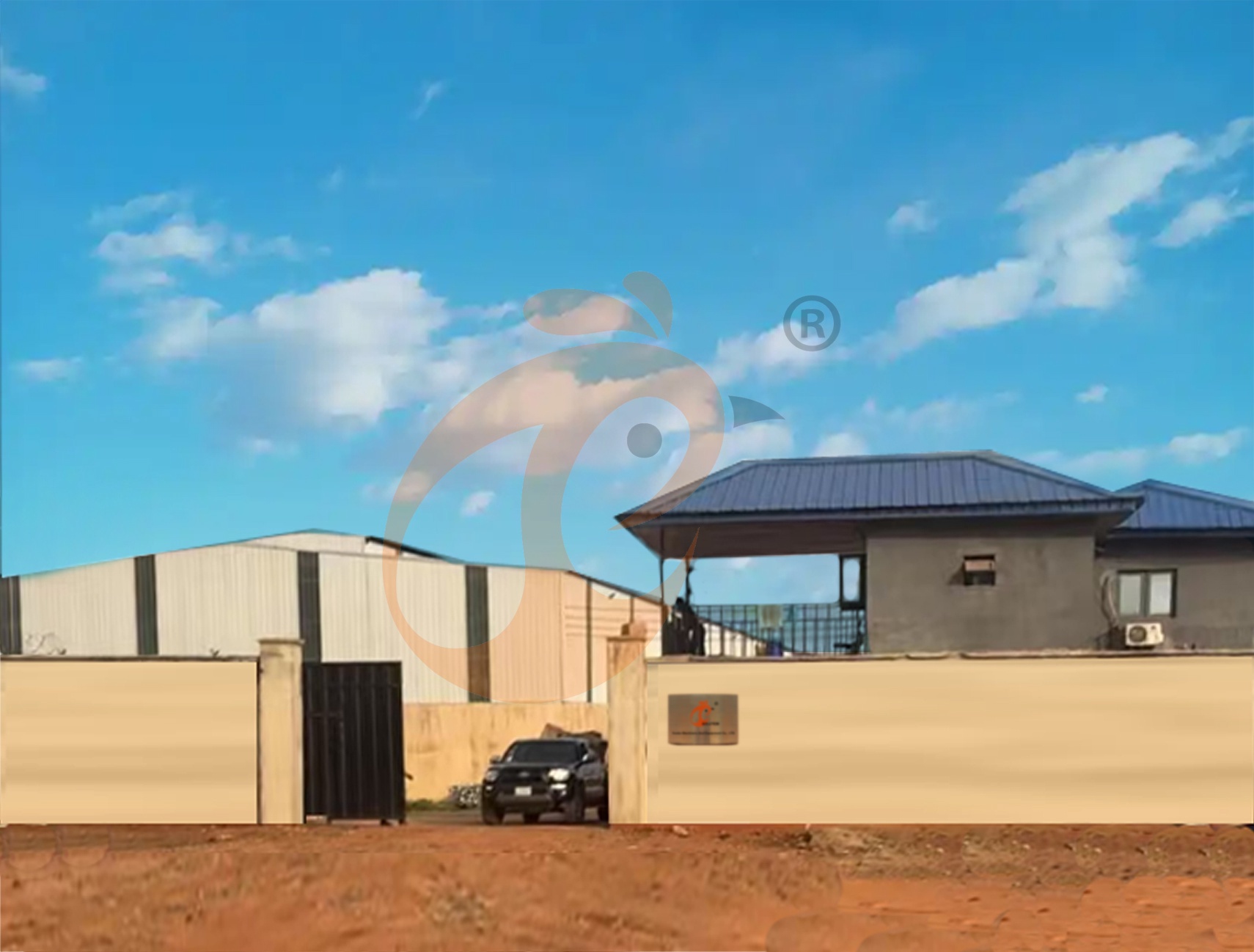
Nigeria Vanke Machinery And Equipment CO., LTD
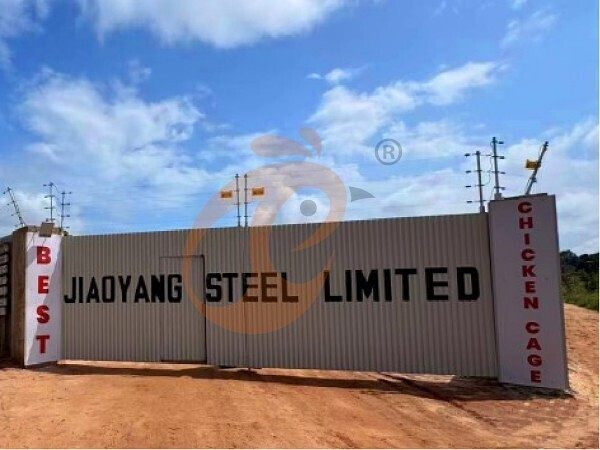
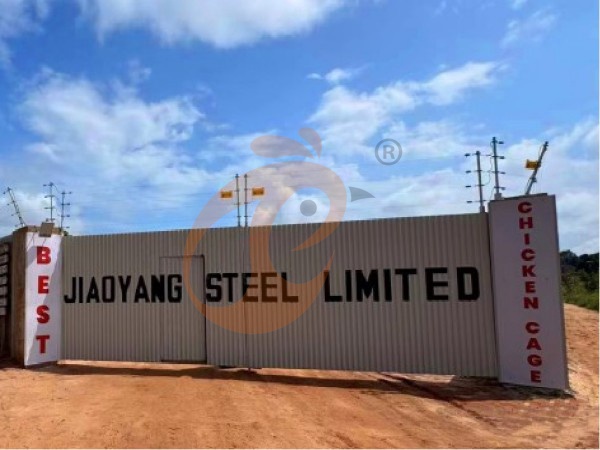
Tanzania Best Machinery And Equipment CO., LTD
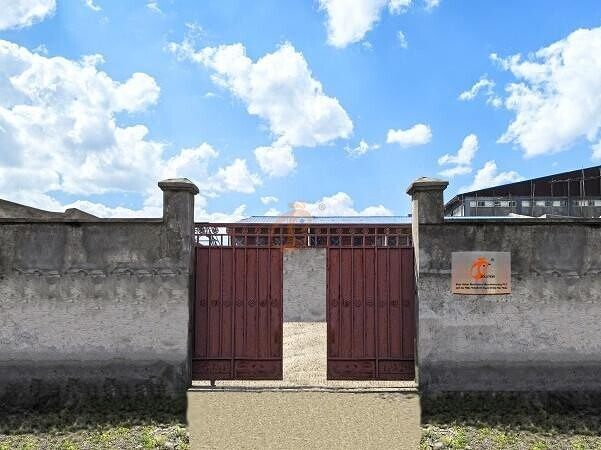
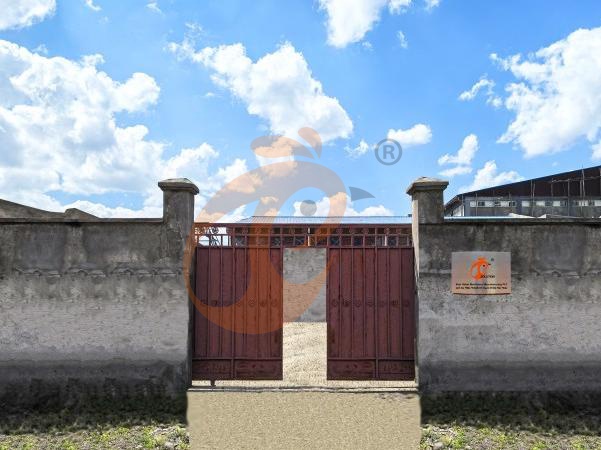
Ethiopia Best Hebei Machinery Manufacturing PLC
Reception /24 WhatsApp NO. : +8618830120193
FAQ
How To Select The Best Poultry Cage System For High-Density Egg Production?
Include automatic feeding, drinking, egg collection, and manure cleaning systems to boost egg production to 90–98%.
Regularly monitor feed efficiency and mortality; FCR maintained at 1.9–2.1.
What Are The Ultimate Tips For Temperature And Humidity Control In Chicken Cage Farms?
Use sensors to monitor each house and adjust airflow with ventilation fans.
Optimized temperature/humidity can increase egg production 2–3% and reduce mortality to 2–3%.
How To Reduce Egg Breakage In Advanced Battery Cage Systems?
Each belt can transport 4,000–6,000 eggs/hour, reducing manual handling.
Regularly clean belts; breakage rate can be maintained at 2–3%.
- poultry farm
- chicken cage
- broiler cage
- layer cage
- chicken house
- poultry cage
- cage
- poultry farm equipment
- poultry farm construction
- layer cage system
- poultry cage manufacturer
- poultry cage system
- poultry cage quotation
- broiler cage system
- automatic poultry cage system
- automatic poultry cage
- poultry cage specification
- poultry cage specifications
- poultry cage project
- poultry cage solution
- poultry equipment
- manure removal equipment
- egg collection equipment
- chickencage
- bestchickencage
- cage system
- pullet cage
- cage systems
- h cage
- pullet cage system
- layer chicken cage
- Nigeria
- smart farm
- layer farm
- broiler farm
- chicken house layout
- automated poultry equipment
- poultry equipment layout
- poultry cage systems
- cage design
- cage manufacturer
- poultry cage solutions
- poultry farm plan
- poultry cage manufacturers
- Ethiopia
Message
Products recommended
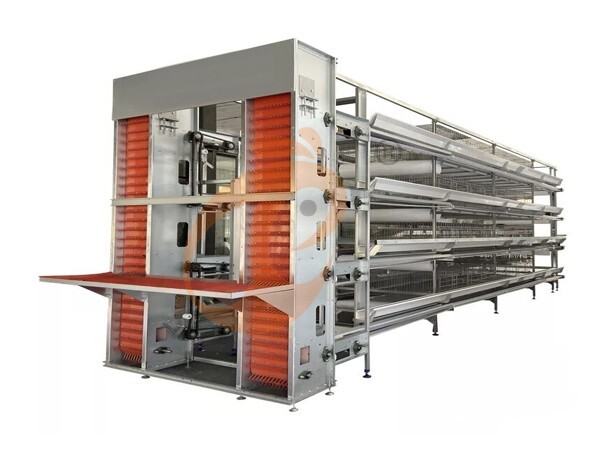
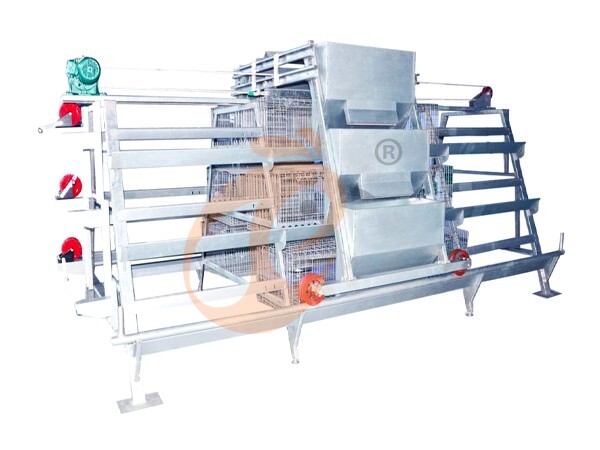
 >30,000 Pullets Automatic H Type Battery Cage1. More than 30,000 pullets a house, choose it.
2. It is designed to rearing older than 1 day old pullets to 12 to 16 weeks old chicken starting laying eggs.
3. Its lifespan is more than 25 years.
4. Its structure are Vcloud artificial intelligent fusion, electric control cabinet, automatic equipment of drinking, feeding, manure clean, manual harvesting.
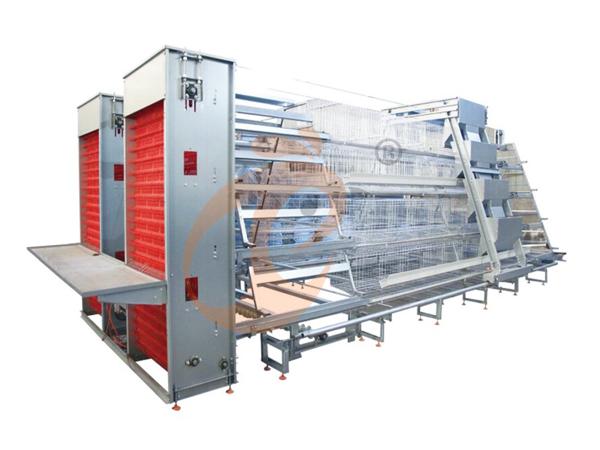
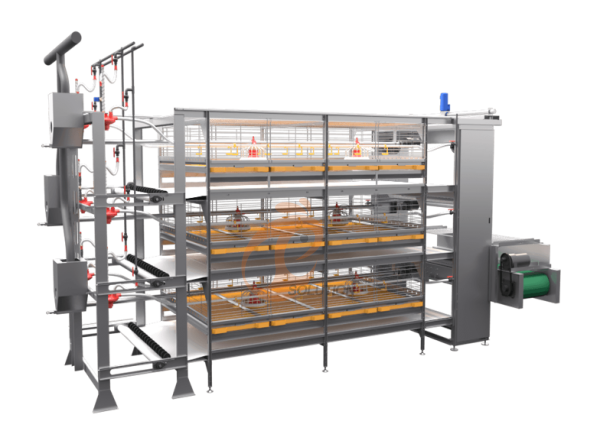
5. Our 24 hour online reception What’sApp NO. is +8618830120193 <30,000 Pullets Automatic A Type Battery Cage1. 10,000 to 30,000 pullets a house, choose it.
2. It is designed to rearing older than 1 day old pullets to 12 to 16 weeks old chicken starting laying eggs.
3. Its lifespan is more than 25 years.
4. Its structure are Vcloud artificial intelligent fusion, electric control cabinet, automatic equipment of drinking, feeding, manure clean, manual harvesting.
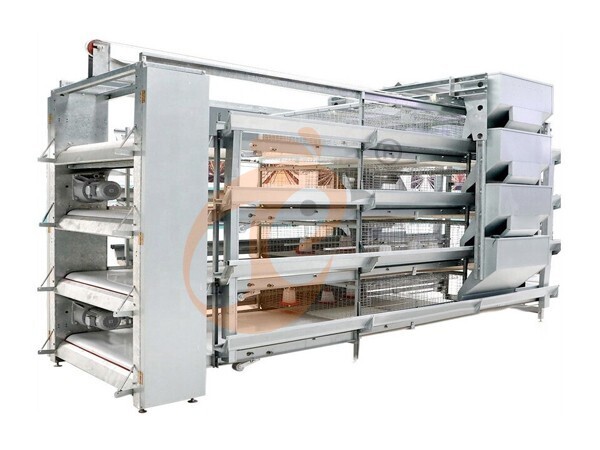
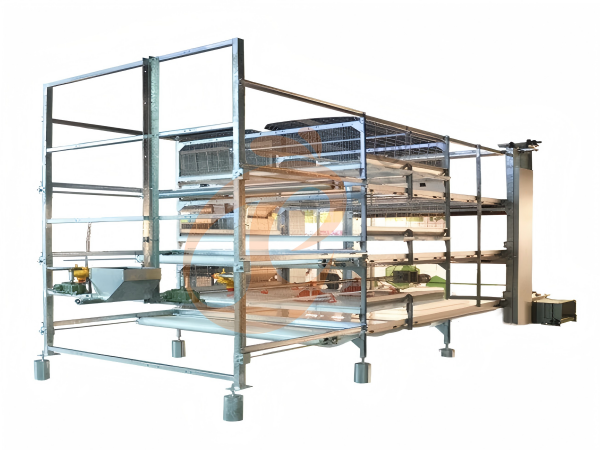
5. Our 24 hour online reception What’sApp NO. is +86 18830120193. >30,000 Broilers Semi-Automatic Harvest H Type Battery Cage1. More than 30,000 broilers a house, choose it.
2. It is designed to rearing 1 to 45 day old adult broiler ready for market.
3. Its lifespan is more than 20 years.
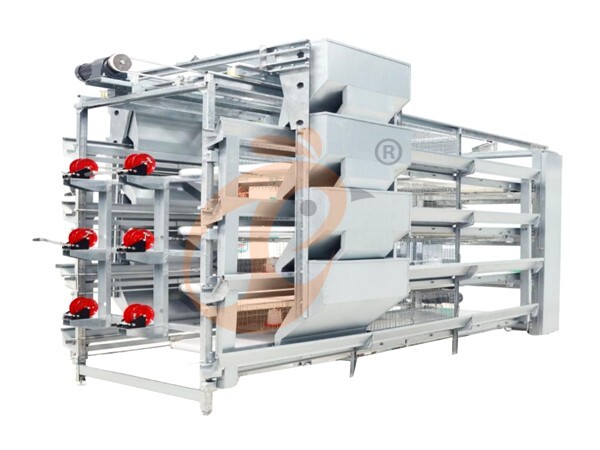
4. Our 24 hour online reception What’sApp NO. is +8618830120193, +234 8111199996. >30,000 Broilers Manual Harvest H Type Battery Cage1. More than 30,000 broilers a house, choose it.
2. It is designed to rearing 1 to 45 day old adult broiler ready for market.
3. Its lifespan is more than 20 years.
4. Its structure are Vcloud artificial intelligent fusion, electric control cabinet, automatic equipment of drinking, feeding and manure clean, manual harvesting.
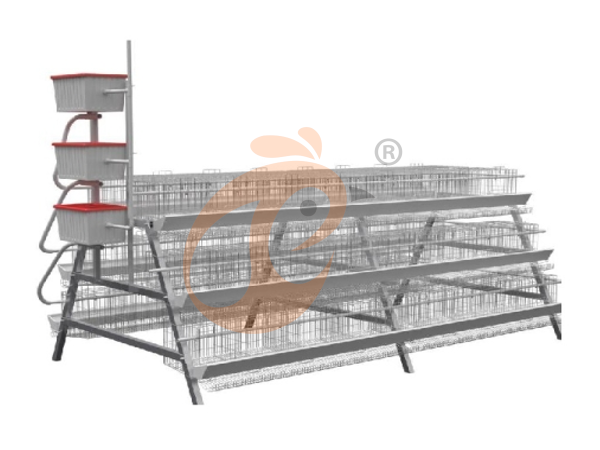
5. Our 24 hour online reception What’sApp NO. is +8618830120193, +234 8111199996. <30,000 Broilers Manual Harvest A Type Battery Cage1. Less 30,000 broilers a house, choose it.
2. It is designed to rearing 1 to 45 day old adult broiler ready for market.
3. Its lifespan is more than 20 years.
4. Its structure are Vcloud artificial intelligent fusion, electric control cabinet, automatic equipment of drinking, feeding and manure clean, manual harvesting.
5. Our 24 hour online reception What’sApp NO. is +8618830120193, +234 8111199996. HK Headquarter Offers EU-standard Poultry Farm Solutions, Manufacture Poultry Farm Equipment1. Continuous communication with the EU and the US
2. China, Nigeria, Ethiopia, Tanzania branch companies and factories
3. The products’ quality is customized for local poultry farms
4. Poultry cage and poultry farm equipment stock for sale
5. 24 online reception Whatsapp NO. : +8618830120193,contact us to get full information China Branch Offer Poultry Farm Business Plan, Manufacture Poultry Farm Equipment1. Address: Flat/RM 2416, 24/F, Runxing Building, Youyi Nan Street, Shijiazhuang City, Hebei Province, China
2. Poultry cage and poultry farm equipment factory and stock for sale
3. Customized for local poultry farms
4. Quality and design are based on Euro
5. 24 online reception Whatsapp NO. : +8618830120193 Nigeria Branch Offer Poultry Farm Business Plan, Manufacture Poultry Farm Equipment1. Address: After Sinoma Office, 200 Meters Near Danco Filling Station, Lagos/Ibadan Expressway, Lagos State, Nigeria
2. Poultry cage and poultry farm equipment factory and stock for sale
3. Customized for Nigerian poultry farms
4. Quality and design are based on Euro
5. 24 online reception Whatsapp NO. : +8618830120193 Ethiopia Branch Offer Poultry Farm Business Plan, Manufacture Poultry Farm Equipment1. Address: Gelan Gura, Akaki-kaliti Sub City, Addis Ababa, Ethiopia
2. Poultry cage and poultry farm equipment stock for sale
3. Customized for Ethiopian poultry farms
4. Quality and design are based on Euro
5. 24 online reception Whatsapp NO. : +8618830120193, contact us to get price list Tanzania Branch Offer Poultry Farm Business Plan, Manufacture Poultry Farm Equipment1. Address: No.8, Sova Road, Msufini, Mlandizi, Kibaha, Pwani, Tanzania
2. Poultry cage and poultry farm equipment factory and stock for sale
3. Customized for Tanzanian poultry farms
4. Quality and design are based on Euro
5. 24 online reception Whatsapp NO. : +8618830120193


Contact