


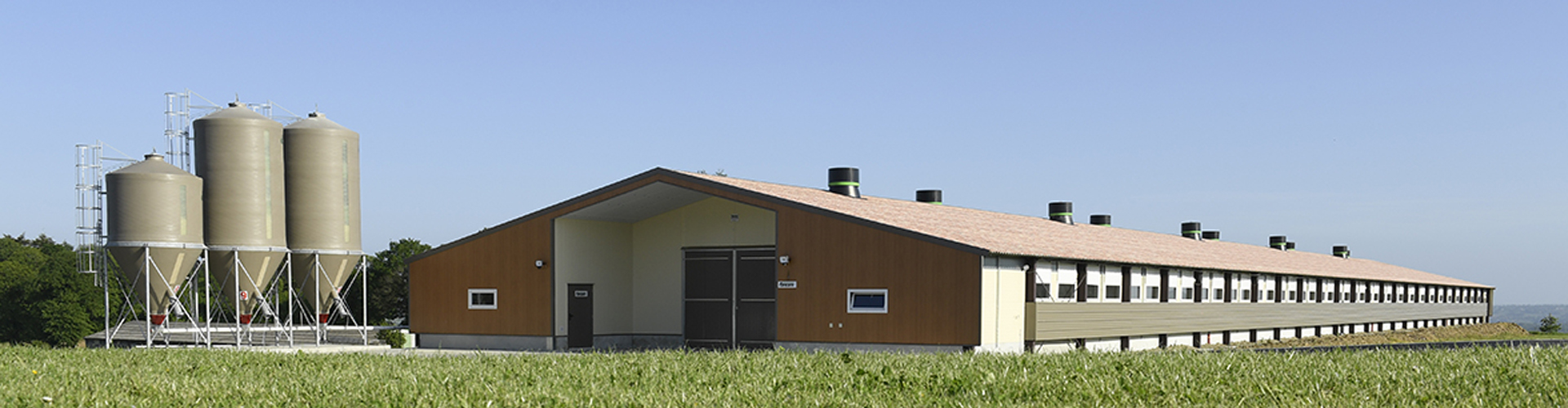
Blog
Turnkey feed mill solutions connect processing, storage, conveying, and feeding into one coordinated production system.
Automatic chicken house feeding systems reduce repetitive handling while supporting consistent feed distribution across commercial poultry houses.
Poultry feed mill equipment combines practical capacity planning with reliable processing, storage, and conveying performance.
Integrated engineering can coordinate equipment dimensions, electrical requirements, maintenance access, and future expansion needs.
Professional project design supports efficient farm workflows, controlled labor demand, and dependable daily poultry production.
Get professional poultry farm construction guidance, equipment selection solutions, and the latest price lists, whatsApp to +8618830120193, click to learn more:
Start With A Smarter Feeding Strategy
Modern poultry farming depends on efficient feed management.
Feed represents a major operating expense, while transportation, storage, handling, and distribution can add unnecessary labor to daily production.
A turnkey feed mill solution connects feed processing, storage, conveying, and chicken house feeding into one coordinated system.
For poultry equipment companies, the objective is not simply to supply individual machines.
The real value comes from designing a complete solution around flock size, house configuration, feed consumption, and expansion requirements.
A properly engineered system can support continuous feeding with a 24-hour operating cycle and programmable feeding intervals of 15 minutes.
What A Turnkey Feed Mill Can Include
A complete project can integrate several equipment groups into one production workflow.
Farmers can process, store, transport, and distribute feed through a connected system instead of depending on separate manual operations.
Data is for reference only.Swipe horizontally to view full table.
The final configuration can be adjusted according to the farm's production model and feed formulation.
A properly sized mixer may complete one batch within 5–8 minutes, helping maintain a stable supply for subsequent feeding operations.
From Raw Materials To Chicken House
Think of the feed system as a continuous production chain
Raw Materials → Grinding → Mixing → Storage → Conveying → Automatic Feeding → Chicken House
This structure reduces unnecessary material movement between separate work areas.
Once formulated feed enters storage, conveying equipment can transfer it toward individual poultry houses without repeated manual loading.
A centralized arrangement can serve multiple houses from one feed preparation area.
With a conveying distance designed around 50–150 meters, the system can distribute feed across different house layouts while keeping the equipment arrangement organized.
The Cost-Saving Logic Behind Automation
Data is for reference only.Swipe horizontally to view full table.
Automation does not eliminate the need for farm personnel.
Instead, repetitive feeding work moves from manual handling to mechanical systems.
A drive unit operating at approximately 30–36 rpm can maintain controlled feed movement through an automatic line while workers focus on flock inspection and equipment maintenance.
Why Chicken House Equipment Matters
A feed mill is only one part of an efficient poultry operation.
The final delivery stage inside the chicken house directly affects the practical value of the complete feeding system.
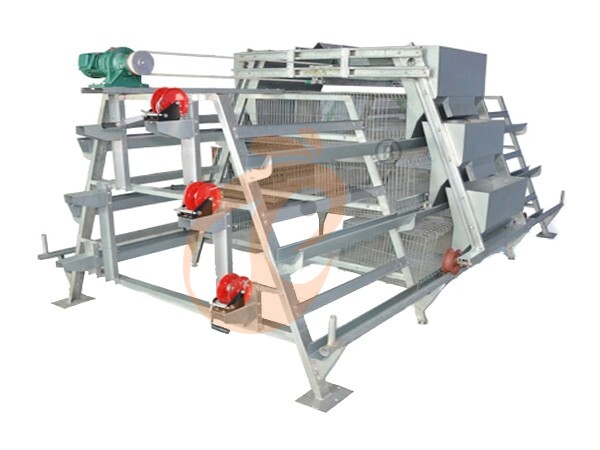
Our chicken house equipment can be integrated with feed silos, conveying systems, automatic pan feeders, drinking systems, ventilation equipment, and environmental controls.
A pan feeder with approximately 14–16 feeding positions can provide a practical distribution arrangement for commercial broiler houses.
Better equipment integration → controlled feed delivery → organized daily operation → improved farm productivity.
For new poultry houses and renovation projects, integrating the feeding system during the design stage can also simplify electrical routing.
A typical control installation can use 380 V three-phase power with independent circuit protection for major equipment groups.
Matching The Solution To Farm Capacity
Data is for reference only.Swipe horizontally to view full table.
Actual consumption varies according to bird age, breed, feed formula, climate, and production objectives.
For example, a farm designed for 100,000 broilers may require several independent feeding circuits so that individual houses can be managed without stopping
the complete operation.
A Complete Project Can Simplify Procurement
Instead of coordinating separate suppliers for every machine, a turnkey poultry equipment project places major components under one technical plan.
One project. One layout. One equipment strategy.
This approach simplifies communication between farm owners, engineers, installers, and equipment manufacturers.
It also allows the relationship between feed preparation, storage, conveying distance, and chicken house feeding lines to be considered before installation.
A centralized engineering package can include equipment drawings, electrical diagrams, installation dimensions, and foundation requirements.
For example, a silo foundation can be planned with anchor-bolt positioning accuracy within approximately ±3 mm to support correct equipment assembly.
Equipment Selection: What Should Farmers Compare?
Data is for reference only.Swipe horizontally to view full table.
Price should not be the only purchasing criterion.
Equipment should also be evaluated through serviceability, component compatibility, installation requirements, and expected operating cycles.
For example, a feeding line designed for 8–10 hours of cumulative daily operation should use drive and conveying components selected for repeated start-stop conditions rather than occasional operation.
Designed Around The Chicken House
Every poultry project has different physical conditions.
House length, bird density, feed inlet position, silo location, electrical infrastructure, and maintenance access all influence equipment selection.
A professional supplier should therefore begin with the farm layout instead of simply recommending a standard package.
Site Information → Technical Design → Equipment Selection → Installation → Commissioning → Operation
For a house measuring 15 × 150 meters, the feeding layout can be divided into multiple circuits according to bird distribution and service access.
Maintaining approximately 0.8–1.2 meters of maintenance clearance around key drive components also makes routine inspection more practical.
Where Farmers Can Gain Efficiency
Data is for reference only.Swipe horizontally to view full table.
Efficiency should be measured across the complete production workflow rather than by machine speed alone.
Properly configured equipment can reduce unnecessary transfers and create predictable feeding routines.
A feed line equipped with automatic shut-off sensors can stop operation when the final pan reaches the configured feed level, preventing extended empty running of the conveying motor.
From Equipment Supplier To Project Partner
Choosing a poultry equipment company should involve more than purchasing machinery.
A capable project partner can evaluate farm dimensions, calculate feed requirements, coordinate equipment, provide installation guidance, and support commissioning.
This creates a continuous process from the first engineering discussion to daily farm operation.
Our focus on chicken house equipment allows feed handling and poultry-house requirements to be considered together.
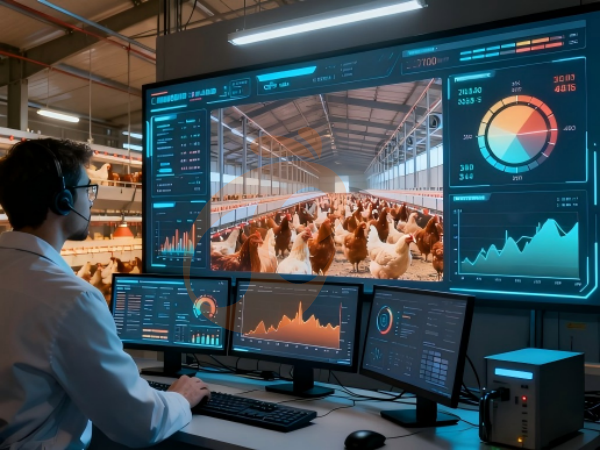
Automatic feeding systems can be coordinated with environmental equipment so that house management remains organized.
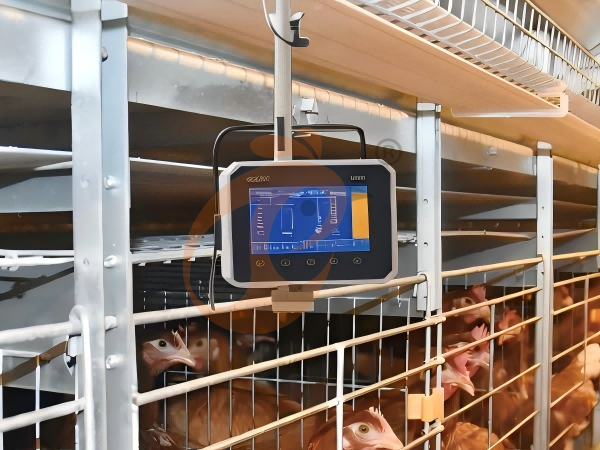
For example, an environmental controller can support temperature monitoring through multiple sensor points, with sensor placement intervals of approximately 30–50 meters depending on house design and control strategy.
Build A More Efficient Farm For The Future
Data is for reference only.Swipe horizontally to view full table.
A turnkey feed mill solution is not simply a collection of machines.
An integrated strategy moves feed efficiently from raw materials to the birds.
Combining feed processing, storage, conveying, automatic feeding, and chicken house equipment establishes a more organized production environment.
Our solutions connect these stages into a practical system supporting daily farm operation.
For poultry producers planning a new farm, expanding existing houses, or upgrading outdated feeding equipment, the right approach is to design the complete feeding workflow before purchasing individual machines.
Professional engineering, coordinated poultry feed mill equipment, and a turnkey project structure can build a more efficient feeding system while controlling labor, equipment integration, and long-term operating costs.
Frequently Asked Questions
Q1: What does a Turnkey feed mill solution include?
A complete solution can connect grinding, mixing, storage, conveying, control, and automatic chicken house feeding equipment.
System planning can also coordinate electrical routing and maintenance access with house dimensions.
Q2: How can automatic feeding equipment reduce farm work?
Automatic feeding lines transfer feed mechanically and reduce repeated manual distribution tasks.
Drive systems can operate at controlled speeds while feed-level sensors regulate delivery according to configured requirements.
Q3: How should farmers select poultry feed mill equipment?
Selection should consider feed demand, house layout, equipment compatibility, maintenance requirements, and future expansion.
Engineering calculations should be completed before equipment ordering so capacity and installation dimensions remain coordinated.
Taiyu (HK) Group - One Of China Biggest Feed Mill Manufacturer
Turnkey feed mill solutions integrate processing, storage, conveying, control, and automatic chicken house feeding equipment through coordinated engineering specifications
Global factory direct supply covers poultry equipment manufacturing, project configuration, technical drawings, installation guidance, and commissioning support
Turn-key engineering connects feed mill systems with poultry houses through integrated layouts, electrical planning, equipment matching, and project documentation
Commercial poultry projects can combine centralized feed handling with automatic feeding lines, environmental equipment, and scalable house configurations
International project support provides equipment coordination, production scheduling, technical communication, and after-sales assistance for complete poultry farm installations
Contact Us To Received Your Customized Poultry Farm Plan
Headquarters And Branchs
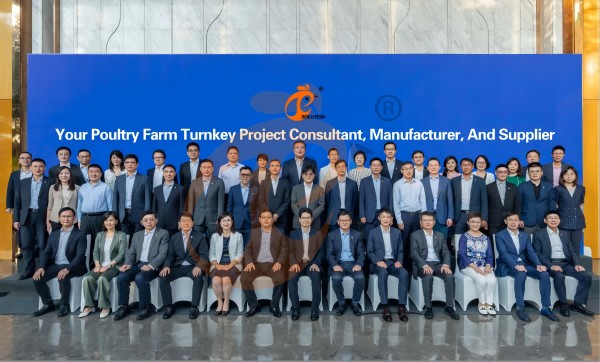
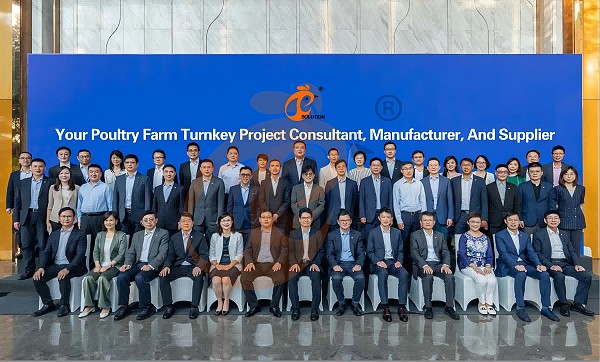
Hong Kong Headquarter Management Team
Hong Kong Headquarter Taiyu Industrial Group CO., LTD
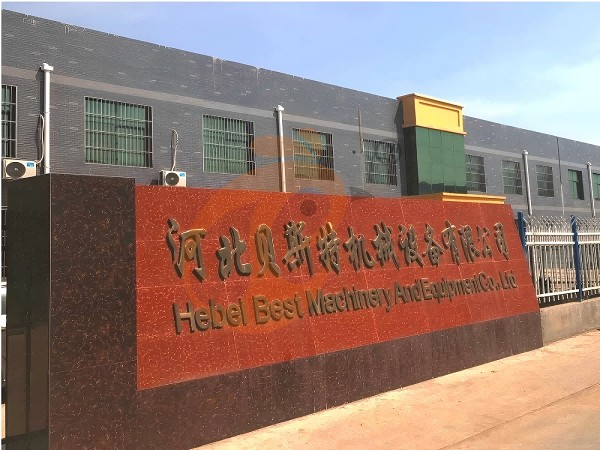
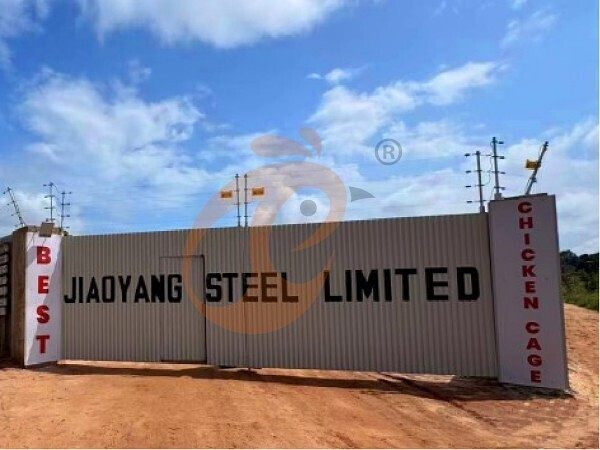
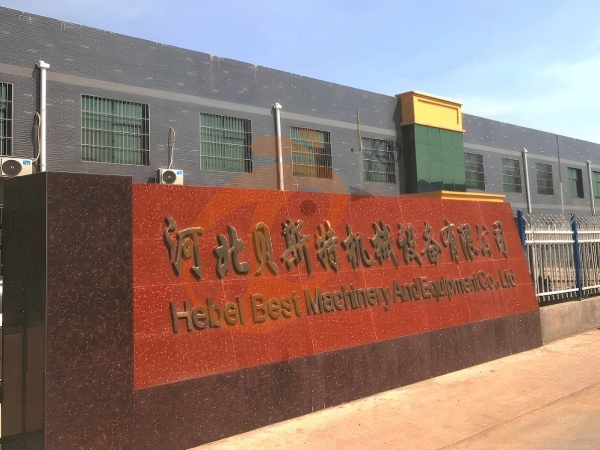
China Hebei Best Machinery And Equipment CO., LTD
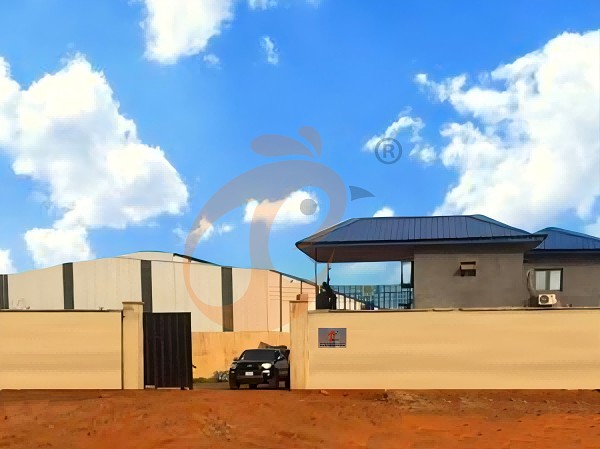
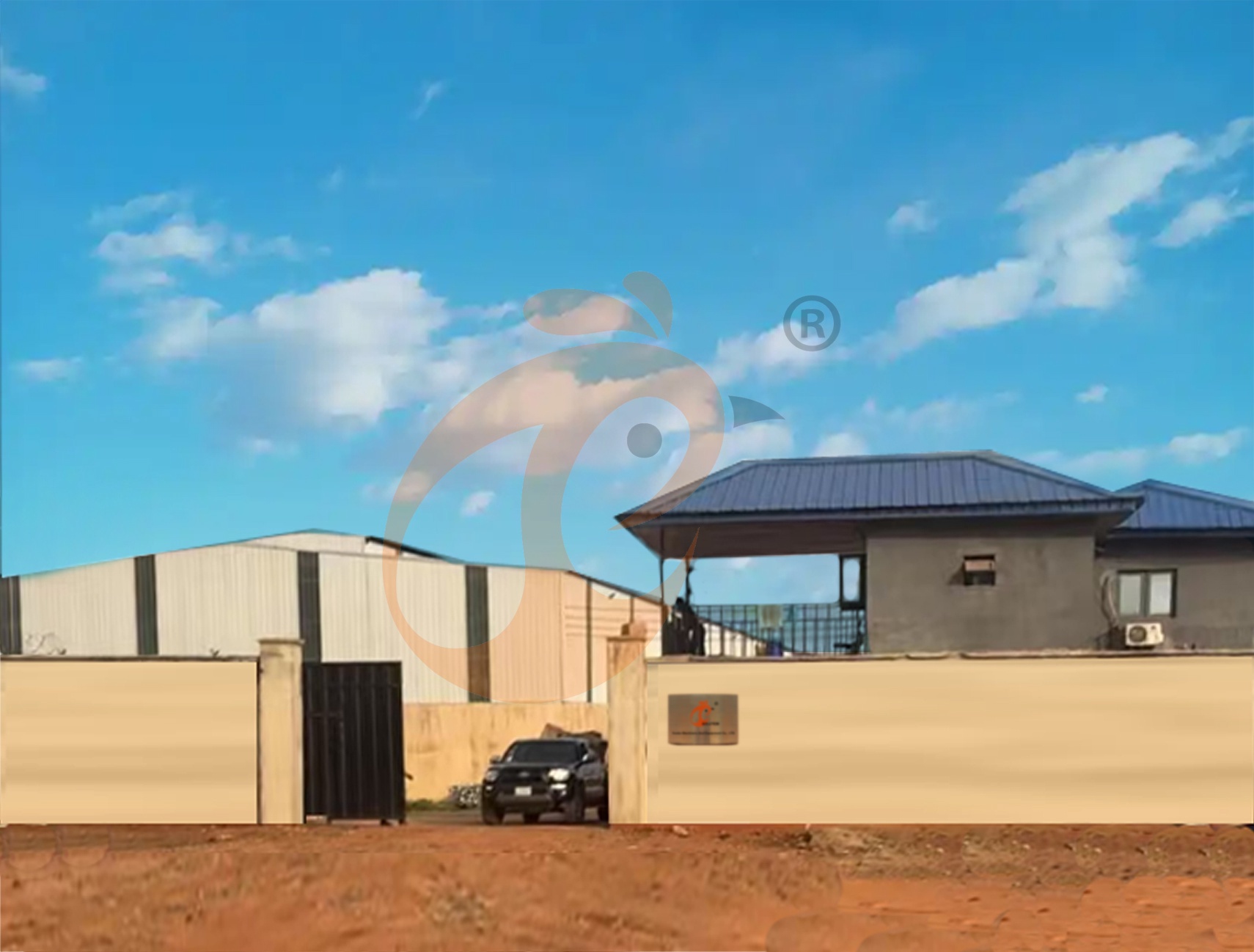
Nigeria Vanke Machinery And Equipment CO., LTD
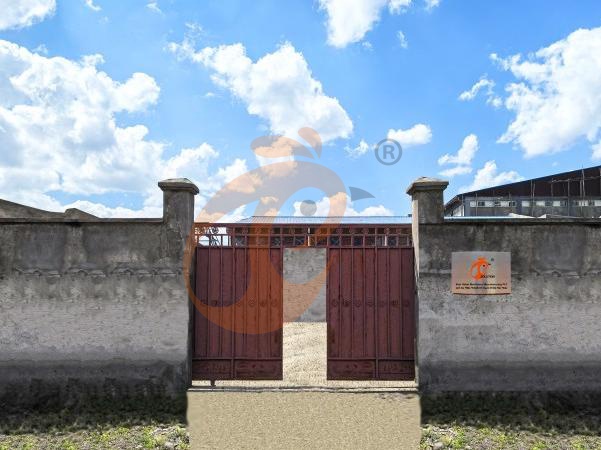
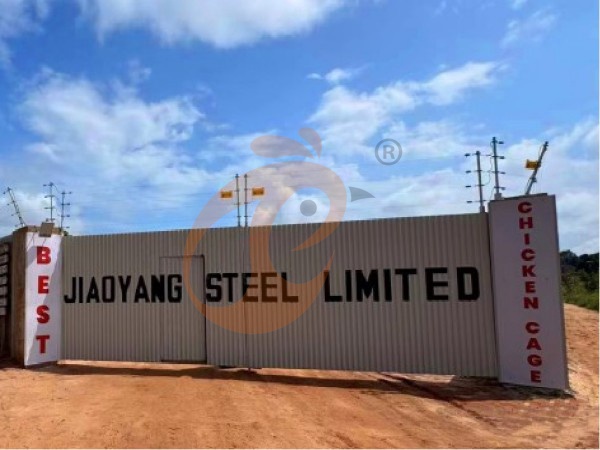
Tanzania Best Machinery And Equipment CO., LTD
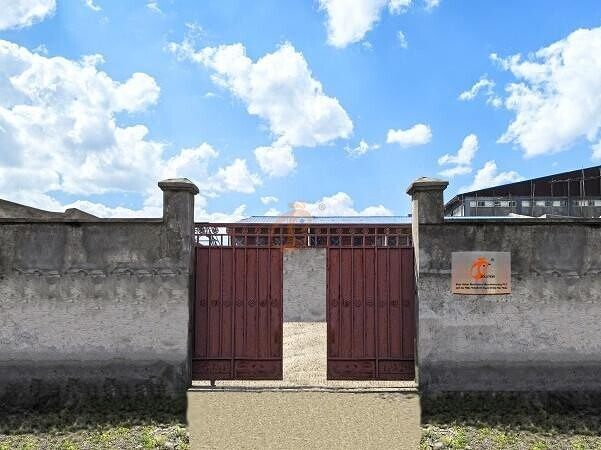
Ethiopia Best Hebei Machinery Manufacturing PLC
Reception /24 WhatsApp NO. : +8618830120193
FAQ
What Are The Main Equipment Components In Feed Mill And Feed Mixer Systems For Poultry Chicken Production?
Hammer mill units operate with rotor speeds of 2800–3600 rpm for efficient grain size reduction.
Twin-shaft mixers achieve batch capacities of 500–2000 kg per cycle for uniform poultry feed blending.
What Dust Control Requirements Are Needed In Feed Mill Operations For Poultry Chicken Farms?
Cyclone separators remove 85%–92% of airborne particles during grinding and conveying processes.
Negative pressure systems maintain airflow velocity between 0.8–1.2 m/s to prevent dust leakage.
What Temperature Parameters Are Used In Feed Mill Processing For Poultry Chicken Feed?
Conditioning temperature reaches 75–85°C to improve pellet durability and pathogen reduction.
Cooling stage reduces pellet temperature to within 5°C of ambient conditions for safe storage.
- poultry farm
- chicken house
- poultry house
- cage
- poultry farm construction
- automatic feeding system
- poultry equipment
- chickencage
- bestchickencage
- Nigeria
- poultry farming
- chicken house equipment
- modern poultry farm
- poultry feed mill
- modern poultry farming
- poultry farm plan
- chicken house feeding system
- poultry feed
- feed silo
- Ethiopia
Message
Products recommended
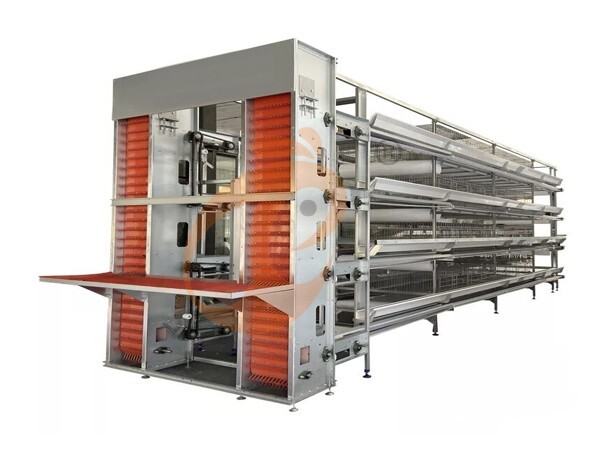
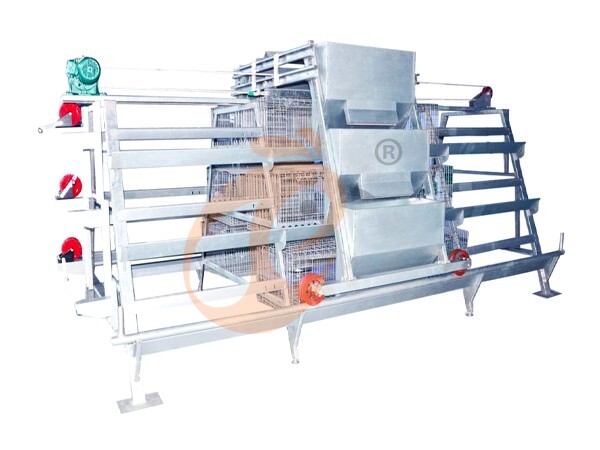
 >30,000 Pullets Automatic H Type Battery Cage1. More than 30,000 pullets a house, choose it.
2. It is designed to rearing older than 1 day old pullets to 12 to 16 weeks old chicken starting laying eggs.
3. Its lifespan is more than 25 years.
4. Its structure are Vcloud artificial intelligent fusion, electric control cabinet, automatic equipment of drinking, feeding, manure clean, manual harvesting.
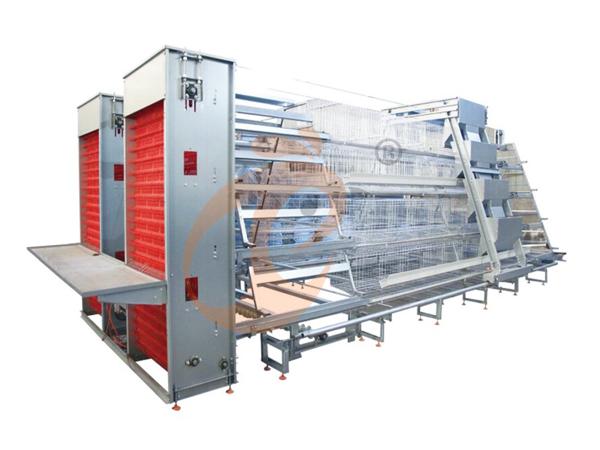
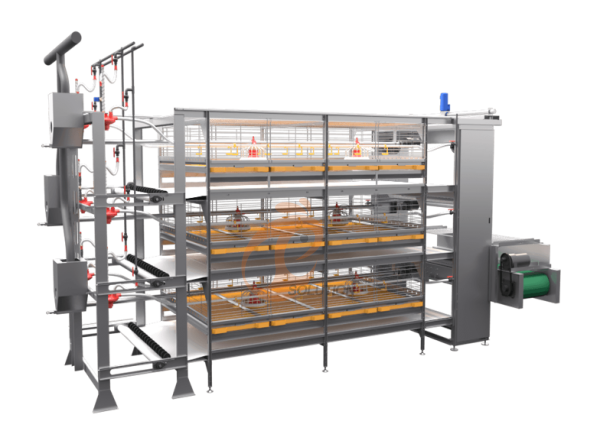
5. Our 24 hour online reception What’sApp NO. is +8618830120193 <30,000 Pullets Automatic A Type Battery Cage1. 10,000 to 30,000 pullets a house, choose it.
2. It is designed to rearing older than 1 day old pullets to 12 to 16 weeks old chicken starting laying eggs.
3. Its lifespan is more than 25 years.
4. Its structure are Vcloud artificial intelligent fusion, electric control cabinet, automatic equipment of drinking, feeding, manure clean, manual harvesting.
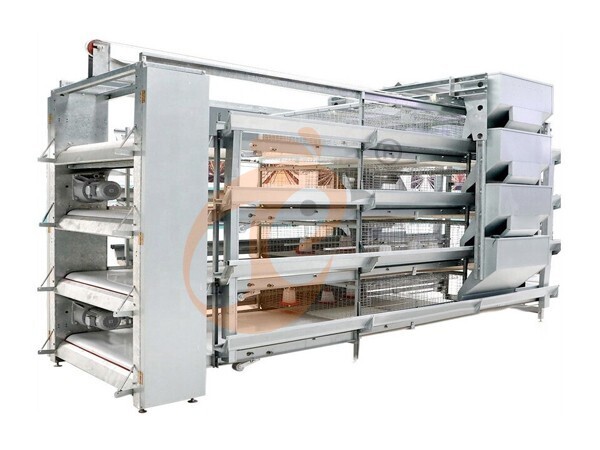
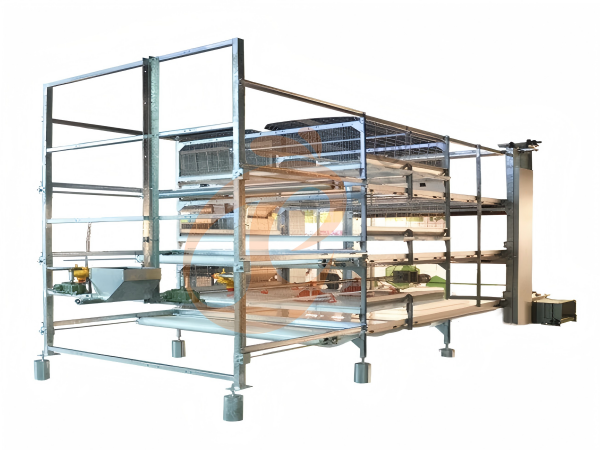
5. Our 24 hour online reception What’sApp NO. is +86 18830120193. >30,000 Broilers Semi-Automatic Harvest H Type Battery Cage1. More than 30,000 broilers a house, choose it.
2. It is designed to rearing 1 to 45 day old adult broiler ready for market.
3. Its lifespan is more than 20 years.
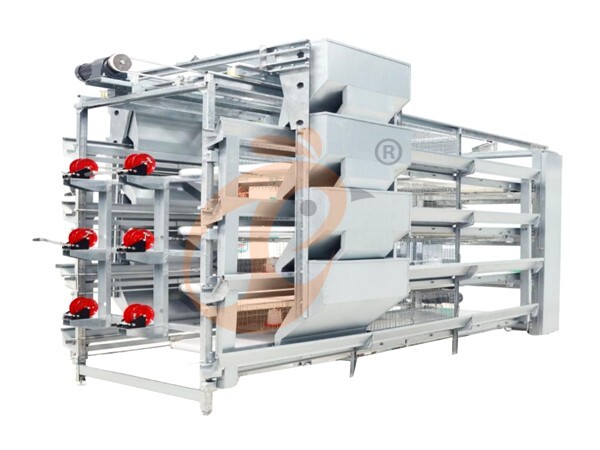
4. Our 24 hour online reception What’sApp NO. is +8618830120193, +234 8111199996. >30,000 Broilers Manual Harvest H Type Battery Cage1. More than 30,000 broilers a house, choose it.
2. It is designed to rearing 1 to 45 day old adult broiler ready for market.
3. Its lifespan is more than 20 years.
4. Its structure are Vcloud artificial intelligent fusion, electric control cabinet, automatic equipment of drinking, feeding and manure clean, manual harvesting.
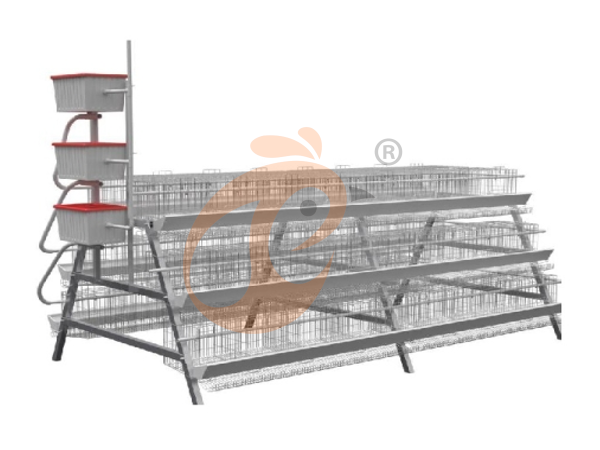
5. Our 24 hour online reception What’sApp NO. is +8618830120193, +234 8111199996. <30,000 Broilers Manual Harvest A Type Battery Cage1. Less 30,000 broilers a house, choose it.
2. It is designed to rearing 1 to 45 day old adult broiler ready for market.
3. Its lifespan is more than 20 years.
4. Its structure are Vcloud artificial intelligent fusion, electric control cabinet, automatic equipment of drinking, feeding and manure clean, manual harvesting.
5. Our 24 hour online reception What’sApp NO. is +8618830120193, +234 8111199996. HK Headquarter Offers EU-standard Poultry Farm Solutions, Manufacture Poultry Farm Equipment1. Continuous communication with the EU and the US
2. China, Nigeria, Ethiopia, Tanzania branch companies and factories
3. The products’ quality is customized for local poultry farms
4. Poultry cage and poultry farm equipment stock for sale
5. 24 online reception Whatsapp NO. : +8618830120193,contact us to get full information China Branch Offer Poultry Farm Business Plan, Manufacture Poultry Farm Equipment1. Address: Flat/RM 2416, 24/F, Runxing Building, Youyi Nan Street, Shijiazhuang City, Hebei Province, China
2. Poultry cage and poultry farm equipment factory and stock for sale
3. Customized for local poultry farms
4. Quality and design are based on Euro
5. 24 online reception Whatsapp NO. : +8618830120193 Nigeria Branch Offer Poultry Farm Business Plan, Manufacture Poultry Farm Equipment1. Address: After Sinoma Office, 200 Meters Near Danco Filling Station, Lagos/Ibadan Expressway, Lagos State, Nigeria
2. Poultry cage and poultry farm equipment factory and stock for sale
3. Customized for Nigerian poultry farms
4. Quality and design are based on Euro
5. 24 online reception Whatsapp NO. : +8618830120193 Ethiopia Branch Offer Poultry Farm Business Plan, Manufacture Poultry Farm Equipment1. Address: Gelan Gura, Akaki-kaliti Sub City, Addis Ababa, Ethiopia
2. Poultry cage and poultry farm equipment stock for sale
3. Customized for Ethiopian poultry farms
4. Quality and design are based on Euro
5. 24 online reception Whatsapp NO. : +8618830120193, contact us to get price list Tanzania Branch Offer Poultry Farm Business Plan, Manufacture Poultry Farm Equipment1. Address: No.8, Sova Road, Msufini, Mlandizi, Kibaha, Pwani, Tanzania
2. Poultry cage and poultry farm equipment factory and stock for sale
3. Customized for Tanzanian poultry farms
4. Quality and design are based on Euro
5. 24 online reception Whatsapp NO. : +8618830120193


Contact