


Blog
Uneven feed delivery reduces flock uniformity by 8% to 15% and directly impacts daily egg production.
The four main causes are feed blockages, worn drive parts, incorrect controller settings, and poor cage layout.
Daily checks on feed trough levels, hopper flow, and chain tension prevent minor issues from causing major feed waste.
Selecting a well-engineered automatic chicken layer cage system lowers annual maintenance costs to around $150–$300 per house (EU standards for reference only).
When feed fails to distribute evenly in a layer house, hens near the hopper overeat while birds at the far end go hungry. As an experienced poultry equipment manufacturer, we evaluate the entire feeding route—from feed storage to the final cage tier—to help farms eliminate feed waste and maintain consistent flock performance.
Get professional poultry farm construction guidance, equipment selection solutions, and the latest price lists, whatsApp to +8618830120193, click to learn more:
How To Recognize Uneven Feed Delivery In Layer Cages
The clearest sign is an inconsistent feed depth between the front, middle, and end of a cage row after a full feeding cycle. Intense bird competition at specific sections or dropping egg-weight uniformity below 85% also signals a delivery problem. Compare observations over three consecutive feeding cycles before adjusting your equipment.
Main Causes Of Uneven Feed Delivery
Feed Blockages And Poor Feed Flow
Damp feed, excessive fine particles, or foreign debris can cause feed bridging inside the hopper or build up at the outlet. Even when the drive motor runs normally, restricted flow starves downstream cages. Always store feed in dry conditions and disconnect power before clearing any blockage.
Worn Or Incorrectly Adjusted Feeding Components
Over time, drive chains, augers, and hopper outlets wear down or lose proper tension. If a feeding cycle stops before feed reaches the end of a 100-meter row, the far cages remain empty. Adjust one parameter at a time according to the manufacturer manual rather than guessing settings.
Uneven Cage Layout And Installation
A reliable layer cage feeding system depends on matching house dimensions, row length, and feeder capacity. Misaligned cage supports or overly long conveying paths create friction and uneven drops. For new projects, we always finalize the house layout and feeding route together before manufacturing begins.
How To Troubleshoot Your Automatic Feeding System
Start by identifying whether the shortage affects one section, one tier, or an entire row. Watch a complete feeding cycle from a safe distance to pinpoint where feed levels begin to drop. Record any adjustments made to timers or outlets so your team can track improvements over the next 48 hours.
How Farm Environment Monitoring Supports Feed Management
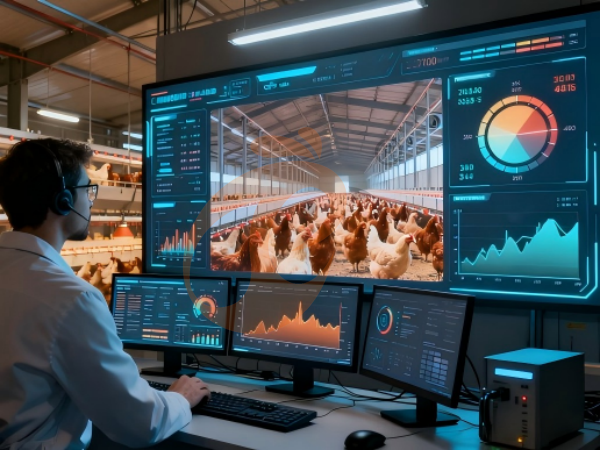
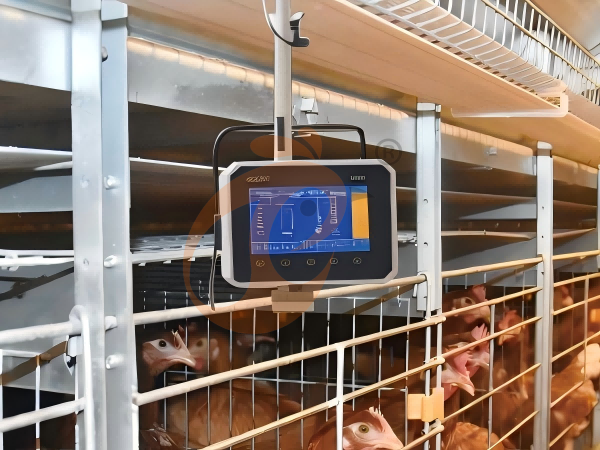
House temperature, airflow, and water access directly influence how hens eat. Warmer zones often show lower feed intake even when the feeder works properly. Our Environment Terminal Control System features a 10-inch touchscreen, smart gateway, 36 ventilation levels, and 22 fan groups across three zones to help operators cross-check house climate against feeding records.
Frequently Asked Questions
Why Is Feed Not Reaching The End Of My Layer Cage Row?
This usually happens due to hopper bridging, a worn drive chain, or a timer cycle set too short for the row length. Observe one full cycle to see where feed stops advancing and inspect that section first.
How Often Should An Automatic Chicken Layer Cage System Be Inspected?
Operators should visually check trough feed levels, hopper flow, and drive noise every day. Perform detailed tension adjustments, lubrication, and wear-part inspections every 30 days according to your equipment manual.
Can Feed Quality Cause Uneven Distribution In Poultry Cages?
Yes. Feed with moisture above 13% or excessive fine powder easily clumps inside hoppers and feeding pipes, causing inconsistent flow regardless of how well the machinery is calibrated.
Plan A More Reliable Layer Farm With Vanke
Direct Manufacturer Supply: We design and manufacture heavy-duty automatic chicken layer cage systems built for accurate, low-waste feeding.
Free Initial Layout Design: Send us your land dimensions, and our engineers will provide a customized cage and house layout plan at zero cost.
Complete Farm Planning: We help structure layer, chick, and broiler houses alongside egg storage and operational work zones.
Integrated Turnkey Options: Our engineering team can incorporate feed mills, organic manure processing, and planting zones into your master plan.
Tailored Project Consultation: Contact Vanke today with your target flock size and house measurements to receive a detailed equipment proposal and quote (EU standards for reference only).
Contact Us To Received Your Customized Poultry Farm Plan
Headquarters And Branchs

Hong Kong Headquarter Management Team
Hong Kong Headquarter Taiyu Industrial Group CO., LTD
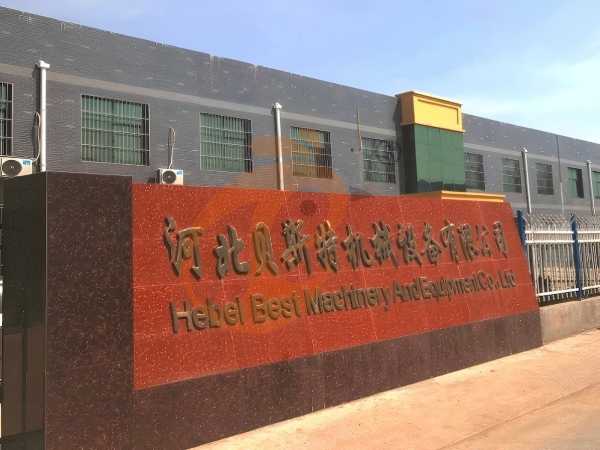
China Hebei Best Machinery And Equipment CO., LTD
Nigeria Vanke Machinery And Equipment CO., LTD
Tanzania Best Machinery And Equipment CO., LTD
Ethiopia Best Hebei Machinery Manufacturing PLC




Reception /24 WhatsApp NO. : +8618830120193
- poultry farm
- layer cages
- layer cage
- poultry cage
- cage
- poultry farm construction
- layer cage system
- automatic feeding system
- poultry equipment
- poultry cages
- chickencage
- bestchickencage
- chicken layer cage
- cage system
- cage systems
- Nigeria
- layer farm
- organic manure processing
- poultry equipment manufacturer
- automatic chicken layer cage
- poultry farm plan
- automatic chicken layer cage system
Message
Products recommended
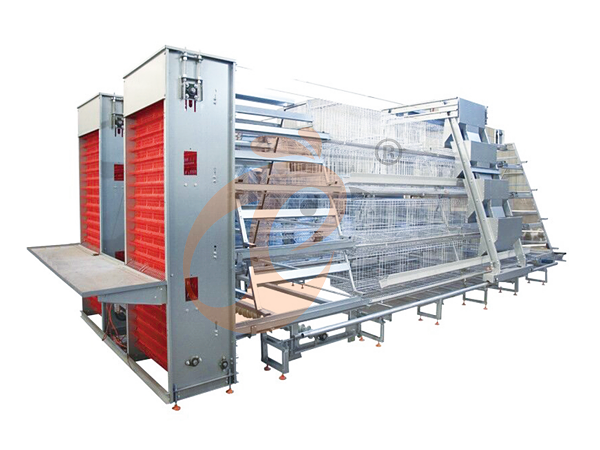
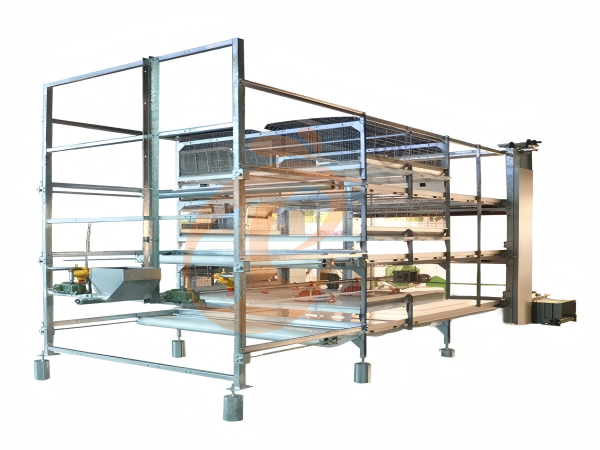
 Automatic H Type Battery Cage System1. For 30,000–1,000,000+ layer farmers.
2. Contains 30,000-100,000 chickens a house.
3. Makes feed utilization >98%, egg production rate 96%-99%, egg broken rate<0.3%.
4. Certificate: CE, SGS, PC, ISO 9001, SONCAP, PVOC,COC, OC, FORM M/A/F, CO and so on .
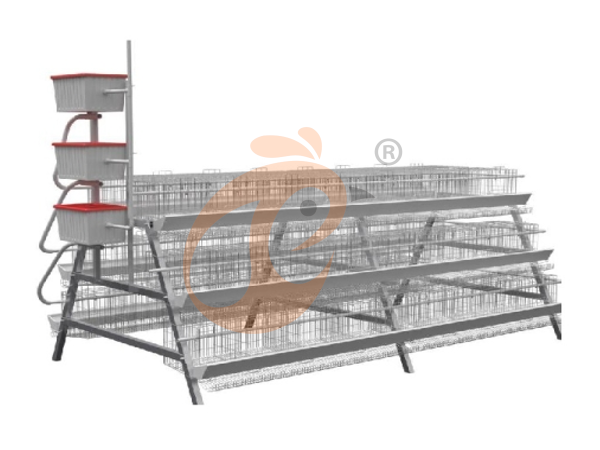
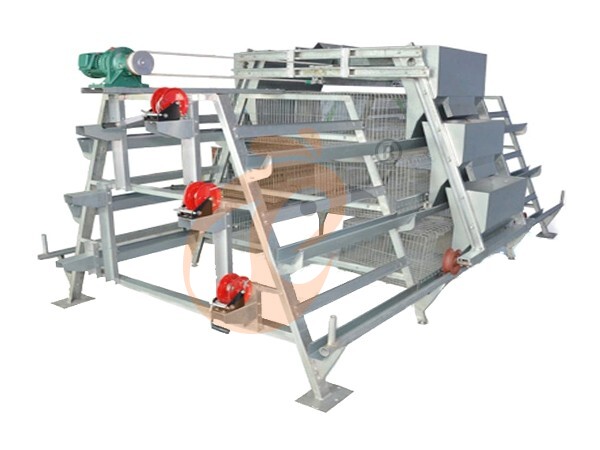
5. 24-hour online support: What'sApp +8618830120193. Automatic A Type Battery Cage For Layers1. For 5,000–30,000+ layer farmers.
2. Contains 30,000-100,000 chickens a house.
3. European standard automatic A type battery cage for layers.
4. Certificate: CE, SGS, PC, ISO 9001, SONCAP, PVOC,COC, OC, FORM M/A/F, CO and so on .
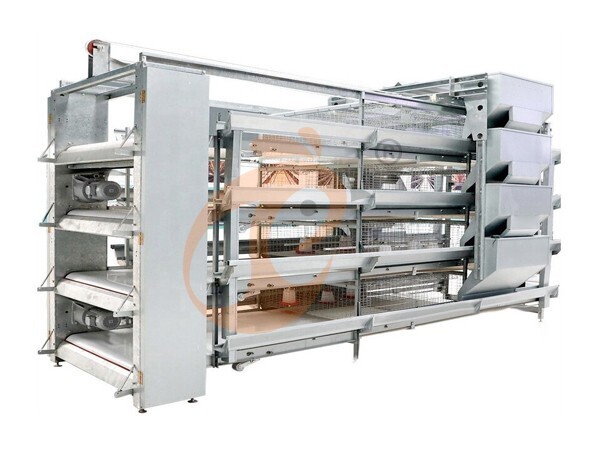
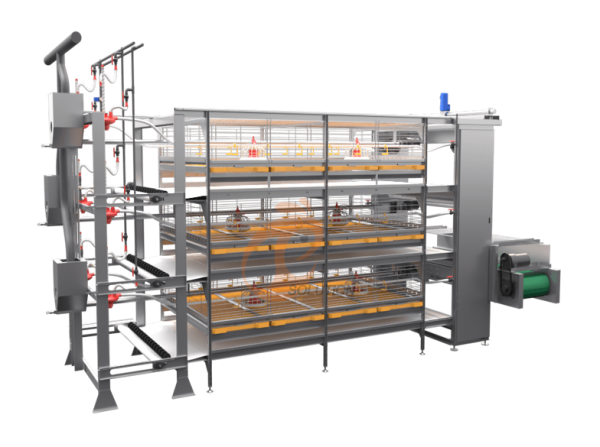
5. 24-hour online support: What'sApp +8618830120193. >30,000 Pullets Automatic H Type Battery Cage1. More than 30,000 pullets a house, choose it.
2. It is designed to rearing older than 1 day old pullets to 12 to 16 weeks old chicken starting laying eggs.
3. Its lifespan is more than 25 years.
4. Its structure are Vcloud artificial intelligent fusion, electric control cabinet, automatic equipment of drinking, feeding, manure clean, manual harvesting.
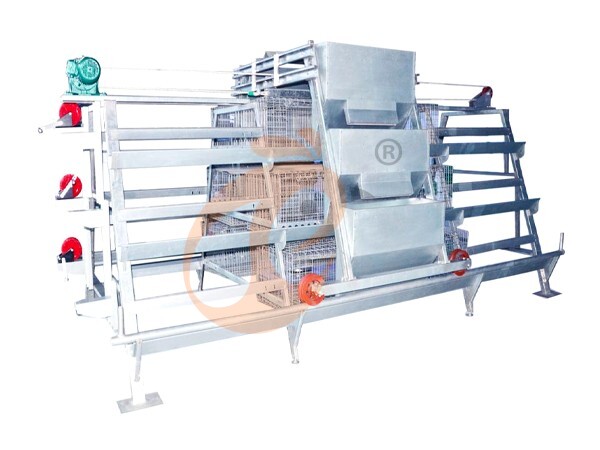
5. Our 24 hour online reception What’sApp NO. is +8618830120193 <30,000 Pullets Automatic A Type Battery Cage1. 10,000 to 30,000 pullets a house, choose it.
2. It is designed to rearing older than 1 day old pullets to 12 to 16 weeks old chicken starting laying eggs.
3. Its lifespan is more than 25 years.
4. Its structure are Vcloud artificial intelligent fusion, electric control cabinet, automatic equipment of drinking, feeding, manure clean, manual harvesting.
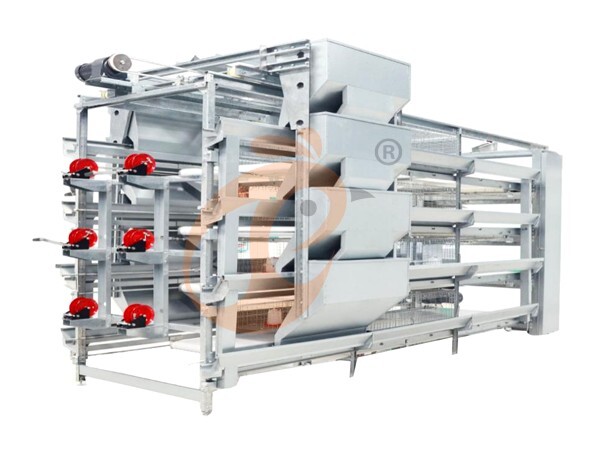
5. Our 24 hour online reception What’sApp NO. is +86 18830120193. >30,000 Broilers Semi-Automatic Harvest H Type Battery Cage1. More than 30,000 broilers a house, choose it.
2. It is designed to rearing 1 to 45 day old adult broiler ready for market.
3. Its lifespan is more than 20 years.
4. Our 24 hour online reception What’sApp NO. is +8618830120193, +234 8111199996. >30,000 Broilers Manual Harvest H Type Battery Cage1. More than 30,000 broilers a house, choose it.
2. It is designed to rearing 1 to 45 day old adult broiler ready for market.
3. Its lifespan is more than 20 years.
4. Its structure are Vcloud artificial intelligent fusion, electric control cabinet, automatic equipment of drinking, feeding and manure clean, manual harvesting.
5. Our 24 hour online reception What’sApp NO. is +8618830120193, +234 8111199996. <30,000 Broilers Manual Harvest A Type Battery Cage1. Less 30,000 broilers a house, choose it.
2. It is designed to rearing 1 to 45 day old adult broiler ready for market.
3. Its lifespan is more than 20 years.
4. Its structure are Vcloud artificial intelligent fusion, electric control cabinet, automatic equipment of drinking, feeding and manure clean, manual harvesting.
5. Our 24 hour online reception What’sApp NO. is +8618830120193, +234 8111199996. HK Headquarter Offers EU-standard Poultry Farm Solutions, Manufacture Poultry Farm Equipment1. Continuous communication with the EU and the US
2. China, Nigeria, Ethiopia, Tanzania branch companies and factories
3. The products’ quality is customized for local poultry farms
4. Poultry cage and poultry farm equipment stock for sale
5. 24 online reception Whatsapp NO. : +8618830120193,contact us to get full information China Branch Offer Poultry Farm Business Plan, Manufacture Poultry Farm Equipment1. Address: Flat/RM 2416, 24/F, Runxing Building, Youyi Nan Street, Shijiazhuang City, Hebei Province, China
2. Poultry cage and poultry farm equipment factory and stock for sale
3. Customized for local poultry farms
4. Quality and design are based on Euro
5. 24 online reception Whatsapp NO. : +8618830120193 Nigeria Branch Offer Poultry Farm Business Plan, Manufacture Poultry Farm Equipment1. Address: After Sinoma Office, 200 Meters Near Danco Filling Station, Lagos/Ibadan Expressway, Lagos State, Nigeria
2. Poultry cage and poultry farm equipment factory and stock for sale
3. Customized for Nigerian poultry farms
4. Quality and design are based on Euro
5. 24 online reception Whatsapp NO. : +8618830120193 Ethiopia Branch Offer Poultry Farm Business Plan, Manufacture Poultry Farm Equipment1. Address: Gelan Gura, Akaki-kaliti Sub City, Addis Ababa, Ethiopia
2. Poultry cage and poultry farm equipment stock for sale
3. Customized for Ethiopian poultry farms
4. Quality and design are based on Euro
5. 24 online reception Whatsapp NO. : +8618830120193, contact us to get price list Tanzania Branch Offer Poultry Farm Business Plan, Manufacture Poultry Farm Equipment1. Address: No.8, Sova Road, Msufini, Mlandizi, Kibaha, Pwani, Tanzania
2. Poultry cage and poultry farm equipment factory and stock for sale
3. Customized for Tanzanian poultry farms
4. Quality and design are based on Euro
5. 24 online reception Whatsapp NO. : +8618830120193

Contact