


Blog
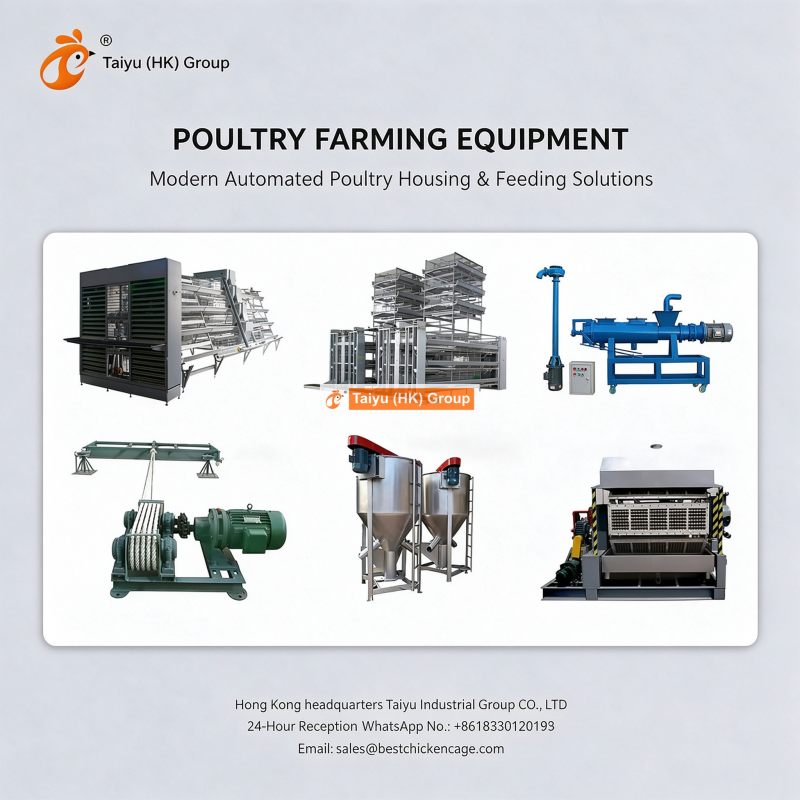

Today, the three most popular core types of poultry farming equipment in Nigeria, and the three most worthwhile investments in Nigerian poultry farm business plans, are layer cages, broiler cages, and feed processing equipment.
Table of Contents
- Standard Poultry Equipments and price list in Nigeria for 500–100,000+ Birds: Layer Cages, Broiler Cages, and Feed Processing Equipment
- Some Poultry Equipment, Their Uses, and Costs in Nigeria
- General Guide to Choosing Poultry Equipment in Nigeria
- Major Local Poultry Equipment Manufacturers, Suppliers, and Dealers in Nigeria
Why More And More Farmers Choose Modern Poultry Farming Equipment In Nigeria?
According to data released by the Food and Agriculture Organization of the United Nations (FAO) and Nigeria's Federal Ministry of Agriculture and Food Security (FMAFS) under the National Livestock Transformation Plan (NLTP), the livestock sector contributes as much as 15%–25% of Nigeria's agricultural GDP. By 2050, demand for poultry meat and eggs in the country is expected to increase by more than 250%. Therefore, investing in modern poultry farming equipment allows your farm to keep pace with growing market demand while maximizing operational efficiency and profitability.
Meanwhile, the Poultry Association of Nigeria (PAN), in various industry white papers, has highlighted five key requirements for poultry equipment selection: rust resistance and durability, reduced labor costs, lower feed waste, adaptability to high temperatures, high humidity and unstable electricity supply, and low after-sales maintenance costs.
The following analysis combines international manufacturing standards, Nigeria's Standards Organisation of Nigeria (SON) compliance requirements, and commercial poultry farm operating data to provide an in-depth overview of the poultry equipment market in Nigeria and neighboring countries, including Benin and Ghana.
1. Three Main Types of Poultry Equipment for Sale in Nigeria:
Layer Cages, Broiler Cages, and Feed Processing Equipment
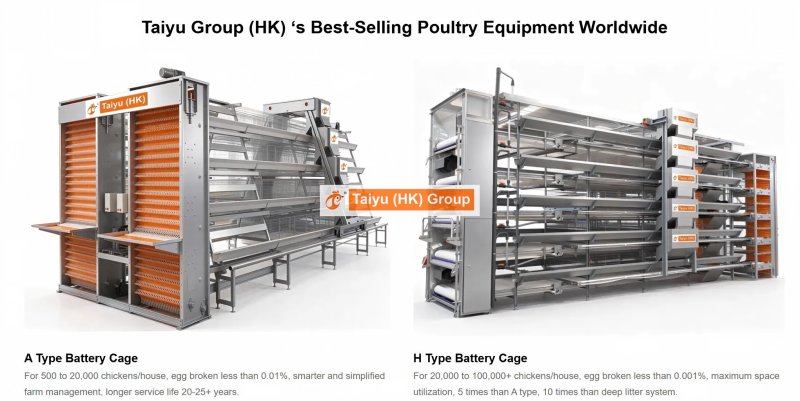
Why are layer cages, broiler cages, and feed processing equipment becoming the three most popular categories in Nigeria's poultry equipment market?
1.1 Layer Cages
1.1.1 Solving High Egg Breakage and Disease-Related Mortality
Eggs are one of the most important everyday sources of protein for ordinary Nigerian households, with consistently strong market demand. Under traditional floor-rearing systems, eggs are easily trampled, pecked, or contaminated by chicken manure, resulting in a breakage rate of 3%–5%.
In contrast, layer cages use physical manure separation and scientifically designed egg-rolling slopes to reduce egg breakage to below 0.01%, while effectively reducing exposure to coccidiosis and helping lower flock mortality and culling rates.
1.1.2 High Returns on Space and Labor Investment
In major poultry farming areas such as Lagos and Ogun State, as well as emerging agricultural markets around Abuja and other states, land prices and skilled labor costs continue to rise.
Multi-tier layer cages, available in A-type and H-type configurations, can increase bird capacity per unit of floor area by 3–6 times or more. With centralized feeding and egg collection systems, a single worker can manage tens of thousands of laying hens more efficiently, while reducing the risks of egg and feed theft.
1.2 Broiler Cages
A Necessary Alternative Driven by the Rapid Growth of the Fast-Food and Cold-Chain Industries and Rising Bedding Costs
1.2.1 Eliminating Expensive Bedding Costs and Ammonia Pollution
In the past, broiler farming in Nigeria mainly relied on traditional floor-rearing systems, which required large quantities of wood shavings or rice husks as bedding materials. However, in recent years, local wood-shaving supplies have become increasingly limited and prices have risen significantly.
Under the hot and humid climate conditions in southern Nigeria, bedding materials can easily absorb moisture, become moldy, and encourage the growth of harmful fungi that may produce aflatoxins. Wet and poorly managed litter also generates excessive ammonia, increasing the risk of serious respiratory diseases in broiler flocks.
By switching to broiler cages equipped with automatic manure removal systems, farmers can eliminate routine bedding expenses and significantly improve poultry house air quality through more effective manure management.
1.2.2 Improving Feed Conversion Ratio (FCR) and Entering Urban Fast-Food Supply Chains
With accelerating urbanization in cities such as Lagos and Abuja, demand for broilers with standardized market weights of 2.0–2.5 kg is increasing among KFC, local fast-food chains such as Chicken Republic, and modern cold-chain processing and slaughter facilities.
Broiler cages help control bird movement and reduce unnecessary energy expenditure, potentially improving feed conversion efficiency. With proper feeding, ventilation, stocking density, and environmental management, farmers may achieve better feed utilization and more predictable production cycles.
This gives poultry farmers an opportunity to improve production efficiency, shorten the time required to reach market weight, and strengthen their profit margins in an increasingly competitive poultry market.
1.3 Feed Processing Equipment
Addressing the Critical Issue of Feed Costs Accounting for 75% of Total Production Expenses
1.3.1 Breaking Free from Commercial Feed Mill Price Increases
In Nigeria, feed expenses account for approximately 70%–75% of a poultry farm's total operating costs. Affected by fluctuations in the Nigerian naira exchange rate, the removal of fuel subsidies and rising transportation costs, as well as inflation, commercial poultry feed prices remain high. Small and medium-sized poultry farmers often find that most of their hard-earned profits go directly to feed suppliers.
1.3.2 Saving Over 20% by Producing Feed Locally from Abundant Raw Materials
Northern and central Nigeria produce abundant quantities of maize, soybeans, and sorghum, while cassava is widely available across the country. Palm kernel cake (PKC) is also readily sourced in southern Nigeria, making local feed ingredient procurement highly convenient.
By investing in a feed processing system equipped with a feed grinder, mixer, or pellet mill, poultry farmers can purchase locally available raw materials directly during harvest seasons, secure more favorable prices, and formulate their own feed according to the nutritional requirements of their flocks.
This approach can potentially reduce feed production costs by 15%–25% per ton. Depending on farm capacity, equipment investment, raw material prices, and production volume, the payback period may be approximately 8–14 months.
With in-house feed processing, farmers gain greater control over feed quality, ingredient costs, and production schedules, reducing dependence on commercial feed suppliers and improving long-term farm profitability.
1.4. Core Poultry Equipment & Costs
- Layer Battery Cages (A-Type & H-Type):
4-tier A-type cages (128 or 160 birds per set) are the top seller for small-to-medium farms, while automated H-type cages serve larger setups. Local resellers charge around ₦297,000 – ₦1,250,000 per set, while factory-direct FOB prices start from $130 – $350 per set depending on hot-dip galvanized wire thickness.
- Broiler Battery Cages (H-Type):
Stacked 3-tier or 4-tier broiler cages hold 100–160 mature birds per unit and feature soft PP mesh floors to prevent breast blisters. Local spot prices range from ₦429,000 – ₦1,200,000 per set, compared to $240 – $550 FOB for direct factory imports.
- Feed Processing Machines (Grinder, Mixer & Pelletizer):
Since feed represents over 70% of farm expenses, vertical grinder-mixers (500kg/h–2t/h) and ring-die pellet mills are in high demand. Local units sell for ₦1,500,000 – ₦6,500,000, while factory-direct prices run $850 – $3,800 FOB (available in electric or diesel-engine drives). Here are larger capacity such as 20 tons per hours for commercial feed factory and many factors affects its price. Taiyu Group (HK) has its own feed mill line and 20 tons per hour in Vanke's factory in Nigeria to meet local feed market requirement, if you are interested it please contact us.
2. Some Poultry Equipment, Their Uses, and Costs in Nigeria
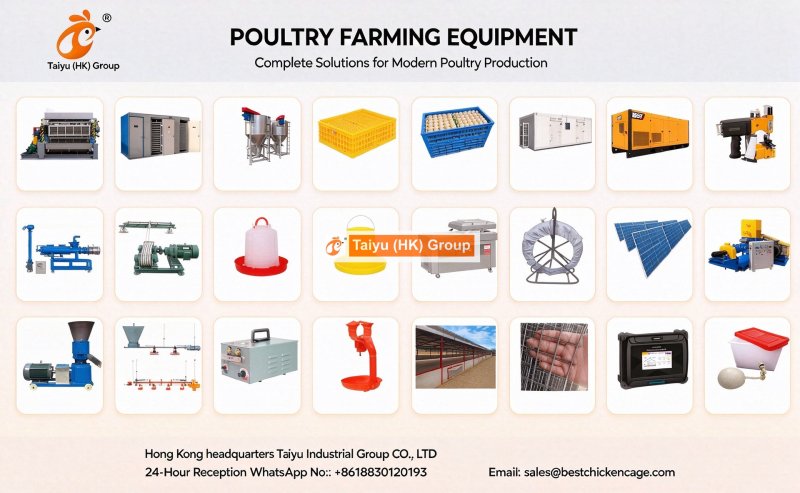
In addition to the three major equipment categories mentioned above, there are seven other types of poultry farming equipment and related products commonly used on Nigerian farms. The following prices are for reference only. Actual costs may vary depending on exchange rate fluctuations, international shipping, Nigerian customs duties, and other import-related expenses.
Different farm sizes and production capacities require different equipment configurations. Therefore, the following seven products do not represent every farm's equipment requirements. They are selected based on general equipment demand identified through Taiyu Group (HK)'s market research in recent years, as well as emerging equipment needs driven by the development of Nigeria's livestock industry.
2.1 Poultry Equipment and Price List in Nigeria
2.1.1 Automatic Egg Incubator
- Popular Specifications:
Small incubators: 320–1,056 eggs, with dual power supply.
- Medium-sized commercial incubators: 2,816–5,280 eggs.
- Reference Prices:
Local market price: Approximately ₦350,000–₦4,500,000.
Manufacturer's FOB price: Approximately $220–$2,400.
- Main Uses: Enables farmers to hatch day-old chicks independently, reducing dependence on local chick suppliers and minimizing chick mortality associated with long-distance transportation.
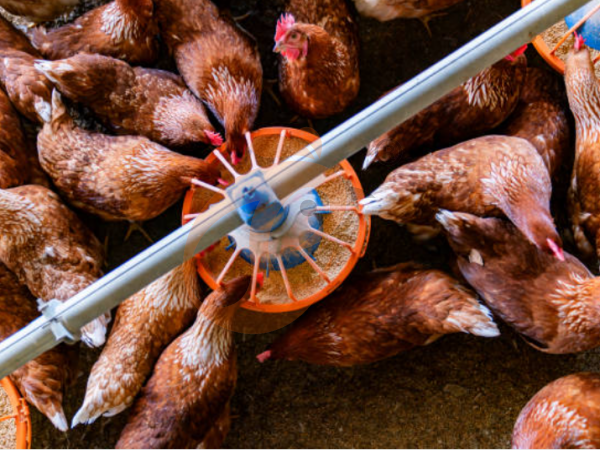
2.1.2 Automatic Feeding System
- Popular Specifications:
Automatic pan feeding lines for broiler farms.
- Reference Prices:
Local market price: Approximately ₦850,000–₦3,800,000 per set.
Manufacturer's FOB price: Approximately $450–$1,900 per set.
- Main Uses: Distributes feed evenly throughout the poultry house, reduces feed wastage caused by manual feeding, and can help save approximately 5%–8% in feed costs through better feed management.
2.1.3 Nipple Drinking System
- Popular Specifications:
Complete broiler drinking water lines, including drinkers, pressure regulators, filters, and water meters.
- Reference Prices:
Complete system: Approximately ₦350,000–₦900,000 per poultry house locally, or $180–$480 FOB.
Individual nipples: Approximately ₦12,000–₦22,000 per 10 pieces locally, or $6–$11 FOB per 10 pieces.
- Main Uses: Provides clean water through a closed drinking system, reduces water contamination, and prevents leaking drinkers from wetting manure and litter, helping control excessive ammonia levels inside poultry houses.
2.1.4 Brooder Heating Equipment
- Popular Specifications:
Gas brooders.
Infrared heating lamps.
- Reference Prices:
Local market price: Approximately ₦140,000–₦260,000 per set.
Manufacturer's FOB price: Approximately $55–$110 per set.
- Main Uses: Maintains the required temperature during the first two weeks of chick brooding. Gas brooders are particularly useful in areas with unreliable electricity because they can operate independently of the public power grid.
2.1.5 Chicken Feather Plucker and Live Bird Transport Crates
- Popular Specifications:
Stainless steel drum-type feather pluckers, processing 5–8 chickens per batch.
High-density HDPE live poultry transport crates.
- Reference Prices:
Feather plucker: Approximately ₦380,000–₦680,000 per unit locally, or $180–$320 FOB.
Transport crates: Approximately ₦39,000–₦49,000 per unit locally, or $16–$24 FOB.
- Main Uses: Suitable for wholesale live chicken distribution, large-scale poultry transportation during festive seasons, and small broiler processing facilities requiring efficient feather removal.
2.1.6 Silent Diesel Generator – Essential Backup Power for Poultry Farms
- Popular Specifications:
15–30 kVA water-cooled silent diesel generator sets.
Three-phase 380V and single-phase 220V configurations.
- Reference Prices:
Local market price: Approximately ₦4,800,000–₦9,500,000 per unit.
Manufacturer's FOB price: Approximately $2,300–$4,600 per unit.
- Main Uses: Provides backup electricity during frequent power outages from Nigeria's national electricity grid (NEPA). It helps maintain the operation of automatic feeding systems, manure removal equipment, water pumps, and incubators, reducing the risk of production interruptions.
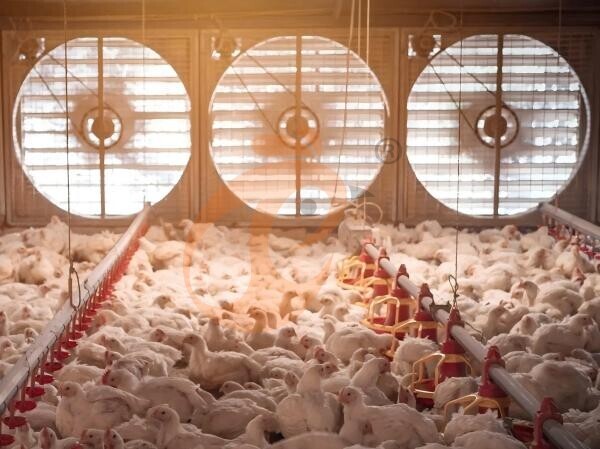
2.1.7 Exhaust Fans and Evaporative Cooling Pad System – Essential Climate Control Equipment
- Popular Specifications:
Heavy-duty 50-inch (1,380 mm) galvanized exhaust fans.
Evaporative cooling pad walls.
- Reference Prices:
Exhaust fans: Approximately ₦650,000–₦1,100,000 per unit locally, or $280–$450 FOB.
Cooling pads: Approximately ₦180,000–₦320,000 per m² locally, or $85–$150 FOB per m².
- Main Uses: Removes hot, humid air and excess ammonia from poultry houses. During Nigeria's hot dry season, a properly designed evaporative cooling system may reduce indoor temperatures by approximately 6°C–10°C, helping prevent heat stress and heat-related bird mortality.
2.1.8 Chicken Manure Drying Equipment – An Environmental Management and Additional Revenue Solution
- Popular Specifications:
Screw-press solid-liquid separation and dewatering machines: 1–3 tons per hour.
Rotary drum high-temperature manure dryers.
- Reference Prices:
Local market price: Approximately ₦3,300,000–₦9,000,000 per unit.
Manufacturer's FOB price: Approximately $1,600–$5,200 per unit.
- Main Uses: Quickly dewaters and dries poultry manure, targeting a final moisture content of approximately 15%. This helps reduce unpleasant odors, improve manure handling, and convert poultry waste into higher-value organic fertilizer for sale to crop farmers and plantations, creating an additional source of farm revenue.
3. General Guide to Choosing Poultry Equipment in Nigeria
3.1 Prioritize Material Quality, Manufacturing Processes, and Protective Details for Long-Term Durability and Higher Returns
- Considering Nigeria's hot, humid climate and high-ammonia poultry house environment, pay close attention to the materials and surface treatment of metal equipment such as layer cages and broiler cages.
- For cage frames and wire mesh, look for Q235 carbon steel and hot-dip galvanizing in accordance with ISO 1461, with a recommended zinc coating weight of at least 275 g/m². Proper material selection and corrosion protection can significantly extend equipment service life, with a target lifespan of 20 years or more under suitable operating and maintenance conditions.
- For nipple drinkers and feather-plucking machines, prioritize SUS304 stainless steel components to improve corrosion resistance and hygiene. Avoid low-quality electro-galvanized products that may begin rusting after just one or two years in demanding poultry farm environments.
3.2 Ensure Power Supply Redundancy and Adapt Equipment to Local Climate Conditions
- To cope with frequent power outages in Nigeria, small and medium-sized farms may consider open-sided poultry houses equipped with A-type layer cages. For large commercial farms using fully automatic H-type cage systems, ensure that motor configurations are compatible with backup generators and consider soft starters or variable frequency drives (VFDs) to manage starting currents and operating loads.
- Feed processing equipment can be configured with direct diesel engine drive options where appropriate. For incubation and brooding, prioritize incubators with AC/DC dual power supplies and gas brooders that can operate independently of the public electricity grid.
- Climate control and manure management are equally important. Schedule daily manure removal where the system allows, maintain adequate ventilation, and monitor ammonia levels to prevent poor air quality from affecting bird health and production performance.
3.3 Choose Flexible Purchasing Channels and Verify Local Delivery and Installation Capabilities
- To control purchasing costs and reduce delivery risks, select the procurement channel according to your farm's actual requirements.
- For urgent purchases of individual machines or small replacement batches, consider established manufacturers or suppliers with local stock warehouses in Lagos. Confirm whether they accept payment in Nigerian naira (NGN) and allow on-site product inspection before collection.
- For complete poultry house projects or whole-farm equipment packages, purchasing directly from the manufacturing factory and arranging full-container shipment may help reduce intermediary costs. However, actual savings depend on product specifications, shipping, customs duties, and installation arrangements.
Before placing an order, verify the following:
- Import compliance: Confirm that the supplier can provide the applicable SONCAP, SGS inspection, and other required export or import documentation. Note that SGS is an inspection and certification organization, not a substitute for mandatory SONCAP certification.
- Factory quality control: Request evidence of pre-shipment inspection, assembly testing, and product quality checks.
- Local installation support: Confirm whether the supplier has engineers or authorized installation teams available in Nigeria for on-site installation, commissioning, and technical guidance.
- Spare parts: Consider purchasing an additional 5%–10% of commonly used consumable and vulnerable components to reduce downtime during operation.
The key principle is to evaluate equipment based on its total operating cost, durability, power requirements, maintenance accessibility, and local after-sales support—not simply its initial purchase price.
4. Major Poultry Equipment Manufacturers and Suppliers in Nigeria
Top Poultry Equipment Manufacturers & Suppliers in Nigeria
Due to limitations in Nigeria's domestic heavy industrial manufacturing infrastructure and the limited availability of large-scale hot-dip galvanizing production lines, there are currently very few local manufacturers capable of independently producing high-precision, hot-dip galvanized multi-tier poultry cage systems on a large commercial scale.
As a result, the major suppliers serving Nigeria's commercial poultry farming market generally fall into the following three categories.
4.1 Direct Manufacturing Groups with Established Operations in Nigeria
(Direct Factory Supply + Local Warehousing + On-Site After-Sales Support)
Taiyu Group (HK) / Nigeria Vanke Machinery and Equipment CO., LTD
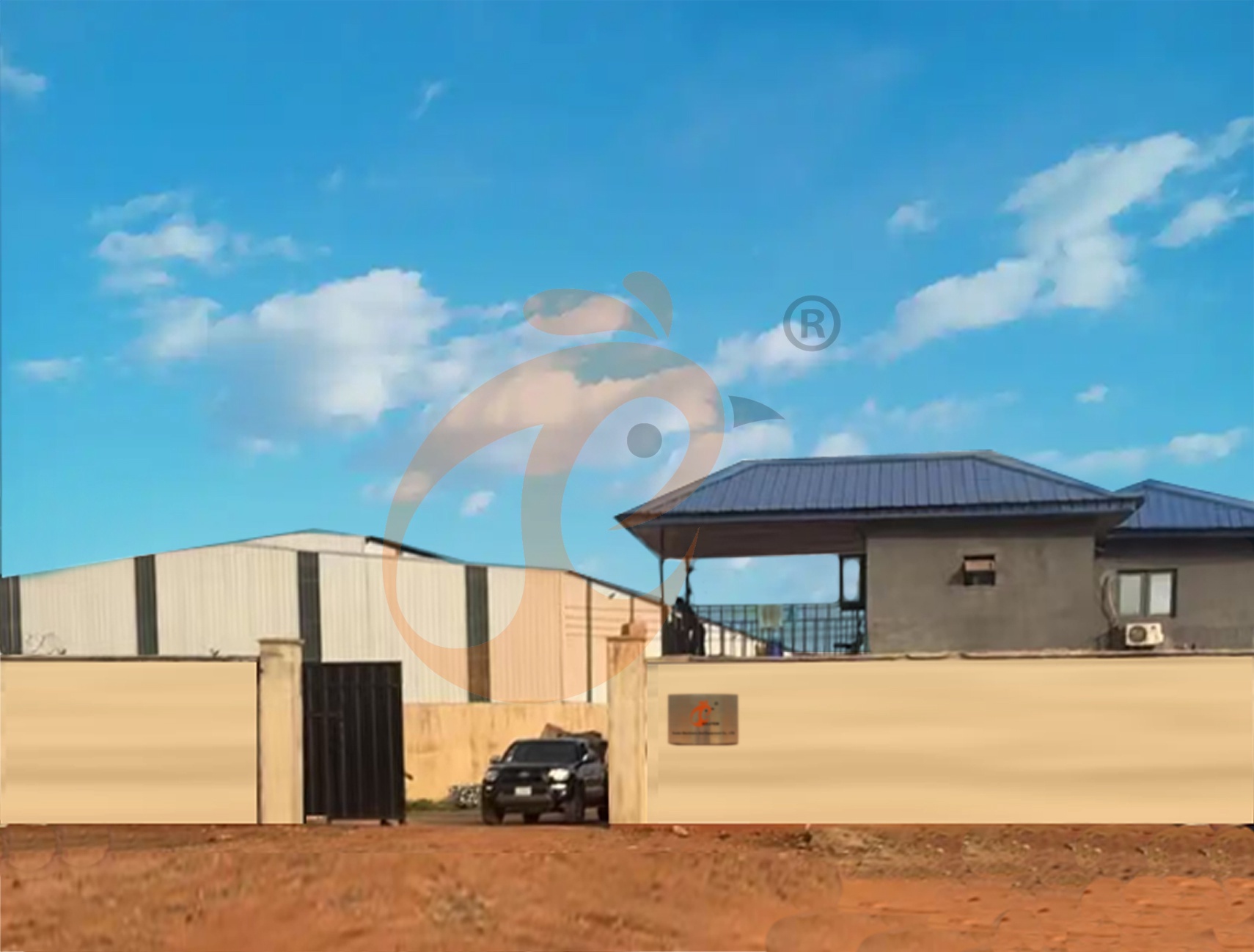
Taiyu Group (HK) has been developing its African market presence for more than a decade. Since 2013, it has established local factory, operations and product inventory facilities in Nigeria, with its base located along the Lagos–Ibadan Expressway, near Danco Filling Station, beyond the Sinoma Office.
Key Competitive Advantages
- Taiyu has established an integrated supply chain combining manufacturing at 30 modern production workshops in China with local inventory and distribution of standard poultry cages and other equipment in Lagos.
- Small and medium-sized orders (1,000–5,000 birds): Supports direct payment in Nigerian naira (NGN) through local bank transfers, with same-day product inspection and collection for available stock.
- Large commercial projects (50,000–200,000+ birds): Uses a coordinated China–Nigeria delivery model to provide equipment supply and project implementation support.
- Import documentation: Provides relevant SONCAP, SGS inspection, and other applicable certification documents according to product and shipment requirements.
- Installation and commissioning: Maintains four teams of Chinese- and Nigerian-speaking installation engineers to provide on-site installation, commissioning, and technical support.
4.2 Local Agricultural E-Commerce Platforms and Traditional Import Distributors
(Suitable for Small Equipment Purchases and Replacement Parts)
Afrimash / Jiji.ng and Other Local Platforms
- These are well-known online purchasing platforms in Nigeria, offering various agricultural and poultry-related products, including small incubators, plastic drinkers, feather-plucking machines, and individual cage components.
- Their main advantages include convenient online purchasing, relatively fast delivery of small products, and access to local payment methods.
- However, buyers considering complete commercial layer cage or broiler cage systems should carefully verify whether the seller is a direct manufacturer or an intermediary distributor. Some resellers may add significant markups, while their ability to provide large-scale automated equipment installation, commissioning, and long-term technical support may be limited.
4.3 European and American Premium Brands with Authorized Distributors in Nigeria
(Primarily Serving Large Commercial and Multinational Poultry Operations)
- Some international manufacturers, including Italian poultry equipment brand FACCO, serve the high-end commercial poultry market through international sales networks and local representatives.
- These brands generally offer highly automated equipment, integrated farm management systems, and established engineering standards.
- However, the total investment can be significantly higher than comparable Chinese-manufactured hot-dip galvanized equipment. Depending on the configuration and project scope, equipment costs may reach 2–3 times those of comparable Chinese products.
- Farm owners should also evaluate spare-parts availability, international shipping costs, maintenance arrangements, and after-sales response times when calculating the total investment and expected payback period.
Purchasing recommendation
When comparing poultry equipment suppliers in Nigeria, do not focus exclusively on the initial quotation. Compare manufacturing capabilities, local stock availability, certification documents, installation experience, spare-parts supply, and long-term maintenance costs before selecting a supplier.
Message
Products recommended
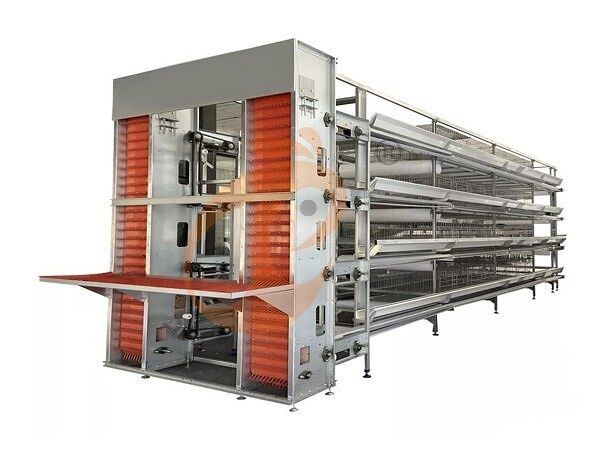
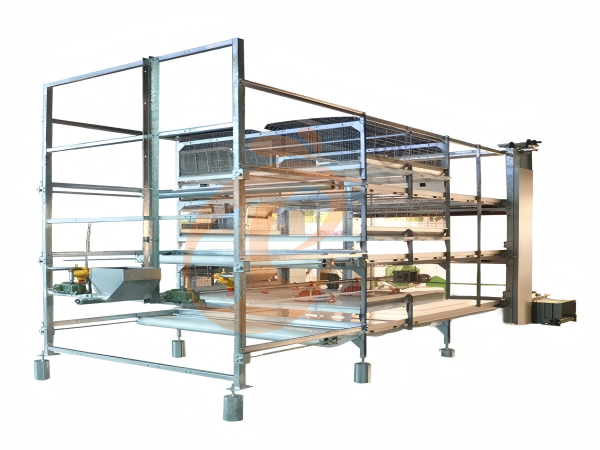
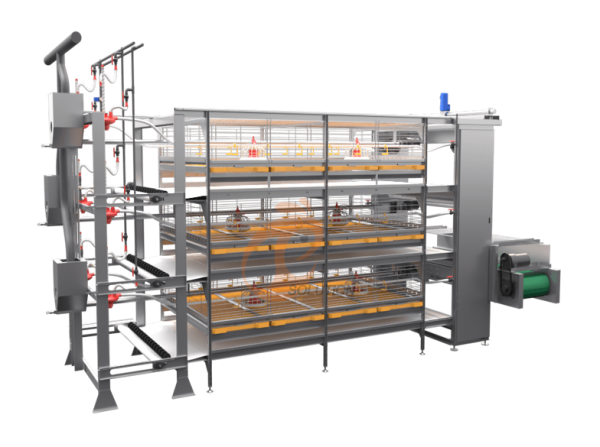
 Automatic H Type Battery Cage System1. For 30,000–1,000,000+ layer farmers.
2. Contains 30,000-100,000 chickens a house.
3. Makes feed utilization >98%, egg production rate 96%-99%, egg broken rate<0.3%.
4. Certificate: CE, SGS, PC, ISO 9001, SONCAP, PVOC,COC, OC, FORM M/A/F, CO and so on .
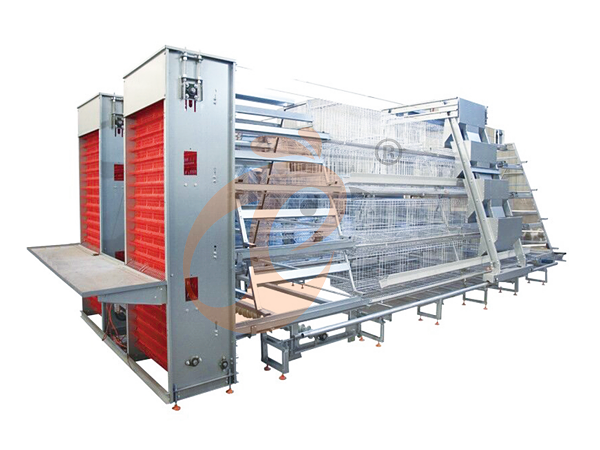
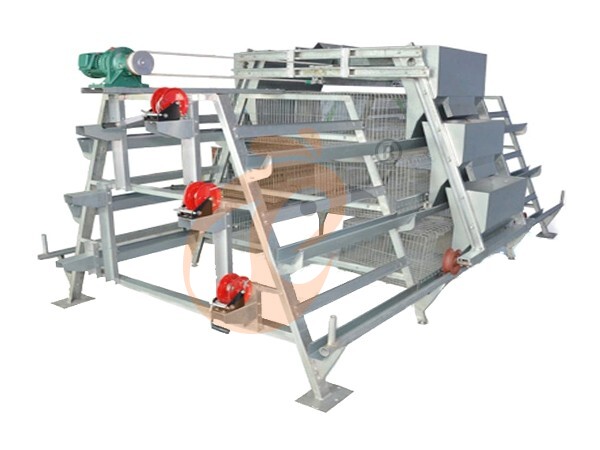
5. 24-hour online support: What'sApp +8618830120193. Automatic A Type Battery Cage For Layers1. For 5,000–30,000+ layer farmers.
2. Contains 30,000-100,000 chickens a house.
3. European standard automatic A type battery cage for layers.
4. Certificate: CE, SGS, PC, ISO 9001, SONCAP, PVOC,COC, OC, FORM M/A/F, CO and so on .
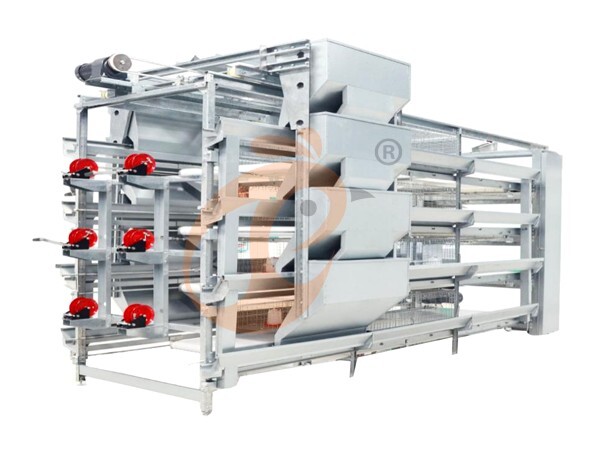
5. 24-hour online support: What'sApp +8618830120193. >30,000 Broilers Semi-Automatic Harvest H Type Battery Cage1. More than 30,000 broilers a house, choose it.
2. It is designed to rearing 1 to 45 day old adult broiler ready for market.
3. Its lifespan is more than 20 years.
4. Our 24 hour online reception What’sApp NO. is +8618830120193, +234 8111199996. >30,000 Broilers Manual Harvest H Type Battery Cage1. More than 30,000 broilers a house, choose it.
2. It is designed to rearing 1 to 45 day old adult broiler ready for market.
3. Its lifespan is more than 20 years.
4. Its structure are Vcloud artificial intelligent fusion, electric control cabinet, automatic equipment of drinking, feeding and manure clean, manual harvesting.
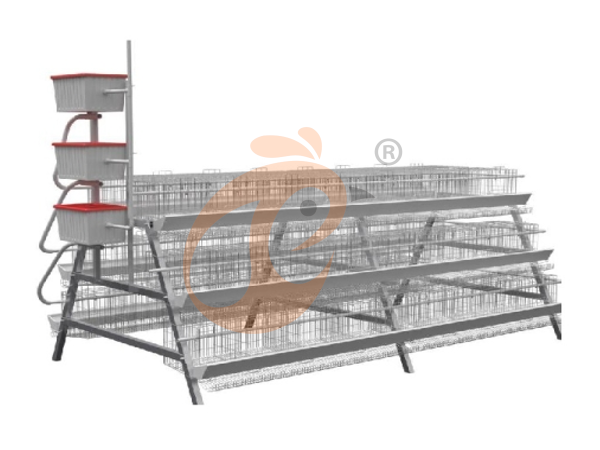
5. Our 24 hour online reception What’sApp NO. is +8618830120193, +234 8111199996. <30,000 Broilers Manual Harvest A Type Battery Cage1. Less 30,000 broilers a house, choose it.
2. It is designed to rearing 1 to 45 day old adult broiler ready for market.
3. Its lifespan is more than 20 years.
4. Its structure are Vcloud artificial intelligent fusion, electric control cabinet, automatic equipment of drinking, feeding and manure clean, manual harvesting.
5. Our 24 hour online reception What’sApp NO. is +8618830120193, +234 8111199996. HK Headquarter Offers EU-standard Poultry Farm Solutions, Manufacture Poultry Farm Equipment1. Continuous communication with the EU and the US
2. China, Nigeria, Ethiopia, Tanzania branch companies and factories
3. The products’ quality is customized for local poultry farms
4. Poultry cage and poultry farm equipment stock for sale
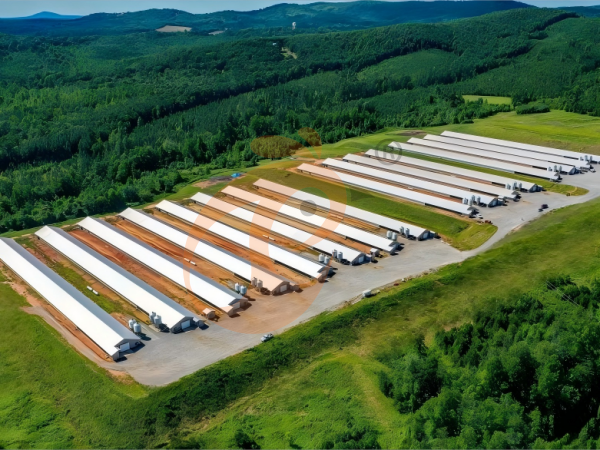
5. 24 online reception Whatsapp NO. : +8618830120193,contact us to get full information China Branch Offer Poultry Farm Business Plan, Manufacture Poultry Farm Equipment1. Address: Flat/RM 2416, 24/F, Runxing Building, Youyi Nan Street, Shijiazhuang City, Hebei Province, China
2. Poultry cage and poultry farm equipment factory and stock for sale
3. Customized for local poultry farms
4. Quality and design are based on Euro
5. 24 online reception Whatsapp NO. : +8618830120193 Nigeria Branch Offer Poultry Farm Business Plan, Manufacture Poultry Farm Equipment1. Address: After Sinoma Office, 200 Meters Near Danco Filling Station, Lagos/Ibadan Expressway, Lagos State, Nigeria
2. Poultry cage and poultry farm equipment factory and stock for sale
3. Customized for Nigerian poultry farms
4. Quality and design are based on Euro
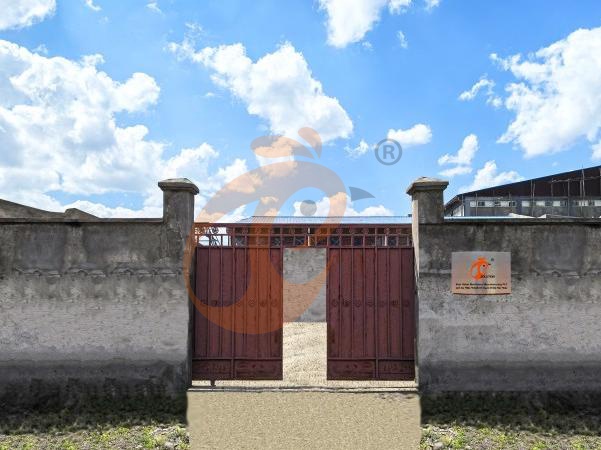
5. 24 online reception Whatsapp NO. : +8618830120193 Ethiopia Branch Offer Poultry Farm Business Plan, Manufacture Poultry Farm Equipment1. Address: Gelan Gura, Akaki-kaliti Sub City, Addis Ababa, Ethiopia
2. Poultry cage and poultry farm equipment stock for sale
3. Customized for Ethiopian poultry farms
4. Quality and design are based on Euro
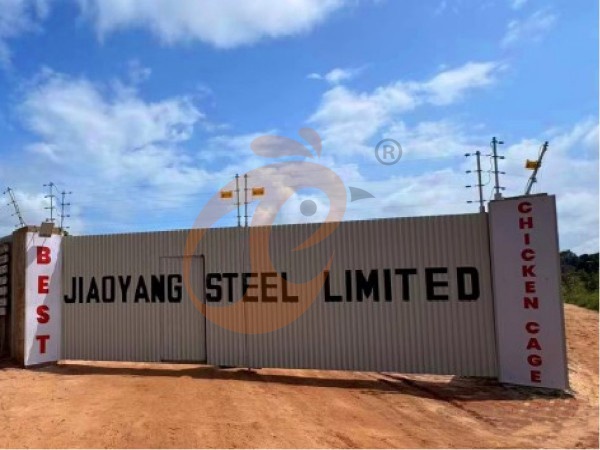
5. 24 online reception Whatsapp NO. : +8618830120193, contact us to get price list Tanzania Branch Offer Poultry Farm Business Plan, Manufacture Poultry Farm Equipment1. Address: No.8, Sova Road, Msufini, Mlandizi, Kibaha, Pwani, Tanzania
2. Poultry cage and poultry farm equipment factory and stock for sale
3. Customized for Tanzanian poultry farms
4. Quality and design are based on Euro
5. 24 online reception Whatsapp NO. : +8618830120193

Contact