


Blog
A-frame cages fit lower roofs, simpler ventilation, and smaller flocks with 3-4 tiers, while H-frame cages reach 3-12 tiers and hold 23,000-40,000 broilers per large house.
H-frame systems maximize stocking density on tight land and support straight-line automation, including harvesting speeds of 6,000-10,000 birds per hour on chain systems.
Total project cost depends on land area, roof height, ventilation, power backup, and maintenance rather than cage unit price alone.
Match the layout to your plot shape, bird type, labor count, and whole-farm facilities such as manure handling, egg storage, and processing rooms before ordering steel.
Choosing between A-frame and H-frame layouts comes down to geometry and site reality rather than a brand name. As an equipment manufacturer, we build both designs so you can match stocking density, airflow, automation, and labor to your land, budget, and long-term flock goals.
Density, Height, And Land Fit
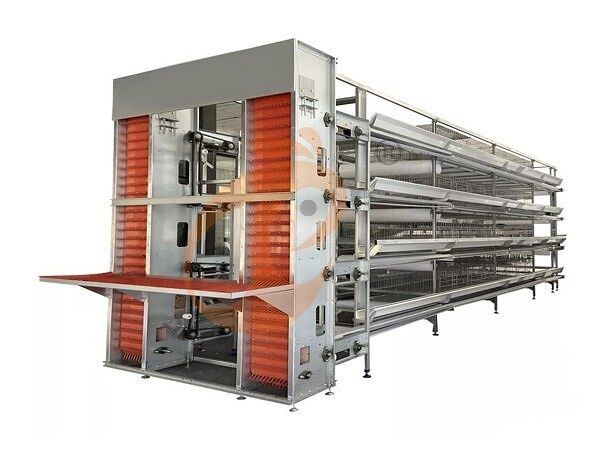
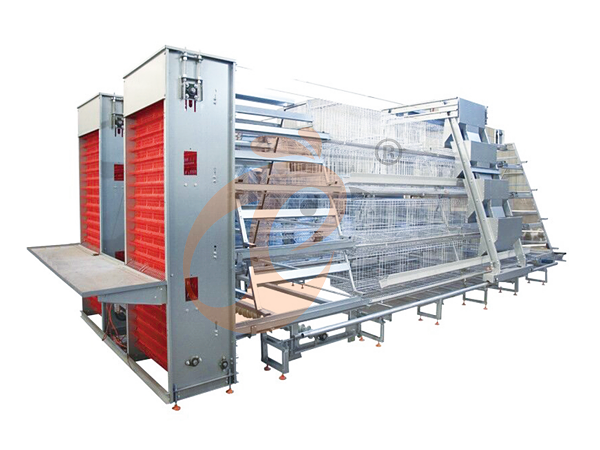
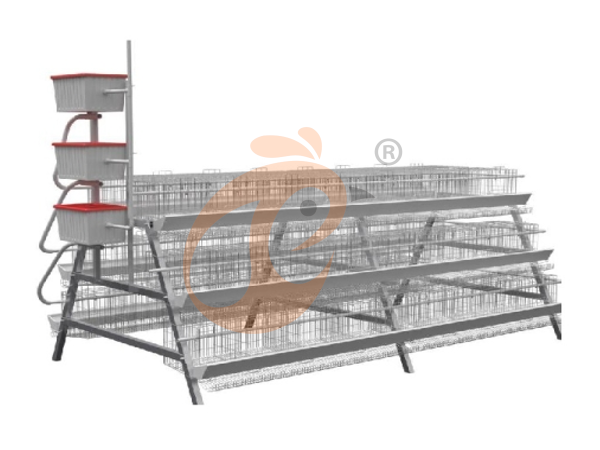
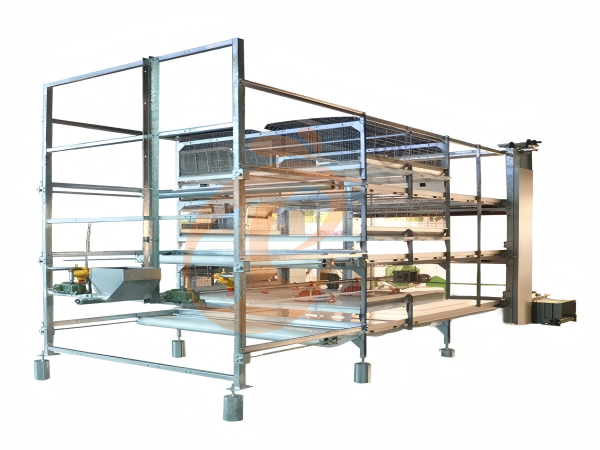
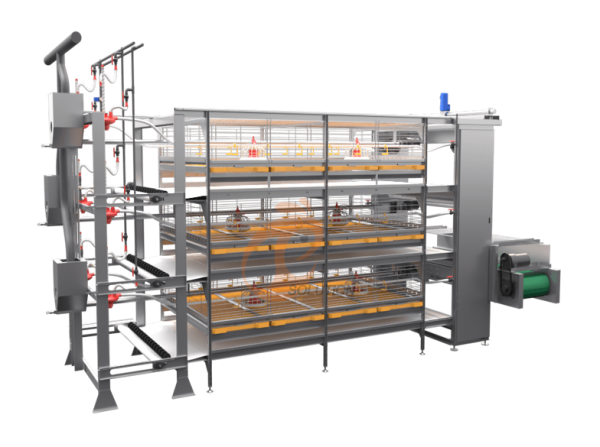
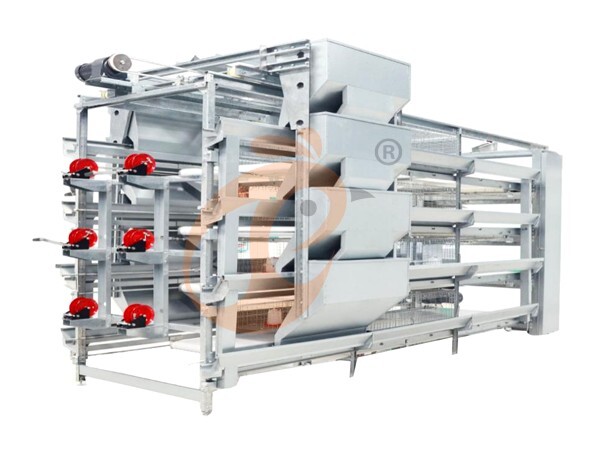
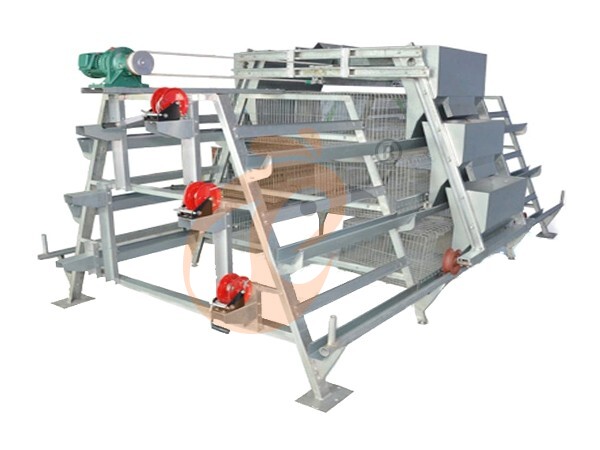
An A-frame unit slopes outward from top to bottom like a tent over 3-4 tiers, which keeps roof height lower and makes ground-level checks straightforward while using more floor space. An H-frame unit stacks vertical columns up to 3, 4, 5, 8, or 12 tiers like shelves, packing far more birds into a single house—often 23,000-40,000 broilers—when land is tight and roof height allows. For high-capacity broiler projects, Q235 steel with hot-dip galvanization or aluminium-zinc coating, automatic feeding, drinking, and manure removal supports a service life of over 20 years when paired with proper ventilation and labor planning.
All cost figures are in USD and based on EU standards for reference only.
Airflow, Light, And Automation Trade-Offs
A-frame layouts handle simpler ventilation and hot or naturally ventilated houses more easily because heat does not stack as high, though wide houses risk uneven light and air in center rows. H-frame layouts deliver tighter tunnel-ventilation control along straight aisles, yet require balanced inlets, cooling, and tier-level lighting so top tiers do not overheat or suffer uneven activity.
All cost figures are in USD and based on EU standards for reference only.
Total Cost Beyond Cage Price
Comparing cage prices per bird misses land, building height, structural steel, ventilation openings, energy, maintenance, and downtime losses during hot weather. A-frame cages often cost less per unit with lower repair bills, while H-frame cages require higher upfront and building investment but can lower per-bird land and labor costs at commercial scale.
All cost figures are in USD and based on EU standards for reference only.
Whole-Farm Planning Before Ordering Steel
Start with plot dimensions, house height, roof load, ventilation capacity, bird type, and realistic worker counts before picking tiers. A cage row that fits inside a house still creates daily bottlenecks if your site lacks space for security, working areas, rearing houses, egg storage, broiler or feed processing rooms, and organic manure handling.
All cost figures are in USD and based on EU standards for reference only.
Frequently Asked Questions About A-Frame And H-Frame Cages
Which Cage Layout Is Better For A Low Or Converted Poultry House?
An A-frame layout usually fits low roofs or converted buildings better because it stays shorter and allows easier ground-level visual checks across 3-4 tiers. Always verify ceiling clearance, airflow paths, and aisle width before finalizing the row count.
How Fast Can Automatic Broiler Harvesting Be In An H-Frame House?
In a large H-type broiler house with the right setup, a chain-type automatic harvesting system can reach 6,000-10,000 birds per hour with a 1-2% injury rate and 50-70% labor reduction, while a pull-out slat system runs around 5,000-8,000 birds per hour with a slightly higher injury rate. Actual speed depends on bird weight, house layout, and operator skill.
Why Should I Request A Layout Drawing Before Buying Poultry Cages?
A layout drawing checks whether A-frame or H-frame rows truly fit your land shape, roof height, ventilation plan, vehicle access, and supporting rooms before steel is fabricated. Confirming house dimensions, tier height, power supply, and harvesting method in writing helps prevent costly site mismatches.
Why Work With Our Poultry Equipment Factory
Direct factory manufacturing of A-frame and H-frame systems using Q235 steel with hot-dip galvanization or aluminium-zinc coating for 20-plus years of service life.
Complete configurations for layers, pullets, and broilers, including automatic feeding, drinking, manure removal, egg collection, and harvesting options.
Free cage layout and house design guidance tailored to your actual land shape, climate, ventilation needs, and whole-farm facilities.
Engineering review of written house dimensions, tier height, power supply, and harvesting specifications before production begins.
Ongoing technical support, spare parts planning, and practical guidance on backup power and maintenance routines, with any pricing referenced in USD under EU standards for reference only.
Contact Us To Received Your Customized Poultry Farm Plan
1. Global Service Network
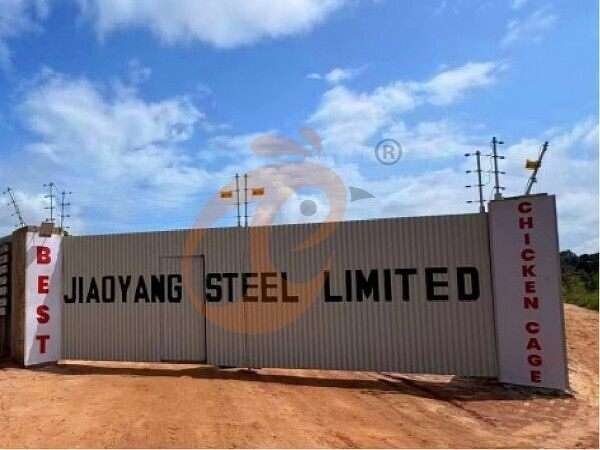
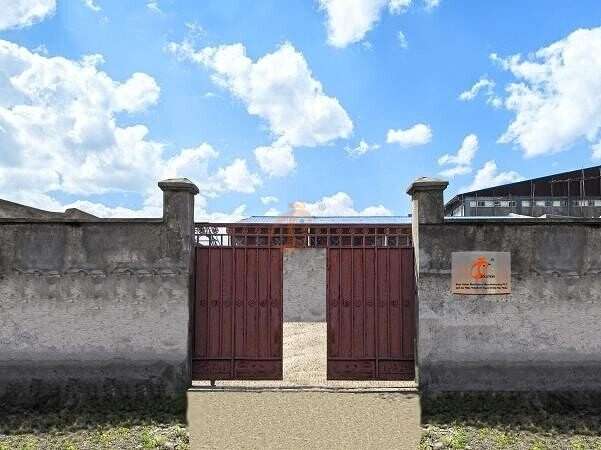
Headquartered in Hong Kong, with branches and factories in China, Vietnam, Thailand, Nigeria, Kenya, Ethiopia, and Tanzania, providing more localized project and after-sales support.
2. International Quality Standards
Strict quality control and double inspections. Certifications and export documents include CE, SGS, ISO 9001, CCVO, PVOC, SONCAP, COC, ECTN, FORM A/F/M, and more.
3. One-to-One VIP Service
Dedicated account managers provide customized farm designs, equipment configurations, and quotations for projects ranging from 500 to 100,000+ birds per house.
4. Lifetime After-Sales Service
Installation guidance, equipment commissioning, operator training, remote technical support, spare parts supply, and ongoing maintenance.
Headquarters And Branchs
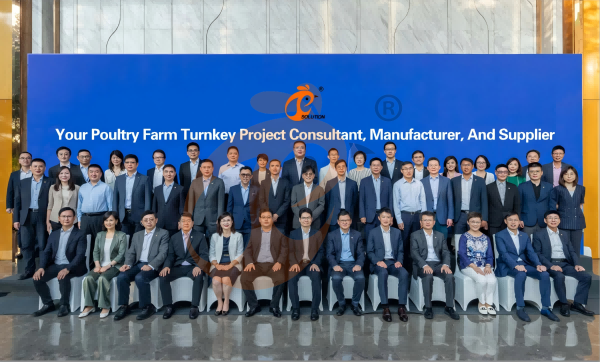
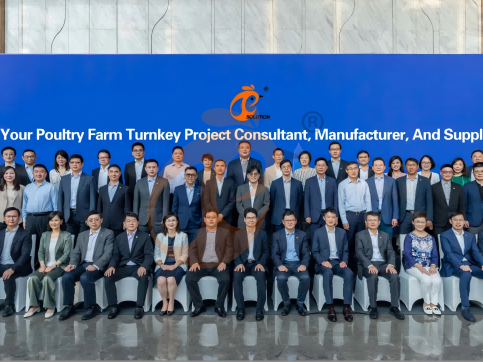
Hong Kong Headquarter Management Team
Hong Kong Headquarter Taiyu Industrial Group CO., LTD
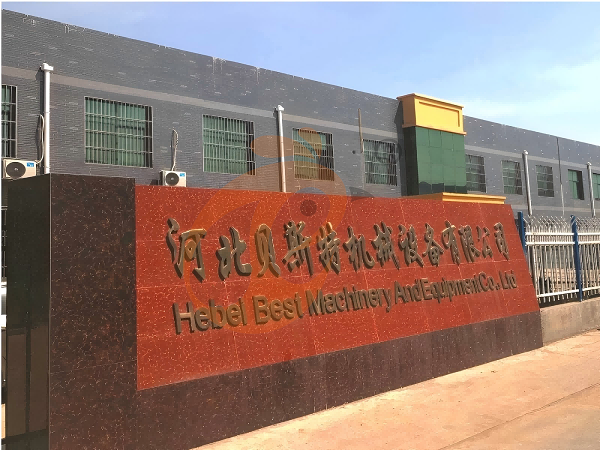
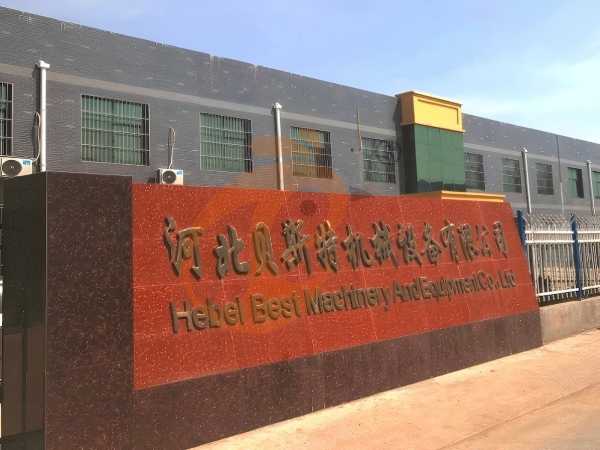
China Hebei Best Machinery And Equipment CO., LTD
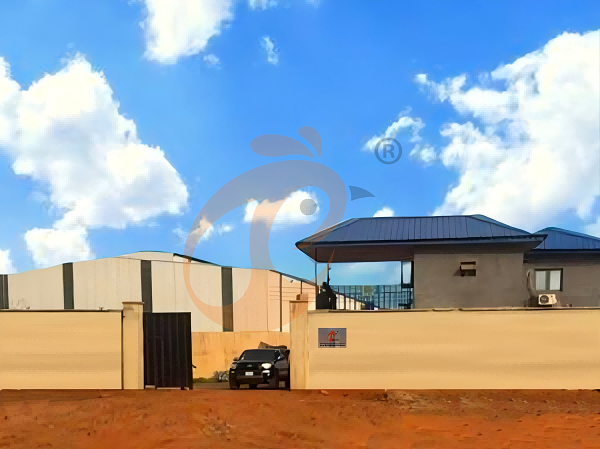
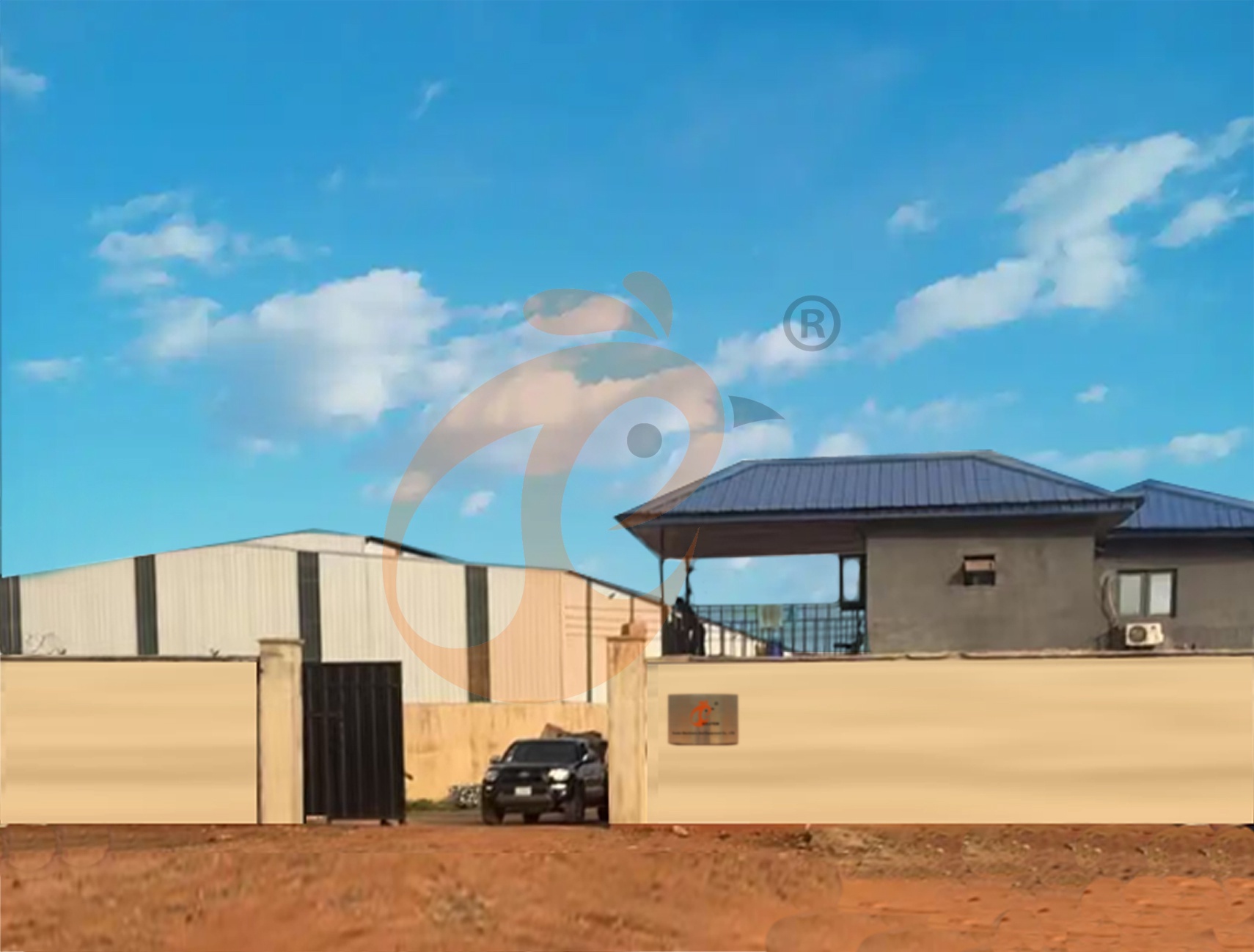
Nigeria Vanke Machinery And Equipment CO., LTD
Tanzania Best Machinery And Equipment CO., LTD
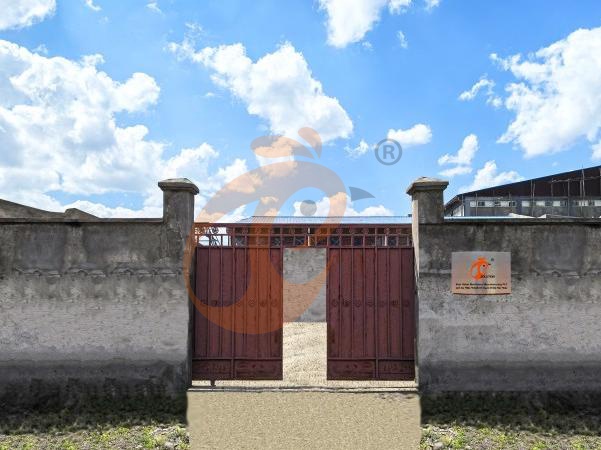
Ethiopia Best Hebei Machinery Manufacturing PLC
Reception /24 WhatsApp NO. : +8618830120193
Message
Products recommended
 Automatic H Type Battery Cage System1. For 30,000–1,000,000+ layer farmers.
2. Contains 30,000-100,000 chickens a house.
3. Makes feed utilization >98%, egg production rate 96%-99%, egg broken rate<0.3%.
4. Certificate: CE, SGS, PC, ISO 9001, SONCAP, PVOC,COC, OC, FORM M/A/F, CO and so on .
5. 24-hour online support: What'sApp +8618830120193. Automatic A Type Battery Cage For Layers1. For 5,000–30,000+ layer farmers.
2. Contains 30,000-100,000 chickens a house.
3. European standard automatic A type battery cage for layers.
4. Certificate: CE, SGS, PC, ISO 9001, SONCAP, PVOC,COC, OC, FORM M/A/F, CO and so on .
5. 24-hour online support: What'sApp +8618830120193. >30,000 Broilers Semi-Automatic Harvest H Type Battery Cage1. More than 30,000 broilers a house, choose it.
2. It is designed to rearing 1 to 45 day old adult broiler ready for market.
3. Its lifespan is more than 20 years.
4. Our 24 hour online reception What’sApp NO. is +8618830120193, +234 8111199996. >30,000 Broilers Manual Harvest H Type Battery Cage1. More than 30,000 broilers a house, choose it.
2. It is designed to rearing 1 to 45 day old adult broiler ready for market.
3. Its lifespan is more than 20 years.
4. Its structure are Vcloud artificial intelligent fusion, electric control cabinet, automatic equipment of drinking, feeding and manure clean, manual harvesting.
5. Our 24 hour online reception What’sApp NO. is +8618830120193, +234 8111199996. <30,000 Broilers Manual Harvest A Type Battery Cage1. Less 30,000 broilers a house, choose it.
2. It is designed to rearing 1 to 45 day old adult broiler ready for market.
3. Its lifespan is more than 20 years.
4. Its structure are Vcloud artificial intelligent fusion, electric control cabinet, automatic equipment of drinking, feeding and manure clean, manual harvesting.
5. Our 24 hour online reception What’sApp NO. is +8618830120193, +234 8111199996. HK Headquarter Offers EU-standard Poultry Farm Solutions, Manufacture Poultry Farm Equipment1. Continuous communication with the EU and the US
2. China, Nigeria, Ethiopia, Tanzania branch companies and factories
3. The products’ quality is customized for local poultry farms
4. Poultry cage and poultry farm equipment stock for sale
5. 24 online reception Whatsapp NO. : +8618830120193,contact us to get full information China Branch Offer Poultry Farm Business Plan, Manufacture Poultry Farm Equipment1. Address: Flat/RM 2416, 24/F, Runxing Building, Youyi Nan Street, Shijiazhuang City, Hebei Province, China
2. Poultry cage and poultry farm equipment factory and stock for sale
3. Customized for local poultry farms
4. Quality and design are based on Euro
5. 24 online reception Whatsapp NO. : +8618830120193 Nigeria Branch Offer Poultry Farm Business Plan, Manufacture Poultry Farm Equipment1. Address: After Sinoma Office, 200 Meters Near Danco Filling Station, Lagos/Ibadan Expressway, Lagos State, Nigeria
2. Poultry cage and poultry farm equipment factory and stock for sale
3. Customized for Nigerian poultry farms
4. Quality and design are based on Euro
5. 24 online reception Whatsapp NO. : +8618830120193 Ethiopia Branch Offer Poultry Farm Business Plan, Manufacture Poultry Farm Equipment1. Address: Gelan Gura, Akaki-kaliti Sub City, Addis Ababa, Ethiopia
2. Poultry cage and poultry farm equipment stock for sale
3. Customized for Ethiopian poultry farms
4. Quality and design are based on Euro
5. 24 online reception Whatsapp NO. : +8618830120193, contact us to get price list Tanzania Branch Offer Poultry Farm Business Plan, Manufacture Poultry Farm Equipment1. Address: No.8, Sova Road, Msufini, Mlandizi, Kibaha, Pwani, Tanzania
2. Poultry cage and poultry farm equipment factory and stock for sale
3. Customized for Tanzanian poultry farms
4. Quality and design are based on Euro
5. 24 online reception Whatsapp NO. : +8618830120193


Contact