


Blog
Measure usable floor space, trough access, and eye-level lighting at bird level rather than relying on average house readings.
Prevent uneven laying, feather damage, and egg breakage (keep under 2-3%) through consistent 110-115g feed distribution and 10-20 lux lighting.
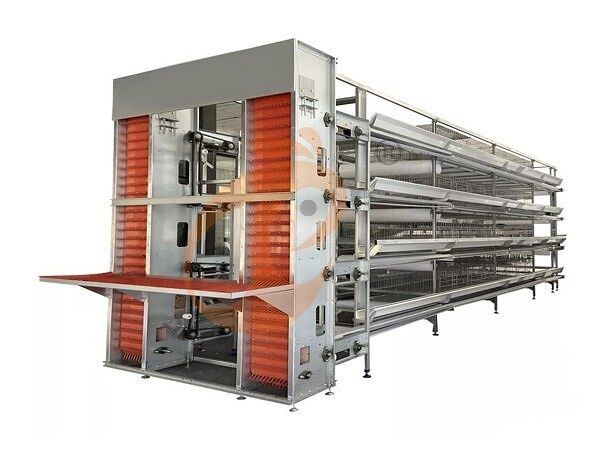
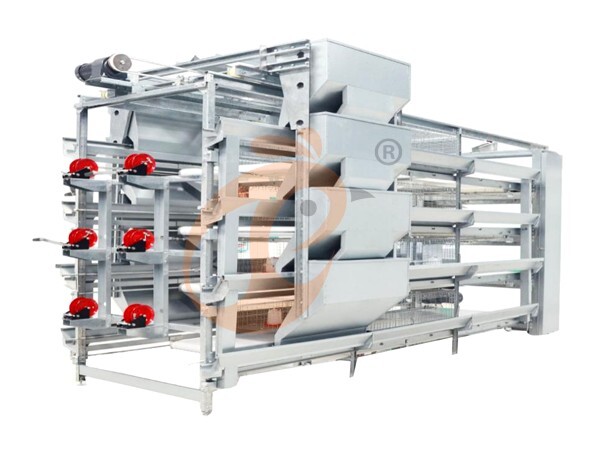
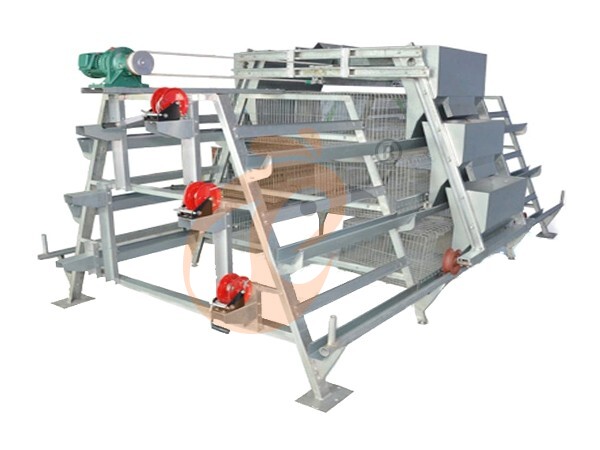
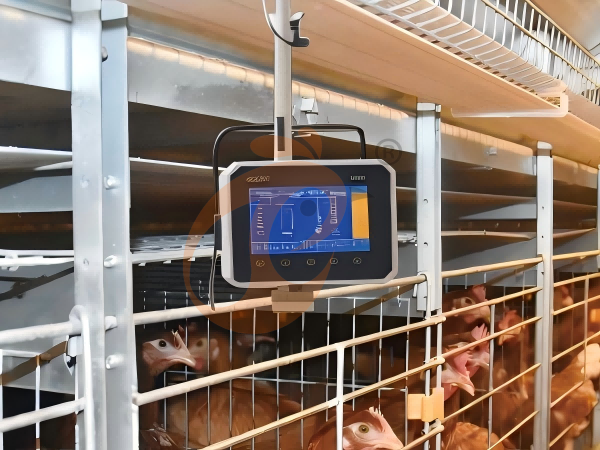
Match cage tier layouts (3 to 16 tiers) with automated manure removal and variable ventilation to maintain 18-27°C and 50-70% humidity.
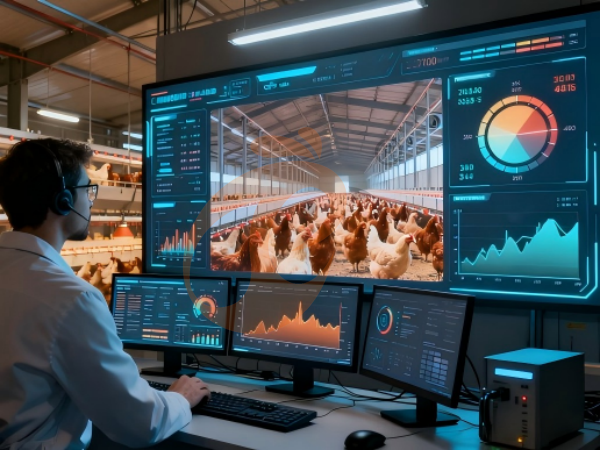
Record tier-by-tier audit readings on every shift so farm staff can fix single-row equipment drift before it becomes a non-conformance issue.
A welfare audit rarely fails on a single major fault; it usually fails on repeated small mismatches across rows and tiers. As a poultry equipment manufacturer, we design every battery cage chicken cage system around practical daily checks so your farm team can maintain flock calm, egg quality, and full audit compliance.
Usable Space And Stocking Density At Bird Level
Nominal floor area on a specification sheet does not guarantee compliance if feeder lips, drinker lines, or cage fronts restrict movement. Birds must be able to stand, turn, and reach feed simultaneously without weaker hens being pushed to the back. High-rise houses with 8 to 16 tiers require stricter airflow and inspection access than 3- or 4-tier setups, even when built with durable hot-dip galvanized steel frames.
Note: Equipment configurations and estimated investment benchmarks starting from $1.50 to $4.20 USD per bird are based on EU welfare standards for reference only.
Even Feeding And Water Access Without Trough Crowding
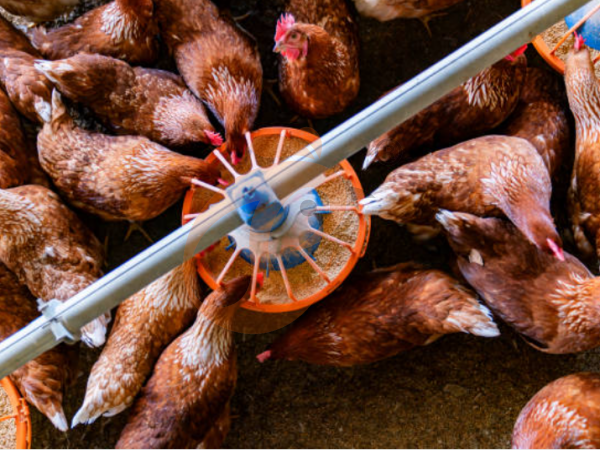
Auditors evaluate feeding by equal access rather than daily ration totals alone. While a standard target of 110-115g per hen per day is baseline, uneven chain speed or blocked nipples cause birds to crowd at one end, driving up stress and shell cracks. Check trough depth during the first feeding after lights-on and verify water flow at multiple points along every tier.
Note: System performance benchmarks and replacement part budgets ($15 to $45 USD per row) follow EU standards for reference only.
Consistent Lighting And Microclimate Control
Programmable LED lighting should deliver 10-20 lux at bird eye level across the front, middle, and back of every tier. Sudden photoperiod shifts, timer drift, or uneven light intensity disrupt laying rhythms and trigger restlessness. Pair stable light schedules with variable-speed ventilation fans so temperature and humidity stay balanced from bottom to top tiers.
Note: Environmental controller packages ($350 to $1,200 USD per house) are referenced against EU standards for reference only.
Tier-By-Tier Audit Execution And Shift Recording
Effective audit preparation happens during daily shift walks rather than on inspection day. Walk each row in the same sequence, log readings by tier and location, and adjust only one variable at a time when a metric drifts out of range. Aligning inspection frequency with your actual labor capacity ensures early detection of feeder or fan imbalances.
Note: Audit sensor kits ($80 to $250 USD per set) are quoted in USD and align with EU standards for reference only.
Frequently Asked Questions About Layer Cage Welfare Audits
How Much Usable Space Does A Layer Hen Need In A Battery Cage Chicken Cage?
Under common EU welfare benchmarks, enriched layer cages provide at least 750 cm² of total area per hen, with at least 600 cm² of usable height area unobstructed by feeders or drinkers.
Why Does Egg Breakage Increase Even When Feed Volume Looks Normal?
Egg breakage above 2-3% often happens when uneven chain feeding forces hens to crowd and jostle at one section of the trough, or when worn belts and steep egg-roll angles impact shell integrity. Checking feed distribution immediately after lights-on quickly reveals whether crowding is causing physical damage.
How Can High-Tier H-Type Systems Pass Welfare Inspections With Fewer Staff?
An 8- to 16-tier H-type system relies on automated feed leveling, pressure-regulated nipple lines, timed manure belts, and multi-point lux and temperature sensors. By logging tier-by-tier readings on a standardized shift sheet, one technician managing 20,000 to 30,000 birds can pinpoint single-row issues immediately.
Why Partner With Our Poultry Equipment Factory
Direct Factory Manufacturing: We produce heavy-duty hot-dip galvanized steel A-type and H-type battery cage chicken cage systems in our own facility, ensuring strict weld quality and 15- to 20-year service life.
EU-Standard Welfare Engineering: Our cage dimensions, feeder trough depths, and nipple spacing are engineered to meet international animal welfare audit requirements out of the box.
Custom House Layout Design: Our engineering team provides free CAD floor plans tailored to irregular house footprints, low ceilings, and local climate conditions.
Turnkey Automation Integration: We supply matched automatic feeding, drinking, manure removal, egg collection, and environmental control systems tested together before shipment.
24/7 Installation And After-Sales Support: From on-site installation supervision to operator training and spare parts supply (priced in USD with EU standards for reference only), we support your farm across every production cycle.
Contact Us To Received Your Customized Poultry Farm Plan
1. Global Service Network
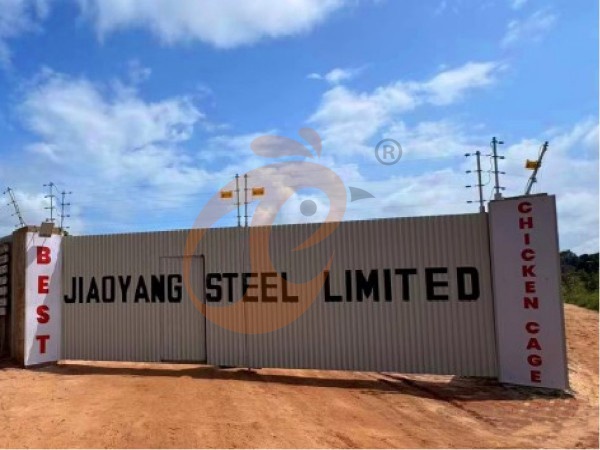
Headquartered in Hong Kong, with branches and factories in China, Vietnam, Thailand, Nigeria, Kenya, Ethiopia, and Tanzania, providing more localized project and after-sales support.
2. International Quality Standards
Strict quality control and double inspections. Certifications and export documents include CE, SGS, ISO 9001, CCVO, PVOC, SONCAP, COC, ECTN, FORM A/F/M, and more.
3. One-to-One VIP Service
Dedicated account managers provide customized farm designs, equipment configurations, and quotations for projects ranging from 500 to 100,000+ birds per house.
4. Lifetime After-Sales Service
Installation guidance, equipment commissioning, operator training, remote technical support, spare parts supply, and ongoing maintenance.
Headquarters And Branchs
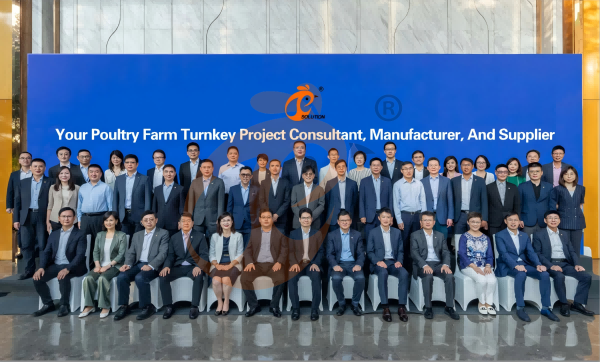
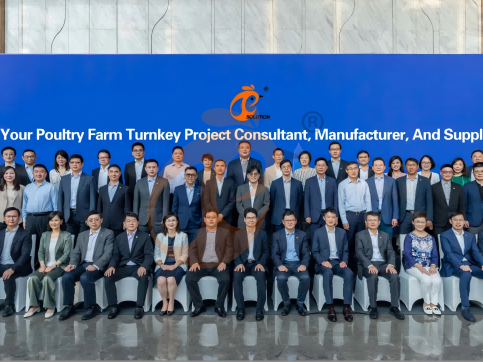
Hong Kong Headquarter Management Team
Hong Kong Headquarter Taiyu Industrial Group CO., LTD
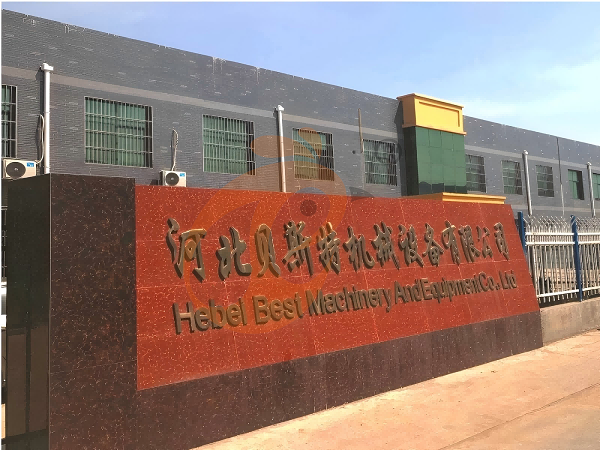
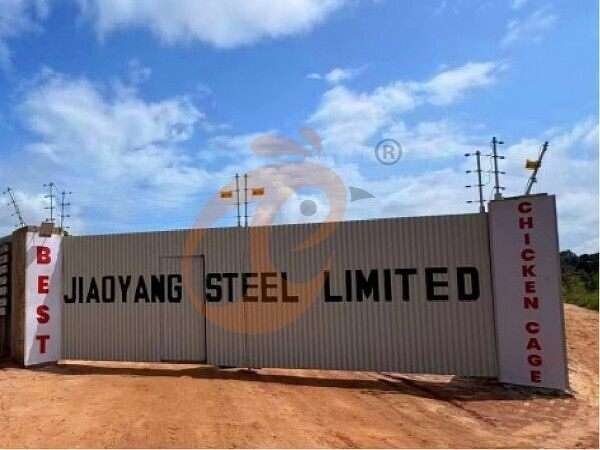
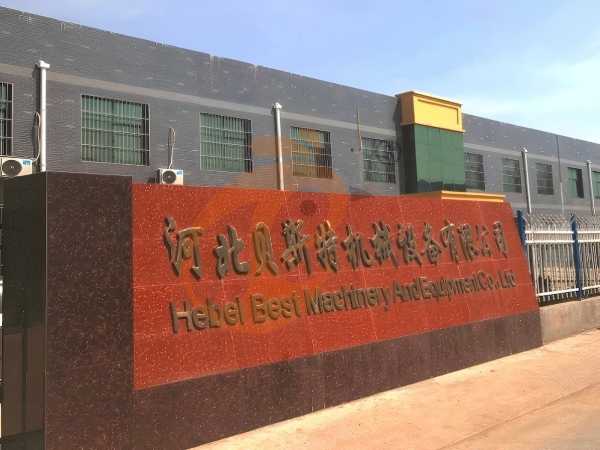
China Hebei Best Machinery And Equipment CO., LTD
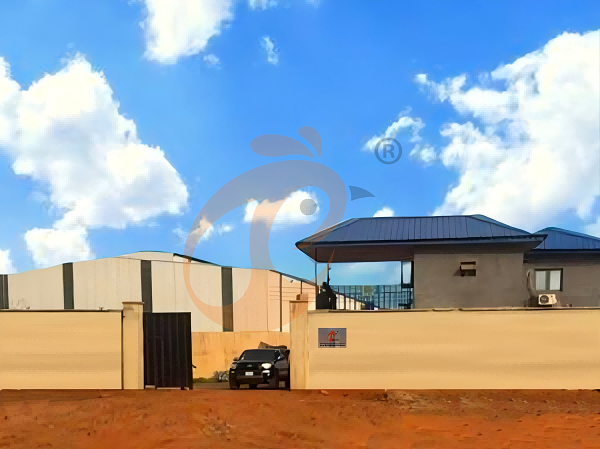
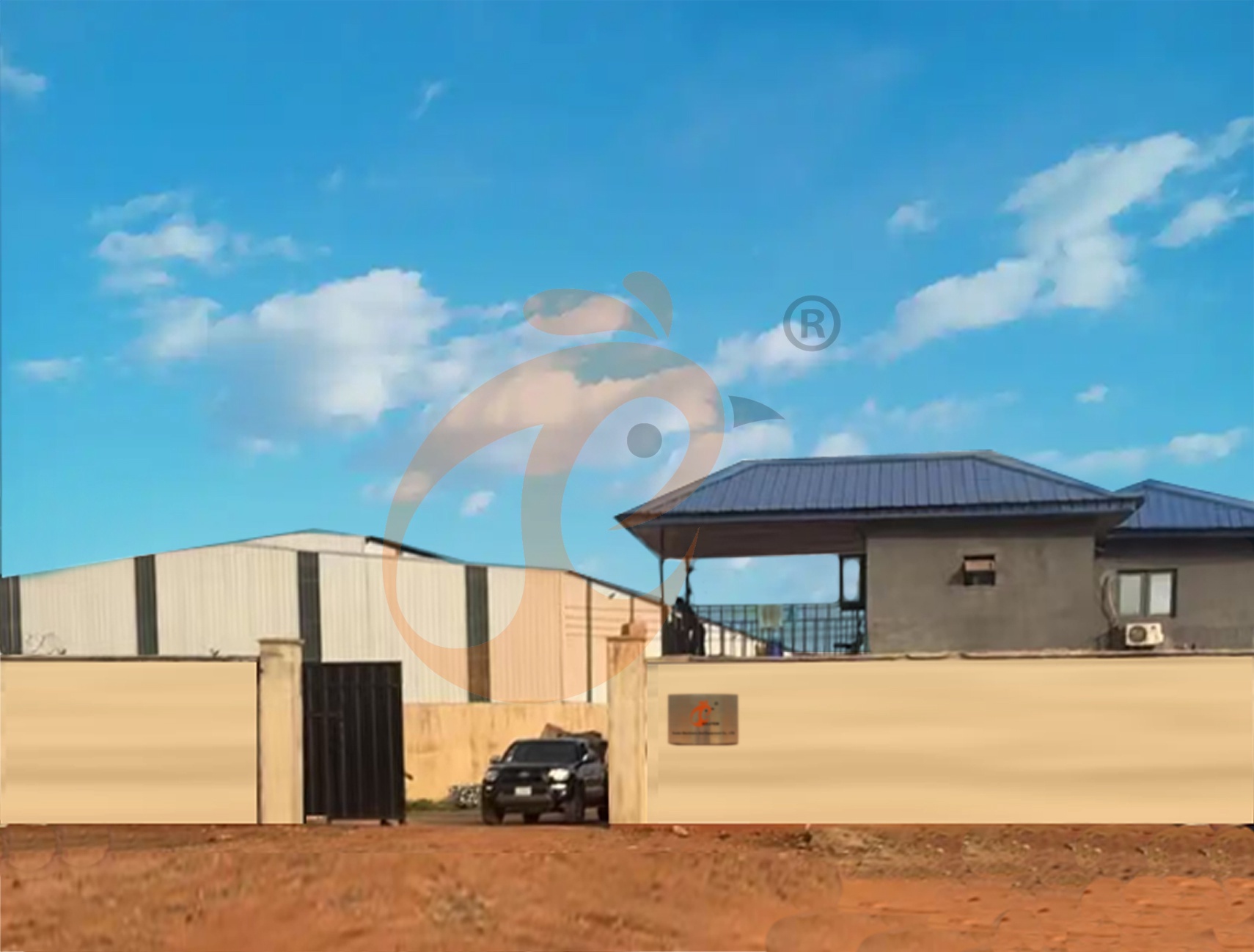
Nigeria Vanke Machinery And Equipment CO., LTD
Tanzania Best Machinery And Equipment CO., LTD
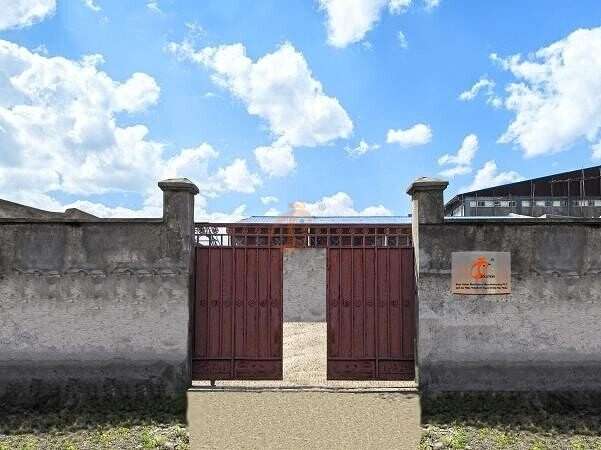
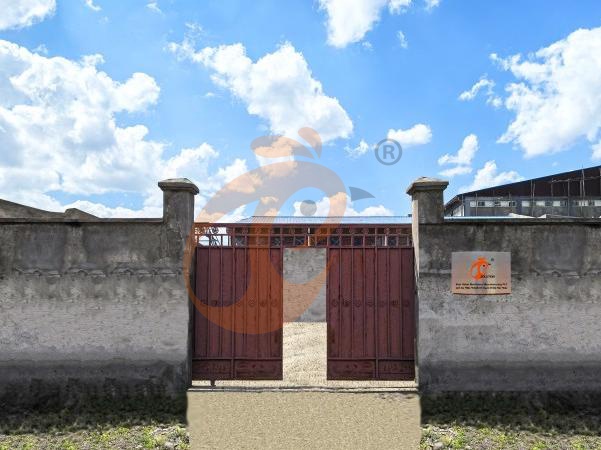
Ethiopia Best Hebei Machinery Manufacturing PLC
Reception /24 WhatsApp NO. : +8618830120193
- battery cage chicken cage
- battery cage
- poultry farm
- layer cages
- chicken cage
- layer cage
- chicken cage system
- poultry equipment
- battery cage chicken
- chickencage
- bestchickencage
- cage system
- cage systems
- Nigeria
- poultry equipment manufacturer
- poultry equipment factory
- automated manure removal
- poultry farm plan
- Ethiopia
Message
Products recommended
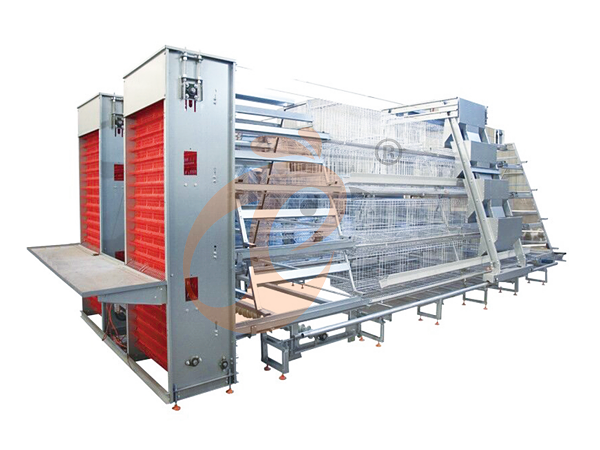
 Automatic H Type Battery Cage System1. For 30,000–1,000,000+ layer farmers.
2. Contains 30,000-100,000 chickens a house.
3. Makes feed utilization >98%, egg production rate 96%-99%, egg broken rate<0.3%.
4. Certificate: CE, SGS, PC, ISO 9001, SONCAP, PVOC,COC, OC, FORM M/A/F, CO and so on .
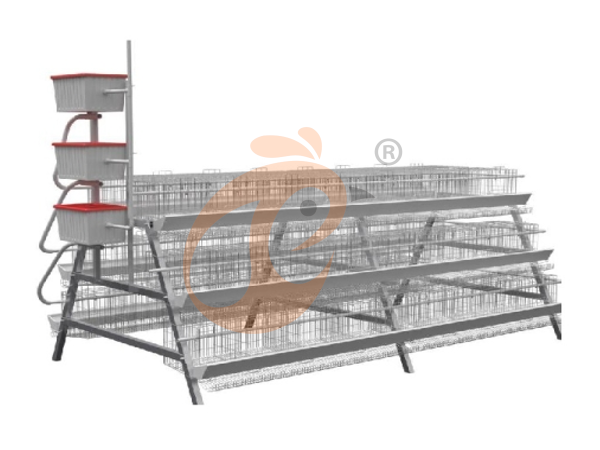
5. 24-hour online support: What'sApp +8618830120193. Automatic A Type Battery Cage For Layers1. For 5,000–30,000+ layer farmers.
2. Contains 30,000-100,000 chickens a house.
3. European standard automatic A type battery cage for layers.
4. Certificate: CE, SGS, PC, ISO 9001, SONCAP, PVOC,COC, OC, FORM M/A/F, CO and so on .
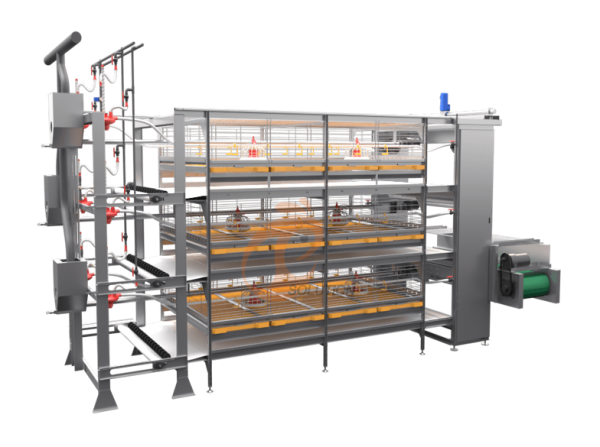
5. 24-hour online support: What'sApp +8618830120193. >30,000 Broilers Semi-Automatic Harvest H Type Battery Cage1. More than 30,000 broilers a house, choose it.
2. It is designed to rearing 1 to 45 day old adult broiler ready for market.
3. Its lifespan is more than 20 years.
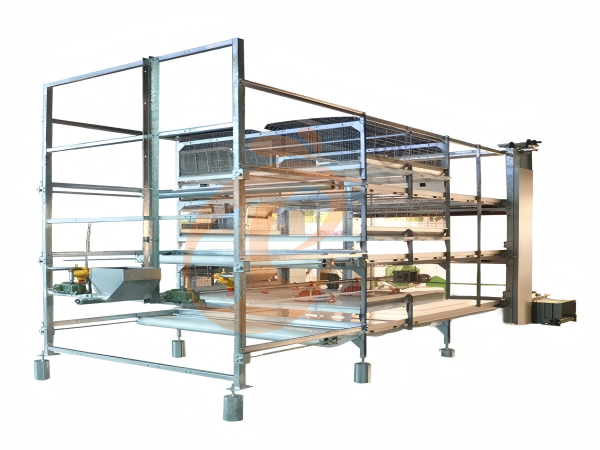
4. Our 24 hour online reception What’sApp NO. is +8618830120193, +234 8111199996. >30,000 Broilers Manual Harvest H Type Battery Cage1. More than 30,000 broilers a house, choose it.
2. It is designed to rearing 1 to 45 day old adult broiler ready for market.
3. Its lifespan is more than 20 years.
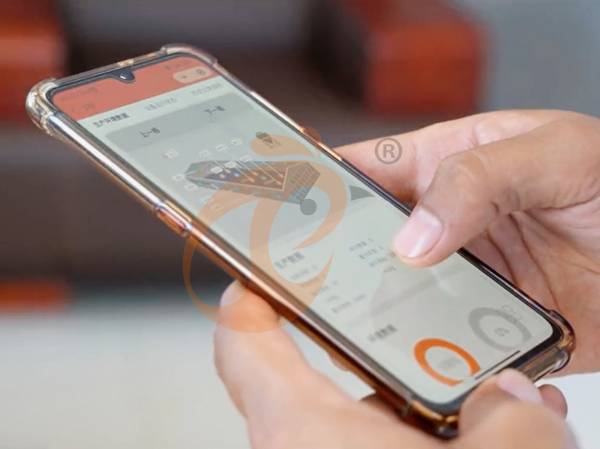
4. Its structure are Vcloud artificial intelligent fusion, electric control cabinet, automatic equipment of drinking, feeding and manure clean, manual harvesting.
5. Our 24 hour online reception What’sApp NO. is +8618830120193, +234 8111199996. <30,000 Broilers Manual Harvest A Type Battery Cage1. Less 30,000 broilers a house, choose it.
2. It is designed to rearing 1 to 45 day old adult broiler ready for market.
3. Its lifespan is more than 20 years.
4. Its structure are Vcloud artificial intelligent fusion, electric control cabinet, automatic equipment of drinking, feeding and manure clean, manual harvesting.
5. Our 24 hour online reception What’sApp NO. is +8618830120193, +234 8111199996. HK Headquarter Offers EU-standard Poultry Farm Solutions, Manufacture Poultry Farm Equipment1. Continuous communication with the EU and the US
2. China, Nigeria, Ethiopia, Tanzania branch companies and factories
3. The products’ quality is customized for local poultry farms
4. Poultry cage and poultry farm equipment stock for sale
5. 24 online reception Whatsapp NO. : +8618830120193,contact us to get full information China Branch Offer Poultry Farm Business Plan, Manufacture Poultry Farm Equipment1. Address: Flat/RM 2416, 24/F, Runxing Building, Youyi Nan Street, Shijiazhuang City, Hebei Province, China
2. Poultry cage and poultry farm equipment factory and stock for sale
3. Customized for local poultry farms
4. Quality and design are based on Euro
5. 24 online reception Whatsapp NO. : +8618830120193 Nigeria Branch Offer Poultry Farm Business Plan, Manufacture Poultry Farm Equipment1. Address: After Sinoma Office, 200 Meters Near Danco Filling Station, Lagos/Ibadan Expressway, Lagos State, Nigeria
2. Poultry cage and poultry farm equipment factory and stock for sale
3. Customized for Nigerian poultry farms
4. Quality and design are based on Euro
5. 24 online reception Whatsapp NO. : +8618830120193 Ethiopia Branch Offer Poultry Farm Business Plan, Manufacture Poultry Farm Equipment1. Address: Gelan Gura, Akaki-kaliti Sub City, Addis Ababa, Ethiopia
2. Poultry cage and poultry farm equipment stock for sale
3. Customized for Ethiopian poultry farms
4. Quality and design are based on Euro
5. 24 online reception Whatsapp NO. : +8618830120193, contact us to get price list Tanzania Branch Offer Poultry Farm Business Plan, Manufacture Poultry Farm Equipment1. Address: No.8, Sova Road, Msufini, Mlandizi, Kibaha, Pwani, Tanzania
2. Poultry cage and poultry farm equipment factory and stock for sale
3. Customized for Tanzanian poultry farms
4. Quality and design are based on Euro
5. 24 online reception Whatsapp NO. : +8618830120193

Contact