


Blog
Advanced feed mixer technology supports 95% mixing accuracy and improves nutritional consistency across commercial poultry operations.
Durable chicken feed mixer equipment reduces maintenance pressure while increasing long-term farm productivity.
Energy-efficient poultry machinery with 7.5–22 kW motor options supports economical feed preparation processes.
Customized feed mixer solutions serve poultry projects from small farms to 50,000+ bird commercial operations.
Professional manufacturers deliver complete poultry equipment systems with engineering support and global project experience.
Get professional poultry farm construction guidance, equipment selection solutions, and the latest price lists, whatsApp to +8618830120193, click to learn more:
Choosing The Right Feed Mixer Capacity For Your Chicken Farm
Farm scale determines the first equipment selection decision.
A suitable feed mixer machine should match daily feed demand, production rhythm, and future expansion planning.
Professional poultry equipment suppliers normally evaluate bird quantity, feeding frequency, and farm automation level before recommending a model.
Data is for reference only.Swipe horizontally to view full table.
Correct capacity planning improves production flow and prevents unnecessary machine operation cycles.
A properly configured feed mixer creates a stable foundation for efficient poultry feeding management.
Mixing Performance Determines Feed Quality
Feed quality is created through controlled ingredient movement inside the mixing chamber.
For poultry producers, mixing accuracy directly influences nutrition balance and flock performance.
Data is for reference only.Swipe horizontally to view full table.
A high-performance chicken feed mixer supports different feed formulas including grain, powder, mineral, and additive combinations.
Stable mixing performance helps commercial farms maintain consistent feeding standards.
Equipment Structure And Manufacturing Quality
A feed mixer machine is exposed to continuous mechanical stress during daily farm operation.
Engineering structure, material selection, and manufacturing accuracy determine equipment reliability.
Data is for reference only.Swipe horizontally to view full table.
Industrial poultry projects require equipment that performs consistently under long working conditions.
Professional manufacturing processes improve durability and reduce unexpected production interruptions.
Energy Efficiency And Operating Cost Control
Modern poultry farms increasingly calculate equipment value through operating efficiency.
A feed mixer with optimized power consumption can reduce unnecessary expenses throughout years of production.
Data is for reference only.Swipe horizontally to view full table.
When comparing equipment investment, energy usage becomes an important factor alongside purchase price.
(European union standard reference only)
Different Chicken Farm Applications Require Different Mixer Solutions
A poultry project rarely follows a single standard model.
A broiler integration farm may focus on output speed, while a breeder facility may prioritize ingredient accuracy.
Data is for reference only.Swipe horizontally to view full table.
During project planning, engineers analyze feed materials, building layout, and production targets before selecting equipment.
Customized feed mixer configurations create better compatibility between machinery and poultry farming systems.
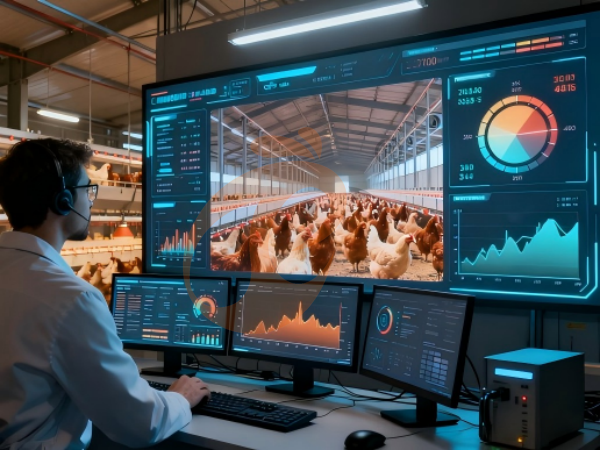
Smart Equipment Design Improves Modern Poultry Management
The traditional feeding process is changing into a more intelligent production workflow.
Modern poultry farms are moving from manual operation toward automated equipment management.
Data is for reference only.Swipe horizontally to view full table.
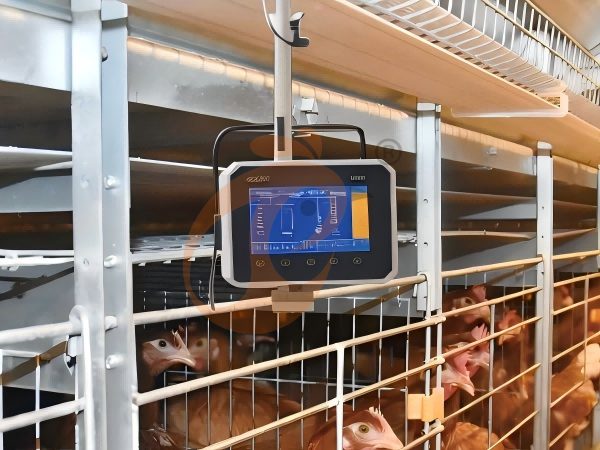
Smart feed mixer systems provide better control over production timing and equipment operation.
Automation capability has become an important feature for future poultry equipment development.
Maintenance Support And Service Reliability
Equipment purchasing does not end after delivery.
A complete service system determines whether machinery can maintain stable performance throughout its working life.
Data is for reference only.Swipe horizontally to view full table.
Reliable suppliers provide technical assistance, spare parts availability, and operation guidance.
Strong service capability protects customer investment and improves equipment utilization.
Why Professional Poultry Equipment Manufacturers Matter
When evaluating poultry equipment suppliers, farm owners usually compare manufacturing capability, engineering experience, and project delivery ability.
The supplier selection process often starts with factory inspection, production standards, and previous poultry project experience.
A professional manufacturer should provide more than a single feed mixer.
Complete solutions include equipment design, production planning, installation support, and technical communication.
For international poultry businesses, global supply capability becomes an important evaluation factor.
A reliable partner helps connect machinery performance with real farm development objectives.
Investment Perspective: A Feed Mixer Is More Than Equipment
The value of a feed mixer should be calculated through the complete operating cycle.
Initial purchase cost represents only one part of the investment structure.
During long-term operation, farms usually evaluate:
- Energy consumption during daily mixing
- Maintenance frequency
- Labor requirements
- Production stability
A high-quality feed mixer machine can create continuous value by improving workflow efficiency and reducing operational uncertainty.
For large poultry projects, equipment selection is similar to choosing a production asset rather than purchasing a simple machine.
Customized Solutions Create Better Farming Results
A 50,000-bird broiler project may require a different equipment approach compared with a small family poultry house.
Project conditions often decide the final machine configuration.
For automated farms, engineers may focus on system connection and operation control.
For expanding farms, equipment flexibility and future production requirements become important considerations.
Customized chicken feed mixer solutions allow farms to build equipment systems based on actual production scenarios instead of fixed models.
Future Trends In Chicken Farm Feed Mixing Equipment
The poultry industry is moving toward higher automation, better resource management, and intelligent production.
Future equipment development will focus on:
- More accurate control systems
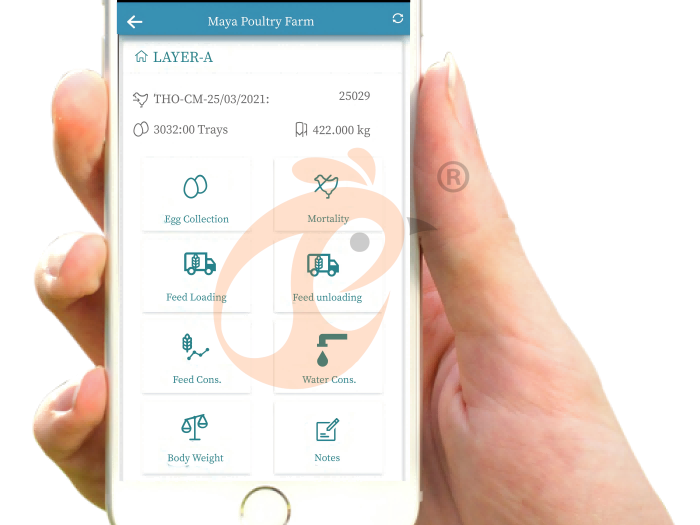
- Better integration with poultry management platforms
- Improved energy utilization
- Easier maintenance processes
Feed mixer technology will continue evolving from independent machinery into a connected part of complete poultry production systems.
Selecting The Right Feed Mixer For Long-Term Farm Success
A professional purchasing decision usually follows a technical evaluation process.
Step one focuses on production requirements and capacity matching.
Step two examines mechanical structure, material quality, and operating performance.
Step three evaluates supplier capability, engineering support, and after-sales service.
Choosing the right feed mixer supplier helps farms achieve reliable feeding management and sustainable production growth.
Frequently Asked Questions
Q1: What capacity feed mixer is suitable for a commercial chicken farm?
Commercial poultry farms commonly select feed mixers between 800 kg and 2000 kg per batch depending on bird quantity and production requirements.
Q2: How does a feed mixer improve chicken farm efficiency?
A professional feed mixer improves ingredient distribution, reduces manual operation, and supports stable feed quality management.
Q3: What should farmers check before buying feed mixer equipment?
Farm owners should evaluate mixing performance, motor configuration, material structure, supplier experience, and long-term service capability.
Taiyu (HK) Group - One Biggest Feed Mixer Manufacturer
Feed mixer is a professional poultry feeding machine engineered for efficient blending, stable operation, and commercial farm production requirements.
Global factory direct sales provide complete poultry equipment solutions with controlled manufacturing standards and technical support.
Turn-key engineering projects include poultry house planning, equipment integration, installation guidance, and operational training.
Professional teams develop customized farming systems according to production scale, automation requirements, and project conditions.
- International customers receive reliable equipment supply supported by engineering experience and long-term cooperation.
Contact Us To Received Your Customized Poultry Farm Plan
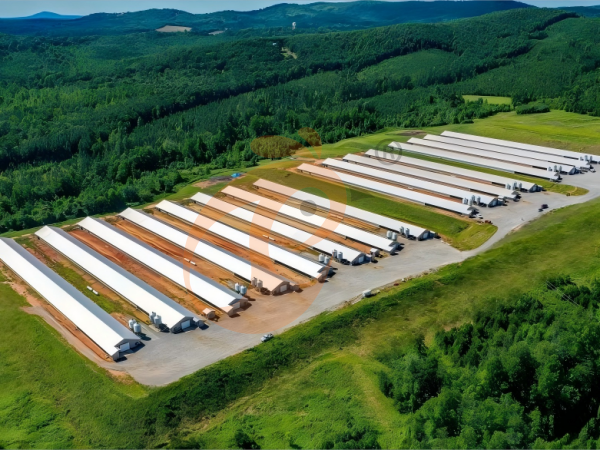
Headquarters And Branchs

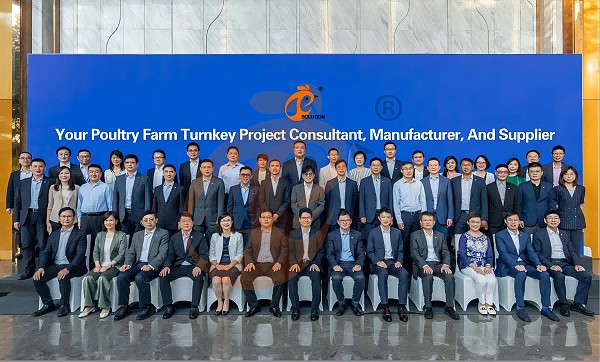
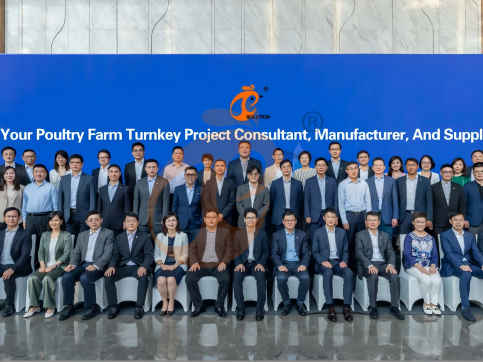
Hong Kong Headquarter Management Team
Hong Kong Headquarter Taiyu Industrial Group CO., LTD
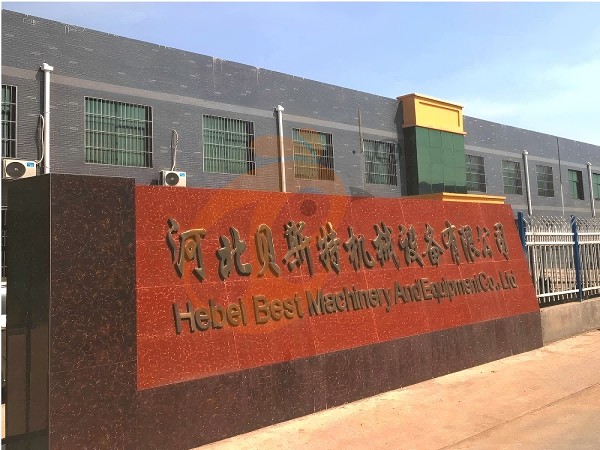
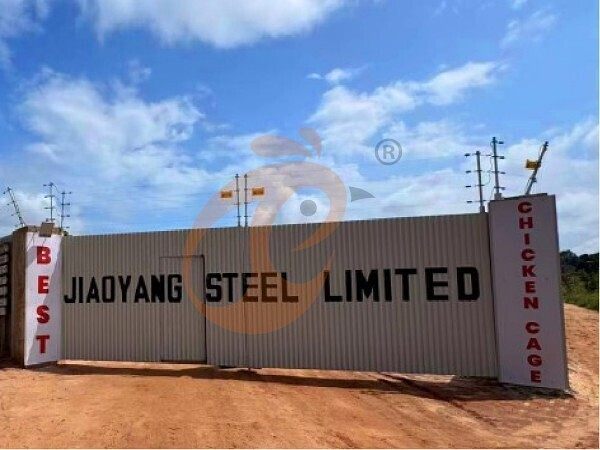
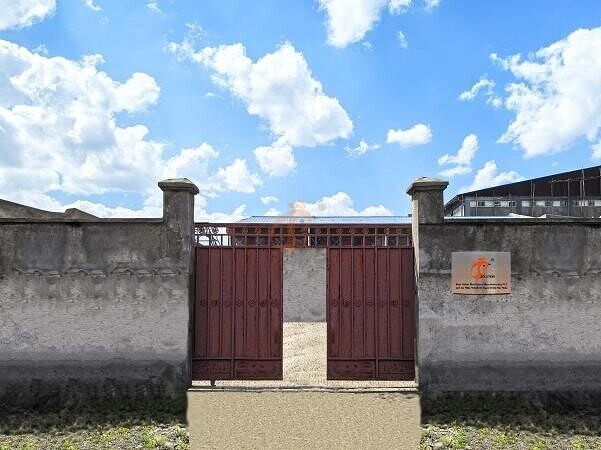
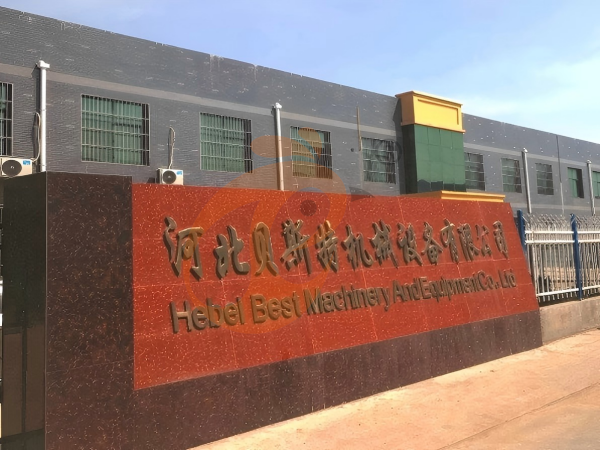
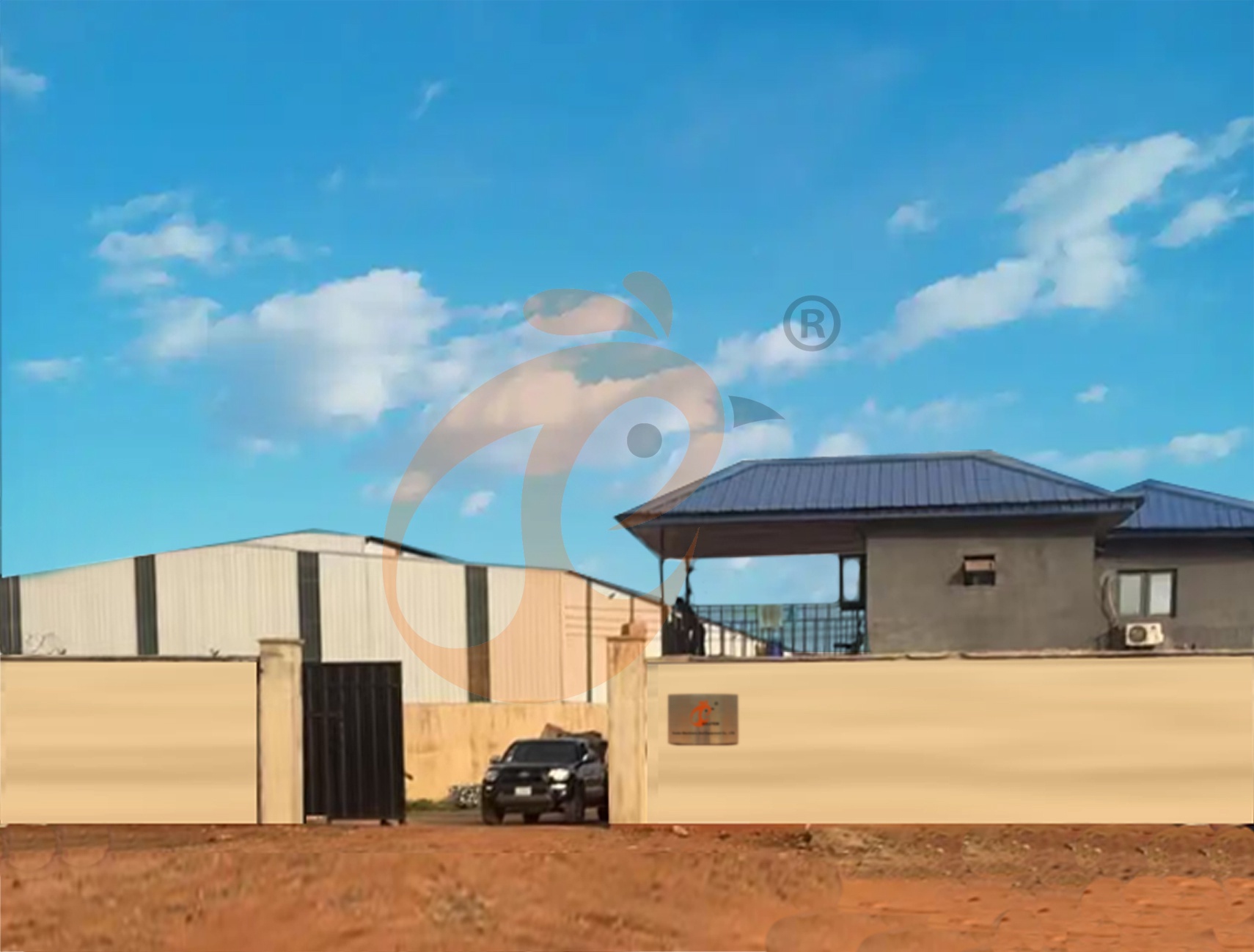
China Hebei Best Machinery And Equipment CO., LTD
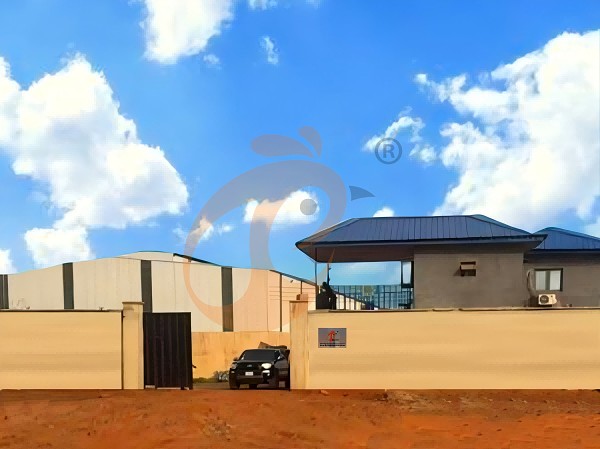
Nigeria Vanke Machinery And Equipment CO., LTD
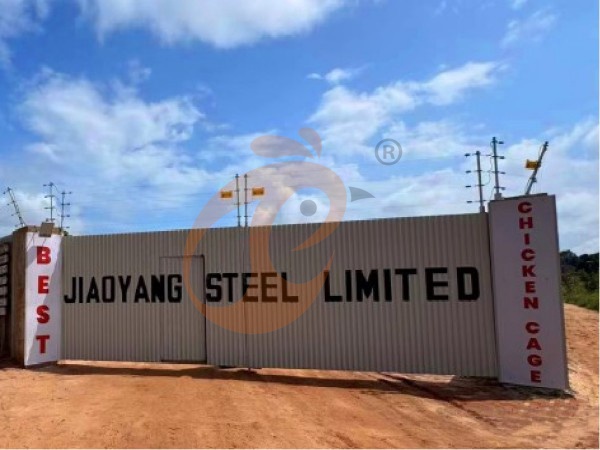
Tanzania Best Machinery And Equipment CO., LTD
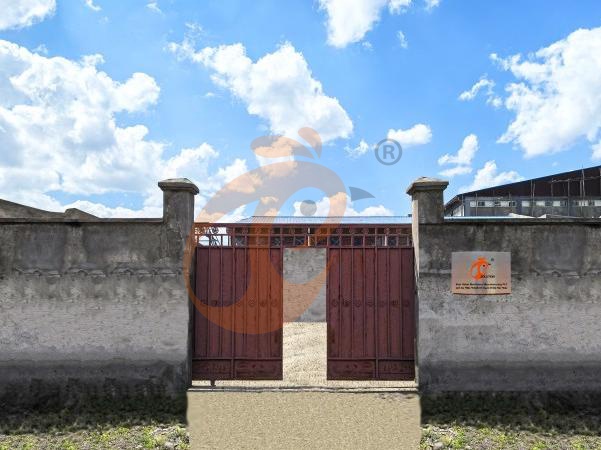
Ethiopia Best Hebei Machinery Manufacturing PLC
Reception /24 WhatsApp NO. : +8618830120193
FAQ
What Are The Main Equipment Components In Feed Mill And Feed Mixer Systems For Poultry Chicken Production?
Hammer mill units operate with rotor speeds of 2800–3600 rpm for efficient grain size reduction.
Twin-shaft mixers achieve batch capacities of 500–2000 kg per cycle for uniform poultry feed blending.
What Dust Control Requirements Are Needed In Feed Mill Operations For Poultry Chicken Farms?
Cyclone separators remove 85%–92% of airborne particles during grinding and conveying processes.
Negative pressure systems maintain airflow velocity between 0.8–1.2 m/s to prevent dust leakage.
What Temperature Parameters Are Used In Feed Mill Processing For Poultry Chicken Feed?
Conditioning temperature reaches 75–85°C to improve pellet durability and pathogen reduction.
Cooling stage reduces pellet temperature to within 5°C of ambient conditions for safe storage.
- poultry farm
- poultry farms
- chicken farm
- poultry house
- cage
- poultry farm construction
- poultry equipment
- chickencage
- bestchickencage
- Nigeria
- smart farm
- chicken farm feed mixing
- modern poultry farms
- commercial poultry farms
- poultry farming
- poultry equipment supplier
- poultry equipment manufacturer
- poultry feeding machine
- modern poultry farm
- poultry farm plan
- poultry house planning
- poultry farming system
- poultry equipment suppliers
- poultry feed
- chicken feed
- Ethiopia
Message
Products recommended
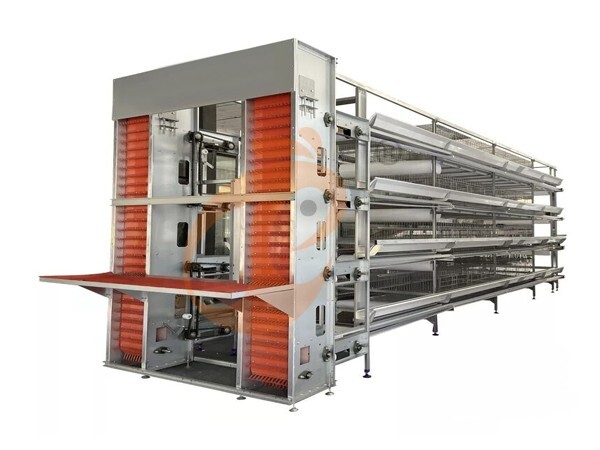
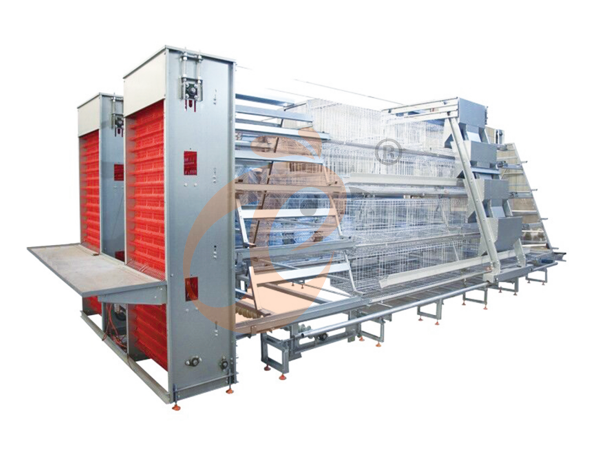
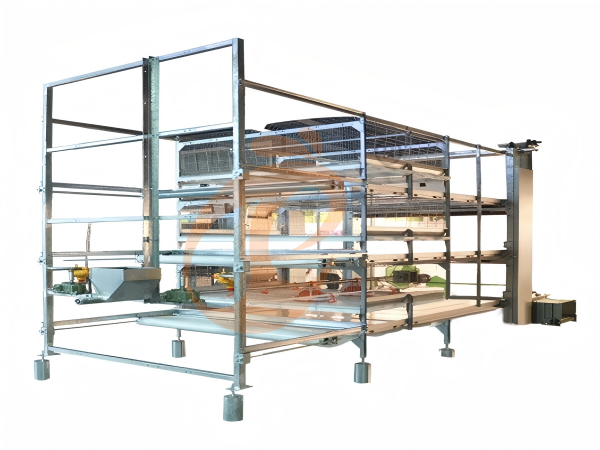
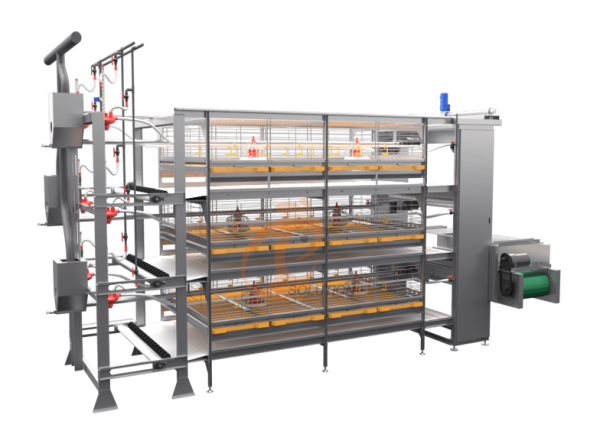
 >30,000 Pullets Automatic H Type Battery Cage1. More than 30,000 pullets a house, choose it.
2. It is designed to rearing older than 1 day old pullets to 12 to 16 weeks old chicken starting laying eggs.
3. Its lifespan is more than 25 years.
4. Its structure are Vcloud artificial intelligent fusion, electric control cabinet, automatic equipment of drinking, feeding, manure clean, manual harvesting.
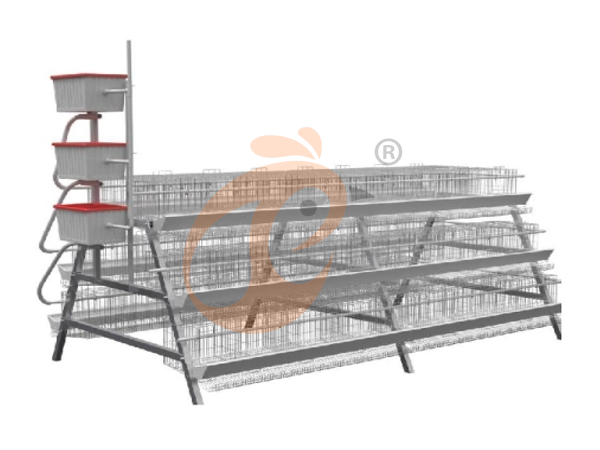
5. Our 24 hour online reception What’sApp NO. is +8618830120193 <30,000 Pullets Automatic A Type Battery Cage1. 10,000 to 30,000 pullets a house, choose it.
2. It is designed to rearing older than 1 day old pullets to 12 to 16 weeks old chicken starting laying eggs.
3. Its lifespan is more than 25 years.
4. Its structure are Vcloud artificial intelligent fusion, electric control cabinet, automatic equipment of drinking, feeding, manure clean, manual harvesting.
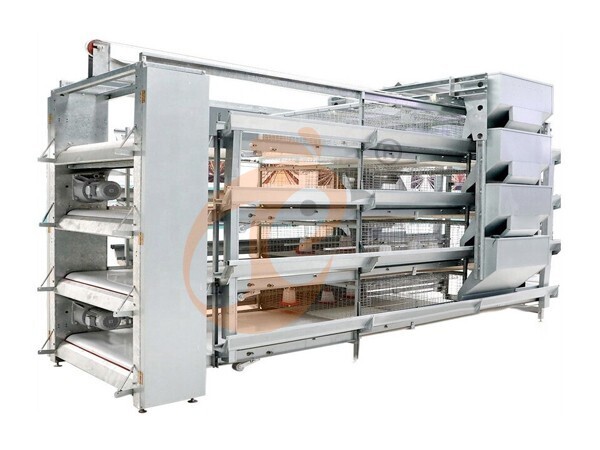
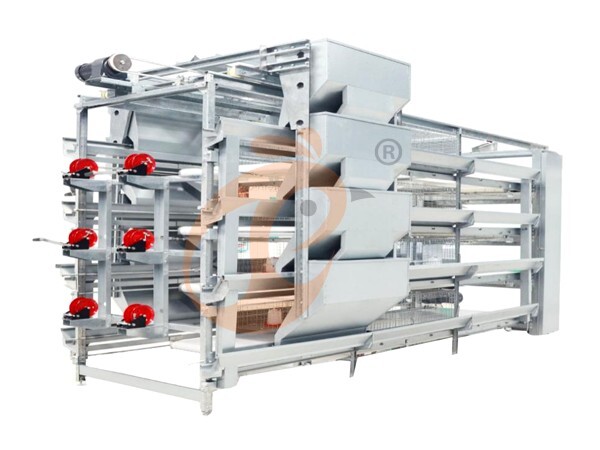
5. Our 24 hour online reception What’sApp NO. is +86 18830120193. >30,000 Broilers Semi-Automatic Harvest H Type Battery Cage1. More than 30,000 broilers a house, choose it.
2. It is designed to rearing 1 to 45 day old adult broiler ready for market.
3. Its lifespan is more than 20 years.
4. Our 24 hour online reception What’sApp NO. is +8618830120193, +234 8111199996. >30,000 Broilers Manual Harvest H Type Battery Cage1. More than 30,000 broilers a house, choose it.
2. It is designed to rearing 1 to 45 day old adult broiler ready for market.
3. Its lifespan is more than 20 years.
4. Its structure are Vcloud artificial intelligent fusion, electric control cabinet, automatic equipment of drinking, feeding and manure clean, manual harvesting.
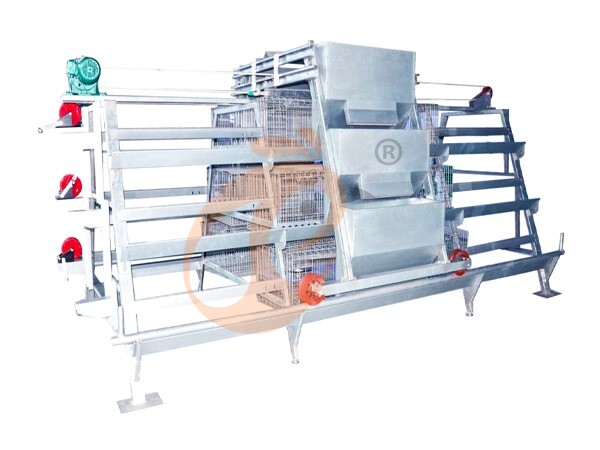
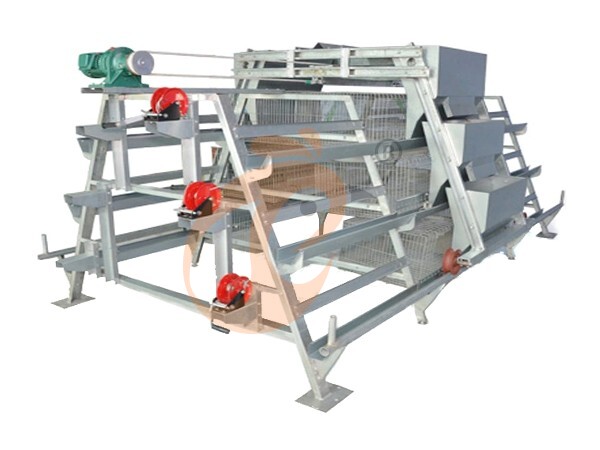
5. Our 24 hour online reception What’sApp NO. is +8618830120193, +234 8111199996. <30,000 Broilers Manual Harvest A Type Battery Cage1. Less 30,000 broilers a house, choose it.
2. It is designed to rearing 1 to 45 day old adult broiler ready for market.
3. Its lifespan is more than 20 years.
4. Its structure are Vcloud artificial intelligent fusion, electric control cabinet, automatic equipment of drinking, feeding and manure clean, manual harvesting.
5. Our 24 hour online reception What’sApp NO. is +8618830120193, +234 8111199996. HK Headquarter Offers EU-standard Poultry Farm Solutions, Manufacture Poultry Farm Equipment1. Continuous communication with the EU and the US
2. China, Nigeria, Ethiopia, Tanzania branch companies and factories
3. The products’ quality is customized for local poultry farms
4. Poultry cage and poultry farm equipment stock for sale
5. 24 online reception Whatsapp NO. : +8618830120193,contact us to get full information China Branch Offer Poultry Farm Business Plan, Manufacture Poultry Farm Equipment1. Address: Flat/RM 2416, 24/F, Runxing Building, Youyi Nan Street, Shijiazhuang City, Hebei Province, China
2. Poultry cage and poultry farm equipment factory and stock for sale
3. Customized for local poultry farms
4. Quality and design are based on Euro
5. 24 online reception Whatsapp NO. : +8618830120193 Nigeria Branch Offer Poultry Farm Business Plan, Manufacture Poultry Farm Equipment1. Address: After Sinoma Office, 200 Meters Near Danco Filling Station, Lagos/Ibadan Expressway, Lagos State, Nigeria
2. Poultry cage and poultry farm equipment factory and stock for sale
3. Customized for Nigerian poultry farms
4. Quality and design are based on Euro
5. 24 online reception Whatsapp NO. : +8618830120193 Ethiopia Branch Offer Poultry Farm Business Plan, Manufacture Poultry Farm Equipment1. Address: Gelan Gura, Akaki-kaliti Sub City, Addis Ababa, Ethiopia
2. Poultry cage and poultry farm equipment stock for sale
3. Customized for Ethiopian poultry farms
4. Quality and design are based on Euro
5. 24 online reception Whatsapp NO. : +8618830120193, contact us to get price list Tanzania Branch Offer Poultry Farm Business Plan, Manufacture Poultry Farm Equipment1. Address: No.8, Sova Road, Msufini, Mlandizi, Kibaha, Pwani, Tanzania
2. Poultry cage and poultry farm equipment factory and stock for sale
3. Customized for Tanzanian poultry farms
4. Quality and design are based on Euro
5. 24 online reception Whatsapp NO. : +8618830120193


Contact