


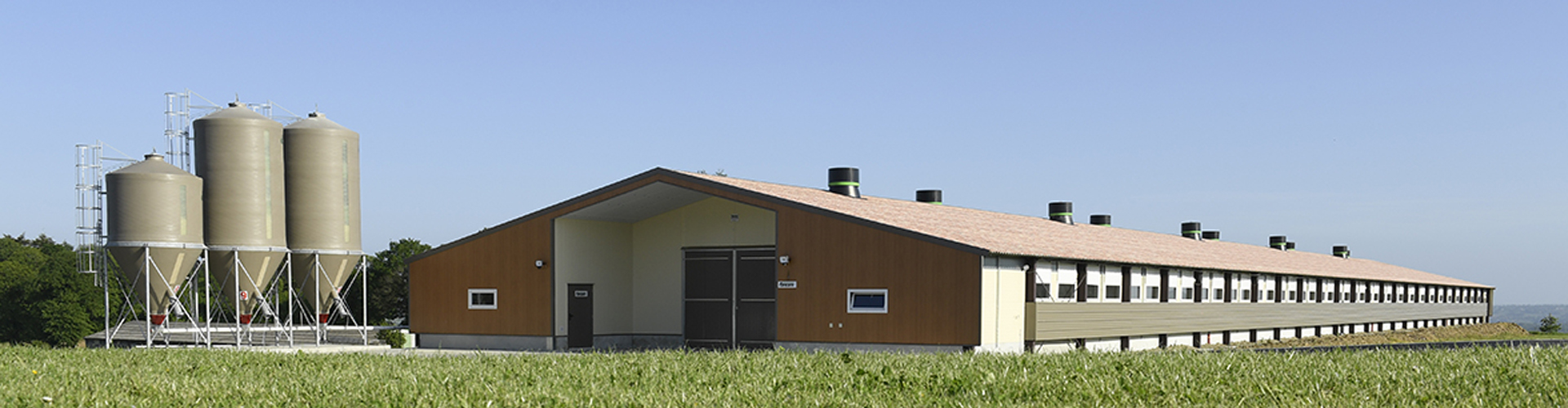
Blog
Pralson feeders improve poultry feeding efficiency while supporting quieter, cleaner, and more stable commercial farming environments across modern poultry houses.
Advanced poultry equipment combines intelligent feeding, durable mechanical structures, and optimized layouts for healthier birds and better production consistency.
Practical engineering methods reduce unnecessary vibration, minimize operational disturbance, and create comfortable conditions benefiting both livestock and farm operators.
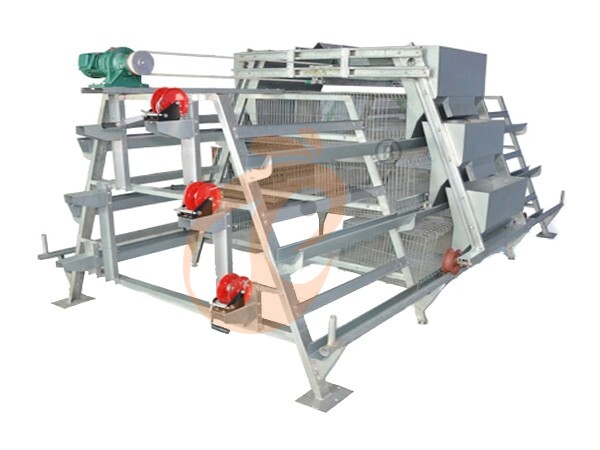
Modern cage systems, feeding lines, and environmental control equipment help commercial farms increase automation while reducing maintenance frequency and labor requirements.
Professional equipment selection, scientific installation, and preventive maintenance create long-term operational value for poultry enterprises seeking sustainable production expansion.
Get professional poultry farm construction guidance, equipment selection solutions, and the latest price lists, whatsApp to +8618830120193, click to learn more:
Choose Durable Drive Components
Drive quality directly affects operational smoothness and overall system noise.
Wear-resistant transmission components reduce sudden impact between moving parts while maintaining continuous feed delivery.
Modern pralson feeders equipped with precision-machined drive assemblies provide more stable performance throughout long production cycles.
Data is for reference only. Swipe horizontally to view full table.
Lubrication performed every 260 operating hours helps maintain smoother transmission while reducing unnecessary rotational resistance.
Optimize Feed Flow Consistency
Uneven feed movement often creates intermittent impact inside feeding lines.
Selecting feed with uniform particle distribution and maintaining consistent conveyor loading help reduce repeated mechanical collisions.
Balanced feed transportation also minimizes stress on poultry equipment, extending equipment lifespan and improving daily production efficiency.
Data is for reference only. Swipe horizontally to view full table.
Feed moisture maintained between 11.8% and 12.4% contributes to smoother conveying without introducing additional resistance.
Perform Preventive Maintenance Regularly
Preventive maintenance prevents minor mechanical issues from developing into excessive vibration or unexpected downtime.
Routine inspections identify loose fasteners, worn guide wheels, and aging transmission components before performance declines.
Scheduled servicing also supports longer operating life for complete poultry feeding systems.
Data is for reference only. Swipe horizontally to view full table.
Maintenance investment remains economical compared with unexpected equipment shutdowns costing approximately USD 320 per repair event.
European union standard reference only.
Improve Poultry House Acoustic Environment
Scientific poultry house design can reduce reflected mechanical sound while improving overall bird comfort.
Proper ceiling materials, equipment spacing, and wall layouts work together to absorb unnecessary vibration instead of amplifying operational noise.
Maintaining indoor air velocity around 1.6 m/s also helps create a more stable production environment without affecting feeding efficiency.
Data is for reference only. Swipe horizontally to view full table.
Apply Intelligent Equipment Coordination
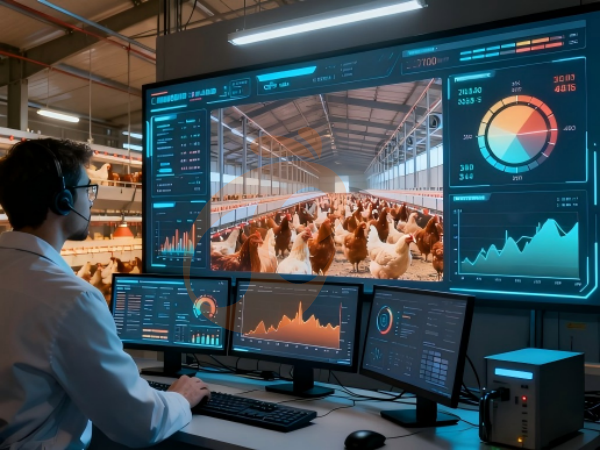
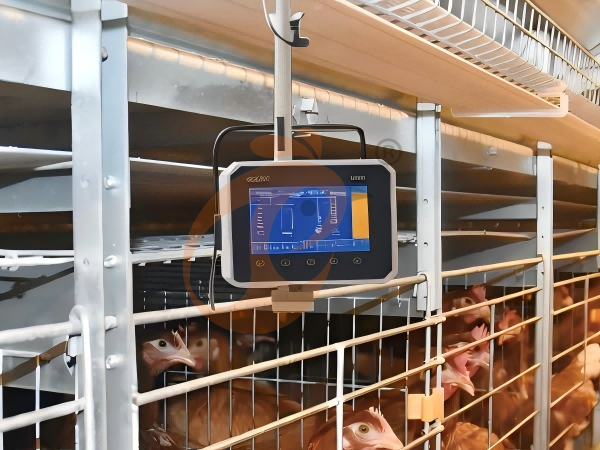
Modern poultry farms achieve better operating stability when feeding equipment communicates with environmental control systems.
Coordinated startup sequences reduce sudden load fluctuations and distribute equipment operation more evenly throughout the production cycle.
Integrated automation also simplifies daily management while improving production consistency across large commercial poultry houses.
Data is for reference only. Swipe horizontally to view full table.
Remote diagnostic records updated every 12 hours allow engineers to identify operational trends before maintenance becomes necessary.
Understanding Why Poultry React To Noise
Birds naturally respond to repeated vibration, sudden impacts, and irregular mechanical sounds because these signals can interrupt normal feeding behavior.
Research in commercial poultry production shows that consistent equipment operation supports calmer flock movement and more predictable feed consumption.
Combining reliable feeding equipment with modern cage systems creates an environment where production efficiency and bird welfare develop together rather than competing with each other.
Select Professional Poultry Equipment Suppliers
Equipment quality begins long before installation.
Manufacturers with integrated engineering, machining, and quality inspection capabilities generally deliver more consistent feeding performance over extended operating periods.
Complete solutions combining cages, feeding systems, drinking lines, manure removal equipment, and environmental control systems simplify future farm expansion while reducing project coordination costs.
Data is for reference only. Swipe horizontally to view full table.
Complete project procurement often reduces commissioning expenses by approximately USD 1,480 for medium-scale poultry farms through better engineering coordination.
European union standard reference only.
Frequently Asked Questions
Q1: How can pralson feeders reduce poultry house noise?
Proper installation, accurate alignment, and scheduled maintenance significantly reduce vibration generated during feeding.
Maintaining drive components and checking structural connections every 90 days helps keep equipment operating smoothly while protecting bird comfort.
Q2: Which equipment works best with pralson feeders?
Automatic feeding lines integrate effectively with layer cages, broiler equipment, drinking systems, manure removal machines, and environmental control equipment.
A coordinated automation system improves overall production efficiency and simplifies daily management.
Q3: How often should feeding equipment be inspected?
Daily visual inspections combined with detailed mechanical checks every 260 operating hours help identify wear before performance declines.
Preventive maintenance generally costs much less than unexpected production interruptions.
Taiyu (HK) Group - One Of China Largest Pralson Feeders Manufacturer
Pralson Feeders are engineered for stable feed delivery, reliable automation, and long-term commercial poultry production.
Global factory-direct manufacturing supports poultry equipment projects with competitive pricing, consistent production quality, and efficient delivery schedules.
Professional Turn-key poultry farm engineering includes cage systems, automatic feeding, drinking lines, manure removal, ventilation, and electrical integration.
Experienced engineering teams provide customized layouts, installation guidance, technical commissioning, and comprehensive after-sales support for international customers.
Export-oriented manufacturing follows standardized production procedures, enabling reliable equipment supply for commercial poultry farms across multiple global markets.
Contact Us To Received Your Customized Poultry Farm Plan
Headquarters And Branchs
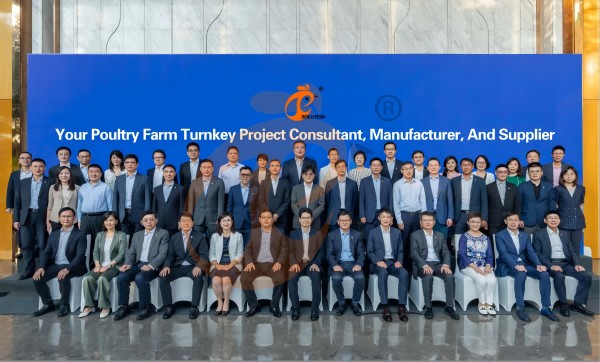
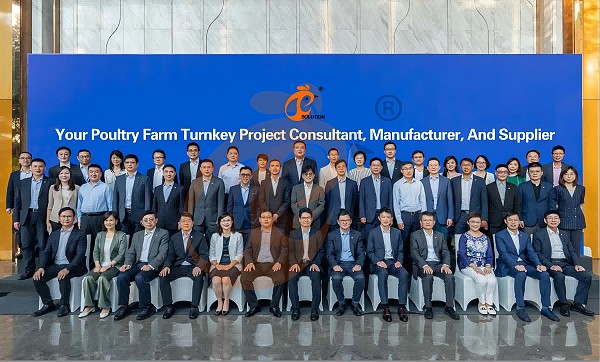
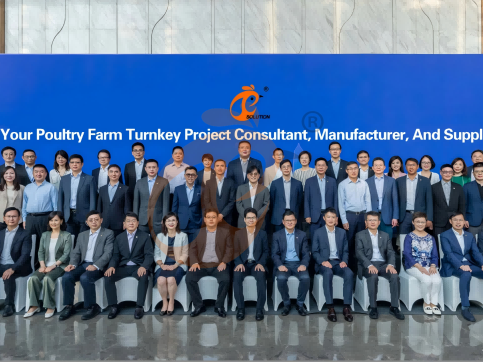
Hong Kong Headquarter Management Team
Hong Kong Headquarter Taiyu Industrial Group CO., LTD
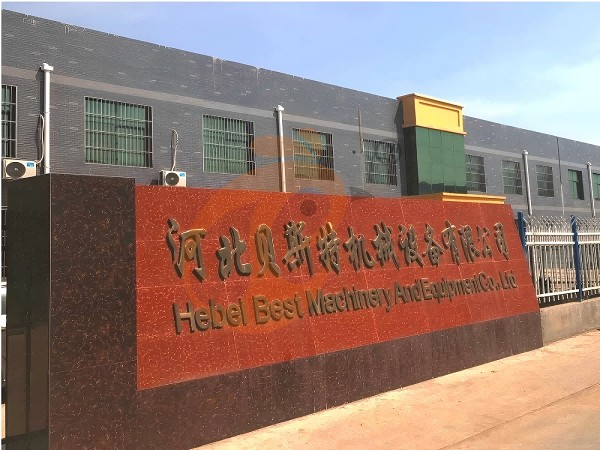
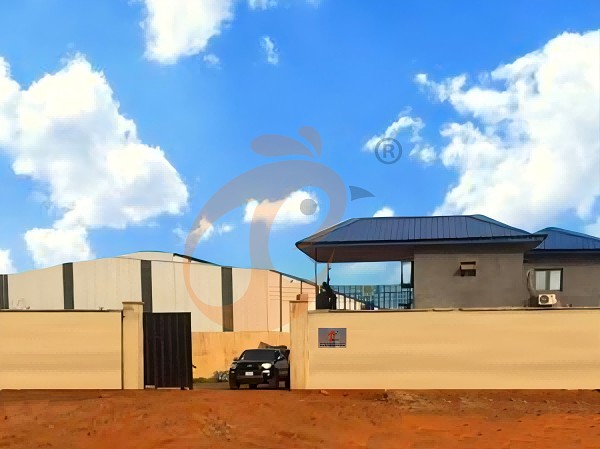
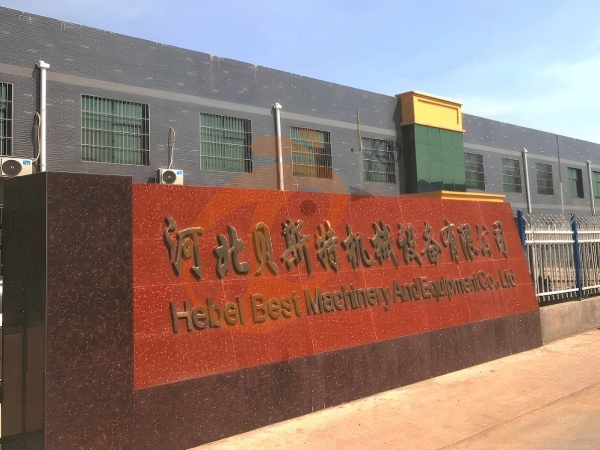
China Hebei Best Machinery And Equipment CO., LTD
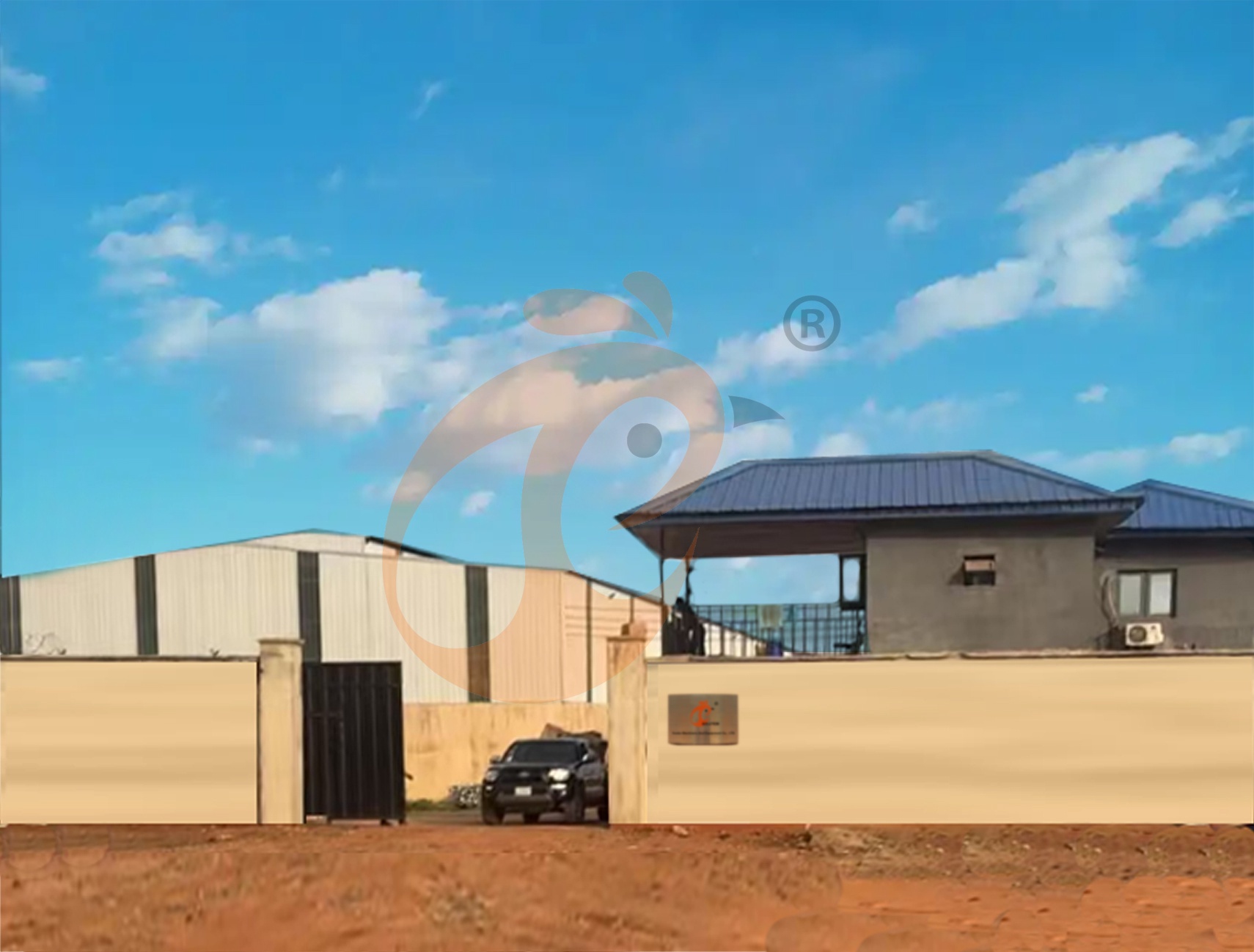
Nigeria Vanke Machinery And Equipment CO., LTD
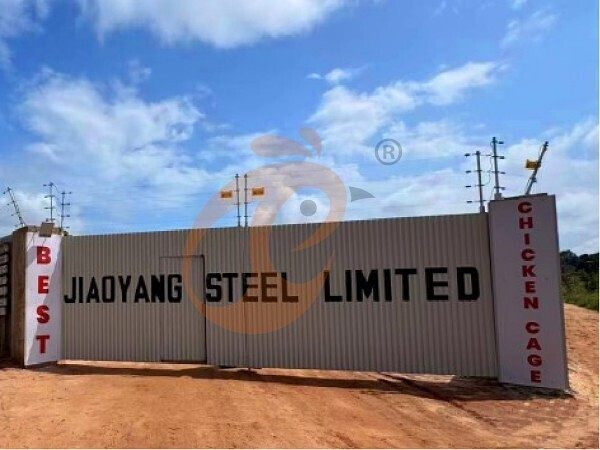
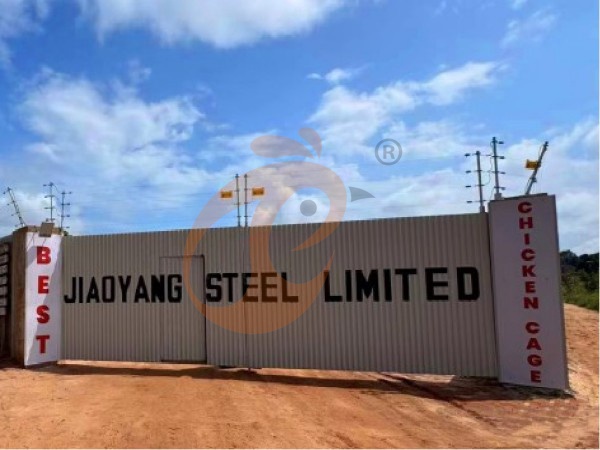
Tanzania Best Machinery And Equipment CO., LTD
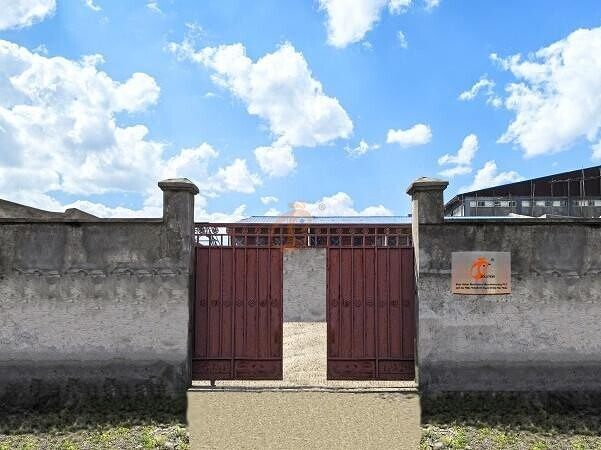
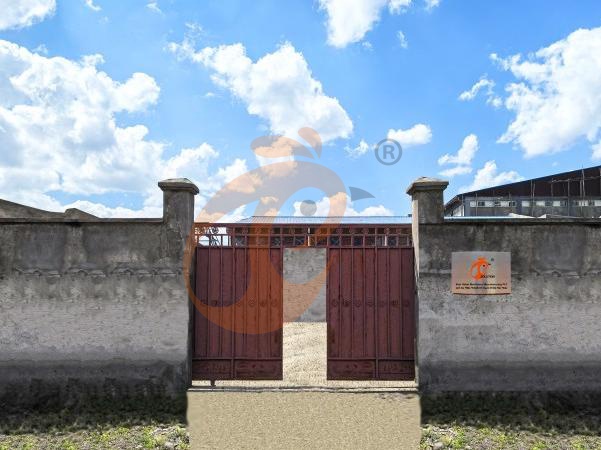
Ethiopia Best Hebei Machinery Manufacturing PLC
Reception /24 WhatsApp NO. : +8618830120193
FAQ
What Performance Advantages Does Plasson Poultry Equipment Provide In Poultry Chicken Farming Efficiency?
Labor requirement decreases by 50%–65% through automated water delivery systems.
Disease transmission risk is reduced by 35%–55% due to closed drinking environment design.
What Are The Installation Standards For Plasson Poultry Equipment In Poultry Chicken Farms?
Pipeline slope is maintained at 0.3%–0.5% for effective drainage and hygiene control.
Spacing between drinkers is configured at 25–35 cm to ensure equal water access distribution.
What Maintenance Requirements Apply To Plasson Poultry Equipment In Poultry Chicken Production Systems?
Seal inspection intervals are set at 20–30 days to prevent leakage and pressure loss.
Cleaning solution concentration is maintained at 0.03%–0.06% for effective system sanitation.
- poultry farm
- layer cages
- poultry farms
- layer cage
- poultry house
- cage
- poultry farm construction
- poultry house design
- poultry feeding system
- automatic poultry feeding system
- poultry equipment
- manure removal equipment
- chickencage
- bestchickencage
- cage system
- cage systems
- h cage
- Nigeria
- broiler equipment
- modern poultry farms
- commercial poultry farms
- poultry equipment supplier
- modern poultry house
- modern poultry farm
- manure removal machine
- poultry farm plan
- poultry equipment suppliers
- poultry feed
- poultry feed distribution
- Ethiopia
Message
Products recommended
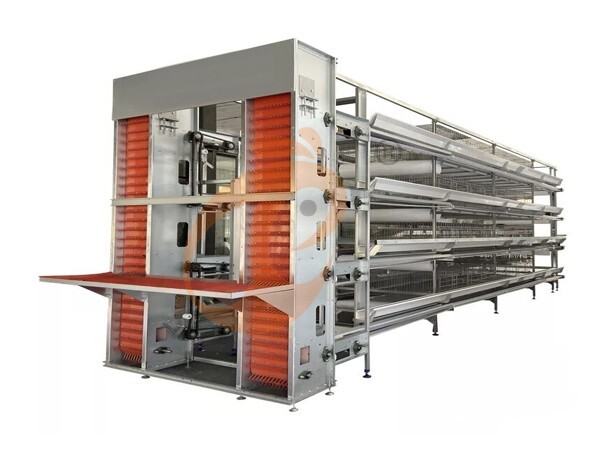
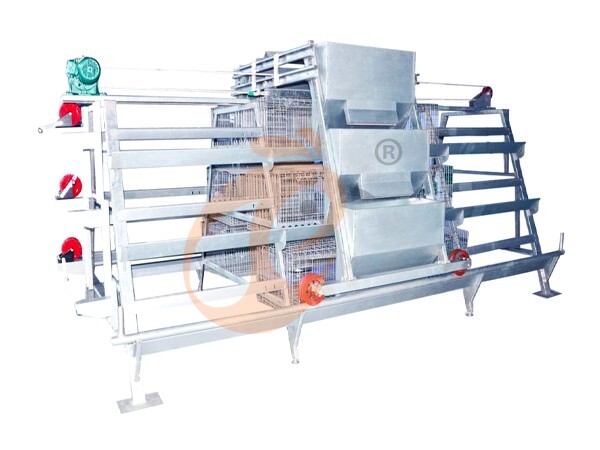
 >30,000 Pullets Automatic H Type Battery Cage1. More than 30,000 pullets a house, choose it.
2. It is designed to rearing older than 1 day old pullets to 12 to 16 weeks old chicken starting laying eggs.
3. Its lifespan is more than 25 years.
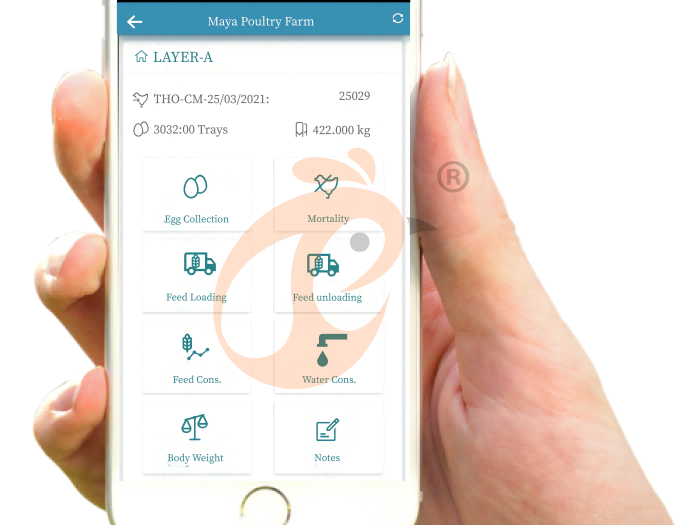
4. Its structure are Vcloud artificial intelligent fusion, electric control cabinet, automatic equipment of drinking, feeding, manure clean, manual harvesting.
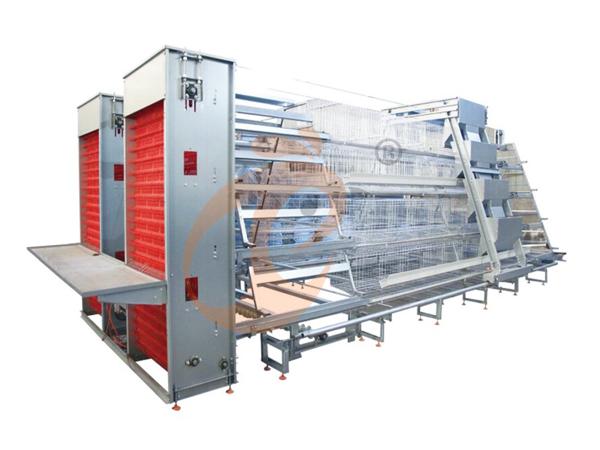
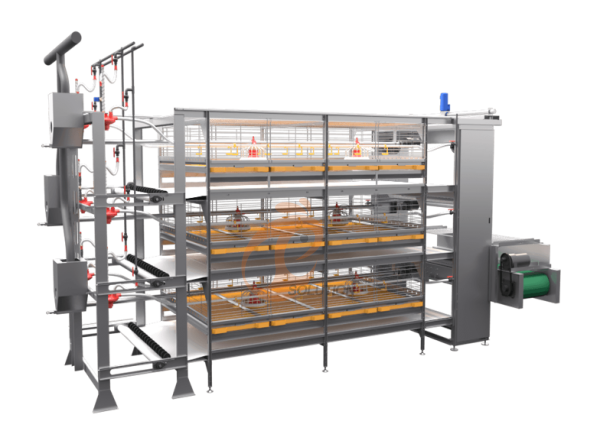
5. Our 24 hour online reception What’sApp NO. is +8618830120193 <30,000 Pullets Automatic A Type Battery Cage1. 10,000 to 30,000 pullets a house, choose it.
2. It is designed to rearing older than 1 day old pullets to 12 to 16 weeks old chicken starting laying eggs.
3. Its lifespan is more than 25 years.
4. Its structure are Vcloud artificial intelligent fusion, electric control cabinet, automatic equipment of drinking, feeding, manure clean, manual harvesting.
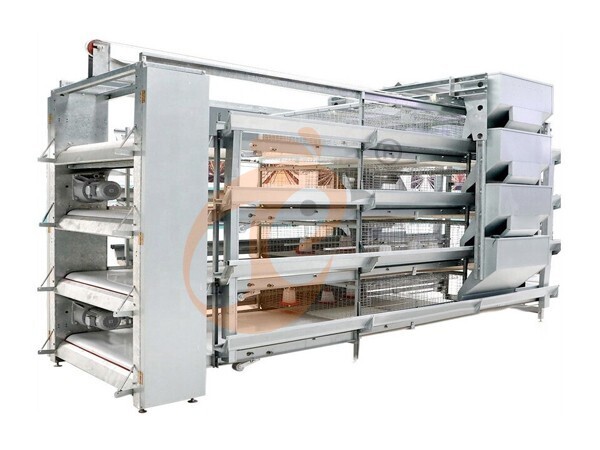
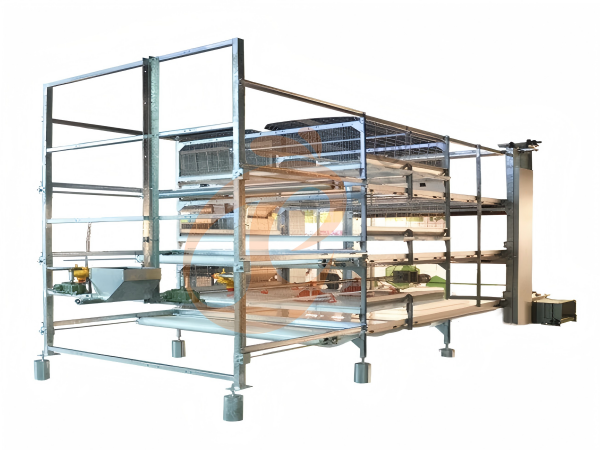
5. Our 24 hour online reception What’sApp NO. is +86 18830120193. >30,000 Broilers Semi-Automatic Harvest H Type Battery Cage1. More than 30,000 broilers a house, choose it.
2. It is designed to rearing 1 to 45 day old adult broiler ready for market.
3. Its lifespan is more than 20 years.
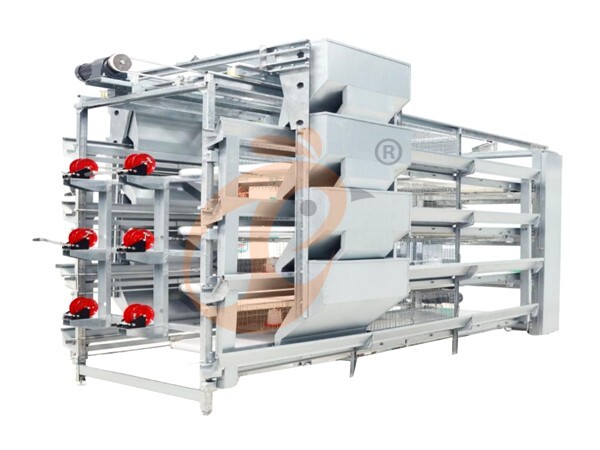
4. Our 24 hour online reception What’sApp NO. is +8618830120193, +234 8111199996. >30,000 Broilers Manual Harvest H Type Battery Cage1. More than 30,000 broilers a house, choose it.
2. It is designed to rearing 1 to 45 day old adult broiler ready for market.
3. Its lifespan is more than 20 years.
4. Its structure are Vcloud artificial intelligent fusion, electric control cabinet, automatic equipment of drinking, feeding and manure clean, manual harvesting.
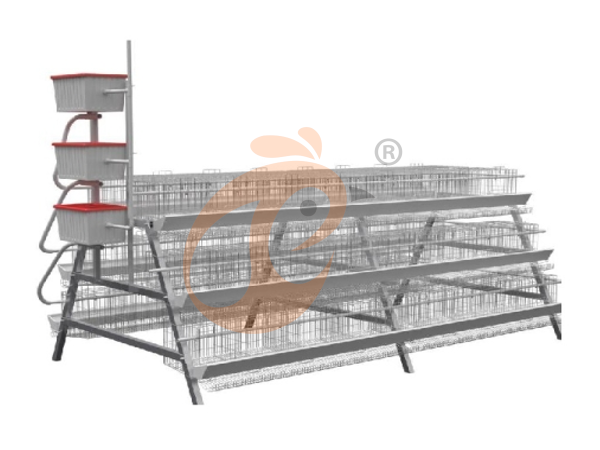
5. Our 24 hour online reception What’sApp NO. is +8618830120193, +234 8111199996. <30,000 Broilers Manual Harvest A Type Battery Cage1. Less 30,000 broilers a house, choose it.
2. It is designed to rearing 1 to 45 day old adult broiler ready for market.
3. Its lifespan is more than 20 years.
4. Its structure are Vcloud artificial intelligent fusion, electric control cabinet, automatic equipment of drinking, feeding and manure clean, manual harvesting.
5. Our 24 hour online reception What’sApp NO. is +8618830120193, +234 8111199996. HK Headquarter Offers EU-standard Poultry Farm Solutions, Manufacture Poultry Farm Equipment1. Continuous communication with the EU and the US
2. China, Nigeria, Ethiopia, Tanzania branch companies and factories
3. The products’ quality is customized for local poultry farms
4. Poultry cage and poultry farm equipment stock for sale
5. 24 online reception Whatsapp NO. : +8618830120193,contact us to get full information China Branch Offer Poultry Farm Business Plan, Manufacture Poultry Farm Equipment1. Address: Flat/RM 2416, 24/F, Runxing Building, Youyi Nan Street, Shijiazhuang City, Hebei Province, China
2. Poultry cage and poultry farm equipment factory and stock for sale
3. Customized for local poultry farms
4. Quality and design are based on Euro
5. 24 online reception Whatsapp NO. : +8618830120193 Nigeria Branch Offer Poultry Farm Business Plan, Manufacture Poultry Farm Equipment1. Address: After Sinoma Office, 200 Meters Near Danco Filling Station, Lagos/Ibadan Expressway, Lagos State, Nigeria
2. Poultry cage and poultry farm equipment factory and stock for sale
3. Customized for Nigerian poultry farms
4. Quality and design are based on Euro
5. 24 online reception Whatsapp NO. : +8618830120193 Ethiopia Branch Offer Poultry Farm Business Plan, Manufacture Poultry Farm Equipment1. Address: Gelan Gura, Akaki-kaliti Sub City, Addis Ababa, Ethiopia
2. Poultry cage and poultry farm equipment stock for sale
3. Customized for Ethiopian poultry farms
4. Quality and design are based on Euro
5. 24 online reception Whatsapp NO. : +8618830120193, contact us to get price list Tanzania Branch Offer Poultry Farm Business Plan, Manufacture Poultry Farm Equipment1. Address: No.8, Sova Road, Msufini, Mlandizi, Kibaha, Pwani, Tanzania
2. Poultry cage and poultry farm equipment factory and stock for sale
3. Customized for Tanzanian poultry farms
4. Quality and design are based on Euro
5. 24 online reception Whatsapp NO. : +8618830120193


Contact