


Blog
Pellet machine setup integrates poultry feed production chicken cage systems and automated poultry house equipment into one continuous workflow
Chicken feed pellet processing improves nutrient uniformity supporting stable laying performance in cage farming systems with feed conversion around 1.65–1.85
Industrial pellet production reduces feed dust loss and improves storage efficiency in large poultry equipment projects
Modern poultry farms combine pellet machines with chicken cages to achieve automated feeding pipelines and reduced labor input
This article explains installation steps technical structure and commercial poultry equipment integration for turnkey farm solutions
Get professional poultry farm construction guidance, equipment selection solutions, and the latest price lists, whatsApp to +8618830120193, click to learn more:
Site Layout And Production Flow Design
Pellet machine setup requires a linear workflow connecting grinding mixing pelletizing and packaging sections.
In poultry equipment plants pellet production is often positioned near chicken cage feeding systems for fast material delivery.
Stable layout reduces transfer time by approximately 12–18 seconds per batch cycle improving operational continuity.
Foundation Construction And Structural Stability
A reinforced foundation supports continuous pellet mill vibration load in poultry feed equipment factories.
Structural alignment deviation is maintained within 0.7 mm/m to ensure stable ring die rotation.
This stage is critical for poultry equipment suppliers offering chicken cage integrated feed systems.
Raw Material Conditioning And Preparation
In poultry feed pellet machine systems raw materials are pre-crushed to ensure uniform compression behavior.
Proper conditioning improves pellet hardness consistency measured at 2.9–3.4 kg/cm² in broiler feed production.
Integrated chicken cage farms depend on stable nutrient balance to maintain egg production efficiency.
Grinding System Operation Control
Grinding system determines final pellet uniformity in poultry feed pellet machine production lines.
Particle size consistency improves mixing homogeneity above 94 percent in industrial poultry equipment setups.
Stable grinding output supports continuous feeding systems in automated chicken cage farms.
Mixing System Homogenization Process
Mixing process ensures nutrient dispersion stability across all feed batches.
Uniformity deviation is controlled within 4.2 percent for poultry pellet formulation accuracy.
This improves feeding efficiency in large-scale chicken cage poultry equipment systems.
Pelletizing System Compression Process
Pellet machine setup relies on thermal-mechanical compression to form stable feed pellets.
Steam conditioning enhances starch gelatinization at 78–86°C improving pellet durability index above 88 percent.
This stage is essential for poultry equipment manufacturers offering turnkey chicken cage systems.
Cooling And Stabilization Process
Cooling stabilizes pellet hardness and prevents microbial growth during storage.
Final feed temperature control improves shelf life in poultry farm distribution systems.
Automated cooling integrates directly with chicken cage feeding pipelines.
Storage And Dust Control Optimization System
Pellet storage system maintains feed stability for poultry feed pellet machine output.
Dust control improves working environment safety in poultry equipment workshops.
Stable storage parameters ensure consistent delivery to chicken cage feeding lines.
Technical Operation Flow And Engineering Integration
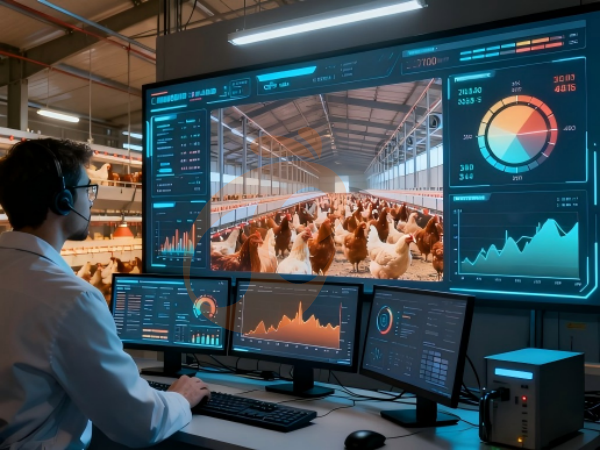
Raw material intake is managed through PLC sequencing with real-time sensor coordination across receiving and dosing modules.
Grinding and mixing stages operate under synchronized control logic to maintain batch continuity with deviation control within 0.6 percent.
Pellet discharge timing is aligned with downstream cooling conveyors to ensure uninterrupted material transition in production lines.
System communication uses industrial Ethernet architecture enabling stable coordination between pellet mill and poultry cage feeding systems.
Integrated automation reduces inter-machine delay and improves overall poultry equipment operational consistency in large-scale feed plants.
Frequently Asked Questions
Q1: What is the ideal pellet size for poultry feed machine systems?
Most poultry feed pellet machines produce pellets between 2.0 mm and 3.5 mm depending on bird stage.
Q2: Why is PLC control important in pellet production lines?
PLC control synchronizes grinding mixing and pelletizing to reduce mechanical delay and improve stability.
Q3: Can pellet machines be integrated with chicken cage feeding systems?
Yes they connect through conveyors and silos for fully automated poultry farm feeding systems.
Taiyu (HK) Group - One Of China Biggest Pellet Machine Manufacturer
Pellet machine setup is core poultry feed production equipment for industrial chicken cage farming systems with automated feeding control integration
Company provides global factory direct sales covering poultry equipment feed pellet machine and complete production line engineering solutions
Full turnkey project execution includes design manufacturing installation and commissioning for large-scale poultry farm infrastructure worldwide
Advanced production systems support customized pellet line configurations for broiler layer and breeder cage farming operations
Global technical service network ensures stable operation and optimized performance across international poultry equipment projects
Contact Us To Received Your Customized Poultry Farm Plan
Headquarters And Branchs
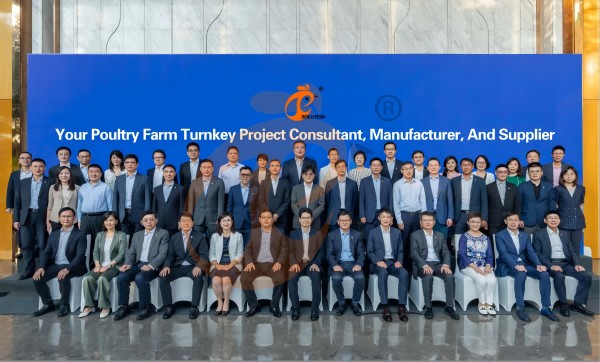
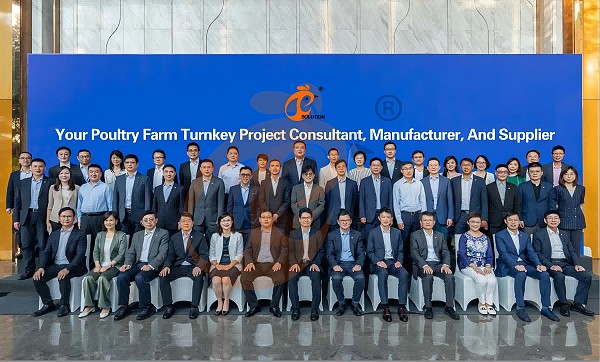
Hong Kong Headquarter Management Team
Hong Kong Headquarter Taiyu Industrial Group CO., LTD
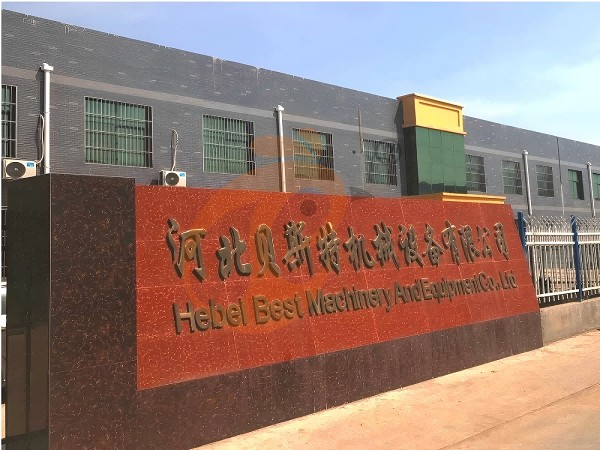
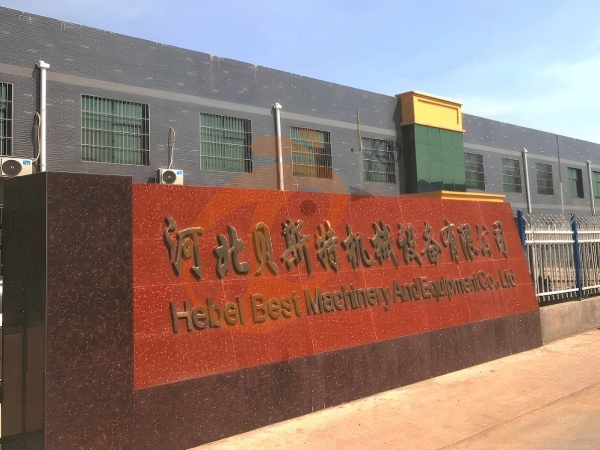
China Hebei Best Machinery And Equipment CO., LTD
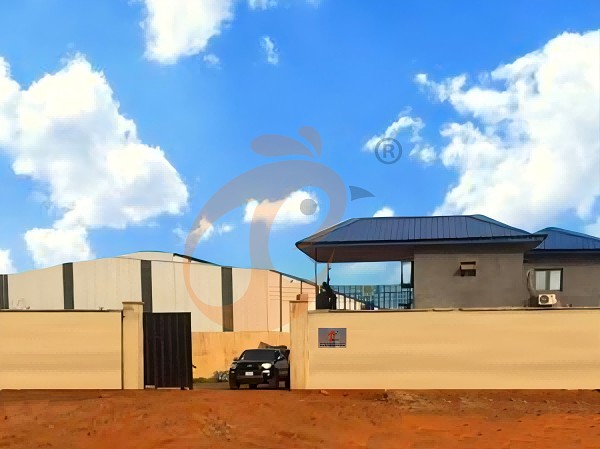
Nigeria Vanke Machinery And Equipment CO., LTD
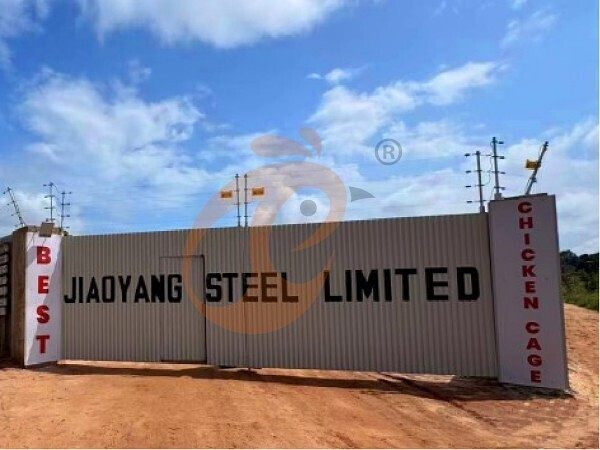
Tanzania Best Machinery And Equipment CO., LTD
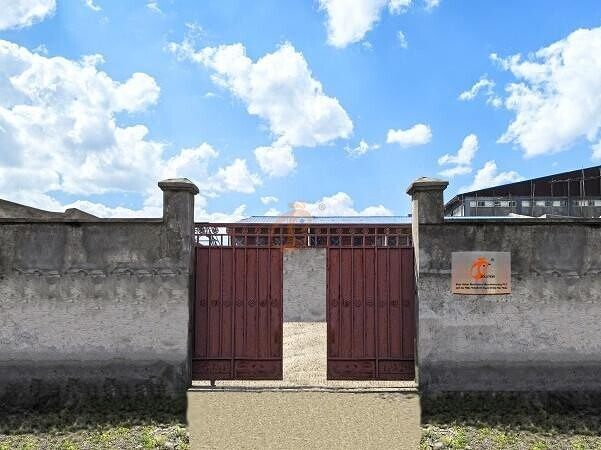
Ethiopia Best Hebei Machinery Manufacturing PLC
Reception /24 WhatsApp NO. : +8618830120193
FAQ
What Feeding System Standards Are Required For Pellet Machine In Poultry Chicken Feed Production Lines?
Feeder capacity is designed at 1.2–2.5 tons per hour depending on raw material density.
Flow consistency deviation is maintained within ±2% for uniform pellet quality output.
What Maintenance And Wear Part Replacement Standards Apply To Pellet Machine?
Bearing replacement intervals typically occur every 12–18 months under continuous operation.
Gearbox oil change frequency is maintained at 1000–1500 operating hours for system reliability.
What Safety Protection Systems Are Integrated In Pellet Machine For Poultry Chicken Feed Production?
Emergency stop response time is maintained within 0.5–1.0 seconds for operational safety.
Vibration monitoring limits are set at 4.5–6.0 mm/s to prevent mechanical failure.
- poultry farm
- chicken cage
- poultry farms
- pellet machine
- poultry house
- poultry cage
- cage
- poultry farm construction
- chicken cage system
- poultry cage feeding system
- poultry house equipment
- poultry equipment
- chicken cages
- automated chicken cage
- chickencage
- bestchickencage
- cage system
- cage poultry
- cage systems
- Nigeria
- automated poultry farm
- modern poultry farms
- poultry equipment supplier
- poultry equipment manufacturer
- poultry farm feeding system
- poultry feed equipment
- poultry feed machine
- pellet machine manufacturer
- poultry farm feed
- modern poultry farm
- poultry farm infrastructure
- poultry farm plan
- poultry equipment suppliers
- poultry feed
- chicken feed
- poultry feed production
- Chicken Cage Farms
- Ethiopia
Message
Products recommended
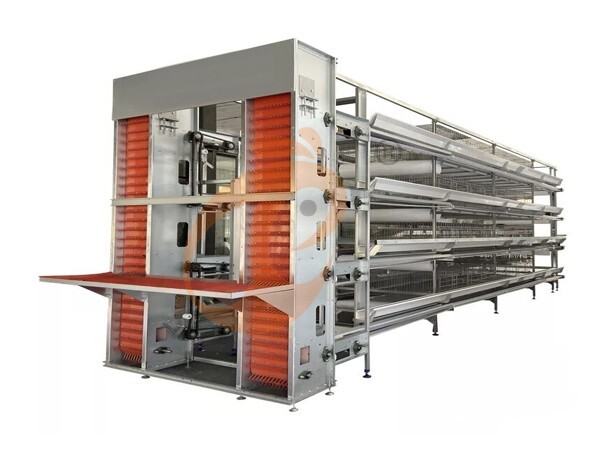
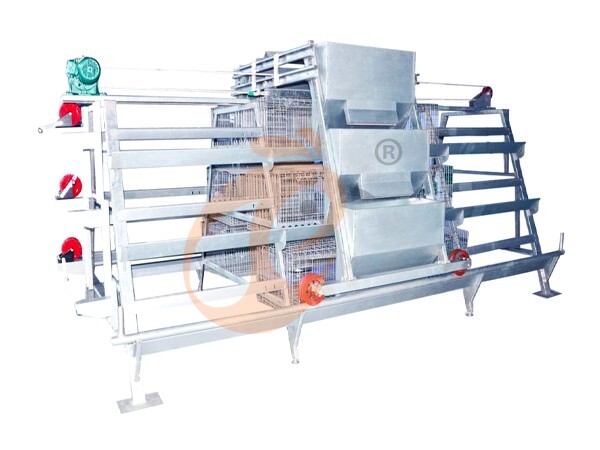
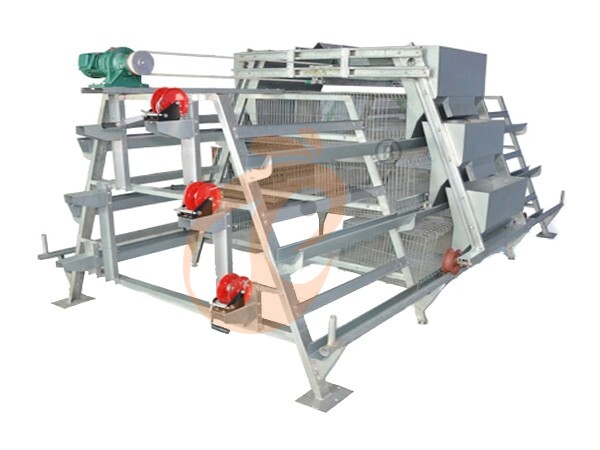
 >30,000 Pullets Automatic H Type Battery Cage1. More than 30,000 pullets a house, choose it.
2. It is designed to rearing older than 1 day old pullets to 12 to 16 weeks old chicken starting laying eggs.
3. Its lifespan is more than 25 years.
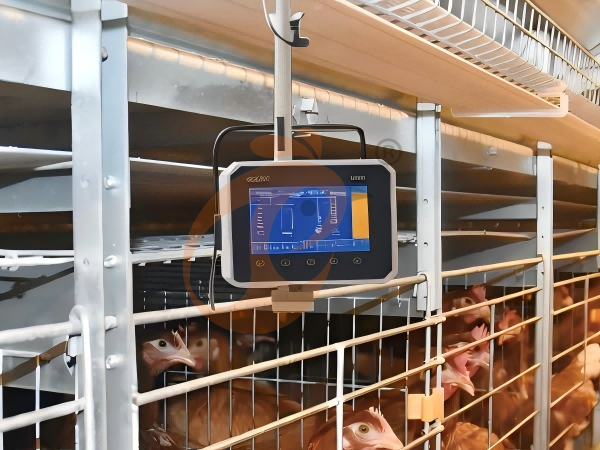
4. Its structure are Vcloud artificial intelligent fusion, electric control cabinet, automatic equipment of drinking, feeding, manure clean, manual harvesting.
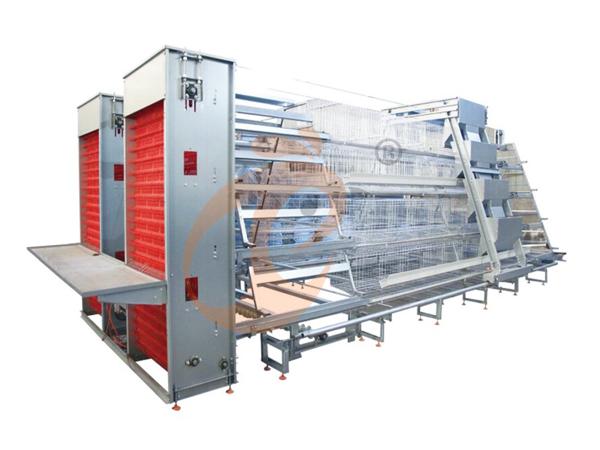
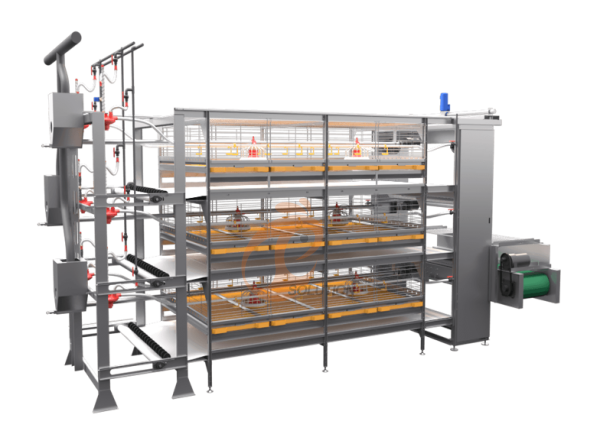
5. Our 24 hour online reception What’sApp NO. is +8618830120193 <30,000 Pullets Automatic A Type Battery Cage1. 10,000 to 30,000 pullets a house, choose it.
2. It is designed to rearing older than 1 day old pullets to 12 to 16 weeks old chicken starting laying eggs.
3. Its lifespan is more than 25 years.
4. Its structure are Vcloud artificial intelligent fusion, electric control cabinet, automatic equipment of drinking, feeding, manure clean, manual harvesting.
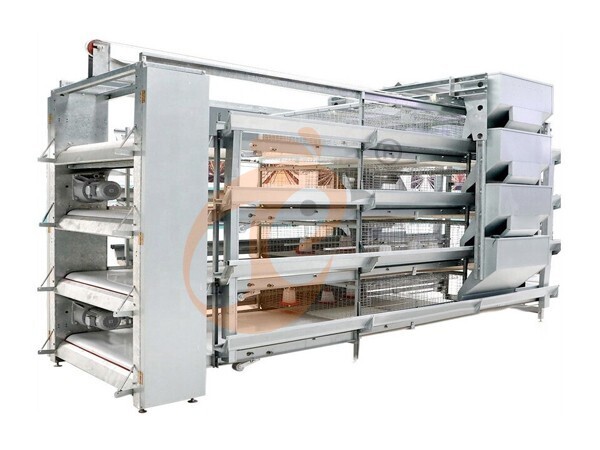
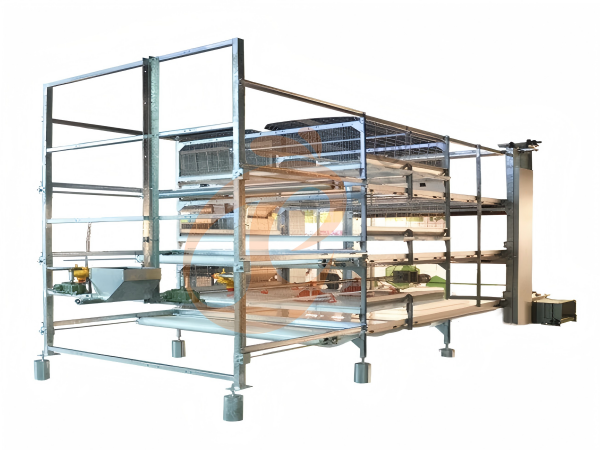
5. Our 24 hour online reception What’sApp NO. is +86 18830120193. >30,000 Broilers Semi-Automatic Harvest H Type Battery Cage1. More than 30,000 broilers a house, choose it.
2. It is designed to rearing 1 to 45 day old adult broiler ready for market.
3. Its lifespan is more than 20 years.
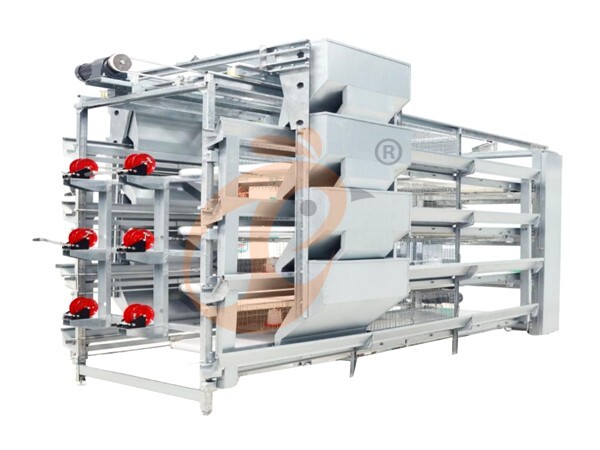
4. Our 24 hour online reception What’sApp NO. is +8618830120193, +234 8111199996. >30,000 Broilers Manual Harvest H Type Battery Cage1. More than 30,000 broilers a house, choose it.
2. It is designed to rearing 1 to 45 day old adult broiler ready for market.
3. Its lifespan is more than 20 years.
4. Its structure are Vcloud artificial intelligent fusion, electric control cabinet, automatic equipment of drinking, feeding and manure clean, manual harvesting.
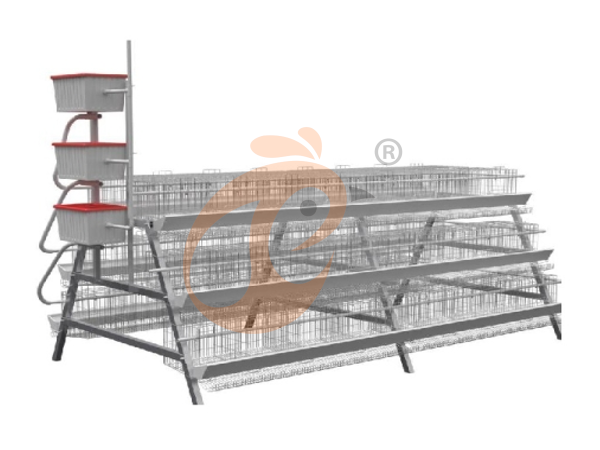
5. Our 24 hour online reception What’sApp NO. is +8618830120193, +234 8111199996. <30,000 Broilers Manual Harvest A Type Battery Cage1. Less 30,000 broilers a house, choose it.
2. It is designed to rearing 1 to 45 day old adult broiler ready for market.
3. Its lifespan is more than 20 years.
4. Its structure are Vcloud artificial intelligent fusion, electric control cabinet, automatic equipment of drinking, feeding and manure clean, manual harvesting.
5. Our 24 hour online reception What’sApp NO. is +8618830120193, +234 8111199996. HK Headquarter Offers EU-standard Poultry Farm Solutions, Manufacture Poultry Farm Equipment1. Continuous communication with the EU and the US
2. China, Nigeria, Ethiopia, Tanzania branch companies and factories
3. The products’ quality is customized for local poultry farms
4. Poultry cage and poultry farm equipment stock for sale
5. 24 online reception Whatsapp NO. : +8618830120193,contact us to get full information China Branch Offer Poultry Farm Business Plan, Manufacture Poultry Farm Equipment1. Address: Flat/RM 2416, 24/F, Runxing Building, Youyi Nan Street, Shijiazhuang City, Hebei Province, China
2. Poultry cage and poultry farm equipment factory and stock for sale
3. Customized for local poultry farms
4. Quality and design are based on Euro
5. 24 online reception Whatsapp NO. : +8618830120193 Nigeria Branch Offer Poultry Farm Business Plan, Manufacture Poultry Farm Equipment1. Address: After Sinoma Office, 200 Meters Near Danco Filling Station, Lagos/Ibadan Expressway, Lagos State, Nigeria
2. Poultry cage and poultry farm equipment factory and stock for sale
3. Customized for Nigerian poultry farms
4. Quality and design are based on Euro
5. 24 online reception Whatsapp NO. : +8618830120193 Ethiopia Branch Offer Poultry Farm Business Plan, Manufacture Poultry Farm Equipment1. Address: Gelan Gura, Akaki-kaliti Sub City, Addis Ababa, Ethiopia
2. Poultry cage and poultry farm equipment stock for sale
3. Customized for Ethiopian poultry farms
4. Quality and design are based on Euro
5. 24 online reception Whatsapp NO. : +8618830120193, contact us to get price list Tanzania Branch Offer Poultry Farm Business Plan, Manufacture Poultry Farm Equipment1. Address: No.8, Sova Road, Msufini, Mlandizi, Kibaha, Pwani, Tanzania
2. Poultry cage and poultry farm equipment factory and stock for sale
3. Customized for Tanzanian poultry farms
4. Quality and design are based on Euro
5. 24 online reception Whatsapp NO. : +8618830120193


Contact