


Blog
Broiler chicken cage management begins with systematic daily inspections that improve flock performance, equipment reliability, operational efficiency, and long-term production stability for modern commercial poultry farms.
Automatic poultry equipment works most effectively when feeding, drinking, ventilation, lighting, and manure removal systems receive consistent inspections and preventive maintenance every day.
Scientific poultry management combines practical operating procedures with accurate environmental control, helping producers reduce unnecessary losses while supporting healthy broiler growth throughout each production cycle.
Reliable broiler house equipment creates a cleaner production environment, lowers labor requirements, improves management efficiency, and supports sustainable commercial poultry farming with measurable operational advantages.
- Comprehensive daily checklists transform routine inspections into valuable management practices, allowing poultry producers to maximize equipment lifespan, maintain production consistency, and improve investment returns over multiple growing cycles.
Get professional poultry farm construction guidance, equipment selection solutions, and the latest price lists, whatsApp to +8618830120193, click to learn more:
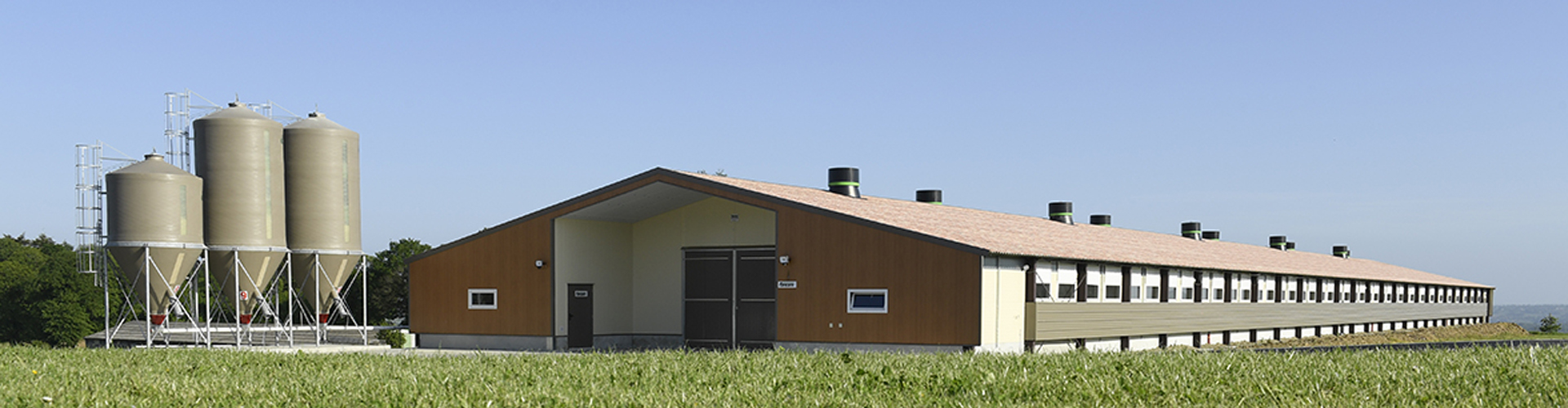
Monitor House Ventilation And Air Quality
Ventilation directly affects broiler comfort, respiratory health, and production efficiency.
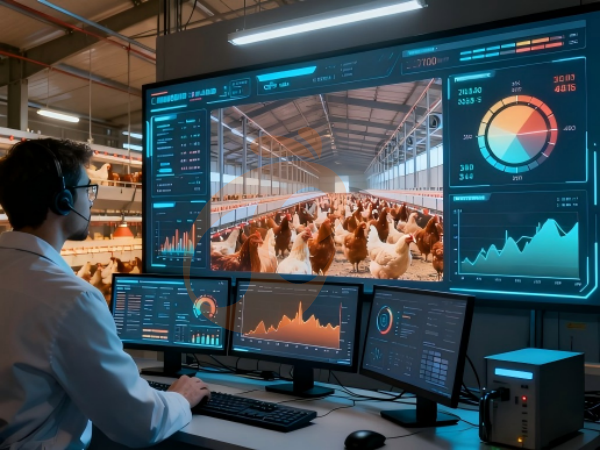
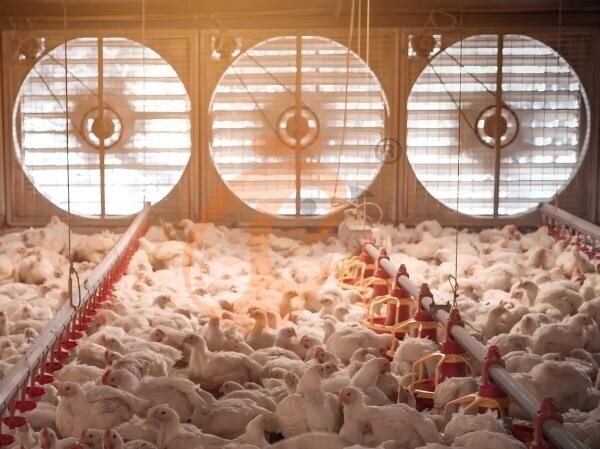
Exhaust fans, cooling pads, air inlets, and circulation systems should operate together to remove moisture, carbon dioxide, and ammonia while supplying sufficient fresh air.
A properly designed poultry house equipped with modern ventilation systems creates a stable environment throughout every production cycle.
Daily inspection should include listening for unusual fan noise, checking airflow distribution, and confirming that every ventilation component operates normally.
Stable environmental control provided by automatic poultry equipment helps maintain consistent broiler performance under different seasonal conditions.
Data is for reference only. Swipe horizontally to view full table.
Scientific Knowledge About Broiler Cage Equipment
Broiler chickens have a rapid metabolic rate, making them highly responsive to changes in environmental conditions.
Even a short interruption in water supply, feed delivery, or ventilation may influence bird comfort and production consistency.
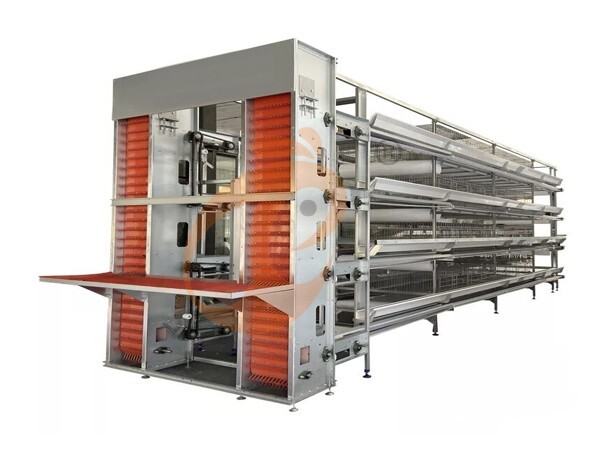
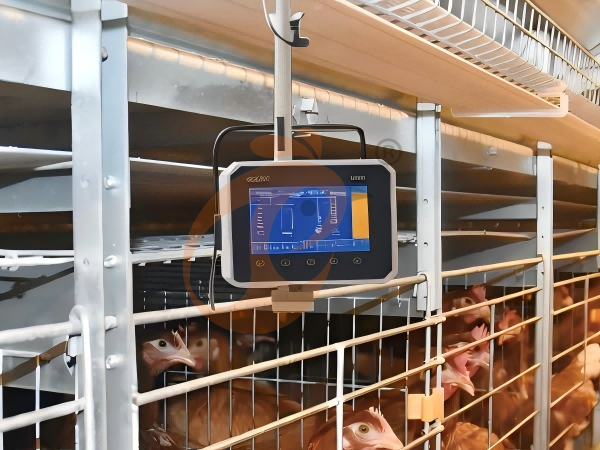
Modern broiler chicken cage systems combine automatic feeding, nipple drinking, environmental control, manure removal, and ventilation equipment into an integrated management platform.
Stable equipment performance helps maintain uniform flock development while reducing unnecessary stress caused by environmental fluctuations.
Scientific poultry management therefore focuses not only on nutrition but also on equipment reliability, preventive maintenance, and environmental stability throughout the production cycle.
Inspect Lighting Performance
Lighting influences bird activity, feed intake, resting behavior, and daily movement patterns.
LED poultry lighting systems provide stable illumination while reducing electricity consumption and maintenance requirements.
During routine inspection, workers should verify that every lighting fixture operates normally and that controllers follow the programmed schedule.
Consistent lighting management also improves the operating efficiency of broiler house equipment in large-scale poultry farms.
Data is for reference only. Swipe horizontally to view full table.
Observe Bird Health And Behavior
Healthy broilers remain active, consume feed regularly, and maintain consistent drinking behavior.
Daily flock observation allows farm managers to identify abnormal movement, feather condition, breathing patterns, or uneven distribution before production performance declines.
Broiler cage systems make routine inspections more efficient because birds remain organized in clearly separated rows.
Early observation combined with reliable poultry equipment significantly improves overall flock management.
Data is for reference only. Swipe horizontally to view full table.
Examine Manure Removal Equipment
Efficient manure management improves poultry house hygiene while reducing ammonia accumulation and supporting healthier growing conditions.
Automatic manure belt systems should operate smoothly without belt deviation, excessive vibration, or unexpected motor interruptions.
Daily inspections should also confirm that drive components, guide rollers, and cleaning mechanisms remain in normal operating condition.
Reliable manure removal equipment helps extend the service life of automatic poultry equipment while improving overall environmental management.
Data is for reference only. Swipe horizontally to view full table.
Inspect Cage Structure And Automation Components
The final daily inspection should focus on the structural condition of the entire broiler cage system.
Operators should examine cage frames, fasteners, sensors, motors, electrical wiring, feed augers, and control cabinets for normal operation.
Preventive maintenance reduces unexpected downtime while extending equipment lifespan and lowering long-term maintenance costs.
Well-designed broiler chicken cage systems manufactured with galvanized steel and precision automation components provide stable performance for commercial poultry farms.
Data is for reference only. Swipe horizontally to view full table.
Daily Management Creates Long-Term Production Value
Daily inspections require only a limited amount of working time, yet they play a significant role in maintaining production efficiency and equipment reliability.
Systematic management allows poultry producers to identify minor issues before they develop into costly operational problems.
Combining scientific flock management with dependable broiler house equipment helps improve production consistency, reduce unnecessary labor, and create healthier growing conditions throughout every production cycle.
Investing in high-quality poultry equipment is not only an infrastructure decision but also an effective strategy for improving long-term commercial profitability.
Equipment maintenance expenses, when planned properly, can often remain below USD 150 per production cycle (European union standard reference only), helping producers achieve better cost control while extending equipment service life.
Frequently Asked Questions
Q1: What is the most important daily inspection for broiler chicken cage operations?
Feed delivery, water supply, and ventilation should receive the highest priority every day.
For example, maintaining approximately 18 °C drinking water and around 58% relative humidity helps create stable production conditions for commercial broiler farms.
Q2: How often should automatic poultry equipment be maintained?
Routine visual inspections should be completed every day, while detailed preventive maintenance is commonly scheduled every production cycle or according to the manufacturer's maintenance plan.
Regular servicing significantly reduces unexpected equipment downtime.
Q3: Why is broiler house equipment important for commercial poultry farming?
Modern broiler house equipment integrates feeding, drinking, ventilation, manure removal, and environmental control into one coordinated management system.
This integrated design improves operational efficiency, reduces labor requirements, supports flock uniformity, and enhances long-term production performance.
Taiyu (HK) Group - One Of China Largest Broiler Chicken Cage Manufacturer
Broiler chicken cage systems are engineered for efficient commercial poultry production with reliable structural performance.
Global factory direct supply supports competitive project solutions across international poultry markets.
Complete poultry equipment portfolios include feeding, drinking, ventilation, manure removal, and environmental control systems.
Professional Turn-key engineering services cover project planning, manufacturing, installation, commissioning, and technical training.
Experienced engineering teams provide customized solutions for modern poultry farms with dependable after-sales technical support.
Contact Us To Received Your Customized Poultry Farm Plan
Headquarters And Branchs

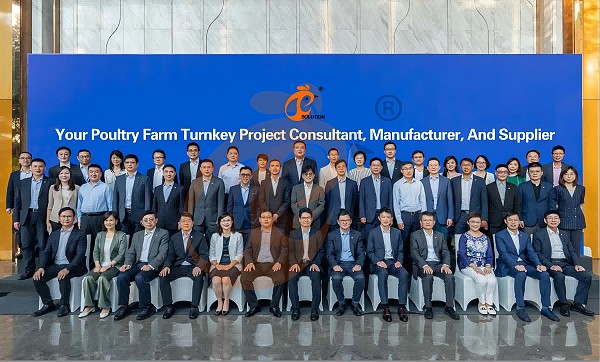
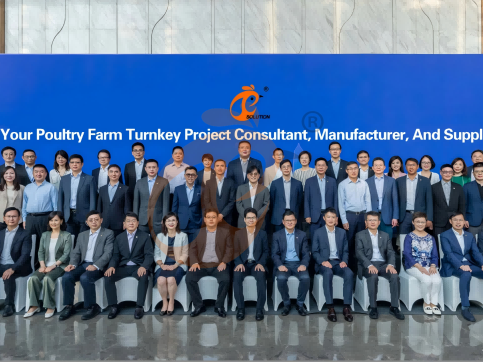
Hong Kong Headquarter Management Team
Hong Kong Headquarter Taiyu Industrial Group CO., LTD
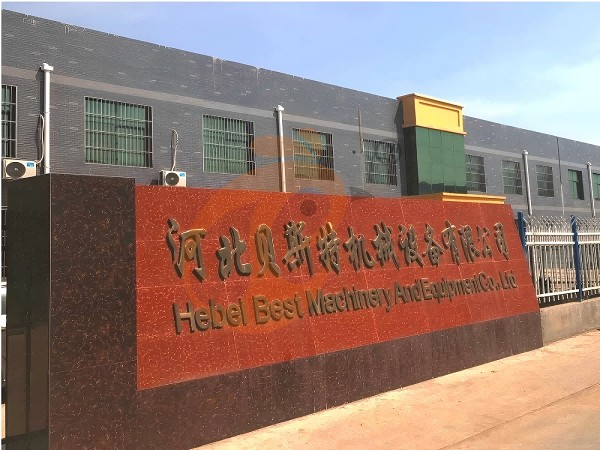
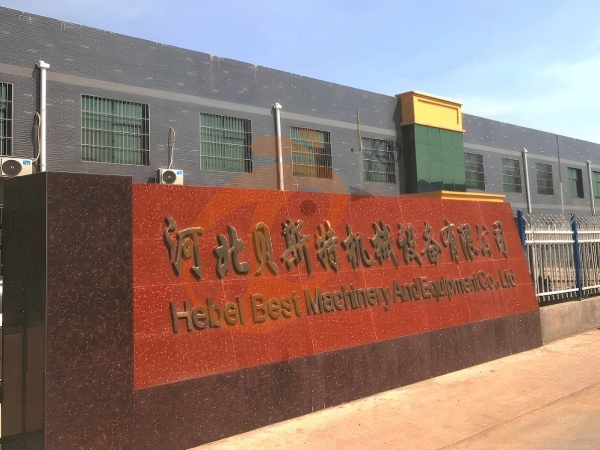
China Hebei Best Machinery And Equipment CO., LTD
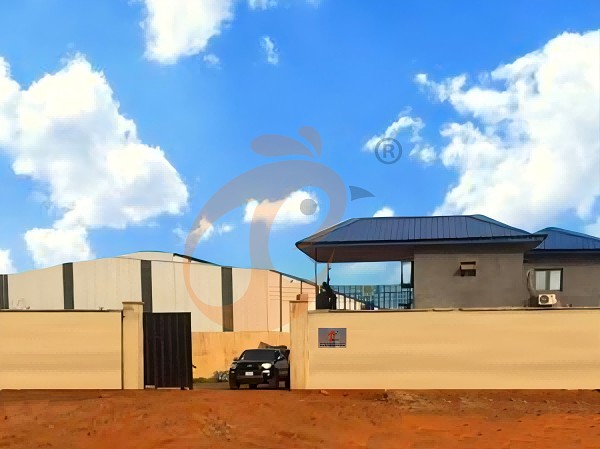
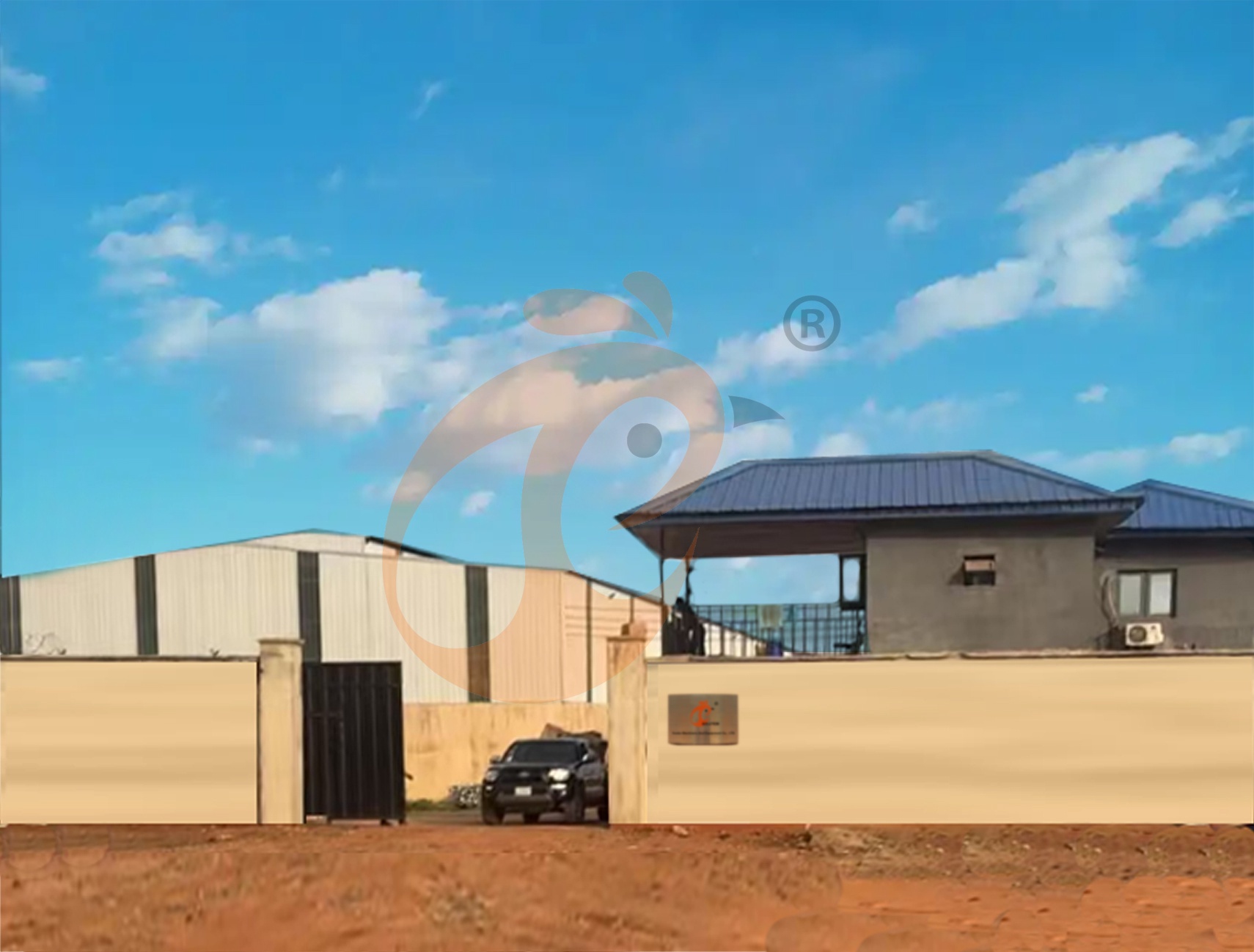
Nigeria Vanke Machinery And Equipment CO., LTD
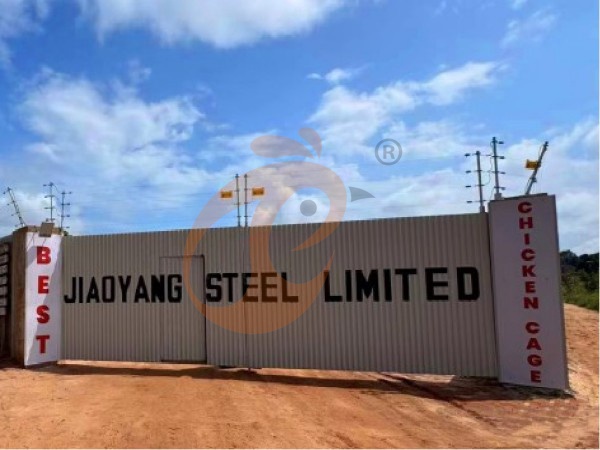
Tanzania Best Machinery And Equipment CO., LTD
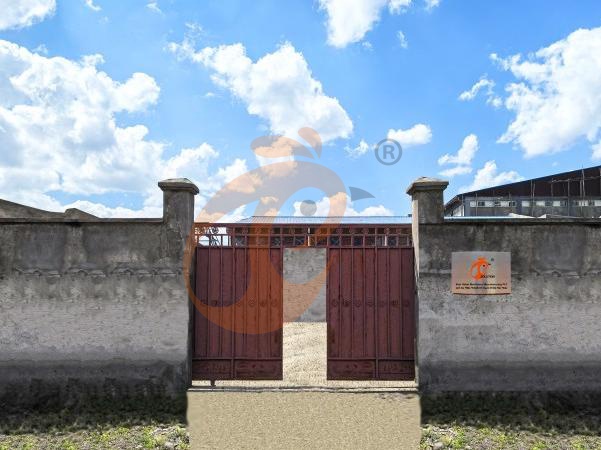
Ethiopia Best Hebei Machinery Manufacturing PLC
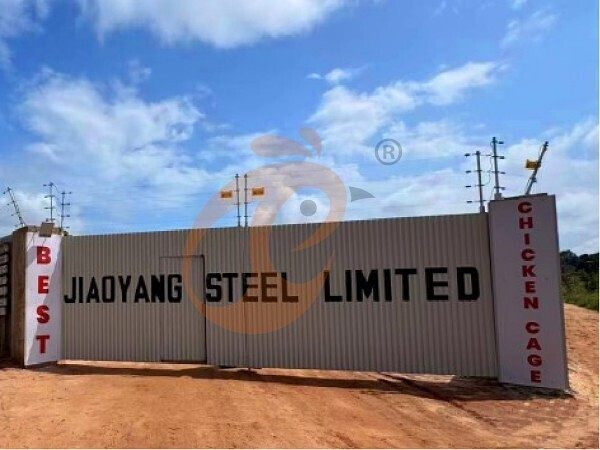
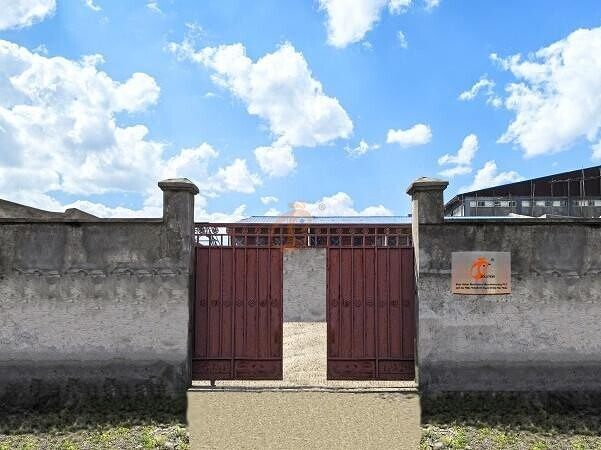
Reception /24 WhatsApp NO. : +8618830120193
FAQ
What Cage Structure Options Are Available For Broiler Chicken Cage Systems?
H-type cage systems are configured in 3–12 tiers accommodating 360–1440 birds per set for intensive farming operations.
Structural height ranges from 1.75–10.11 meters maximizing vertical space utilization and housing efficiency.
How Does Stocking Density Affect Broiler Chicken Cage Performance?
H-type systems maintain 500 cm² allocation per bird optimizing housing density and production output.
Bird distribution is balanced at 8 birds per compartment in partitioned cage configurations reducing competition.
Which Cage Dimensions Are Commonly Used In Broiler Chicken Cage Systems?
H-type cage modules measure 3.3 × 1.82 meters providing larger continuous housing sections.
Internal compartment height varies from 40–55 cm ensuring adequate bird activity and ventilation circulation.
- poultry farm
- chicken cage
- poultry farms
- broiler cage
- poultry house
- cage
- poultry farm construction
- broiler cage system
- chicken cage manufacturer
- chicken cage system
- broiler cage equipment
- poultry lighting system
- poultry equipment
- manure removal system
- manure removal equipment
- broiler chicken cage
- chickencage
- bestchickencage
- cage system
- cage systems
- broiler chicken cage system
- Nigeria
- broiler farm
- modern poultry farms
- commercial poultry farms
- poultry farming
- LED poultry lighting
- broiler house equipment
- LED poultry lighting system
- cage manufacturer
- modern poultry farm
- poultry farm plan
- poultry house hygiene
- Ethiopia
Message
Products recommended
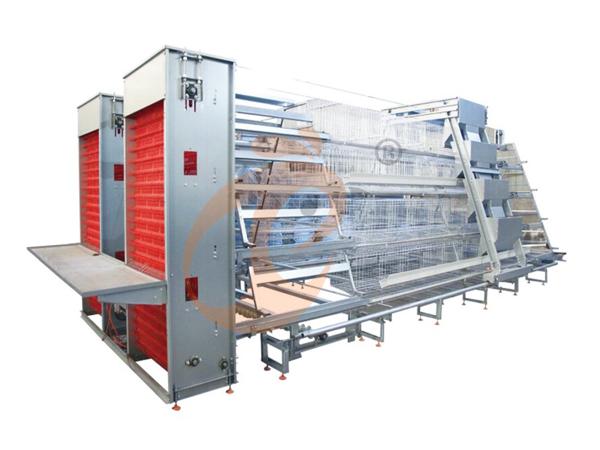
 >30,000 Pullets Automatic H Type Battery Cage1. More than 30,000 pullets a house, choose it.
2. It is designed to rearing older than 1 day old pullets to 12 to 16 weeks old chicken starting laying eggs.
3. Its lifespan is more than 25 years.
4. Its structure are Vcloud artificial intelligent fusion, electric control cabinet, automatic equipment of drinking, feeding, manure clean, manual harvesting.
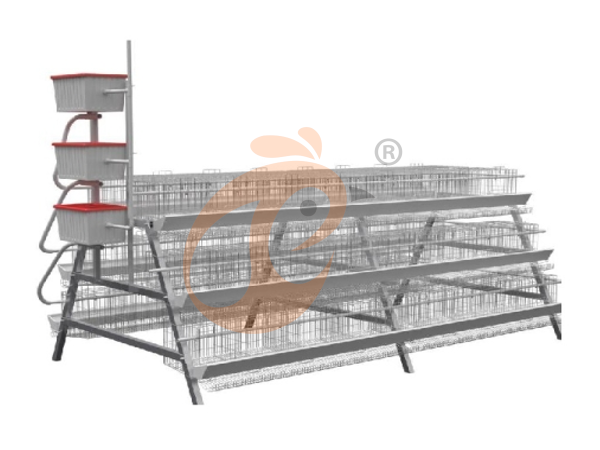
5. Our 24 hour online reception What’sApp NO. is +8618830120193 <30,000 Pullets Automatic A Type Battery Cage1. 10,000 to 30,000 pullets a house, choose it.
2. It is designed to rearing older than 1 day old pullets to 12 to 16 weeks old chicken starting laying eggs.
3. Its lifespan is more than 25 years.
4. Its structure are Vcloud artificial intelligent fusion, electric control cabinet, automatic equipment of drinking, feeding, manure clean, manual harvesting.
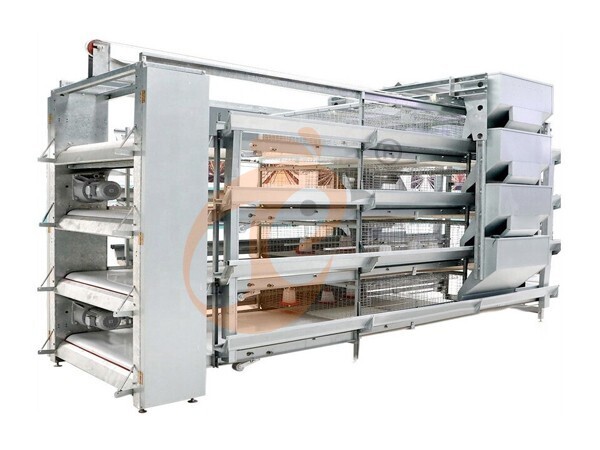
5. Our 24 hour online reception What’sApp NO. is +86 18830120193. >30,000 Broilers Semi-Automatic Harvest H Type Battery Cage1. More than 30,000 broilers a house, choose it.
2. It is designed to rearing 1 to 45 day old adult broiler ready for market.
3. Its lifespan is more than 20 years.
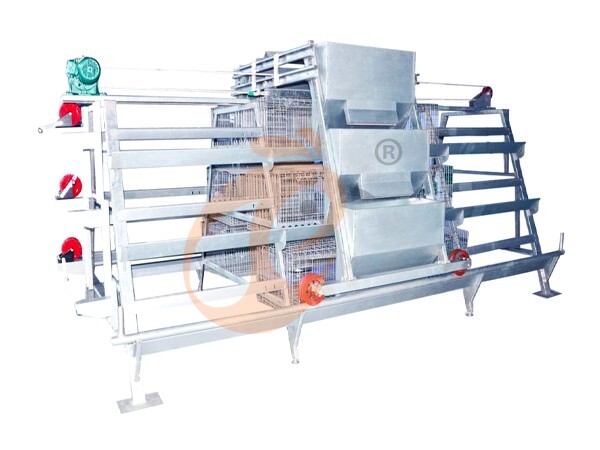
4. Our 24 hour online reception What’sApp NO. is +8618830120193, +234 8111199996. >30,000 Broilers Manual Harvest H Type Battery Cage1. More than 30,000 broilers a house, choose it.
2. It is designed to rearing 1 to 45 day old adult broiler ready for market.
3. Its lifespan is more than 20 years.
4. Its structure are Vcloud artificial intelligent fusion, electric control cabinet, automatic equipment of drinking, feeding and manure clean, manual harvesting.
5. Our 24 hour online reception What’sApp NO. is +8618830120193, +234 8111199996. <30,000 Broilers Manual Harvest A Type Battery Cage1. Less 30,000 broilers a house, choose it.
2. It is designed to rearing 1 to 45 day old adult broiler ready for market.
3. Its lifespan is more than 20 years.
4. Its structure are Vcloud artificial intelligent fusion, electric control cabinet, automatic equipment of drinking, feeding and manure clean, manual harvesting.
5. Our 24 hour online reception What’sApp NO. is +8618830120193, +234 8111199996. HK Headquarter Offers EU-standard Poultry Farm Solutions, Manufacture Poultry Farm Equipment1. Continuous communication with the EU and the US
2. China, Nigeria, Ethiopia, Tanzania branch companies and factories
3. The products’ quality is customized for local poultry farms
4. Poultry cage and poultry farm equipment stock for sale
5. 24 online reception Whatsapp NO. : +8618830120193,contact us to get full information China Branch Offer Poultry Farm Business Plan, Manufacture Poultry Farm Equipment1. Address: Flat/RM 2416, 24/F, Runxing Building, Youyi Nan Street, Shijiazhuang City, Hebei Province, China
2. Poultry cage and poultry farm equipment factory and stock for sale
3. Customized for local poultry farms
4. Quality and design are based on Euro
5. 24 online reception Whatsapp NO. : +8618830120193 Nigeria Branch Offer Poultry Farm Business Plan, Manufacture Poultry Farm Equipment1. Address: After Sinoma Office, 200 Meters Near Danco Filling Station, Lagos/Ibadan Expressway, Lagos State, Nigeria
2. Poultry cage and poultry farm equipment factory and stock for sale
3. Customized for Nigerian poultry farms
4. Quality and design are based on Euro
5. 24 online reception Whatsapp NO. : +8618830120193 Ethiopia Branch Offer Poultry Farm Business Plan, Manufacture Poultry Farm Equipment1. Address: Gelan Gura, Akaki-kaliti Sub City, Addis Ababa, Ethiopia
2. Poultry cage and poultry farm equipment stock for sale
3. Customized for Ethiopian poultry farms
4. Quality and design are based on Euro
5. 24 online reception Whatsapp NO. : +8618830120193, contact us to get price list Tanzania Branch Offer Poultry Farm Business Plan, Manufacture Poultry Farm Equipment1. Address: No.8, Sova Road, Msufini, Mlandizi, Kibaha, Pwani, Tanzania
2. Poultry cage and poultry farm equipment factory and stock for sale
3. Customized for Tanzanian poultry farms
4. Quality and design are based on Euro
5. 24 online reception Whatsapp NO. : +8618830120193


Contact