


Blog
Nipple drinkers are essential components of modern poultry equipment, delivering clean water while supporting healthy broilers, layers, and efficient poultry house management.
Discover practical troubleshooting methods, engineering maintenance techniques, and daily inspection routines that improve water delivery and reduce unexpected equipment downtime.
Learn how water pressure, drinker height, sanitation, and system installation influence chicken growth, feed conversion, litter condition, and production efficiency.
Explore professional reference data, maintenance recommendations, and operational guidance suitable for commercial poultry farms equipped with automatic production systems.
Understand how reliable watering equipment works together with automatic nipple drinking system, poultry watering system, and chicken drinking system solutions to maximize long-term farm performance.
Get professional poultry farm construction guidance, equipment selection solutions, and the latest price lists, whatsApp to +8618830120193, click to learn more:
Why Proper Nipple Drinker Performance Matters
Water is one of the most important nutrients for poultry because every physiological process depends on sufficient hydration.
When nipple drinkers fail to operate correctly, birds often reduce feed intake, growth slows, egg production may decline, and litter moisture increases.
Stable water delivery supports healthier digestive function while helping automatic poultry equipment operate under balanced environmental conditions.
Data is for reference only. Swipe horizontally to view full table.
Proper integration of nipple drinkers with chicken cage systems allows birds to drink comfortably while reducing contamination from open water containers.
Modern poultry equipment manufacturers increasingly recommend enclosed drinking systems because they improve hygiene and simplify routine farm management.
Stop Water Leaks Immediately
Continuous dripping is one of the most common problems found in commercial poultry houses.
Leakage usually results from worn rubber seals, damaged O-rings, cracked housings, excessive operating pressure, or mineral deposits inside the drinking mechanism.
Even a small amount of water leakage can gradually create wet litter, increasing cleaning requirements and reducing environmental quality.
Data is for reference only. Swipe horizontally to view full table.
Operators should immediately isolate leaking drinkers, inspect sealing components, remove accumulated scale, and replace damaged parts before moisture spreads throughout the poultry house.
Preventive replacement generally costs far less than repairing secondary equipment damaged by excessive humidity.
Restore Low Water Flow
Dirty filters, sediment accumulation, biological deposits, or partially blocked pipelines reduce the amount of water reaching each nipple.
Birds forced to spend additional time drinking often consume less feed, resulting in slower growth and inconsistent flock performance.
Educational understanding is equally important. Water transports nutrients throughout the bird's body, regulates temperature, supports metabolism, and assists digestive activity.
Maintaining clean water is therefore just as important as providing balanced feed.
Data is for reference only. Swipe horizontally to view full table.
Routine flushing keeps the poultry watering system operating efficiently while helping reduce biofilm formation inside pipelines.
Farms equipped with integrated poultry equipment should include filter inspection as part of every scheduled maintenance procedure.
Adjust Water Pressure Correctly
Correct operating pressure ensures every nipple drinker supplies adequate water without excessive dripping.
Pressure that is too low limits water availability, while excessive pressure often increases leakage and unnecessary water consumption.
Pressure should remain consistent from the beginning to the end of each drinking line.
Data is for reference only. Swipe horizontally to view full table.
Stable pressure regulation allows automatic drinking equipment to work efficiently alongside feeding machines, ventilation systems, cooling equipment, and chicken cage installations.
Regular inspection of regulators and connectors helps maintain balanced system performance throughout every production cycle.
Set The Correct Drinker Height
Correct drinker height directly affects drinking comfort and water utilization.
Birds should naturally extend their necks upward while activating the nipple without excessive stretching or bending.
Improper height often leads to unnecessary water loss and uneven drinking opportunities across different age groups.
Data is for reference only. Swipe horizontally to view full table.
Correct equipment installation also reduces unnecessary stress on birds while improving overall efficiency of integrated poultry production systems.
Clean The Entire Water System Regularly
Although nipple drinkers may appear clean externally, microorganisms can gradually develop inside pipelines where they are difficult to observe.
Internal biofilm restricts water flow, increases bacterial contamination, and shortens equipment service life if regular sanitation procedures are neglected.
Routine cleaning should include flushing pipelines, inspecting filters, disinfecting water lines, checking pressure regulators, and verifying connector integrity after every production cycle.
Data is for reference only. Swipe horizontally to view full table.
Professional Performance Optimization Checklist
Maintaining stable operation requires systematic inspection rather than reactive repairs.
Besides routine cleaning and pressure adjustment, engineering optimization improves water distribution, equipment durability, and flock productivity.
The following recommendations support reliable operation of nipple drinkers together with chicken cage systems, automatic feeding equipment, ventilation units, and environmental control systems.
Water Supply Stability
Maintain a continuous supply capacity of 1.9 L/min at the primary water inlet to prevent temporary shortages during peak drinking periods.
Installation Alignment
Keep drinking lines within a maximum horizontal deviation of 3 mm per 10 m to ensure uniform water distribution across the poultry house.
Water Hardness Control
Maintain hardness between 80–120 mg/L (CaCO₃) to minimize mineral scaling inside pipelines and nipple mechanisms.
Ambient Humidity
Keep poultry house relative humidity between 55% and 65% to improve litter condition while supporting equipment reliability.
Routine Engineering Audit
Perform a comprehensive equipment inspection every 2,160 operating hours to verify regulators, suspension assemblies, pipelines, and connection fittings before production efficiency declines.
Preventive Maintenance Tips
Preventive maintenance reduces long-term operating costs while extending the service life of poultry watering equipment.
Daily inspection enables farm managers to detect leakage, pressure fluctuations, abnormal drinking behavior, or component wear before these issues affect flock performance.
Combining routine maintenance with professional engineering practices improves production stability throughout every growing cycle.
Data is for reference only. Swipe horizontally to view full table.
Commercial poultry farms benefit from integrating nipple drinkers with chicken cages, automatic feeding systems, manure removal equipment, ventilation fans, cooling pads, and environmental controllers.
A coordinated equipment layout simplifies management while improving water availability and production efficiency.
When Should You Replace Nipple Drinkers?
Cleaning and maintenance solve many operational issues, but replacement becomes necessary when components reach the end of their service life.
Persistent leakage after repair, damaged internal springs, cracked housings, excessive corrosion, or worn sealing elements usually indicate replacement is the most economical solution.
For example, replacing damaged nipple drinkers on a medium-sized commercial poultry farm may require approximately USD 180 (European union standard reference only) for maintenance components.
This investment helps prevent significantly higher production losses caused by interrupted water supply, excessive litter moisture, and declining flock performance.
Benefits Of Integrated Poultry Equipment
Modern poultry production relies on more than a single watering system.
High-efficiency farms combine nipple drinkers with automatic feeding equipment, chicken cage systems, environmental control units, ventilation fans, cooling pads, lighting systems, and manure removal equipment to create a stable production environment.
Well-integrated equipment provides several advantages
Stable drinking conditions throughout every growth stage.
Reduced labor requirements through automated daily operation.
Cleaner poultry houses with lower water waste.
Improved feed conversion supported by reliable hydration.
Better production consistency across commercial broiler and layer farms.
Frequently Asked Questions
Q1: How often should nipple drinkers be cleaned?
Water lines should normally be flushed every 7 days, while complete sanitation is recommended after every production cycle.
Maintaining water quality within a pH range of approximately 6.5–7.2 supports reliable operation and healthier poultry.
Q2: Why do nipple drinkers continue leaking after seal replacement?
Persistent leakage may result from unstable operating pressure, damaged internal springs, cracked nipple housings, or remaining mineral deposits inside the drinking mechanism.
Inspecting the complete drinking line usually identifies the actual cause.
Q3: Can chicken cage systems improve drinker performance?
Yes.
Professionally designed chicken cage systems maintain consistent bird positioning, simplify drinker height adjustment, reduce unnecessary water waste, and improve daily management efficiency when integrated with automatic watering equipment.
Taiyu (HK) Group - One Of China Largest Nipple Drinker Manufacturer
Professional nipple drinker systems designed for modern commercial poultry farms.
Global factory-direct poultry equipment manufacturing with standardized production management.
Complete chicken cage, feeding, watering, ventilation, and manure removal equipment solutions.
Turn-key poultry farm engineering from equipment design to installation and commissioning.
Worldwide export experience supporting customized commercial poultry production projects.
Contact Us To Received Your Customized Poultry Farm Plan
Headquarters And Branchs
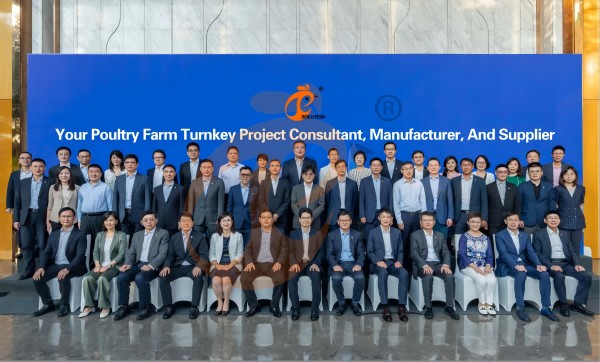
Hong Kong Headquarter Management Team
Hong Kong Headquarter Taiyu Industrial Group CO., LTD
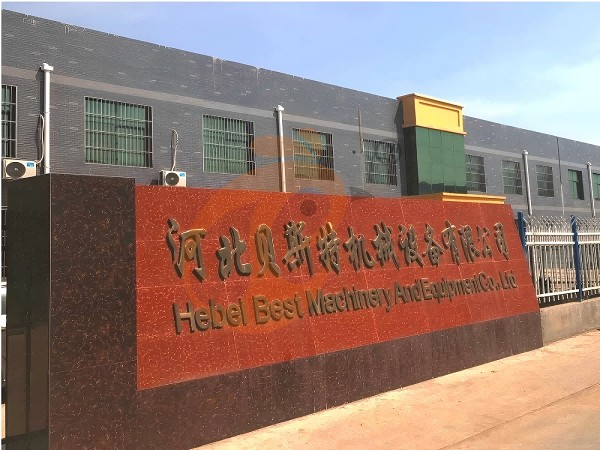
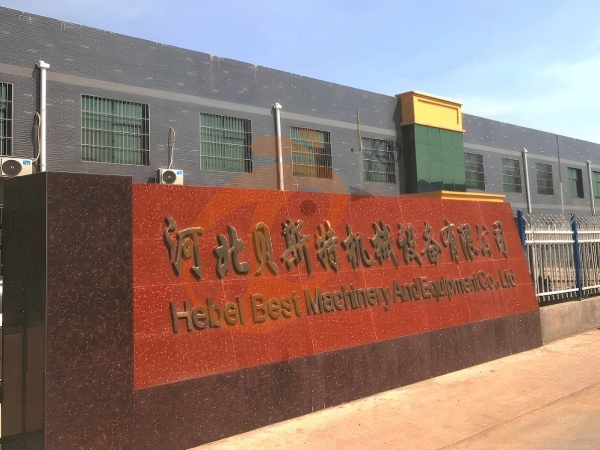
China Hebei Best Machinery And Equipment CO., LTD
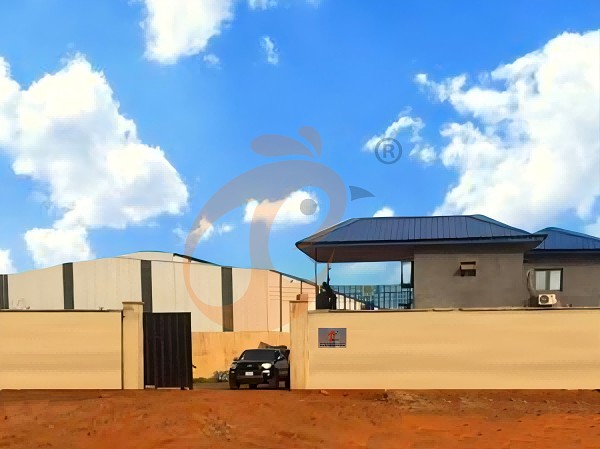
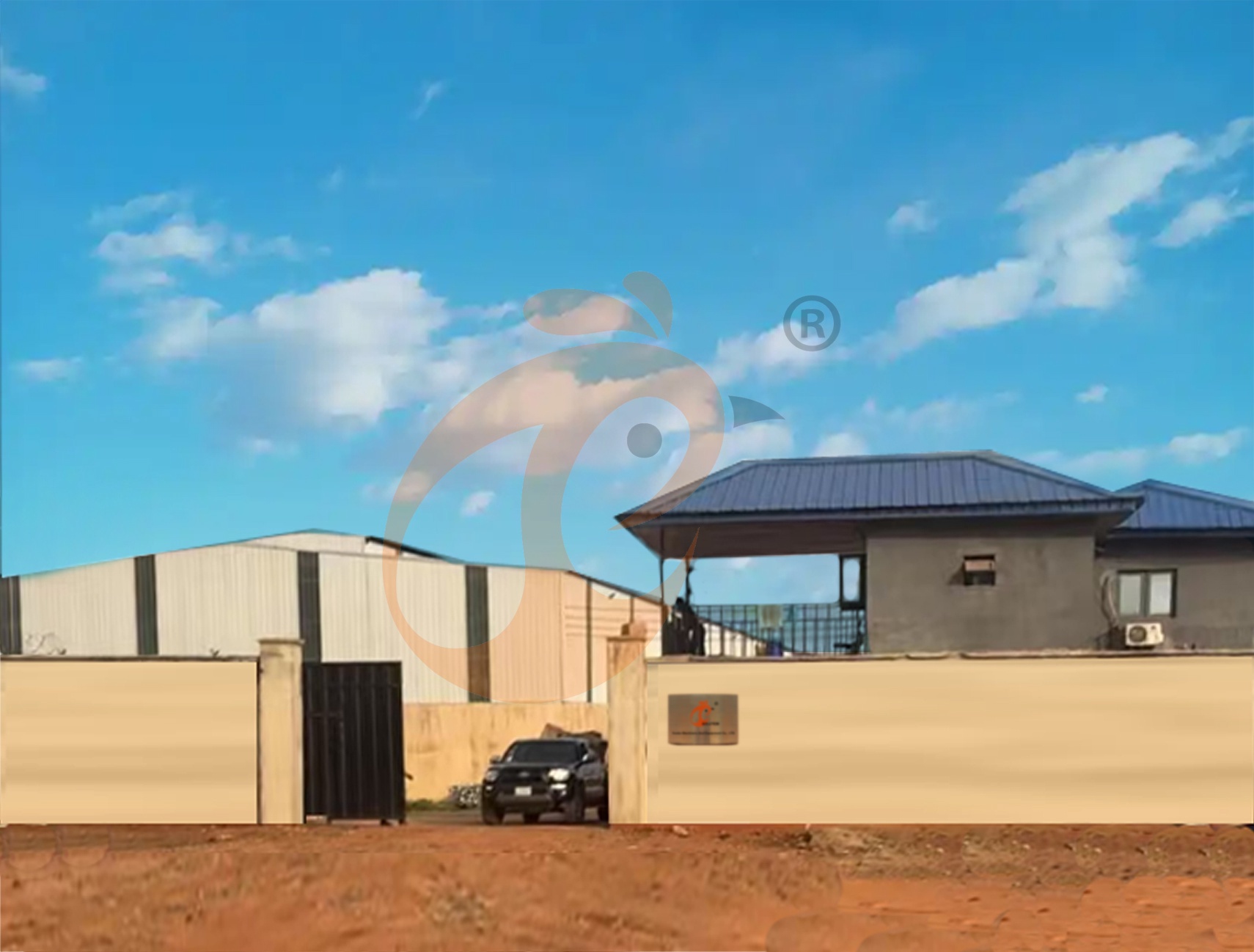
Nigeria Vanke Machinery And Equipment CO., LTD
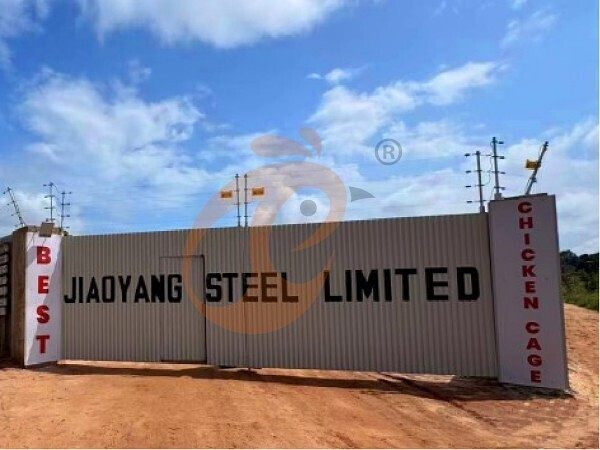
Tanzania Best Machinery And Equipment CO., LTD
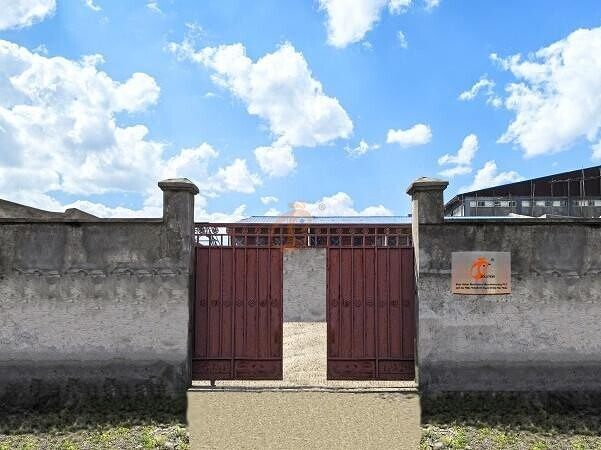
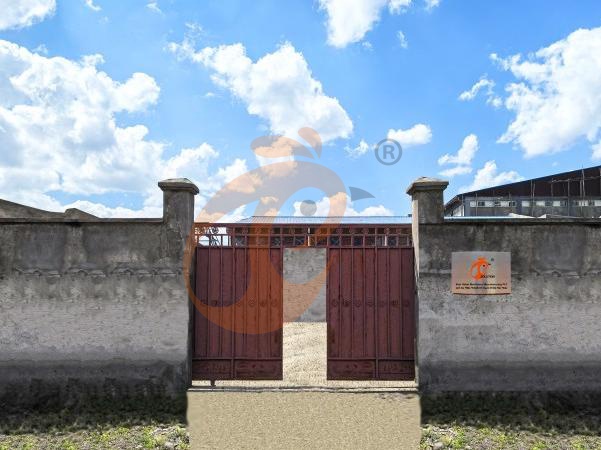
Ethiopia Best Hebei Machinery Manufacturing PLC
Reception /24 WhatsApp NO. : +8618830120193
FAQ
What Water Quality Requirements Are Necessary For Nipple Drinkers In Poultry Chicken Cage Systems?
Water hardness is maintained within 100–150 mg/L CaCO₃ equivalent for valve protection.
Microbial load is controlled under 100 CFU/mL for safe poultry consumption standards.
What Is The Recommended Stocking Ratio For Nipple Drinkers In Poultry Chicken Cage Systems?
Drinker spacing is typically set at 25–30 cm to reduce competition stress.
Water demand allocation is calculated at 180–220 ml per bird daily in intensive production.
How Is Water Flow Regulated In Nipple Drinkers For Poultry Chicken Cage Farming Systems?
Pressure stability is maintained within 0.18–0.22 MPa across drinking lines.
Drop formation interval is adjusted at 1–2 seconds per activation for efficient intake.
- poultry farm
- chicken cage
- poultry farms
- poultry house
- cage
- poultry farm construction
- chicken cage system
- automatic feeding system
- poultry equipment
- manure removal equipment
- chicken cages
- chickencage
- bestchickencage
- cage system
- cage systems
- Nigeria
- layer farm
- chicken cage installation
- commercial poultry farms
- poultry house management
- poultry equipment manufacturer
- poultry farm plan
- Ethiopia
- Spring
Message
Products recommended
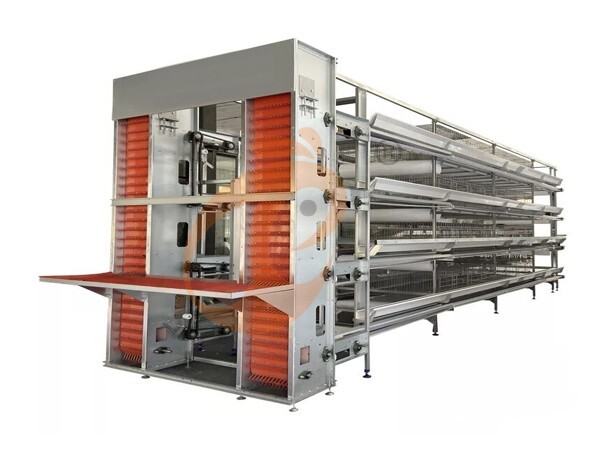
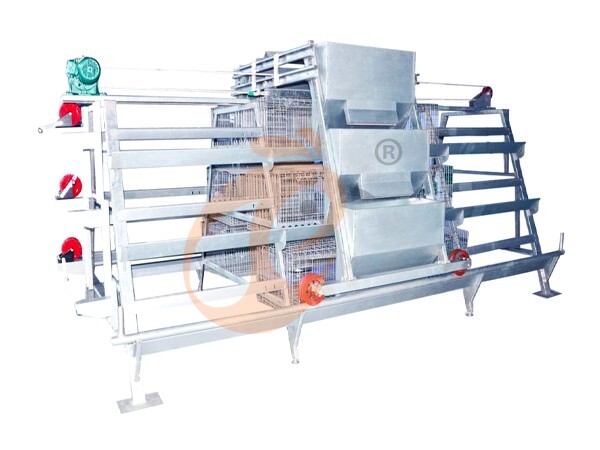
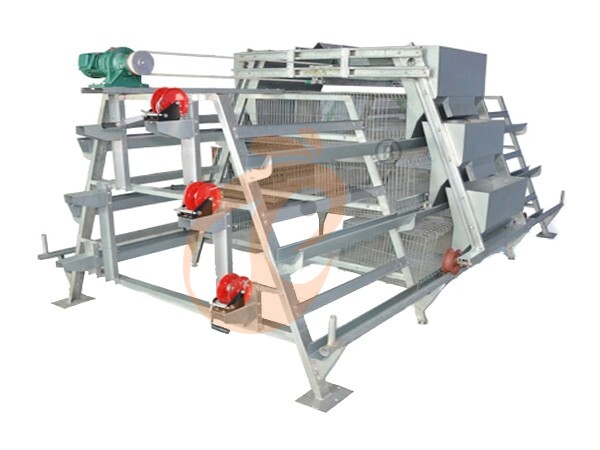
 >30,000 Pullets Automatic H Type Battery Cage1. More than 30,000 pullets a house, choose it.
2. It is designed to rearing older than 1 day old pullets to 12 to 16 weeks old chicken starting laying eggs.
3. Its lifespan is more than 25 years.
4. Its structure are Vcloud artificial intelligent fusion, electric control cabinet, automatic equipment of drinking, feeding, manure clean, manual harvesting.
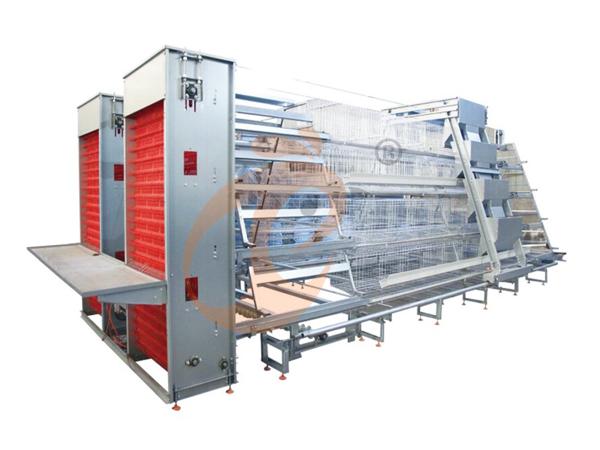
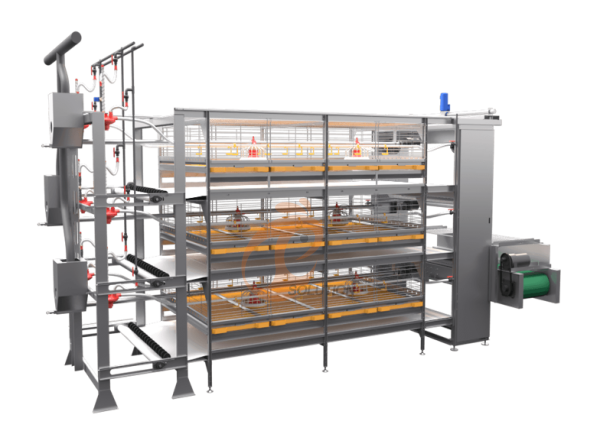
5. Our 24 hour online reception What’sApp NO. is +8618830120193 <30,000 Pullets Automatic A Type Battery Cage1. 10,000 to 30,000 pullets a house, choose it.
2. It is designed to rearing older than 1 day old pullets to 12 to 16 weeks old chicken starting laying eggs.
3. Its lifespan is more than 25 years.
4. Its structure are Vcloud artificial intelligent fusion, electric control cabinet, automatic equipment of drinking, feeding, manure clean, manual harvesting.
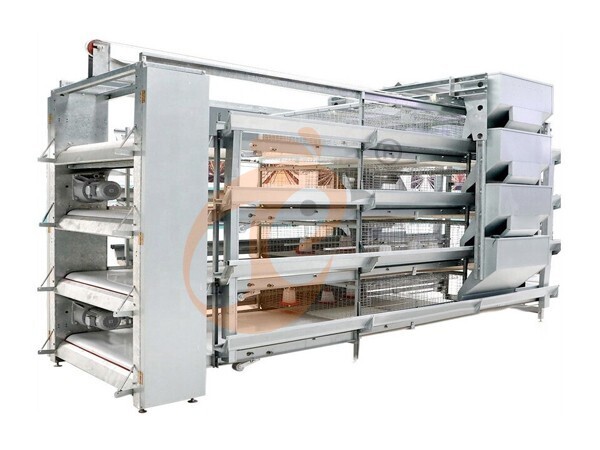
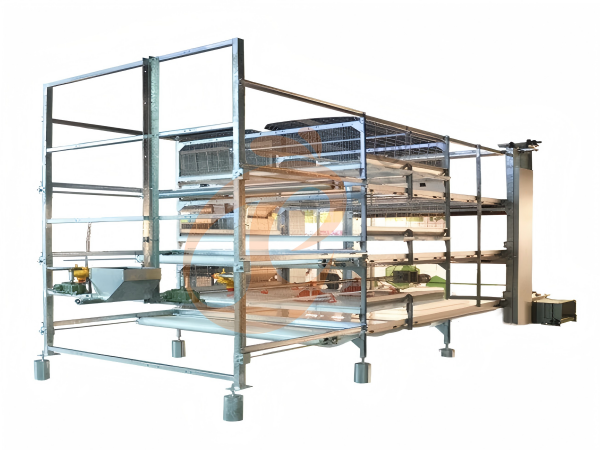
5. Our 24 hour online reception What’sApp NO. is +86 18830120193. >30,000 Broilers Semi-Automatic Harvest H Type Battery Cage1. More than 30,000 broilers a house, choose it.
2. It is designed to rearing 1 to 45 day old adult broiler ready for market.
3. Its lifespan is more than 20 years.
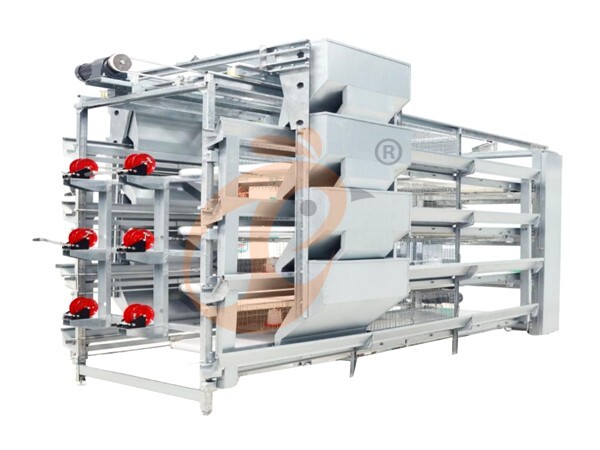
4. Our 24 hour online reception What’sApp NO. is +8618830120193, +234 8111199996. >30,000 Broilers Manual Harvest H Type Battery Cage1. More than 30,000 broilers a house, choose it.
2. It is designed to rearing 1 to 45 day old adult broiler ready for market.
3. Its lifespan is more than 20 years.
4. Its structure are Vcloud artificial intelligent fusion, electric control cabinet, automatic equipment of drinking, feeding and manure clean, manual harvesting.
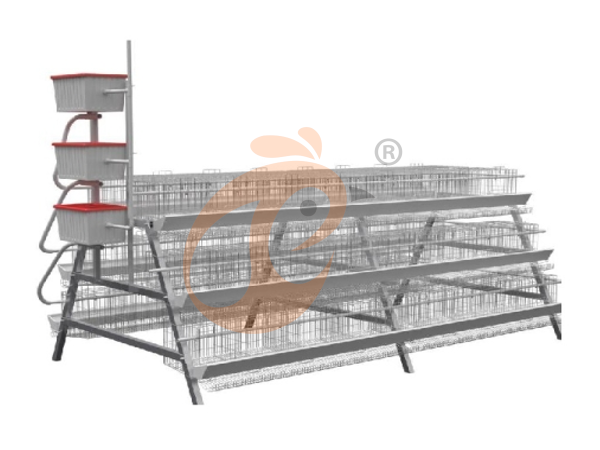
5. Our 24 hour online reception What’sApp NO. is +8618830120193, +234 8111199996. <30,000 Broilers Manual Harvest A Type Battery Cage1. Less 30,000 broilers a house, choose it.
2. It is designed to rearing 1 to 45 day old adult broiler ready for market.
3. Its lifespan is more than 20 years.
4. Its structure are Vcloud artificial intelligent fusion, electric control cabinet, automatic equipment of drinking, feeding and manure clean, manual harvesting.
5. Our 24 hour online reception What’sApp NO. is +8618830120193, +234 8111199996. HK Headquarter Offers EU-standard Poultry Farm Solutions, Manufacture Poultry Farm Equipment1. Continuous communication with the EU and the US
2. China, Nigeria, Ethiopia, Tanzania branch companies and factories
3. The products’ quality is customized for local poultry farms
4. Poultry cage and poultry farm equipment stock for sale
5. 24 online reception Whatsapp NO. : +8618830120193,contact us to get full information China Branch Offer Poultry Farm Business Plan, Manufacture Poultry Farm Equipment1. Address: Flat/RM 2416, 24/F, Runxing Building, Youyi Nan Street, Shijiazhuang City, Hebei Province, China
2. Poultry cage and poultry farm equipment factory and stock for sale
3. Customized for local poultry farms
4. Quality and design are based on Euro
5. 24 online reception Whatsapp NO. : +8618830120193 Nigeria Branch Offer Poultry Farm Business Plan, Manufacture Poultry Farm Equipment1. Address: After Sinoma Office, 200 Meters Near Danco Filling Station, Lagos/Ibadan Expressway, Lagos State, Nigeria
2. Poultry cage and poultry farm equipment factory and stock for sale
3. Customized for Nigerian poultry farms
4. Quality and design are based on Euro
5. 24 online reception Whatsapp NO. : +8618830120193 Ethiopia Branch Offer Poultry Farm Business Plan, Manufacture Poultry Farm Equipment1. Address: Gelan Gura, Akaki-kaliti Sub City, Addis Ababa, Ethiopia
2. Poultry cage and poultry farm equipment stock for sale
3. Customized for Ethiopian poultry farms
4. Quality and design are based on Euro
5. 24 online reception Whatsapp NO. : +8618830120193, contact us to get price list Tanzania Branch Offer Poultry Farm Business Plan, Manufacture Poultry Farm Equipment1. Address: No.8, Sova Road, Msufini, Mlandizi, Kibaha, Pwani, Tanzania
2. Poultry cage and poultry farm equipment factory and stock for sale
3. Customized for Tanzanian poultry farms
4. Quality and design are based on Euro
5. 24 online reception Whatsapp NO. : +8618830120193


Contact