


Blog
Pralson feeder height adjustment influences chicken feeding behavior, growth uniformity, feed efficiency, and cage system productivity across modern poultry houses.
Poultry farms using automatic feeding equipment achieve stable intake when feeder lines align with bird shoulder development stages during growth cycles.
Proper adjustment reduces feed waste, minimizes stress behaviors, and improves flock consistency in broiler and layer operations under controlled environments.
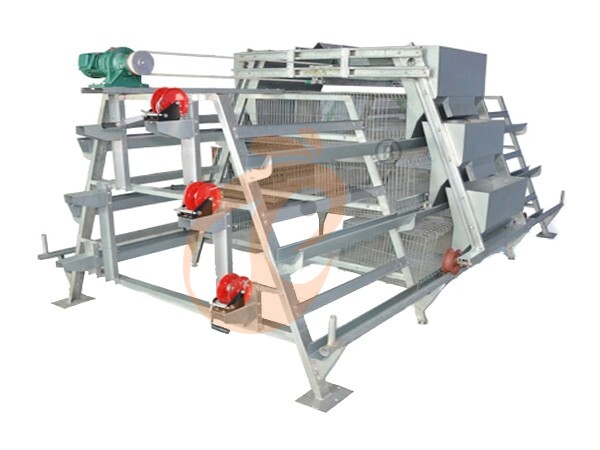
Engineering design of poultry cage systems integrates feeder suspension, auger delivery, and pan geometry to stabilize feeding access across large-scale production lines.
Commercial poultry equipment suppliers optimize feeder height calibration systems to support scalable, automated, and energy-efficient poultry production workflows.
Get professional poultry farm construction guidance, equipment selection solutions, and the latest price lists, whatsApp to +8618830120193, click to learn more:
Understanding Feed Height In Pralson Feeders And Poultry Ergonomics
Feed height in Pralson feeder systems acts as a biological-mechanical interface between chicken posture and feed accessibility.
In cage poultry environments, birds adjust neck angle and body balance depending on feeder position, which directly affects intake speed and energy use.
Proper alignment in commercial chicken cage systems reduces feed scattering and improves uniform nutrient intake across dense populations.
Poultry Posture And Feeding Angle Data
Data is for reference only.Swipe horizontally to view full table.
Growth-Based Calibration Strategy For Pralson Feeders
Modern poultry feeding systems require continuous adjustment as chickens grow.
In cage systems, feeder height must rise gradually to match skeletal development and reduce competition stress.
Consistent adjustment improves feeding synchronization across automated poultry cage environments.
Height Progression Calibration Table
Data is for reference only.Swipe horizontally to view full table.
Feed Flow Stability In Automated Poultry Feeding Systems
Feeder height directly influences feed transport stability inside auger and pan systems.
Incorrect alignment may interrupt feed distribution across long poultry houses.
Stable mechanical calibration ensures uniform feed delivery in multi-row cage structures.
Feed Transport Performance Metrics
Data is for reference only.Swipe horizontally to view full table.
Micro Adjustment Techniques In Cage Poultry Houses
Small adjustments in feeder height can significantly change feeding behavior in dense cage systems.
Birds respond quickly to changes in access level.
Daily fine tuning improves uniform intake and reduces aggressive competition.
Adjustment Sensitivity Response Data
Data is for reference only.Swipe horizontally to view full table.
Energy Efficiency And Feeding Behavior In Chickens
Feed height affects movement energy consumption during feeding cycles.
Poor alignment increases unnecessary motion and reduces growth efficiency.
Correct calibration stabilizes flock feeding rhythm and improves production consistency.
Feeding Motion Energy Analysis
Data is for reference only.Swipe horizontally to view full table.
Integration With Automated Cage And Suspension Systems
Pralson feeder systems are integrated with suspended cage structures and automatic lifting mechanisms.
This enables synchronized adjustment across full poultry houses.
Uniform feeder height reduces imbalance between cage rows and stabilizes flock distribution.
Cage System Suspension Parameters
Data is for reference only.Swipe horizontally to view full table.
Feed Waste Control Through Height Optimization
Incorrect feeder height increases feed spillage and contamination in poultry houses.
Proper adjustment reduces waste and improves feed conversion stability.
Feed Loss Comparison Data
Data is for reference only.Swipe horizontally to view full table.
Environmental Interaction In Poultry Houses
Feed height interacts with humidity, litter condition, and ammonia levels.
Poor adjustment increases contamination risk.
Stable feeder positioning improves air quality stability in cage systems.
Environmental Correlation Metrics
Data is for reference only.Swipe horizontally to view full table.
Mechanical Reliability In Pralson Feeding Systems
Incorrect feeder height increases mechanical stress on system components, reducing lifespan and stability.
Component Wear Analysis
Data is for reference only.Swipe horizontally to view full table.
Field Operation Routine For Poultry Farms
Daily inspection ensures feeder stability and consistent flock feeding performance.
Routine Inspection Checklist
Data is for reference only.Swipe horizontally to view full table.
System-Level Impact On Poultry Production Efficiency
Feed height stability operates as a core control layer in intensive poultry systems, shaping intake balance, growth synchronization, and operational consistency across cage-based houses.
Proper alignment reduces behavioral feed clustering and improves nutrient access distribution across multiple tiers.
Structural control impact: stabilized feeder lines reduce vertical access deviation to approximately 1.5–2.5 mm in long-span systems, improving cross-house feeding consistency
Environmental response effect: controlled feeding zones show ammonia concentration decline of about 2–4 ppm due to reduced litter disturbance near feeder points
Productivity stability: batch growth dispersion index narrows by roughly 7–10 g per bird across uniform flocks under synchronized adjustment systems
Labor efficiency gain: automated height regulation reduces manual adjustment time by 35–50 minutes per 1000 birds per cycle
Overall system behavior becomes more predictable when feeder geometry, bird posture, and cage structure operate in coordinated balance.
Frequently Asked Questions
Q1: What is the ideal feed height in cage systems?
It typically follows bird shoulder alignment, ranging from early 6–7 cm up to 22–23 cm in finishing stages depending on growth curve.
Q2: How often should adjustments be made?
Most commercial farms adjust every 2–4 days during rapid growth periods to maintain feeding stability.
Q3: What problems occur with incorrect height?
Feed loss may increase up to 6–7 kg per 1000 birds per day, along with reduced flock uniformity and higher competition stress.
Taiyu (HK) Group - One Of China Largest Pralson Feeders Manufacturer
Pralson feeder systems engineered for automated poultry cage feeding infrastructure.
Global factory-direct poultry equipment production with integrated manufacturing lines.
Turn-key poultry farm engineering covering design, installation, and system commissioning.
Large-scale exporter of poultry equipment including cages, feeding, and environmental systems.
Modular engineering structure supports scalable commercial poultry production projects worldwide.
Contact Us To Received Your Customized Poultry Farm Plan
Headquarters And Branchs
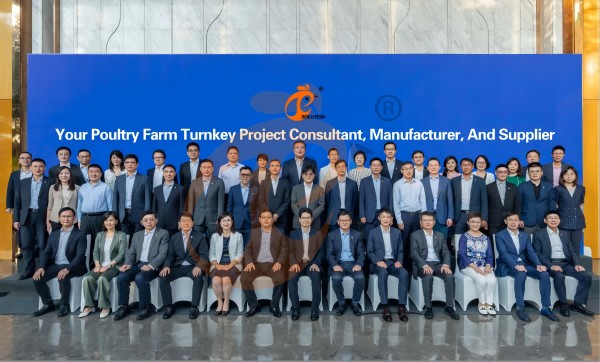
Hong Kong Headquarter Management Team
Hong Kong Headquarter Taiyu Industrial Group CO., LTD
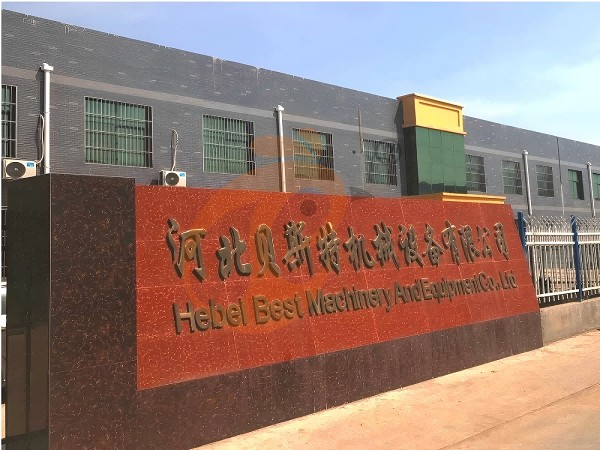
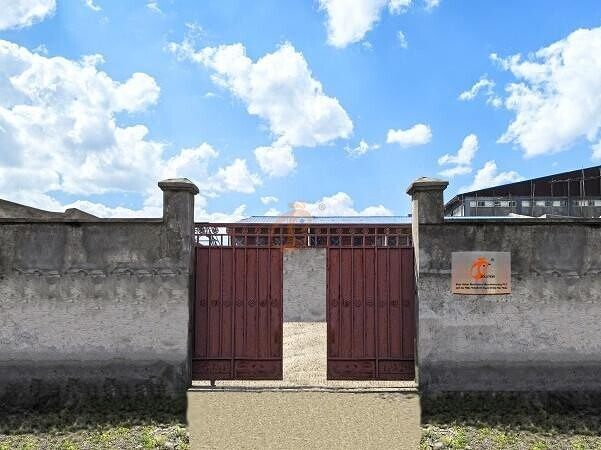
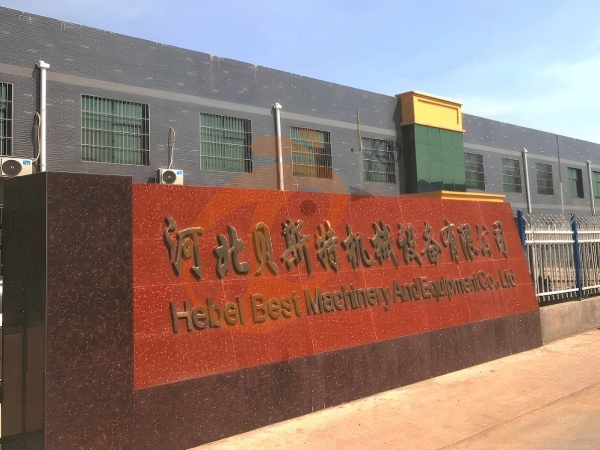
China Hebei Best Machinery And Equipment CO., LTD
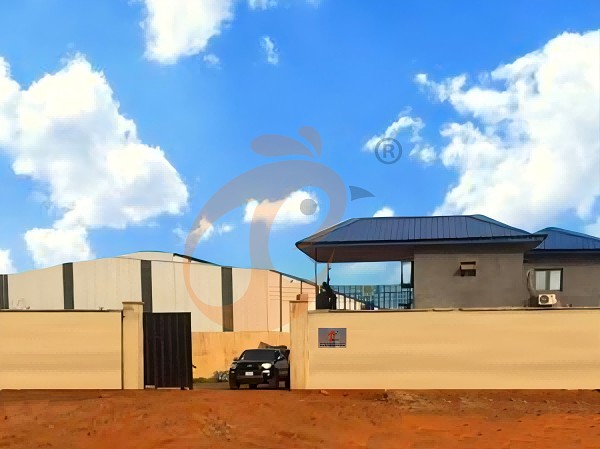
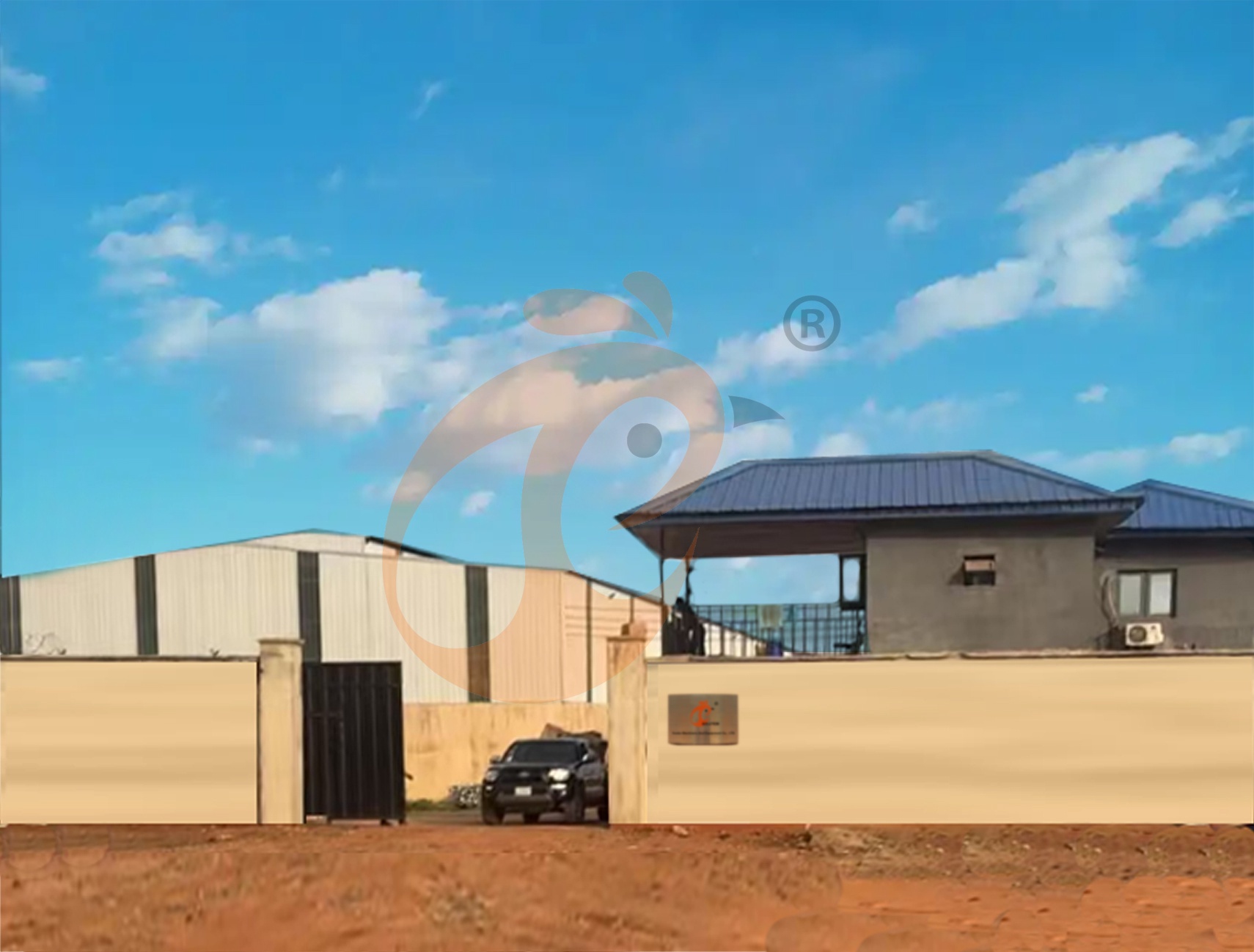
Nigeria Vanke Machinery And Equipment CO., LTD
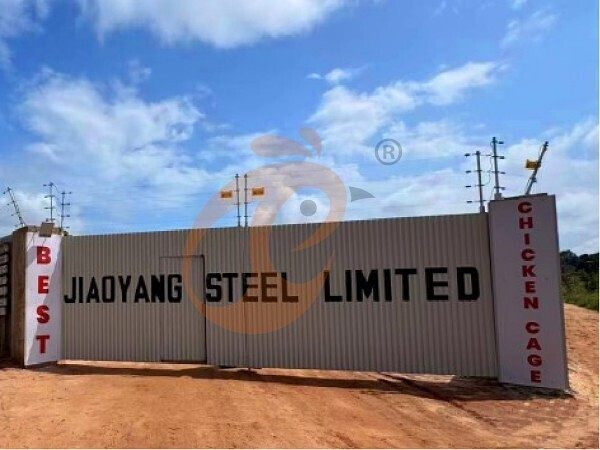
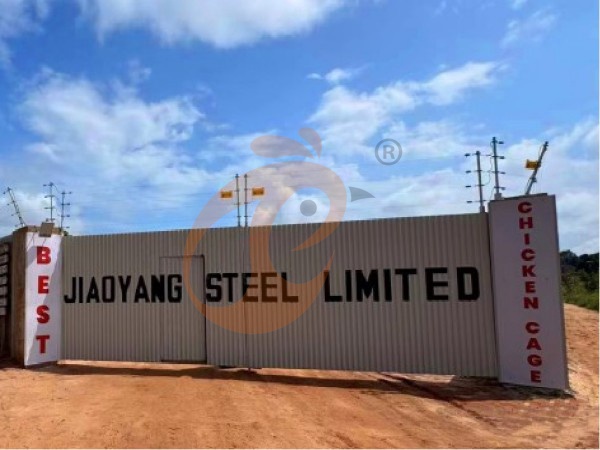
Tanzania Best Machinery And Equipment CO., LTD
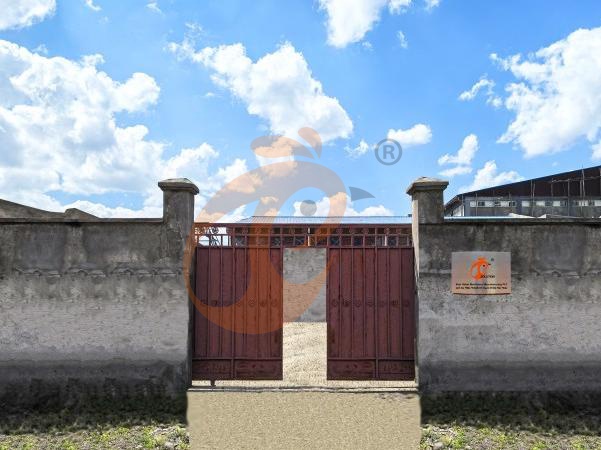
Ethiopia Best Hebei Machinery Manufacturing PLC
Reception /24 WhatsApp NO. : +8618830120193
FAQ
What Are The Water Filtration Requirements For Plasson Poultry Equipment?
Suspended solid concentration is controlled below 40 mg per liter for system stability.
Backwash flow rate reaches 1.5–2.0 m³ per hour for effective filter regeneration.
What Are The Pipeline Dimension Standards In Plasson Poultry Equipment?
Branch lines operate with 16–20 mm diameter for balanced pressure across drinking points.
Maximum pipeline length per zone reaches 80–120 meters without pressure loss impact.
What Are The Bird Age Adaptation Settings In Plasson Poultry Equipment
Water flow sensitivity is adjusted to 60–100 ml per minute for different age groups.
Bird access spacing is optimized at 8–15 birds per nipple depending on growth phase.
- poultry farm
- chicken cage
- poultry farms
- poultry house
- poultry cage
- cage
- poultry farm construction
- poultry cage system
- chicken cage system
- poultry feeding system
- poultry equipment
- chickencage
- bestchickencage
- cage system
- cage poultry
- cage poultry house
- cage systems
- Nigeria
- automated poultry feeding system
- poultry equipment supplier
- modern poultry house
- poultry cage systems
- poultry farm plan
- automated poultry feeding
- poultry equipment suppliers
- poultry feed
- chicken feed
- Ethiopia
Message
Products recommended
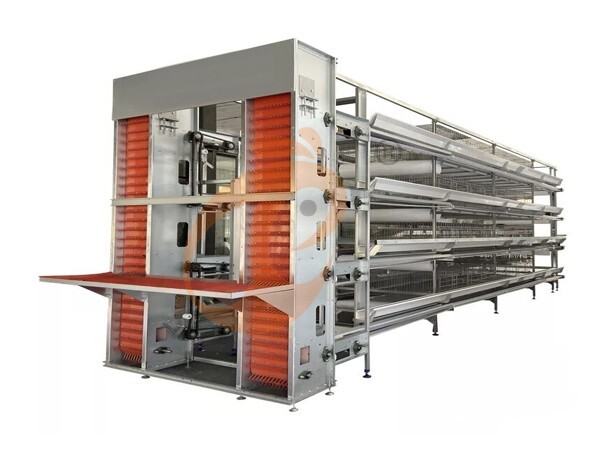
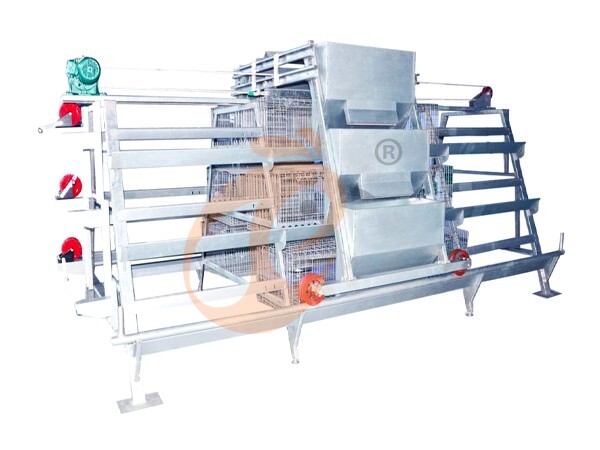
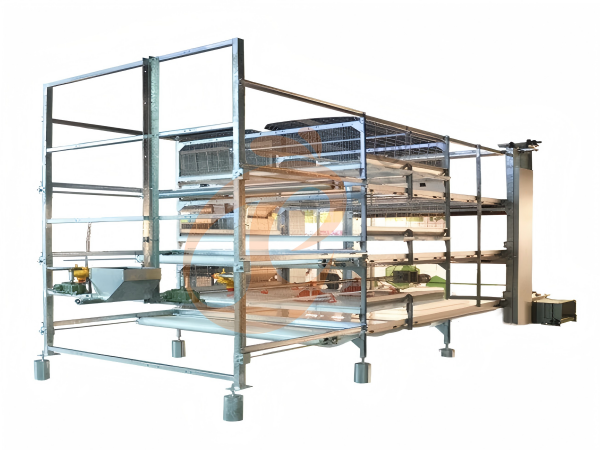
 >30,000 Pullets Automatic H Type Battery Cage1. More than 30,000 pullets a house, choose it.
2. It is designed to rearing older than 1 day old pullets to 12 to 16 weeks old chicken starting laying eggs.
3. Its lifespan is more than 25 years.
4. Its structure are Vcloud artificial intelligent fusion, electric control cabinet, automatic equipment of drinking, feeding, manure clean, manual harvesting.
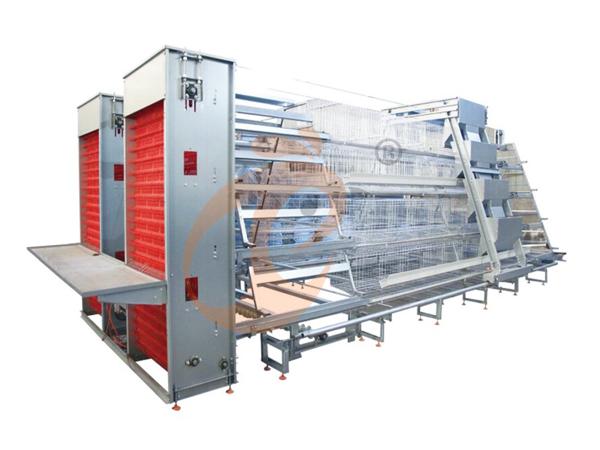
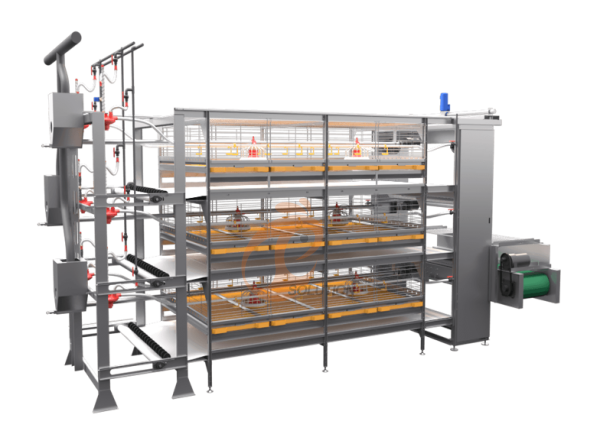
5. Our 24 hour online reception What’sApp NO. is +8618830120193 <30,000 Pullets Automatic A Type Battery Cage1. 10,000 to 30,000 pullets a house, choose it.
2. It is designed to rearing older than 1 day old pullets to 12 to 16 weeks old chicken starting laying eggs.
3. Its lifespan is more than 25 years.
4. Its structure are Vcloud artificial intelligent fusion, electric control cabinet, automatic equipment of drinking, feeding, manure clean, manual harvesting.
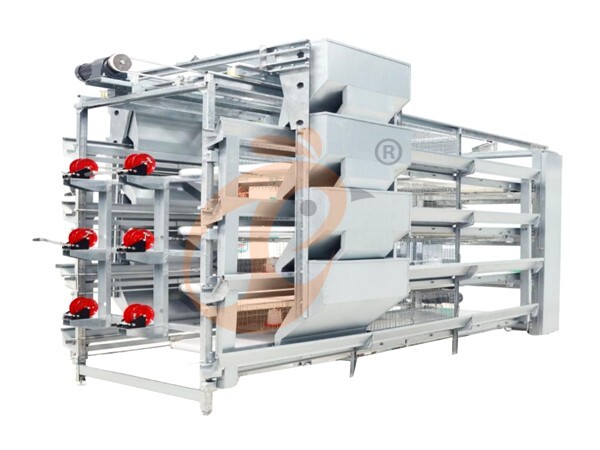
5. Our 24 hour online reception What’sApp NO. is +86 18830120193. >30,000 Broilers Semi-Automatic Harvest H Type Battery Cage1. More than 30,000 broilers a house, choose it.
2. It is designed to rearing 1 to 45 day old adult broiler ready for market.
3. Its lifespan is more than 20 years.
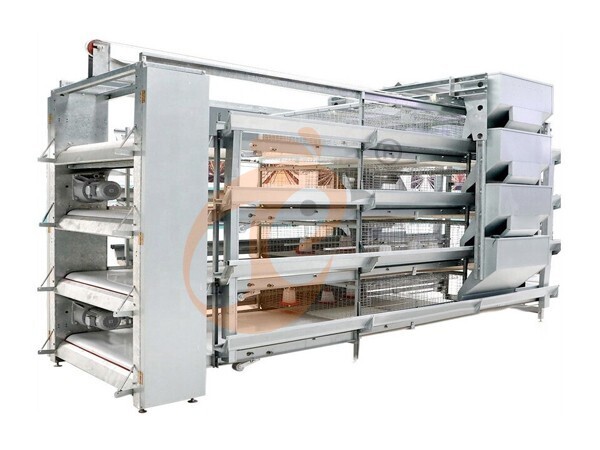
4. Our 24 hour online reception What’sApp NO. is +8618830120193, +234 8111199996. >30,000 Broilers Manual Harvest H Type Battery Cage1. More than 30,000 broilers a house, choose it.
2. It is designed to rearing 1 to 45 day old adult broiler ready for market.
3. Its lifespan is more than 20 years.
4. Its structure are Vcloud artificial intelligent fusion, electric control cabinet, automatic equipment of drinking, feeding and manure clean, manual harvesting.
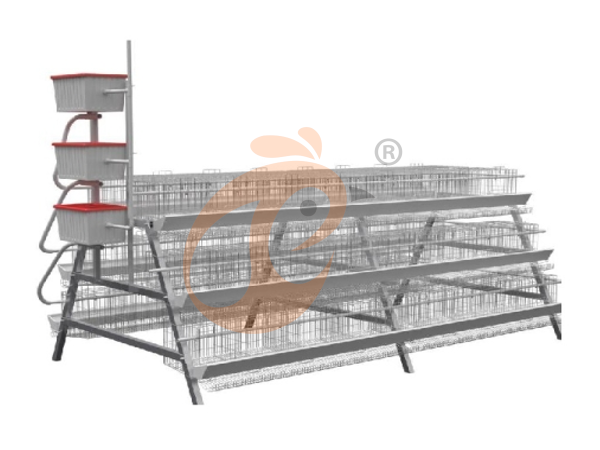
5. Our 24 hour online reception What’sApp NO. is +8618830120193, +234 8111199996. <30,000 Broilers Manual Harvest A Type Battery Cage1. Less 30,000 broilers a house, choose it.
2. It is designed to rearing 1 to 45 day old adult broiler ready for market.
3. Its lifespan is more than 20 years.
4. Its structure are Vcloud artificial intelligent fusion, electric control cabinet, automatic equipment of drinking, feeding and manure clean, manual harvesting.
5. Our 24 hour online reception What’sApp NO. is +8618830120193, +234 8111199996. HK Headquarter Offers EU-standard Poultry Farm Solutions, Manufacture Poultry Farm Equipment1. Continuous communication with the EU and the US
2. China, Nigeria, Ethiopia, Tanzania branch companies and factories
3. The products’ quality is customized for local poultry farms
4. Poultry cage and poultry farm equipment stock for sale
5. 24 online reception Whatsapp NO. : +8618830120193,contact us to get full information China Branch Offer Poultry Farm Business Plan, Manufacture Poultry Farm Equipment1. Address: Flat/RM 2416, 24/F, Runxing Building, Youyi Nan Street, Shijiazhuang City, Hebei Province, China
2. Poultry cage and poultry farm equipment factory and stock for sale
3. Customized for local poultry farms
4. Quality and design are based on Euro
5. 24 online reception Whatsapp NO. : +8618830120193 Nigeria Branch Offer Poultry Farm Business Plan, Manufacture Poultry Farm Equipment1. Address: After Sinoma Office, 200 Meters Near Danco Filling Station, Lagos/Ibadan Expressway, Lagos State, Nigeria
2. Poultry cage and poultry farm equipment factory and stock for sale
3. Customized for Nigerian poultry farms
4. Quality and design are based on Euro
5. 24 online reception Whatsapp NO. : +8618830120193 Ethiopia Branch Offer Poultry Farm Business Plan, Manufacture Poultry Farm Equipment1. Address: Gelan Gura, Akaki-kaliti Sub City, Addis Ababa, Ethiopia
2. Poultry cage and poultry farm equipment stock for sale
3. Customized for Ethiopian poultry farms
4. Quality and design are based on Euro
5. 24 online reception Whatsapp NO. : +8618830120193, contact us to get price list Tanzania Branch Offer Poultry Farm Business Plan, Manufacture Poultry Farm Equipment1. Address: No.8, Sova Road, Msufini, Mlandizi, Kibaha, Pwani, Tanzania
2. Poultry cage and poultry farm equipment factory and stock for sale
3. Customized for Tanzanian poultry farms
4. Quality and design are based on Euro
5. 24 online reception Whatsapp NO. : +8618830120193


Contact