


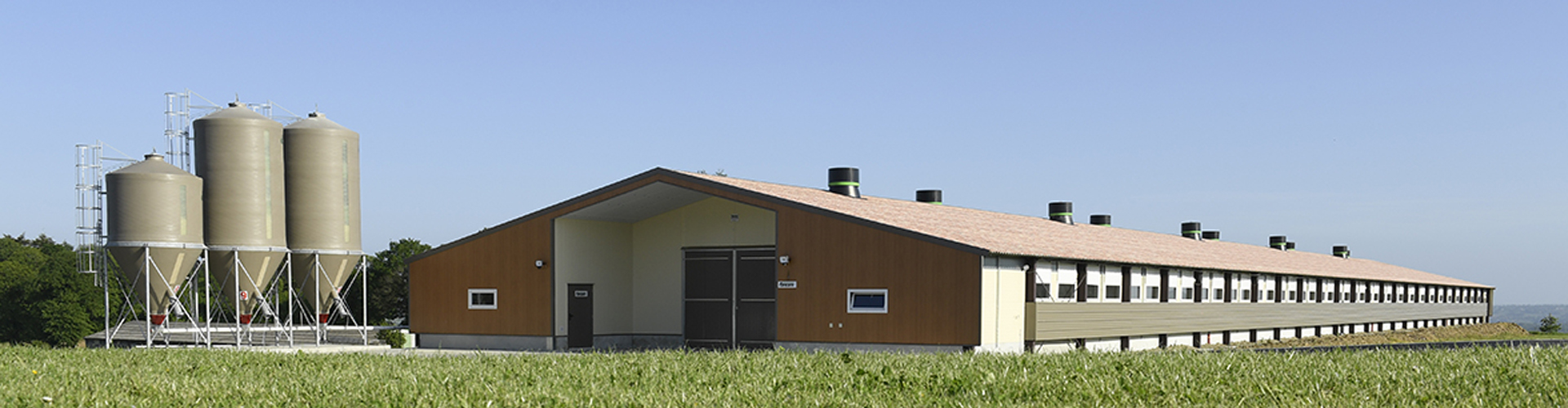
Blog
Pellet machine feed size directly influences poultry growth, feed conversion, flock uniformity, and commercial farm profitability through scientific feed processing and efficient equipment matching.
Proper pellet diameter selection helps reduce feed waste, improves digestive performance, enhances automatic feeding stability, and supports continuous production in modern poultry houses.
Scientific feed formulation, reliable pellet processing equipment, and intelligent poultry management together create higher production efficiency with lower operating costs for investors.
Professional engineering solutions combine feed production technology, poultry cage systems, ventilation equipment, and environmental control into one integrated farming platform.
Modern commercial poultry farms benefit from advanced poultry feed pellet machine technology, practical operating guidance, and complete equipment solutions designed for long-term sustainable production.
Get professional poultry farm construction guidance, equipment selection solutions, and the latest price lists, whatsApp to +8618830120193, click to learn more:
Pellet Size Influences Feed Transportation
Many poultry producers focus on pellet production while overlooking feed transportation.
However, transportation has a significant influence on pellet integrity before birds consume the feed.
After production, pellets typically pass through bucket elevators, screw conveyors, storage bins, trucks, silos, and automatic feeding lines.
Every transfer point may create friction and impact.
Pellets with poor durability generate more fines, resulting in uneven feed distribution and increased waste inside poultry houses.
Commercial farms generally achieve more stable feeding performance when pellet crushing rates remain below 4.1% throughout the transportation process.
Data is for reference only. Swipe horizontally to view full table.
Reliable poultry equipment helps preserve pellet quality from the production line to the feeding trough while minimizing unnecessary material loss.
Select Pellet Size According To Feeding Equipment
Different automatic feeding systems require different pellet dimensions.
Selecting pellets that match feeding equipment improves conveying efficiency while reducing equipment maintenance.
Chain feeders, pan feeders, and trough feeding systems each have recommended pellet diameter ranges.
Oversized pellets may create temporary blockages, while excessively fine pellets increase dust generation and feed separation during transportation.
Modern poultry houses equipped with automatic feeding technology perform more efficiently when pellet dimensions remain stable throughout every production batch.
Data is for reference only. Swipe horizontally to view full table.
Proper compatibility between pellet size and feeding equipment reduces labor requirements while improving feeding consistency across every cage row.
Science Behind Pellet Size And Digestion
Scientific studies indicate that pellet diameter influences gizzard development, digestive enzyme secretion, nutrient utilization, and gastrointestinal health.
Small pellets encourage easy consumption during early growth stages, while moderate pellet sizes stimulate healthy gizzard activity as birds mature.
Extremely large pellets may increase feeding time and reduce feed intake among younger birds.
Balanced pellet dimensions help maintain efficient digestion throughout the production cycle.
Better nutrient absorption supports faster weight gain, stronger immunity, stable egg production, and improved flock uniformity.
Commercial poultry operations using scientifically selected pellet sizes often achieve more consistent production performance while reducing feed conversion losses.
Reduce Feed Waste Through Correct Pellet Selection
Feed expenses usually represent approximately 60–70% of poultry production costs, making feed management one of the most important economic factors on commercial farms.
Proper pellet dimensions reduce feed dust, minimize feed spillage inside feeders, improve feed utilization, and increase feeding consistency throughout automatic cage systems.
Small improvements in pellet quality often produce measurable financial benefits over an entire production cycle.
Data is for reference only. Swipe horizontally to view full table.
Correct pellet selection supports healthier birds while lowering operating costs for commercial poultry producers.
Integrating Pellet Production With Modern Poultry Equipment
Modern poultry farms increasingly invest in complete production systems instead of purchasing individual machines separately.
Integrated engineering solutions improve production efficiency while simplifying farm management.
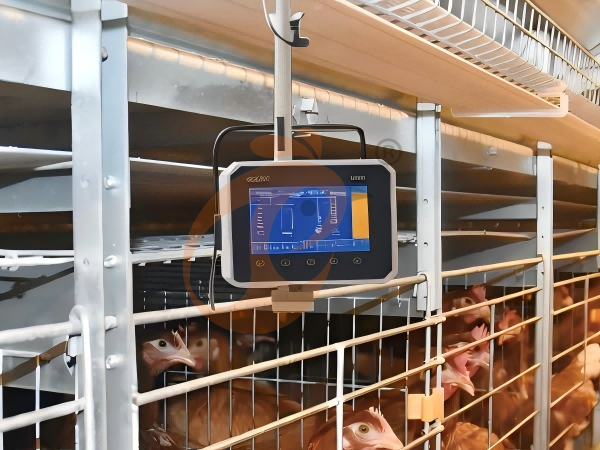
A complete feed pellet production line works together with poultry cage systems, automatic feeding equipment, drinking systems, ventilation equipment, manure removal systems, egg collection equipment, environmental controllers, and feed storage facilities.
Every subsystem contributes to overall production stability.
Professional engineering design also simplifies future farm expansion while reducing equipment compatibility problems.
Data is for reference only. Swipe horizontally to view full table.
Integrated poultry equipment improves operational efficiency while supporting long-term commercial production.
Practical Tips Before Purchasing Equipment
Before purchasing a pellet machine or poultry equipment, farmers should first evaluate their production objectives instead of focusing only on equipment price.
A complete investment plan should consider current production requirements together with future expansion possibilities.
Important factors include annual feed production capacity, poultry population, feed formulation, electricity supply, available installation space, automation level, maintenance convenience, and expected return on investment.
If equipment purchasing involves pricing in U.S. dollars, European union standard reference only.
Selecting experienced equipment suppliers also helps ensure better compatibility between pellet machines, automatic feeding systems, and poultry cage equipment.
Professional engineering support can reduce installation time, improve equipment utilization, and lower long-term operating costs.
Frequently Asked Questions
Q1: What pellet size is best for young chicks?
Pellets around 1.8 mm are generally suitable during the early growth stage because smaller pellets are easier to consume and digest.
Pellet diameter should gradually increase as birds develop stronger digestive systems.
Q2: Does pellet size affect feed conversion ratio?
Yes.
Proper pellet size improves feed intake consistency and nutrient utilization.
Many commercial farms report measurable improvements in feed conversion when pellet quality and feeding equipment are properly matched.
Q3: Can one pellet machine produce multiple pellet sizes?
Yes.
Commercial pellet machines can usually manufacture different pellet diameters by replacing ring dies with appropriate specifications.
Correct die selection improves production efficiency, pellet quality, and equipment reliability.
Taiyu (HK) Group - One Of China Largest Pellet Machine Manufacturer
Professional pellet machine equipment supports efficient poultry feed production for commercial farms worldwide.
Global factory-direct manufacturing provides reliable poultry equipment with stable engineering quality and competitive project solutions.
Complete Turn-key poultry engineering includes cage systems, automatic feeding, drinking, ventilation, manure removal, and environmental control.
Experienced engineering teams customize equipment layouts according to production capacity, farm scale, and customer technical requirements.
Comprehensive after-sales technical support helps customers achieve stable, efficient, and sustainable commercial poultry production.
Contact Us To Received Your Customized Poultry Farm Plan
Headquarters And Branchs
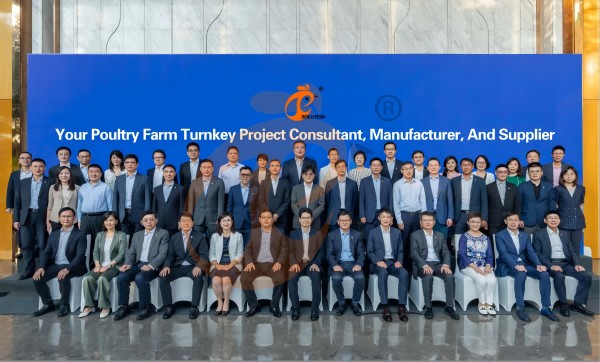
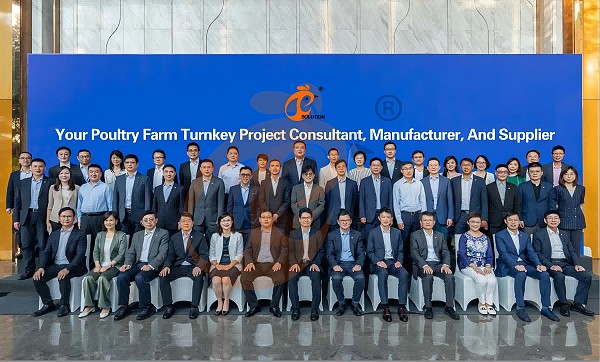
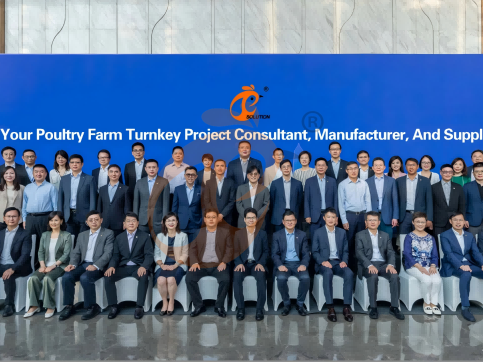
Hong Kong Headquarter Management Team
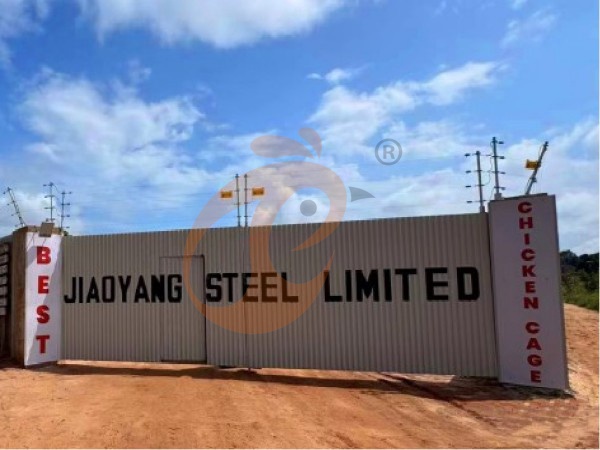
Hong Kong Headquarter Taiyu Industrial Group CO., LTD
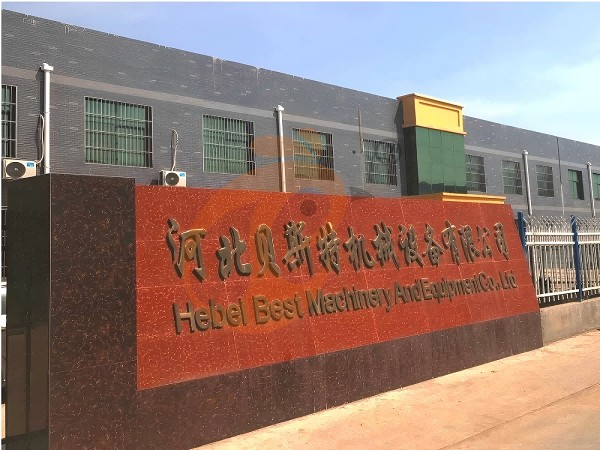
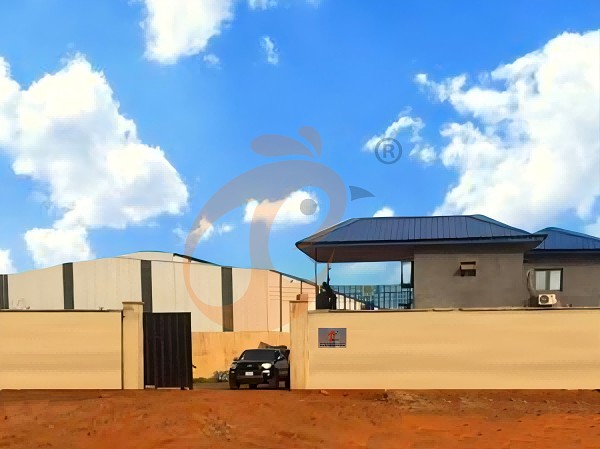
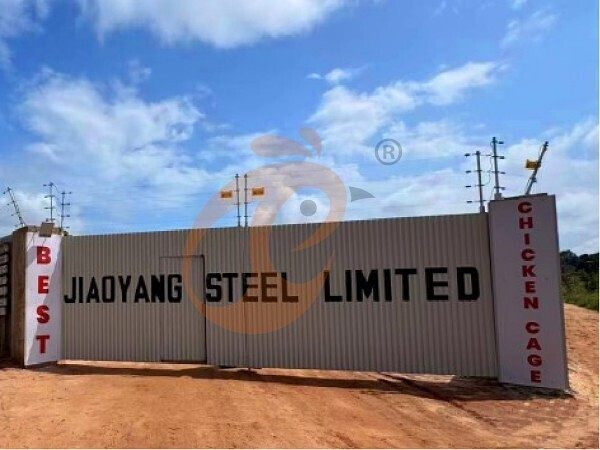
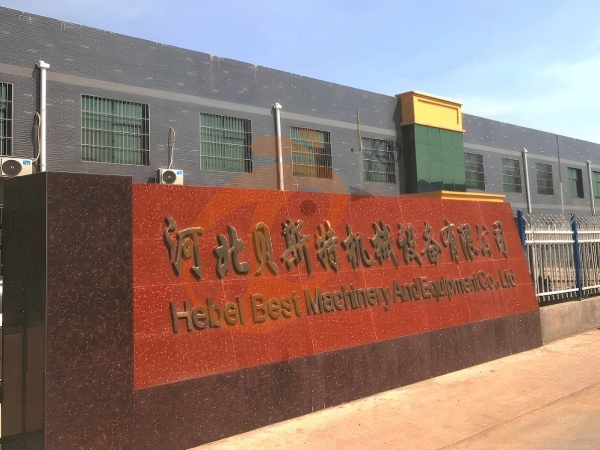
China Hebei Best Machinery And Equipment CO., LTD
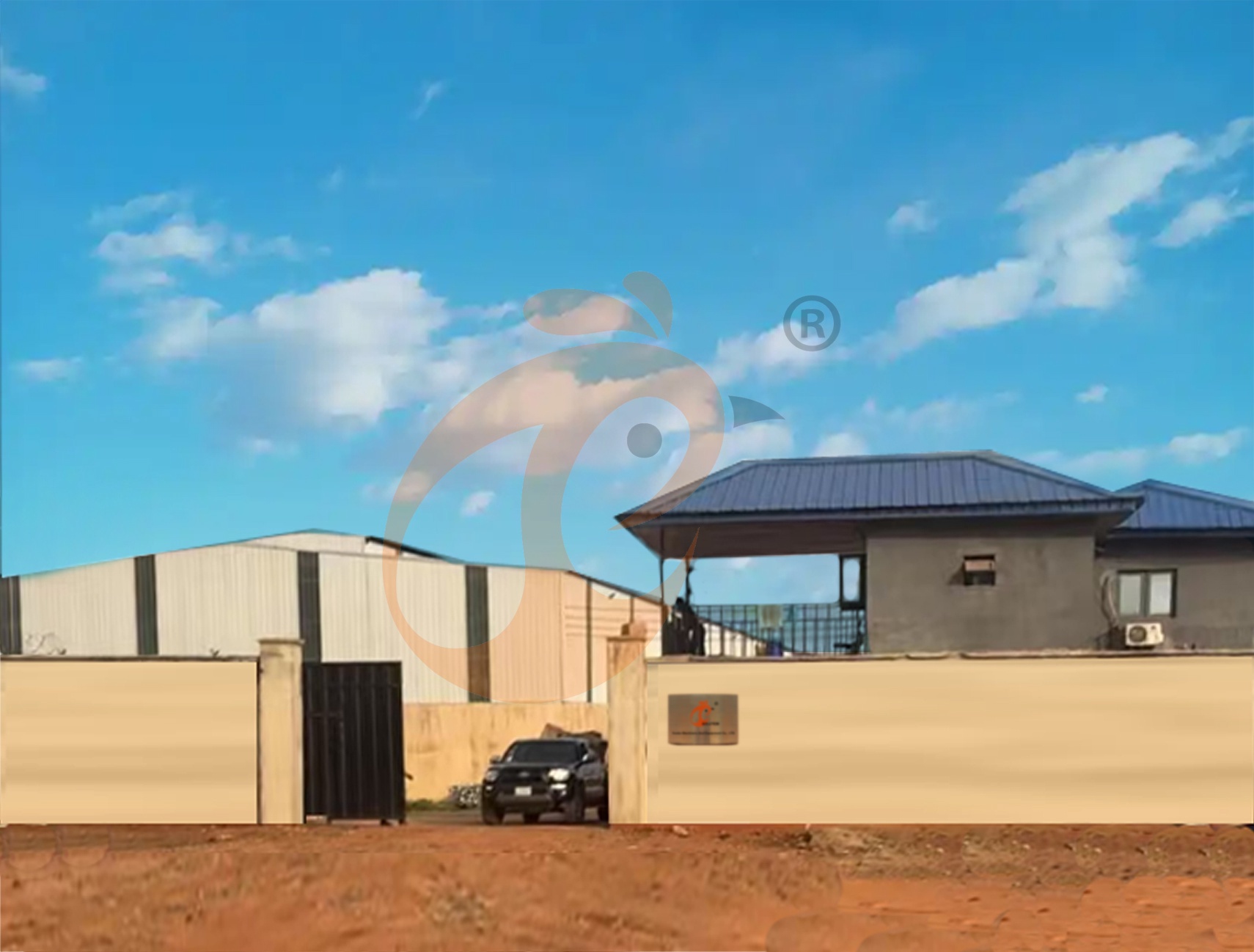
Nigeria Vanke Machinery And Equipment CO., LTD
Tanzania Best Machinery And Equipment CO., LTD
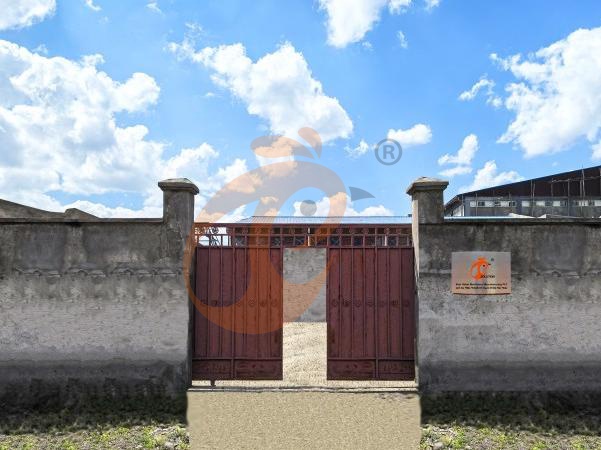
Ethiopia Best Hebei Machinery Manufacturing PLC

Reception /24 WhatsApp NO. : +8618830120193
FAQ
What Feeding System Standards Are Required For Pellet Machine In Poultry Chicken Feed Production Lines?
Feeder capacity is designed at 1.2–2.5 tons per hour depending on raw material density.
Flow consistency deviation is maintained within ±2% for uniform pellet quality output.
What Maintenance And Wear Part Replacement Standards Apply To Pellet Machine?
Bearing replacement intervals typically occur every 12–18 months under continuous operation.
Gearbox oil change frequency is maintained at 1000–1500 operating hours for system reliability.
What Safety Protection Systems Are Integrated In Pellet Machine For Poultry Chicken Feed Production?
Emergency stop response time is maintained within 0.5–1.0 seconds for operational safety.
Vibration monitoring limits are set at 4.5–6.0 mm/s to prevent mechanical failure.
- poultry farm
- chicken cage
- poultry farms
- pellet machine
- layer cage
- poultry house
- poultry cage
- cage
- poultry farm construction
- poultry cage system
- poultry cage equipment
- automatic feeding system
- poultry equipment
- manure removal system
- egg collection equipment
- chickencage
- bestchickencage
- cage system
- cage systems
- automatic cage
- Nigeria
- modern poultry farms
- commercial poultry farms
- modern poultry house
- poultry cage systems
- chicken feed pellet machine
- pellet machine manufacturer
- modern poultry farm
- poultry farm plan
- poultry feed
- chicken feed
- poultry feed production
- feed silo
- Ethiopia
Message
Products recommended
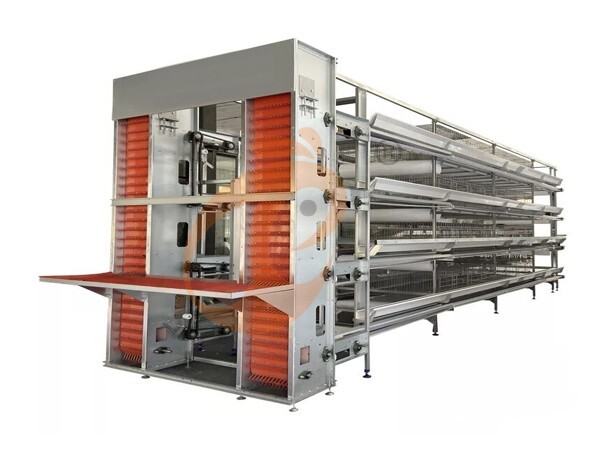
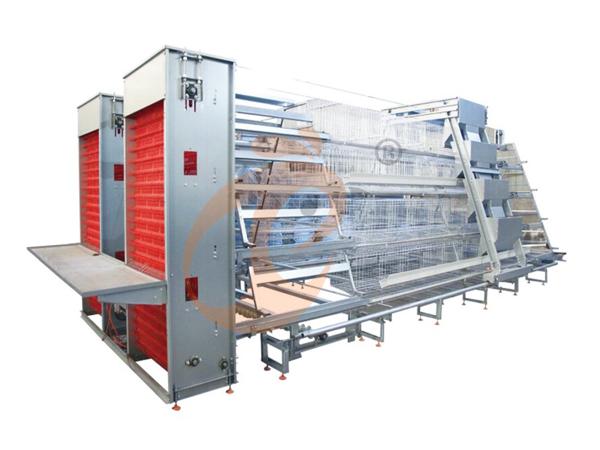
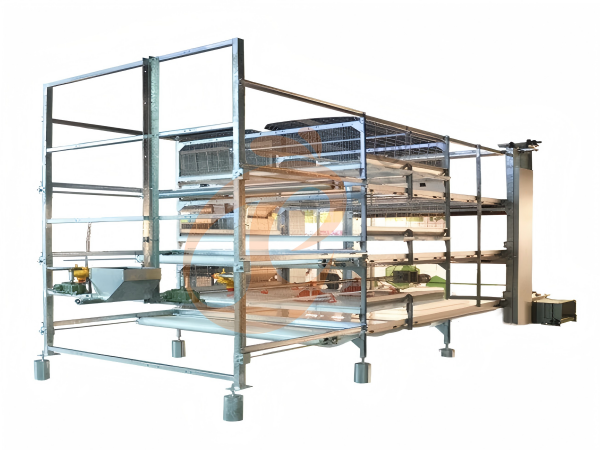
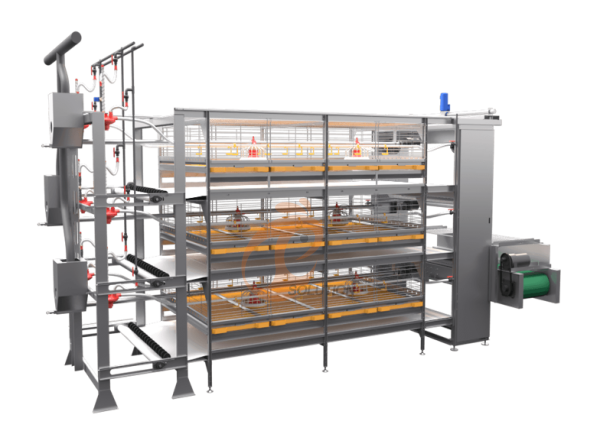
 >30,000 Pullets Automatic H Type Battery Cage1. More than 30,000 pullets a house, choose it.
2. It is designed to rearing older than 1 day old pullets to 12 to 16 weeks old chicken starting laying eggs.
3. Its lifespan is more than 25 years.
4. Its structure are Vcloud artificial intelligent fusion, electric control cabinet, automatic equipment of drinking, feeding, manure clean, manual harvesting.
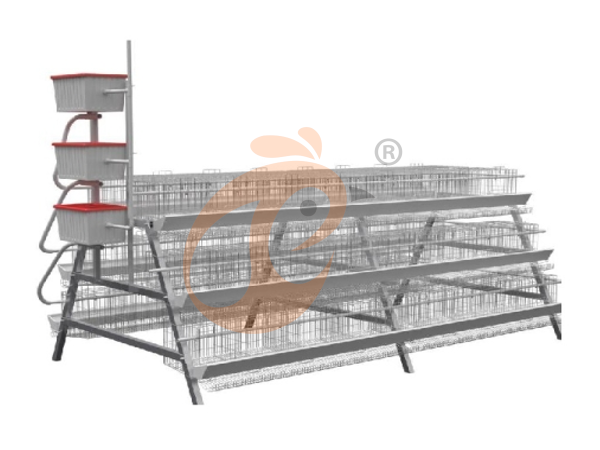
5. Our 24 hour online reception What’sApp NO. is +8618830120193 <30,000 Pullets Automatic A Type Battery Cage1. 10,000 to 30,000 pullets a house, choose it.
2. It is designed to rearing older than 1 day old pullets to 12 to 16 weeks old chicken starting laying eggs.
3. Its lifespan is more than 25 years.
4. Its structure are Vcloud artificial intelligent fusion, electric control cabinet, automatic equipment of drinking, feeding, manure clean, manual harvesting.
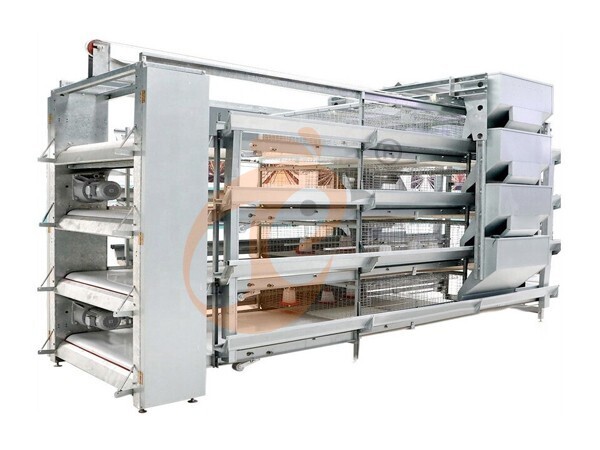
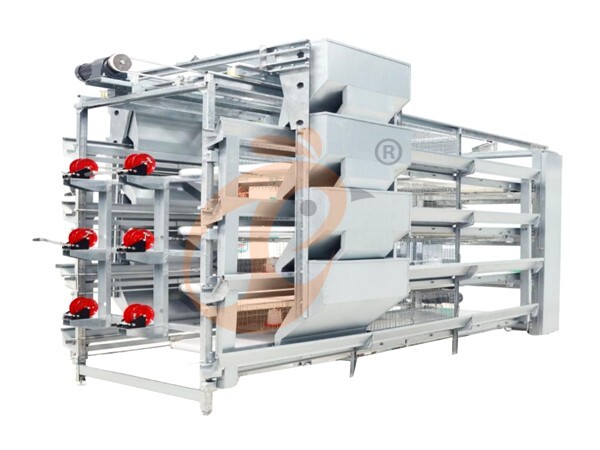
5. Our 24 hour online reception What’sApp NO. is +86 18830120193. >30,000 Broilers Semi-Automatic Harvest H Type Battery Cage1. More than 30,000 broilers a house, choose it.
2. It is designed to rearing 1 to 45 day old adult broiler ready for market.
3. Its lifespan is more than 20 years.
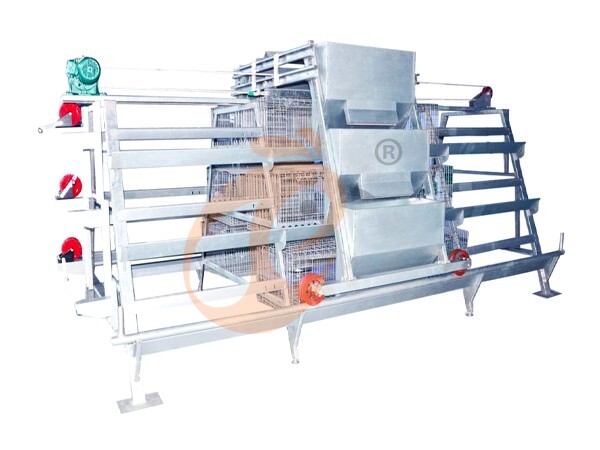
4. Our 24 hour online reception What’sApp NO. is +8618830120193, +234 8111199996. >30,000 Broilers Manual Harvest H Type Battery Cage1. More than 30,000 broilers a house, choose it.
2. It is designed to rearing 1 to 45 day old adult broiler ready for market.
3. Its lifespan is more than 20 years.
4. Its structure are Vcloud artificial intelligent fusion, electric control cabinet, automatic equipment of drinking, feeding and manure clean, manual harvesting.
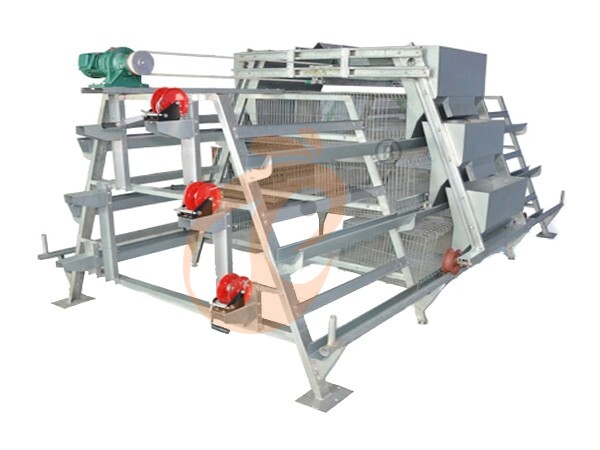
5. Our 24 hour online reception What’sApp NO. is +8618830120193, +234 8111199996. <30,000 Broilers Manual Harvest A Type Battery Cage1. Less 30,000 broilers a house, choose it.
2. It is designed to rearing 1 to 45 day old adult broiler ready for market.
3. Its lifespan is more than 20 years.
4. Its structure are Vcloud artificial intelligent fusion, electric control cabinet, automatic equipment of drinking, feeding and manure clean, manual harvesting.
5. Our 24 hour online reception What’sApp NO. is +8618830120193, +234 8111199996. HK Headquarter Offers EU-standard Poultry Farm Solutions, Manufacture Poultry Farm Equipment1. Continuous communication with the EU and the US
2. China, Nigeria, Ethiopia, Tanzania branch companies and factories
3. The products’ quality is customized for local poultry farms
4. Poultry cage and poultry farm equipment stock for sale
5. 24 online reception Whatsapp NO. : +8618830120193,contact us to get full information China Branch Offer Poultry Farm Business Plan, Manufacture Poultry Farm Equipment1. Address: Flat/RM 2416, 24/F, Runxing Building, Youyi Nan Street, Shijiazhuang City, Hebei Province, China
2. Poultry cage and poultry farm equipment factory and stock for sale
3. Customized for local poultry farms
4. Quality and design are based on Euro
5. 24 online reception Whatsapp NO. : +8618830120193 Nigeria Branch Offer Poultry Farm Business Plan, Manufacture Poultry Farm Equipment1. Address: After Sinoma Office, 200 Meters Near Danco Filling Station, Lagos/Ibadan Expressway, Lagos State, Nigeria
2. Poultry cage and poultry farm equipment factory and stock for sale
3. Customized for Nigerian poultry farms
4. Quality and design are based on Euro
5. 24 online reception Whatsapp NO. : +8618830120193 Ethiopia Branch Offer Poultry Farm Business Plan, Manufacture Poultry Farm Equipment1. Address: Gelan Gura, Akaki-kaliti Sub City, Addis Ababa, Ethiopia
2. Poultry cage and poultry farm equipment stock for sale
3. Customized for Ethiopian poultry farms
4. Quality and design are based on Euro
5. 24 online reception Whatsapp NO. : +8618830120193, contact us to get price list Tanzania Branch Offer Poultry Farm Business Plan, Manufacture Poultry Farm Equipment1. Address: No.8, Sova Road, Msufini, Mlandizi, Kibaha, Pwani, Tanzania
2. Poultry cage and poultry farm equipment factory and stock for sale
3. Customized for Tanzanian poultry farms
4. Quality and design are based on Euro
5. 24 online reception Whatsapp NO. : +8618830120193



Contact