


Blog
Nipple drinker systems improve poultry hydration stability through precise water delivery and durable valve structures for modern farms.
Smart maintenance methods protect automatic poultry watering system components while reducing replacement frequency and improving production reliability.
Professional chicken drinking system designs combine filtration, pressure control, and stainless steel parts for long-term operation.
Farm owners can extend equipment service periods by applying seven practical strategies with inspection intervals from 7 to 30 days.
Advanced poultry equipment solutions provide efficient water management with optimized layouts, supporting commercial projects from small farms to large complexes.
Get professional poultry farm construction guidance, equipment selection solutions, and the latest price lists, whatsApp to +8618830120193, click to learn more:
Understand Nipple Drinker Working Structure
A nipple drinker operates through a pressure-controlled valve mechanism that releases water when chickens activate the stainless steel pin.
A complete system usually integrates water pipes, regulators, filters, and drinking lines to maintain stable supply conditions.
Proper component coordination reduces leakage risks and protects internal seals during continuous poultry production cycles.
Commercial farms selecting an automatic poultry watering system often focus on valve precision, material quality, and maintenance convenience.
Data is for reference only.Swipe horizontally to view full table.
Maintain Correct Water Pressure
Stable pressure is one of the most important factors affecting nipple drinker lifespan.
Excessive pressure may increase leakage possibility, while insufficient pressure can reduce drinking efficiency.
A properly adjusted regulator keeps every drinking point operating with balanced hydraulic performance.
Modern poultry equipment suppliers normally recommend checking pressure conditions during different growth stages.
Data is for reference only.Swipe horizontally to view full table.
Filter Water Before Operation
Water quality directly influences the internal cleanliness of drinking valves.
Minerals, sediments, and organic particles may accumulate inside narrow valve channels without proper filtration.
A professional chicken drinking system uses multiple filtration stages to reduce blockage and extend equipment durability.
Regular filter replacement creates a cleaner water environment and improves the stability of automated poultry houses.
Data is for reference only.Swipe horizontally to view full table.
European union standard reference only.
Schedule Regular Flushing Procedures
Pipeline flushing removes accumulated deposits and maintains smooth water circulation.
Closed drinking systems require planned cleaning because invisible contamination can affect internal mechanisms over time.
Farm managers should create maintenance records covering flushing frequency, pressure adjustment, and replacement history.
A complete automatic poultry watering system with flushing functions helps reduce manual labor requirements.
Data is for reference only.Swipe horizontally to view full table.
Inspect Valve Components Frequently
Mechanical parts experience repeated movement during daily operation.
Small problems such as worn seals or loose connectors can gradually increase water waste.
A preventive inspection system allows farms to replace minor components before complete system failure.
High-quality nipple drinker equipment is designed for easier checking and faster maintenance.
Data is for reference only.Swipe horizontally to view full table.
Control Environmental Impact
Temperature changes, dust exposure, and humidity levels can influence drinking equipment performance.
Protecting pipelines from external damage helps maintain consistent operation inside poultry houses.
Farm designs using integrated poultry equipment solutions should consider ventilation, installation height, and cleaning accessibility.
Well-planned layouts improve equipment reliability and reduce unnecessary maintenance work.
Data is for reference only.Swipe horizontally to view full table.
Choose Reliable Equipment Design
Selecting durable components during installation creates long-term benefits for poultry farms.
A professional supplier evaluates farm scale, bird density, pipeline structure, and operational requirements before manufacturing.
Customized chicken drinking system solutions can support broiler, layer, breeder, and cage farming projects.
Engineering quality during the first installation stage directly affects future maintenance costs.
Data is for reference only.Swipe horizontally to view full table.
Smart Maintenance Records Improve Future Performance
Maintenance documentation creates a clear operating history for every nipple drinker installation.
Farm technicians can identify repeated problems, compare water consumption changes, and optimize replacement schedules through accurate records.
A digital maintenance approach supports large poultry projects where hundreds of drinking points require coordinated management.
Professional poultry equipment manufacturers often provide technical guidance to help farms improve system efficiency and reduce unexpected downtime.
Data is for reference only.Swipe horizontally to view full table.
Avoid Common Installation Mistakes
Incorrect installation can shorten equipment lifespan even when high-quality components are selected.
Water lines should maintain proper alignment, suitable height, and stable pressure distribution throughout the poultry house.
A well-designed automatic poultry watering system requires professional planning before operation begins.
Installation errors involving uneven pipelines or unsuitable positioning may create unnecessary leakage and maintenance pressure.
Maintenance Checklist
✓ Check drinking line alignment before introducing birds.
✓ Confirm every valve responds smoothly after installation.
✓ Test water delivery at different pipeline sections.
✓ Adjust height according to bird growth stage.
Improve Long-Term Equipment Value
Extending nipple drinker lifespan depends on combining equipment quality with correct management methods.
Farm owners should evaluate not only initial purchasing costs but also operation stability, maintenance requirements, and replacement convenience.
A reliable chicken drinking system becomes a long-term production asset when integrated with proper engineering support.
Manufacturers focusing on commercial poultry solutions usually design systems around durability, accessibility, and scalable farm expansion.
Data is for reference only.Swipe horizontally to view full table.
Frequently Asked Questions
Q1: How often should nipple drinkers be checked?
Regular inspection should be performed according to farm conditions and production intensity.
Many commercial farms check drinking points weekly and complete deeper maintenance during flock changes.
A planned inspection system helps identify leakage, blockage, or pressure problems before they affect operation.
Q2: What factors reduce nipple drinker lifespan?
Water quality, unstable pressure, mineral deposits, and improper cleaning procedures are common factors affecting service performance.
Maintaining filtration efficiency and keeping operating pressure around suitable levels can significantly improve equipment reliability.
Q3: Why choose a professional poultry drinking system supplier?
A professional supplier provides equipment matching, engineering design, installation guidance, and after-sales support.
Complete solutions usually include drinking lines, regulators, filters, and customized layouts for different poultry house structures.
Taiyu (HK) Group - One Of China Biggest Nipple Drinker Manufacturer
Nipple drinker provides precision-controlled poultry water delivery equipment with durable valve structures, optimized flow management, and commercial farm compatibility.
Global factory direct sales support international customers with competitive manufacturing capability and stable supply chains.
Complete poultry equipment solutions integrate feeding, watering, ventilation, and environmental systems for modern farms.
Turn-key engineering services cover project planning, equipment installation, commissioning, and technical training.
Export experience supports worldwide poultry farm development with customized production solutions and professional service standards.
Contact Us To Received Your Customized Poultry Farm Plan
Headquarters And Branchs

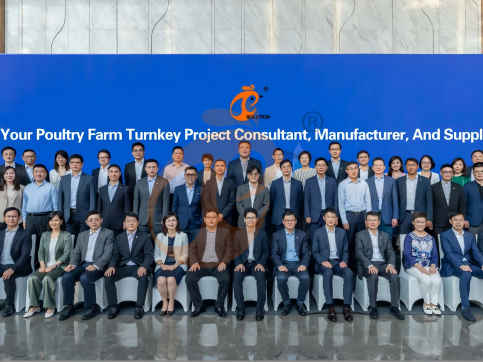
Hong Kong Headquarter Management Team
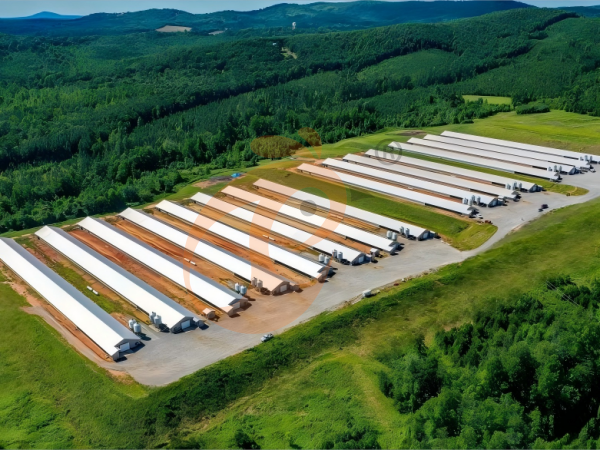
Hong Kong Headquarter Taiyu Industrial Group CO., LTD
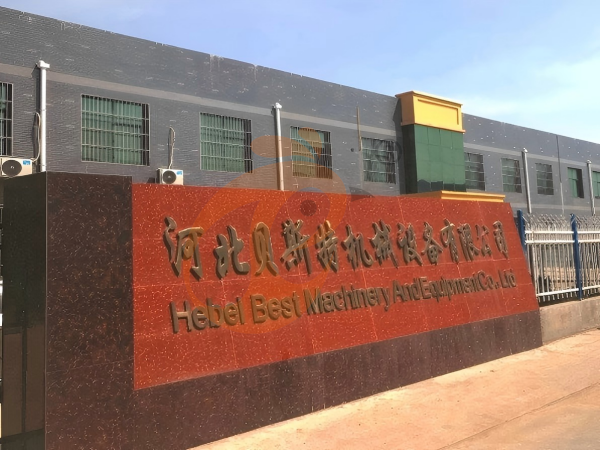
China Hebei Best Machinery And Equipment CO., LTD
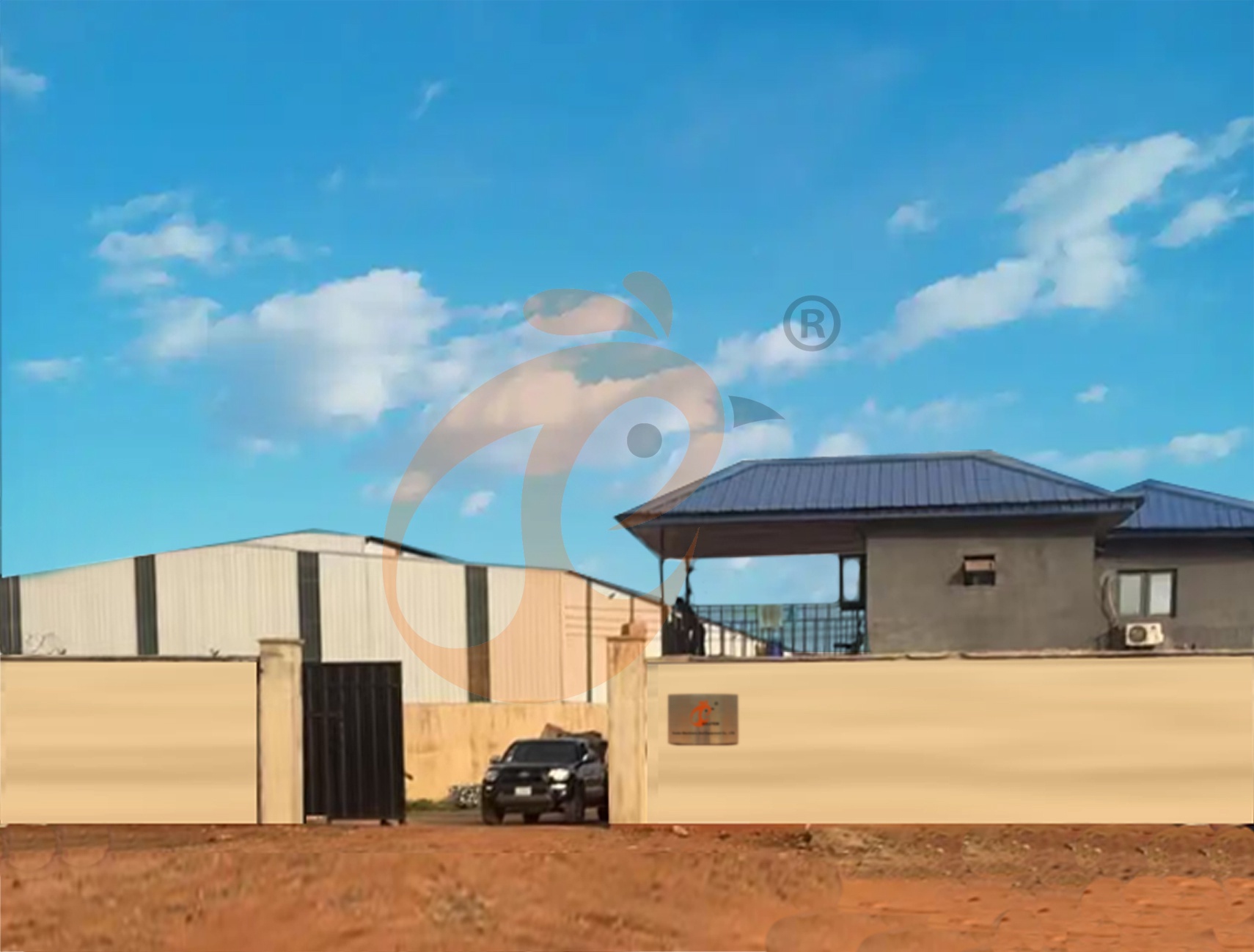
Nigeria Vanke Machinery And Equipment CO., LTD
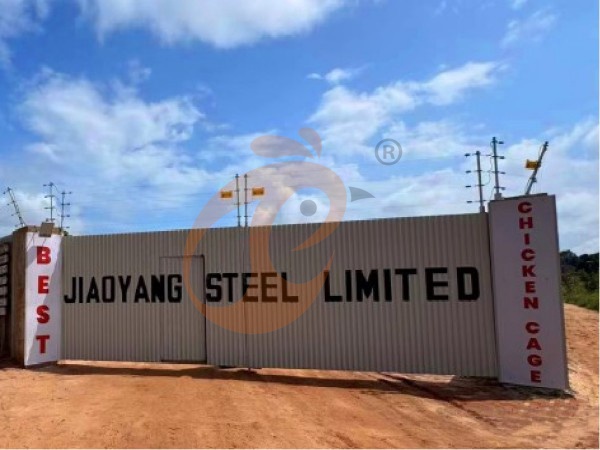
Tanzania Best Machinery And Equipment CO., LTD
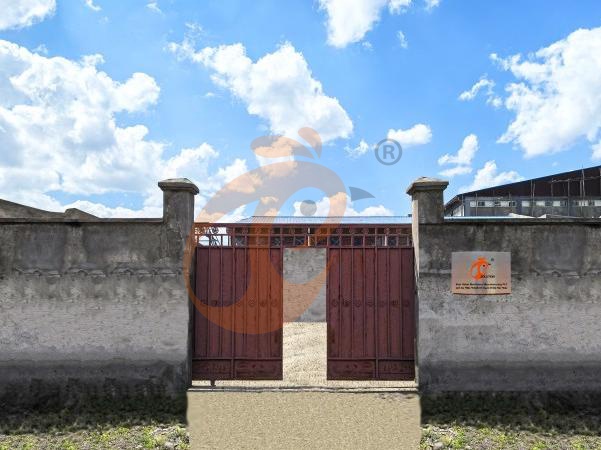
Ethiopia Best Hebei Machinery Manufacturing PLC




Reception /24 WhatsApp NO. : +8618830120193
FAQ
What Water Quality Requirements Are Necessary For Nipple Drinkers In Poultry Chicken Cage Systems?
Water hardness is maintained within 100–150 mg/L CaCO₃ equivalent for valve protection.
Microbial load is controlled under 100 CFU/mL for safe poultry consumption standards.
What Is The Recommended Stocking Ratio For Nipple Drinkers In Poultry Chicken Cage Systems?
Drinker spacing is typically set at 25–30 cm to reduce competition stress.
Water demand allocation is calculated at 180–220 ml per bird daily in intensive production.
How Is Water Flow Regulated In Nipple Drinkers For Poultry Chicken Cage Farming Systems?
Pressure stability is maintained within 0.18–0.22 MPa across drinking lines.
Drop formation interval is adjusted at 1–2 seconds per activation for efficient intake.
- poultry farm
- poultry farms
- poultry house
- cage
- poultry farm construction
- poultry drinking system
- poultry equipment
- chickencage
- bestchickencage
- Nigeria
- poultry equipment supplier
- poultry drinking system supplier
- poultry equipment manufacturer
- poultry farm development
- poultry farm plan
- poultry equipment suppliers
- Ethiopia
- Spring
Message
Products recommended
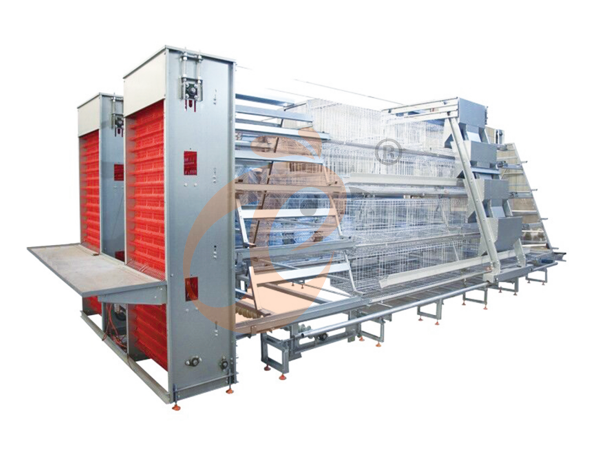
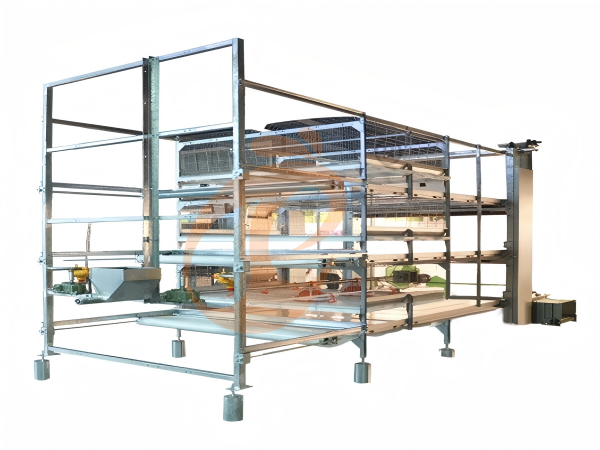
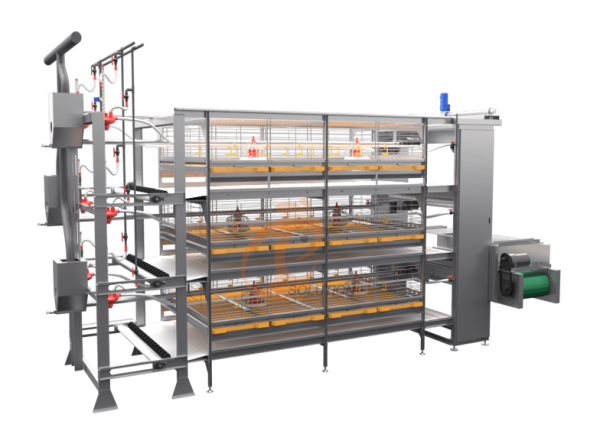
 >30,000 Pullets Automatic H Type Battery Cage1. More than 30,000 pullets a house, choose it.
2. It is designed to rearing older than 1 day old pullets to 12 to 16 weeks old chicken starting laying eggs.
3. Its lifespan is more than 25 years.
4. Its structure are Vcloud artificial intelligent fusion, electric control cabinet, automatic equipment of drinking, feeding, manure clean, manual harvesting.
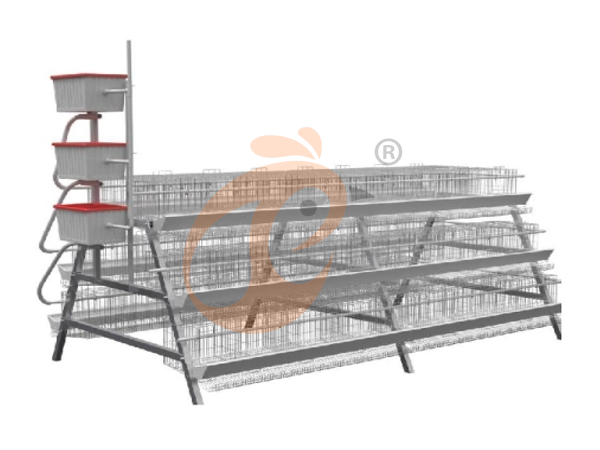
5. Our 24 hour online reception What’sApp NO. is +8618830120193 <30,000 Pullets Automatic A Type Battery Cage1. 10,000 to 30,000 pullets a house, choose it.
2. It is designed to rearing older than 1 day old pullets to 12 to 16 weeks old chicken starting laying eggs.
3. Its lifespan is more than 25 years.
4. Its structure are Vcloud artificial intelligent fusion, electric control cabinet, automatic equipment of drinking, feeding, manure clean, manual harvesting.
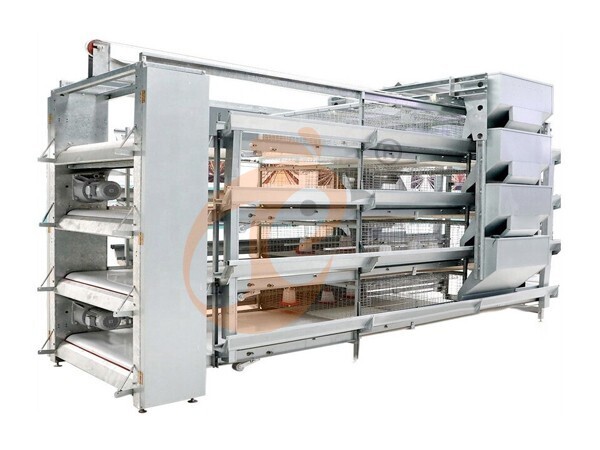
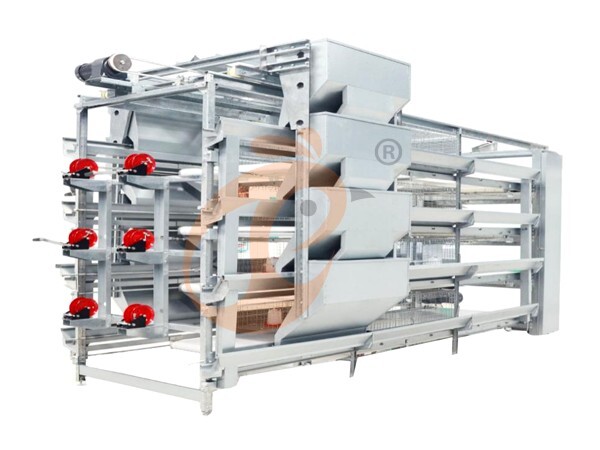
5. Our 24 hour online reception What’sApp NO. is +86 18830120193. >30,000 Broilers Semi-Automatic Harvest H Type Battery Cage1. More than 30,000 broilers a house, choose it.
2. It is designed to rearing 1 to 45 day old adult broiler ready for market.
3. Its lifespan is more than 20 years.
4. Our 24 hour online reception What’sApp NO. is +8618830120193, +234 8111199996. >30,000 Broilers Manual Harvest H Type Battery Cage1. More than 30,000 broilers a house, choose it.
2. It is designed to rearing 1 to 45 day old adult broiler ready for market.
3. Its lifespan is more than 20 years.
4. Its structure are Vcloud artificial intelligent fusion, electric control cabinet, automatic equipment of drinking, feeding and manure clean, manual harvesting.
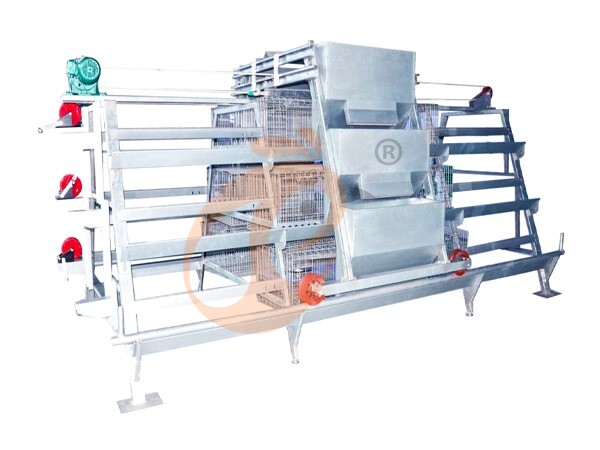
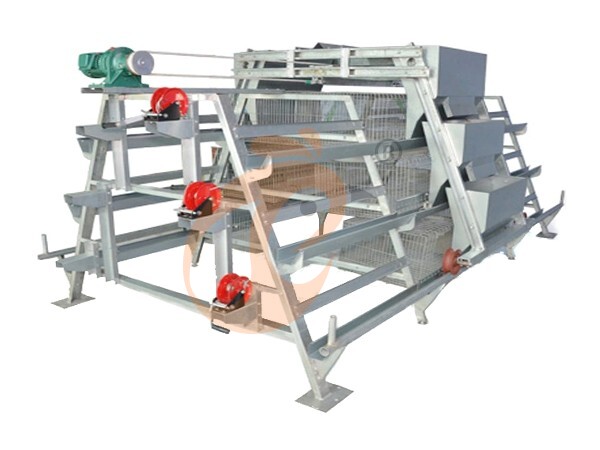
5. Our 24 hour online reception What’sApp NO. is +8618830120193, +234 8111199996. <30,000 Broilers Manual Harvest A Type Battery Cage1. Less 30,000 broilers a house, choose it.
2. It is designed to rearing 1 to 45 day old adult broiler ready for market.
3. Its lifespan is more than 20 years.
4. Its structure are Vcloud artificial intelligent fusion, electric control cabinet, automatic equipment of drinking, feeding and manure clean, manual harvesting.
5. Our 24 hour online reception What’sApp NO. is +8618830120193, +234 8111199996. HK Headquarter Offers EU-standard Poultry Farm Solutions, Manufacture Poultry Farm Equipment1. Continuous communication with the EU and the US
2. China, Nigeria, Ethiopia, Tanzania branch companies and factories
3. The products’ quality is customized for local poultry farms
4. Poultry cage and poultry farm equipment stock for sale
5. 24 online reception Whatsapp NO. : +8618830120193,contact us to get full information China Branch Offer Poultry Farm Business Plan, Manufacture Poultry Farm Equipment1. Address: Flat/RM 2416, 24/F, Runxing Building, Youyi Nan Street, Shijiazhuang City, Hebei Province, China
2. Poultry cage and poultry farm equipment factory and stock for sale
3. Customized for local poultry farms
4. Quality and design are based on Euro
5. 24 online reception Whatsapp NO. : +8618830120193 Nigeria Branch Offer Poultry Farm Business Plan, Manufacture Poultry Farm Equipment1. Address: After Sinoma Office, 200 Meters Near Danco Filling Station, Lagos/Ibadan Expressway, Lagos State, Nigeria
2. Poultry cage and poultry farm equipment factory and stock for sale
3. Customized for Nigerian poultry farms
4. Quality and design are based on Euro
5. 24 online reception Whatsapp NO. : +8618830120193 Ethiopia Branch Offer Poultry Farm Business Plan, Manufacture Poultry Farm Equipment1. Address: Gelan Gura, Akaki-kaliti Sub City, Addis Ababa, Ethiopia
2. Poultry cage and poultry farm equipment stock for sale
3. Customized for Ethiopian poultry farms
4. Quality and design are based on Euro
5. 24 online reception Whatsapp NO. : +8618830120193, contact us to get price list Tanzania Branch Offer Poultry Farm Business Plan, Manufacture Poultry Farm Equipment1. Address: No.8, Sova Road, Msufini, Mlandizi, Kibaha, Pwani, Tanzania
2. Poultry cage and poultry farm equipment factory and stock for sale
3. Customized for Tanzanian poultry farms
4. Quality and design are based on Euro
5. 24 online reception Whatsapp NO. : +8618830120193


Contact