


Blog
Introduction To Battery Cage Maintenance
Battery cages are a cornerstone of modern poultry farming, offering a structured environment for layers and broilers. Regular maintenance is essential to ensure the longevity of these systems, which directly impacts farm productivity and animal welfare. Neglecting maintenance can lead to structural failures, increased disease risks, and higher operational costs. This guide delves into the best practices for maintaining battery cages, ensuring they remain efficient and durable over time.
Why Maintenance Matters
The battery cage system in poultry is designed to maximize space and efficiency, but it requires consistent upkeep to function optimally. Poorly maintained cages can lead to:
- Increased wear and tear on components
- Higher risk of disease outbreaks
- Reduced egg production or growth rates
Safety hazards for both birds and workers
By implementing a regular maintenance schedule, farmers can avoid these pitfalls and ensure their investment pays off in the long run.
Essential Maintenance Tasks
1.Regular Cleaning
Cleaning is the most critical aspect of battery cage maintenance. Accumulated waste, feathers, and feed residues can harbor bacteria and parasites, leading to health issues. Follow these steps:
Remove all birds from the cages temporarily.
Use high-pressure water jets to remove debris.
Apply disinfectants approved for poultry farming.
Allow cages to dry completely before reintroducing birds.
For optimal results, clean cages at least once a week or more frequently in high-density setups.
2. Structural Inspections
Regularly inspect the cage framework for signs of damage or wear. Key areas to check include:
Address any issues immediately to prevent further deterioration.
3. Lubrication Of Moving Parts
Battery cages often include moving components like egg collection belts or automatic feeders. These parts require periodic lubrication to operate smoothly. Use food-grade lubricants to avoid contaminating the birds' environment.
Common Issues And Solutions
Rust Prevention
Galvanized steel cages are prone to rust over time, especially in humid environments. To combat this:
- Apply rust-resistant coatings annually.
- Keep cages dry and well-ventilated.
Replace severely rusted sections promptly.
Feed And Water System Maintenance
Clogged or leaking feeders and drinkers can lead to dehydration or malnutrition. Inspect these systems daily and clean them as needed. Automated systems should be checked for proper alignment and functionality.
Industry Standards And Best Practices
Adhering to industry standards ensures your battery cage system meets regulatory requirements and operates efficiently. Key standards include:
- ISO 9001 for quality management
- Local poultry farming regulations
Animal welfare guidelines
Regular audits and staff training can help maintain compliance and improve overall farm performance.
Cost-Effective Maintenance Strategies
Preventive maintenance is more cost-effective than reactive repairs. Implement these strategies:
Schedule monthly professional inspections.
Train staff on basic maintenance tasks.
Keep a log of all maintenance activities.
Stock essential spare parts like Common defeather machine components for quick replacements.
Why Choose Our Solutions
With 20 years of experience in poultry equipment R&D, we offer:
- High-quality galvanized steel cages built to last
- Custom designs tailored to your farm's needs
- 24/7 support for maintenance queries
Advanced German production technology
Contact us today to optimize your battery cage system and boost your farm's efficiency.
FAQ
How often should battery cages be replaced?
With proper maintenance, high-quality cages can last 10-15 years. Regular inspections will help determine when replacement is necessary.
Can I retrofit older cages with new technology?
Yes, many components like feeders or egg collection systems can be upgraded without replacing the entire cage structure.
Conclusion
Effective maintenance of your battery cage system in poultry is an investment in your farm's future. By following these guidelines, you can ensure optimal performance, animal welfare, and profitability for years to come.
FAQ
Message
Products recommended
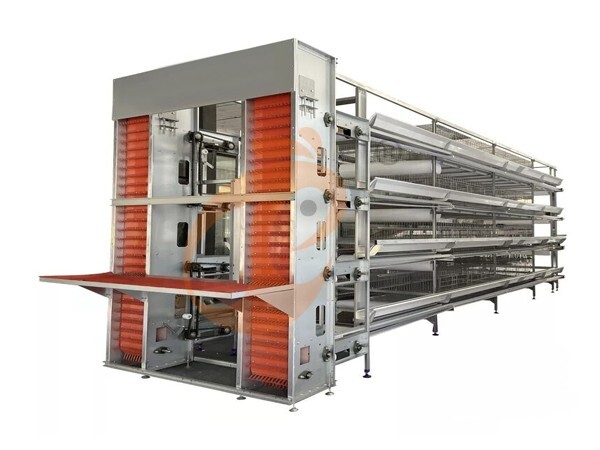
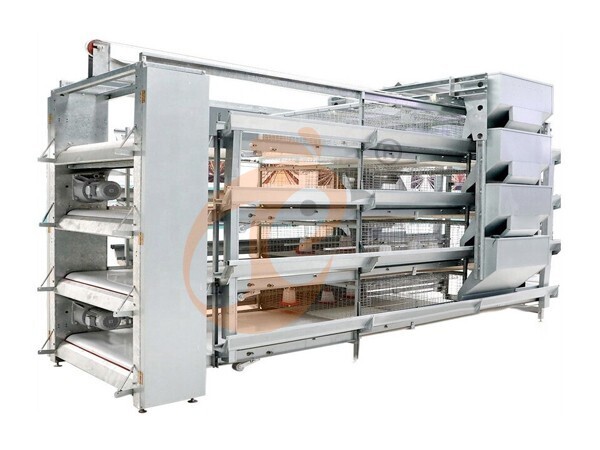
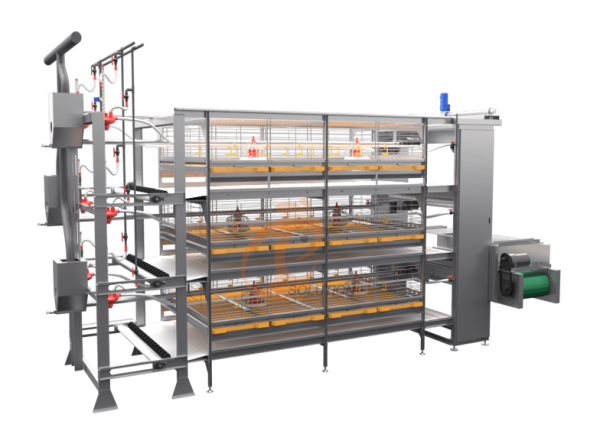
 >30,000 Pullets Automatic H Type Battery Cage1. More than 30,000 pullets a house, choose it.
2. It is designed to rearing older than 1 day old pullets to 12 to 16 weeks old chicken starting laying eggs.
3. Its lifespan is more than 25 years.
4. Its structure are Vcloud artificial intelligent fusion, electric control cabinet, automatic equipment of drinking, feeding, manure clean, manual harvesting.
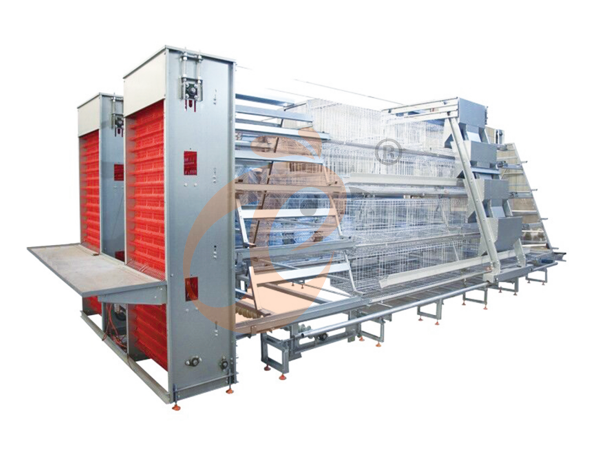
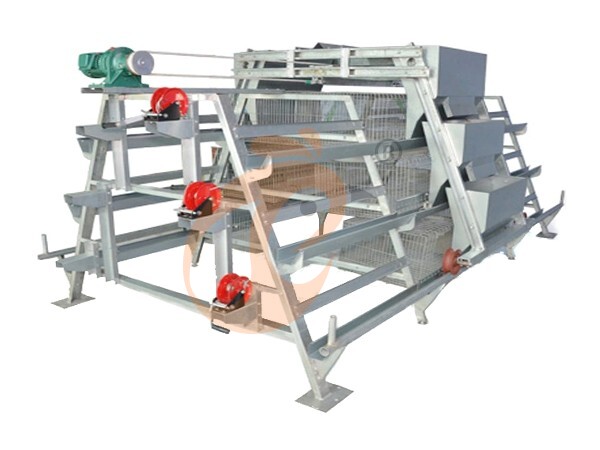
5. Our 24 hour online reception What’sApp NO. is +8618830120193 <30,000 Pullets Automatic A Type Battery Cage1. 10,000 to 30,000 pullets a house, choose it.
2. It is designed to rearing older than 1 day old pullets to 12 to 16 weeks old chicken starting laying eggs.
3. Its lifespan is more than 25 years.
4. Its structure are Vcloud artificial intelligent fusion, electric control cabinet, automatic equipment of drinking, feeding, manure clean, manual harvesting.
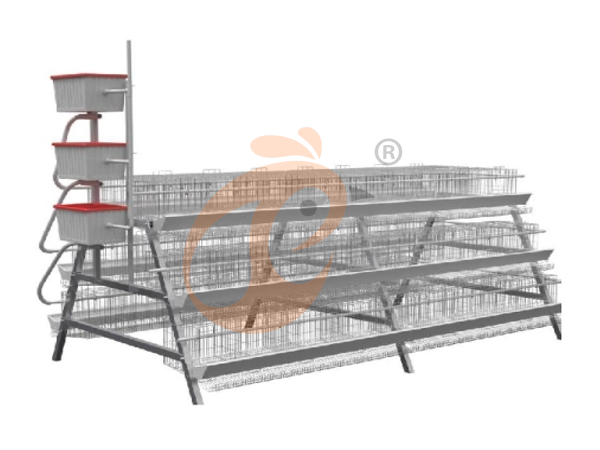
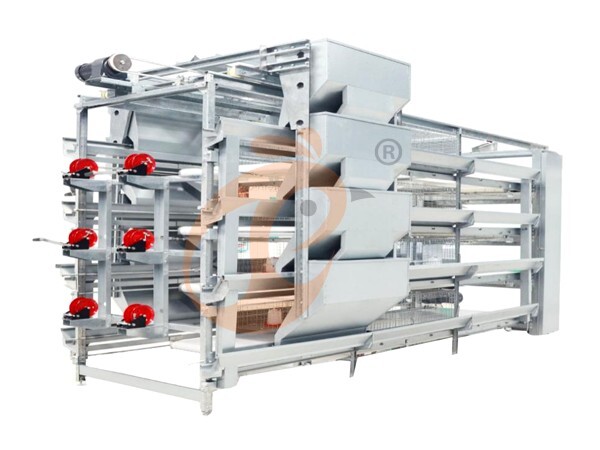
5. Our 24 hour online reception What’sApp NO. is +86 18830120193. >30,000 Broilers Semi-Automatic Harvest H Type Battery Cage1. More than 30,000 broilers a house, choose it.
2. It is designed to rearing 1 to 45 day old adult broiler ready for market.
3. Its lifespan is more than 20 years.
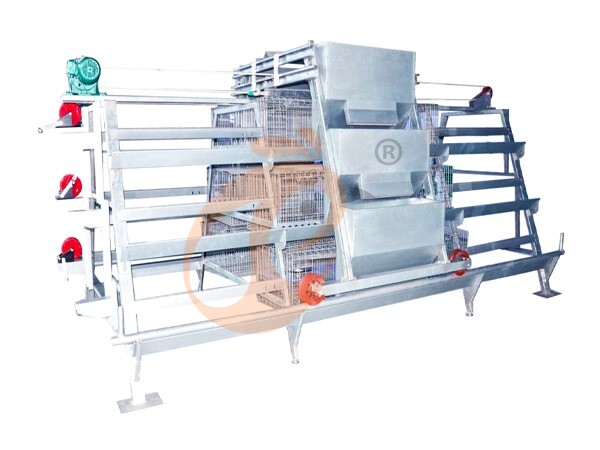
4. Our 24 hour online reception What’sApp NO. is +8618830120193, +234 8111199996. >30,000 Broilers Manual Harvest H Type Battery Cage1. More than 30,000 broilers a house, choose it.
2. It is designed to rearing 1 to 45 day old adult broiler ready for market.
3. Its lifespan is more than 20 years.
4. Its structure are Vcloud artificial intelligent fusion, electric control cabinet, automatic equipment of drinking, feeding and manure clean, manual harvesting.
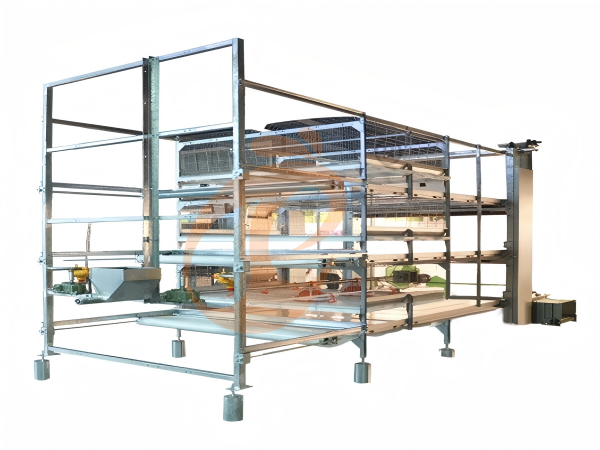
5. Our 24 hour online reception What’sApp NO. is +8618830120193, +234 8111199996. <30,000 Broilers Manual Harvest A Type Battery Cage1. Less 30,000 broilers a house, choose it.
2. It is designed to rearing 1 to 45 day old adult broiler ready for market.
3. Its lifespan is more than 20 years.
4. Its structure are Vcloud artificial intelligent fusion, electric control cabinet, automatic equipment of drinking, feeding and manure clean, manual harvesting.
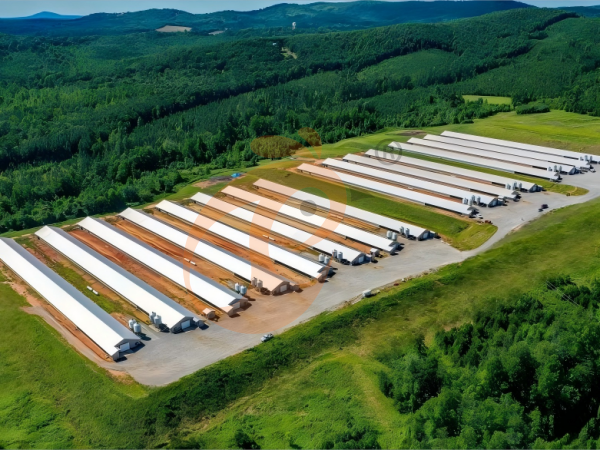
5. Our 24 hour online reception What’sApp NO. is +8618830120193, +234 8111199996. HK Headquarter Offers EU-standard Poultry Farm Solutions, Manufacture Poultry Farm Equipment1. Continuous communication with the EU and the US
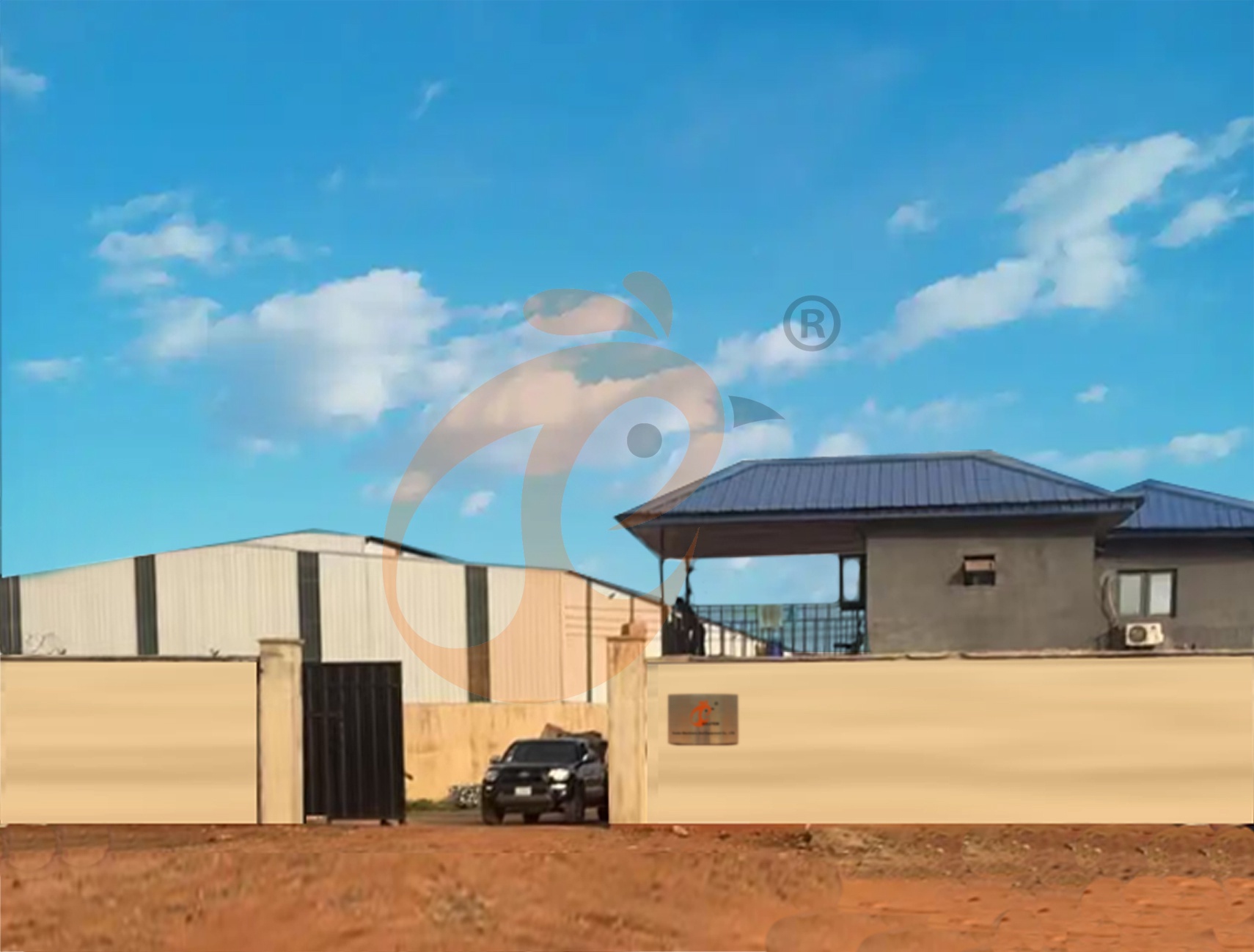
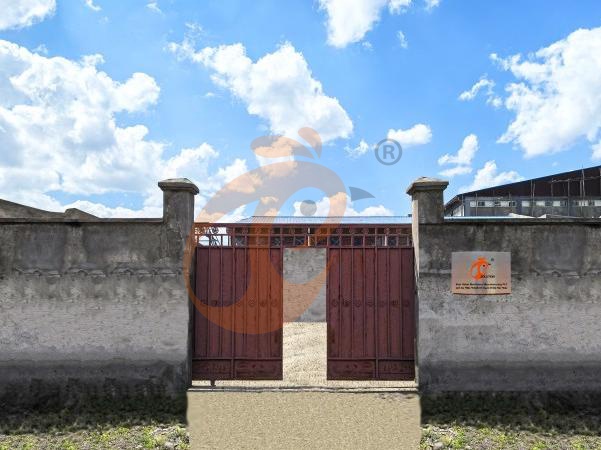
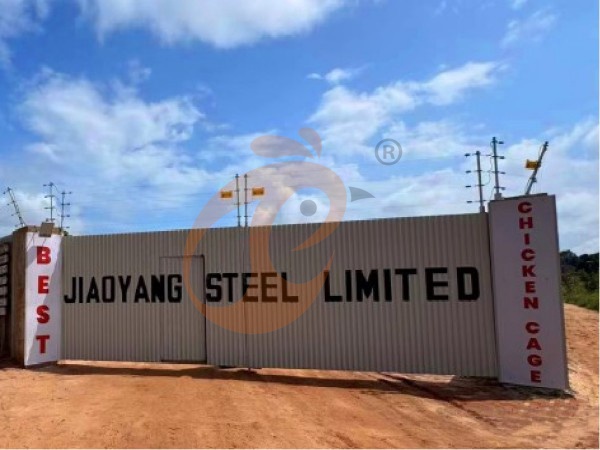
2. China, Nigeria, Ethiopia, Tanzania branch companies and factories
3. The products’ quality is customized for local poultry farms
4. Poultry cage and poultry farm equipment stock for sale
5. 24 online reception Whatsapp NO. : +8618830120193,contact us to get full information China Branch Offer Poultry Farm Business Plan, Manufacture Poultry Farm Equipment1. Address: Flat/RM 2416, 24/F, Runxing Building, Youyi Nan Street, Shijiazhuang City, Hebei Province, China
2. Poultry cage and poultry farm equipment factory and stock for sale
3. Customized for local poultry farms
4. Quality and design are based on Euro
5. 24 online reception Whatsapp NO. : +8618830120193 Nigeria Branch Offer Poultry Farm Business Plan, Manufacture Poultry Farm Equipment1. Address: After Sinoma Office, 200 Meters Near Danco Filling Station, Lagos/Ibadan Expressway, Lagos State, Nigeria
2. Poultry cage and poultry farm equipment factory and stock for sale
3. Customized for Nigerian poultry farms
4. Quality and design are based on Euro
5. 24 online reception Whatsapp NO. : +8618830120193 Ethiopia Branch Offer Poultry Farm Business Plan, Manufacture Poultry Farm Equipment1. Address: WR93+FQ2, Addis Ababa, Ethiopia
2. Poultry cage and poultry farm equipment stock for sale
3. Customized for Ethiopian poultry farms
4. Quality and design are based on Euro
5. 24 online reception Whatsapp NO. : +8618830120193, contact us to get price list Tanzania Branch Offer Poultry Farm Business Plan, Manufacture Poultry Farm Equipment1. Address: No.8, Sova Road, Msufini, Mlandizi, Kibaha, Pwani, Tanzania
2. Poultry cage and poultry farm equipment factory and stock for sale
3. Customized for Tanzanian poultry farms
4. Quality and design are based on Euro
5. 24 online reception Whatsapp NO. : +8618830120193

Contact
By clicking 'Allow All', you agree to the storage of cookies on your device to enhance site navigation, analyze site usage and assist with our marketing efforts.