


Blog
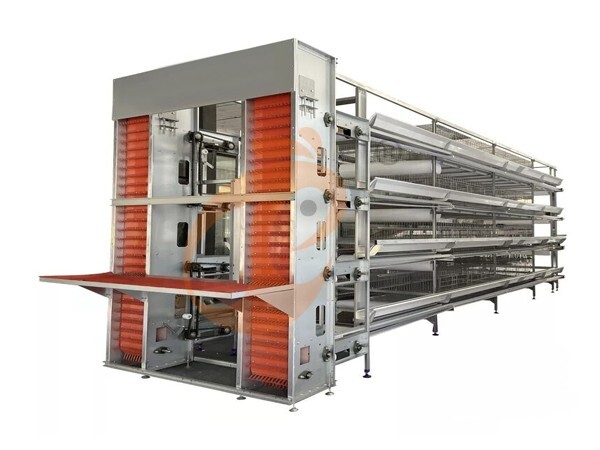
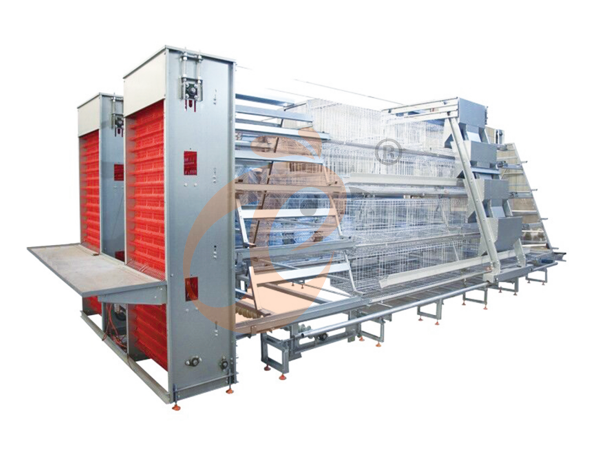
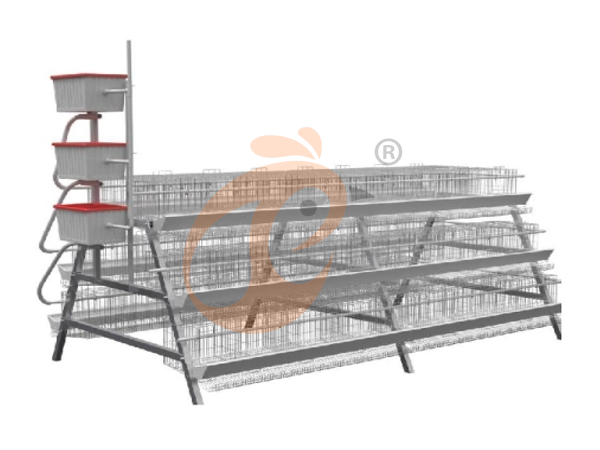
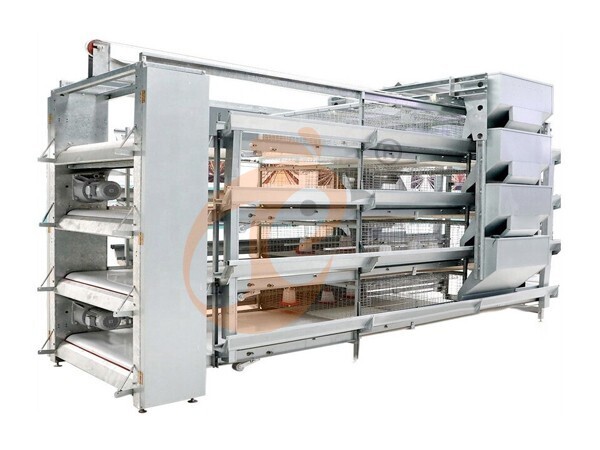
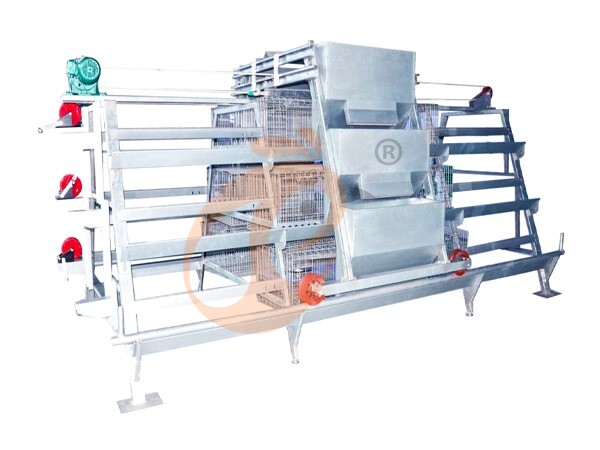
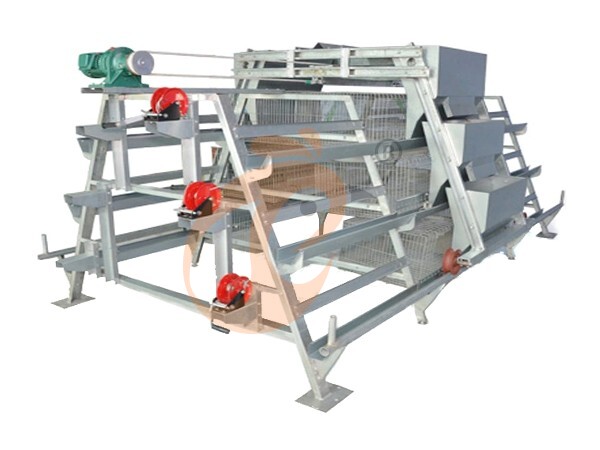
A type battery cage system provides efficient layer housing solutions with optimized layouts, supporting commercial farms from 90 birds per set to large-scale projects.
Space-focused cage designs combine durable steel structures, automated feeding, and practical farm management for higher production efficiency.
Modern poultry equipment layouts integrate ventilation planning, manure handling, and egg collection systems for stable operation.
Customized cage arrangements help farmers maximize building utilization while reducing labor requirements through automation technology.
Professional A type layer cage solutions deliver scalable options for farms seeking reliable equipment investment and long-term performance.
Get professional poultry farm construction guidance, equipment selection solutions, and the latest price lists, whatsApp to +8618830120193, click to learn more:
Two-Row A Type Battery Cage Layout For Small Farms
Two-row arrangement remains a practical choice for farms requiring simple operation and flexible expansion.
The layout places cage lines with accessible service channels, allowing workers to complete inspection, maintenance, and daily management efficiently.
A type layer chicken cage system with two-row planning is commonly selected for small and medium farms because of its balanced investment structure and easy installation process.
Compact buildings can achieve better utilization when cage height, aisle position, and ventilation direction are planned together.
Data is for reference only.Swipe horizontally to view full table.
Three-Row Layout For Medium Commercial Production
Farm planning changes significantly when production capacity increases.
Three-row layouts create a stronger balance between cage density and operating convenience.
The design normally combines multiple cage lines with centralized feeding routes and organized manure channels.
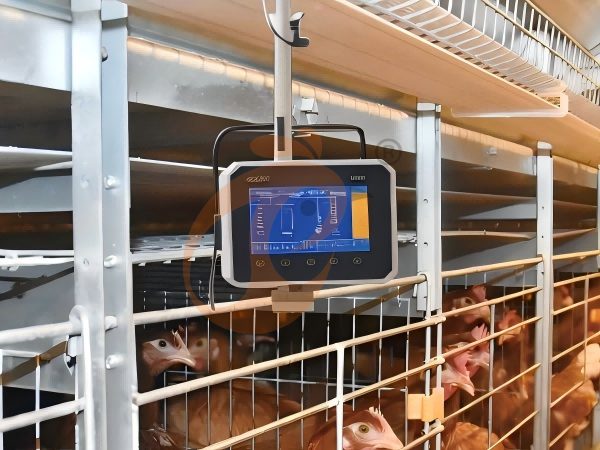
Automatic layer cage system configurations can be integrated into this structure, improving workflow consistency and reducing manual feeding pressure.
This layout style fits farms requiring stable output, equipment reliability, and future automation upgrades.
Data is for reference only.Swipe horizontally to view full table.
Four-Tier Vertical Optimization Design
Vertical development has become an important strategy for farms facing limited land availability.
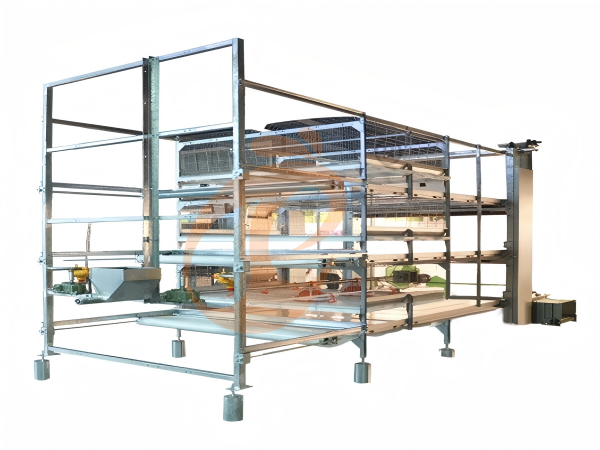
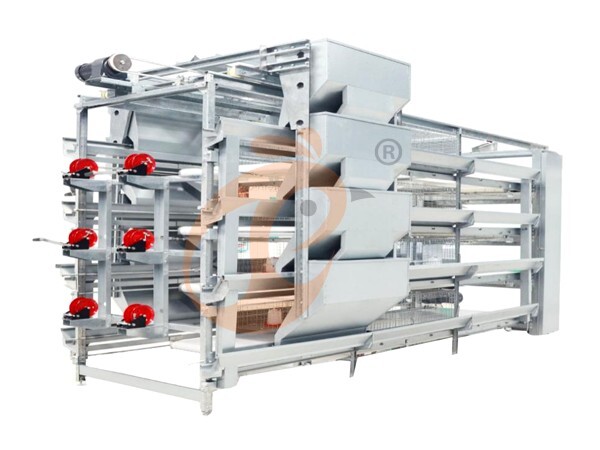
Four-tier A type structures increase usable production space by extending upward instead of expanding building area.
Engineering teams usually evaluate roof height, ventilation performance, and equipment accessibility before selecting the final configuration.
A properly designed vertical system improves production density while maintaining practical maintenance conditions.
Data is for reference only.Swipe horizontally to view full table.
Modular Expansion Layout Strategy
Modern poultry projects often require flexible expansion because market demand can change.
Modular cage planning allows farms to install equipment in stages instead of investing in maximum capacity immediately.
A professional supplier can prepare layouts according to building dimensions, production targets, and automation requirements.
The modular approach supports future upgrades with additional feeding machines, egg handling equipment, and manure removal units.
Project Stage Method
Initial installation focuses on basic cage structures.
Expansion planning reserves equipment space.
Automation upgrading improves production efficiency.
Large-scale development adds complete poultry equipment solutions.
High-Density Automated Farm Layout
Large commercial farms require more than cage installation.
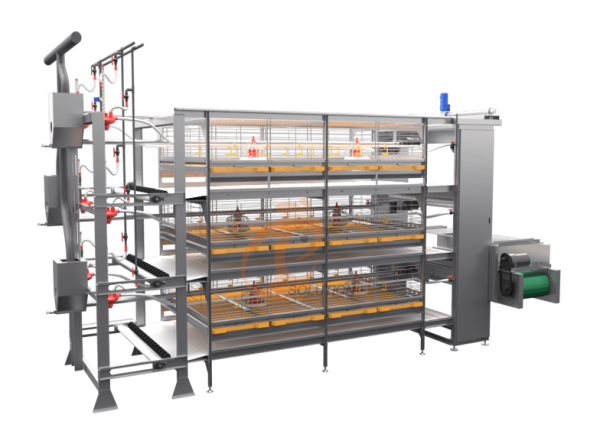
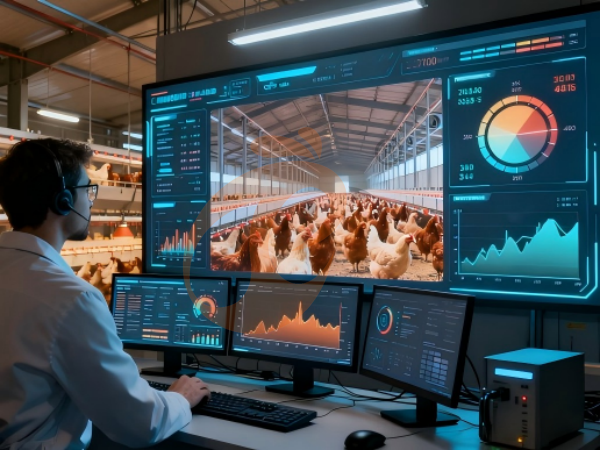
A complete production environment combines cage systems, automatic feeding, drinking lines, egg collection, and environmental control.
Poultry farm equipment packages help create standardized production processes with predictable operating results.
High-density layouts require accurate engineering calculations because every equipment position influences workflow efficiency.
Data is for reference only.Swipe horizontally to view full table.
Layout Selection Based On Farm Requirements
Different farms require different equipment combinations.
Small projects usually prioritize investment control and easy management.
Medium farms focus on balanced capacity and operational efficiency.
Large farms normally choose automated solutions with integrated management systems.
Data is for reference only.Swipe horizontally to view full table.
European union standard reference only.
Engineering Advantages Of Professional Cage Planning
A successful cage layout depends on detailed engineering rather than simple equipment placement.
Manufacturers analyze house dimensions, airflow direction, feeding distance, and maintenance access before production.
Factory-designed solutions reduce installation problems and improve long-term equipment performance.
Data is for reference only.Swipe horizontally to view full table.
Material And Durability Configuration
Equipment quality directly influences farm operation stability.
Galvanized steel structures, corrosion-resistant wire mesh, and reliable accessories are essential for long service life.
Professional manufacturers combine material selection with production control to deliver consistent poultry housing systems.
Data is for reference only.Swipe horizontally to view full table.
Turn-Key Project Implementation Process
Complete farm solutions require coordinated planning from design to installation.
Professional suppliers provide engineering support, equipment manufacturing, shipment organization, and installation guidance.
Turn-key projects reduce communication difficulties by connecting every production stage through one technical team.
Data is for reference only.Swipe horizontally to view full table.
Frequently Asked Questions
Q1: What is the recommended capacity range for A type battery cage system?
A type battery cage system commonly provides configurations from around 90 birds per set to 160 birds per set depending on tier and cell design.
Q2: Which layout is suitable for limited farm space?
Four-tier vertical layouts are suitable for farms needing higher capacity within restricted building areas because vertical structures improve space utilization.
Q3: Can automatic equipment be added to A type cage systems?
Yes.
Automatic feeding, drinking, manure removal, and egg collection systems can be integrated according to project requirements.
Taiyu (HK) Group - One Of China Largest A Type Battery Cage System Manufacturer
A type battery cage system delivers engineered layer housing equipment with optimized structures, automated options, and commercial farm application solutions.
Global factory direct supply provides poultry equipment production with controlled manufacturing standards and export experience.
Professional poultry equipment solutions cover cage systems, feeding systems, drinking systems, and manure handling equipment.
Turn-key engineering projects support complete farm planning, installation guidance, and technical service worldwide.
Customized production capability helps customers build efficient layer farms with reliable equipment configurations.
Contact Us To Received Your Customized Poultry Farm Plan
Headquarters And Branchs
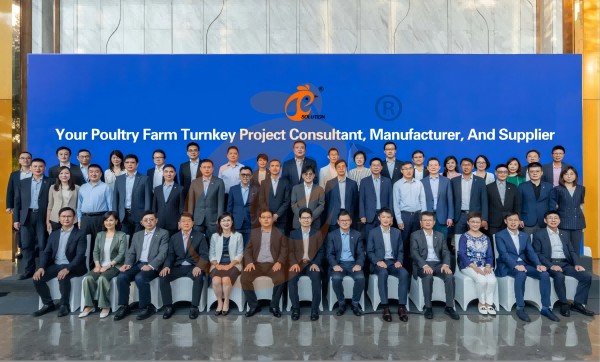
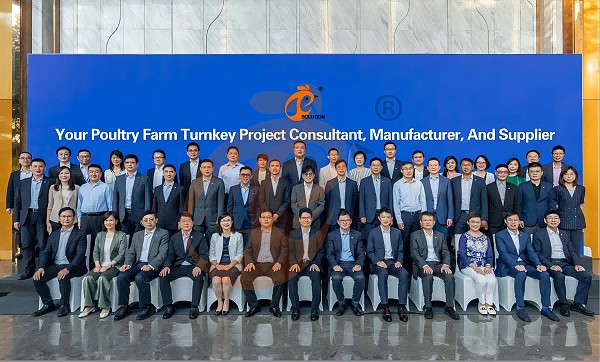
Hong Kong Headquarter Management Team
Hong Kong Headquarter Taiyu Industrial Group CO., LTD
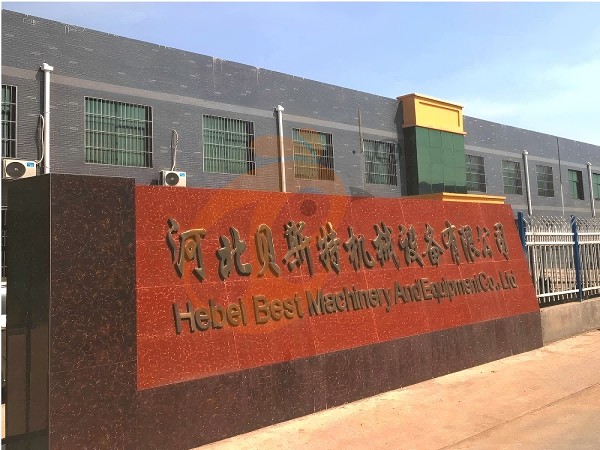
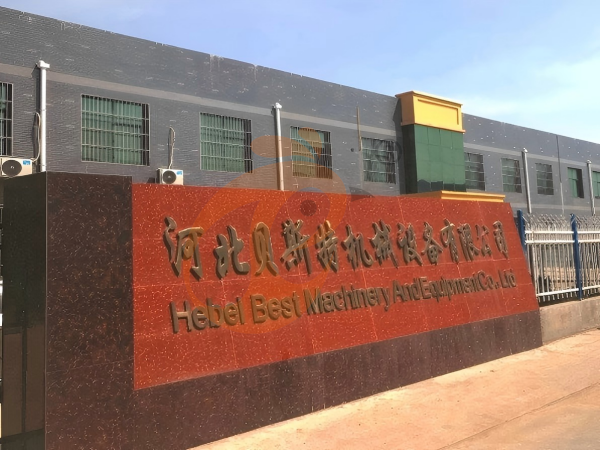
China Hebei Best Machinery And Equipment CO., LTD
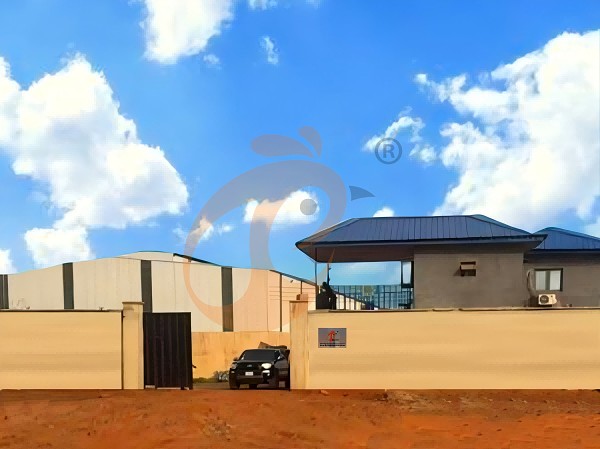
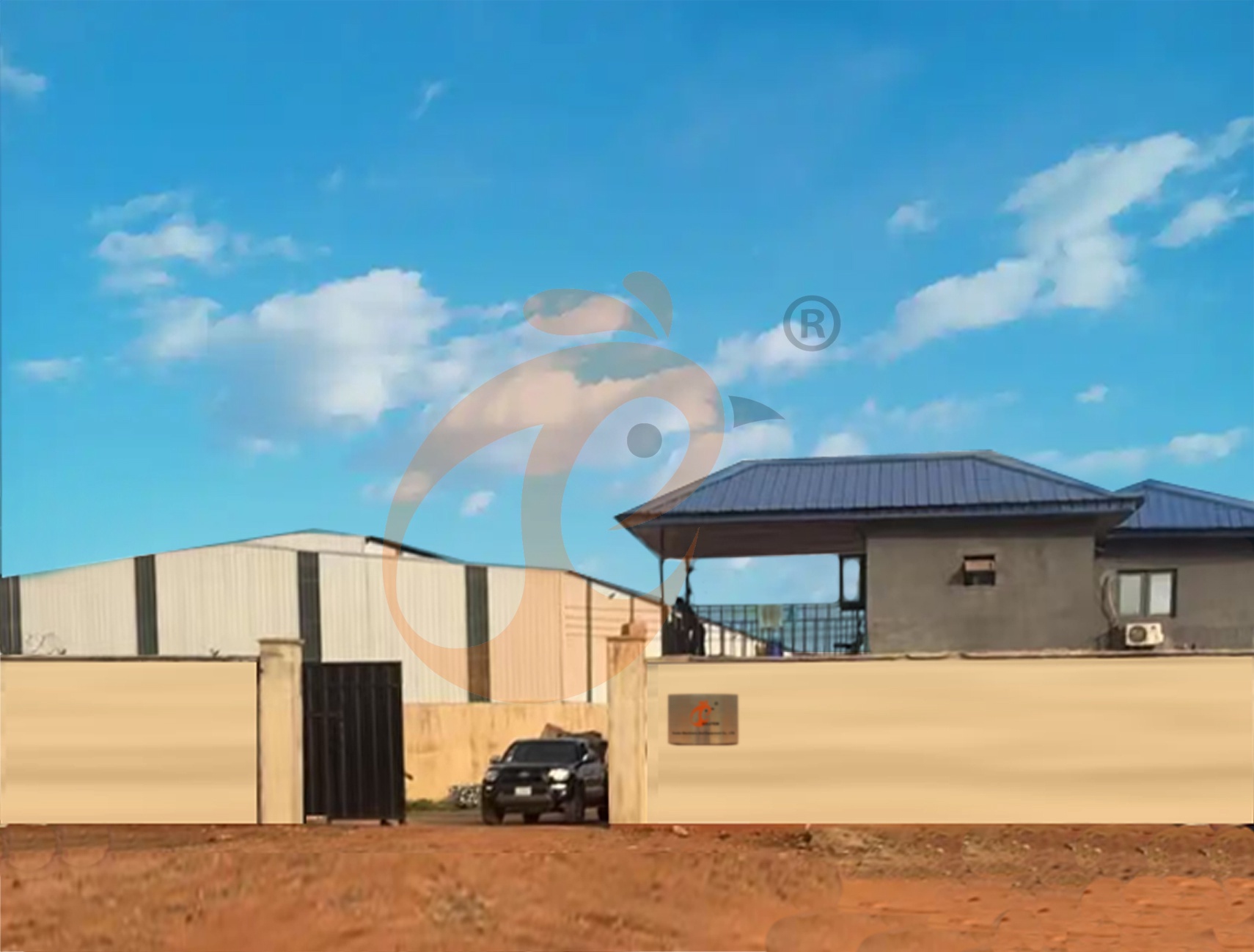
Nigeria Vanke Machinery And Equipment CO., LTD
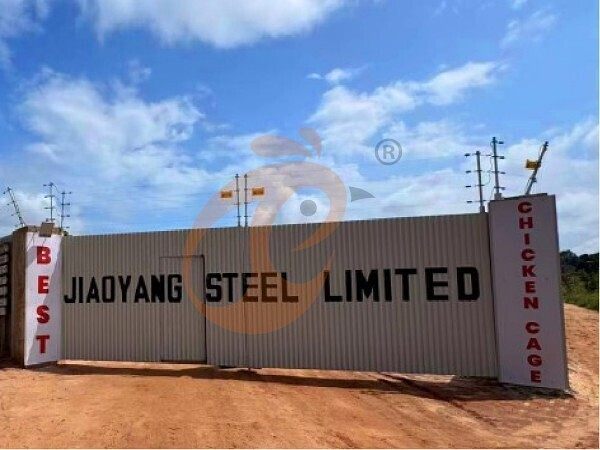
Tanzania Best Machinery And Equipment CO., LTD
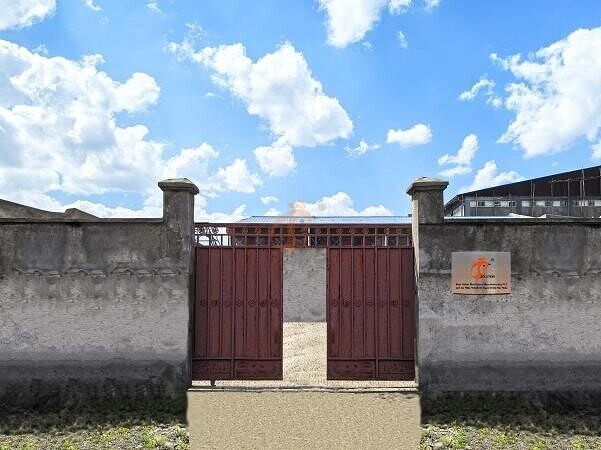
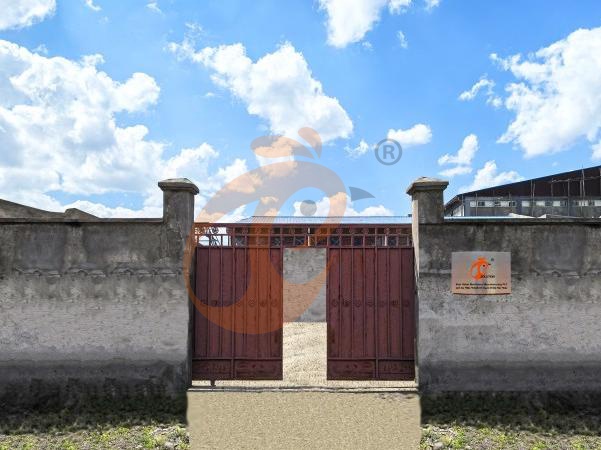
Ethiopia Best Hebei Machinery Manufacturing PLC
Reception /24 WhatsApp NO. : +8618830120193
FAQ
How To Increase Stocking Density Without Reducing Egg Production In A-Type Layer Cage?
Provide 418-500 cm² per bird
Ensure good ventilation
Egg production rate: 90–96%
What Are The Recommended Egg Conveyor Speeds For A-Type Layer Cage Farms?
Reduces egg collision and breakage
Egg breakage rate <1%
Daily egg yield: 900–960 eggs/1,000 birds
Egg production rate: 90–96%
How To Implement Lighting Control In A-Type Poultry Cage Farms?
Even illumination reduces stress
Egg production rate: 90–96%
FCR: 1.9–2.2
Egg breakage rate <1%
- battery cage
- battery cage system
- poultry farm
- chicken cage
- layer cage
- automatic layer cage
- cage
- poultry farm equipment
- poultry farm construction
- layer cage system
- chicken cage system
- battery cage system manufacturer
- battery cage layout
- poultry housing system
- poultry equipment
- egg collection system
- hen cage
- a type battery cage
- automatic layer cage system
- a type layer cage
- chickencage
- a type layer chicken cage
- bestchickencage
- cage system
- cage systems
- layer chicken cage
- Nigeria
- layer farm
- layer chicken cage system
- poultry equipment layout
- poultry housing systems
- cage design
- poultry farm plan
- Ethiopia
Message
Products recommended
 >30,000 Pullets Automatic H Type Battery Cage1. More than 30,000 pullets a house, choose it.
2. It is designed to rearing older than 1 day old pullets to 12 to 16 weeks old chicken starting laying eggs.
3. Its lifespan is more than 25 years.
4. Its structure are Vcloud artificial intelligent fusion, electric control cabinet, automatic equipment of drinking, feeding, manure clean, manual harvesting.
5. Our 24 hour online reception What’sApp NO. is +8618830120193 <30,000 Pullets Automatic A Type Battery Cage1. 10,000 to 30,000 pullets a house, choose it.
2. It is designed to rearing older than 1 day old pullets to 12 to 16 weeks old chicken starting laying eggs.
3. Its lifespan is more than 25 years.
4. Its structure are Vcloud artificial intelligent fusion, electric control cabinet, automatic equipment of drinking, feeding, manure clean, manual harvesting.
5. Our 24 hour online reception What’sApp NO. is +86 18830120193. >30,000 Broilers Semi-Automatic Harvest H Type Battery Cage1. More than 30,000 broilers a house, choose it.
2. It is designed to rearing 1 to 45 day old adult broiler ready for market.
3. Its lifespan is more than 20 years.
4. Our 24 hour online reception What’sApp NO. is +8618830120193, +234 8111199996. >30,000 Broilers Manual Harvest H Type Battery Cage1. More than 30,000 broilers a house, choose it.
2. It is designed to rearing 1 to 45 day old adult broiler ready for market.
3. Its lifespan is more than 20 years.
4. Its structure are Vcloud artificial intelligent fusion, electric control cabinet, automatic equipment of drinking, feeding and manure clean, manual harvesting.
5. Our 24 hour online reception What’sApp NO. is +8618830120193, +234 8111199996. <30,000 Broilers Manual Harvest A Type Battery Cage1. Less 30,000 broilers a house, choose it.
2. It is designed to rearing 1 to 45 day old adult broiler ready for market.
3. Its lifespan is more than 20 years.
4. Its structure are Vcloud artificial intelligent fusion, electric control cabinet, automatic equipment of drinking, feeding and manure clean, manual harvesting.
5. Our 24 hour online reception What’sApp NO. is +8618830120193, +234 8111199996. HK Headquarter Offers EU-standard Poultry Farm Solutions, Manufacture Poultry Farm Equipment1. Continuous communication with the EU and the US
2. China, Nigeria, Ethiopia, Tanzania branch companies and factories
3. The products’ quality is customized for local poultry farms
4. Poultry cage and poultry farm equipment stock for sale
5. 24 online reception Whatsapp NO. : +8618830120193,contact us to get full information China Branch Offer Poultry Farm Business Plan, Manufacture Poultry Farm Equipment1. Address: Flat/RM 2416, 24/F, Runxing Building, Youyi Nan Street, Shijiazhuang City, Hebei Province, China
2. Poultry cage and poultry farm equipment factory and stock for sale
3. Customized for local poultry farms
4. Quality and design are based on Euro
5. 24 online reception Whatsapp NO. : +8618830120193 Nigeria Branch Offer Poultry Farm Business Plan, Manufacture Poultry Farm Equipment1. Address: After Sinoma Office, 200 Meters Near Danco Filling Station, Lagos/Ibadan Expressway, Lagos State, Nigeria
2. Poultry cage and poultry farm equipment factory and stock for sale
3. Customized for Nigerian poultry farms
4. Quality and design are based on Euro
5. 24 online reception Whatsapp NO. : +8618830120193 Ethiopia Branch Offer Poultry Farm Business Plan, Manufacture Poultry Farm Equipment1. Address: Gelan Gura, Akaki-kaliti Sub City, Addis Ababa, Ethiopia
2. Poultry cage and poultry farm equipment stock for sale
3. Customized for Ethiopian poultry farms
4. Quality and design are based on Euro
5. 24 online reception Whatsapp NO. : +8618830120193, contact us to get price list Tanzania Branch Offer Poultry Farm Business Plan, Manufacture Poultry Farm Equipment1. Address: No.8, Sova Road, Msufini, Mlandizi, Kibaha, Pwani, Tanzania
2. Poultry cage and poultry farm equipment factory and stock for sale
3. Customized for Tanzanian poultry farms
4. Quality and design are based on Euro
5. 24 online reception Whatsapp NO. : +8618830120193


Contact