


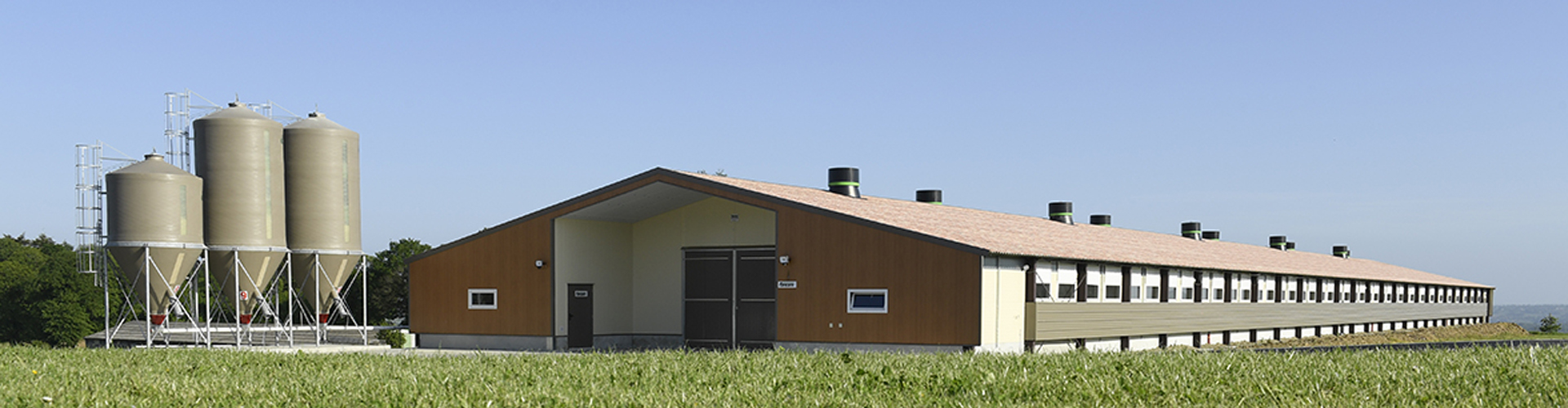
Blog
A type battery cage system supports commercial egg production in structured poultry farms.
System design improves egg yield consistency and farm space utilization efficiency.
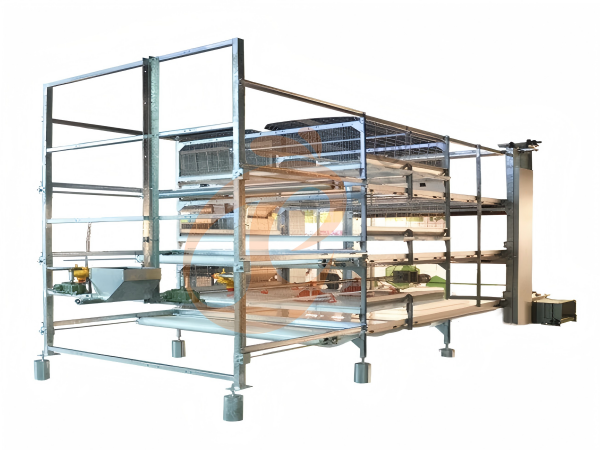
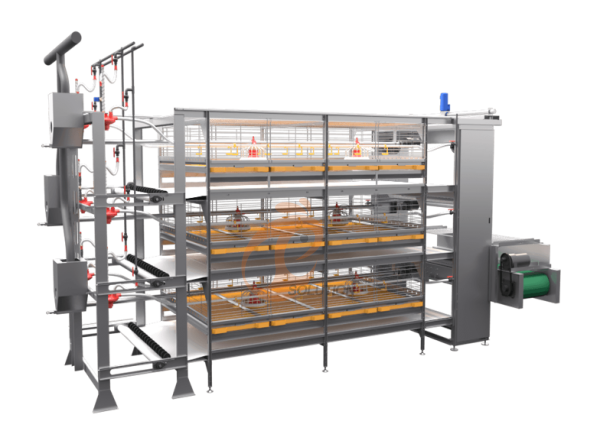
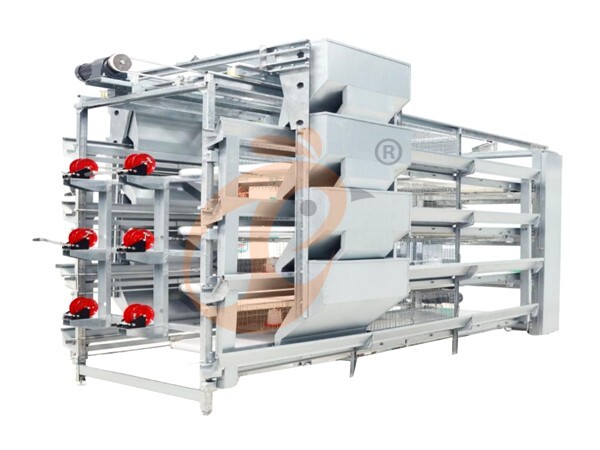
Steel cage modules form multi-tier poultry housing structures for laying hens.
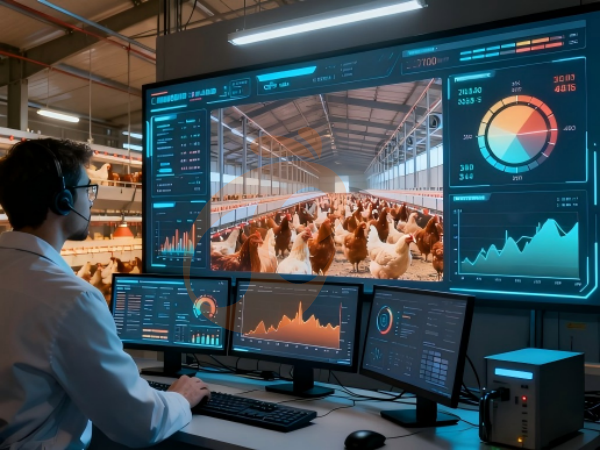
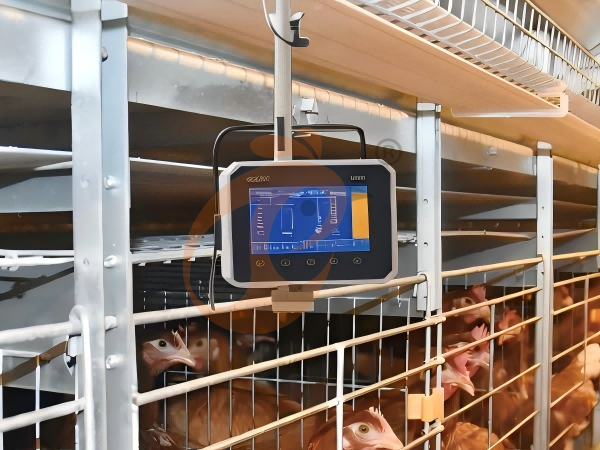
Integrated feeding lines and nipple drinking systems ensure stable production performance.
Poultry farm investment planning depends on cage density and durability specifications.
Get professional poultry farm construction guidance, equipment selection solutions, and the latest price lists, whatsApp to +8618830120193, click to learn more:
What Is An A Type Battery Cage System For Poultry Farm
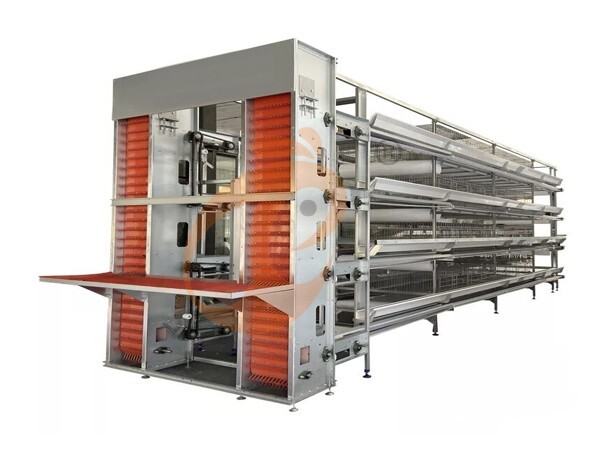
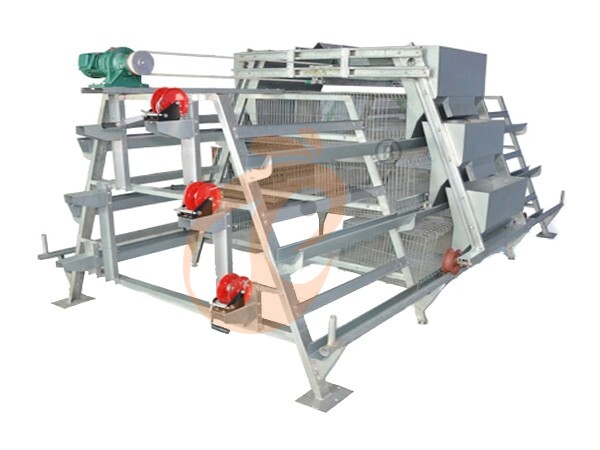
A type battery cage system poultry farm structure is a slanted steel frame housing design used for commercial layer production.
The system integrates cage stacking, feeding line integration, and manure handling units into one production environment.
The poultry farming system allows controlled stocking density and improves egg collection efficiency through structured cage rows.
Common industry demand for automatic poultry cage system continues increasing due to labor optimization requirements and farm scalability planning.
The system is widely applied in medium-scale commercial egg production facilities.
System Structure Design Overview
Before selecting a cage system, understanding structural engineering parameters is essential for long-term farm stability and installation planning.
The following specifications define the standard A type structural configuration used in commercial poultry houses.
Data is for reference only. Swipe horizontally to view full table.
These structural parameters directly influence ventilation efficiency, load-bearing capacity, and expansion potential of the poultry farm layout.
Selecting appropriate steel thickness and cage geometry ensures stable operation under long production cycles.
Cage Capacity And Stocking Design
Proper stocking density determines egg production efficiency and bird health stability.
Farmers must calculate capacity based on breed type and production targets before system installation.
Data is for reference only. Swipe horizontally to view full table.
This capacity configuration helps balance feed efficiency and egg production rate across different farm scales.
Overcrowding or underutilization can directly affect mortality rate and egg uniformity.
Feeding System Configuration
Feed distribution accuracy is one of the most important factors in commercial egg production efficiency.
A properly designed feeding system reduces waste and ensures uniform nutrient intake across all cage tiers.
Data is for reference only. Swipe horizontally to view full table.
Stable feed delivery improves laying consistency and reduces production fluctuation caused by uneven nutrient access.
Proper calibration of feeding lines is essential during farm commissioning.
Drinking System Engineering Design
Water supply stability is directly linked to egg production rate and bird physiological performance.
Nipple drinking systems are widely used to ensure clean and controlled water access.
Data is for reference only. Swipe horizontally to view full table.
Consistent water pressure distribution prevents dehydration stress and supports stable egg shell formation during peak production cycles.
Manure Removal System Structure
Efficient manure handling is critical for air quality control and disease prevention in enclosed poultry houses.
The system design determines ammonia levels and cleaning frequency.
Data is for reference only. Swipe horizontally to view full table.
Proper manure removal scheduling significantly reduces respiratory disease risk and improves long-term production stability in dense cage environments.
Environmental Control Requirements
Environmental conditions inside poultry houses must remain stable to ensure consistent laying performance and feed conversion efficiency.
Temperature and ventilation control are key operational parameters.
Data is for reference only. Swipe horizontally to view full table.
Environmental instability often results in sudden drops in egg production and increased feed consumption per unit output.
Production Performance Metrics
Performance evaluation allows farm owners to measure return on investment and adjust management strategies based on real production data.
Data is for reference only. Swipe horizontally to view full table.
Consistent performance indicators reflect proper system design, stable environment, and accurate feeding management.
Farm Layout Planning Design
Farm layout design determines airflow distribution, worker efficiency, and system scalability.
Proper spacing reduces operational interference between cage rows.
Data is for reference only. Swipe horizontally to view full table.
Well-designed layout improves ventilation flow and simplifies daily maintenance operations across large-scale poultry farms.
Equipment Configuration Summary
The poultry cage system integrates multiple subsystems designed to support continuous egg production operations.
Multi-tier cage frame system for layer hens.
Automatic poultry feeding line system.
Nipple drinking water supply system.
Manure collection tray or belt system.
Egg collection channel system.
Ventilation fan integration points.
Lighting control system for egg stimulation.
Investment Cost Structure
Investment planning requires accurate breakdown of equipment, installation, and supporting system costs.
This helps poultry farm owners estimate project feasibility.
Data is for reference only. Swipe horizontally to view full table.
European union standard reference only.
Cost Distribution Analysis
Understanding cost allocation helps investors identify major capital expenditure areas in poultry farm development projects.
Data is for reference only. Swipe horizontally to view full table.
Operation Schedule Management
Daily operational scheduling ensures consistent production output and early detection of system issues across all cage units.
Data is for reference only. Swipe horizontally to view full table.
Routine scheduling improves labor organization and reduces operational errors in large poultry farms.
Maintenance System Requirements
Maintenance planning extends equipment lifespan and ensures stable production conditions throughout the farming cycle.
Data is for reference only. Swipe horizontally to view full table.
Preventive maintenance reduces unexpected breakdowns and protects long-term investment value.
Industry Advantages Overview
Standardized poultry production structure improves egg output consistency.
Multi-tier cage system increases farm space utilization efficiency.
Automatic poultry equipment reduces manual labor dependency.
Controlled feeding system improves feed conversion efficiency.
Integrated manure system improves environmental hygiene control.
Buyer Selection Engineering Criteria
Technical evaluation ensures selected cage systems match production goals and environmental conditions of the poultry farm.
Data is for reference only. Swipe horizontally to view full table.
Engineering-grade specifications ensure structural reliability under continuous poultry production cycles.
Frequently Asked Questions
Q1: What is the main function of A type battery cage system?
A type battery cage system poultry farming structure supports controlled egg production with defined bird density.
Each cage unit holds 4 to 6 laying hens with consistent feed and water supply systems.
Egg production efficiency reaches 85–90 Percent under stable farm conditions.
Q2: How many birds can be raised in one cage unit?
Each cage unit supports 4 to 6 laying hens depending on cage size configuration.
Standard commercial poultry cage systems allocate 480–520 Cm² per bird to maintain production balance and bird health stability.
Q3: What is the expected service life of the system?
Galvanized steel poultry cage system structure maintains operational performance for 25+ Years.
Maintenance frequency, humidity control, and manure cleaning cycle directly influence system lifespan.
Taiyu (HK) Group - One Of China Largest Battery Cage System Manufacturer
A type battery cage system for poultry farm delivers precise multi-tier egg production structure design for commercial poultry operations worldwide.
Global factory direct supply ensures stable pricing, standardized engineering quality, and scalable production capacity for poultry farming projects.
Poultry equipment manufacturing covers feeding system, drinking system, cage structure, and manure handling integration for modern farm automation.
Poultry cage production supports customized layout design, installation guidance, and long-term farm efficiency optimization solutions.
Turn-key engineering service provides complete poultry farm project design, equipment supply, and installation support for industrial egg production facilities.
Contact Us To Received Your Customized Poultry Farm Plan
Headquarters And Branchs

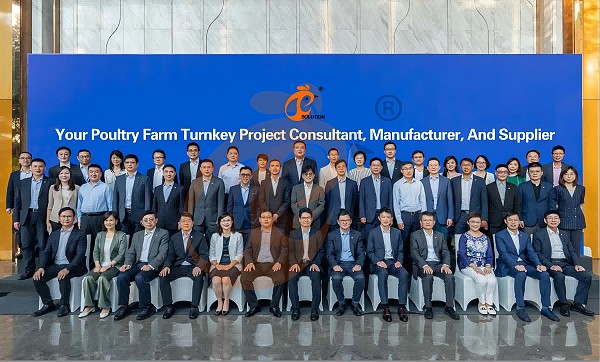
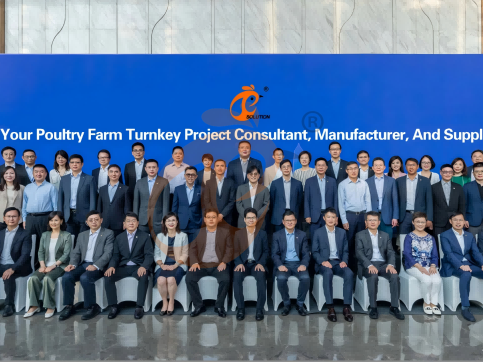
Hong Kong Headquarter Management Team
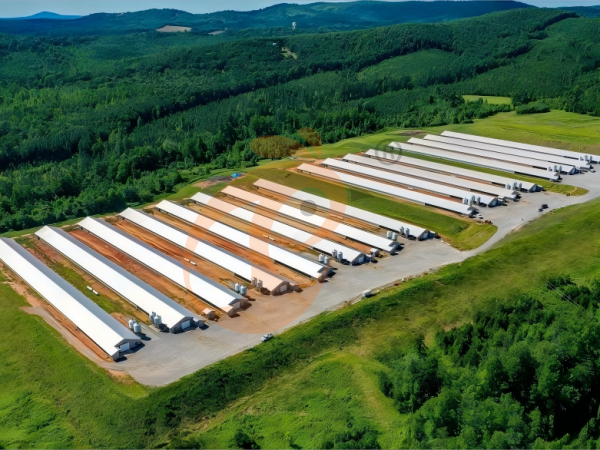
Hong Kong Headquarter Taiyu Industrial Group CO., LTD
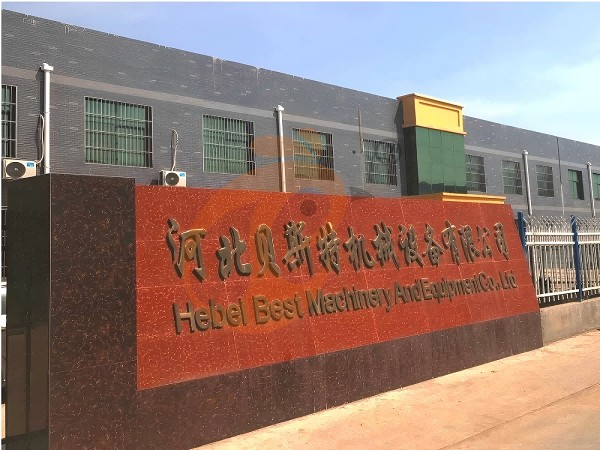
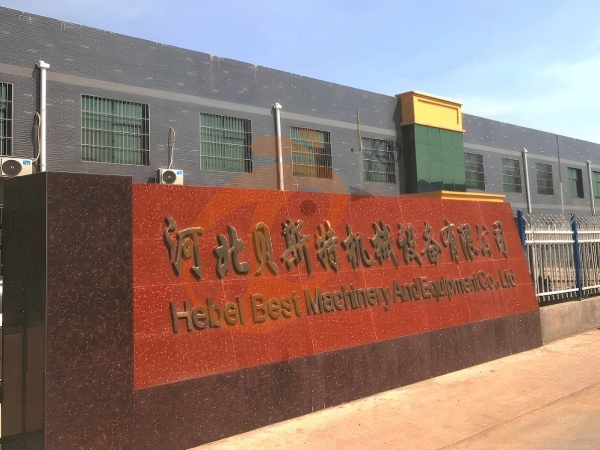
China Hebei Best Machinery And Equipment CO., LTD
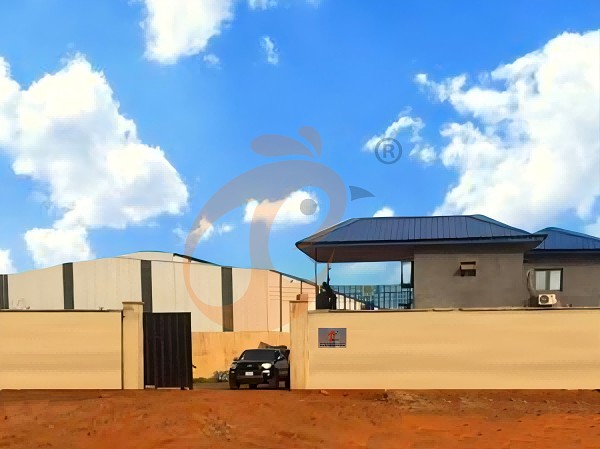
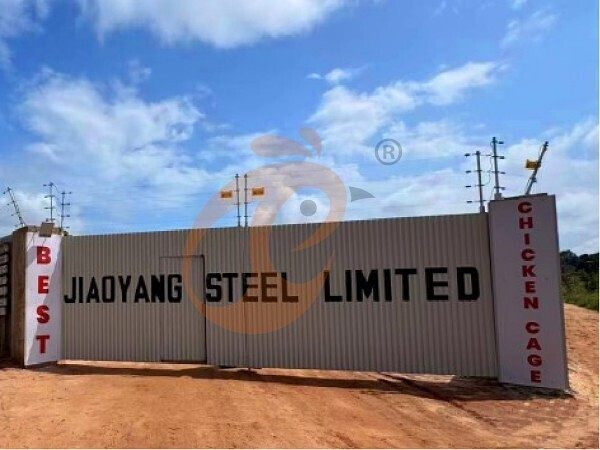
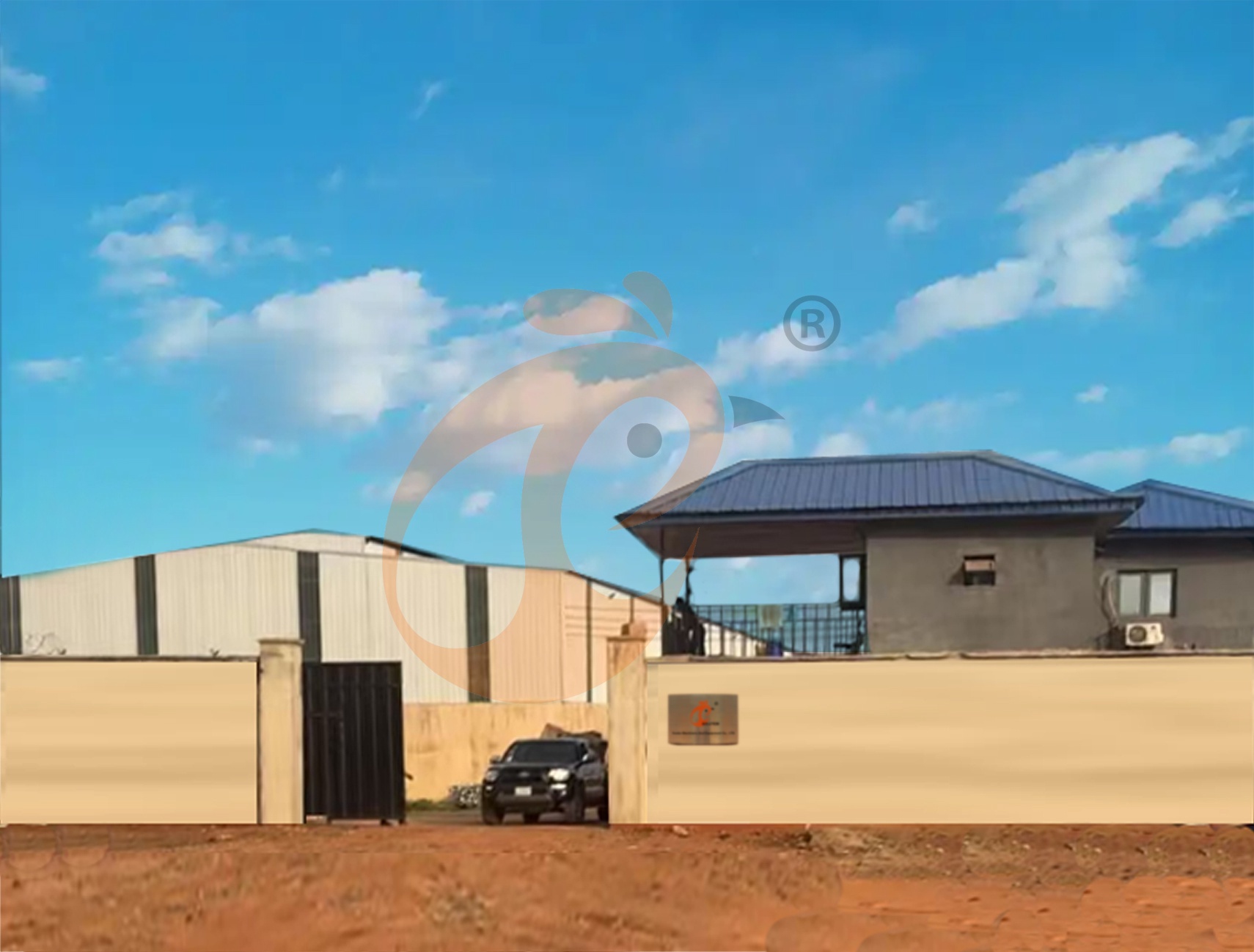
Nigeria Vanke Machinery And Equipment CO., LTD
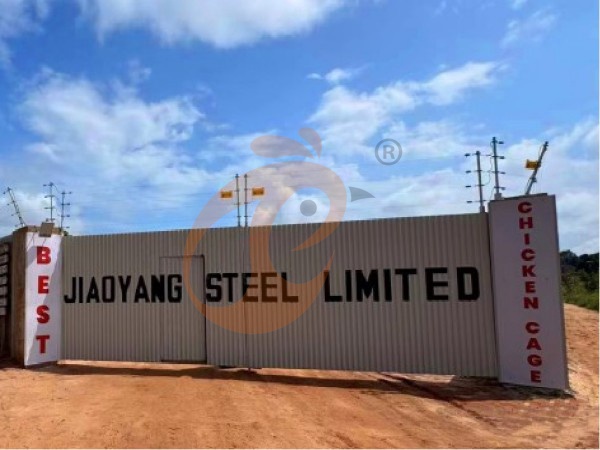
Tanzania Best Machinery And Equipment CO., LTD
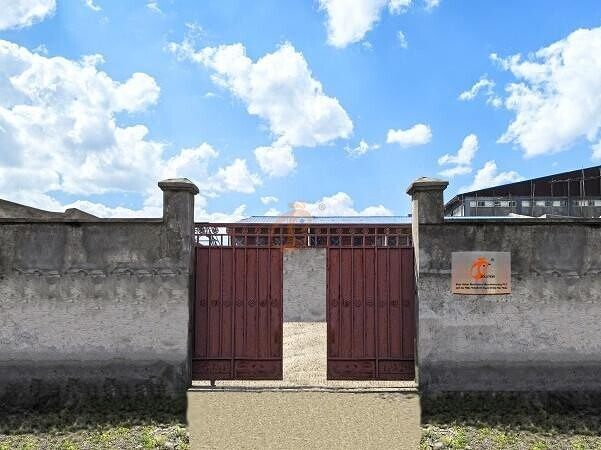
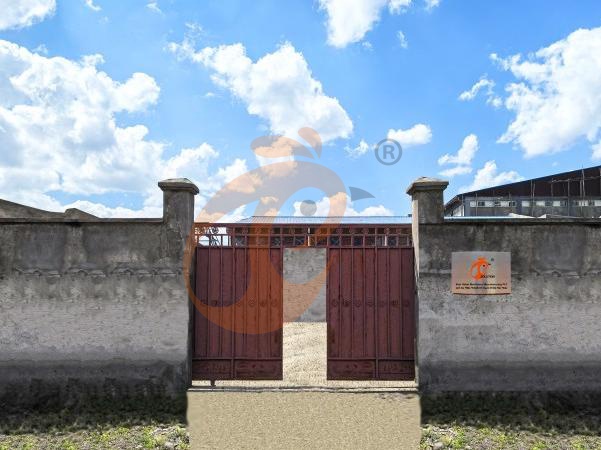
Ethiopia Best Hebei Machinery Manufacturing PLC
Reception /24 WhatsApp NO. : +8618830120193
FAQ
What Are The Most Efficient Feeding Systems For A-Type Layer Cage Farms?
Even feed distribution reduces waste
One worker manages 5,000–10,000 birds
FCR reduced to 1.9–2.2
Egg production rate: 90–96%
How To Select The Best Supplier For A-Type Chicken Cage Systems?
Ensure material quality and anti-corrosion performance
Equipment lifespan: more than 25 years
Egg production rate: 90–96%
Labor savings: 50–70%
How To Integrate Water And Feed Automation In A-Type Layer Cage System?
Automatically control flow and timing
Egg production rate: 90–96%
FCR: 1.9–2.2
Mortality rate: 2–3%
- battery cage
- battery cage system
- poultry farm
- poultry farms
- layer cage
- poultry house
- poultry cage
- cage
- poultry farm layout
- poultry farm construction
- poultry cage system
- battery cage system manufacturer
- battery cage system for poultry farm
- automatic poultry cage system
- automatic poultry cage
- battery cage system for poultry
- poultry farm project
- poultry farm investment
- poultry cage production
- poultry equipment
- manure removal system
- a type battery cage
- chickencage
- bestchickencage
- cage system
- cage system poultry farming
- battery cage system poultry
- cage systems
- h cage
- Nigeria
- large poultry farms
- poultry farming
- poultry cage systems
- poultry farm project design
- poultry feeding line
- automatic poultry feeding line
- poultry farm development
- steel poultry cage
- poultry farm structure
- poultry farm plan
- poultry farming system
- poultry feed
- Ethiopia
Message
Products recommended
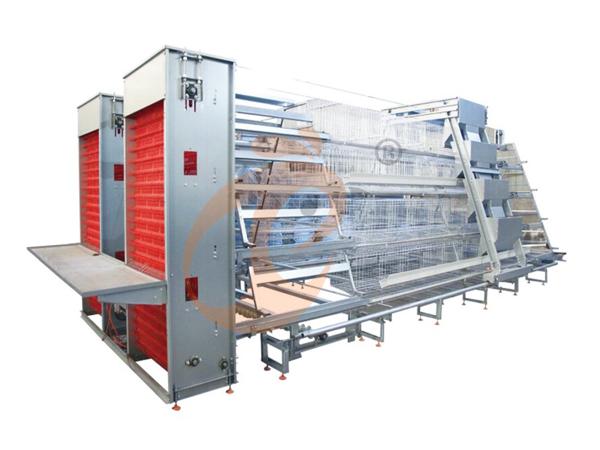
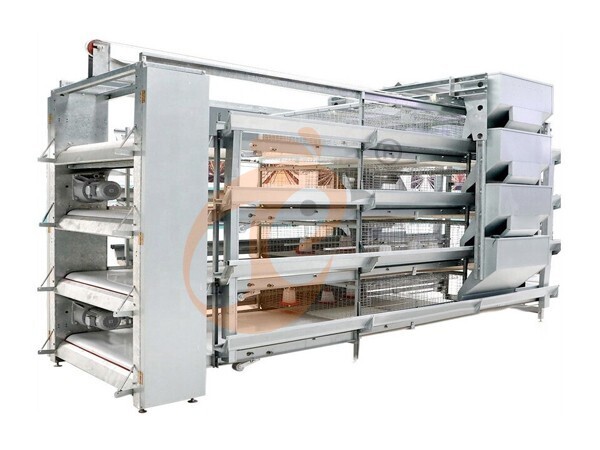
 >30,000 Pullets Automatic H Type Battery Cage1. More than 30,000 pullets a house, choose it.
2. It is designed to rearing older than 1 day old pullets to 12 to 16 weeks old chicken starting laying eggs.
3. Its lifespan is more than 25 years.
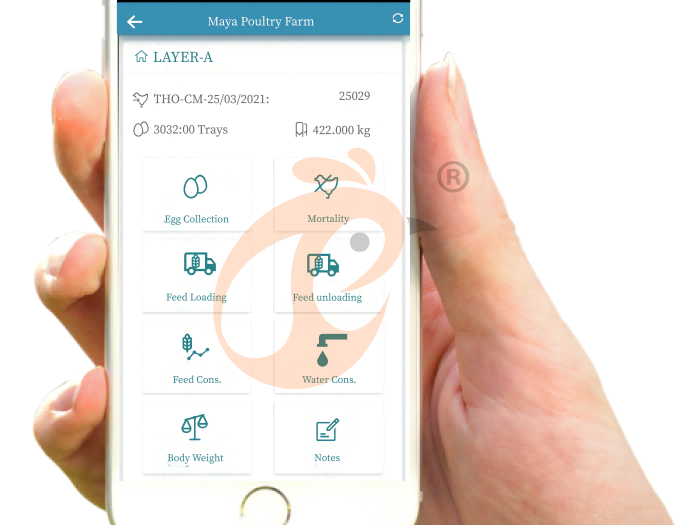
4. Its structure are Vcloud artificial intelligent fusion, electric control cabinet, automatic equipment of drinking, feeding, manure clean, manual harvesting.
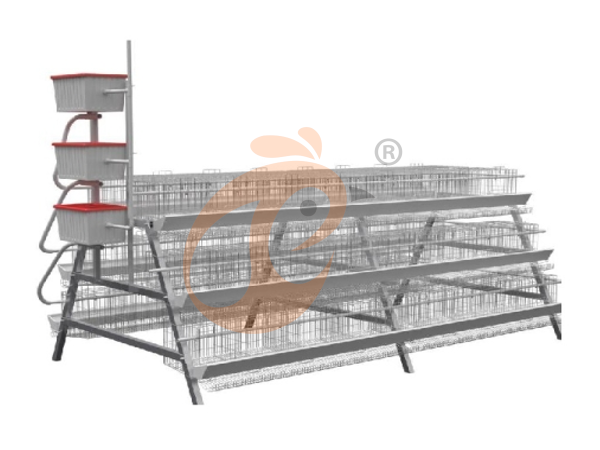
5. Our 24 hour online reception What’sApp NO. is +8618830120193 <30,000 Pullets Automatic A Type Battery Cage1. 10,000 to 30,000 pullets a house, choose it.
2. It is designed to rearing older than 1 day old pullets to 12 to 16 weeks old chicken starting laying eggs.
3. Its lifespan is more than 25 years.
4. Its structure are Vcloud artificial intelligent fusion, electric control cabinet, automatic equipment of drinking, feeding, manure clean, manual harvesting.
5. Our 24 hour online reception What’sApp NO. is +86 18830120193. >30,000 Broilers Semi-Automatic Harvest H Type Battery Cage1. More than 30,000 broilers a house, choose it.
2. It is designed to rearing 1 to 45 day old adult broiler ready for market.
3. Its lifespan is more than 20 years.
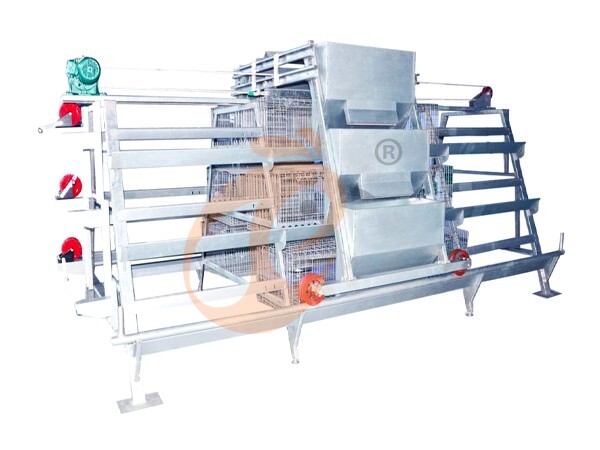
4. Our 24 hour online reception What’sApp NO. is +8618830120193, +234 8111199996. >30,000 Broilers Manual Harvest H Type Battery Cage1. More than 30,000 broilers a house, choose it.
2. It is designed to rearing 1 to 45 day old adult broiler ready for market.
3. Its lifespan is more than 20 years.
4. Its structure are Vcloud artificial intelligent fusion, electric control cabinet, automatic equipment of drinking, feeding and manure clean, manual harvesting.
5. Our 24 hour online reception What’sApp NO. is +8618830120193, +234 8111199996. <30,000 Broilers Manual Harvest A Type Battery Cage1. Less 30,000 broilers a house, choose it.
2. It is designed to rearing 1 to 45 day old adult broiler ready for market.
3. Its lifespan is more than 20 years.
4. Its structure are Vcloud artificial intelligent fusion, electric control cabinet, automatic equipment of drinking, feeding and manure clean, manual harvesting.
5. Our 24 hour online reception What’sApp NO. is +8618830120193, +234 8111199996. HK Headquarter Offers EU-standard Poultry Farm Solutions, Manufacture Poultry Farm Equipment1. Continuous communication with the EU and the US
2. China, Nigeria, Ethiopia, Tanzania branch companies and factories
3. The products’ quality is customized for local poultry farms
4. Poultry cage and poultry farm equipment stock for sale
5. 24 online reception Whatsapp NO. : +8618830120193,contact us to get full information China Branch Offer Poultry Farm Business Plan, Manufacture Poultry Farm Equipment1. Address: Flat/RM 2416, 24/F, Runxing Building, Youyi Nan Street, Shijiazhuang City, Hebei Province, China
2. Poultry cage and poultry farm equipment factory and stock for sale
3. Customized for local poultry farms
4. Quality and design are based on Euro
5. 24 online reception Whatsapp NO. : +8618830120193 Nigeria Branch Offer Poultry Farm Business Plan, Manufacture Poultry Farm Equipment1. Address: After Sinoma Office, 200 Meters Near Danco Filling Station, Lagos/Ibadan Expressway, Lagos State, Nigeria
2. Poultry cage and poultry farm equipment factory and stock for sale
3. Customized for Nigerian poultry farms
4. Quality and design are based on Euro
5. 24 online reception Whatsapp NO. : +8618830120193 Ethiopia Branch Offer Poultry Farm Business Plan, Manufacture Poultry Farm Equipment1. Address: Gelan Gura, Akaki-kaliti Sub City, Addis Ababa, Ethiopia
2. Poultry cage and poultry farm equipment stock for sale
3. Customized for Ethiopian poultry farms
4. Quality and design are based on Euro
5. 24 online reception Whatsapp NO. : +8618830120193, contact us to get price list Tanzania Branch Offer Poultry Farm Business Plan, Manufacture Poultry Farm Equipment1. Address: No.8, Sova Road, Msufini, Mlandizi, Kibaha, Pwani, Tanzania
2. Poultry cage and poultry farm equipment factory and stock for sale
3. Customized for Tanzanian poultry farms
4. Quality and design are based on Euro
5. 24 online reception Whatsapp NO. : +8618830120193


Contact