


Blog
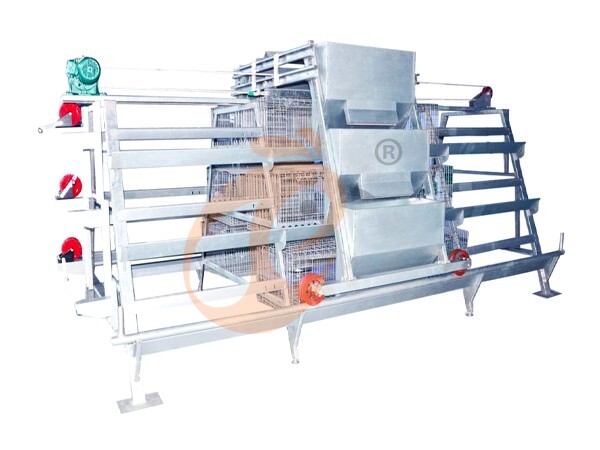
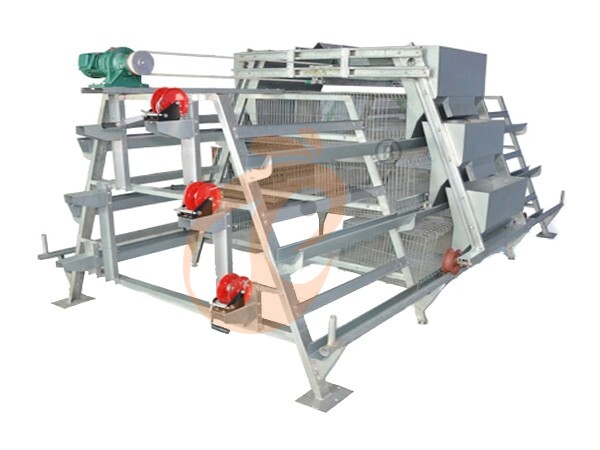
- A-type battery cage supports organized layer production with feeding, drinking, manure handling, and egg collection integration, while layer battery cage layouts support commercial egg houses targeting approximately 90% laying performance and 5–7 production days per week.
Poultry cage system selection should follow production objectives, with approximately 1.55–1.75 feed conversion and 30–45 days representing practical broiler production references.
A-type battery cage projects can combine automated equipment to reduce repetitive labor while maintaining controlled bird management and consistent daily workflows, with approximately 8–10 daily inspection points supporting routine operation.
Layer battery cage and broiler systems use different engineering priorities, making cage selection directly connected with housing layout, environmental control, and production economics, including approximately 95% equipment synchronization as an operational planning target.
- Poultry cage system planning can combine cages, feeding, drinking, manure removal, ventilation, and control equipment into an integrated solution with measurable engineering specifications and approximately 3–5 major equipment subsystems.
Get professional poultry farm construction guidance, equipment selection solutions, and the latest price lists, whatsApp to +8618830120193, click to learn more:
A-Type Layer Cage: Core Engineering Data
Data is for reference only.Swipe horizontally to view full table.
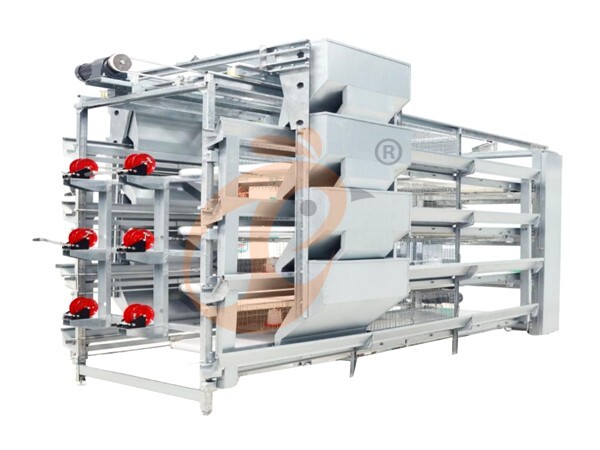
A-type layer cage configurations are commonly offered in 3- and 4-tier designs, with commercial configurations reaching 160 birds per set.
A layer battery cage can therefore provide a structured housing framework for commercial egg production.
If Your Business Is Eggs, Build Around The Egg
Buyer Profile → Equipment Requirement → Production Workflow
Small Or Medium Layer Farm
→ controlled investment
→ A-Type Battery Cage
→ automatic feeding + nipple drinking
→ manual or conveyor egg collection
→ manure removal
→ gradual automation upgrade
Commercial Layer Project
→ greater flock volume
→ 4-tier configuration
→ automatic feeding
→ automatic egg collection
→ manure conveyor
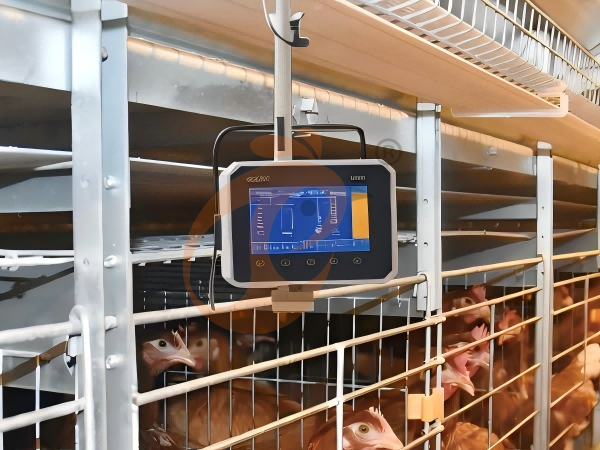
→ environmental control
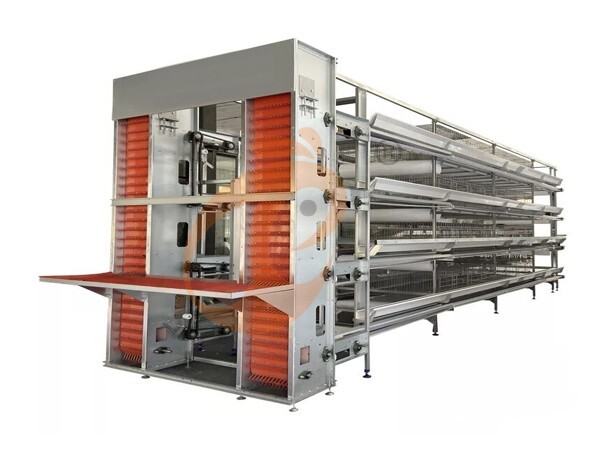
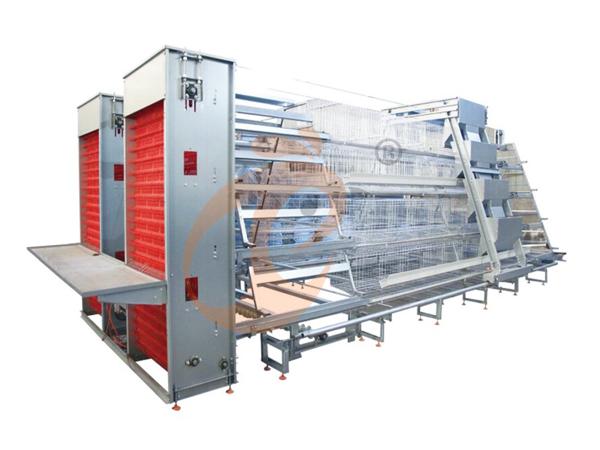
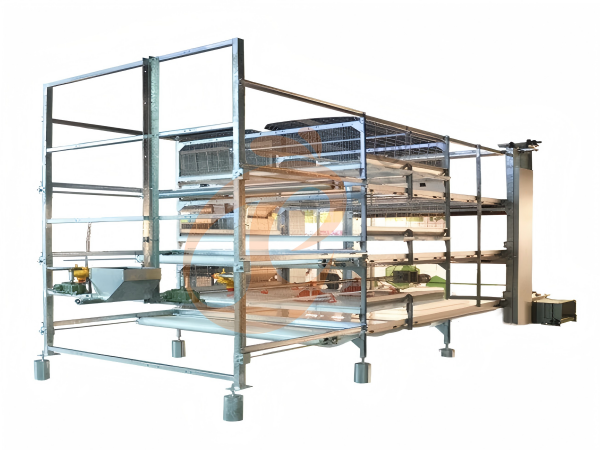
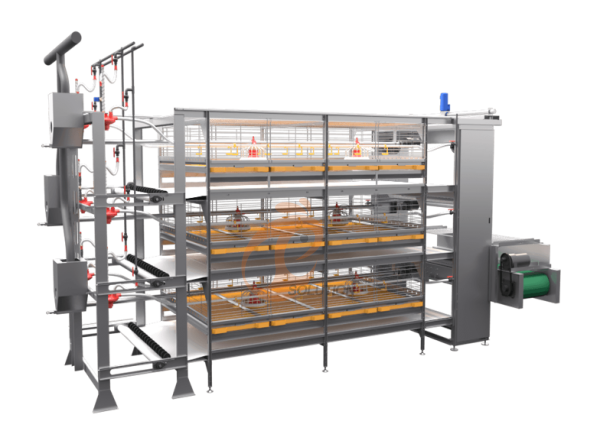
An integrated poultry cage system can connect cage rows with feeding, drinking, manure removal, ventilation, and egg-handling equipment.
Feed distribution planning may target approximately 2% feed spillage, while daily production records can be reviewed through 7-day performance cycles.
Layer And Broiler Systems: Functional Comparison
Data is for reference only.Swipe horizontally to view full table.
Commercial broiler systems are engineered around meat-bird production, while an A-type battery cage is commonly configured around laying-hen management.
A dedicated poultry cage system for broilers therefore follows different production requirements from a layer housing line.
Why Broiler Buyers Should Not Simply Copy A Layer Layout
Think of both systems as two production lines serving different products.
Layer Line:
Bird → feed → water → egg → egg conveyor → manure removal → grading/packing
Broiler Line:
Bird → feed → water → growth → environmental control → manure removal → catching/processing
That distinction changes equipment selection.
A layer battery cage may prioritize egg-transfer consistency, while a broiler poultry cage system needs stronger emphasis on environmental uniformity.
For engineering planning, a house temperature difference of approximately 2°C between monitored zones can be used as a management reference.
Our A-type battery cage solution can therefore be designed around the complete layer workflow rather than copied from a broiler project.
A-Type Cage Options For Different Layer Projects
Data is for reference only.Swipe horizontally to view full table.
Set quantities are calculated from nominal cage capacity and should be adjusted for the actual house layout, service aisles, pullet requirements, and management design.
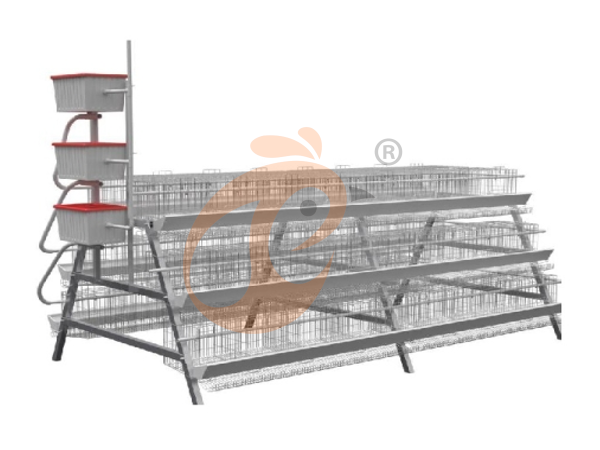
An A-type battery cage can accommodate different farm scales through modular arrangements.
A layer battery cage project can also reserve approximately 8–12% of usable house space for service access and maintenance planning.
The Equipment Package Matters More Than The Cage Alone
A cage is only one component of a modern poultry production system.
Recommended Layer Package
- A-Type battery cage
- Automatic feeding line
- Nipple drinking line
- Egg collection equipment
- Manure cleaning equipment
- Ventilation fans
- Cooling system
- Environmental controller
- Lighting system
A complete poultry cage system should connect each subsystem around one operating workflow.
An automated feeding system can use approximately 1.1 kW geared drive equipment, while ventilation planning may be calculated around 12–18 air changes per hour according to house design.
An A-type battery cage supplier should therefore provide coordinated equipment specifications rather than only individual cage components.
Broiler Cage Engineering Reference
Data is for reference only.Swipe horizontally to view full table.
Broiler cage specifications vary according to manufacturer and project design.
An A-type battery cage should not be substituted into a broiler project simply because both systems use galvanized steel structures.
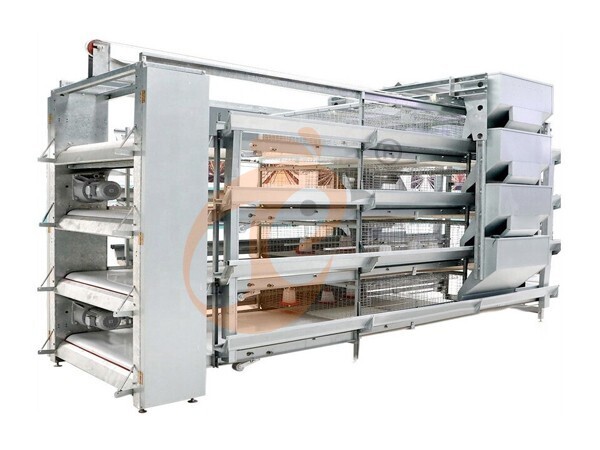
A dedicated poultry cage system must instead correspond with the bird type, building dimensions, ventilation strategy, and harvesting process.
A Practical Purchasing Checklist For Farm Owners
Before requesting a quotation, prepare five pieces of information.
01 — Production:
State whether the farm will produce eggs or broiler meat.
This determines whether an A-type battery cage or dedicated broiler configuration should become the primary housing system.
02 — Building:
Provide house length, width, and usable internal space.
A poultry cage system layout should include approximately 8–12% service access allowance where project conditions require it.
03 — Automation:
Decide whether feeding, manure removal, and egg handling should be manual, semi-automatic, or automatic.
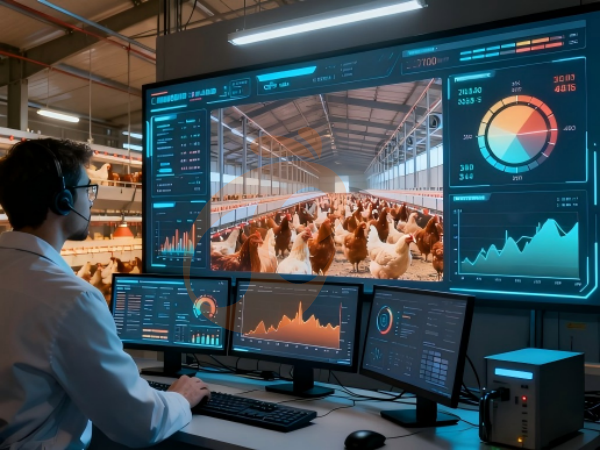
A centralized layer battery cage project can incorporate approximately 24-hour monitoring for equipment operation.
04 — Climate:
Temperature, humidity, and ventilation conditions influence equipment selection.
A planning reference of approximately 55–70% relative humidity can support environmental-system calculations.
05 — Expansion:
If capacity may increase, select a modular A-type battery cage arrangement that allows additional rows without rebuilding the complete house.
Automation Components And Working Parameters
Data is for reference only.Swipe horizontally to view full table.
Automation specifications should be matched to house length, cage arrangement, climate-control requirements, and electrical infrastructure.
An A-type battery cage project can incorporate automatic feeding, drinking, manure removal, and egg collection according to the required automation level.
A complete poultry cage system should be engineered as one electrical and mechanical network rather than as isolated machines.
Investment Logic: Where The Equipment Creates Value
Data is for reference only.Swipe horizontally to view full table.
A professional quotation should show cage, feeding, drinking, manure, ventilation, electrical control, installation, and optional automation as one coordinated package.
For commercial planning, equipment budgeting can use approximately US$24–36 months as a planning period for return analysis, with actual results depending
on feed costs, egg prices, labor, flock performance, and construction conditions.
European union standard reference only.
A layer battery cage project should be evaluated through total operating workflow rather than cage purchase price alone.
Final Selection: Match The Cage To The Business Model
Data is for reference only.Swipe horizontally to view full table.
Choose an A-type battery cage when commercial egg production is the core business.
Layer projects can connect the cage with feeding, drinking, manure removal, ventilation, lighting, and egg collection equipment.
Choose a dedicated broiler configuration when meat production is the core business.
A poultry cage system for broilers should center on growth management, ventilation, feeding, drinking, manure handling, and harvesting.
For poultry equipment buyers, the key engineering question is whether the complete system matches the production process.
Frequently Asked Questions
Q1: What is the main difference between an A-type battery cage and a broiler cage?
An A-type battery cage is primarily structured for laying hens and integrates egg collection into the production workflow.
A broiler cage system instead focuses on meat-bird growth and harvesting, with environmental control receiving greater equipment attention.
Q2: Can an A-type battery cage be used for boilers?
An A-type battery cage should not automatically be treated as a universal broiler solution.
Bird requirements, cage dimensions, ventilation, feeding, manure handling, and harvesting design should be checked before selecting a poultry cage system.
Q3: What equipment should be purchased with a layer battery cage?
A layer battery cage can be combined with automatic feeding, nipple drinking, egg collection, manure removal, ventilation, cooling, lighting, and environmental control.
For a commercial project, an integrated equipment layout can reduce duplicated engineering work and simplify system commissioning.
Taiyu (HK) Group - One Of China Toppest A-Type Battery Cage Manufacturer
A-type battery cage solutions use modular galvanized structures, multi-tier configurations, and integrated feeding, drinking, manure, egg-collection, and environmental-control interfaces for commercial layer houses, with project planning supporting 10,000+ birds and multiple automated subsystems
Global factory direct sales provide direct poultry equipment sourcing, engineering communication, production coordination, inspection support, and shipment preparation from manufacturing facilities, with project documentation coordinated through single-point technical communication
Poultry equipment packages cover layer cages, broiler cage systems, feeding lines, drinking systems, manure equipment, ventilation equipment, cooling systems, lighting, and control cabinets, supporting complete-house equipment integration
Turn-key engineering coordinates house layout, equipment configuration, electrical interfaces, installation planning, commissioning, operator guidance, and project-specific technical documentation, with installation schedules commonly divided into equipment assembly and commissioning stages
International project support connects equipment manufacturing with container loading, spare-parts planning, technical drawings, installation coordination, and after-sales engineering communication, with 24-hour technical response planning available for project coordination
Contact Us To Received Your Customized Poultry Farm Plan
Headquarters And Branchs
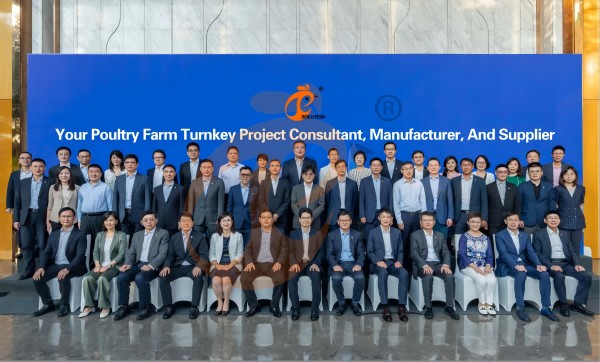
Hong Kong Headquarter Management Team
Hong Kong Headquarter Taiyu Industrial Group CO., LTD
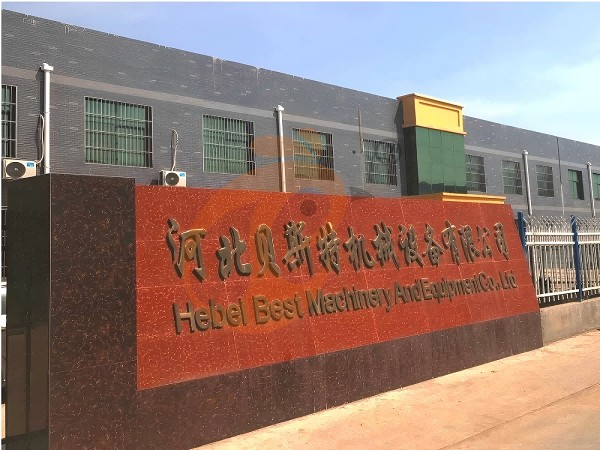
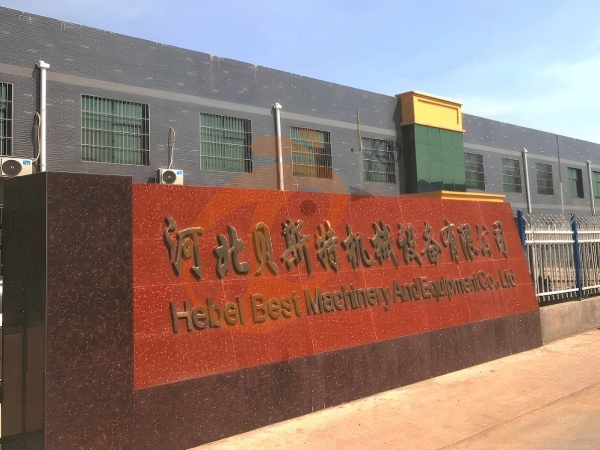
China Hebei Best Machinery And Equipment CO., LTD
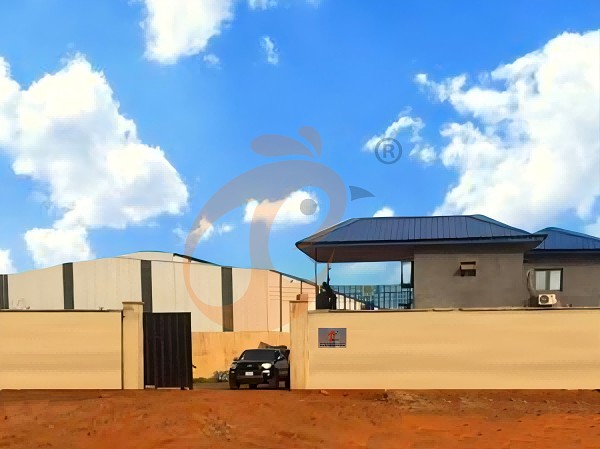
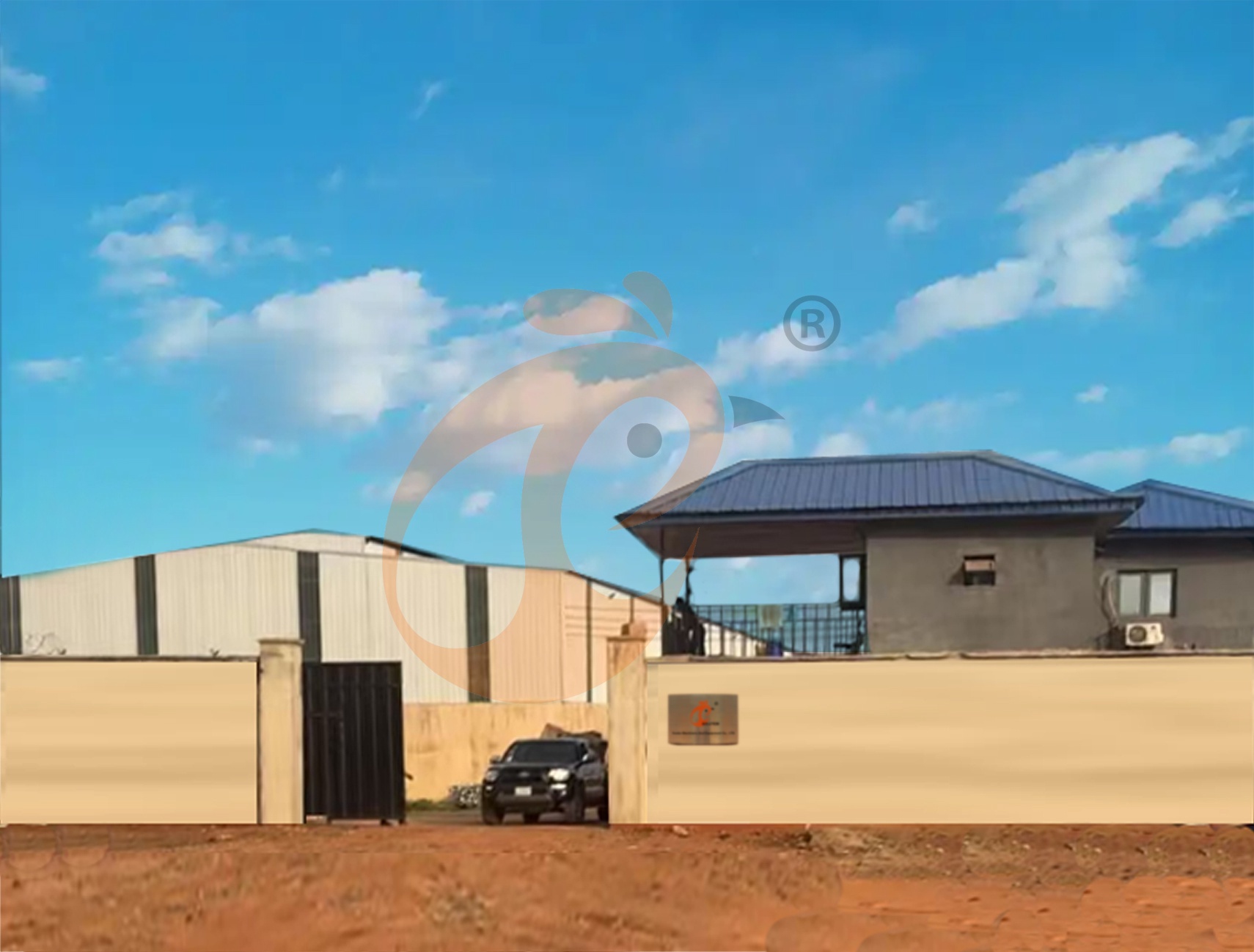
Nigeria Vanke Machinery And Equipment CO., LTD
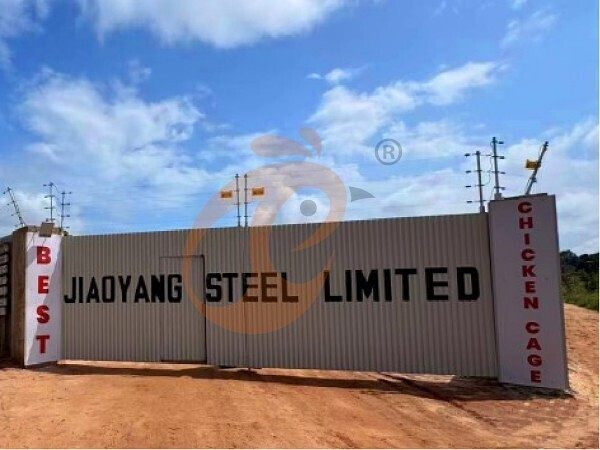
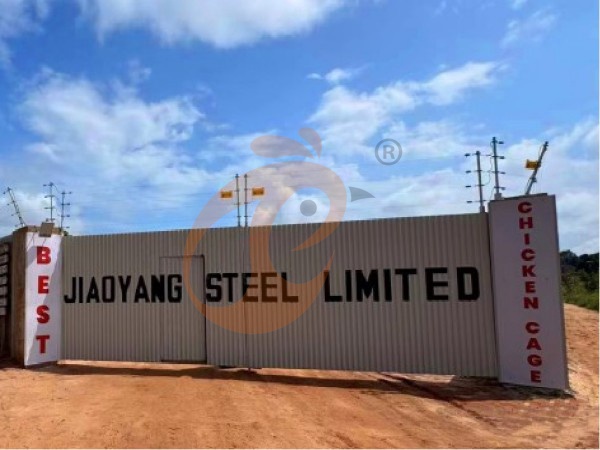
Tanzania Best Machinery And Equipment CO., LTD
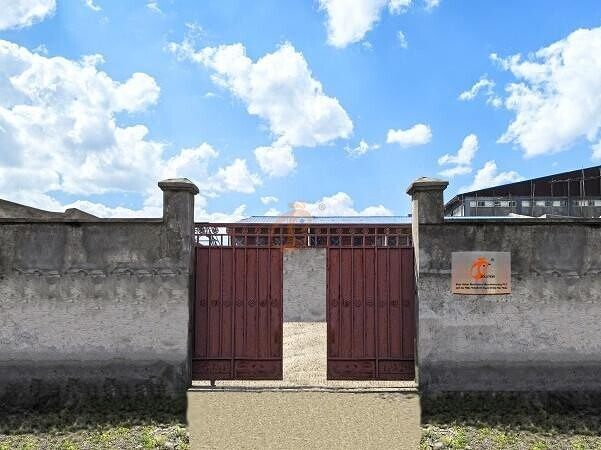
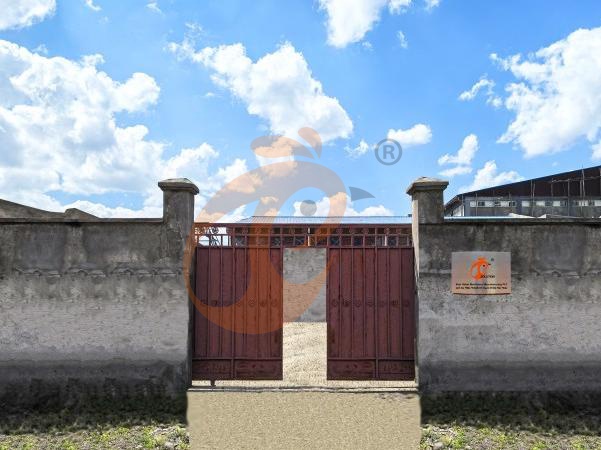
Ethiopia Best Hebei Machinery Manufacturing PLC
Reception /24 WhatsApp NO. : +8618830120193
FAQ
What Are The Most Efficient Feeding Systems For A-Type Layer Cage Farms?
Even feed distribution reduces waste
One worker manages 5,000–10,000 birds
FCR reduced to 1.9–2.2
Egg production rate: 90–96%
How To Select The Best Supplier For A-Type Chicken Cage Systems?
Ensure material quality and anti-corrosion performance
Equipment lifespan: more than 25 years
Egg production rate: 90–96%
Labor savings: 50–70%
How To Integrate Water And Feed Automation In A-Type Layer Cage System?
Automatically control flow and timing
Egg production rate: 90–96%
FCR: 1.9–2.2
Mortality rate: 2–3%
- battery cage
- poultry farm
- layer cages
- broiler cage
- layer cage
- poultry cage
- cage
- poultry farm construction
- battery cage manufacturer
- battery cage supplier
- layer battery cage
- poultry cage system
- poultry cage system for broiler
- broiler cage system
- poultry cage system for broilers
- broiler poultry cage system
- broiler poultry cage
- battery cage project
- battery cage layout
- broiler cage specifications
- poultry equipment
- egg collection equipment
- chickencage
- bestchickencage
- cage system
- cage system for broiler
- cage systems
- Nigeria
- layer farm
- broiler cage specification
- poultry equipment sourcing
- cage manufacturer
- cage supplier
- automatic egg collection
- poultry farm plan
- Ethiopia
Message
Products recommended
 >30,000 Pullets Automatic H Type Battery Cage1. More than 30,000 pullets a house, choose it.
2. It is designed to rearing older than 1 day old pullets to 12 to 16 weeks old chicken starting laying eggs.
3. Its lifespan is more than 25 years.
4. Its structure are Vcloud artificial intelligent fusion, electric control cabinet, automatic equipment of drinking, feeding, manure clean, manual harvesting.
5. Our 24 hour online reception What’sApp NO. is +8618830120193 <30,000 Pullets Automatic A Type Battery Cage1. 10,000 to 30,000 pullets a house, choose it.
2. It is designed to rearing older than 1 day old pullets to 12 to 16 weeks old chicken starting laying eggs.
3. Its lifespan is more than 25 years.
4. Its structure are Vcloud artificial intelligent fusion, electric control cabinet, automatic equipment of drinking, feeding, manure clean, manual harvesting.
5. Our 24 hour online reception What’sApp NO. is +86 18830120193. >30,000 Broilers Semi-Automatic Harvest H Type Battery Cage1. More than 30,000 broilers a house, choose it.
2. It is designed to rearing 1 to 45 day old adult broiler ready for market.
3. Its lifespan is more than 20 years.
4. Our 24 hour online reception What’sApp NO. is +8618830120193, +234 8111199996. >30,000 Broilers Manual Harvest H Type Battery Cage1. More than 30,000 broilers a house, choose it.
2. It is designed to rearing 1 to 45 day old adult broiler ready for market.
3. Its lifespan is more than 20 years.
4. Its structure are Vcloud artificial intelligent fusion, electric control cabinet, automatic equipment of drinking, feeding and manure clean, manual harvesting.
5. Our 24 hour online reception What’sApp NO. is +8618830120193, +234 8111199996. <30,000 Broilers Manual Harvest A Type Battery Cage1. Less 30,000 broilers a house, choose it.
2. It is designed to rearing 1 to 45 day old adult broiler ready for market.
3. Its lifespan is more than 20 years.
4. Its structure are Vcloud artificial intelligent fusion, electric control cabinet, automatic equipment of drinking, feeding and manure clean, manual harvesting.
5. Our 24 hour online reception What’sApp NO. is +8618830120193, +234 8111199996. HK Headquarter Offers EU-standard Poultry Farm Solutions, Manufacture Poultry Farm Equipment1. Continuous communication with the EU and the US
2. China, Nigeria, Ethiopia, Tanzania branch companies and factories
3. The products’ quality is customized for local poultry farms
4. Poultry cage and poultry farm equipment stock for sale
5. 24 online reception Whatsapp NO. : +8618830120193,contact us to get full information China Branch Offer Poultry Farm Business Plan, Manufacture Poultry Farm Equipment1. Address: Flat/RM 2416, 24/F, Runxing Building, Youyi Nan Street, Shijiazhuang City, Hebei Province, China
2. Poultry cage and poultry farm equipment factory and stock for sale
3. Customized for local poultry farms
4. Quality and design are based on Euro
5. 24 online reception Whatsapp NO. : +8618830120193 Nigeria Branch Offer Poultry Farm Business Plan, Manufacture Poultry Farm Equipment1. Address: After Sinoma Office, 200 Meters Near Danco Filling Station, Lagos/Ibadan Expressway, Lagos State, Nigeria
2. Poultry cage and poultry farm equipment factory and stock for sale
3. Customized for Nigerian poultry farms
4. Quality and design are based on Euro
5. 24 online reception Whatsapp NO. : +8618830120193 Ethiopia Branch Offer Poultry Farm Business Plan, Manufacture Poultry Farm Equipment1. Address: Gelan Gura, Akaki-kaliti Sub City, Addis Ababa, Ethiopia
2. Poultry cage and poultry farm equipment stock for sale
3. Customized for Ethiopian poultry farms
4. Quality and design are based on Euro
5. 24 online reception Whatsapp NO. : +8618830120193, contact us to get price list Tanzania Branch Offer Poultry Farm Business Plan, Manufacture Poultry Farm Equipment1. Address: No.8, Sova Road, Msufini, Mlandizi, Kibaha, Pwani, Tanzania
2. Poultry cage and poultry farm equipment factory and stock for sale
3. Customized for Tanzanian poultry farms
4. Quality and design are based on Euro
5. 24 online reception Whatsapp NO. : +8618830120193


Contact