


Blog
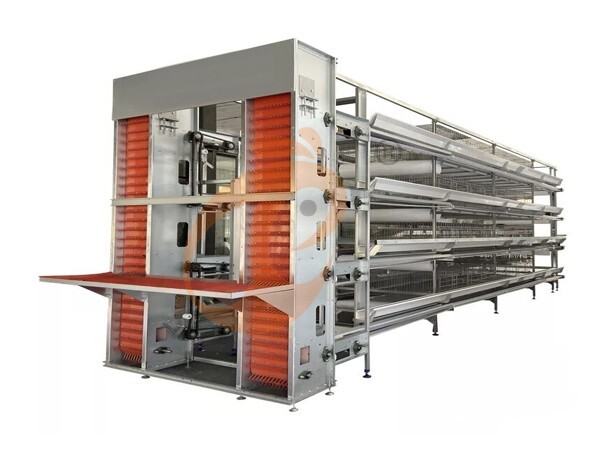
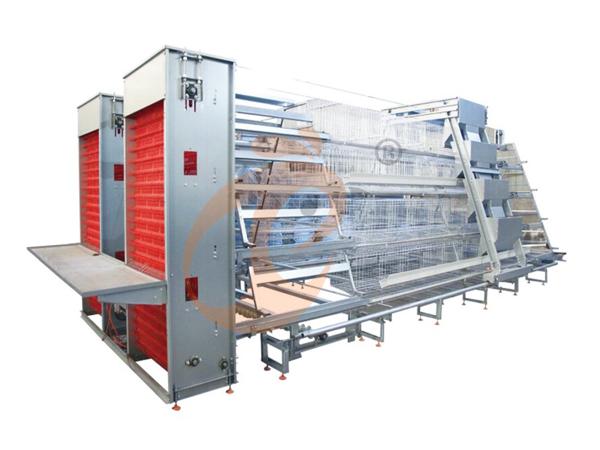
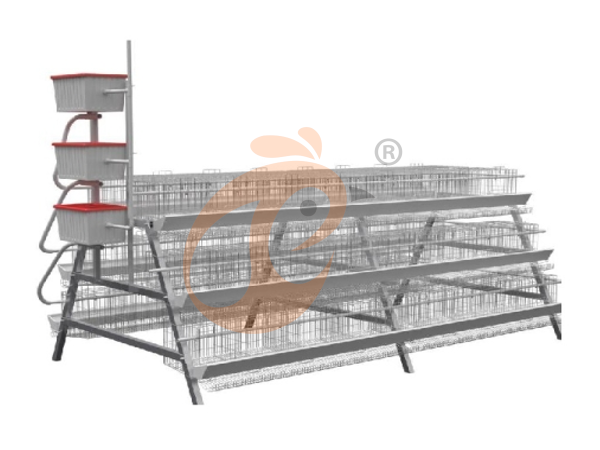
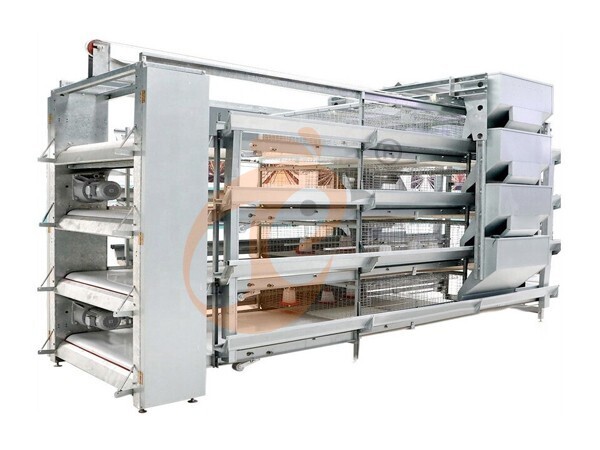
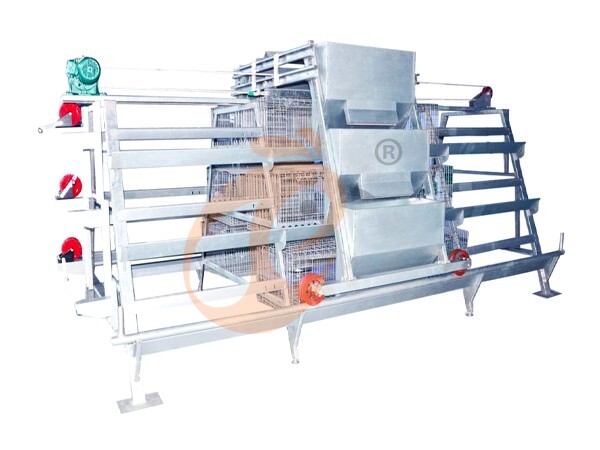
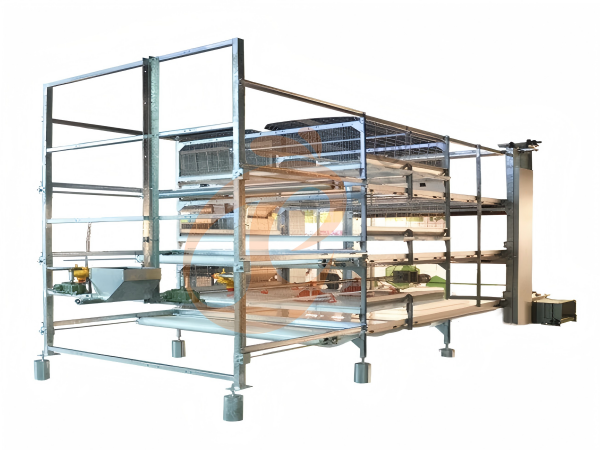
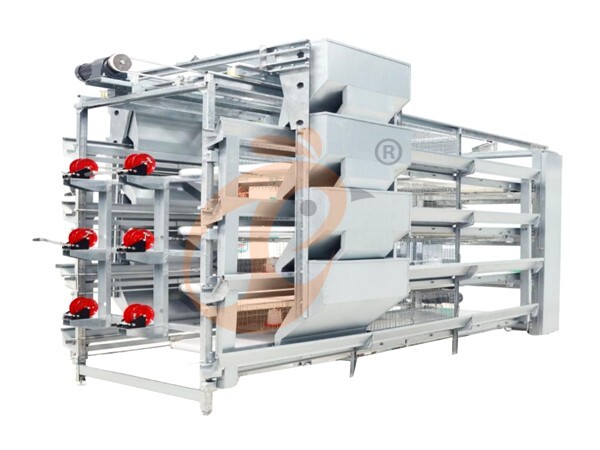
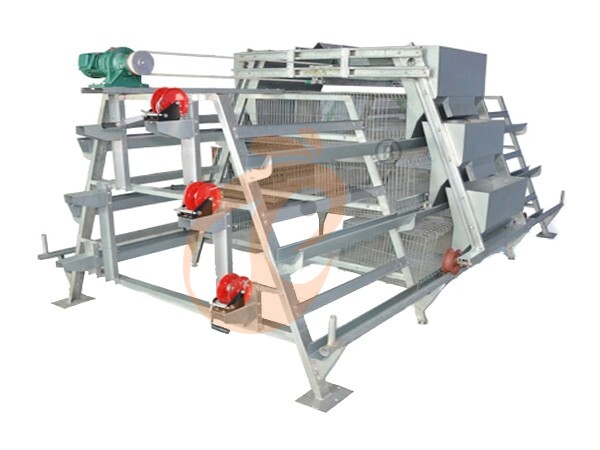
H type chicken battery cages combine structural engineering, automation compatibility, and commercial poultry-house planning, with configurations reaching 4–16 tiers for different production requirements
H type layer chicken cages require measurable steel, wire, galvanizing, dimensional, and load-bearing specifications rather than origin-based purchasing assumptions
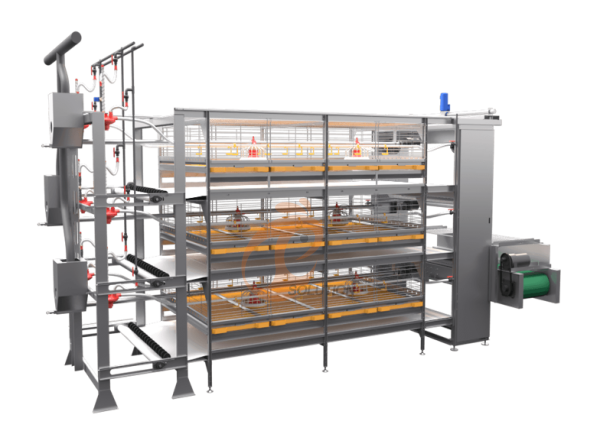
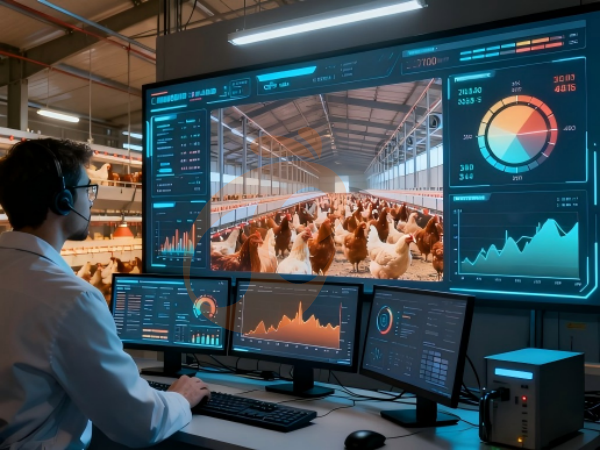
Automatic poultry cage systems integrate feeding, drinking, manure removal, egg collection, ventilation, and environmental-control equipment into coordinated production lines
Imported and local H type chicken battery cages can differ in customization, logistics, spare-parts supply, installation support, and total ownership costs
- Professional equipment selection therefore connects cage specifications with house dimensions, flock capacity, automation requirements, installation engineering, and long-term poultry production efficiency
Get professional poultry farm construction guidance, equipment selection solutions, and the latest price lists, whatsApp to +8618830120193, click to learn more:
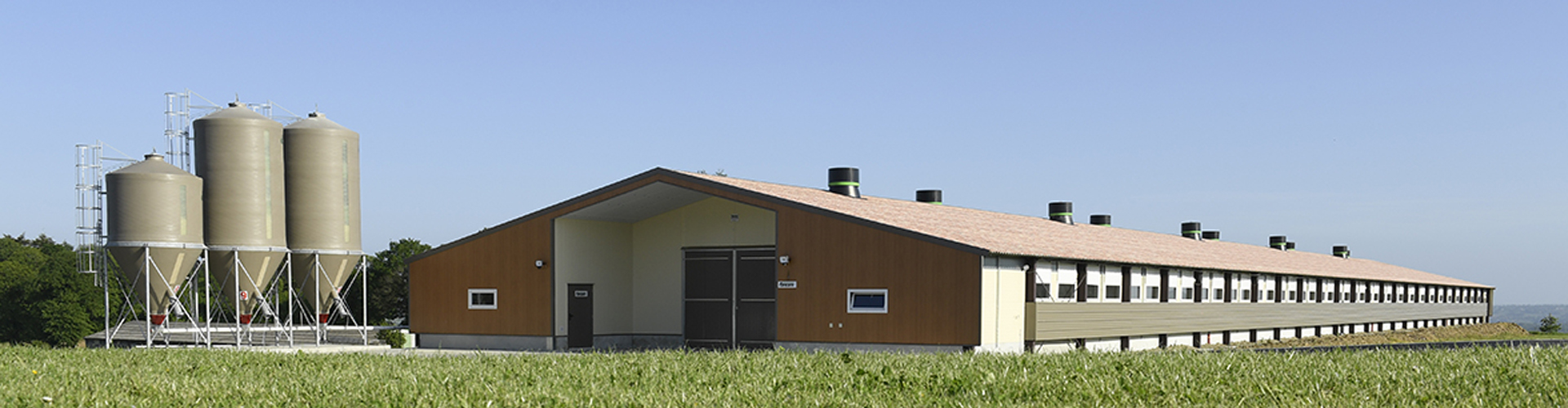
Quality Starts With Engineering, Not Country Of Origin
For commercial poultry farms, the word ''imported'' does not by itself define equipment quality.
A practical evaluation should begin with the engineering specifications of the H type chicken battery cages, including structural design, material selection, corrosion protection, automation compatibility, and manufacturing accuracy.
A professionally engineered H type chicken battery cages system can be configured for 4–16 tiers, depending on the poultry-house design and production requirements.
Current commercial automatic poultry cage systems also integrate feeding, drinking, manure removal, egg collection, ventilation, and environmental-control equipment into one production line.
The purchasing question should therefore be changed from ''Is imported better?'' to ''Which manufacturer provides the specifications, production control, and complete equipment configuration required by my farm?''
Material & Structural Specification Comparison
Data is for reference only.Swipe horizontally to view full table.
The technical values above represent published commercial H type chicken battery cages configurations rather than a universal standard.
Actual specifications should be confirmed against the manufacturer's engineering drawing and local production requirements.
Five Factory Checks Before You Compare Quotations
Check 1 — Ask For The Steel Specification.
Do not accept a quotation that only states ''galvanized steel.''
Request the material designation and measurable dimensions; for example, a published H type layer chicken cages system may use Q235 steel with structural components around 2.0–2.5 mm.
Check 2 — Inspect The Galvanizing Process.
A poultry house contains moisture and ammonia, so surface treatment deserves direct attention.
Some commercial H type chicken battery cages systems specify zinc coatings in the 80–100 μm range, while other manufacturers publish coating mass rather than thickness.
Check 3 — Test Dimensional Consistency.
A cage system should maintain consistent dimensions across repeated modules.
Published H type layer chicken cages designs include cell dimensions such as 60 × 62.5 × 48 cm, giving buyers a concrete reference for inspection.
Check 4 — Inspect The Automation Interface.
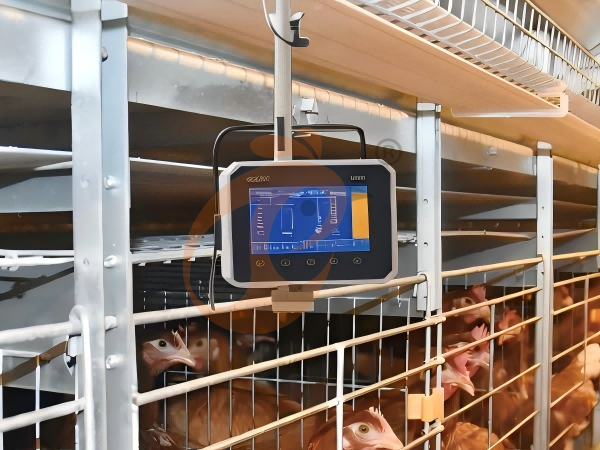
The cage should be designed to work with the feeding, drinking, manure, and egg-collection systems rather than treating these components as unrelated accessories.
Check 5 — Request The Installation Drawing.
The drawing should identify the cage arrangement, equipment interfaces, access areas, and electrical/mechanical connection points before production begins.
H Type Configuration & Capacity Data
Data is for reference only.Swipe horizontally to view full table.
These dimensions represent the supplied H type chicken battery cages configuration data.
The four configurations provide 128, 256, 384, and 512 birds per set, respectively, allowing project capacity to be matched with different poultry-house layouts.
Imagine Two Farms Buying The Same Type Of Cage
Farm A selects H type chicken battery cages only from a supplier's product photograph.
The quotation lists the cage, but the farmer does not receive detailed drawings before payment.
The project later requires adjustments to connect the feeding and manure-removal equipment.
Farm B requests a complete technical package before ordering.
The supplier provides the cage arrangement, equipment list, electrical requirements, installation drawings, and commissioning plan.
The farm can therefore check whether the system fits the building before manufacturing starts.
The difference is not necessarily ''imported versus local.''
It is engineering preparation.
For an automatic poultry cage system project, even a seemingly small dimensional issue can affect installation.
One supplied commercial configuration uses a 1.25 × 1.25 × 3.3 m unit size for a four-tier system, demonstrating why buyers should work from exact drawings rather than general product descriptions.
Durability And Corrosion Resistance
Data is for reference only.Swipe horizontally to view full table.
Poultry houses can contain moisture, dust, ammonia, and other corrosive factors.
Therefore, H type layer chicken cages durability should be evaluated according to the actual farm environment, not simply the manufacturing location.
For this reason, manufacturers that understand poultry-house conditions can provide useful advantages when selecting materials and protective treatments.
Automation Specification Comparison
Data is for reference only.Swipe horizontally to view full table.
Published equipment configurations show that automatic poultry cage systems can integrate automatic feeding, egg collection, manure removal, and drinking-water systems.
Specific components should be matched to cage dimensions and the farm's electrical and mechanical design.
Why The Complete System Matters
Cage → Automation → Labor → Farm Management
An H type chicken battery cages system should be purchased as part of a production system rather than as an isolated metal structure.
For example, an automatic feeding line can be engineered around 45–60 mm feed-line piping, while the water distribution network may use a 25–32 mm main line.
These parameters need to be coordinated with the cage arrangement, house length, water source, and feed-delivery layout.
When the cage manufacturer also supplies the automatic poultry cage system, the project can be engineered around one set of drawings.
This can simplify installation, commissioning, spare-parts management, and future system expansion.
Galvanizing & Component Specification Comparison
Data is for reference only.Swipe horizontally to view full table.
Different manufacturers use different materials and measurement methods, so these figures should be treated as configuration references rather than interchangeable specifications.
Published systems specify both 275 g/m² coating mass and 80–100 μm coating thickness in different product configurations.
European union standard reference only.
Buyer FAQ: What Should Be Written Into The Contract?
''How Can I Verify Cage Quality?''
Specify measurable material and dimensional requirements in the purchase contract.
For example, the contract can identify cage-wire diameter, mesh dimensions, frame material, and galvanizing requirements instead of using vague descriptions.
''Should I Buy The Cage And Automation Separately?''
For a commercial project, integrated supply can simplify system matching.
A complete automatic poultry cage system may include feeding, drinking, manure removal, egg collection, ventilation, lighting, and environmental control.
''Can The Equipment Be Customized?''
Yes.
H type layer chicken cages can be configured according to poultry-house dimensions, number of tiers, rows, flock capacity, and automation requirements.
Production & Quality-Control Data
Data is for reference only.Swipe horizontally to view full table.
A professional manufacturer should be able to convert these specifications into a documented production and inspection process.
Automated mesh welding and digital bending equipment are also used by some cage manufacturers to improve manufacturing consistency.
A Technical Decision Path For Buyers
Start With The Poultry House
Measure the building's internal length, width, usable height, ventilation arrangement, service corridors, and equipment-entry route for the planned H type chicken battery cages.
Then Determine The Cage Configuration
Select the required number of tiers and rows according to flock capacity and building geometry.
The supplied H type layer chicken cages configuration includes 4, 8, 12, and 16 tiers, while corresponding sets accommodate 128, 256, 384, and 512 birds.
Next, Engineer The Automation
Match the feeding line, water system, manure belts, egg conveyors, motors, control system, and ventilation equipment to the selected cage structure.
Finally, Compare Suppliers By Documentation
Ask each supplier to provide the same technical information.
When every quotation uses measurable parameters, the difference between two automatic poultry cage systems becomes much easier to evaluate.
Build Your H Type Cage Project Around Measurable Specifications
Data is for reference only.Swipe horizontally to view full table.
The comparison between imported and local H type chicken battery cages becomes much clearer when buyers focus on measurable engineering data rather than origin labels.
Published commercial systems demonstrate that specifications can vary considerably between manufacturers, which is why a professional quotation should identify the exact configuration being offered.
For poultry farms investing in a complete equipment project, the cage itself is only one part of the solution.
H type chicken battery cages, automatic feeding, nipple drinking, manure removal, egg collection, ventilation, lighting, and environmental control should be engineered as one integrated system.
Frequently Asked Questions
Q1: What determines H type chicken battery cages quality beyond country of origin?
Material specifications, structural engineering, galvanizing, dimensional accuracy, automation integration, manufacturing control, installation, and spare-parts support provide measurable purchasing criteria.
Q2: Can imported and locally manufactured H type layer chicken cages use similar technical specifications?
Yes.
Commercial systems can use comparable steel grades and cage dimensions, while individual manufacturers may specify different configurations such as 2.2–2.8 mm wire diameters.
Q3: Why should an automatic poultry cage system be evaluated as a complete project?
Feeding, drinking, egg collection, manure removal, ventilation, and electrical controls must operate together, so engineering coordination can directly affect installation and daily farm management.
Taiyu (HK) Group - One Of China Toppest H Type Chicken Battery Cages Manufacturer
H type chicken battery cages are engineered as multi-tier galvanized layer housing systems, with commercial configurations supporting 4–16 tiers according to building dimensions and project requirements
Global factory-direct supply integrates poultry equipment covering cage systems, feeding, drinking, manure removal, egg collection, ventilation, lighting, and environmental-control equipment
Turn-key engineering follows a project sequence covering poultry-house measurement, system layout, equipment configuration, manufacturing, shipment, installation, commissioning, and technical documentation
International project supply supports farm development through coordinated equipment production, spare-parts planning, installation guidance, and engineering communication from one manufacturing source
Commercial quotations can be structured around measurable cage specifications, automation configuration, building conditions, flock capacity, and complete poultry equipment requirements
Contact Us To Received Your Customized Poultry Farm Plan
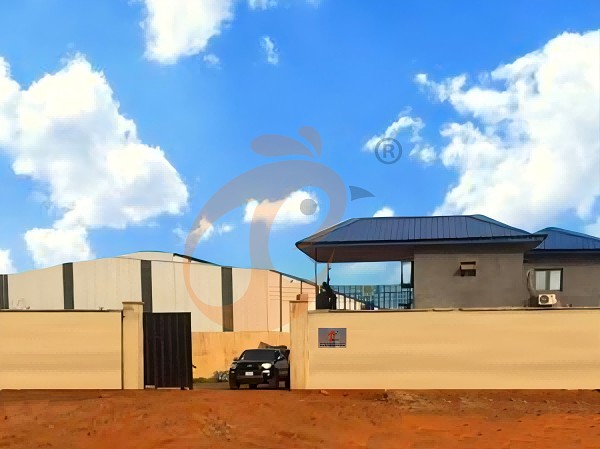
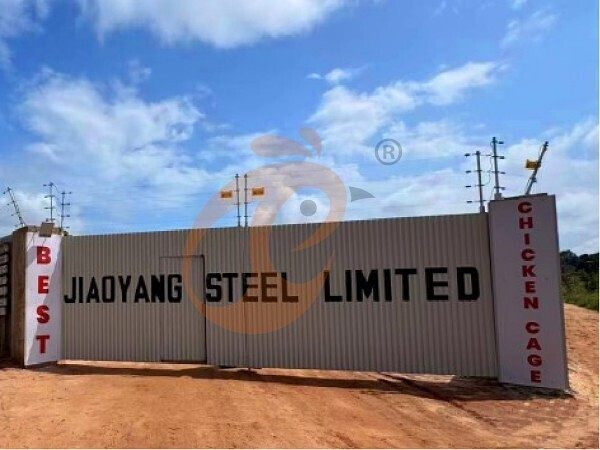
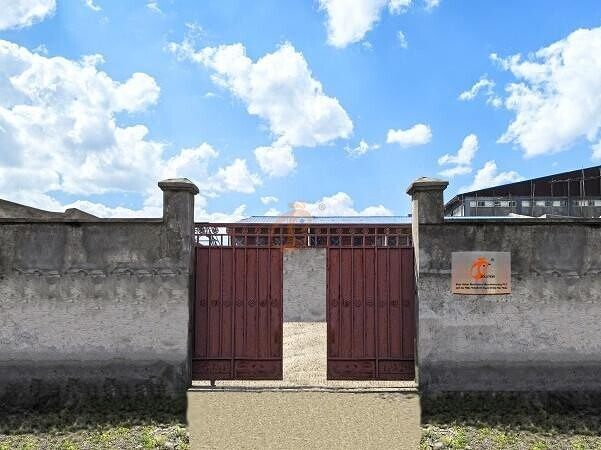
Headquarters And Branchs
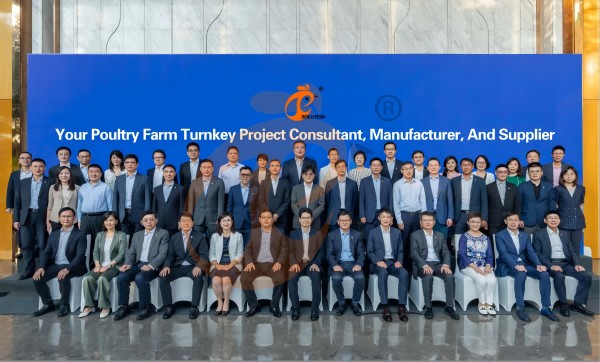
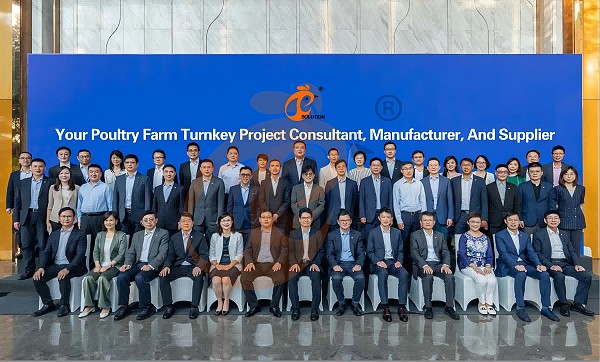
Hong Kong Headquarter Management Team
Hong Kong Headquarter Taiyu Industrial Group CO., LTD
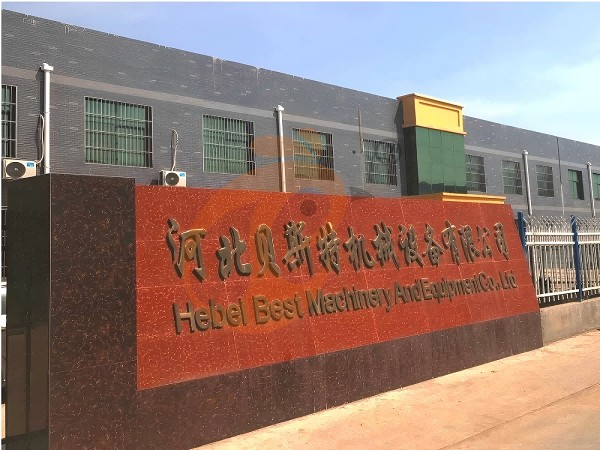
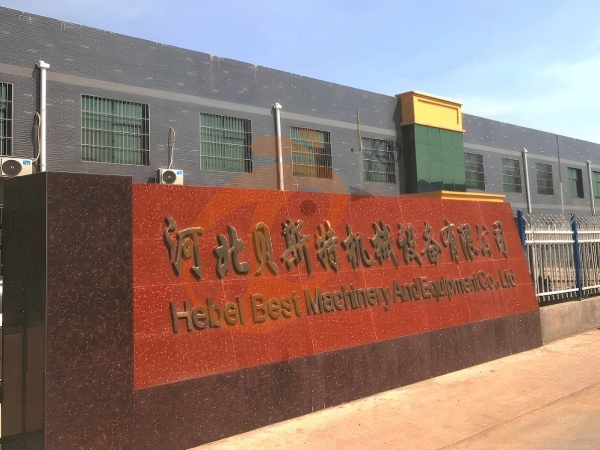
China Hebei Best Machinery And Equipment CO., LTD
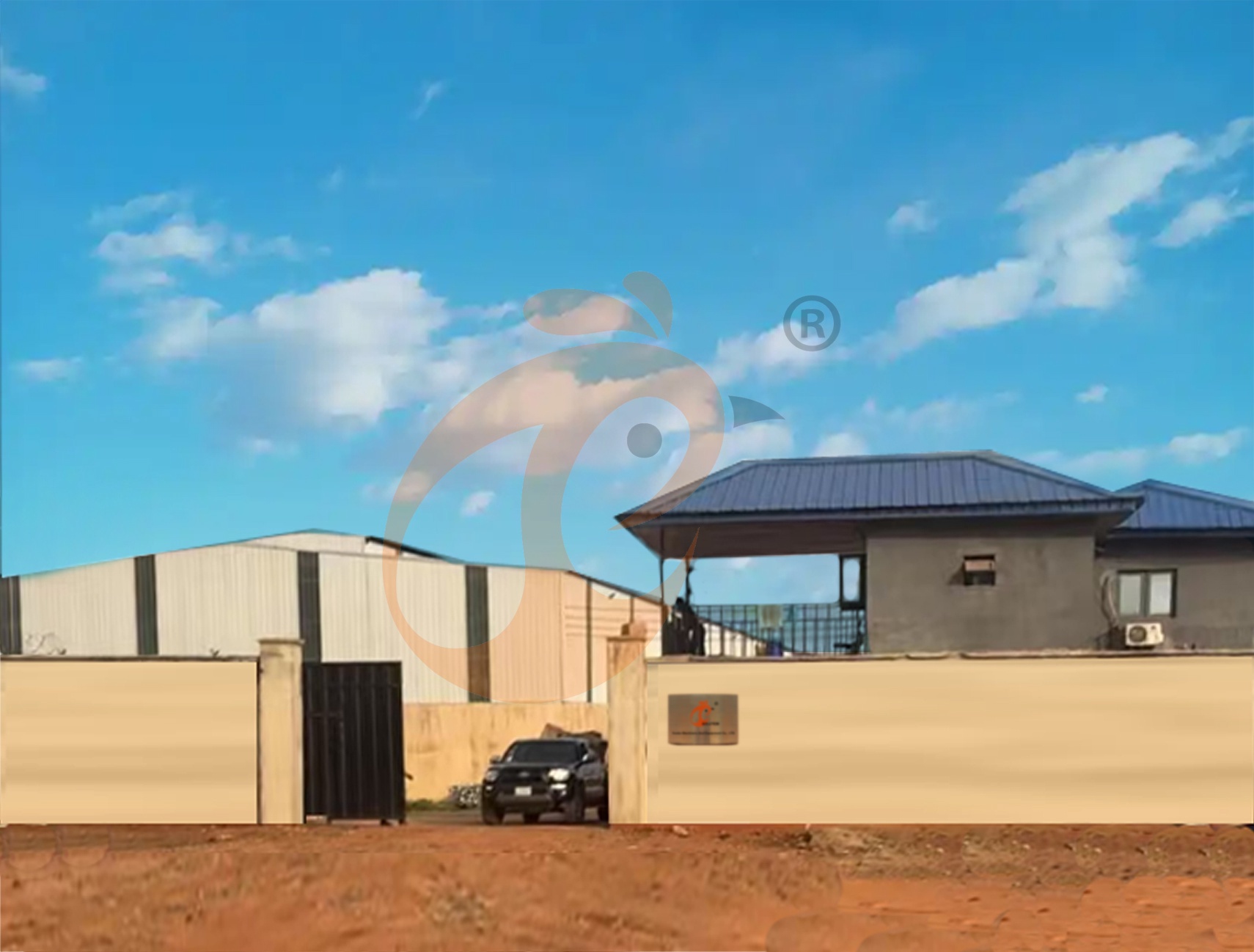
Nigeria Vanke Machinery And Equipment CO., LTD
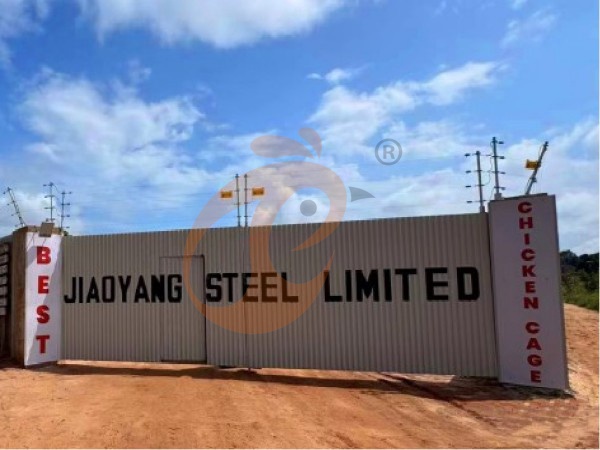
Tanzania Best Machinery And Equipment CO., LTD
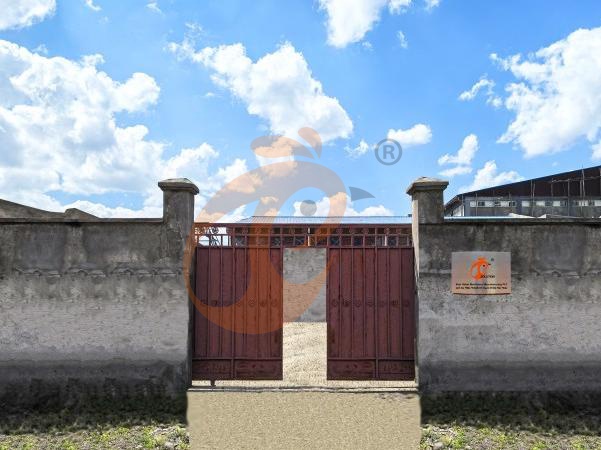
Ethiopia Best Hebei Machinery Manufacturing PLC
Reception /24 WhatsApp NO. : +8618830120193
FAQ
How To Implement Biosecurity Measures In H-Type Battery Cage Farm?
Restrict access to outsiders
Isolate sick birds
Mortality rate: 2–3%
Egg production rate: 90-98%
What Is The Average Feed Cost Per Bird In H-Type Layer Cage?
FCR 1.9–2.1
Feed cost: $0.15–0.20 per bird per day
Daily egg yield: 900–980 eggs/1,000 birds
Labor savings: 70-90%
How To Prevent Cannibalism In H-Type Poultry Cage System?
Provide sufficient feed and water
Install anti-pecking devices
Egg production rate: 90-98%
Mortality rate <3%
- battery cage
- poultry farm
- chicken cage
- poultry farms
- chicken battery cage
- poultry house
- poultry cage
- cage
- poultry farm construction
- poultry cage system
- automatic poultry cage system
- automatic poultry cage
- poultry equipment
- battery cages
- chicken cages
- chicken cages design
- chickencage
- h type cage
- chicken battery
- bestchickencage
- cage system
- chicken battery cages
- h type
- cage systems
- layer chicken cage
- h type layer chicken cage
- Nigeria
- layer chicken cages
- commercial poultry farms
- poultry cage systems
- cage manufacturer
- poultry farm plan
- Ethiopia
Message
Products recommended
 >30,000 Pullets Automatic H Type Battery Cage1. More than 30,000 pullets a house, choose it.
2. It is designed to rearing older than 1 day old pullets to 12 to 16 weeks old chicken starting laying eggs.
3. Its lifespan is more than 25 years.
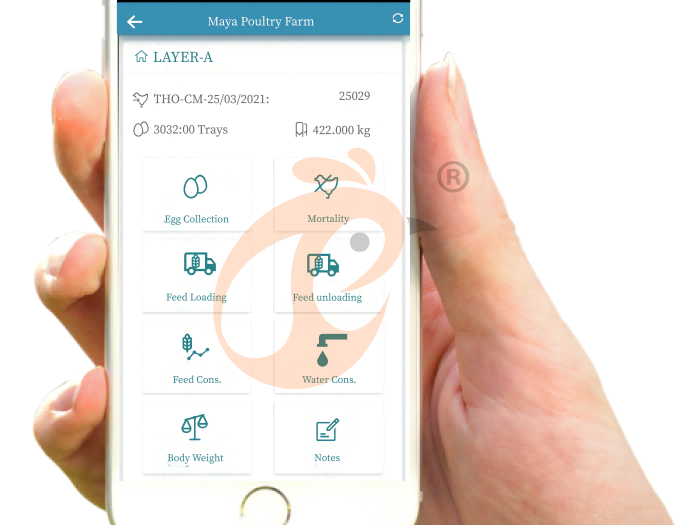
4. Its structure are Vcloud artificial intelligent fusion, electric control cabinet, automatic equipment of drinking, feeding, manure clean, manual harvesting.
5. Our 24 hour online reception What’sApp NO. is +8618830120193 <30,000 Pullets Automatic A Type Battery Cage1. 10,000 to 30,000 pullets a house, choose it.
2. It is designed to rearing older than 1 day old pullets to 12 to 16 weeks old chicken starting laying eggs.
3. Its lifespan is more than 25 years.
4. Its structure are Vcloud artificial intelligent fusion, electric control cabinet, automatic equipment of drinking, feeding, manure clean, manual harvesting.
5. Our 24 hour online reception What’sApp NO. is +86 18830120193. >30,000 Broilers Semi-Automatic Harvest H Type Battery Cage1. More than 30,000 broilers a house, choose it.
2. It is designed to rearing 1 to 45 day old adult broiler ready for market.
3. Its lifespan is more than 20 years.
4. Our 24 hour online reception What’sApp NO. is +8618830120193, +234 8111199996. >30,000 Broilers Manual Harvest H Type Battery Cage1. More than 30,000 broilers a house, choose it.
2. It is designed to rearing 1 to 45 day old adult broiler ready for market.
3. Its lifespan is more than 20 years.
4. Its structure are Vcloud artificial intelligent fusion, electric control cabinet, automatic equipment of drinking, feeding and manure clean, manual harvesting.
5. Our 24 hour online reception What’sApp NO. is +8618830120193, +234 8111199996. <30,000 Broilers Manual Harvest A Type Battery Cage1. Less 30,000 broilers a house, choose it.
2. It is designed to rearing 1 to 45 day old adult broiler ready for market.
3. Its lifespan is more than 20 years.
4. Its structure are Vcloud artificial intelligent fusion, electric control cabinet, automatic equipment of drinking, feeding and manure clean, manual harvesting.
5. Our 24 hour online reception What’sApp NO. is +8618830120193, +234 8111199996. HK Headquarter Offers EU-standard Poultry Farm Solutions, Manufacture Poultry Farm Equipment1. Continuous communication with the EU and the US
2. China, Nigeria, Ethiopia, Tanzania branch companies and factories
3. The products’ quality is customized for local poultry farms
4. Poultry cage and poultry farm equipment stock for sale
5. 24 online reception Whatsapp NO. : +8618830120193,contact us to get full information China Branch Offer Poultry Farm Business Plan, Manufacture Poultry Farm Equipment1. Address: Flat/RM 2416, 24/F, Runxing Building, Youyi Nan Street, Shijiazhuang City, Hebei Province, China
2. Poultry cage and poultry farm equipment factory and stock for sale
3. Customized for local poultry farms
4. Quality and design are based on Euro
5. 24 online reception Whatsapp NO. : +8618830120193 Nigeria Branch Offer Poultry Farm Business Plan, Manufacture Poultry Farm Equipment1. Address: After Sinoma Office, 200 Meters Near Danco Filling Station, Lagos/Ibadan Expressway, Lagos State, Nigeria
2. Poultry cage and poultry farm equipment factory and stock for sale
3. Customized for Nigerian poultry farms
4. Quality and design are based on Euro
5. 24 online reception Whatsapp NO. : +8618830120193 Ethiopia Branch Offer Poultry Farm Business Plan, Manufacture Poultry Farm Equipment1. Address: Gelan Gura, Akaki-kaliti Sub City, Addis Ababa, Ethiopia
2. Poultry cage and poultry farm equipment stock for sale
3. Customized for Ethiopian poultry farms
4. Quality and design are based on Euro
5. 24 online reception Whatsapp NO. : +8618830120193, contact us to get price list Tanzania Branch Offer Poultry Farm Business Plan, Manufacture Poultry Farm Equipment1. Address: No.8, Sova Road, Msufini, Mlandizi, Kibaha, Pwani, Tanzania
2. Poultry cage and poultry farm equipment factory and stock for sale
3. Customized for Tanzanian poultry farms
4. Quality and design are based on Euro
5. 24 online reception Whatsapp NO. : +8618830120193


Contact