


Blog
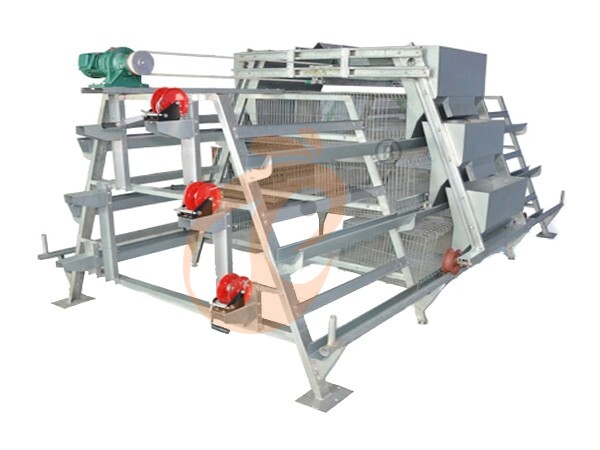
A type battery cage performance depends heavily on reliable water delivery, making cage-integrated watering equipment a core production investment for modern poultry farms.
Poultry nipple drinker system designs combine controlled dispensing, cleaner drinking points, and practical maintenance for commercial layer operations.
Automatic poultry watering system configurations can reduce daily handling while supporting consistent supply across multiple cage tiers and rows.
Four proven watering options are compared through engineering specifications, installation considerations, operating requirements, and commercial equipment selection logic.
- Properly matched water equipment strengthens cage-house efficiency, protects investment value, and creates a scalable foundation for future poultry production expansion.
Get professional poultry farm construction guidance, equipment selection solutions, and the latest price lists, whatsApp to +8618830120193, click to learn more:
The Decision Starts With One Question: What Does Your A Type Cage Need?
For an A type battery cage, the watering system is not a minor accessory.
It directly affects bird health, feed conversion, labor, water waste, and daily cage-house management.
The best system should deliver clean water at the correct flow rate, minimize leakage, remain easy to inspect, and work reliably across every cage tier.
Commercial nipple systems commonly use stainless-steel components and pressure regulation to maintain controlled delivery.
A professional A type battery cage normally requires coordinated water distribution rather than isolated drinking components.
Before choosing equipment, consider four factors: cage configuration, flock size, water pressure, and the level of automation required.
A type cage can be configured with 3 or 4 tiers, while individual cage sets may accommodate 96–168 layers depending on the model.
Option Comparison At A Glance
Data is for reference only.Swipe horizontally to view full table.
For commercial A type battery cage projects, nipple-based systems provide the most practical combination of controlled delivery and automated water distribution.
Poultry nipple drinker system designs can support stable supply with compact installation requirements and stainless-steel contact surfaces.
Option 1: Nipple Drinkers
Think of the nipple drinker as the precision valve of the poultry house.
When a hen touches the stainless-steel nipple, water is released only when needed.
Such operation limits unnecessary water exposure and helps maintain a cleaner cage environment.
A properly designed automatic poultry watering system normally includes stainless-steel nipples, PVC water pipes, pressure regulators, filters, water tanks, end flush systems, and supporting components.
Complete equipment packages can incorporate automatic flushing and filtration for centralized farm management.
For farms installing new A type battery cages, integrating the watering line directly into the cage structure is preferable to treating water equipment as an afterthought.
Correct positioning allows birds to drink naturally while reducing splashing and water loss.
Equipment advantage: A complete cage-and-watering package can be engineered as one system, ensuring nipple height, pipe position, cage tiers, and water pressure work together.
Nipple System Specifications
Data is for reference only.Swipe horizontally to view full table.
The system should be specified as a complete hydraulic assembly rather than as individual components.
A professionally engineered poultry nipple drinker system can match cage geometry with water-line routing and maintenance access.
Option 2: Cup + Nipple Drinking
Here is where a simple modification can improve usability.
A nipple drinker can be combined with a small drinking cup.
The nipple supplies controlled water, while the cup provides a visible water point that can make drinking easier for young birds or birds adapting to a new system.
Such configuration works particularly well when farms upgrade from traditional troughs to an automatic poultry watering system.
During installation, the cage manufacturer can select cup positions according to cage height and bird age.
The major benefit is balance: controlled water delivery plus easier visual access.
For farms prioritizing cleanliness and reduced water waste, a pure nipple system generally remains the more streamlined commercial solution.
Commercial layer systems are available with both nipple-only and nipple-with-cup configurations.
Cup + Nipple System: Where Does It Fit?
Data is for reference only.Swipe horizontally to view full table.
Best choice: Cup + nipple systems are attractive when bird adaptation and visible water access are important.
Pure nipple lines are normally preferable for highly automated, large-scale A Type battery cage houses.
Option 3: PVC Pipe + Nipple Line
This option is the practical workhorse of commercial poultry production.
A PVC pipe carries water through the cage rows, while nipple drinkers are installed at regular intervals.
Because the system can be manufactured in different lengths and configurations, the poultry nipple drinker system can adapt to multi-tier A Type battery cages.
The biggest advantage is scalability.
Whether a project contains several cage rows or a complete commercial poultry house, the same basic principle can be expanded without radically changing the design.
A professional manufacturer can also provide water-line supports, pressure regulators, filters, connectors, and flushing components as a matched package.
This reduces compatibility problems during installation.
For example, commercial poultry water lines commonly use 20–25 mm PVC piping with adjustable regulators and dedicated filtration assemblies.
PVC Nipple Line: What Should Buyers Check?
Data is for reference only.Swipe horizontally to view full table.
The most expensive watering system is not necessarily the best.
The best system is the one correctly matched to the cage, flock, and water source.
For long A type cage rows, hydraulic balancing should be considered during the original design rather than corrected after installation.
A professionally engineered water-line layout can reduce pressure differences between cage sections.
Option 4: Open Trough Watering
Open troughs remain familiar, especially on small farms, but limitations become obvious as stocking density and automation increase.
The open design exposes water to feed particles, feathers, dust, and manure contamination.
Water can also be spilled into the cage area, increasing moisture and creating additional cleaning work.
For a modern A type battery cage project, open trough equipment is generally better suited to small-scale installations than automated commercial houses.
If the objective is to build a poultry house capable of stable long-term production, a nipple-based system is generally the stronger investment.
Four Options Compared By Farm Priority
Data is for reference only.Swipe horizontally to view full table.
Commercial verdict
For most A type battery cage applications, options 1 and 3 deliver the best combination of performance and operating efficiency.
A type cage manufacturers already integrate automatic drinking equipment into commercial configurations, making a coordinated cage-and-water package easier
to install.
The Equipment Manufacturer's Checklist
Step 1 — Define the cage
Confirm cage dimensions, number of tiers, row length, and bird capacity.
Typical commercial A type sets use 3 or 4 tiers, with individual configurations reaching 128–168 birds per set.
Step 2 — Calculate water demand
The system must supply sufficient water without excessive pressure or uneven distribution.
Step 3 — Build the water-control package.
Include filtration, pressure regulation, pipes, nipples, connectors, and flushing equipment.
Step 4 — Match the system to automation.
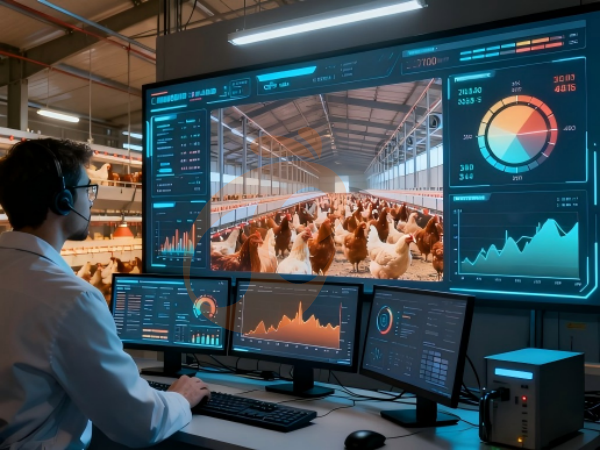
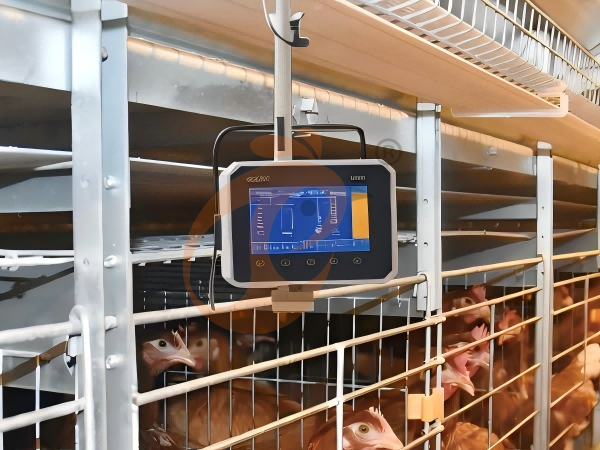
For larger farms, integrate the automatic poultry watering system with centralized water supply and management equipment.
Step 5 — Test before stocking.
Check every nipple, connection, pressure regulator, and water line for leaks and consistent flow.
This approach is why purchasing battery cages and watering equipment from one professional poultry equipment manufacturer can be advantageous: cage structure and water delivery can be designed as a coordinated production system rather than separate components.
Final Recommendation: Build The Watering System Around Efficiency
Data is for reference only.Swipe horizontally to view full table.
So, what is the best watering system for an A type battery cage for poultry?
For most commercial farms, the answer is a stainless-steel nipple drinking system combined with PVC water lines, filtration, pressure regulation, and flushing components.
Such configuration provides controlled water delivery, supports house hygiene, reduces unnecessary water loss, and fits naturally into automated A Type battery cage systems.
For poultry equipment manufacturers and farm investors, the real objective should not simply be buying a cheap watering line.
The objective should be building a complete, reliable cage-house solution.
A professionally engineered A type battery cage with an integrated watering system can reduce daily management work while creating a more organized production environment.
When cage design, drinking equipment, water pressure, and automation are engineered together, the watering system becomes part of farm productivity rather than just another accessory.
Frequently Asked Questions
Q1: What watering system works best with an A type battery cage?
A stainless-steel nipple drinking system with regulated water delivery is generally the preferred configuration.
Commercial nipple flow commonly falls around 60–90 mL/min depending on nipple specification and operating conditions.
Q2: Can existing A type battery cages be upgraded?
Yes.
PVC water lines, nipple assemblies, regulators, filters, and flushing components can be engineered as retrofit packages for existing cage structures.
Q3: Why choose a complete cage and watering package?
Integrated engineering allows cage dimensions, nipple positions, water-line routing, and maintenance access to be coordinated before installation.
Such approach can reduce installation conflicts and simplify project commissioning.
Taiyu (HK) Group - One Of China Toppest A Type Battery Cage Manufacturer
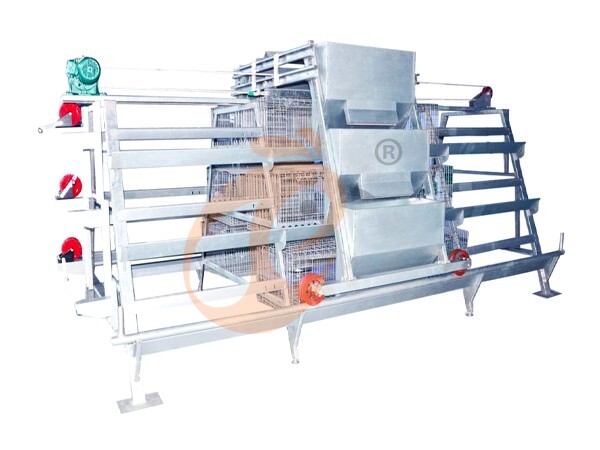
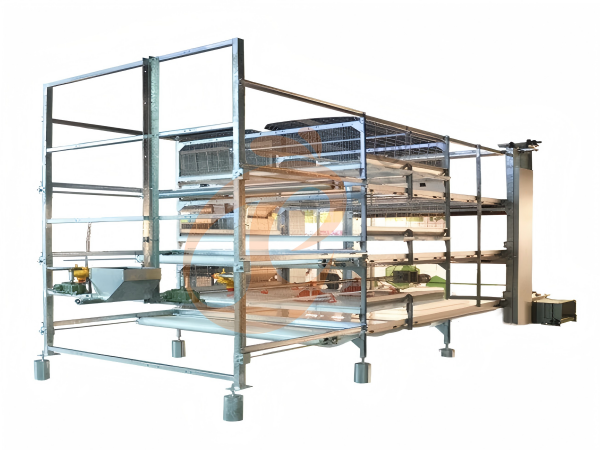
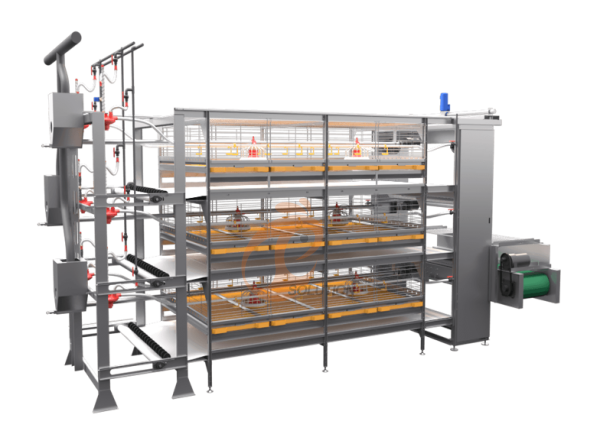
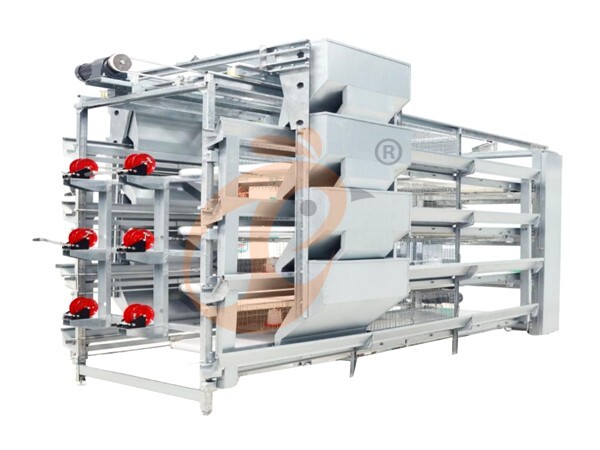
A type battery cage equipment integrates galvanized cage structures, tier-specific drinking lines, controlled water delivery, and production-oriented layout engineering for commercial layer projects.
Global factory-direct supply combines poultry equipment manufacturing, component integration, quality inspection, export packaging, and international project coordination from one production source.
Turn-key engineering covers project planning, cage arrangement, automatic poultry watering system configuration, installation guidance, commissioning support, and operational handover.
Multi-scale project solutions support farm capacities from pilot installations to commercial houses requiring coordinated cage, feeding, drinking, manure, ventilation, and environmental equipment.
Technical specifications are prepared around site dimensions, bird capacity, water-source conditions, electrical infrastructure, and expansion requirements for controlled project execution.
Contact Us To Received Your Customized Poultry Farm Plan
Headquarters And Branchs
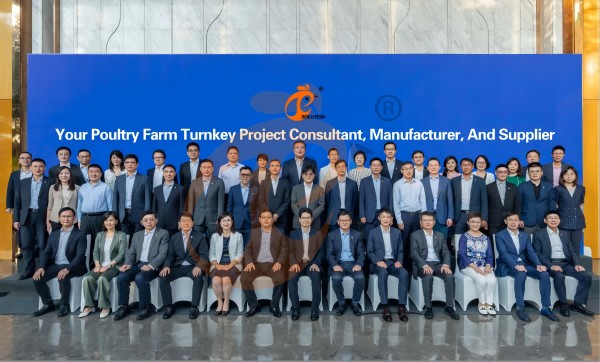
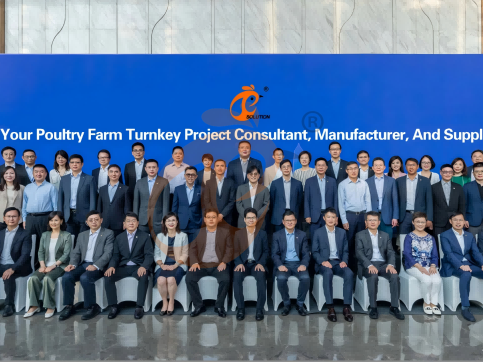
Hong Kong Headquarter Management Team
Hong Kong Headquarter Taiyu Industrial Group CO., LTD
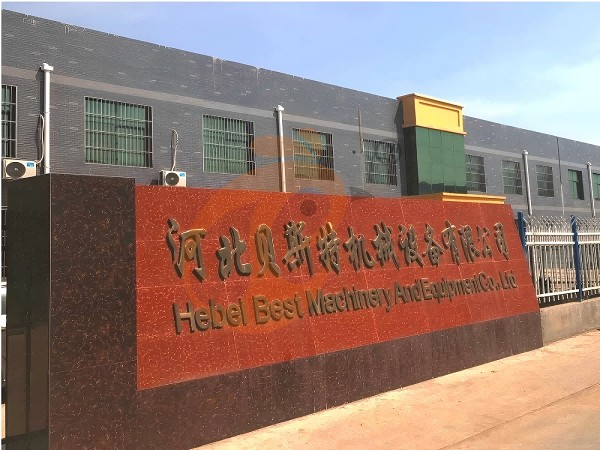
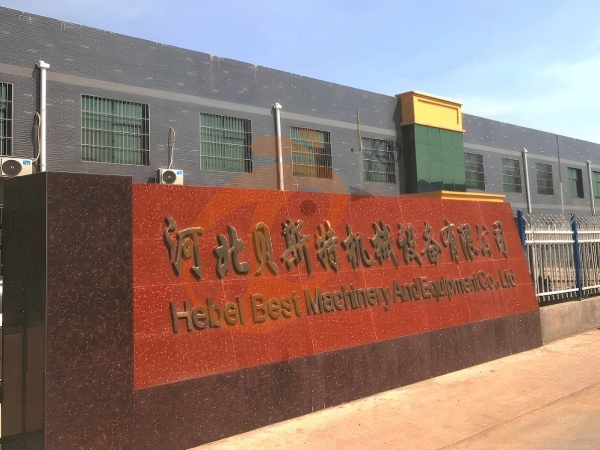
China Hebei Best Machinery And Equipment CO., LTD
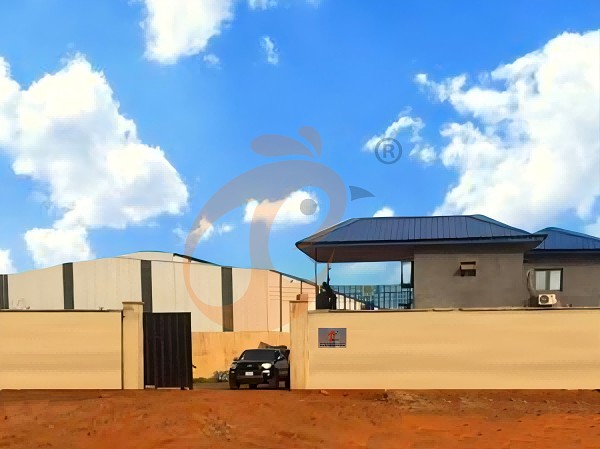
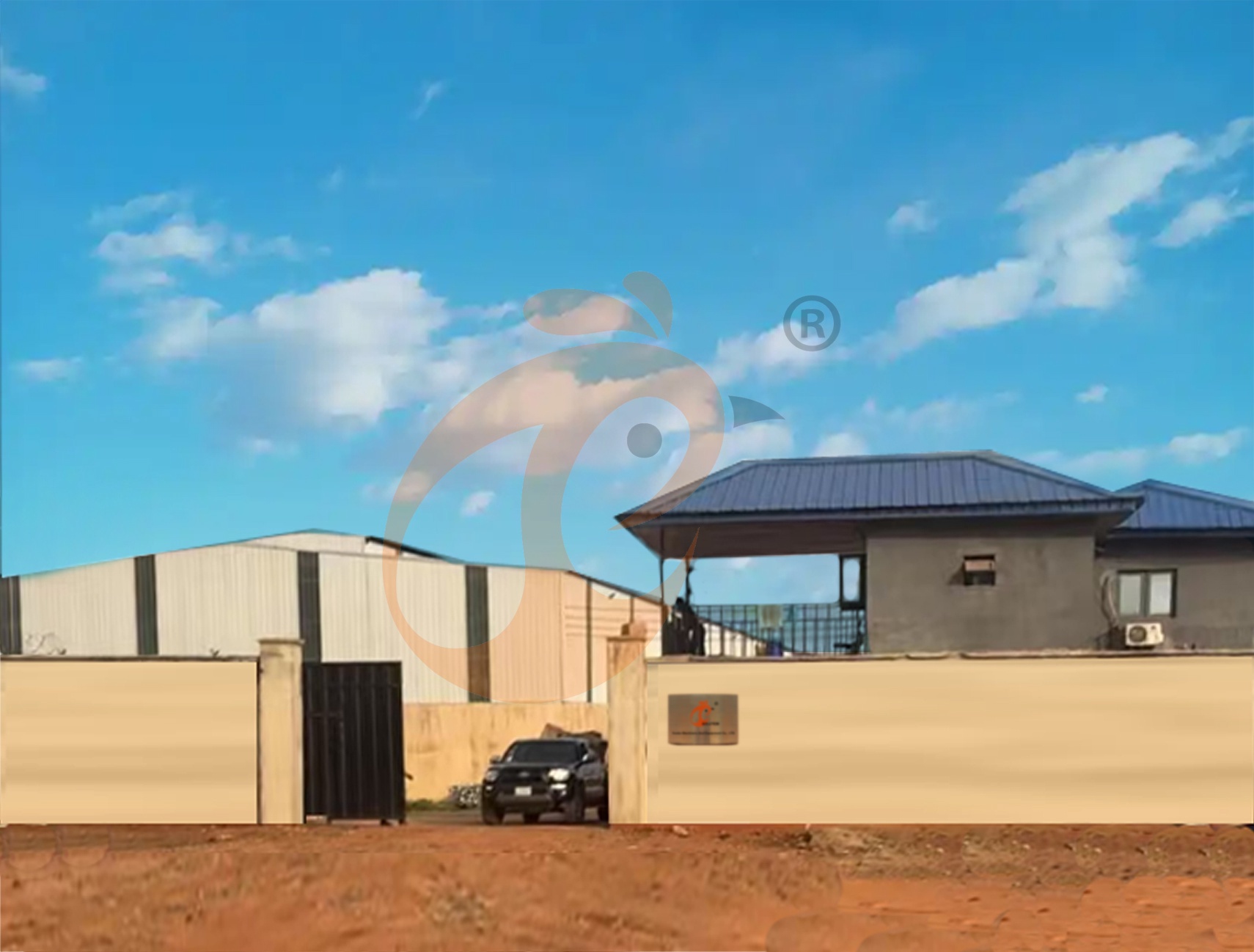
Nigeria Vanke Machinery And Equipment CO., LTD
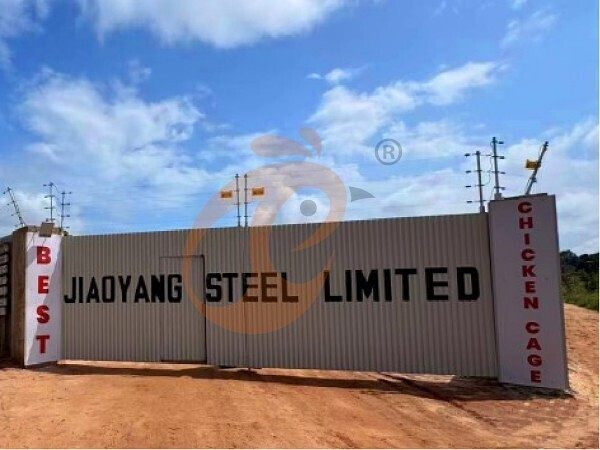
Tanzania Best Machinery And Equipment CO., LTD
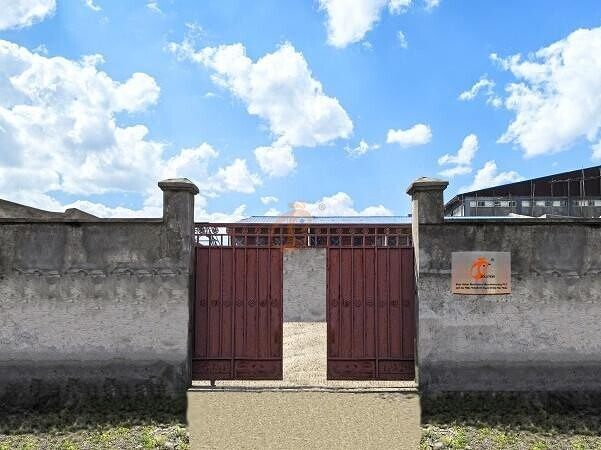
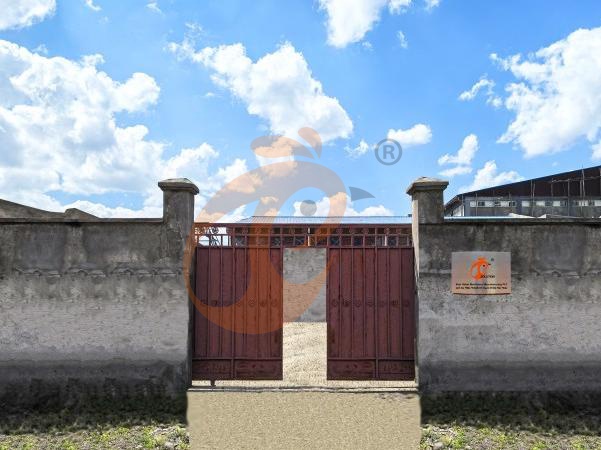
Ethiopia Best Hebei Machinery Manufacturing PLC
Reception /24 WhatsApp NO. : +8618830120193
FAQ
How To Reduce Pecking And Aggression In A-Type Chicken Cage Layers?
Even lighting and good ventilation
Provide supplemental feed and water
Mortality rate: 2–3%
Egg production rate: 90–96%
What Are The Recommended Aisle Widths In A-Type Chicken Cage Houses?
Facilitates manual operation and equipment access
Farm capacity per house: 10,000–50,000 birds
Egg production rate: 90–96%
How To Ensure Proper Airflow In A-Type Layer Cage Farm?
Roof vents and air ducts designed properly
Reduce heat stress and humidity
Egg production rate: 90–96%
FCR: 1.9–2.2
- battery cage
- battery cage system
- poultry farm
- layer cages
- poultry farms
- layer cage
- poultry house
- cage
- galvanized cage
- poultry farm construction
- battery cage manufacturer
- battery cage equipment
- battery cage project
- battery cage house
- battery cage for poultry
- poultry equipment
- hen cage
- battery cages
- hen cage design
- a type battery cage
- hens cage
- chickencage
- bestchickencage
- cage system
- cage for poultry
- cage systems
- h cage
- Nigeria
- hen farm
- modern poultry farms
- poultry nipple drinker
- poultry equipment manufacturer
- cage design
- cage manufacturer
- modern poultry farm
- poultry farm plan
- Ethiopia
Message
Products recommended
 >30,000 Pullets Automatic H Type Battery Cage1. More than 30,000 pullets a house, choose it.
2. It is designed to rearing older than 1 day old pullets to 12 to 16 weeks old chicken starting laying eggs.
3. Its lifespan is more than 25 years.
4. Its structure are Vcloud artificial intelligent fusion, electric control cabinet, automatic equipment of drinking, feeding, manure clean, manual harvesting.
5. Our 24 hour online reception What’sApp NO. is +8618830120193 <30,000 Pullets Automatic A Type Battery Cage1. 10,000 to 30,000 pullets a house, choose it.
2. It is designed to rearing older than 1 day old pullets to 12 to 16 weeks old chicken starting laying eggs.
3. Its lifespan is more than 25 years.
4. Its structure are Vcloud artificial intelligent fusion, electric control cabinet, automatic equipment of drinking, feeding, manure clean, manual harvesting.
5. Our 24 hour online reception What’sApp NO. is +86 18830120193. >30,000 Broilers Semi-Automatic Harvest H Type Battery Cage1. More than 30,000 broilers a house, choose it.
2. It is designed to rearing 1 to 45 day old adult broiler ready for market.
3. Its lifespan is more than 20 years.
4. Our 24 hour online reception What’sApp NO. is +8618830120193, +234 8111199996. >30,000 Broilers Manual Harvest H Type Battery Cage1. More than 30,000 broilers a house, choose it.
2. It is designed to rearing 1 to 45 day old adult broiler ready for market.
3. Its lifespan is more than 20 years.
4. Its structure are Vcloud artificial intelligent fusion, electric control cabinet, automatic equipment of drinking, feeding and manure clean, manual harvesting.
5. Our 24 hour online reception What’sApp NO. is +8618830120193, +234 8111199996. <30,000 Broilers Manual Harvest A Type Battery Cage1. Less 30,000 broilers a house, choose it.
2. It is designed to rearing 1 to 45 day old adult broiler ready for market.
3. Its lifespan is more than 20 years.
4. Its structure are Vcloud artificial intelligent fusion, electric control cabinet, automatic equipment of drinking, feeding and manure clean, manual harvesting.
5. Our 24 hour online reception What’sApp NO. is +8618830120193, +234 8111199996. HK Headquarter Offers EU-standard Poultry Farm Solutions, Manufacture Poultry Farm Equipment1. Continuous communication with the EU and the US
2. China, Nigeria, Ethiopia, Tanzania branch companies and factories
3. The products’ quality is customized for local poultry farms
4. Poultry cage and poultry farm equipment stock for sale
5. 24 online reception Whatsapp NO. : +8618830120193,contact us to get full information China Branch Offer Poultry Farm Business Plan, Manufacture Poultry Farm Equipment1. Address: Flat/RM 2416, 24/F, Runxing Building, Youyi Nan Street, Shijiazhuang City, Hebei Province, China
2. Poultry cage and poultry farm equipment factory and stock for sale
3. Customized for local poultry farms
4. Quality and design are based on Euro
5. 24 online reception Whatsapp NO. : +8618830120193 Nigeria Branch Offer Poultry Farm Business Plan, Manufacture Poultry Farm Equipment1. Address: After Sinoma Office, 200 Meters Near Danco Filling Station, Lagos/Ibadan Expressway, Lagos State, Nigeria
2. Poultry cage and poultry farm equipment factory and stock for sale
3. Customized for Nigerian poultry farms
4. Quality and design are based on Euro
5. 24 online reception Whatsapp NO. : +8618830120193 Ethiopia Branch Offer Poultry Farm Business Plan, Manufacture Poultry Farm Equipment1. Address: Gelan Gura, Akaki-kaliti Sub City, Addis Ababa, Ethiopia
2. Poultry cage and poultry farm equipment stock for sale
3. Customized for Ethiopian poultry farms
4. Quality and design are based on Euro
5. 24 online reception Whatsapp NO. : +8618830120193, contact us to get price list Tanzania Branch Offer Poultry Farm Business Plan, Manufacture Poultry Farm Equipment1. Address: No.8, Sova Road, Msufini, Mlandizi, Kibaha, Pwani, Tanzania
2. Poultry cage and poultry farm equipment factory and stock for sale
3. Customized for Tanzanian poultry farms
4. Quality and design are based on Euro
5. 24 online reception Whatsapp NO. : +8618830120193

Contact