


Blog
A-type chicken cage profitability analysis is essential for Ethiopian farmers to maximize production efficiency and reduce feed wastage.
This article compares A-type chicken cage and cage-free systems across multiple metrics.
Focus includes land utilization, feed conversion efficiency, egg production, and labor management.
Disease prevention strategies and biosecurity impact are discussed to reduce losses.
Capital expenditure versus operational expenditure is analyzed for Ethiopian economic context.
Egg quality and marketability considerations guide investment decisions for urban markets.
Environmental and waste management implications are considered for local sustainability.
This comprehensive evaluation provides actionable insights for commercial poultry investors in Ethiopia.
Get professional poultry farm construction guidance, equipment selection solutions, and the latest price lists, whatsApp to +8618830120193, click to learn more:

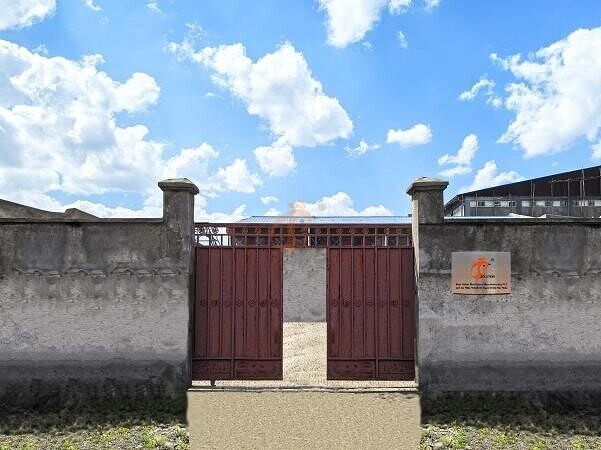
Ethiopia Branch Office And Factory Of Poultry Farm Equipment
Profitability Analysis: The Bottom Line
While the initial investment (CAPEX) for an A-type chicken cage system is significantly higher, often requiring the importation of equipment, the operational expenditure (OPEX) is much lower.
In Ethiopia, the return on investment (ROI) for a cage-free system is often derailed by hidden costs, such as high mortality, feed wastage, and lower egg numbers.
When we calculate the net profit per bird over a two-year period, the A-type system consistently outperforms, provided the farmer has the initial capital to invest in quality galvanized equipment.
Data is for reference only. Swipe horizontally to view full table.
Environmental And Cultural Considerations
We must also consider the Ethiopian context of waste management.
In a cage-free system, removing tons of deep litter at the end of a cycle is a logistical challenge.
However, in the A-type chicken cage system, the concentrated manure can be easily collected and sold to local flower farms in Ziway or vegetable growers in the Rift Valley as high-quality organic fertilizer.
This creates a secondary revenue stream.
Culturally, while there is a global move toward animal welfare and cage-free labels, the primary driver in Ethiopia remains food security and affordability.
Until the average Ethiopian consumer can afford to pay a premium for free-range eggs, the efficiency of the cage system is essential for keeping egg prices stable for the masses.
The Verdict For Ethiopian Investors
When weighing the A-type chicken cage against the cage-free system in Ethiopia, the winner is clear for any serious commercial operator.
The cage-free system remains appropriate for small-scale backyard holders or niche organic producers.
However, for a farmer looking to build a sustainable business in the face of Ethiopia's high feed prices, land scarcity, and disease pressures, the intensive cage system provides the necessary control over production variables.
By reducing the feed conversion ratio (FCR) and minimizing mortality, the A-type cage transforms poultry farming from a high-risk gamble into a predictable, industrial process.
For the Ethiopian poultry sector to reach its potential and feed the nation's growing cities, the transition toward these high-efficiency systems is not just an option—it is a necessity.
The pain of the high initial investment is quickly forgotten when the daily egg collection remains high, clean, and consistent, season after season.
Frequently Asked Questions
Q1: Is the A-type chicken cage suitable for small Ethiopian farms with limited land?
Yes.
The A-type chicken cage allows vertical stacking of birds, maximizing production on small land areas common around Addis Ababa or Oromia.
It helps farmers save on land costs and reduces transportation distance for fragile eggs.
Q2: How does the A-type chicken cage help prevent disease outbreaks in Ethiopia?
The cage separates birds from feces and reduces bird-to-bird contact.
This lowers the spread of Newcastle Disease and Gumboro, which are common in Ethiopian poultry.
Reduced disease frequency decreases vaccination costs and improves overall flock health.
Q3: Can the A-type chicken cage system be cost-effective despite high initial investment in Ethiopia?
Yes. While CAPEX is high, operational costs are lower.
Feed efficiency, lower mortality, and reduced labor result in faster return on investment.
Secondary revenue from manure sales also contributes to profitability.
Ethiopia Best Hebei Machinery Manufacturing Plc - One Of Ethiopia Largest Chicken Cage Manufacturer
HB BEST provides global factory direct sales for poultry farm equipment, ensuring competitive pricing.
The company specializes in poultry cages and Turn-key engineering solutions for Ethiopian commercial farms.
HB BEST supports installation, technical training, and maintenance for full operational efficiency.
Their equipment ensures high egg quality, lower mortality, and optimized feed conversion ratio.
Customers benefit from global supply chains, reliable after-sales service, and integrated poultry farm equipment solutions.
Contact Us To Received Your Customized Poultry Farm Plan
Headquarters And Branchs

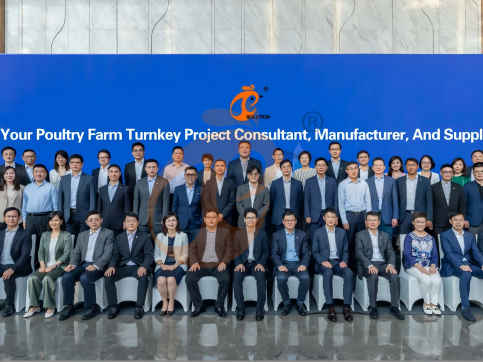
Hong Kong Headquarter Management Team
Hong Kong Headquarter Taiyu Industrial Group CO., LTD
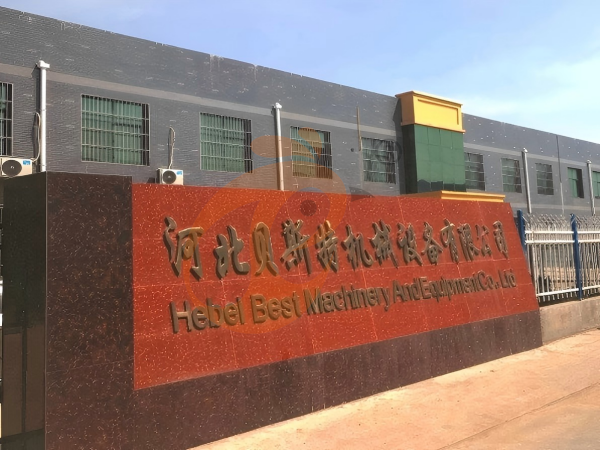
China Hebei Best Machinery And Equipment CO., LTD
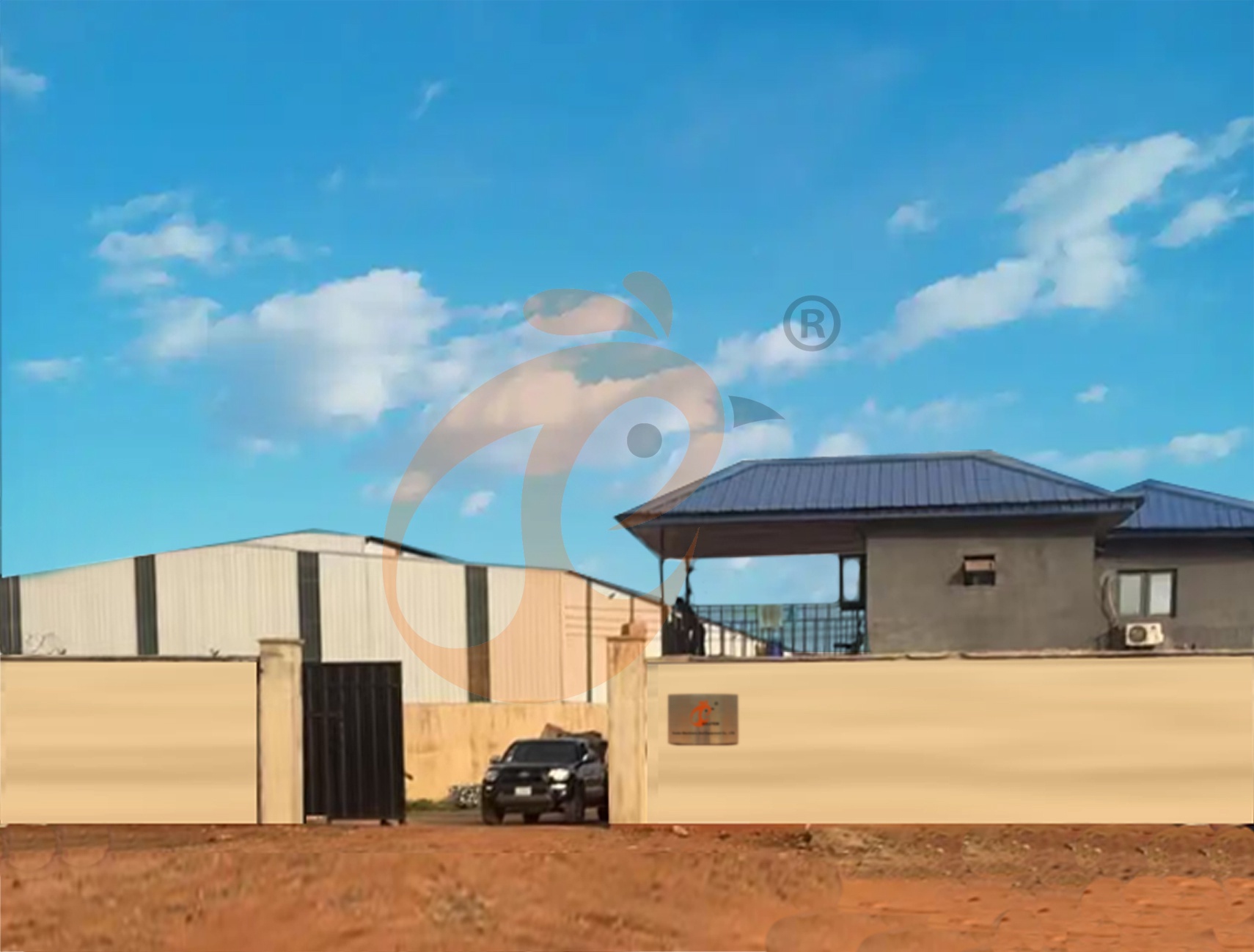
Nigeria Vanke Machinery And Equipment CO., LTD
Tanzania Best Machinery And Equipment CO., LTD
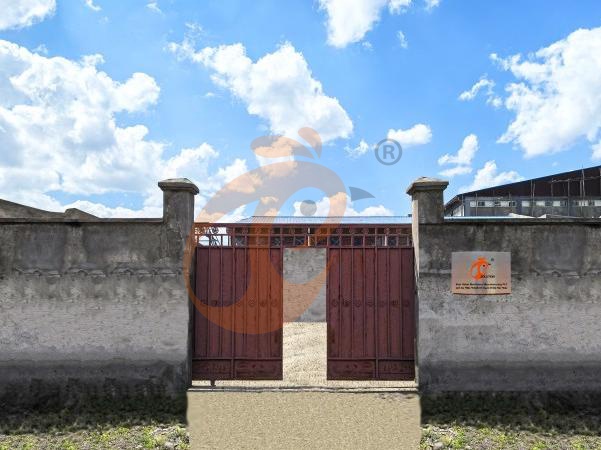
Ethiopia Best Hebei Machinery Manufacturing PLC
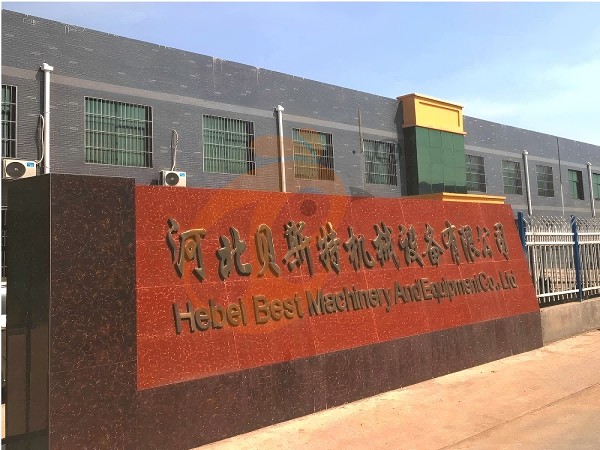
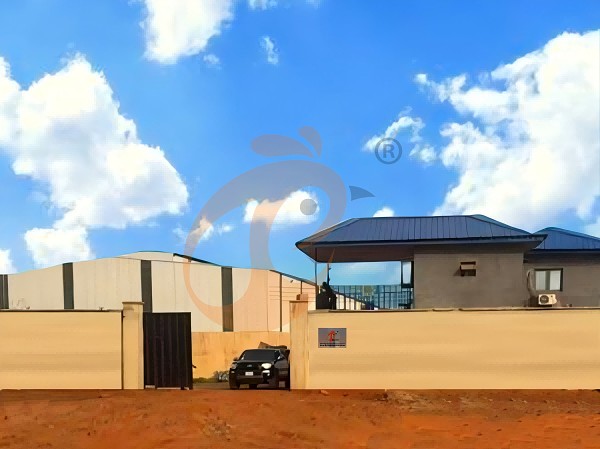
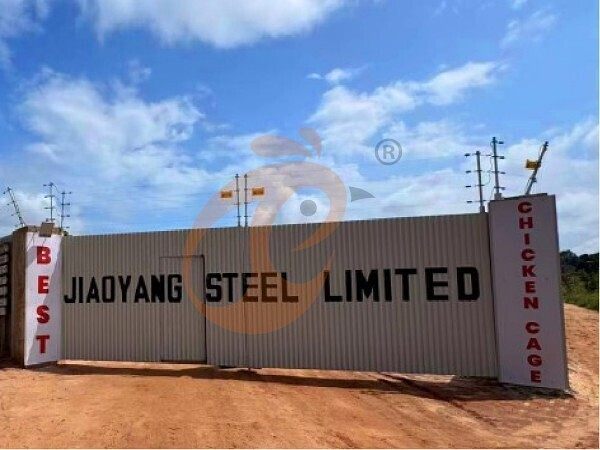
Reception /24 WhatsApp NO. : +8618830120193
FAQ
What Are The Advantages Of A-Type Poultry Cage For Medium-Sized Farms?
Farm capacity per house: 10,000–50,000 birds
Egg production rate: 90–96%
FCR: 1.9–2.2
Labor savings: 50–70%
How To Reduce Egg Breakage Rate In A-Type Layer Cage Farms?
Control conveyor speed
Egg breakage rate <1%
Daily egg yield: 900–960 eggs/1,000 birds
Egg production rate: 90–96%
How To Improve Egg Production Stability In A-Type Layer Cage System?
Scheduled feeding and drinking
Temperature 20–25°C, humidity 50–60%
Egg production rate: 90–96%
FCR: 1.9–2.2
- poultry farmers
- poultry farm
- chicken cage
- poultry farmer
- poultry house
- poultry cage
- cage
- poultry farm equipment
- poultry farm construction
- chicken cage manufacturer
- chicken cage system
- deep litter system
- chicken cages
- poultry cages
- chickencage
- bestchickencage
- cage system
- cage systems
- Nigeria
- layer farm
- poultry farming
- cage manufacturer
- poultry farm plan
- Ethiopia
Message
Products recommended
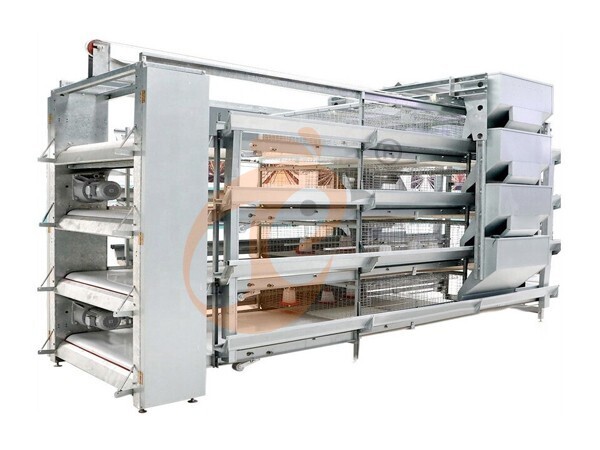
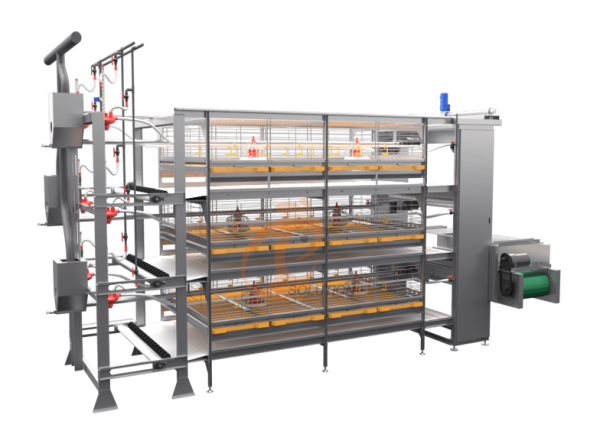
 >30,000 Pullets Automatic H Type Battery Cage1. More than 30,000 pullets a house, choose it.
2. It is designed to rearing older than 1 day old pullets to 12 to 16 weeks old chicken starting laying eggs.
3. Its lifespan is more than 25 years.
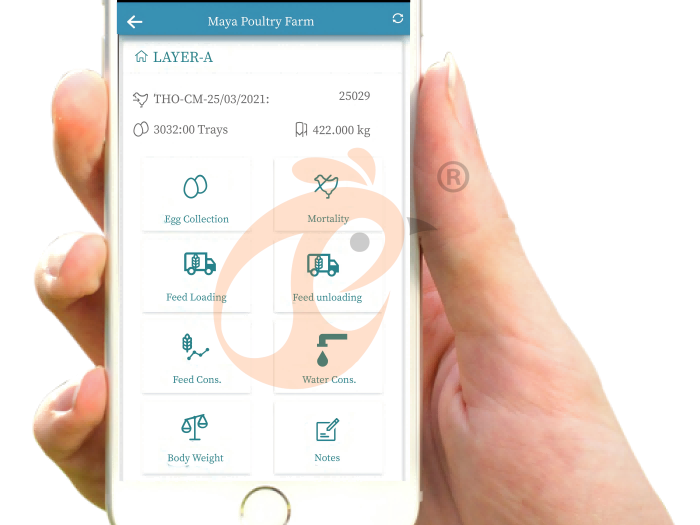
4. Its structure are Vcloud artificial intelligent fusion, electric control cabinet, automatic equipment of drinking, feeding, manure clean, manual harvesting.
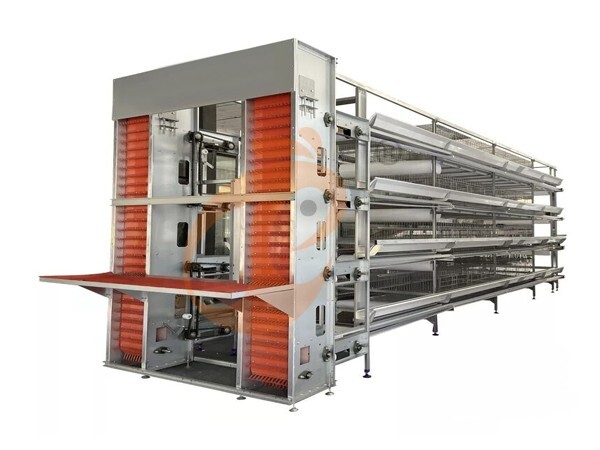
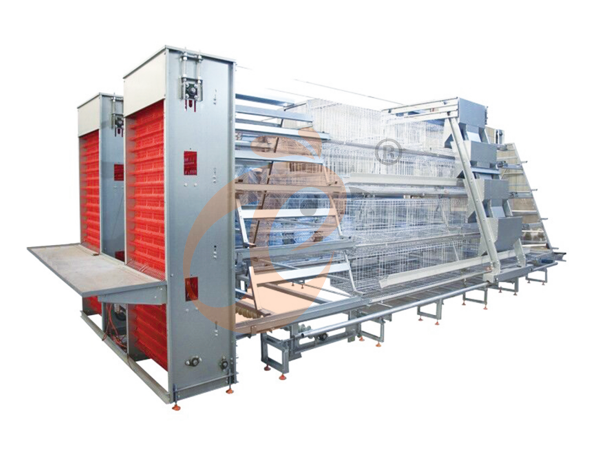
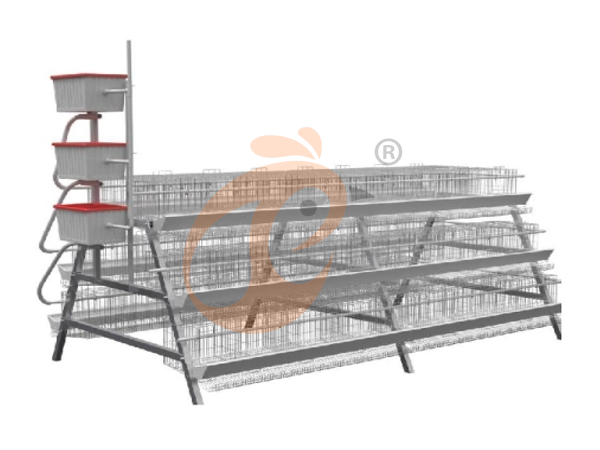
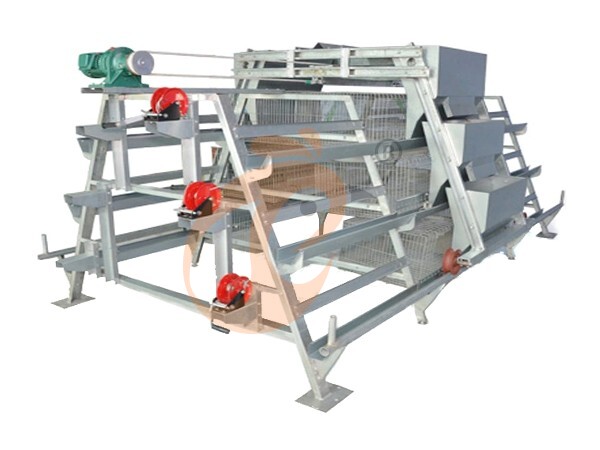
5. Our 24 hour online reception What’sApp NO. is +8618830120193 <30,000 Pullets Automatic A Type Battery Cage1. 10,000 to 30,000 pullets a house, choose it.
2. It is designed to rearing older than 1 day old pullets to 12 to 16 weeks old chicken starting laying eggs.
3. Its lifespan is more than 25 years.
4. Its structure are Vcloud artificial intelligent fusion, electric control cabinet, automatic equipment of drinking, feeding, manure clean, manual harvesting.
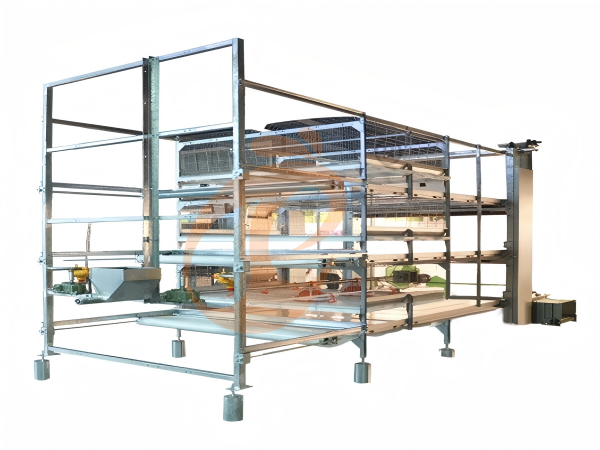
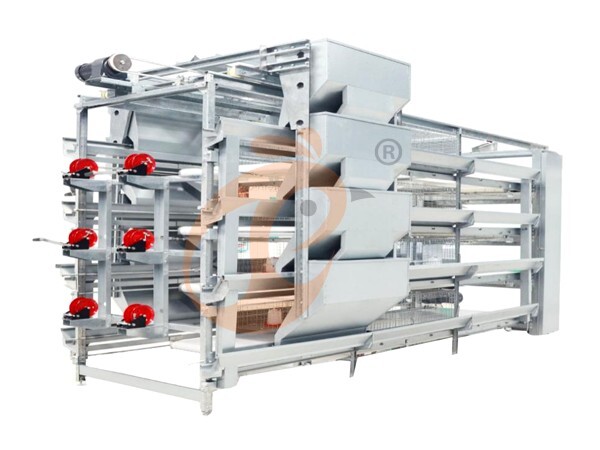
5. Our 24 hour online reception What’sApp NO. is +86 18830120193. >30,000 Broilers Semi-Automatic Harvest H Type Battery Cage1. More than 30,000 broilers a house, choose it.
2. It is designed to rearing 1 to 45 day old adult broiler ready for market.
3. Its lifespan is more than 20 years.
4. Our 24 hour online reception What’sApp NO. is +8618830120193, +234 8111199996. >30,000 Broilers Manual Harvest H Type Battery Cage1. More than 30,000 broilers a house, choose it.
2. It is designed to rearing 1 to 45 day old adult broiler ready for market.
3. Its lifespan is more than 20 years.
4. Its structure are Vcloud artificial intelligent fusion, electric control cabinet, automatic equipment of drinking, feeding and manure clean, manual harvesting.
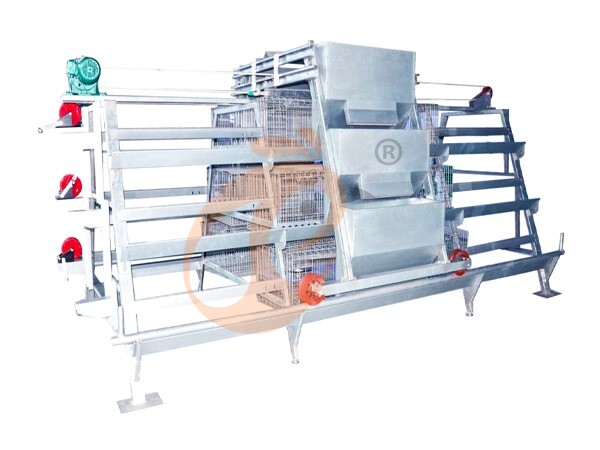
5. Our 24 hour online reception What’sApp NO. is +8618830120193, +234 8111199996. <30,000 Broilers Manual Harvest A Type Battery Cage1. Less 30,000 broilers a house, choose it.
2. It is designed to rearing 1 to 45 day old adult broiler ready for market.
3. Its lifespan is more than 20 years.
4. Its structure are Vcloud artificial intelligent fusion, electric control cabinet, automatic equipment of drinking, feeding and manure clean, manual harvesting.
5. Our 24 hour online reception What’sApp NO. is +8618830120193, +234 8111199996. HK Headquarter Offers EU-standard Poultry Farm Solutions, Manufacture Poultry Farm Equipment1. Continuous communication with the EU and the US
2. China, Nigeria, Ethiopia, Tanzania branch companies and factories
3. The products’ quality is customized for local poultry farms
4. Poultry cage and poultry farm equipment stock for sale
5. 24 online reception Whatsapp NO. : +8618830120193,contact us to get full information China Branch Offer Poultry Farm Business Plan, Manufacture Poultry Farm Equipment1. Address: Flat/RM 2416, 24/F, Runxing Building, Youyi Nan Street, Shijiazhuang City, Hebei Province, China
2. Poultry cage and poultry farm equipment factory and stock for sale
3. Customized for local poultry farms
4. Quality and design are based on Euro
5. 24 online reception Whatsapp NO. : +8618830120193 Nigeria Branch Offer Poultry Farm Business Plan, Manufacture Poultry Farm Equipment1. Address: After Sinoma Office, 200 Meters Near Danco Filling Station, Lagos/Ibadan Expressway, Lagos State, Nigeria
2. Poultry cage and poultry farm equipment factory and stock for sale
3. Customized for Nigerian poultry farms
4. Quality and design are based on Euro
5. 24 online reception Whatsapp NO. : +8618830120193 Ethiopia Branch Offer Poultry Farm Business Plan, Manufacture Poultry Farm Equipment1. Address: WR93+FQ2, Addis Ababa, Ethiopia
2. Poultry cage and poultry farm equipment stock for sale
3. Customized for Ethiopian poultry farms
4. Quality and design are based on Euro
5. 24 online reception Whatsapp NO. : +8618830120193, contact us to get price list Tanzania Branch Offer Poultry Farm Business Plan, Manufacture Poultry Farm Equipment1. Address: No.8, Sova Road, Msufini, Mlandizi, Kibaha, Pwani, Tanzania
2. Poultry cage and poultry farm equipment factory and stock for sale
3. Customized for Tanzanian poultry farms
4. Quality and design are based on Euro
5. 24 online reception Whatsapp NO. : +8618830120193



Contact
By clicking 'Allow All', you agree to the storage of cookies on your device to enhance site navigation, analyze site usage and assist with our marketing efforts.