


Blog
Large-scale Ethiopian chicken cage farms require careful return on investment calculation to maximize profitability.
This guide explains capital and operational costs, revenue streams, and strategic mitigation.
Investors will understand how chicken cage systems impact efficiency in Ethiopian poultry production.
Detailed tables illustrate CAPEX, OPEX, and revenue assumptions for accurate planning.
Guidance covers financing options and payback periods for Ethiopian agri-preneurs.
Sensitivity analysis highlights local risks such as feed prices and disease mortality.
FAQ section addresses practical Ethiopian farm concerns with actionable solutions.
This overview ensures investors make informed decisions on large H type farms.
Get professional poultry farm construction guidance, equipment selection solutions, and the latest price lists, whatsApp to +8618830120193, click to learn more:

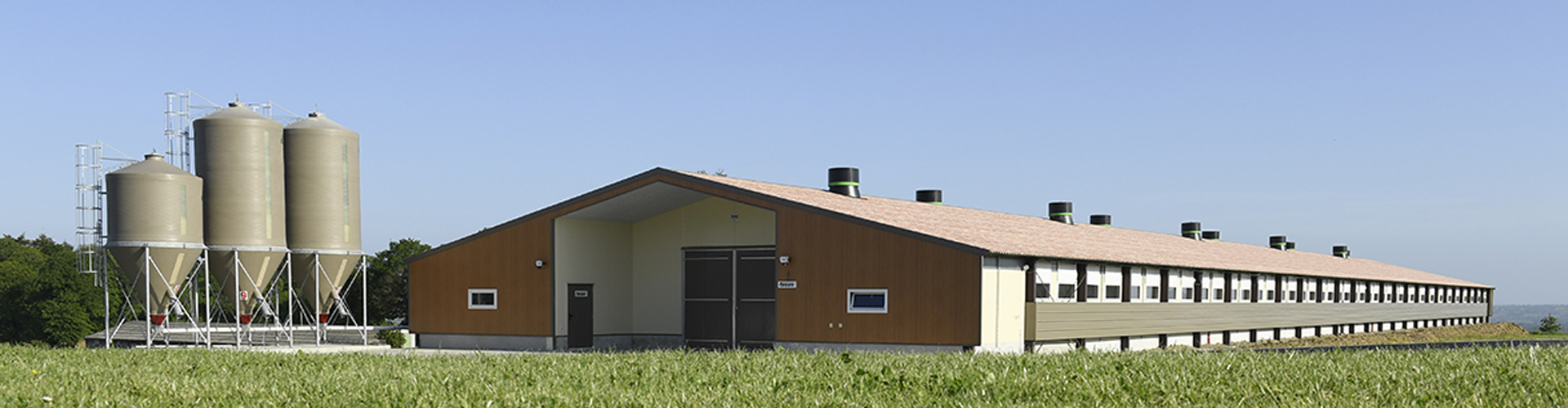
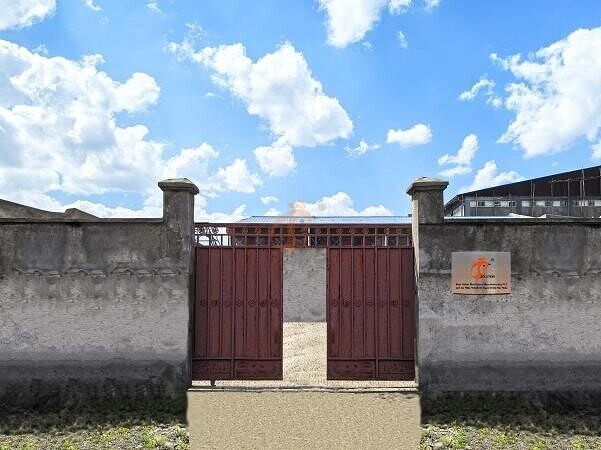
Ethiopia Branch Office And Factory Of Poultry Farm Equipment
The Ethiopian Poultry Imperative
In the highlands of Ethiopia, from the plateaus of Arsi to the outskirts of Addis Ababa, the poultry sector is at a turning point.
Traditionally, the Ethiopian market has relied on the ''Habesha'' breed a hardy scavenger with an annual egg production of only 60 to 80 eggs per hen.
However, with an urbanizing population and a growing tourism sector, demand for eggs and meat has surged.
Retail egg prices now range from 25 to 27 Ethiopian Birr per piece during peak seasons like Genna (Ethiopian Christmas).
To capture this demand, large-scale farmers are shifting from traditional methods to H-type chicken cage systems.
Unlike A-type cages, the H-type (vertical) design maximizes stocking density critical where land near markets like Addis or Adama is expensive.
Moving from 500 scavenging birds to 10,000 caged layers requires a rigorous financial roadmap.
The following methodology calculates return on investment for Ethiopian chicken cage farms, factoring in feed volatility and currency fluctuation.
Capital Expenditure (CAPEX) For H-Type Infrastructure
The initial cash outflow for an H-type system is substantial.
Most equipment, such as galvanized wire mesh and nipple drinkers, relies on imports from China or Europe, sensitive to the Birr-Dollar exchange rate.
For a 10,000-bird farm, budget for galvanized cages, the steel house structure, and backup power systems.
Local construction using CHB blocks and labor is cheaper, but the cage system dominates CAPEX.
European union standard reference only.
Data is for reference only.Swipe horizontally to view full table.
Operational Expenditure (OPEX): The Feed Factor
Feed is the largest recurring cost in Ethiopian chicken cage farms.
As of 2026, maize prices are volatile due to droughts and transport from Jimma.
Feed conversion ratio (FCR) in H-type systems is better than floor systems due to reduced wastage.
European union standard reference only.
Data is for reference only.Swipe horizontally to view full table.
Revenue Streams: Beyond Just Table Eggs
H-type chicken cages produce consistent, clean eggs that command a premium in Addis Ababa supermarkets.
Scientific culling is vital; egg layers produce for 18 months, then ''spent hens'' have market value.
During Genna, a spent hen can sell for 1,500 Ethiopian Birr.
Dry manure from cages is organic fertilizer, selling for approximately 300 Ethiopian Birr per quintal to vegetable farmers.
Data is for reference only.Swipe horizontally to view full table.
The Return On Investment Calculation Formula For Ethiopia
Return on investment accounts for costs, revenue, and the negative cash flow period.
Day-Old Chicks (DOCs) or Pullets take 18–20 weeks to start laying.
Adjustments for inflation and Birr volatility are necessary.
Risk premium for currency devaluation and contingency for power cuts are required.
Data is for reference only.Swipe horizontally to view full table.
Estimated return on investment over 18 months is approximately 162%.
The Sensitivity Analysis: Local Constraints
Local constraints include feed price volatility and mortality risk.
Mortality rises during Newcastle disease outbreaks, up to 30% if biosecurity is poor.
H-type cages mitigate coccidiosis risk, but viral threats remain.
Data is for reference only.Swipe horizontally to view full table.
Strategic Mitigation: Addis Ababa Proximity Factor
Location near Addis Ababa reduces transport mortality and fuel costs.
Automation via auto-drinkers and feeders decreases labor dependency.
Semi-automated farms operate efficiently with 6 staff instead of 15.
Contract agreements with hotels or exporters secure stable revenue.
Financing The H-Type Transition
Foreign currency access and high-interest loans are major barriers.
Commercial banks require 30% collateral.
Subsidies from ATI or MFIs can lower financial strain.
Financing 50% CAPEX via a loan increases equity return on investment but lowers net profit.
Data is for reference only.Swipe horizontally to view full table.
Payback Period: When Do You See Money
Payback period is critical for cash-strapped Ethiopian farmers.
Rearing phase of 5 months delays payback.
Net profit per month (mature phase) ~850,000 Ethiopian Birr.
Payback Time: 5.1 Months + 5 Months = 10.1 Months.
Faster than free-range systems, which may take 18 months.
Frequently Asked Questions
Q1: Is H-type chicken cage suitable for Ethiopian climate conditions?
Yes.
H-type cages provide good ventilation, reduce droppings contact, and are compatible with solar-powered fans, minimizing mortality from heat stress.
Q2: How can Ethiopian farmers manage feed cost volatility for H-type systems?
Farmers should secure contracts with local maize and soybean suppliers to stabilize OPEX and reduce price fluctuation risk.
Q3: Can small-scale Ethiopian farms adopt H-type chicken cage systems?
Yes.
Semi-automated systems allow operation with 6 staff. Start with 5,000 layers, scale up gradually, and maintain strict biosecurity.
Ethiopia Best Hebei Machinery Manufacturing Plc - One Of Ethiopia Largest Chicken Cage Manufacturer
HB BEST provides global factory direct sales of poultry farm equipment and poultry cage solutions.
The company delivers turnkey poultry farm projects across Ethiopia with professional planning and installation.
All equipment is designed for durability and local Ethiopian operational conditions.
HB BEST offers customized support and spare parts supply to Ethiopian farmers reliably.
Their poultry cages and farm equipment meet international standards and reduce operational costs.
Contact Us To Received Your Customized Poultry Farm Plan
Headquarters And Branchs

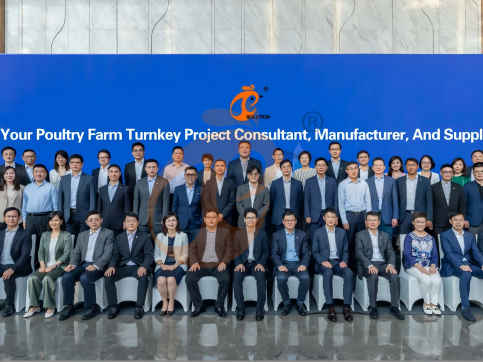
Hong Kong Headquarter Management Team
Hong Kong Headquarter Taiyu Industrial Group CO., LTD
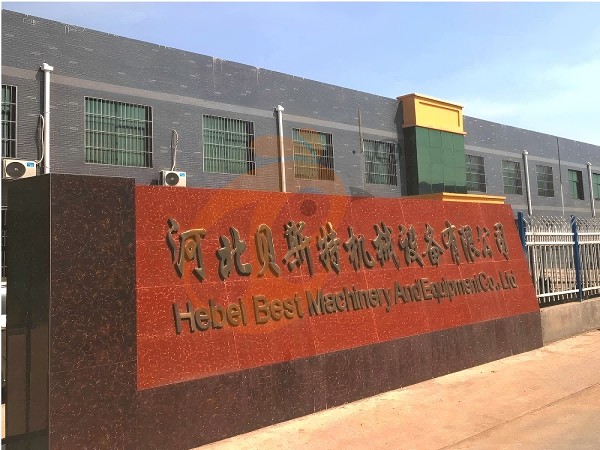
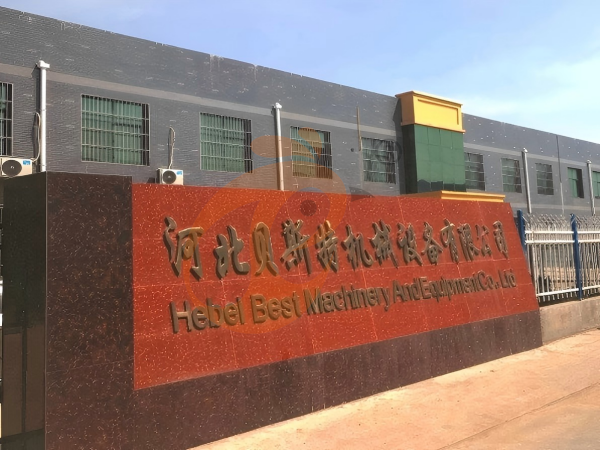
China Hebei Best Machinery And Equipment CO., LTD
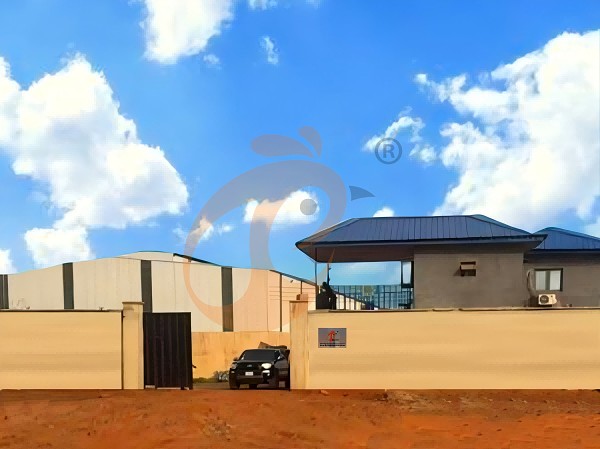
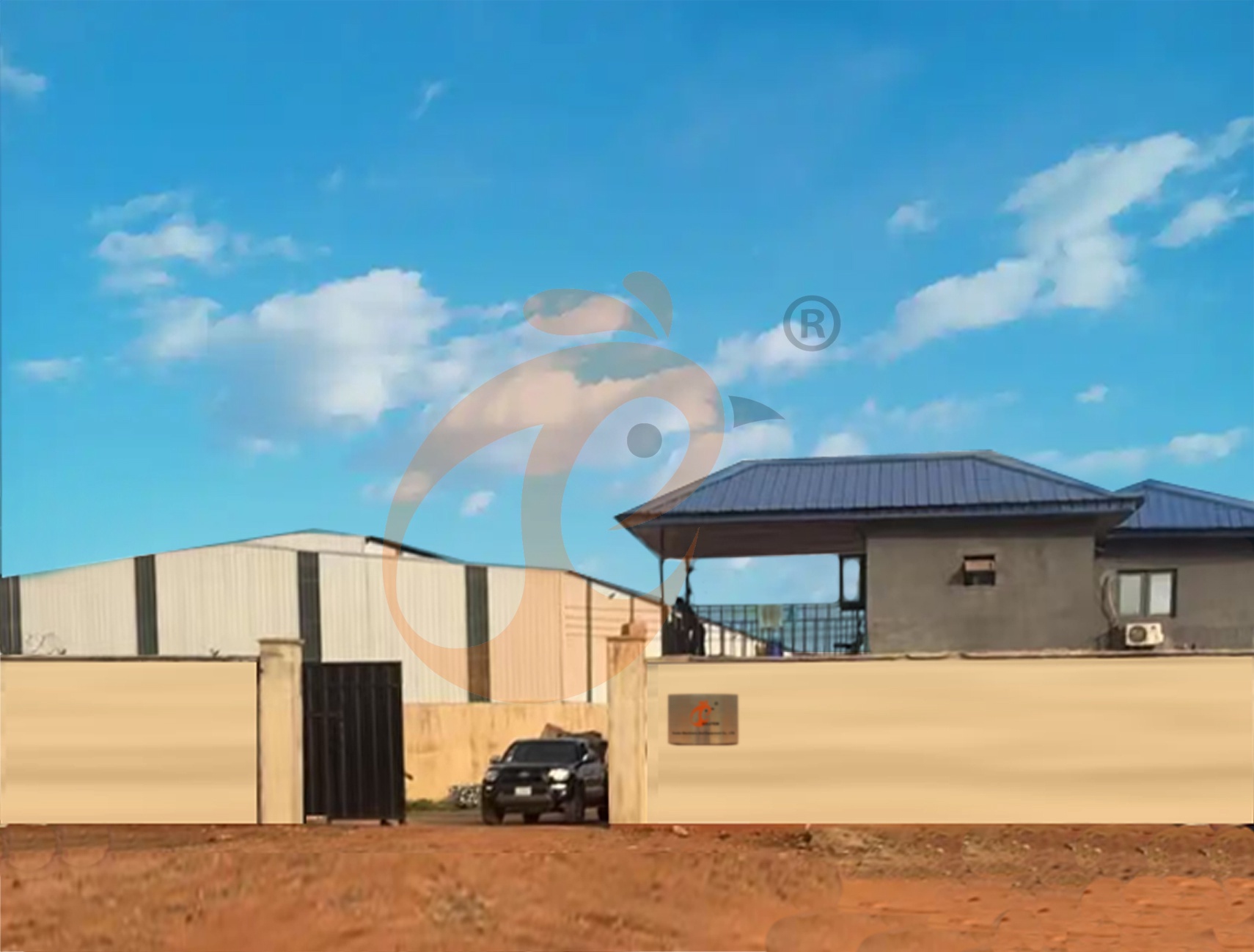
Nigeria Vanke Machinery And Equipment CO., LTD
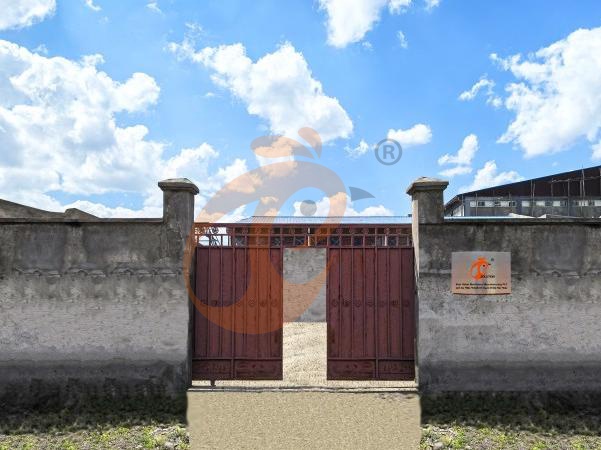
Tanzania Best Machinery And Equipment CO., LTD
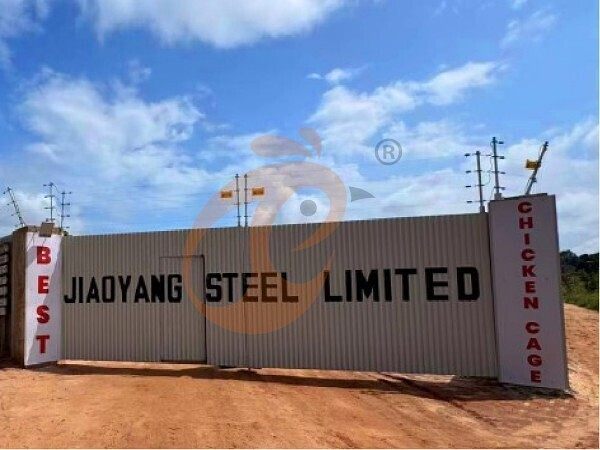
Ethiopia Best Hebei Machinery Manufacturing PLC
Reception /24 WhatsApp NO. : +8618830120193
FAQ
What Are The Recommended Cage Heights For H-Type Poultry Cage?
Multi-tier layout: 5–7 levels
Ensure comfort for feeding and movement
Egg production rate: 90-98%
FCR: 1.9–2.1
How To Reduce Energy Consumption In H-Type Layer Cage Farm?
Optimize ventilation and lighting layout
Reduce HVAC energy consumption by 10–15%
Egg production rate: 90-98%
FCR: 1.9–2.1
What Is The Maximum Capacity Of H-Type Layer Cage In A Single House?
Birds per tier: 90–120
Farm capacity per house: 30,000 - 100,000+0 birds
Floor space saved: 3–4 times
Labor savings: 70-90%
- poultry farm
- chicken cage
- poultry cage
- cage
- galvanized cage
- poultry farm equipment
- poultry farm construction
- chicken cage manufacturer
- chicken cage system
- poultry farm project
- poultry cage solution
- chicken cages
- poultry cages
- h type chicken cage
- chickencage
- bestchickencage
- cage system
- galvanized cages
- h type
- cage systems
- Nigeria
- cage manufacturer
- poultry cage solutions
- poultry farm plan
- Chicken Cage Farms
- Ethiopia
Message
Products recommended
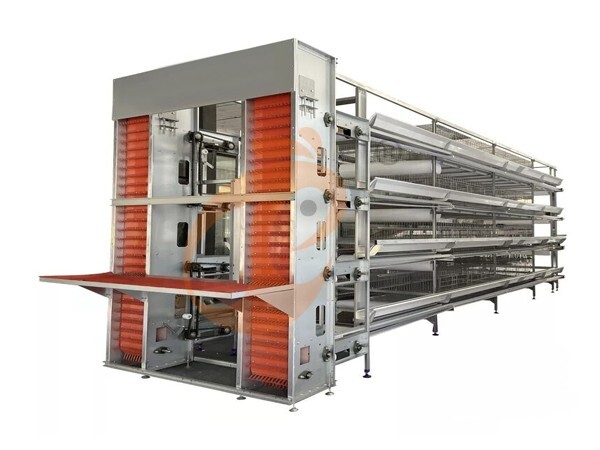
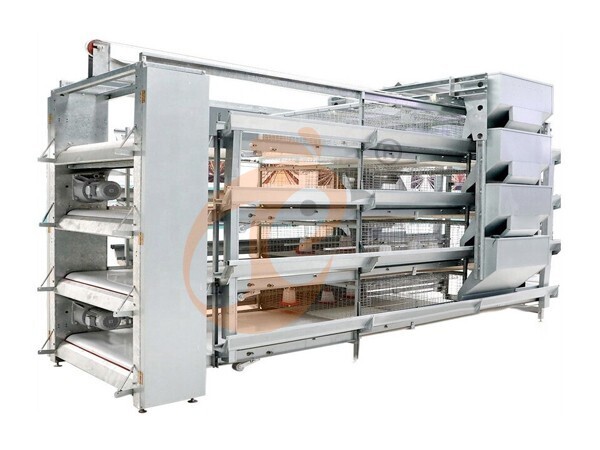
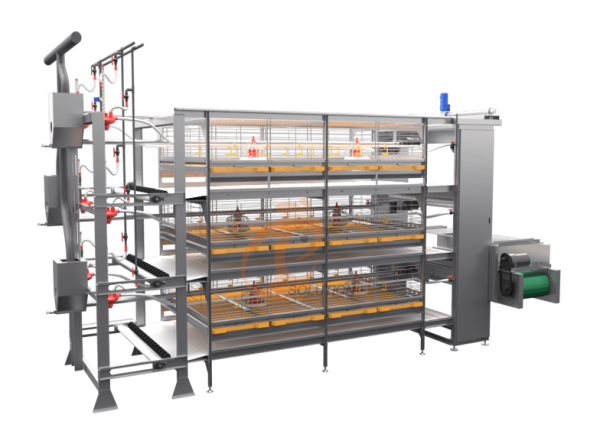
 >30,000 Pullets Automatic H Type Battery Cage1. More than 30,000 pullets a house, choose it.
2. It is designed to rearing older than 1 day old pullets to 12 to 16 weeks old chicken starting laying eggs.
3. Its lifespan is more than 25 years.
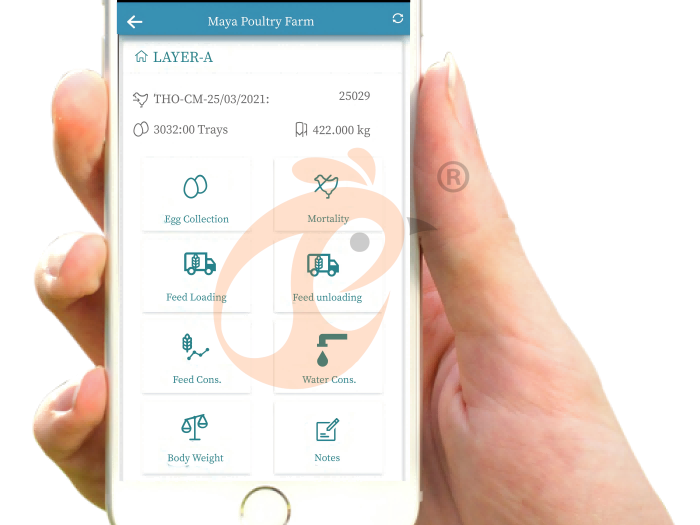
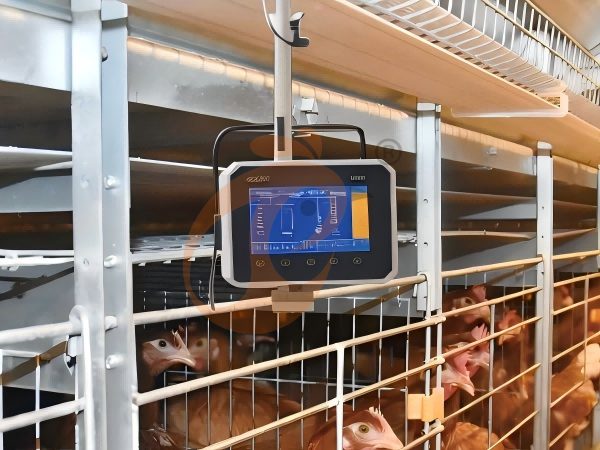
4. Its structure are Vcloud artificial intelligent fusion, electric control cabinet, automatic equipment of drinking, feeding, manure clean, manual harvesting.
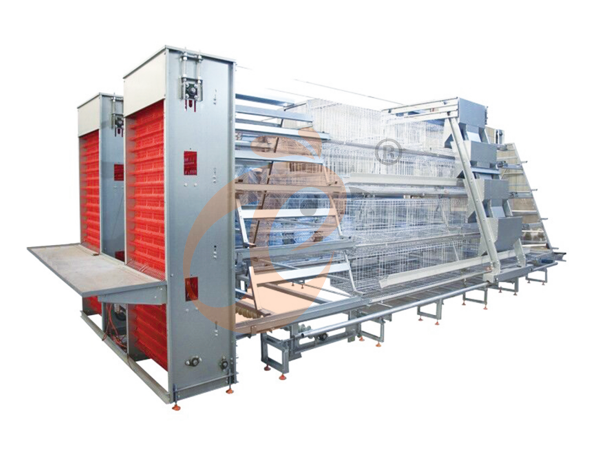
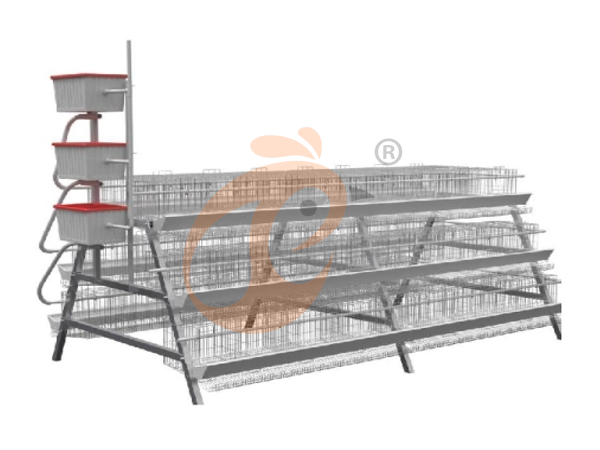
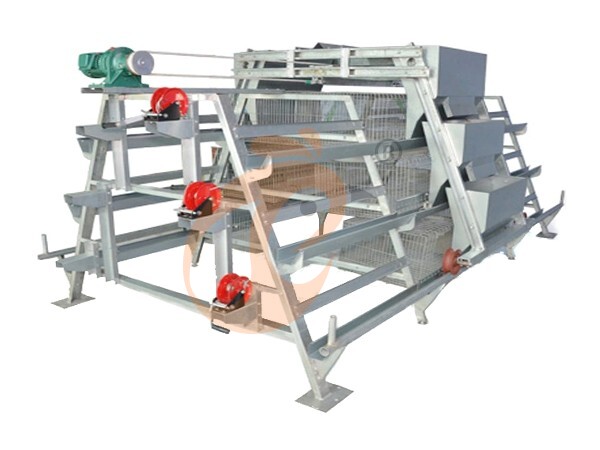
5. Our 24 hour online reception What’sApp NO. is +8618830120193 <30,000 Pullets Automatic A Type Battery Cage1. 10,000 to 30,000 pullets a house, choose it.
2. It is designed to rearing older than 1 day old pullets to 12 to 16 weeks old chicken starting laying eggs.
3. Its lifespan is more than 25 years.
4. Its structure are Vcloud artificial intelligent fusion, electric control cabinet, automatic equipment of drinking, feeding, manure clean, manual harvesting.
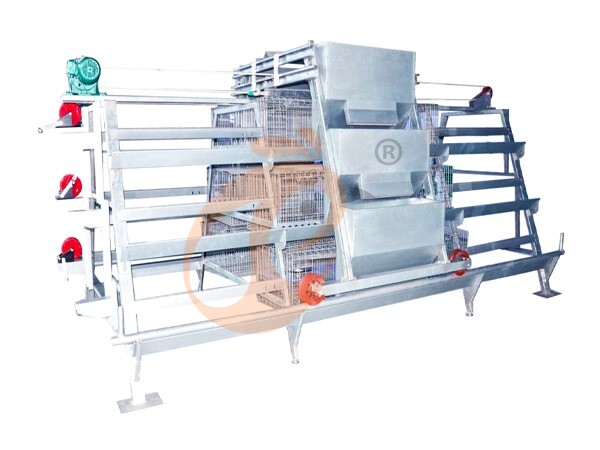
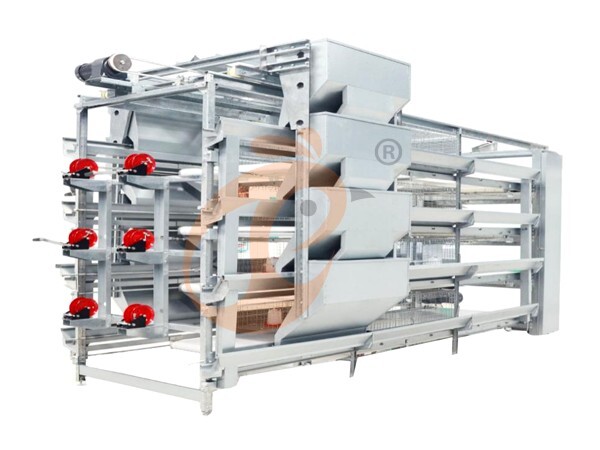
5. Our 24 hour online reception What’sApp NO. is +86 18830120193. >30,000 Broilers Semi-Automatic Harvest H Type Battery Cage1. More than 30,000 broilers a house, choose it.
2. It is designed to rearing 1 to 45 day old adult broiler ready for market.
3. Its lifespan is more than 20 years.
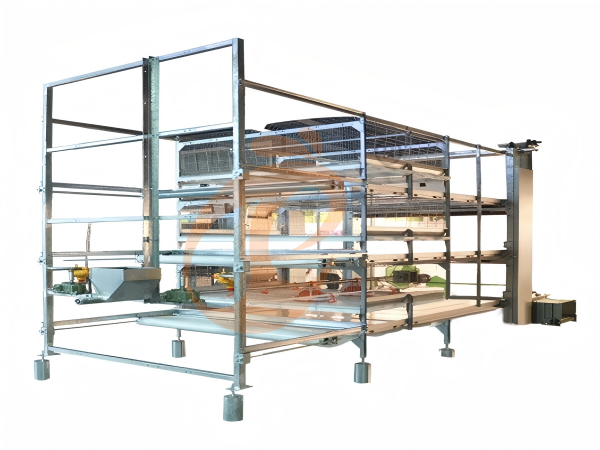
4. Our 24 hour online reception What’sApp NO. is +8618830120193, +234 8111199996. >30,000 Broilers Manual Harvest H Type Battery Cage1. More than 30,000 broilers a house, choose it.
2. It is designed to rearing 1 to 45 day old adult broiler ready for market.
3. Its lifespan is more than 20 years.
4. Its structure are Vcloud artificial intelligent fusion, electric control cabinet, automatic equipment of drinking, feeding and manure clean, manual harvesting.
5. Our 24 hour online reception What’sApp NO. is +8618830120193, +234 8111199996. <30,000 Broilers Manual Harvest A Type Battery Cage1. Less 30,000 broilers a house, choose it.
2. It is designed to rearing 1 to 45 day old adult broiler ready for market.
3. Its lifespan is more than 20 years.
4. Its structure are Vcloud artificial intelligent fusion, electric control cabinet, automatic equipment of drinking, feeding and manure clean, manual harvesting.
5. Our 24 hour online reception What’sApp NO. is +8618830120193, +234 8111199996. HK Headquarter Offers EU-standard Poultry Farm Solutions, Manufacture Poultry Farm Equipment1. Continuous communication with the EU and the US
2. China, Nigeria, Ethiopia, Tanzania branch companies and factories
3. The products’ quality is customized for local poultry farms
4. Poultry cage and poultry farm equipment stock for sale
5. 24 online reception Whatsapp NO. : +8618830120193,contact us to get full information China Branch Offer Poultry Farm Business Plan, Manufacture Poultry Farm Equipment1. Address: Flat/RM 2416, 24/F, Runxing Building, Youyi Nan Street, Shijiazhuang City, Hebei Province, China
2. Poultry cage and poultry farm equipment factory and stock for sale
3. Customized for local poultry farms
4. Quality and design are based on Euro
5. 24 online reception Whatsapp NO. : +8618830120193 Nigeria Branch Offer Poultry Farm Business Plan, Manufacture Poultry Farm Equipment1. Address: After Sinoma Office, 200 Meters Near Danco Filling Station, Lagos/Ibadan Expressway, Lagos State, Nigeria
2. Poultry cage and poultry farm equipment factory and stock for sale
3. Customized for Nigerian poultry farms
4. Quality and design are based on Euro
5. 24 online reception Whatsapp NO. : +8618830120193 Ethiopia Branch Offer Poultry Farm Business Plan, Manufacture Poultry Farm Equipment1. Address: WR93+FQ2, Addis Ababa, Ethiopia
2. Poultry cage and poultry farm equipment stock for sale
3. Customized for Ethiopian poultry farms
4. Quality and design are based on Euro
5. 24 online reception Whatsapp NO. : +8618830120193, contact us to get price list Tanzania Branch Offer Poultry Farm Business Plan, Manufacture Poultry Farm Equipment1. Address: No.8, Sova Road, Msufini, Mlandizi, Kibaha, Pwani, Tanzania
2. Poultry cage and poultry farm equipment factory and stock for sale
3. Customized for Tanzanian poultry farms
4. Quality and design are based on Euro
5. 24 online reception Whatsapp NO. : +8618830120193



Contact
By clicking 'Allow All', you agree to the storage of cookies on your device to enhance site navigation, analyze site usage and assist with our marketing efforts.