


Blog
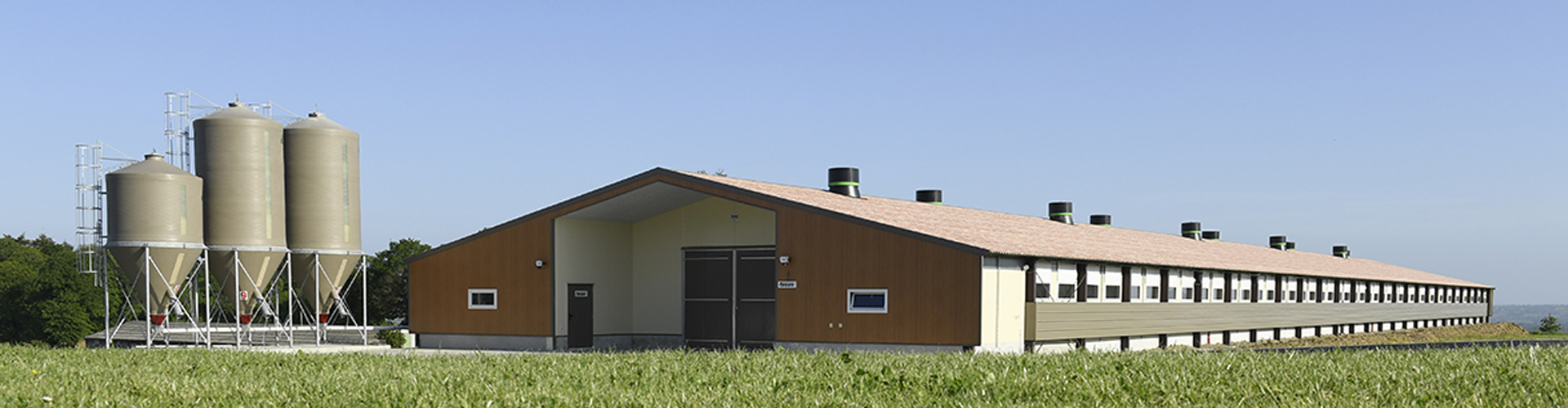
H-type chicken cage profitability is transforming Ethiopia poultry farms effectively.
This article explains land utilization, feed efficiency, and egg production optimization.
It highlights climate control strategies and labor efficiency for poultry farmers.
Manure management and disease prevention techniques are covered in detail.
Egg quality improvement methods are described for premium urban markets.
Structural durability and corrosion resistance of cages are examined carefully.
Financial return on investment and scaling potential are analyzed clearly.
Water conservation and automated systems are detailed for sustainable operations.
Get professional poultry farm construction guidance, equipment selection solutions, and the latest price lists, whatsApp to +8618830120193, click to learn more:

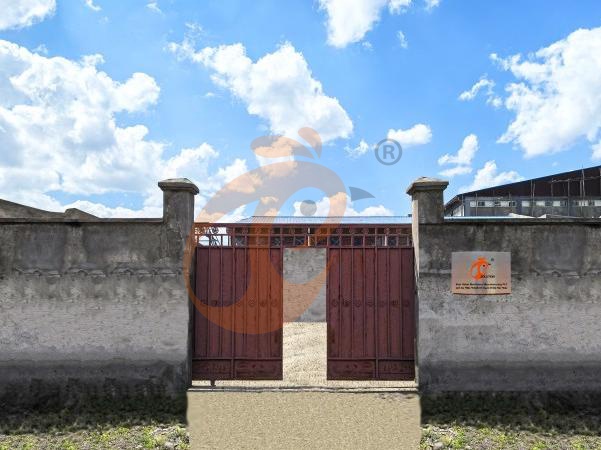
Ethiopia Branch Office And Factory Of Poultry Farm Equipment
Maximizing Land Use In Rapidly Urbanizing Regions
In regions like Oromia and Amhara, land prices near urban centers are surging.
Traditional deep-litter systems require large floor space, increasing land acquisition costs.
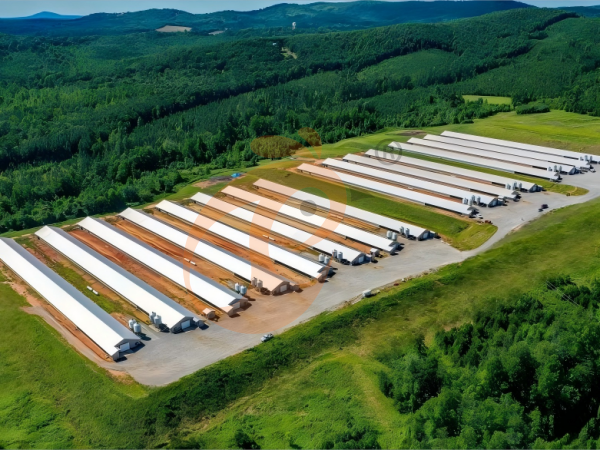
H-type chicken cages utilize vertical space effectively with stacked tiers.
This allows a farmer to house a larger flock on the same plot compared to floor systems.
Data is for reference only. Swipe horizontally to view full table.
Mitigating The Impact Of High Feed Costs
Feed represents a major portion of Ethiopian poultry production costs.
Local maize and soy price fluctuations increase expenditure.
Inefficient feeding methods waste feed and reduce overall conversion efficiency.
H-type chicken cages with automated troughs ensure most feed is consumed, improving FCR.
Data is for reference only. Swipe horizontally to view full table.
Climate Control: Adapting To The Rift Valley Heat
Farmers in Zway and Hawassa face high ambient temperatures.
Heat stress reduces egg-laying rates significantly without ventilation systems.
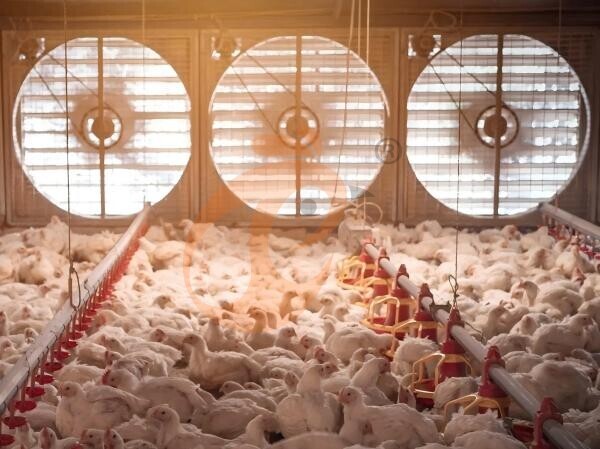
H-type chicken cages provide longitudinal airflow and cooling pad integration.
Internal conditions are maintained to optimize egg production throughout hot months.
Data is for reference only. Swipe horizontally to view full table.
Labor Efficiency And The ''Addis'' Labor Market
Managing large flocks manually is difficult due to skill shortages.
H-type chicken cages automate feeding, watering, egg collection, and manure removal.
Automation allows one worker to handle triple the number of birds compared to manual systems.
This reduces per-egg labor cost and improves biosecurity by limiting human-bird contact.
Data is for reference only. Swipe horizontally to view full table.
Solving The Manure Management And Disease Crisis
Disease outbreaks such as Newcastle or Avian Influenza threaten floor systems.
Birds in litter live in their own waste, promoting coccidiosis and respiratory issues.
H-type chicken cages with PP manure belts remove waste daily.
Reduced pathogen exposure lowers mortality and veterinary costs significantly.
Data is for reference only. Swipe horizontally to view full table.
Superior Egg Quality For Premium Markets
Hotels and supermarkets in Addis Ababa require premium clean eggs.
Manual collection often leads to breakage and contamination.
H-type chicken cages use automated soft-touch egg belts with tension regulation.
Eggs roll gently onto conveyors after laying, ensuring consistent grade A quality.
Data is for reference only. Swipe horizontally to view full table.
Structural Durability And The Ethiopian Climate
Ethiopia's rainy season accelerates corrosion in poor cages.
H-type chicken cages use hot-dip galvanized steel with thick zinc coating.
Industrial cages last decades, providing long-term depreciation benefits.
Wire diameter ensures high tensile strength for structural stability.
Data is for reference only. Swipe horizontally to view full table.
Financial Return On Investment (ROI) And Scaling
H-type chicken cages reduce feed loss, improve egg output, and cut labor cost.
Commercial scale operations recover capital faster than manual systems.
Economies of scale enhance profitability for large flock sizes.
Data is for reference only. Swipe horizontally to view full table.
Water Conservation And Management
Water is scarce in many Ethiopian regions.Bell drinkers leak and create hygiene issues.
H-type chicken cages use 360° nipple drinkers with drip cups and filtration.
All birds receive water evenly with minimal waste.
Data is for reference only. Swipe horizontally to view full table.
Strategic Operational Insights For Ethiopian Poultry Investors
Investing in H-type chicken cages requires more than equipment—it demands strategic planning:
Flock Management Optimization: Schedule tier-specific feeding and lighting to maximize egg yield and bird health.
Cost Efficiency Focus: Combine automated feed and water systems to reduce operational loss and improve profit margins.
Market-Driven Production: Monitor local demand cycles to align egg quality and supply for premium Addis Ababa markets.
Risk Mitigation: Implement routine health checks, ventilation monitoring, and biosecurity protocols to prevent disease outbreaks.
Scalable Expansion: Plan infrastructure and tier layout to allow incremental scaling without disrupting current operations.
This approach ensures Ethiopian poultry entrepreneurs achieve sustainable growth and rapid return on oinvestment.
Frequently Asked Questions
Q1: Are H-type chicken cages suitable for Ethiopian climate conditions?
A1: Yes, longitudinal ventilation, cooling pads, and controlled micro-climates maintain optimal temperature and humidity, reducing heat stress on hens in the Rift Valley.
Q2: Can Ethiopian farmers afford the initial investment?
A2: Despite higher CAPEX, automation and improved egg output reduce payback to commercial feasibility within two years.
Q3: How do H-type cages improve disease control in Ethiopia?
A3: PP manure belts remove waste daily, reducing pathogen exposure. Automation lowers bird-to-bird contact, cutting mortality and veterinary costs.
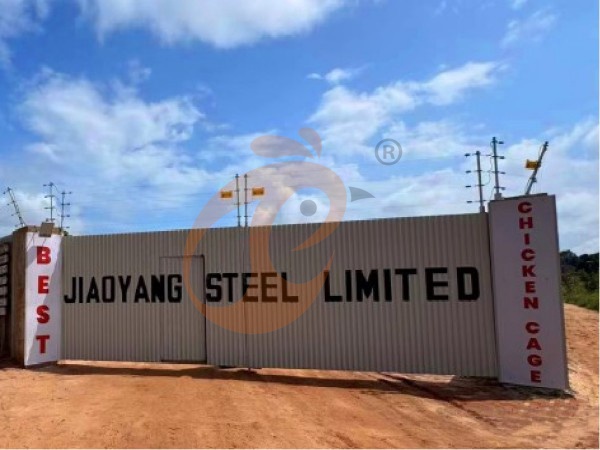
Ethiopia Best Hebei Machinery Manufacturing Plc - One Of Ethiopia Largest Chicken Cage Supplier
HB BEST provides global factory direct sales for high-quality poultry farm equipment.
Their poultry cages are engineered for optimal egg production efficiency and durability.
The company delivers turn-key projects, including installation, automation, and operator training services.
Galvanized steel cages are corrosion-resistant and designed for long-term commercial use.
Professional after-sales support ensures Ethiopian farms maintain productivity and profitability.
Contact Us To Received Your Customized Poultry Farm Plan
Headquarters And Branchs

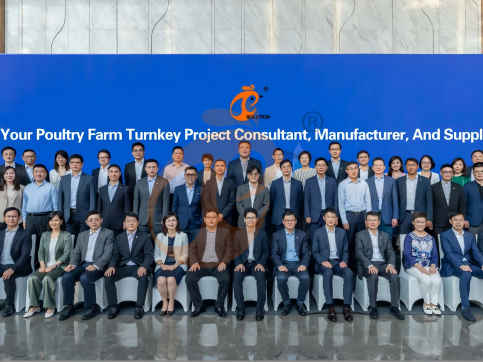
Hong Kong Headquarter Management Team
Hong Kong Headquarter Taiyu Industrial Group CO., LTD
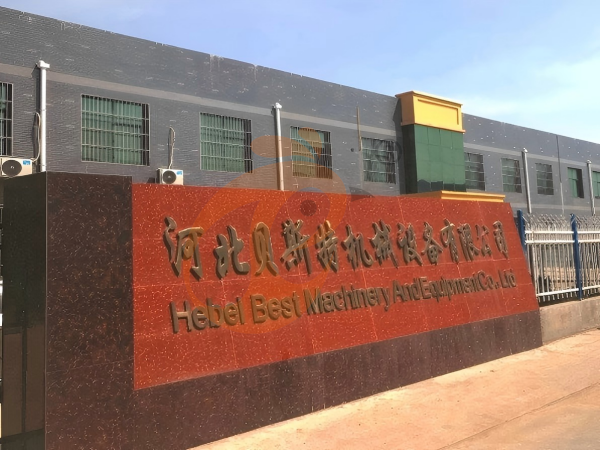
China Hebei Best Machinery And Equipment CO., LTD
Nigeria Vanke Machinery And Equipment CO., LTD
Tanzania Best Machinery And Equipment CO., LTD
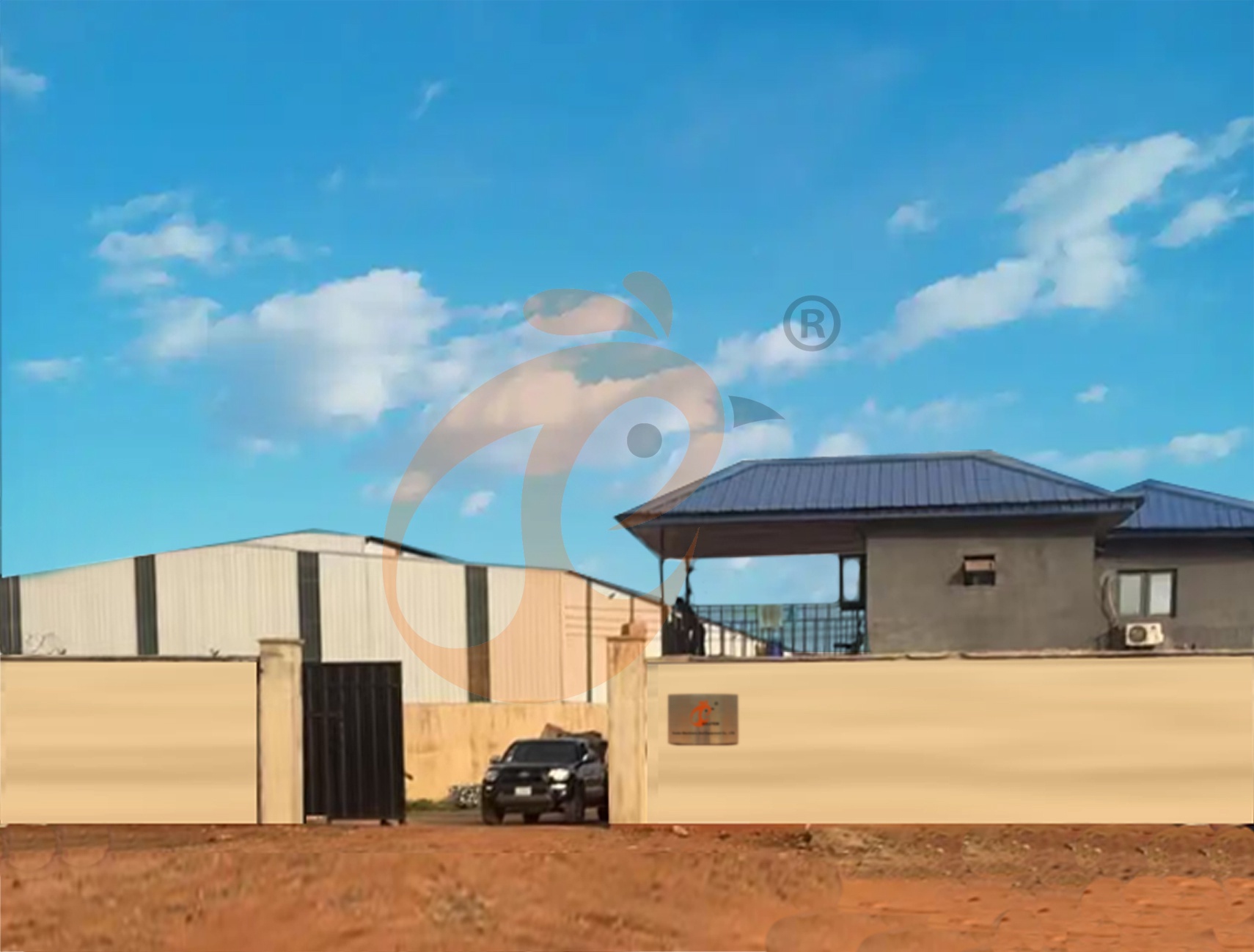
Ethiopia Best Hebei Machinery Manufacturing PLC




Reception /24 WhatsApp NO. : +8618830120193
FAQ
How To Maintain H-Type Chicken Cage For 25 Years Lifespan?
Check feeding and drinking systems
Maintain anti-corrosion coating
Equipment lifespan: more than 25 years
Egg production rate: 90-98%
What Are The Key Considerations When Buying H-Type Poultry Cage?
Corrosion-resistant cage material
Equipment lifespan and maintenance cost
Egg production rate: 90-98%
Labor savings: 70-90%
How To Upgrade H-Type Battery Cage System To Full Automation?
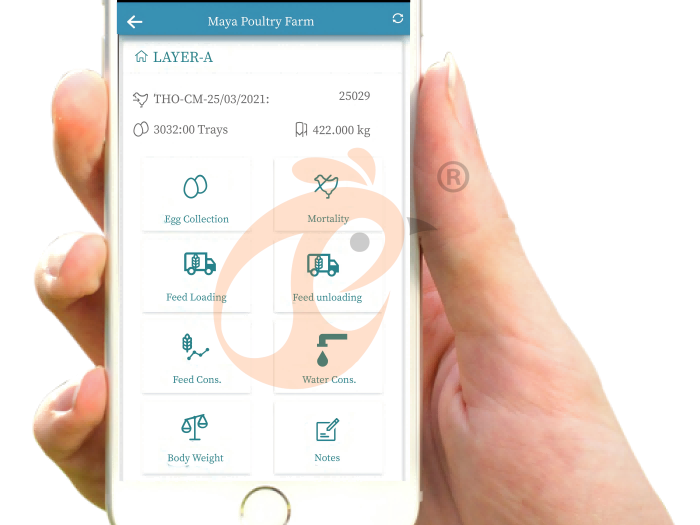
Integrate with farm management software
Egg production rate: 90-98%
FCR 1.9–2.1
Labor savings: 70-90%
Message
Products recommended
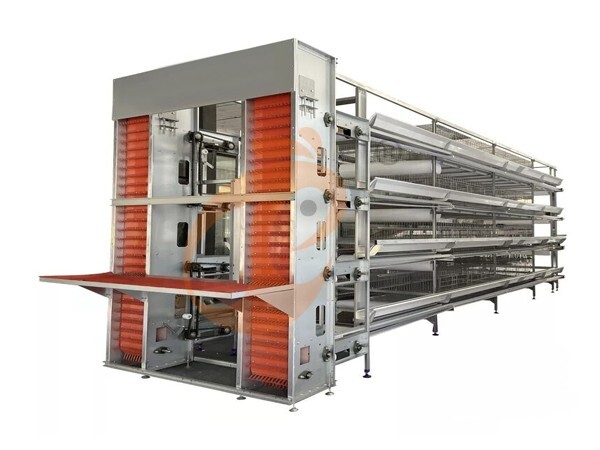
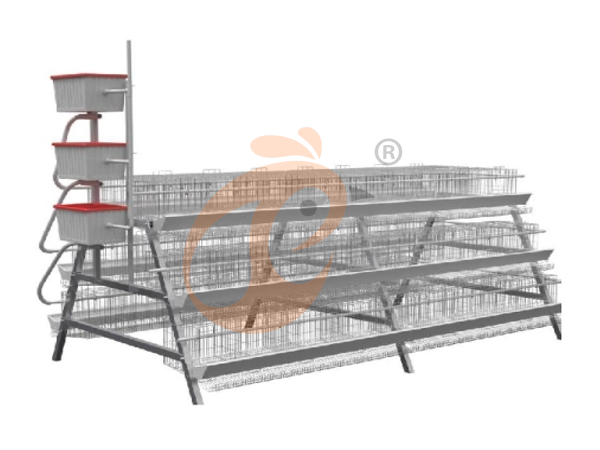
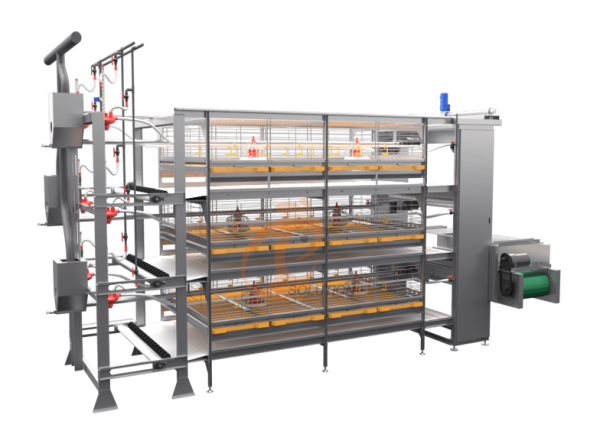
 >30,000 Pullets Automatic H Type Battery Cage1. More than 30,000 pullets a house, choose it.
2. It is designed to rearing older than 1 day old pullets to 12 to 16 weeks old chicken starting laying eggs.
3. Its lifespan is more than 25 years.
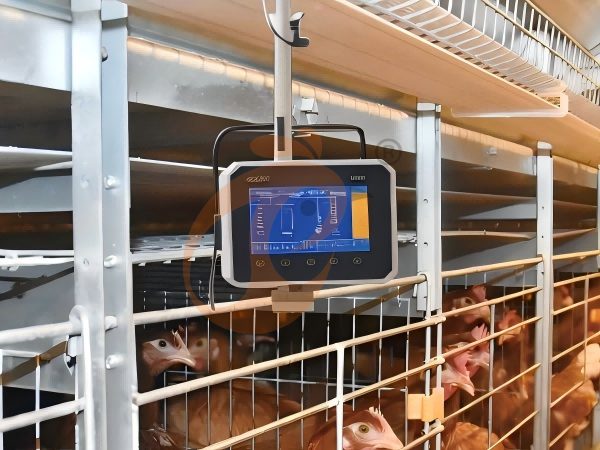
4. Its structure are Vcloud artificial intelligent fusion, electric control cabinet, automatic equipment of drinking, feeding, manure clean, manual harvesting.
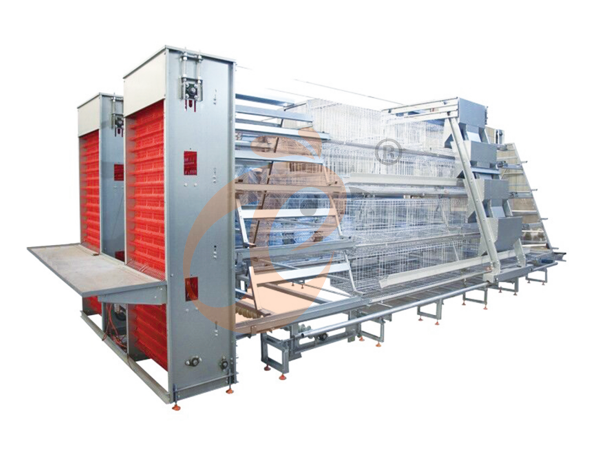
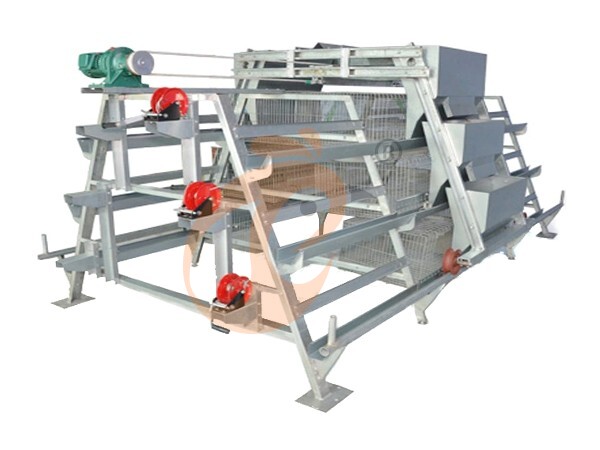
5. Our 24 hour online reception What’sApp NO. is +8618830120193 <30,000 Pullets Automatic A Type Battery Cage1. 10,000 to 30,000 pullets a house, choose it.
2. It is designed to rearing older than 1 day old pullets to 12 to 16 weeks old chicken starting laying eggs.
3. Its lifespan is more than 25 years.
4. Its structure are Vcloud artificial intelligent fusion, electric control cabinet, automatic equipment of drinking, feeding, manure clean, manual harvesting.
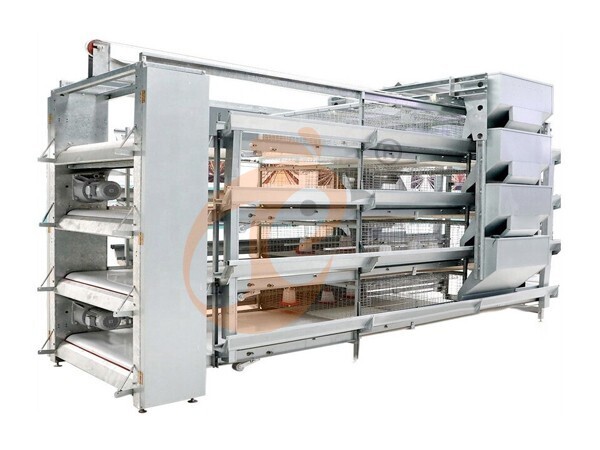
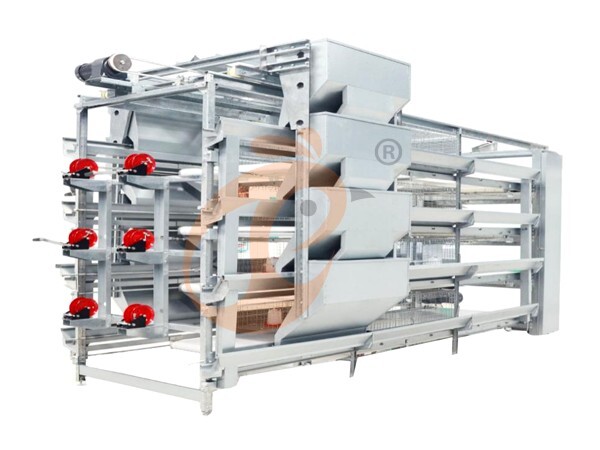
5. Our 24 hour online reception What’sApp NO. is +86 18830120193. >30,000 Broilers Semi-Automatic Harvest H Type Battery Cage1. More than 30,000 broilers a house, choose it.
2. It is designed to rearing 1 to 45 day old adult broiler ready for market.
3. Its lifespan is more than 20 years.
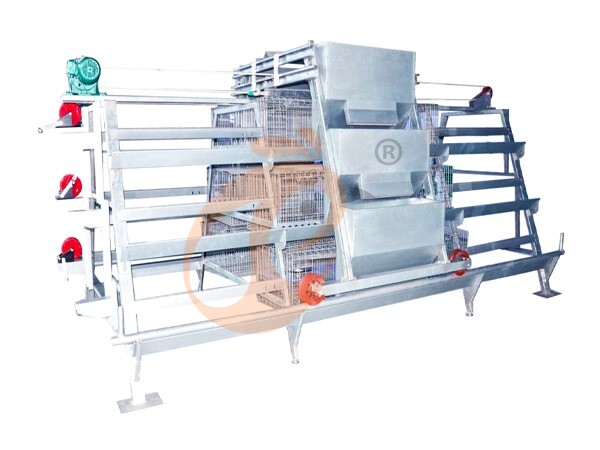
4. Our 24 hour online reception What’sApp NO. is +8618830120193, +234 8111199996. >30,000 Broilers Manual Harvest H Type Battery Cage1. More than 30,000 broilers a house, choose it.
2. It is designed to rearing 1 to 45 day old adult broiler ready for market.
3. Its lifespan is more than 20 years.
4. Its structure are Vcloud artificial intelligent fusion, electric control cabinet, automatic equipment of drinking, feeding and manure clean, manual harvesting.
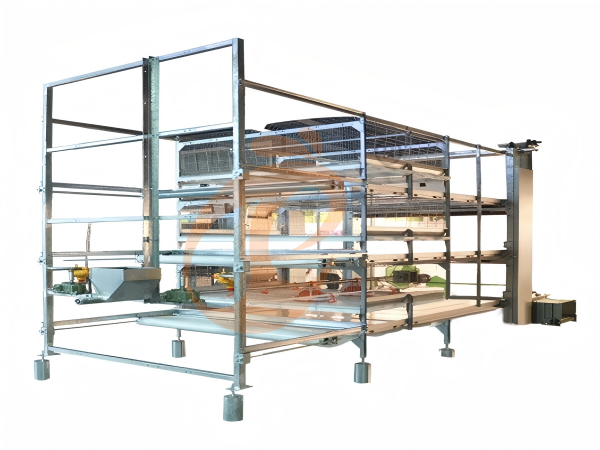
5. Our 24 hour online reception What’sApp NO. is +8618830120193, +234 8111199996. <30,000 Broilers Manual Harvest A Type Battery Cage1. Less 30,000 broilers a house, choose it.
2. It is designed to rearing 1 to 45 day old adult broiler ready for market.
3. Its lifespan is more than 20 years.
4. Its structure are Vcloud artificial intelligent fusion, electric control cabinet, automatic equipment of drinking, feeding and manure clean, manual harvesting.
5. Our 24 hour online reception What’sApp NO. is +8618830120193, +234 8111199996. HK Headquarter Offers EU-standard Poultry Farm Solutions, Manufacture Poultry Farm Equipment1. Continuous communication with the EU and the US
2. China, Nigeria, Ethiopia, Tanzania branch companies and factories
3. The products’ quality is customized for local poultry farms
4. Poultry cage and poultry farm equipment stock for sale
5. 24 online reception Whatsapp NO. : +8618830120193,contact us to get full information China Branch Offer Poultry Farm Business Plan, Manufacture Poultry Farm Equipment1. Address: Flat/RM 2416, 24/F, Runxing Building, Youyi Nan Street, Shijiazhuang City, Hebei Province, China
2. Poultry cage and poultry farm equipment factory and stock for sale
3. Customized for local poultry farms
4. Quality and design are based on Euro
5. 24 online reception Whatsapp NO. : +8618830120193 Nigeria Branch Offer Poultry Farm Business Plan, Manufacture Poultry Farm Equipment1. Address: After Sinoma Office, 200 Meters Near Danco Filling Station, Lagos/Ibadan Expressway, Lagos State, Nigeria
2. Poultry cage and poultry farm equipment factory and stock for sale
3. Customized for Nigerian poultry farms
4. Quality and design are based on Euro
5. 24 online reception Whatsapp NO. : +8618830120193 Ethiopia Branch Offer Poultry Farm Business Plan, Manufacture Poultry Farm Equipment1. Address: WR93+FQ2, Addis Ababa, Ethiopia
2. Poultry cage and poultry farm equipment stock for sale
3. Customized for Ethiopian poultry farms
4. Quality and design are based on Euro
5. 24 online reception Whatsapp NO. : +8618830120193, contact us to get price list Tanzania Branch Offer Poultry Farm Business Plan, Manufacture Poultry Farm Equipment1. Address: No.8, Sova Road, Msufini, Mlandizi, Kibaha, Pwani, Tanzania
2. Poultry cage and poultry farm equipment factory and stock for sale
3. Customized for Tanzanian poultry farms
4. Quality and design are based on Euro
5. 24 online reception Whatsapp NO. : +8618830120193


Contact
By clicking 'Allow All', you agree to the storage of cookies on your device to enhance site navigation, analyze site usage and assist with our marketing efforts.