


Blog
A type chicken cages price and benefits in Ethiopia are becoming central to modern egg production planning.
Rapid urban population growth increases structured layer farming demand.
Rising feed and land costs push farmers toward vertical housing systems.
Egg consumption expands in Addis Ababa, Adama, and regional towns.
Improved housing systems support disease control and predictable production output.
Get professional poultry farm construction guidance, equipment selection solutions, and the latest price lists, whatsApp to +8618830120193, click to learn more:

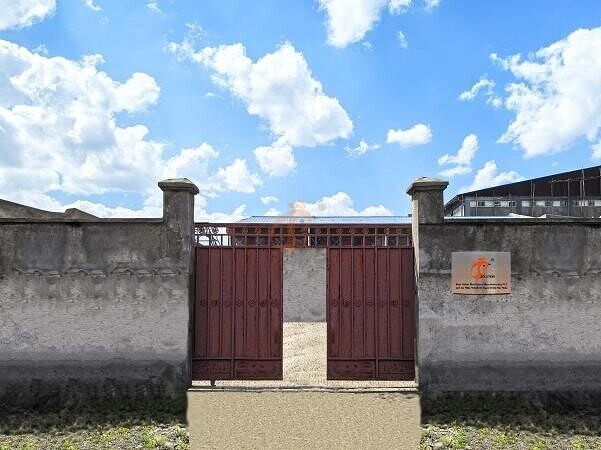
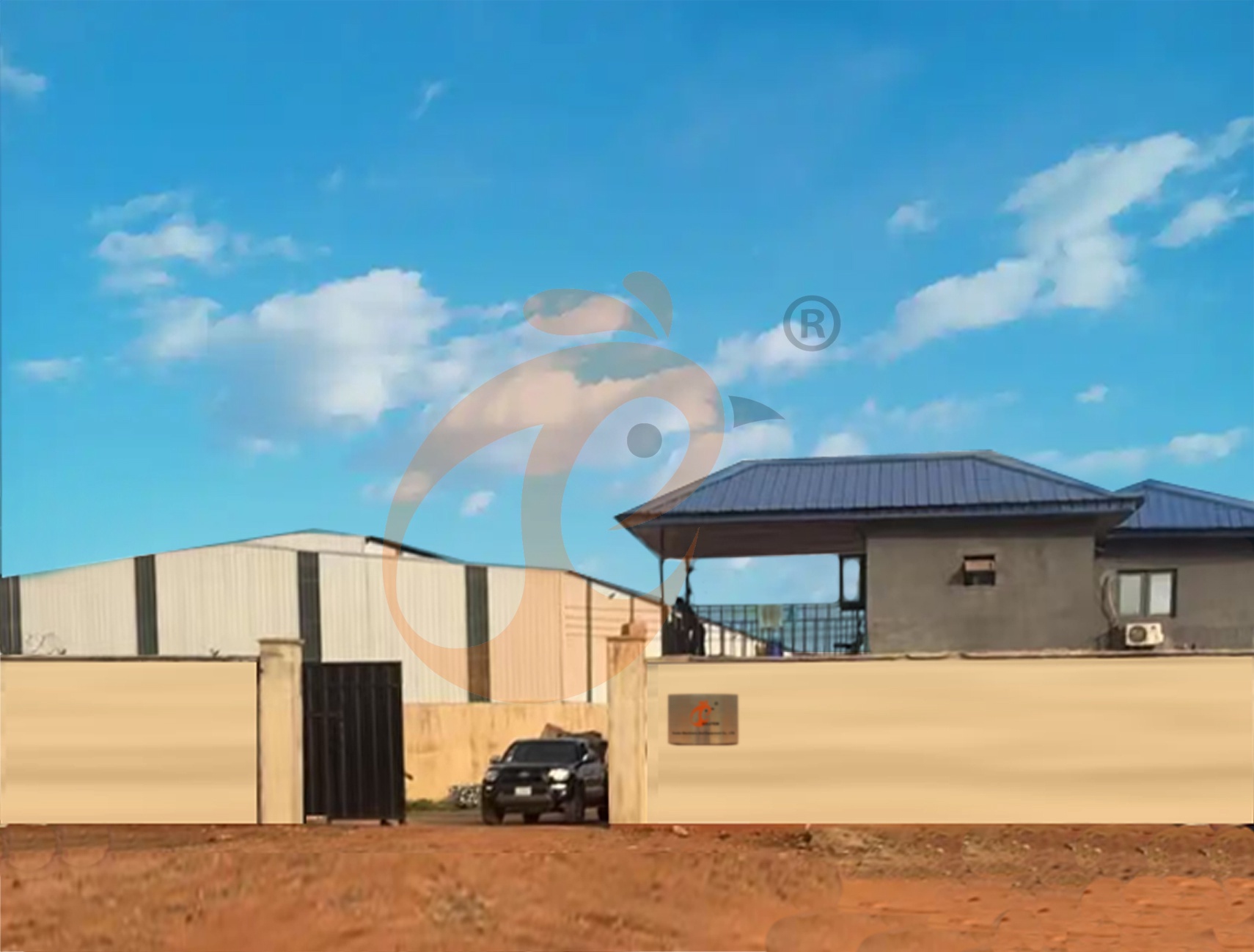
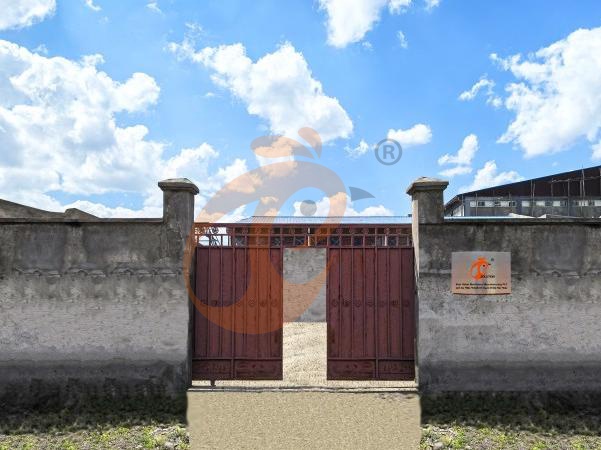
Ethiopia Branch Office And Factory Of Poultry Farm Equipment
Current Situation Of Egg Farming In Ethiopia
Ethiopia's poultry sector is expanding rapidly, driven by population growth and urbanization in cities like Addis Ababa, Adama, and Bahir
Dar.
Eggs are increasingly important in household nutrition programs, school feeding initiatives, and small business food services.
However, many Ethiopian egg farmers still rely on traditional deep litter systems, facing challenges such as feed wastage, disease
outbreaks, limited land, and inconsistent egg collection efficiency.
In many parts of Oromia, Amhara, and Southern regions, poultry farming is done by smallholder backyard farmers with 50–300 layers,
medium-scale peri-urban farms with 1,000–5,000 layers, and growing commercial operations supplying supermarkets in Addis Ababa.
Common pain points include rising feed costs, Newcastle disease outbreaks during rainy seasons, increasing land lease prices around
Addis Ababa, labor inefficiencies in manual egg collection, and fluctuating egg prices during fasting periods.
Data is for reference only.Swipe horizontally to view full table.
The need for improved housing systems is clear, especially systems that reduce feed waste, improve hygiene, and maximize limited land space.
What Is An A-Type Chicken Cage
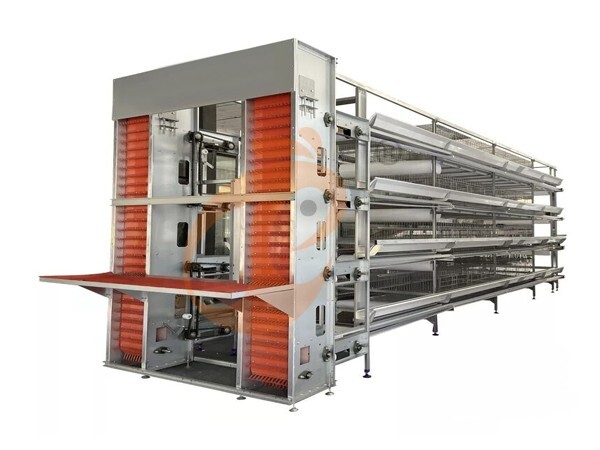
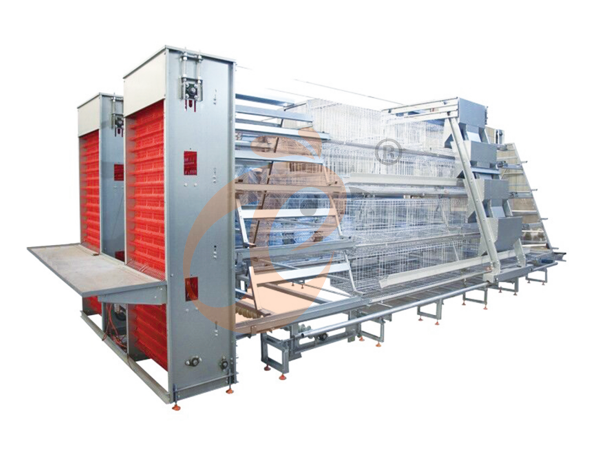
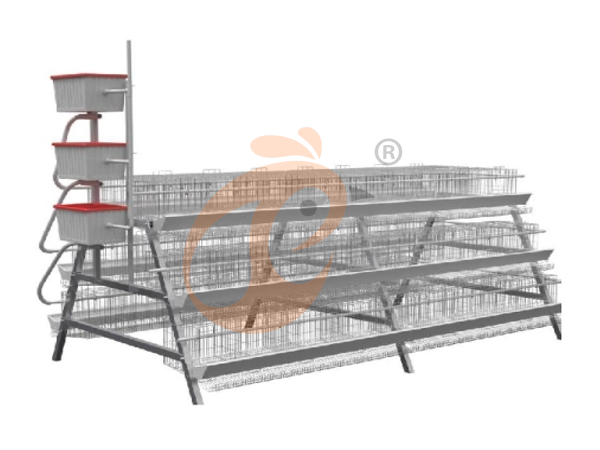
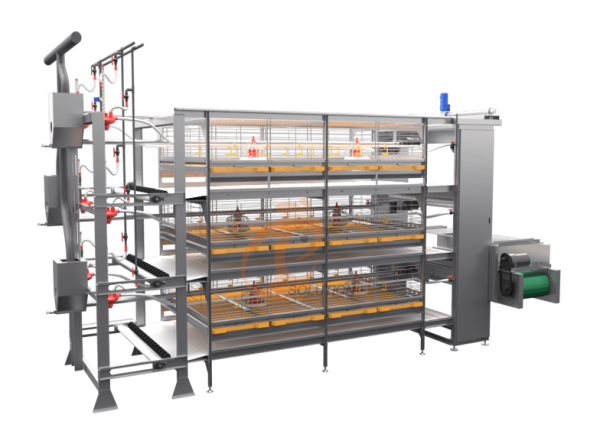
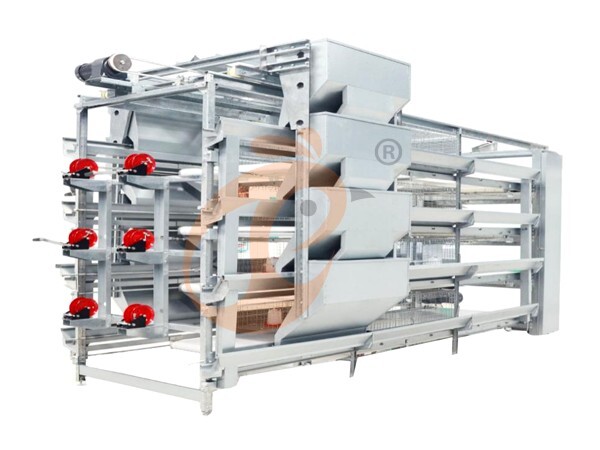
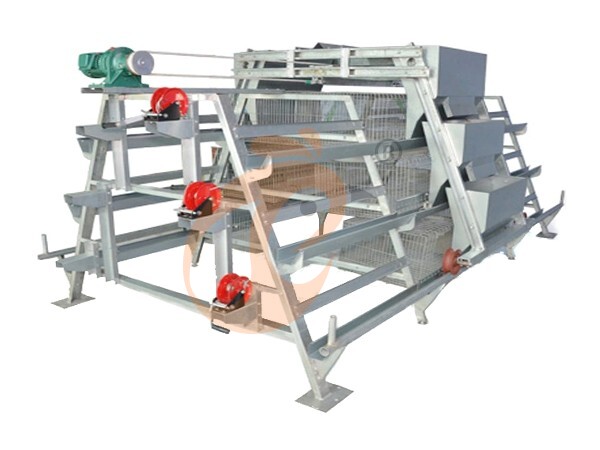
A-type chicken cages are vertical stepped-layer cage systems widely used in developing poultry markets.
They are suitable for small and medium-scale commercial poultry farming Ethiopia projects because of their structural simplicity and practical installation.
They match the construction style of naturally ventilated houses commonly built around Hawassa and Mekelle.
They are ideal for farms from 500 to 10,000 layers, which represents a common farm scale across Ethiopia.
Data is for reference only.Swipe horizontally to view full table.
A-Type Chicken Cages Price In Ethiopia
Prices in Ethiopia depend on import logistics through Djibouti, steel raw material costs, exchange rate fluctuations of birr, and inland transportation.
Most equipment enters via Djibouti port and is transported to Addis Ababa by truck.
A-type layer cage cost Ethiopia varies by model and galvanization standard.
Data is for reference only.Swipe horizontally to view full table.
Exchange rate calculations are based on current birr conversion levels and European union standard reference only.
Better Land Utilization
Land near Addis Ababa and Adama requires careful space planning due to rising lease values.
A-type cages allow vertical stocking with 3 or 4 tiers, reducing land footprint per bird.
This structure supports egg production expansion without increasing building area.
Data is for reference only.Swipe horizontally to view full table.
Feed Savings And Production Efficiency
Feed represents approximately 65–75% of egg production cost in Ethiopia.
Layer cage system Ethiopia improves feed control and reduces wastage caused by scratching behavior.
Feed conversion ratio improves due to controlled feeding lines.
Data is for reference only.Swipe horizontally to view full table.
For 5,000 birds, a reduction of 10 g feed per bird per day equals 50 kg feed saved daily.
Over 365 days, this equals 18,250 kg feed savings.
Improved Egg Cleanliness And Reduced Breakage
During rainy seasons in regions near Bahir Dar and Hawassa, litter moisture increases egg contamination risk.
A-type cages include sloped egg collection systems that reduce floor contact.
This improves egg grading results for urban supermarkets.
Data is for reference only.Swipe horizontally to view full table.
Disease Control And Mortality Reduction
Newcastle disease and coccidiosis affect farms during seasonal humidity changes.
Cage separation reduces manure contact and cross contamination.
Vaccination programs become easier to manage with structured housing.
Data is for reference only.Swipe horizontally to view full table.
Five Key Tips For Ethiopian Egg Farms Using A-Type Cages
Match Capacity With Local Market Demand
Study egg demand in Addis Ababa and regional markets before installation.
Plan around Orthodox fasting seasons to stabilize cash flow.
Design Natural Ventilation Carefully
Orient houses east-west in highland climates.
Install adjustable side curtains for rainy seasons.
Secure Feed Supply Agreements
Purchase maize during harvest periods in Oromia.
Consider partial on-farm feed mixing for cost control.
Implement Basic Biosecurity Measures
Install footbaths at entrances.
Limit visitor access and follow vaccination schedules.
Plan Manure Commercialization
Sell manure to vegetable farmers near Bahir Dar and Hawassa.
Structured manure collection under cages simplifies packaging and transport.
Financial Projection Example For 5,000 Layers
Data is for reference only.Swipe horizontally to view full table.
Investment recovery typically occurs within 24–36 months depending on feed cost and mortality control.
Frequently Asked Questions
Q1: What is the average investment for 5,000 birds using A-type cages in Ethiopia?
A1: The total equipment investment ranges between 10,500,000 and 15,500,000 Ethiopian Birr depending on model and galvanization standard, European union standard reference only.
Q2: How much land is required for 5,000 layers?
A2: Using a 4-tier A-type system requires approximately 190–230 m² of house space compared with over 600 m² in deep litter systems.
Q3: Can A-type cages reduce feed cost significantly
A3: A reduction of 10 g feed per bird per day results in 18,250 kg annual feed savings for 5,000 birds.
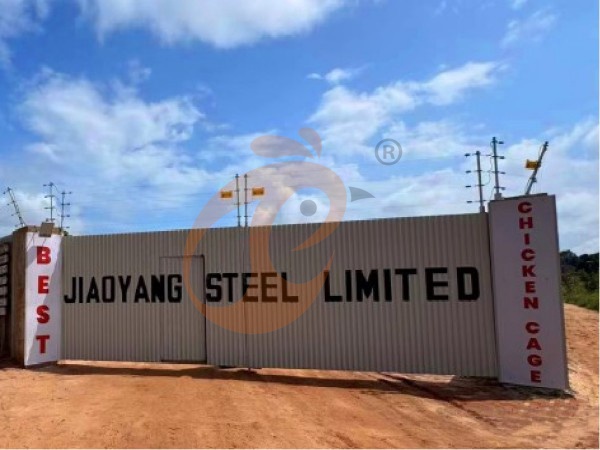
Ethiopia Best Hebei Machinery Manufacturing Plc - One Of Ethiopia Largest Poultry Cage Manufacturer
Global factory direct supply ensures stable production capacity of 20,000 sets per year.
Specialized in poultry farm equipment including poultry cage systems with 275 g/m² galvanization coating.
Provides complete Turnkey engineering solutions including house design, ventilation planning, and installation guidance.
Supports 3-tier and 4-tier A-type systems with 15–20 years design service life.
Offers technical training, layout drawings, and capacity planning based on real farm parameters.
Contact Us To Received Your Customized Poultry Farm Plan
Headquarters And Branchs

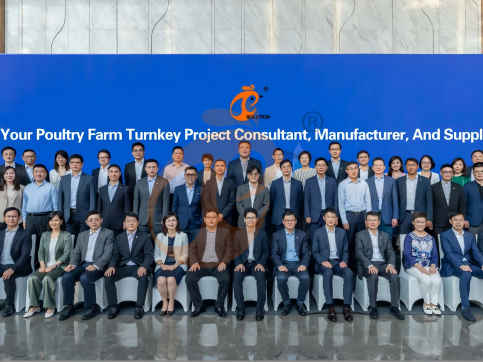
Hong Kong Headquarter Management Team
Hong Kong Headquarter Taiyu Industrial Group CO., LTD
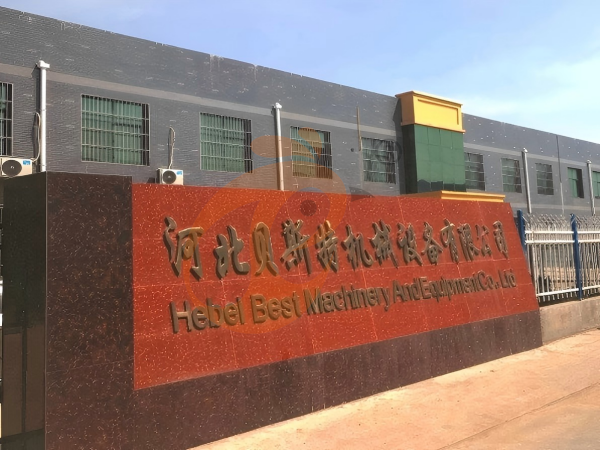
China Hebei Best Machinery And Equipment CO., LTD
Nigeria Vanke Machinery And Equipment CO., LTD
Tanzania Best Machinery And Equipment CO., LTD
Ethiopia Best Hebei Machinery Manufacturing PLC
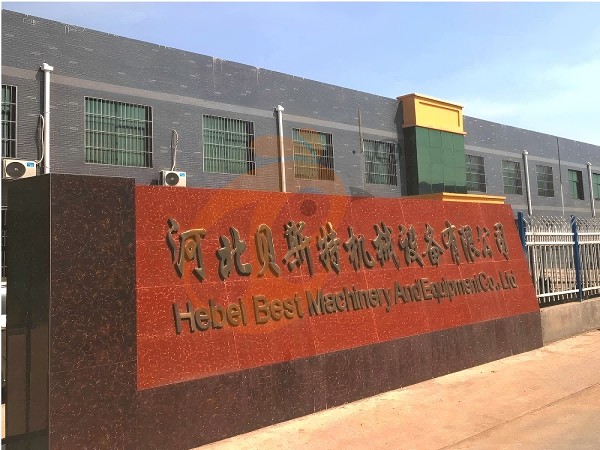
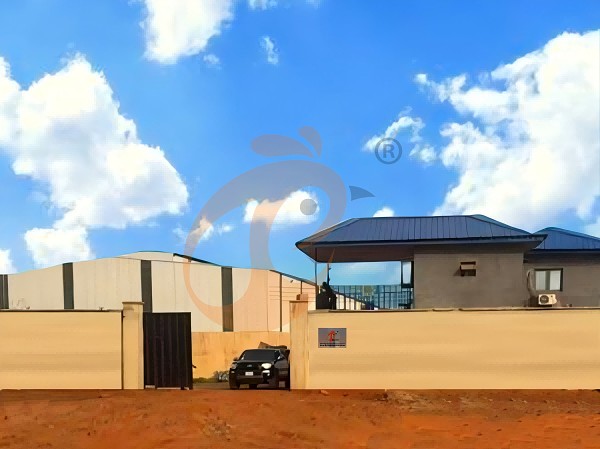
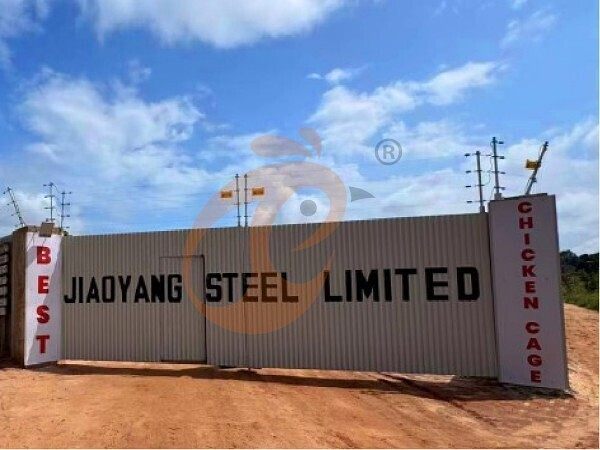
Reception /24 WhatsApp NO. : +8618830120193
FAQ
- poultry farm
- chicken cage
- layer cage
- poultry cage
- cage
- poultry farm equipment
- poultry farm construction
- layer cage system
- poultry cage manufacturer
- poultry cage system
- layer cage cost
- deep litter system
- egg collection system
- chicken cages
- chickencage
- bestchickencage
- cage system
- a type chicken cage
- cage systems
- Nigeria
- layer farm
- poultry farming
- poultry cage systems
- cage manufacturer
- poultry farm plan
Message
Products recommended
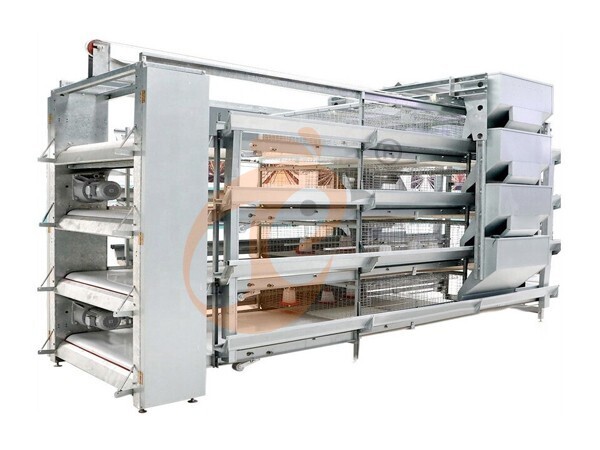
 >30,000 Pullets Automatic H Type Battery Cage1. More than 30,000 pullets a house, choose it.
2. It is designed to rearing older than 1 day old pullets to 12 to 16 weeks old chicken starting laying eggs.
3. Its lifespan is more than 25 years.
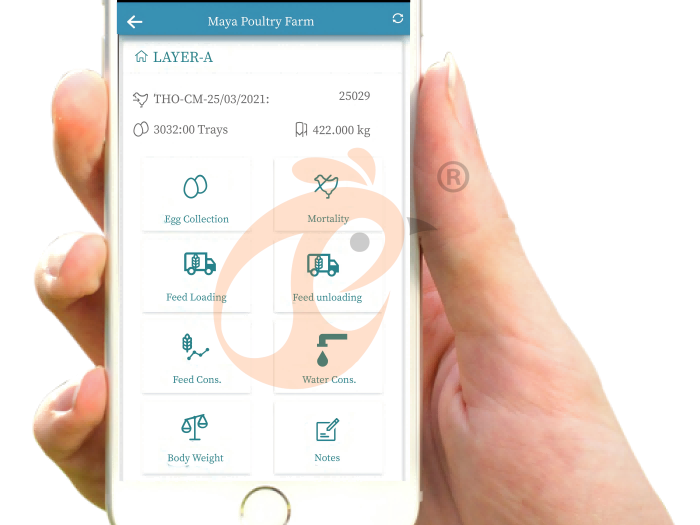
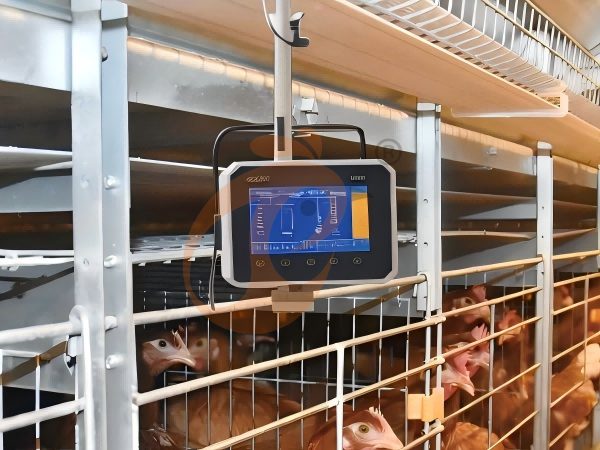
4. Its structure are Vcloud artificial intelligent fusion, electric control cabinet, automatic equipment of drinking, feeding, manure clean, manual harvesting.
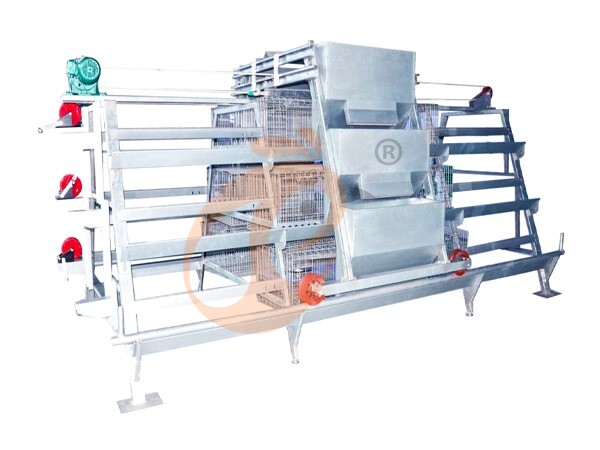
5. Our 24 hour online reception What’sApp NO. is +8618830120193 <30,000 Pullets Automatic A Type Battery Cage1. 10,000 to 30,000 pullets a house, choose it.
2. It is designed to rearing older than 1 day old pullets to 12 to 16 weeks old chicken starting laying eggs.
3. Its lifespan is more than 25 years.
4. Its structure are Vcloud artificial intelligent fusion, electric control cabinet, automatic equipment of drinking, feeding, manure clean, manual harvesting.
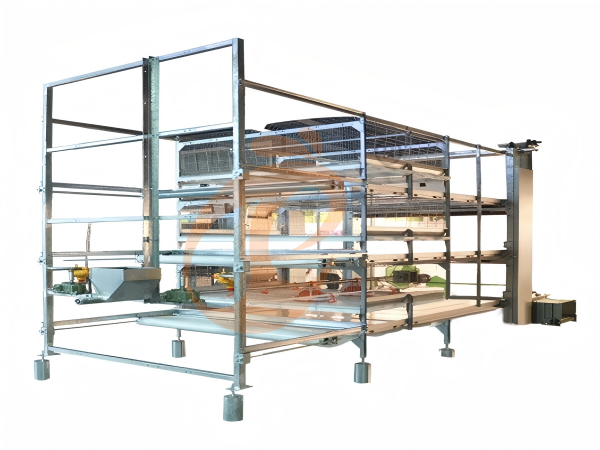
5. Our 24 hour online reception What’sApp NO. is +86 18830120193. >30,000 Broilers Semi-Automatic Harvest H Type Battery Cage1. More than 30,000 broilers a house, choose it.
2. It is designed to rearing 1 to 45 day old adult broiler ready for market.
3. Its lifespan is more than 20 years.
4. Our 24 hour online reception What’sApp NO. is +8618830120193, +234 8111199996. >30,000 Broilers Manual Harvest H Type Battery Cage1. More than 30,000 broilers a house, choose it.
2. It is designed to rearing 1 to 45 day old adult broiler ready for market.
3. Its lifespan is more than 20 years.
4. Its structure are Vcloud artificial intelligent fusion, electric control cabinet, automatic equipment of drinking, feeding and manure clean, manual harvesting.
5. Our 24 hour online reception What’sApp NO. is +8618830120193, +234 8111199996. <30,000 Broilers Manual Harvest A Type Battery Cage1. Less 30,000 broilers a house, choose it.
2. It is designed to rearing 1 to 45 day old adult broiler ready for market.
3. Its lifespan is more than 20 years.
4. Its structure are Vcloud artificial intelligent fusion, electric control cabinet, automatic equipment of drinking, feeding and manure clean, manual harvesting.
5. Our 24 hour online reception What’sApp NO. is +8618830120193, +234 8111199996. HK Headquarter Offers EU-standard Poultry Farm Solutions, Manufacture Poultry Farm Equipment1. Continuous communication with the EU and the US
2. China, Nigeria, Ethiopia, Tanzania branch companies and factories
3. The products’ quality is customized for local poultry farms
4. Poultry cage and poultry farm equipment stock for sale
5. 24 online reception Whatsapp NO. : +8618830120193,contact us to get full information China Branch Offer Poultry Farm Business Plan, Manufacture Poultry Farm Equipment1. Address: Flat/RM 2416, 24/F, Runxing Building, Youyi Nan Street, Shijiazhuang City, Hebei Province, China
2. Poultry cage and poultry farm equipment factory and stock for sale
3. Customized for local poultry farms
4. Quality and design are based on Euro
5. 24 online reception Whatsapp NO. : +8618830120193 Nigeria Branch Offer Poultry Farm Business Plan, Manufacture Poultry Farm Equipment1. Address: After Sinoma Office, 200 Meters Near Danco Filling Station, Lagos/Ibadan Expressway, Lagos State, Nigeria
2. Poultry cage and poultry farm equipment factory and stock for sale
3. Customized for Nigerian poultry farms
4. Quality and design are based on Euro
5. 24 online reception Whatsapp NO. : +8618830120193 Ethiopia Branch Offer Poultry Farm Business Plan, Manufacture Poultry Farm Equipment1. Address: WR93+FQ2, Addis Ababa, Ethiopia
2. Poultry cage and poultry farm equipment stock for sale
3. Customized for Ethiopian poultry farms
4. Quality and design are based on Euro
5. 24 online reception Whatsapp NO. : +8618830120193, contact us to get price list Tanzania Branch Offer Poultry Farm Business Plan, Manufacture Poultry Farm Equipment1. Address: No.8, Sova Road, Msufini, Mlandizi, Kibaha, Pwani, Tanzania
2. Poultry cage and poultry farm equipment factory and stock for sale
3. Customized for Tanzanian poultry farms
4. Quality and design are based on Euro
5. 24 online reception Whatsapp NO. : +8618830120193



Contact
By clicking 'Allow All', you agree to the storage of cookies on your device to enhance site navigation, analyze site usage and assist with our marketing efforts.