


Blog
A-type vs H-type chicken cages comparison helps Ethiopian farmers evaluate cost structures and production scalability.
This article analyzes structure, ventilation, density, durability, and labor requirements.
Investment calculations are converted into Ethiopian Birr for practical budgeting.
Technical parameters are presented with standardized units for engineering reference.
The goal is to support data-driven poultry housing decisions.
Get professional poultry farm construction guidance, equipment selection solutions, and the latest price lists, whatsApp to +8618830120193, click to learn more:

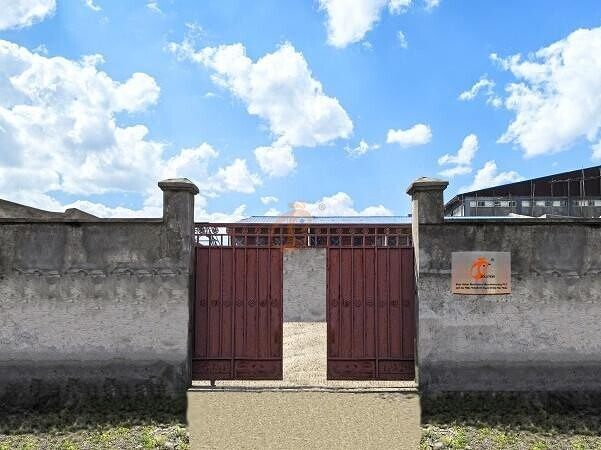
Ethiopia Branch Office And Factory Of Poultry Farm Equipment
Ethiopian Poultry Sector Transformation
The Ethiopian poultry sector is currently undergoing a transformative shift.
From the bustling markets of Merkato in Addis Ababa to the poultry hubs in Bishoftu (Debre Zeit) and Modjo, egg demand continues to expand.
As Doro Wat remains a staple dish in Ethiopian households, commercial egg production capacity is under measurable pressure.
When scaling up, the critical decision is not only bird breed selection but housing structure selection.
The comparison between A-type and H-type battery cage systems directly determines capital expenditure, operating stability, and output efficiency.
This analysis explains why A-type cage systems align with the current infrastructure and climatic realities of Ethiopia.
Structural Architecture: The Pyramid Vs The Skyscraper
The structural difference is defined by geometry and manure handling configuration.
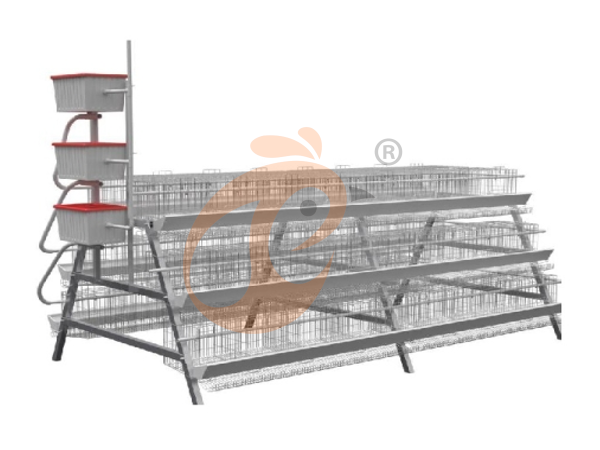
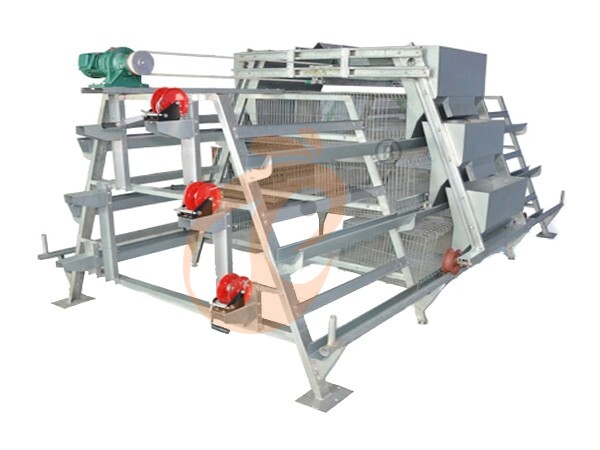
The A-type cage uses a stepped triangular structure.
Each tier is offset, allowing manure to drop naturally to the ground or pit.
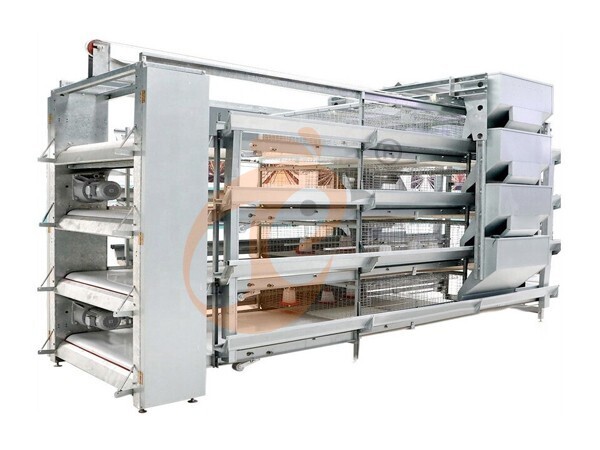
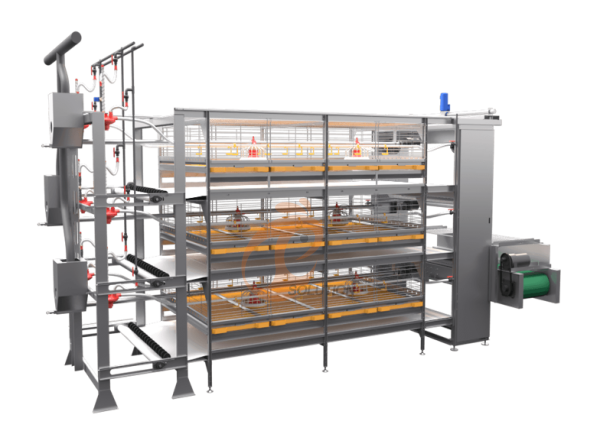
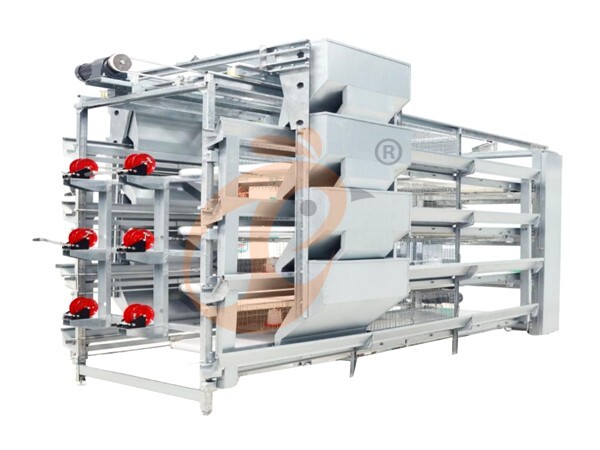
The H-type cage uses vertically aligned stacked tiers.
Each tier requires an integrated manure belt system.
Mechanical components increase structural complexity and electrical dependency.
Data is for reference only.Swipe horizontally to view full table.
Density And Capacity: Maximizing The Gasha
Land cost near Dukem industrial zones has increased steadily.
Bird density must be evaluated together with ventilation requirements and house structure design.
A-type systems are compatible with open-sided poultry houses.
H-type systems require enclosed houses with tunnel ventilation.
Data is for reference only.Swipe horizontally to view full table.
Climate Adaptation: The Ethiopian Highlands Factor
Air density and oxygen availability directly influence poultry respiration rates.
The stepped design of A-type cages improves cross ventilation.
The stacked alignment in H-type systems requires continuous airflow from mechanical fans.
Regions such as Dire Dawa and Gambela experience higher ambient temperatures during certain seasons.
Power supply interruption in closed houses can significantly affect ventilation continuity.
Data is for reference only.Swipe horizontally to view full table.
The Economic Reality: Capital Expenditure (Capex)
Farmers in Amhara Region and Oromia Region require structured investment planning when expanding to 10,000 birds.
Data is for reference only.Swipe horizontally to view full table.
Durability And Material Specifications
Humidity near Lake Tana requires corrosion-resistant materials.
A-type systems contain fewer mechanical components.
H-type systems include belts, rollers, and drive motors requiring scheduled inspection.
Data is for reference only.Swipe horizontally to view full table.
Feed Efficiency And Egg Quality
Feed cost represents a major portion of operating expenditure.
A-type cages use gravity-optimized trough angles to reduce feed spillage.
H-type systems integrate automatic feed distribution lines.
Data is for reference only.Swipe horizontally to view full table.
Labor And Management In The Ethiopian Context
Labor structure in cities such as Jimma influences operational planning.
A-type systems require more attendants but minimal electrical expertise.
H-type systems reduce manual labor but require trained technicians.
Data is for reference only.Swipe horizontally to view full table.
Why A-Type Cages Align With Current Ethiopian Farm Conditions
A-type cages provide structural simplicity and ventilation compatibility.
They allow phased automation upgrades.
They require smaller generator capacity.
They align with open-house poultry structures widely used across Ethiopia.
Frequently Asked Questions
Q1: Which cage system requires lower initial investment in Ethiopia?
A1: A-type systems require approximately 1.4 to 1.9 million Ethiopian Birr for 10,000 birds, while H-type systems require approximately 4.5 to 6.8 million Ethiopian Birr.
Q2: Which system performs better during power interruptions?
A2: A-type cages maintain natural ventilation in open houses, while H-type systems depend on powered ventilation equipment.
Q3: Which system offers higher stocking density per square meter?
A3: H-type systems can reach 25 – 35 birds per m², compared with 12 – 15 birds per m² for A-type systems.
Ethiopia Best Hebei Machinery Manufacturing Plc - One Of Ethiopia Most Famous Chicken Cage Exporter
Global factory direct supply model, reducing intermediary costs and supporting both full-container and consolidated shipments.
Complete poultry farm equipment solutions including poultry cage systems, automatic egg collection lines, centralized feeding systems, nipple drinking systems, and intelligent environmental control units.
Professional Turn-key engineering services covering farm layout planning, steel structure poultry house design (span 12–18 meters), on-site installation guidance, and technical training programs.
Reinforced steel wire diameter of 3.0–4.5 mm with tensile strength ≥ 450 MPa, and structural load-bearing capacity tested up to 220 kg per section to ensure long-term operational stability.
Customizable project capacity ranging from 20,000 to 120,000 birds per house, with automated control systems operating at 380 V / 50 Hz, compatible with standard industrial power configurations.
Contact Us To Received Your Customized Poultry Farm Plan
Headquarters And Branchs

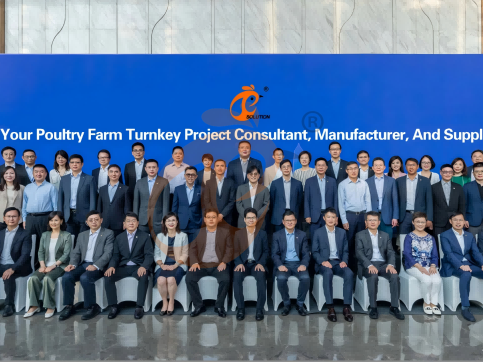
Hong Kong Headquarter Management Team
Hong Kong Headquarter Taiyu Industrial Group CO., LTD
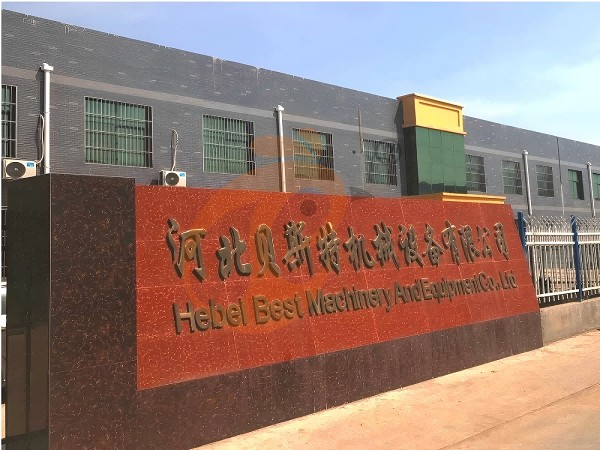
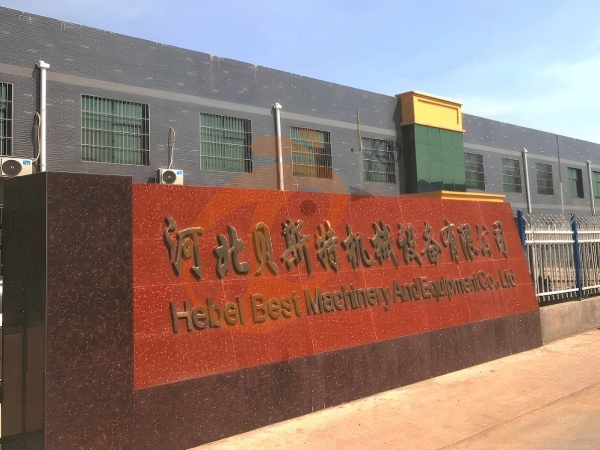
China Hebei Best Machinery And Equipment CO., LTD
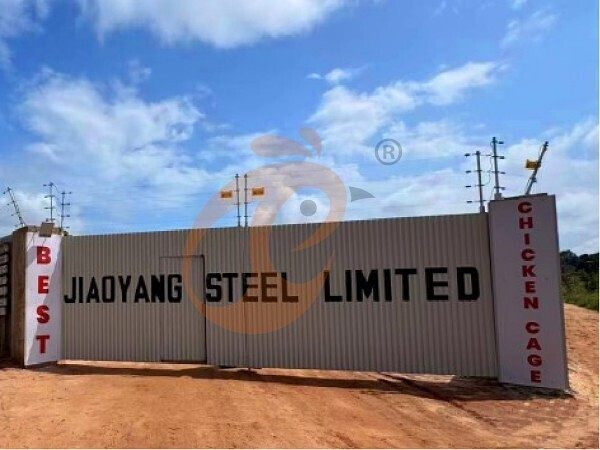
Nigeria Vanke Machinery And Equipment CO., LTD
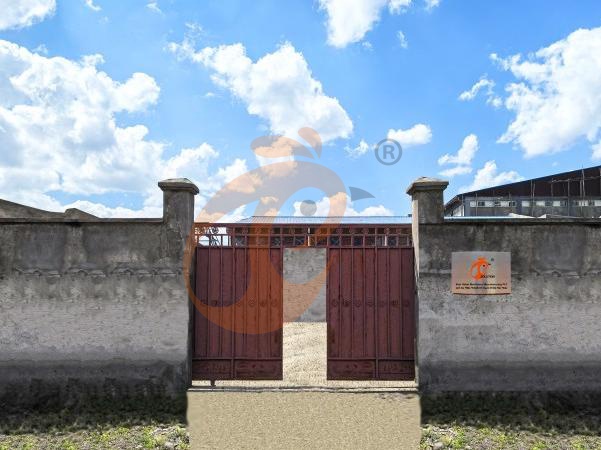
Tanzania Best Machinery And Equipment CO., LTD
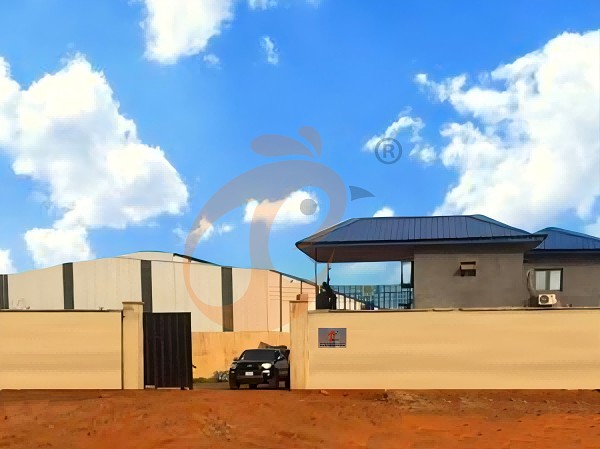
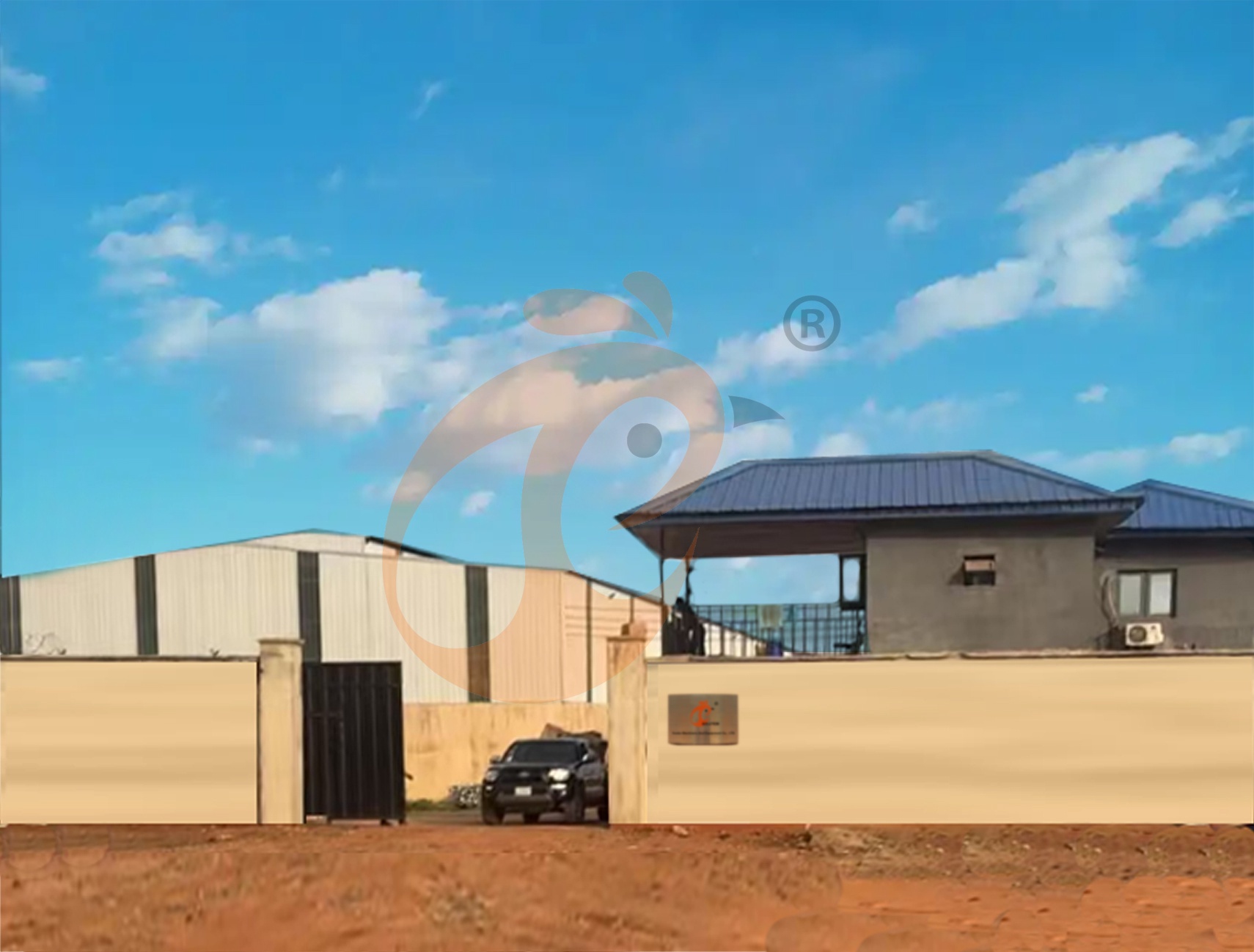
Ethiopia Best Hebei Machinery Manufacturing PLC
Reception /24 WhatsApp NO. : +8618830120193
FAQ
- battery cage
- battery cage system
- poultry farm
- chicken cage
- chicken house
- poultry house
- poultry cage
- cage
- poultry farm equipment
- poultry farm construction
- poultry cage system
- chicken cage exporter
- poultry house design
- chicken cages
- chickencage
- bestchickencage
- cage system
- cage systems
- h cage
- Nigeria
- chicken house construction
- poultry cage systems
- cage exporter
- automatic egg collection
- poultry farm plan
Message
Products recommended
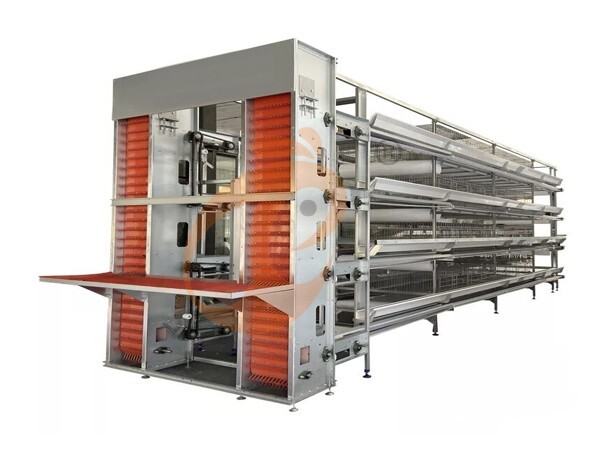
 >30,000 Pullets Automatic H Type Battery Cage1. More than 30,000 pullets a house, choose it.
2. It is designed to rearing older than 1 day old pullets to 12 to 16 weeks old chicken starting laying eggs.
3. Its lifespan is more than 25 years.
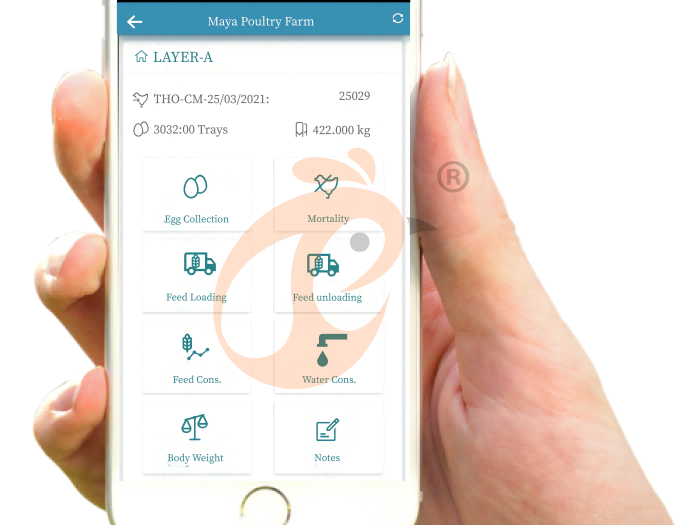
4. Its structure are Vcloud artificial intelligent fusion, electric control cabinet, automatic equipment of drinking, feeding, manure clean, manual harvesting.
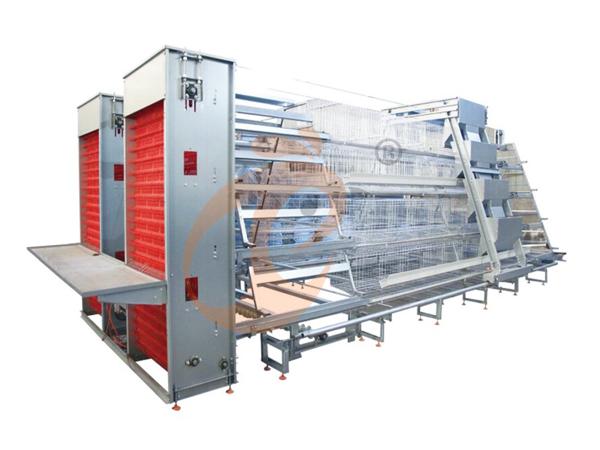
5. Our 24 hour online reception What’sApp NO. is +8618830120193 <30,000 Pullets Automatic A Type Battery Cage1. 10,000 to 30,000 pullets a house, choose it.
2. It is designed to rearing older than 1 day old pullets to 12 to 16 weeks old chicken starting laying eggs.
3. Its lifespan is more than 25 years.
4. Its structure are Vcloud artificial intelligent fusion, electric control cabinet, automatic equipment of drinking, feeding, manure clean, manual harvesting.
5. Our 24 hour online reception What’sApp NO. is +86 18830120193. >30,000 Broilers Semi-Automatic Harvest H Type Battery Cage1. More than 30,000 broilers a house, choose it.
2. It is designed to rearing 1 to 45 day old adult broiler ready for market.
3. Its lifespan is more than 20 years.
4. Our 24 hour online reception What’sApp NO. is +8618830120193, +234 8111199996. >30,000 Broilers Manual Harvest H Type Battery Cage1. More than 30,000 broilers a house, choose it.
2. It is designed to rearing 1 to 45 day old adult broiler ready for market.
3. Its lifespan is more than 20 years.
4. Its structure are Vcloud artificial intelligent fusion, electric control cabinet, automatic equipment of drinking, feeding and manure clean, manual harvesting.
5. Our 24 hour online reception What’sApp NO. is +8618830120193, +234 8111199996. <30,000 Broilers Manual Harvest A Type Battery Cage1. Less 30,000 broilers a house, choose it.
2. It is designed to rearing 1 to 45 day old adult broiler ready for market.
3. Its lifespan is more than 20 years.
4. Its structure are Vcloud artificial intelligent fusion, electric control cabinet, automatic equipment of drinking, feeding and manure clean, manual harvesting.
5. Our 24 hour online reception What’sApp NO. is +8618830120193, +234 8111199996. HK Headquarter Offers EU-standard Poultry Farm Solutions, Manufacture Poultry Farm Equipment1. Continuous communication with the EU and the US
2. China, Nigeria, Ethiopia, Tanzania branch companies and factories
3. The products’ quality is customized for local poultry farms
4. Poultry cage and poultry farm equipment stock for sale
5. 24 online reception Whatsapp NO. : +8618830120193,contact us to get full information China Branch Offer Poultry Farm Business Plan, Manufacture Poultry Farm Equipment1. Address: Flat/RM 2416, 24/F, Runxing Building, Youyi Nan Street, Shijiazhuang City, Hebei Province, China
2. Poultry cage and poultry farm equipment factory and stock for sale
3. Customized for local poultry farms
4. Quality and design are based on Euro
5. 24 online reception Whatsapp NO. : +8618830120193 Nigeria Branch Offer Poultry Farm Business Plan, Manufacture Poultry Farm Equipment1. Address: After Sinoma Office, 200 Meters Near Danco Filling Station, Lagos/Ibadan Expressway, Lagos State, Nigeria
2. Poultry cage and poultry farm equipment factory and stock for sale
3. Customized for Nigerian poultry farms
4. Quality and design are based on Euro
5. 24 online reception Whatsapp NO. : +8618830120193 Ethiopia Branch Offer Poultry Farm Business Plan, Manufacture Poultry Farm Equipment1. Address: Gelan Gura, Akaki-kaliti Sub City, Addis Ababa, Ethiopia
2. Poultry cage and poultry farm equipment stock for sale
3. Customized for Ethiopian poultry farms
4. Quality and design are based on Euro
5. 24 online reception Whatsapp NO. : +8618830120193, contact us to get price list Tanzania Branch Offer Poultry Farm Business Plan, Manufacture Poultry Farm Equipment1. Address: No.8, Sova Road, Msufini, Mlandizi, Kibaha, Pwani, Tanzania
2. Poultry cage and poultry farm equipment factory and stock for sale
3. Customized for Tanzanian poultry farms
4. Quality and design are based on Euro
5. 24 online reception Whatsapp NO. : +8618830120193



Contact