


Blog
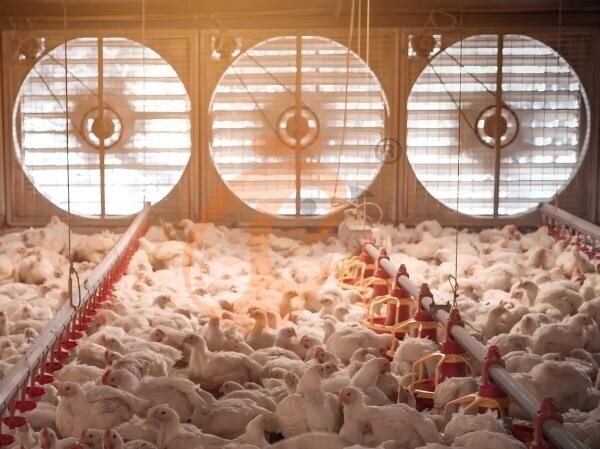
Pralson feeders provide efficient poultry feeding solutions with adjustable structures, supporting 98% feed delivery accuracy and modern farm management.
Adjustable height poultry feeder systems improve feeding control through flexible positioning and reduced spillage during 45-day growth cycles.
Automatic chicken feeder designs help commercial farms optimize labor usage with stable operation and precise feed distribution.
Equipment comparison covers structure, waste control, maintenance, investment value, and practical chicken house applications.
Professional poultry equipment selection creates measurable production advantages through durable engineering and technical support.
Get professional poultry farm construction guidance, equipment selection solutions, and the latest price lists, whatsApp to +8618830120193, click to learn more:
Understanding Feed Waste Challenges In Modern Chicken Houses
Feed waste directly affects poultry production costs and farm efficiency.
Pralson feeders are designed for commercial operations requiring accurate feeding systems and stable performance.
Adjustable height poultry feeder technology helps maintain suitable feeding positions with adjustment accuracy within 5 mm.
Proper equipment selection supports cleaner chicken houses and improves daily feeding management.
Adjustable Height Pralson Feeders: Flexible Feeding Equipment
Adjustable height pralson feeders allow operators to modify feeder positions according to bird development stages.
The system supports different flock ages with a service range of 1 to 45 days.
Automatic chicken feeder integration can improve feeding consistency in large-scale poultry projects.
Fixed Height Pralson Feeders: Stable Feeding Structure
Fixed height feeders provide a permanent feeding position with simplified operation.
Pralson feeder solutions with fixed structures are suitable for farms using consistent production programs.
The design supports stable feeding with a maximum load capacity of 2.8 kg per pan.
Waste Reduction Comparison Through Equipment Data
Feed waste depends on feeder design, bird activity, and feeding control performance.
Adjustable systems provide positioning flexibility while fixed systems maintain standard installation conditions.
Installation And Maintenance Evaluation
Professional poultry equipment requires efficient installation and predictable maintenance planning.
Pralson feeders support farm projects with installation layouts reaching 200 meters per feeding line.
Feed Loss Analysis Based On Operating Data
Feed loss evaluation helps farmers understand equipment performance and operating efficiency.
Pralson feeder systems are engineered for continuous feeding environments with 24-hour operation capability.
Investment Analysis: Equipment Cost And Long-Term Value
Equipment investment should consider operating performance and lifetime benefits.
Adjustable height poultry feeder systems provide better resource control through reduced feed loss.
European union standard reference only.
Selecting The Suitable Pralson Feeder Solution
Farm requirements vary according to capacity, layout, and production targets.
Automatic chicken feeder selection should consider system compatibility and operational conditions.
Frequently Asked Questions
Q1: Which pralson feeder reduces feed waste more effectively?
Adjustable height pralson feeders generally reduce waste more effectively because feeder positions can match bird growth stages with 80-180 mm adjustment capability.
Q2: Are fixed height feeders suitable for commercial chicken houses?
Fixed height feeders can support stable farms, but adjustable systems provide better flexibility for changing flock conditions and multiple production cycles.
Q3: What factors should determine feeder selection?
Farm capacity, bird age, feeding line design, and equipment specifications should guide selection for projects ranging from 5000 to 50000 birds.
Taiyu (HK) Group - One Of China Biggest Pralson Feeders Manufacturer
Pralson feeders provide engineered feeding solutions for commercial poultry production with reliable structures and controlled feed distribution.
Global factory direct supply delivers poultry equipment with standardized manufacturing processes and international project experience.
Turn-key engineering services cover complete poultry equipment planning, installation support, and farm system integration.
Technical teams provide customized solutions for chicken house projects across different climates and production scales.
Professional manufacturing capability supports worldwide customers requiring efficient poultry production systems.
Contact Us To Received Your Customized Poultry Farm Plan
Headquarters And Branchs
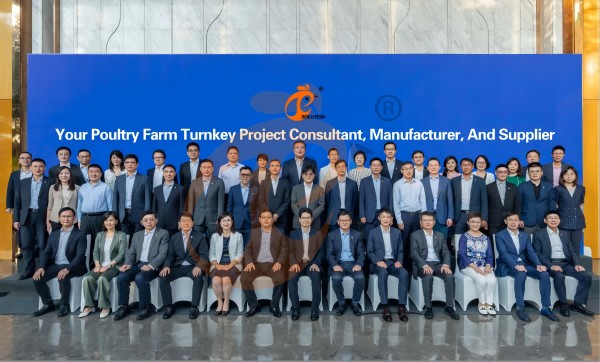
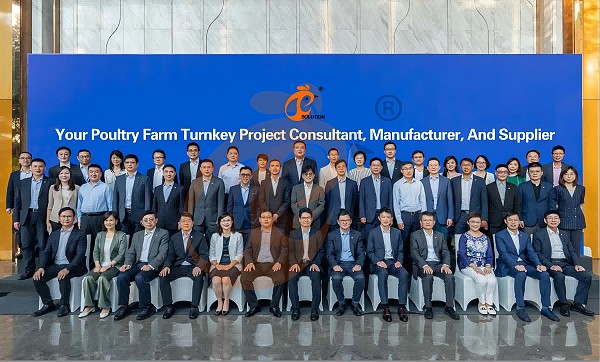
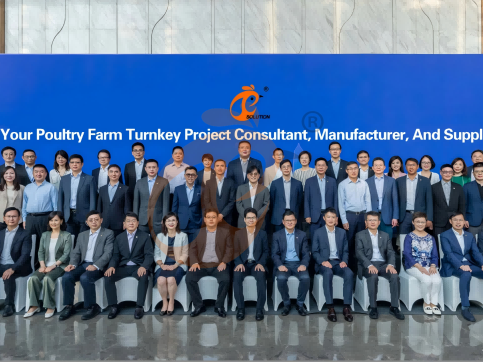
Hong Kong Headquarter Management Team
Hong Kong Headquarter Taiyu Industrial Group CO., LTD
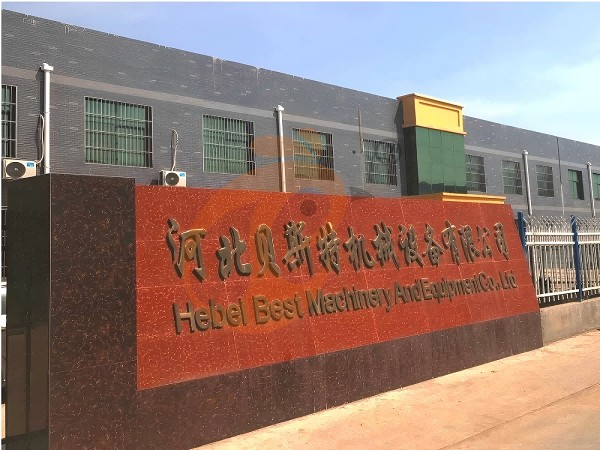
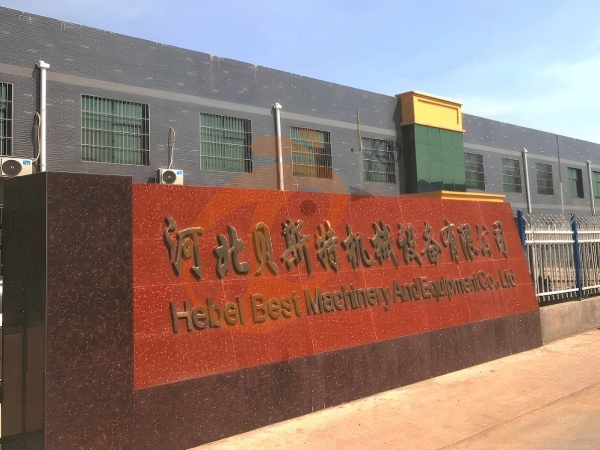
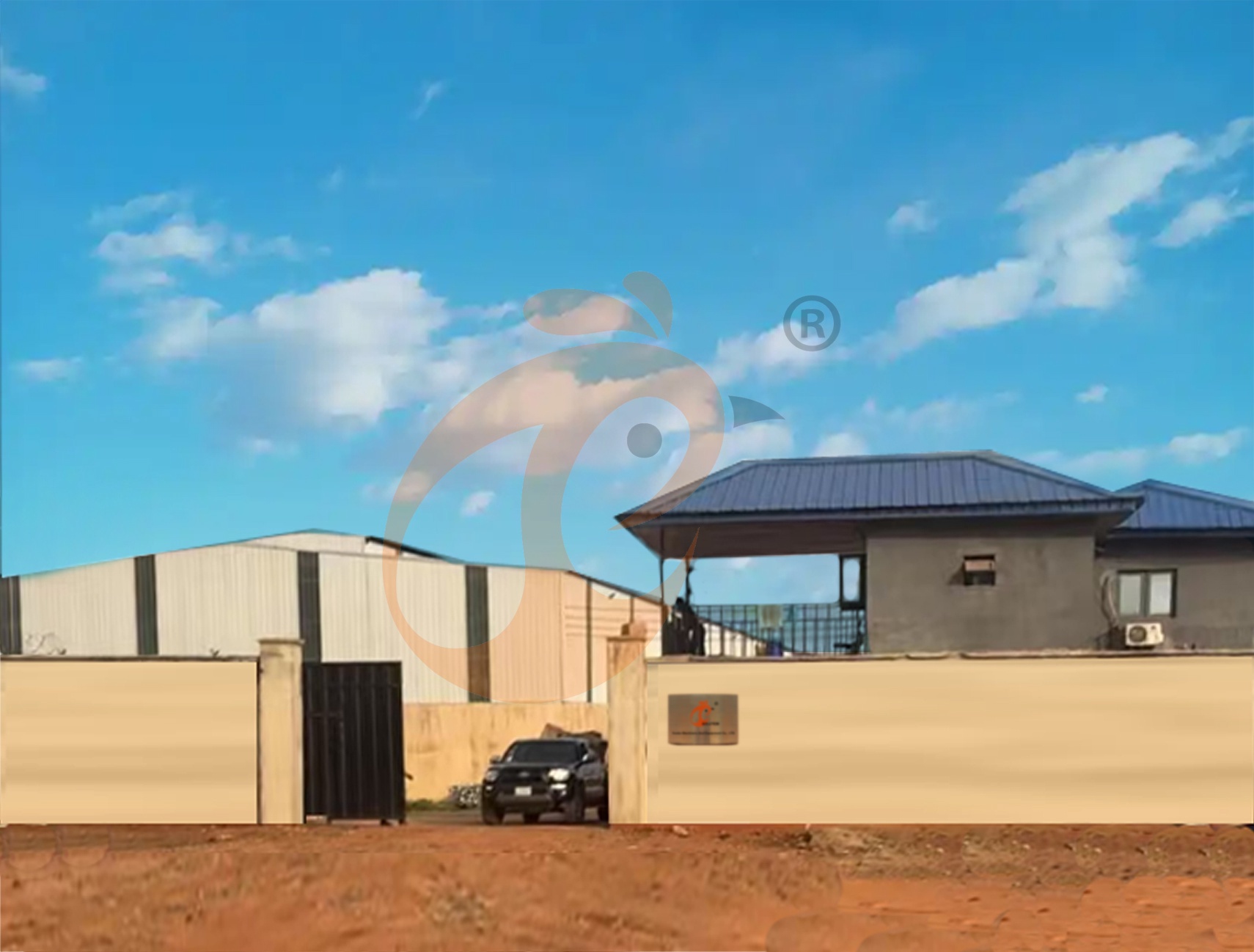
China Hebei Best Machinery And Equipment CO., LTD
Nigeria Vanke Machinery And Equipment CO., LTD
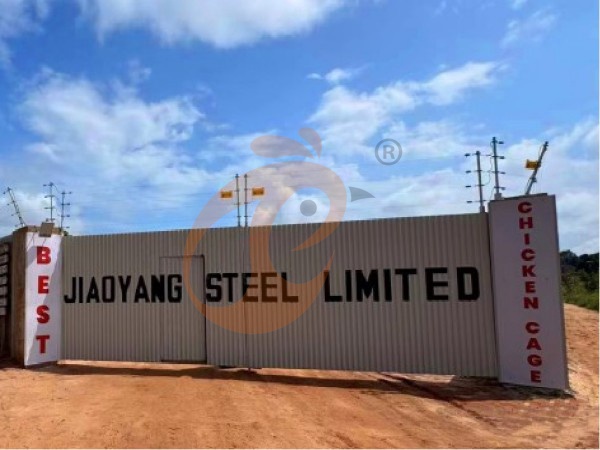
Tanzania Best Machinery And Equipment CO., LTD
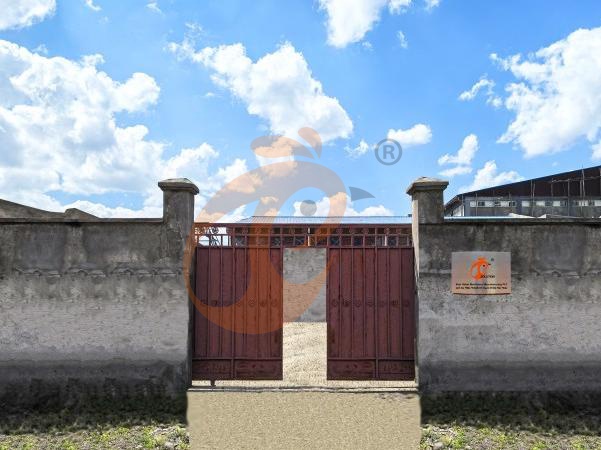
Ethiopia Best Hebei Machinery Manufacturing PLC
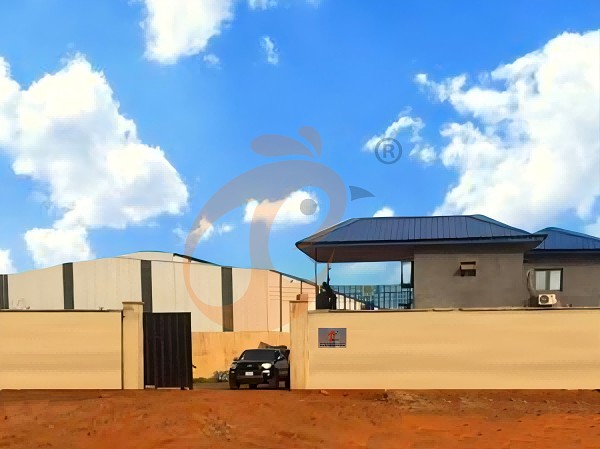
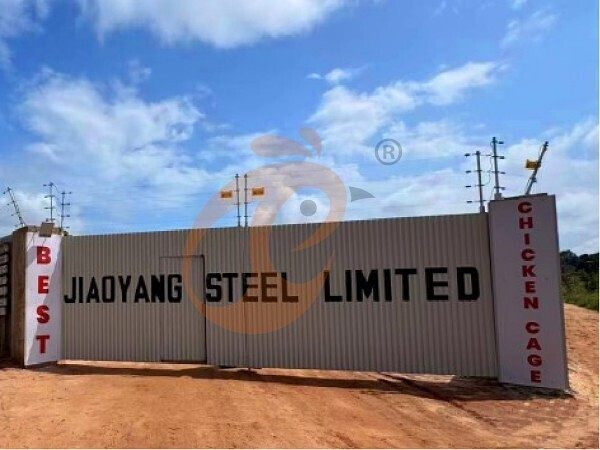
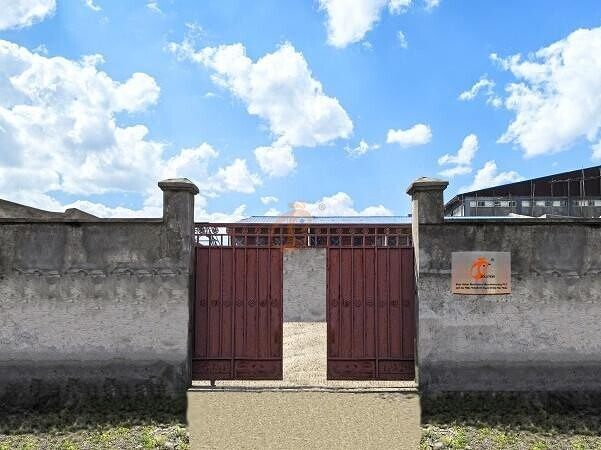
Reception /24 WhatsApp NO. : +8618830120193
FAQ
What Performance Advantages Does Plasson Poultry Equipment Provide In Poultry Chicken Farming Efficiency?
Labor requirement decreases by 50%–65% through automated water delivery systems.
Disease transmission risk is reduced by 35%–55% due to closed drinking environment design.
What Are The Installation Standards For Plasson Poultry Equipment In Poultry Chicken Farms?
Pipeline slope is maintained at 0.3%–0.5% for effective drainage and hygiene control.
Spacing between drinkers is configured at 25–35 cm to ensure equal water access distribution.
What Maintenance Requirements Apply To Plasson Poultry Equipment In Poultry Chicken Production Systems?
Seal inspection intervals are set at 20–30 days to prevent leakage and pressure loss.
Cleaning solution concentration is maintained at 0.03%–0.06% for effective system sanitation.
- poultry farm
- poultry farms
- chicken house
- cage
- poultry farm construction
- automatic feeding system
- poultry equipment
- chickencage
- bestchickencage
- Nigeria
- large poultry farms
- modern chicken house
- automatic chicken feeder
- chicken house equipment
- poultry feeder system
- chicken feeder system
- poultry farm plan
- poultry feed
- chicken feed
- Ethiopia
Message
Products recommended
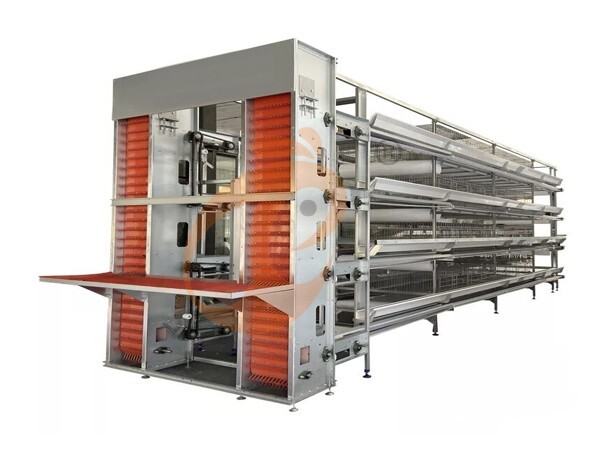
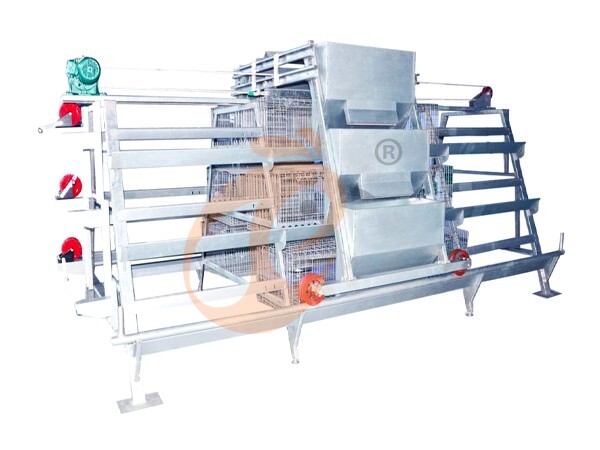
 >30,000 Pullets Automatic H Type Battery Cage1. More than 30,000 pullets a house, choose it.
2. It is designed to rearing older than 1 day old pullets to 12 to 16 weeks old chicken starting laying eggs.
3. Its lifespan is more than 25 years.
4. Its structure are Vcloud artificial intelligent fusion, electric control cabinet, automatic equipment of drinking, feeding, manure clean, manual harvesting.
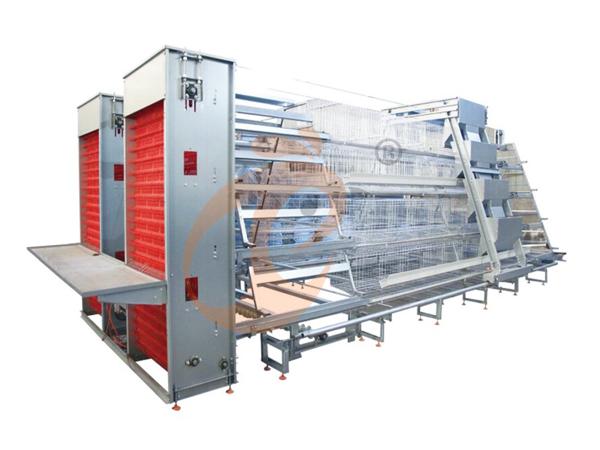
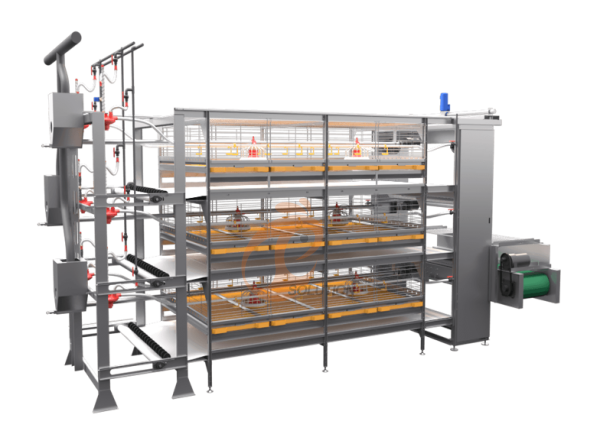
5. Our 24 hour online reception What’sApp NO. is +8618830120193 <30,000 Pullets Automatic A Type Battery Cage1. 10,000 to 30,000 pullets a house, choose it.
2. It is designed to rearing older than 1 day old pullets to 12 to 16 weeks old chicken starting laying eggs.
3. Its lifespan is more than 25 years.
4. Its structure are Vcloud artificial intelligent fusion, electric control cabinet, automatic equipment of drinking, feeding, manure clean, manual harvesting.
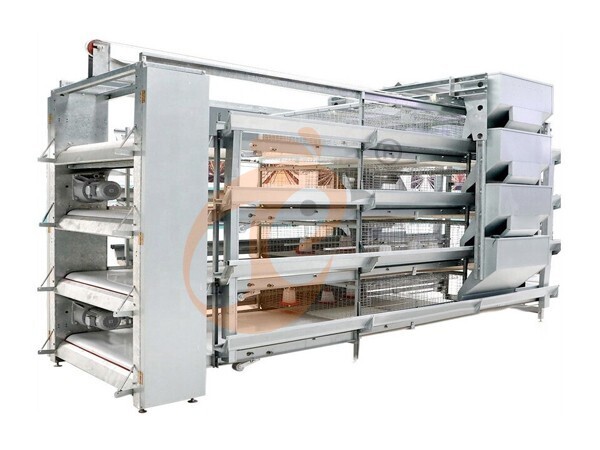
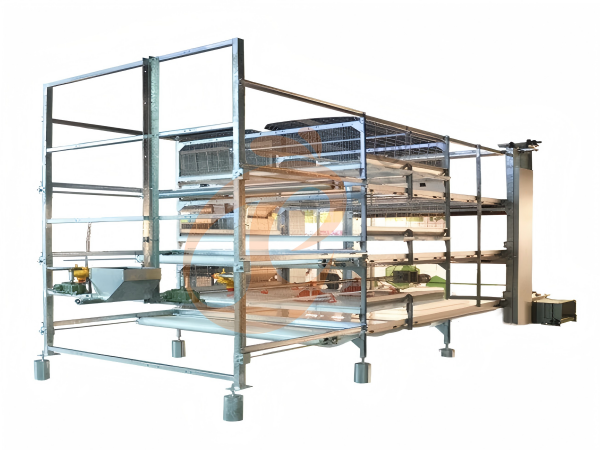
5. Our 24 hour online reception What’sApp NO. is +86 18830120193. >30,000 Broilers Semi-Automatic Harvest H Type Battery Cage1. More than 30,000 broilers a house, choose it.
2. It is designed to rearing 1 to 45 day old adult broiler ready for market.
3. Its lifespan is more than 20 years.
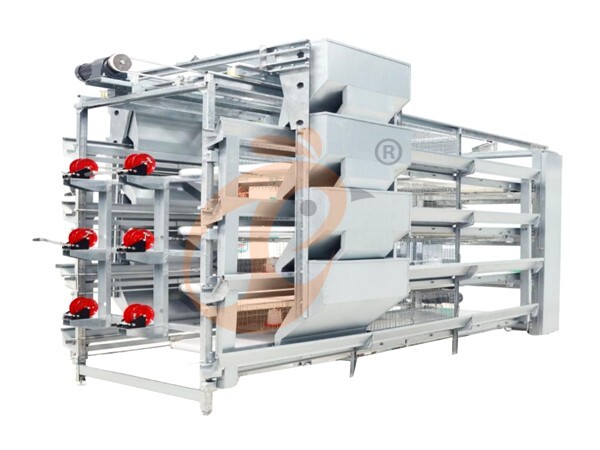
4. Our 24 hour online reception What’sApp NO. is +8618830120193, +234 8111199996. >30,000 Broilers Manual Harvest H Type Battery Cage1. More than 30,000 broilers a house, choose it.
2. It is designed to rearing 1 to 45 day old adult broiler ready for market.
3. Its lifespan is more than 20 years.
4. Its structure are Vcloud artificial intelligent fusion, electric control cabinet, automatic equipment of drinking, feeding and manure clean, manual harvesting.
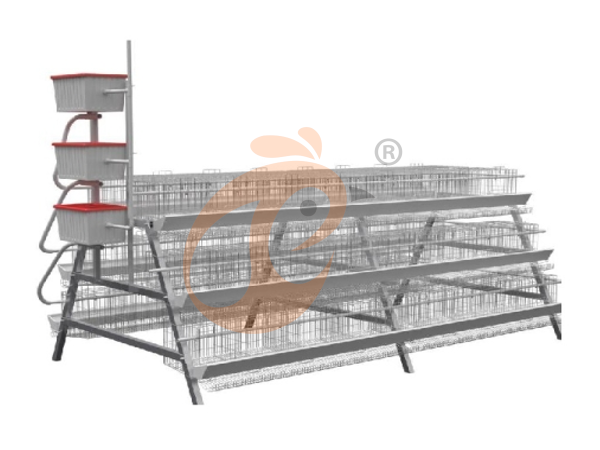
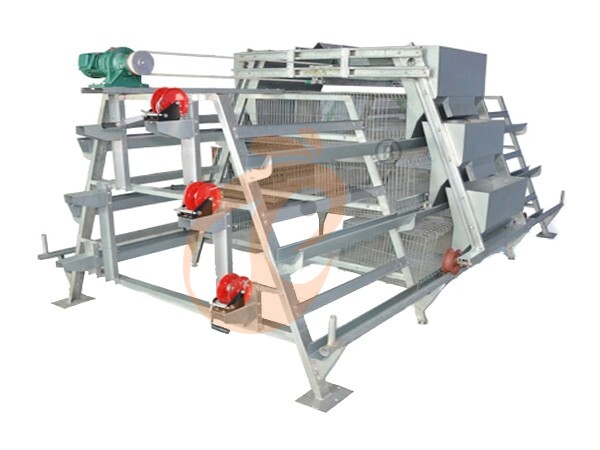
5. Our 24 hour online reception What’sApp NO. is +8618830120193, +234 8111199996. <30,000 Broilers Manual Harvest A Type Battery Cage1. Less 30,000 broilers a house, choose it.
2. It is designed to rearing 1 to 45 day old adult broiler ready for market.
3. Its lifespan is more than 20 years.
4. Its structure are Vcloud artificial intelligent fusion, electric control cabinet, automatic equipment of drinking, feeding and manure clean, manual harvesting.
5. Our 24 hour online reception What’sApp NO. is +8618830120193, +234 8111199996. HK Headquarter Offers EU-standard Poultry Farm Solutions, Manufacture Poultry Farm Equipment1. Continuous communication with the EU and the US
2. China, Nigeria, Ethiopia, Tanzania branch companies and factories
3. The products’ quality is customized for local poultry farms
4. Poultry cage and poultry farm equipment stock for sale
5. 24 online reception Whatsapp NO. : +8618830120193,contact us to get full information China Branch Offer Poultry Farm Business Plan, Manufacture Poultry Farm Equipment1. Address: Flat/RM 2416, 24/F, Runxing Building, Youyi Nan Street, Shijiazhuang City, Hebei Province, China
2. Poultry cage and poultry farm equipment factory and stock for sale
3. Customized for local poultry farms
4. Quality and design are based on Euro
5. 24 online reception Whatsapp NO. : +8618830120193 Nigeria Branch Offer Poultry Farm Business Plan, Manufacture Poultry Farm Equipment1. Address: After Sinoma Office, 200 Meters Near Danco Filling Station, Lagos/Ibadan Expressway, Lagos State, Nigeria
2. Poultry cage and poultry farm equipment factory and stock for sale
3. Customized for Nigerian poultry farms
4. Quality and design are based on Euro
5. 24 online reception Whatsapp NO. : +8618830120193 Ethiopia Branch Offer Poultry Farm Business Plan, Manufacture Poultry Farm Equipment1. Address: Gelan Gura, Akaki-kaliti Sub City, Addis Ababa, Ethiopia
2. Poultry cage and poultry farm equipment stock for sale
3. Customized for Ethiopian poultry farms
4. Quality and design are based on Euro
5. 24 online reception Whatsapp NO. : +8618830120193, contact us to get price list Tanzania Branch Offer Poultry Farm Business Plan, Manufacture Poultry Farm Equipment1. Address: No.8, Sova Road, Msufini, Mlandizi, Kibaha, Pwani, Tanzania
2. Poultry cage and poultry farm equipment factory and stock for sale
3. Customized for Tanzanian poultry farms
4. Quality and design are based on Euro
5. 24 online reception Whatsapp NO. : +8618830120193



Contact