


Blog
Poultry cage quotation planning combines cage selection, farm capacity, and engineering requirements for faster factory pricing with practical investment control.
Layer cage systems, automatic feeding equipment, and poultry house equipment form a coordinated solution for commercial farms seeking efficient production and dependable operation.
Accurate dimensions, automation preferences, and destination details help manufacturers calculate equipment quantities, technical specifications, and project costs without repeated revisions.
Factory-direct purchasing can integrate cage systems, ventilation, manure removal, egg collection, and environmental control into one coordinated poultry housing package.
Clear technical communication creates faster quotations, stronger equipment comparisons, predictable delivery planning, and a scalable foundation for modern poultry production projects worldwide.
Get professional poultry farm construction guidance, equipment selection solutions, and the latest price lists, whatsApp to +8618830120193, click to learn more:
Start With The Farm Profile
A fast quotation begins with accurate farm information.
Instead of simply asking, “How much is a chicken cage?”, provide the factory with your poultry type, bird quantity, building dimensions, production target, climate,
and automation requirements.
For example, a commercial layer project with a 120-day equipment installation schedule should be communicated together with the farm plan.
Providing the expected stocking date also helps the manufacturer coordinate production and delivery.
Quotation Information Checklist
Data is for reference only.Swipe horizontally to view full table.
A professional poultry equipment factory can use these details to prepare a project-specific solution rather than sending a generic price list.
Choose Cage Type Before Asking For Price
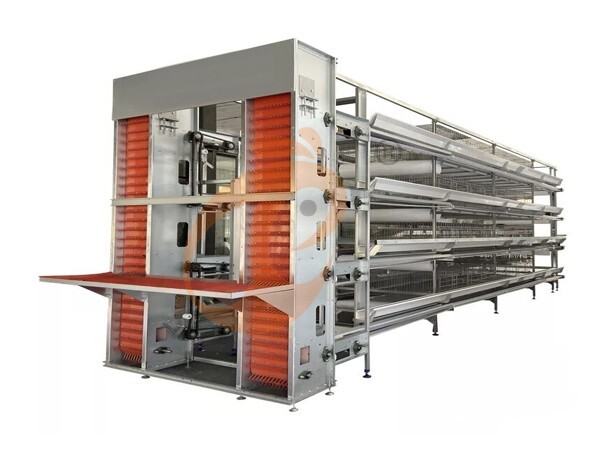
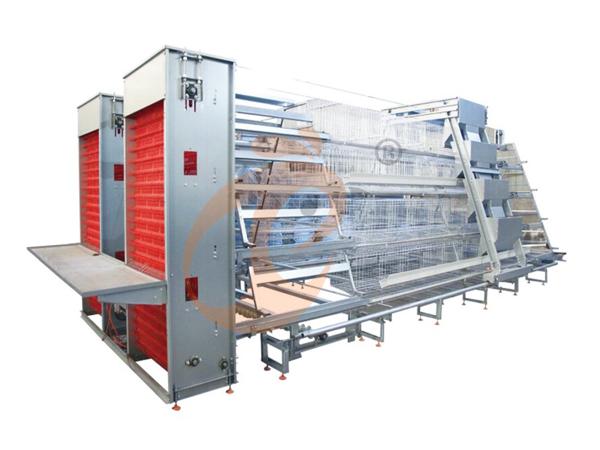
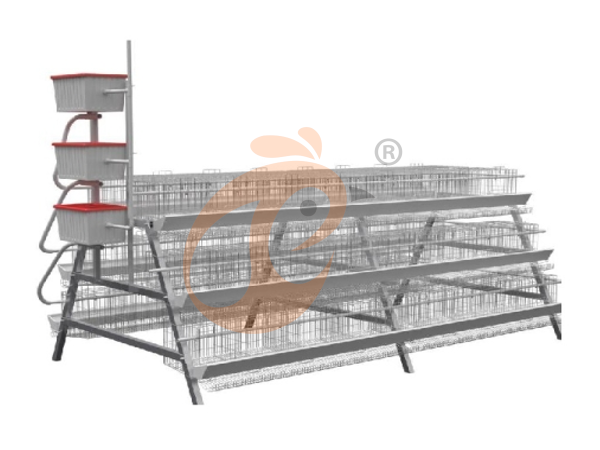
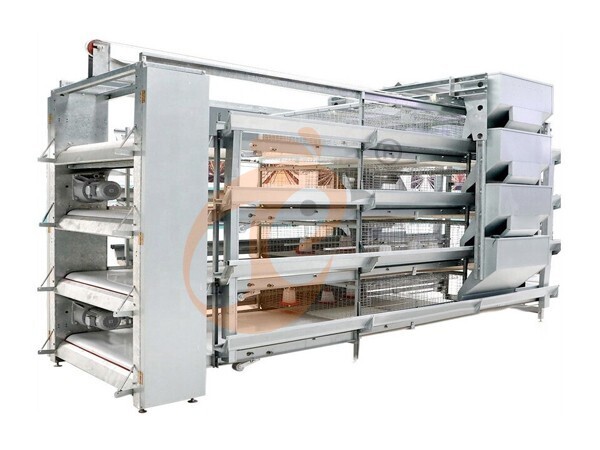
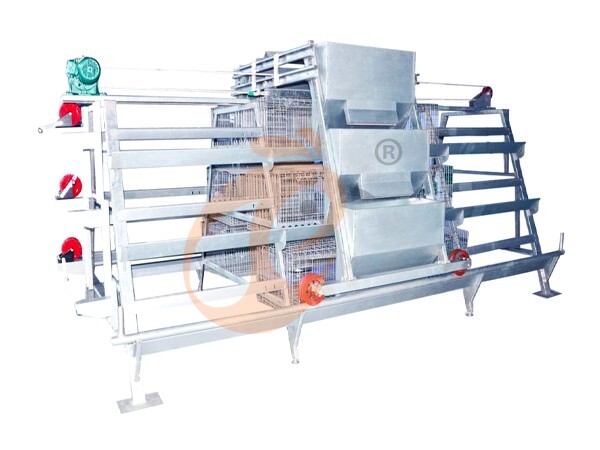
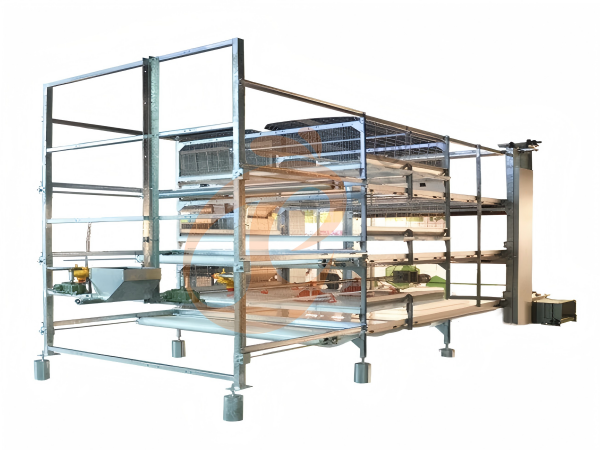
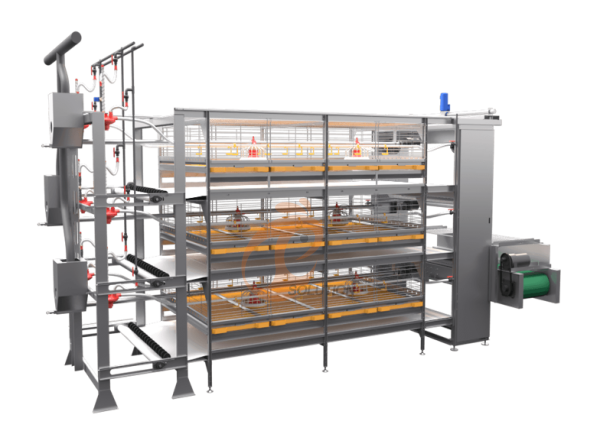
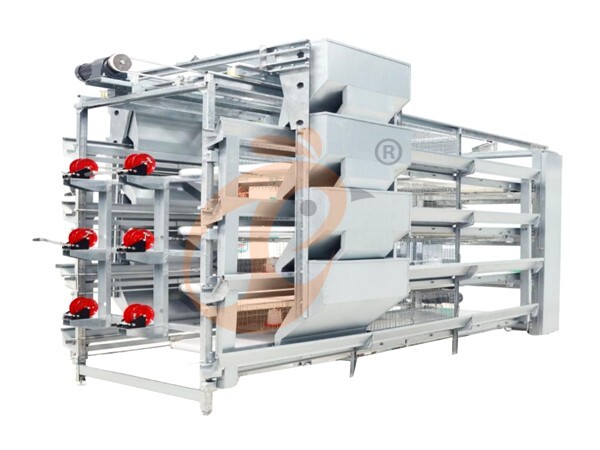
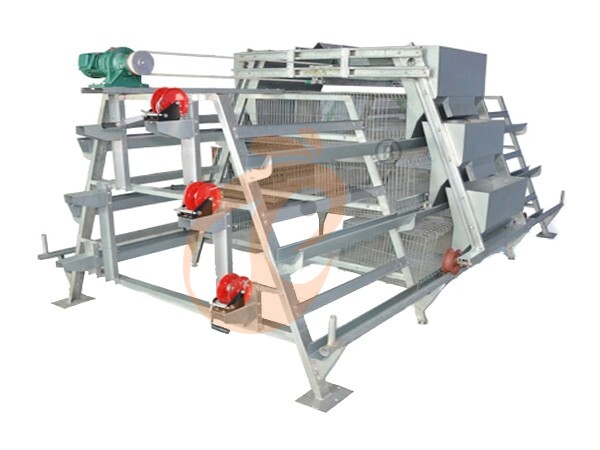
The main options include H-type layer cages, A-type layer cages, broiler cages, and pullet cages.
H-type systems are widely used for commercial layer projects requiring multi-tier housing and integrated equipment.
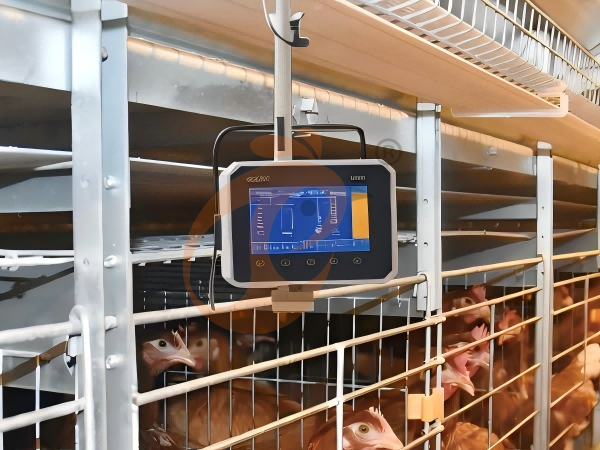
A complete system can combine cages with feeding, drinking, manure removal, egg collection, ventilation, cooling, and environmental control.
When requesting a quotation, specify the cage type if you already have a design.
If uncertain, ask the factory to recommend a configuration according to the house structure and production plan.
A typical cage compartment may accommodate 8–10 layers, while a commercial project can be engineered around a planned daily egg output.
Compare Equipment Configurations
Data is for reference only.Swipe horizontally to view full table.
A low purchase price does not automatically mean a lower total farm cost.
Equipment selection should also consider service life, maintenance frequency, spare-part availability, and compatibility between individual systems.
Ask For A Complete Factory Quotation
A professional quotation should cover more than the cage unit price.
Ask the manufacturer to provide the equipment list, quantities, technical specifications, optional components, warranty, production schedule, packaging method, and shipping terms.
For example, instead of receiving only “Layer cage: price” request a complete quotation covering the entire poultry housing system.
For a project requiring 18 ventilation fans, the quotation should identify the fan model, motor rating, airflow specification, and installation arrangement so that the buyer can calculate the complete investment accurately.
European union standard reference only.
What Should Be Included In The Quotation?
Data is for reference only.Swipe horizontally to view full table.
A detailed quotation allows buyers to compare factories using measurable specifications rather than relying on general descriptions.
Five Simple Steps To Speed Up The Process
Step 1 — Send your farm details
Provide bird capacity, poultry type, house dimensions, and project location.
A factory can begin layout preparation once the required production capacity is confirmed.
Step 2 — Select the cage system
Choose A-type, H-type, broiler, or pullet cages, or request a technical recommendation.
State whether the project uses an open-sided or enclosed house.
Step 3 — Confirm automation requirements
Specify automatic feeding, drinking, manure removal, egg collection, ventilation, and environmental control.
For example, a farm may require two daily feeding cycles and continuous water availability.
Step 4 — Request a complete quotation
Ask for equipment quantities, specifications, prices, warranty, delivery schedule, and shipping terms.
Step 5 — Confirm the final design
Review the layout, equipment list, electrical requirements, and commercial terms before placing the order.
This process reduces repeated communication and helps the factory prepare a quotation based on the actual project.
Why Buy Directly From A Poultry Equipment Factory?
Buying directly from a manufacturer allows customers to communicate with the technical team responsible for production and engineering.
Direct engineering communication makes customization easier when house dimensions or operating requirements differ from standard projects.
For example, a factory can design separate equipment zones for a 90 m × 15 m poultry house and adjust the system around available service corridors.
A specialized chicken house equipment manufacturer can integrate cages, feeding, drinking, manure handling, egg collection, ventilation, cooling, and control
equipment into one coordinated solution.
Focus On Total Farm Efficiency
Data is for reference only.Swipe horizontally to view full table.
Modern equipment can reduce repetitive manual tasks and provide more consistent daily management.
Integrated systems are especially useful when a farm has a large bird population but limited labor availability.
Questions To Send To The Factory
Before requesting the final quotation, prepare a concise message containing the key questions:
“Can you provide a complete cage system quotation for my farm? What cage model do you recommend? How many birds can the system accommodate? Which
feeding, drinking, manure removal, ventilation, and egg collection systems are included? What are the motor specifications? What is the production lead time?
What warranty do you provide? Can you prepare a farm layout and equipment list?”
Also ask whether the factory provides installation drawings in PDF format and whether technical support is available through remote video guidance during assembly.
These details can make communication more efficient before the purchase contract is finalized.
Why Equipment Quality Should Be Part Of The Price Comparison
Data is for reference only.Swipe horizontally to view full table.
When comparing quotations, avoid selecting a supplier based only on the final price.
A reliable poultry equipment partner should combine suitable materials, stable mechanical performance, complete technical documentation, and responsive after-
sales service.
The Fastest Way To Get A Factory Quotation
The fastest quotation request is also the most professional one.
Send the factory your bird capacity + poultry type + house dimensions + location + cage preference + automation requirements in one message.
Then request a complete solution including the cage system, feeding, drinking, manure removal, egg collection, ventilation, environmental control, spare parts, and delivery terms.
For commercial layer farms, a properly engineered poultry housing system can improve daily management and help control long-term operating costs.
A project with a planned 10-year equipment service objective should therefore be evaluated on engineering quality as well as purchase price.
A professional chicken house equipment manufacturer should do more than quote a cage price.
The right supplier should provide a farm layout, equipment configuration, technical specifications, competitive quotation, production schedule, installation guidance, and after-sales support.
If you want a fast and accurate poultry cage quotation, prepare your farm data first and send it directly to the factory.
With the right information, five simple steps can turn a general price inquiry into a complete poultry equipment solution.
Frequently Asked Questions
Q1: What information helps a factory prepare a fast poultry cage quotation?
Provide bird capacity, house dimensions, poultry type, cage preference, automation requirements, and destination.
A complete project profile can reduce quotation revisions and support accurate equipment planning.
Q2: Should a buyer request cages or a complete poultry equipment system?
A complete system is usually more practical because feeding, drinking, manure removal, ventilation, and egg collection need coordinated engineering.
A unified quotation also makes project budgeting easier when multiple equipment lines are required.
Q3: How should different poultry cage quotations be compared?
Compare measurable specifications, equipment quantities, materials, electrical requirements, warranty terms, delivery conditions, and technical support.
A quotation with a clear equipment schedule provides stronger purchasing control than a single cage unit price.
Taiyu (HK) Group - One Of China Toppest Poultry Cage Manufacturer
Poultry cage systems integrate galvanized cage structures with feeding, drinking, manure handling, egg collection, ventilation, and environmental-control interfaces for commercial layer projects.
Global factory-direct supply covers standardized poultry equipment, engineered configurations, technical drawings, spare parts, and production coordination for international farm projects.
Turn-key engineering combines farm layout planning, equipment manufacturing, installation guidance, commissioning support, and project documentation within one coordinated supply chain.
Poultry equipment solutions can be configured for new construction, house renovation, capacity expansion, and automated commercial layer production according to project specifications.
Factory engineering teams coordinate equipment interfaces, electrical requirements, logistics schedules, and technical support to establish a structured project delivery process.
Contact Us To Received Your Customized Poultry Farm Plan
Headquarters And Branchs
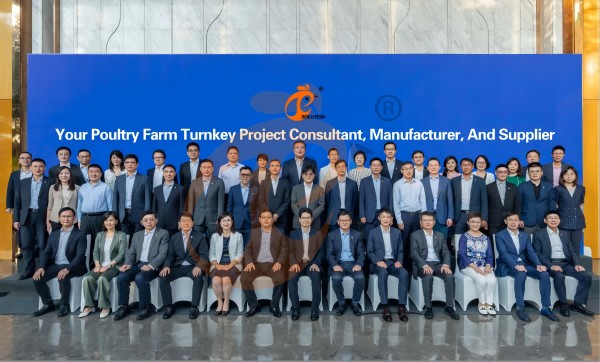
Hong Kong Headquarter Management Team
Hong Kong Headquarter Taiyu Industrial Group CO., LTD
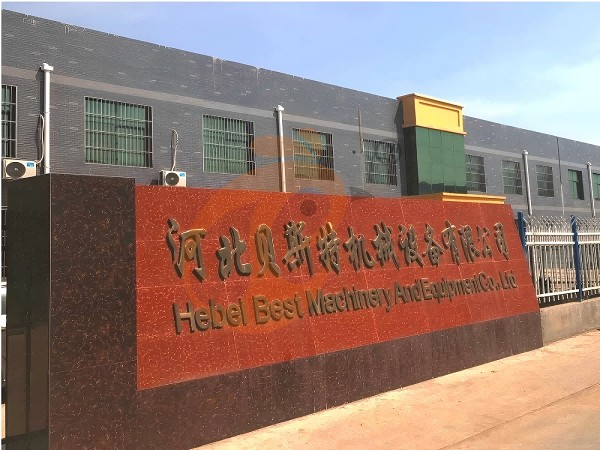
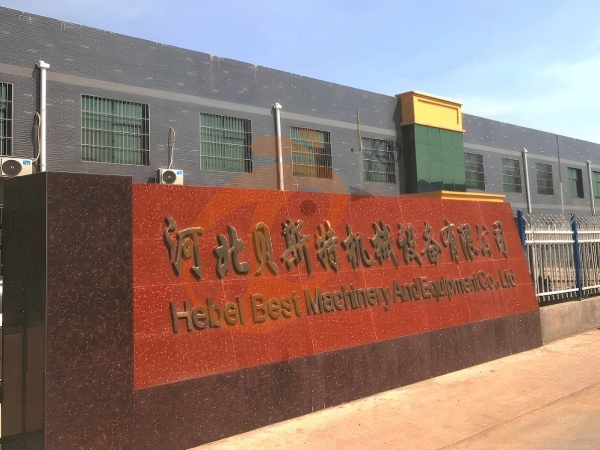
China Hebei Best Machinery And Equipment CO., LTD
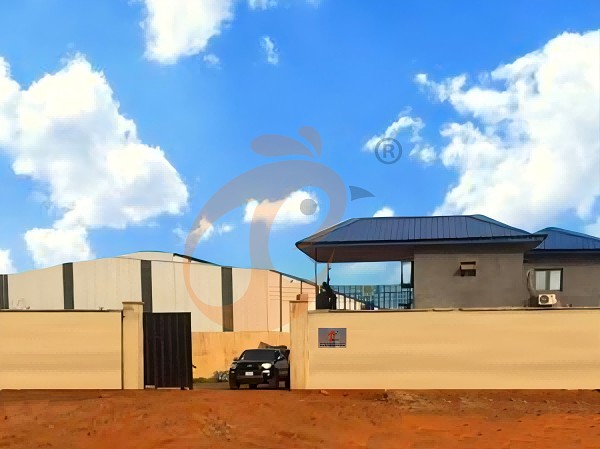
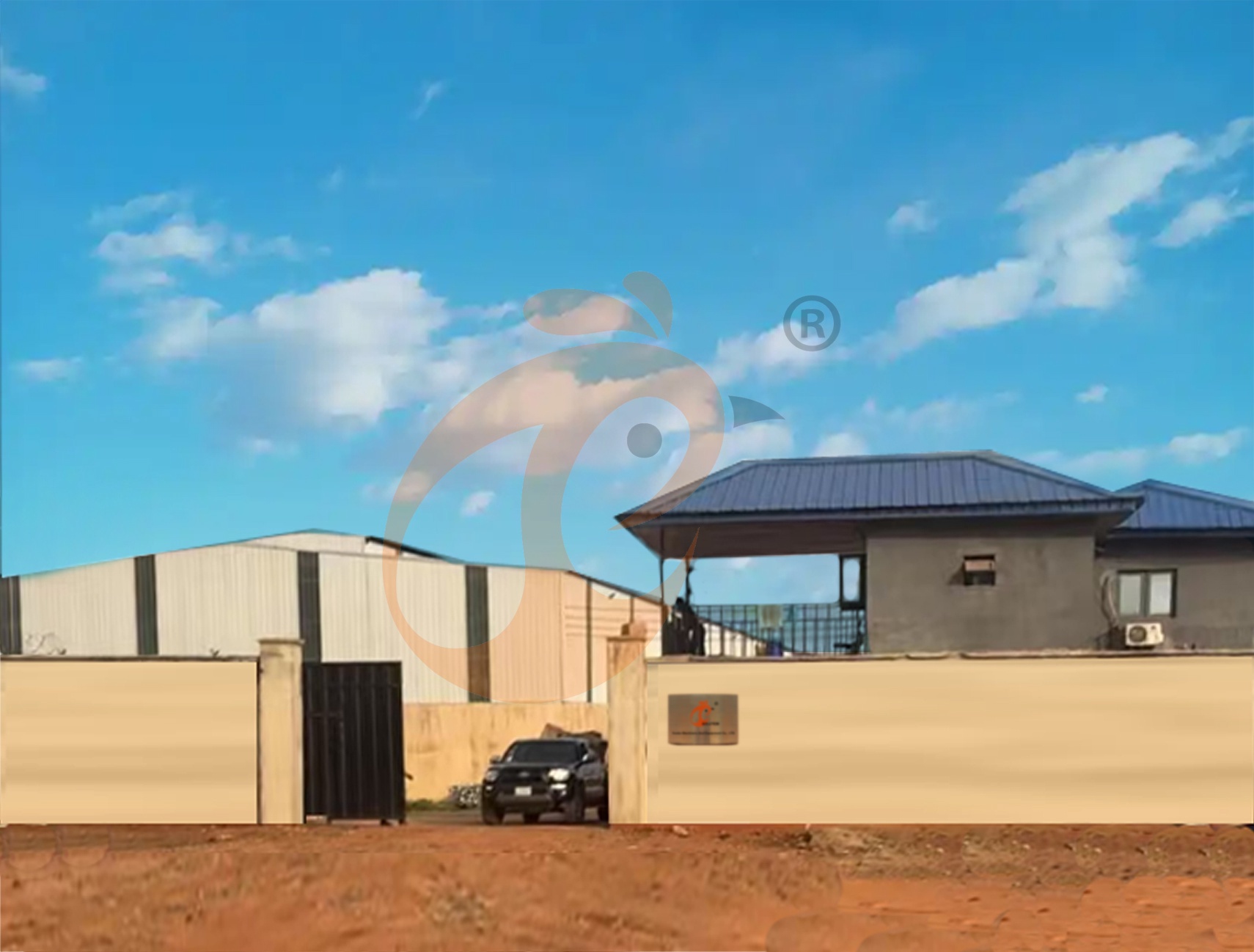
Nigeria Vanke Machinery And Equipment CO., LTD
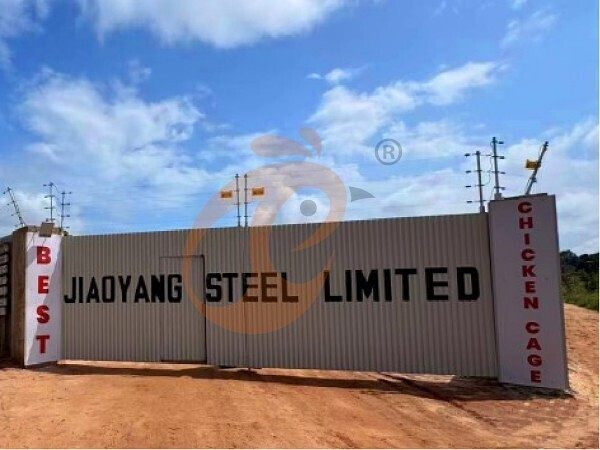
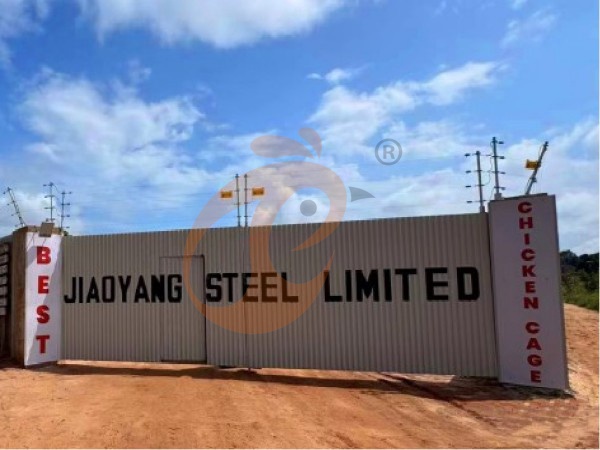
Tanzania Best Machinery And Equipment CO., LTD
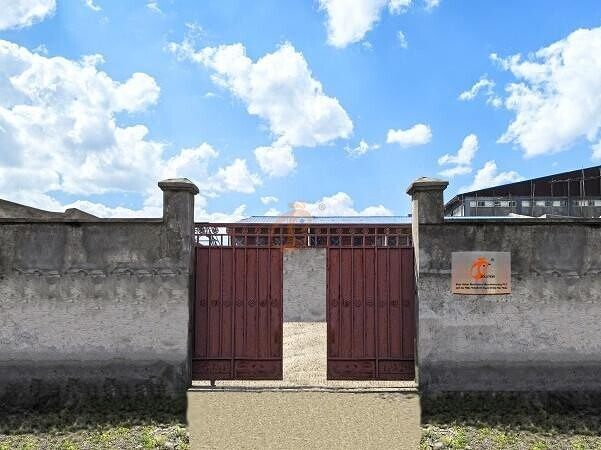
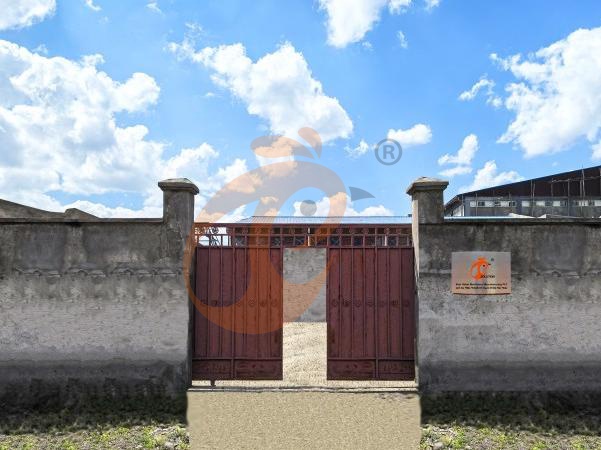
Ethiopia Best Hebei Machinery Manufacturing PLC
Reception /24 WhatsApp NO. : +8618830120193
FAQ
How To Choose The Ultimate Layer Cage System For Multi-Tier Farms?
Install automatic feeding, drinking, egg collection, and manure cleaning systems to boost egg production to 90–98%.
Optimized ventilation and temperature/humidity control reduce mortality to 2–3%.
What Are The Professional Guidelines For Optimizing Feed Storage And Usage In Chicken Cage Farms?
Use automatic feeders to allocate feed as needed, reducing waste by 5–10%.
Regularly monitor feed consumption per tier; FCR 1.9–2.1, egg production 90–98%.
What Are The Professional Guidelines For Reducing Labor Costs Using Automation In Chicken Cage Farms?
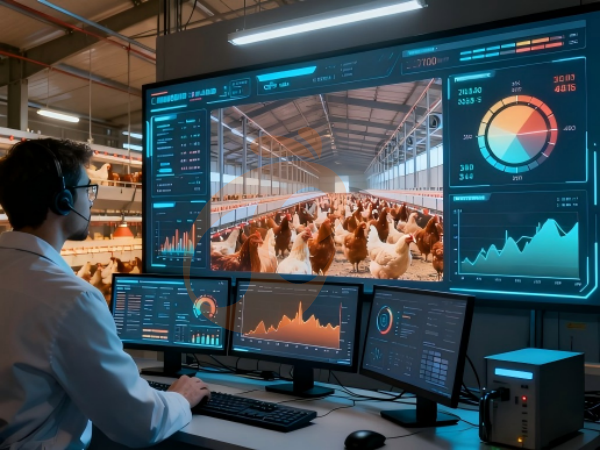
Use real-time monitoring systems to manage flock health and egg production.
ROI can be shortened to 24–36 months, improving overall profitability.
- poultry farm
- layer cages
- chicken cage
- broiler cage
- layer cage
- chicken house
- poultry house
- poultry cage
- cage
- galvanized cage
- poultry farm construction
- layer cage system
- poultry cage manufacturer
- poultry cage system
- poultry cage quotation
- poultry house equipment
- poultry housing system
- poultry equipment
- manure scraper
- egg collection system
- broiler cages
- a chicken cage
- chickencage
- bestchickencage
- cage system
- pullet cage
- cage systems
- Nigeria
- layer farm
- poultry cage systems
- chicken house equipment
- poultry equipment factory
- cage manufacturer
- poultry farm plan
- Ethiopia
Message
Products recommended
 >30,000 Pullets Automatic H Type Battery Cage1. More than 30,000 pullets a house, choose it.
2. It is designed to rearing older than 1 day old pullets to 12 to 16 weeks old chicken starting laying eggs.
3. Its lifespan is more than 25 years.
4. Its structure are Vcloud artificial intelligent fusion, electric control cabinet, automatic equipment of drinking, feeding, manure clean, manual harvesting.
5. Our 24 hour online reception What’sApp NO. is +8618830120193 <30,000 Pullets Automatic A Type Battery Cage1. 10,000 to 30,000 pullets a house, choose it.
2. It is designed to rearing older than 1 day old pullets to 12 to 16 weeks old chicken starting laying eggs.
3. Its lifespan is more than 25 years.
4. Its structure are Vcloud artificial intelligent fusion, electric control cabinet, automatic equipment of drinking, feeding, manure clean, manual harvesting.
5. Our 24 hour online reception What’sApp NO. is +86 18830120193. >30,000 Broilers Semi-Automatic Harvest H Type Battery Cage1. More than 30,000 broilers a house, choose it.
2. It is designed to rearing 1 to 45 day old adult broiler ready for market.
3. Its lifespan is more than 20 years.
4. Our 24 hour online reception What’sApp NO. is +8618830120193, +234 8111199996. >30,000 Broilers Manual Harvest H Type Battery Cage1. More than 30,000 broilers a house, choose it.
2. It is designed to rearing 1 to 45 day old adult broiler ready for market.
3. Its lifespan is more than 20 years.
4. Its structure are Vcloud artificial intelligent fusion, electric control cabinet, automatic equipment of drinking, feeding and manure clean, manual harvesting.
5. Our 24 hour online reception What’sApp NO. is +8618830120193, +234 8111199996. <30,000 Broilers Manual Harvest A Type Battery Cage1. Less 30,000 broilers a house, choose it.
2. It is designed to rearing 1 to 45 day old adult broiler ready for market.
3. Its lifespan is more than 20 years.
4. Its structure are Vcloud artificial intelligent fusion, electric control cabinet, automatic equipment of drinking, feeding and manure clean, manual harvesting.
5. Our 24 hour online reception What’sApp NO. is +8618830120193, +234 8111199996. HK Headquarter Offers EU-standard Poultry Farm Solutions, Manufacture Poultry Farm Equipment1. Continuous communication with the EU and the US
2. China, Nigeria, Ethiopia, Tanzania branch companies and factories
3. The products’ quality is customized for local poultry farms
4. Poultry cage and poultry farm equipment stock for sale
5. 24 online reception Whatsapp NO. : +8618830120193,contact us to get full information China Branch Offer Poultry Farm Business Plan, Manufacture Poultry Farm Equipment1. Address: Flat/RM 2416, 24/F, Runxing Building, Youyi Nan Street, Shijiazhuang City, Hebei Province, China
2. Poultry cage and poultry farm equipment factory and stock for sale
3. Customized for local poultry farms
4. Quality and design are based on Euro
5. 24 online reception Whatsapp NO. : +8618830120193 Nigeria Branch Offer Poultry Farm Business Plan, Manufacture Poultry Farm Equipment1. Address: After Sinoma Office, 200 Meters Near Danco Filling Station, Lagos/Ibadan Expressway, Lagos State, Nigeria
2. Poultry cage and poultry farm equipment factory and stock for sale
3. Customized for Nigerian poultry farms
4. Quality and design are based on Euro
5. 24 online reception Whatsapp NO. : +8618830120193 Ethiopia Branch Offer Poultry Farm Business Plan, Manufacture Poultry Farm Equipment1. Address: Gelan Gura, Akaki-kaliti Sub City, Addis Ababa, Ethiopia
2. Poultry cage and poultry farm equipment stock for sale
3. Customized for Ethiopian poultry farms
4. Quality and design are based on Euro
5. 24 online reception Whatsapp NO. : +8618830120193, contact us to get price list Tanzania Branch Offer Poultry Farm Business Plan, Manufacture Poultry Farm Equipment1. Address: No.8, Sova Road, Msufini, Mlandizi, Kibaha, Pwani, Tanzania
2. Poultry cage and poultry farm equipment factory and stock for sale
3. Customized for Tanzanian poultry farms
4. Quality and design are based on Euro
5. 24 online reception Whatsapp NO. : +8618830120193


Contact