


Blog
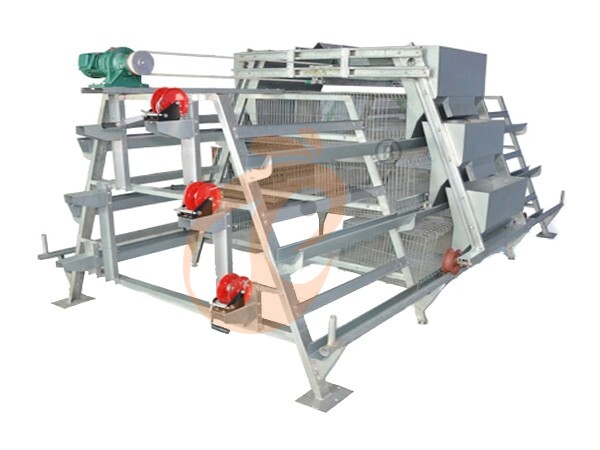
Automatic battery cage for layers can restructure feeding, egg collection, manure handling, and workforce allocation across commercial poultry houses with 20,000+ birds.
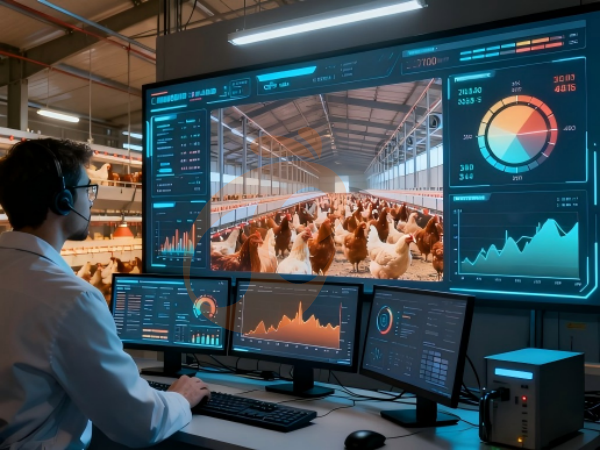
Automatic layer cage systems connect repetitive operations into coordinated equipment cycles, reducing unnecessary walking while improving daily production control through centralized handling.
Battery cage systems for layers create measurable labor advantages when feed delivery, egg transfer, and manure discharge operate continuously with properly matched equipment capacity.
Automatic poultry cage systems also support scalable house layouts, allowing electrical, mechanical, ventilation, and cage infrastructure to be engineered around expansion requirements.
Project economics ultimately depend on flock size, wages, operating hours, and automation scope, making equipment selection a technical investment decision rather than a cage-price comparison.
Get professional poultry farm construction guidance, equipment selection solutions, and the latest price lists, whatsApp to +8618830120193, click to learn more:
The Labor Question Comes Before The Cage Question
For a commercial layer farm, labor is not simply a payroll item.
It affects feeding consistency, egg collection speed, manure handling, equipment maintenance, and the manager’s ability to supervise flock health.
An automatic layer cage can centralize repetitive operations while reducing unnecessary worker movement across long production rows.
Published poultry-farm cases show that automation can reduce workforce requirements substantially when feeding, egg collection, and manure removal operate
as integrated systems.
A properly engineered battery cage system for layers therefore evaluates labor flow together with cage capacity, house dimensions, and daily production
requirements.
Labor Allocation: Manual Vs Automatic
Data is for reference only.Swipe horizontally to view full table.
The difference is not that automatic equipment eliminates people.
An automatic poultry cage system changes worker responsibilities from physical transportation toward inspection, adjustment, maintenance, and production
management.
The transformation becomes increasingly valuable as flock size expands because each worker can oversee more coordinated processes.
What Actually Creates The Saving?
Think of a farm's working day as a sequence:
Load → Deliver → Collect → Remove → Inspect
Manual systems require workers to repeatedly complete each movement between cage rows, service areas, and collection points.
Automatic layer cage equipment converts repeated movement into connected mechanical cycles.
Our engineering approach is therefore not to sell a cage alone.
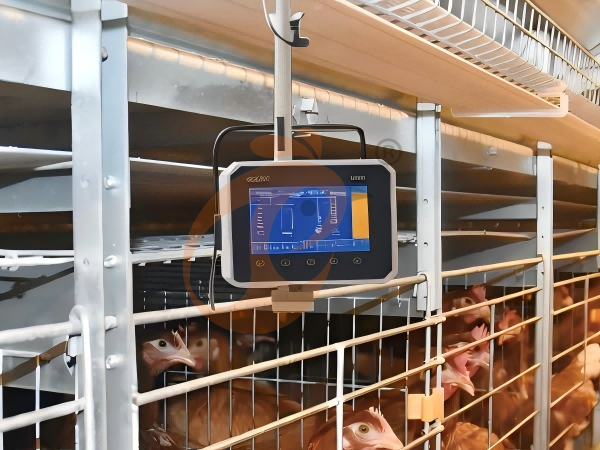
The automatic battery cage is designed together with feeding lines, drinking systems, egg conveyors, manure removal, and control components.
Integration allows equipment capacity to match house geometry, row arrangement, and planned flock population.
A properly configured automatic poultry cage system can also allocate approximately 20–35 minutes per routine inspection cycle, leaving labor available for
management activities.
Workforce Requirement By Farm Scale
Data is for reference only.Swipe horizontally to view full table.
These figures are planning references rather than universal staffing rules because house layout, local wages, management practices, and automation scope
affect actual requirements.
A recent 20,000-layer comparison similarly places manual staffing at 8–12 workers and fully automatic management at 2–4 workers.
For an automatic layer cage project, staffing should also consider approximately 8–12 daily operating hours and the distance between production rows and
service areas.
The Hidden Cost Of Manual Handling
Manual systems often appear attractive because purchase expenditure is easier to control.
However, purchase cost should be separated from operating cost when evaluating an automatic layer cage system.
Use the following calculation path
Annual Labor Cost = Workers × Annual Cost per Worker
Then compare
Automation Payback = Additional Equipment Investment ÷ Annual Labor Savings
If automation removes several recurring positions, additional equipment investment becomes an operating investment rather than merely a higher purchase price.
The calculation should include local wages, electricity tariffs, flock size, maintenance schedules, and working hours.
Our equipment quotations can therefore be structured around equipment investment and projected labor reduction.
An automatic poultry cage system with approximately 3–5 maintenance inspection points per production line can make service planning more systematic.
Feeding System Parameters
Data is for reference only.Swipe horizontally to view full table.
Automatic feeding becomes particularly valuable where long rows make manual transportation repetitive.
A battery cage system for layers can distribute feed through a centralized line while keeping workers away from repeated cart movement.
Our automatic poultry cage system can also be configured around house lengths of approximately 60–100 meters, depending on project architecture.
Egg Collection: Where Time Becomes Visible
Egg collection is one of the easiest labor activities to measure because workers physically repeat the same route every day.
A manual system requires workers to reach cage rows, pick eggs, carry trays, sort products, and transport eggs toward packing.
An automatic layer cage reverses the movement pattern.
Eggs transfer onto conveyor belts, travel toward centralized collection points, and become concentrated within a defined handling area.
A commercial Philippine project reported reducing egg-collection time from approximately 6–8 hours to about 2 hours after installing an automated H-type system.
The commercial value is straightforward: our automatic battery cage system redesigns the movement of eggs and workers simultaneously.
Egg transfer can be arranged around approximately 15–25 collection stations per house, depending on building length and production configuration.
Egg Handling Performance
Data is for reference only.Swipe horizontally to view full table.
Automatic egg systems can reduce repeated manual contact while concentrating handling activity around designated collection areas.
Supplier specifications report egg-collection efficiencies above 95% for automated designs, although actual results depend on cage configuration, belt alignment,
egg quality, and management.
A properly engineered automatic layer cage can also maintain conveyor alignment within approximately 5 mm during installation verification.
Manure Removal Changes The Working Day
Imagine the difference between carrying waste out of a house and monitoring a belt that carries waste outside.
That difference defines one of the clearest labor advantages of automatic manure equipment.
A properly designed battery cage system for layers places manure belts beneath cage tiers and transfers accumulated waste toward a discharge point.
Operators then focus on belt condition, drive components, cleaning intervals, and inspection rather than repeatedly entering rows with manual tools.
For expansion projects, manure workload grows with bird numbers, while centralized equipment can serve larger populations without increasing worker
requirements proportionally.
Our automatic poultry cage system can integrate manure discharge routes with the house structure, keeping service paths organized around approximately 1.2–
1.5 meter working corridors.
Manure System Engineering Data
Data is for reference only.Swipe horizontally to view full table.
The equipment package can also be matched with ventilation and environmental controls so manure handling supports a cleaner house-management routine.
An automatic layer cage project can coordinate manure discharge with external collection equipment, reducing unnecessary internal transport.
Service access should reserve approximately 600–800 mm around critical drive assemblies to support inspection and maintenance.
Investment Decision: Choose By Payback, Not Cage Price
Data is for reference only.Swipe horizontally to view full table.
Published comparisons show that automatic cage systems require more initial investment but can substantially reduce labor demand.
Actual project economics must be calculated from local operating conditions, equipment scope, and staffing costs.
European union standard reference only.
All monetary examples are converted to U.S. dollars for consistent comparison.
Our automatic poultry cage quotations can separate cage investment, automation equipment, installation, and commissioning so buyers can evaluate project
expenditure by engineering category.
When Does Automatic Win?
Use the following decision path
Under 5,000 layers → manual equipment may remain practical where labor is inexpensive and the owner works directly in the house.
5,000–20,000 layers → compare automatic feeding and manure removal first; partial automation can create a meaningful transition.
Above 20,000 layers → evaluate a fully integrated automatic layer cage system because repeated manual operations become a significant operating expense.
Expansion planned → choose automation earlier because cage capacity, conveyors, manure handling, and electrical infrastructure can be engineered as one project.
For commercial producers, the strongest value of an automatic battery cage is not simply fewer workers.
The greater advantage is converting labor from repetitive movement into productive supervision.
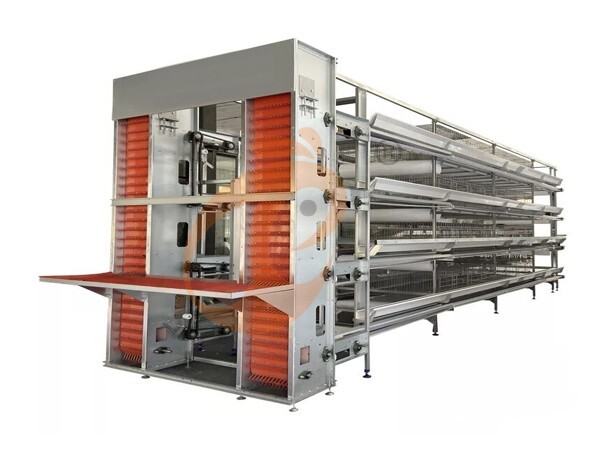
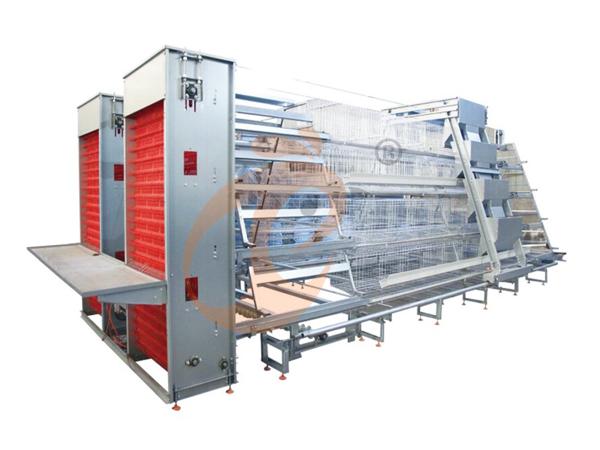
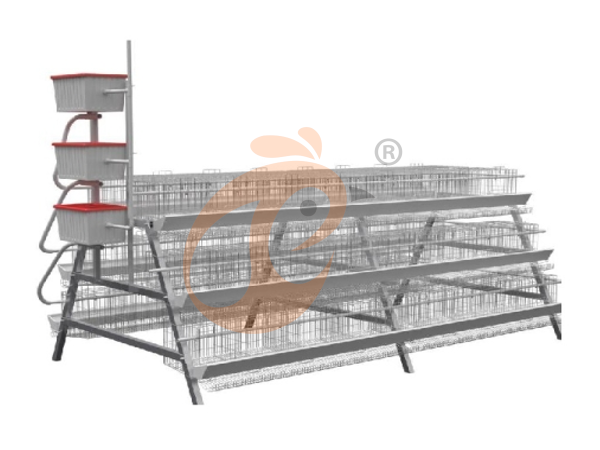
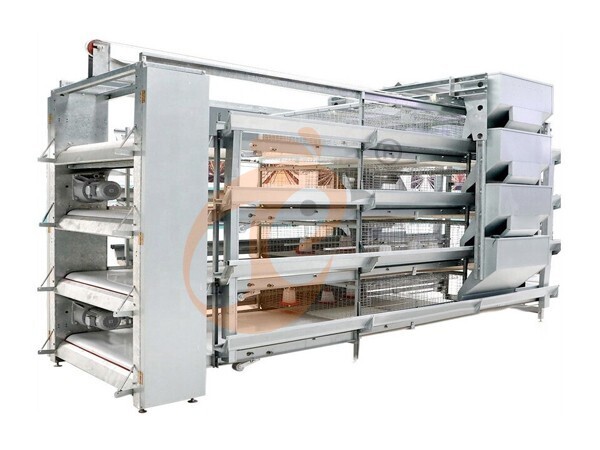
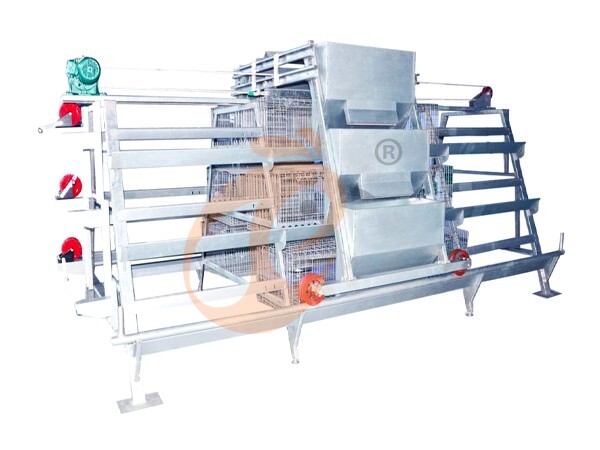
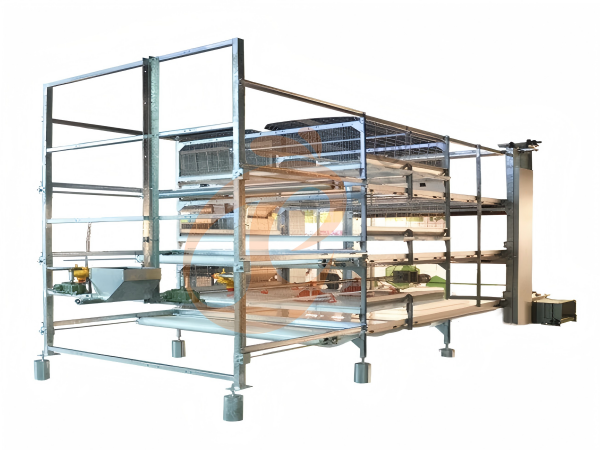
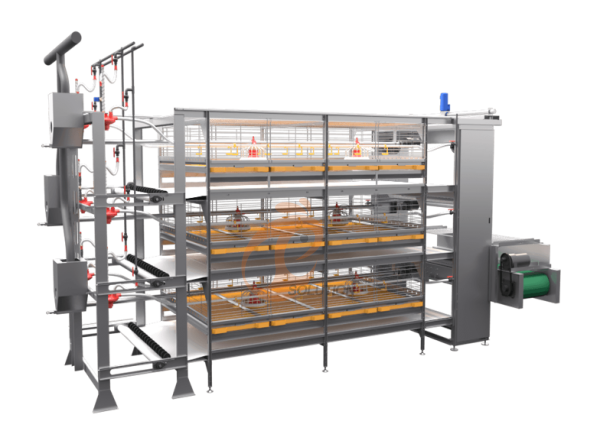
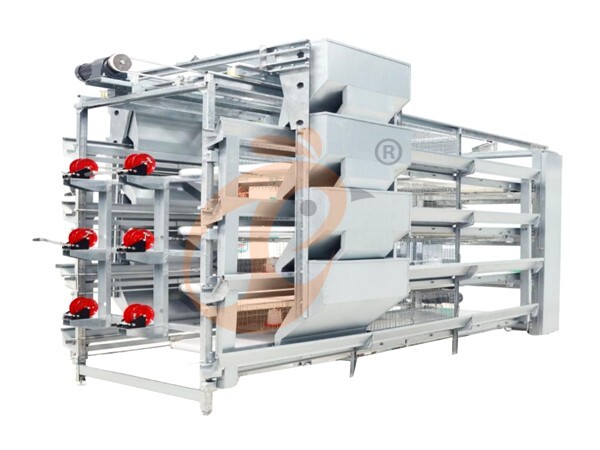
Our automatic A-type and H-type layer cage solutions integrate cage structures, feeding, drinking, egg collection, manure removal, and farm-management
requirements into one coordinated system.
With project-specific layout design, equipment sizing, installation support, and after-sales service, we help poultry farms build systems where additional bird
capacity does not require proportional labor growth.
The answer is clear: when flock size makes repetitive manual work a major operating cost, automatic battery cages save more labor.
Frequently Asked Questions
Q1: How much labor can an automatic layer cage system save?
A properly configured system can reduce staffing substantially, with planning references showing 20,000-layer farms moving from approximately 8–12 workers toward 2–4 workers.
Q2: When should a farm choose automatic battery cages instead of manual cages?
Farms above approximately 20,000 layers generally have stronger economic reasons to evaluate integrated automation because repeated feeding, collection, and manure tasks accumulate rapidly.
Q3: Does automatic equipment eliminate poultry-house workers?
No.
An automatic poultry cage system changes labor toward inspection, maintenance, flock observation, and production control, while routine physical transportation becomes mechanized.
Taiyu (HK) Group - One Of China Toppest Automatic Battery Cage Manufacturer
Automatic battery cage systems integrate layer housing, feeding, drinking, egg collection, manure removal, and control architecture into a coordinated commercial poultry production platform.
Global factory-direct supply supports project-based equipment configuration, engineering drawings, manufacturing coordination, quality inspection, and shipment planning for international poultry equipment projects.
Turn-key engineering covers house layout, equipment matching, installation guidance, commissioning support, and technical documentation for complete poultry equipment deployment.
Project solutions can be configured for commercial layer farms ranging from compact installations to multi-house production complexes requiring synchronized automatic poultry cage systems.
Technical service follows equipment specifications, project dimensions, production targets, and operating conditions to establish a practical automatic layer cage solution from design through commissioning.
Contact Us To Received Your Customized Poultry Farm Plan
Headquarters And Branchs
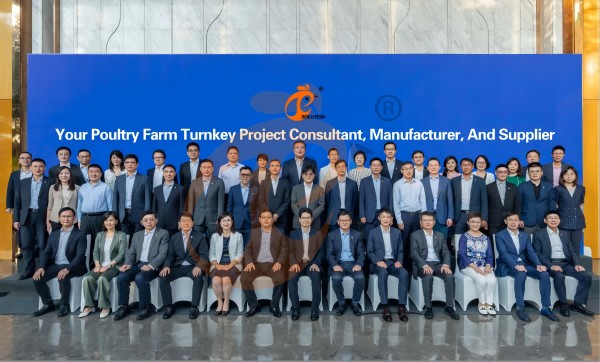
Hong Kong Headquarter Management Team
Hong Kong Headquarter Taiyu Industrial Group CO., LTD
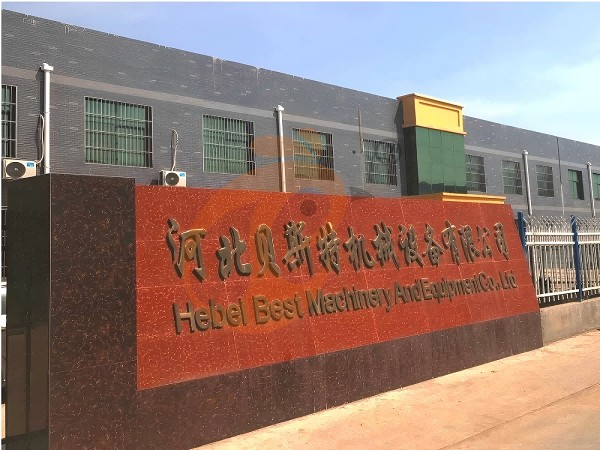
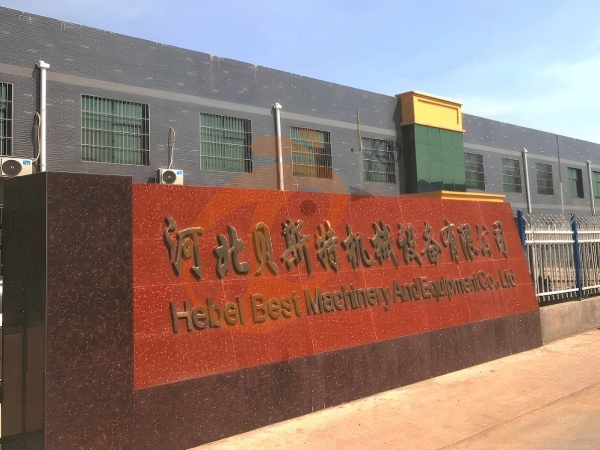
China Hebei Best Machinery And Equipment CO., LTD
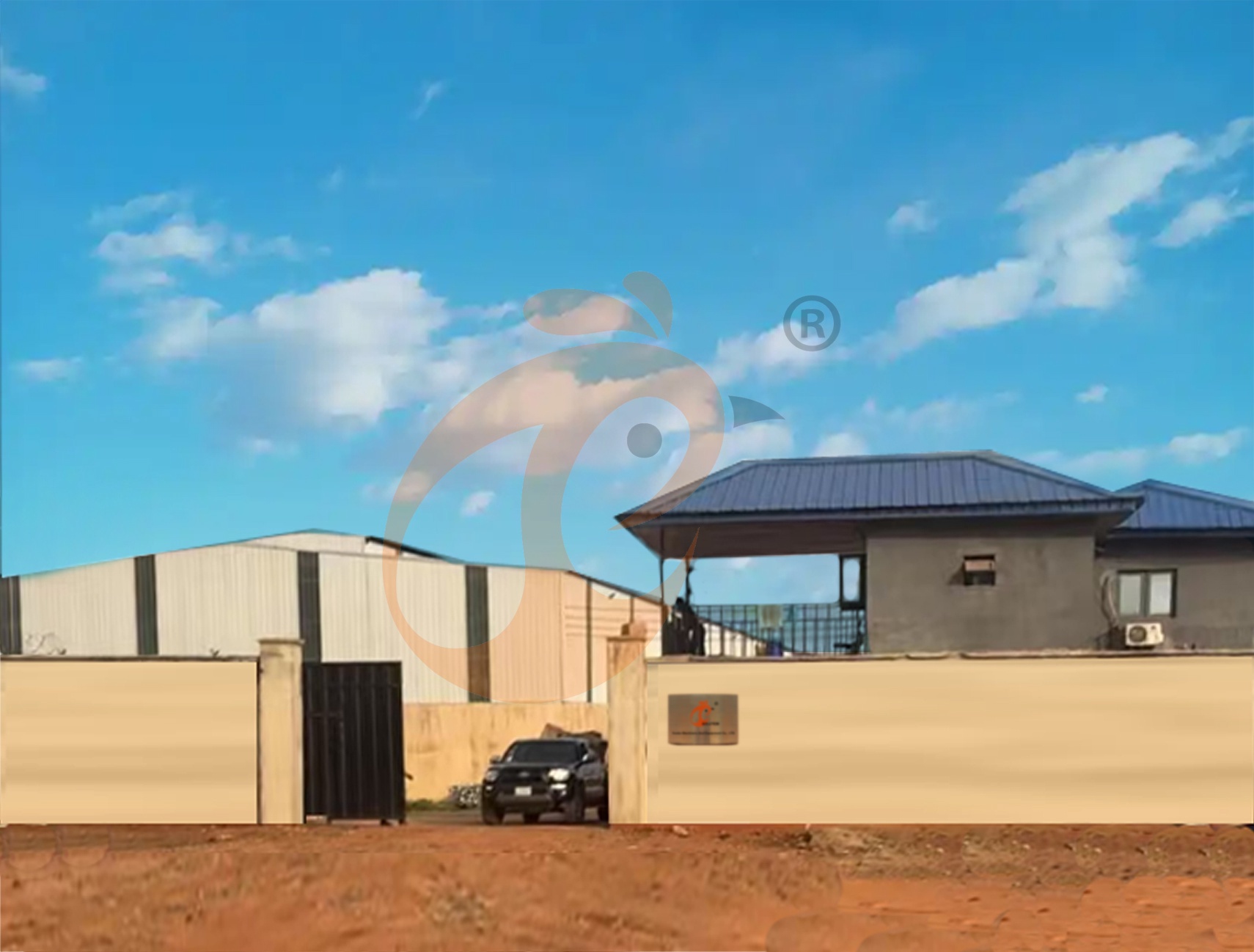
Nigeria Vanke Machinery And Equipment CO., LTD
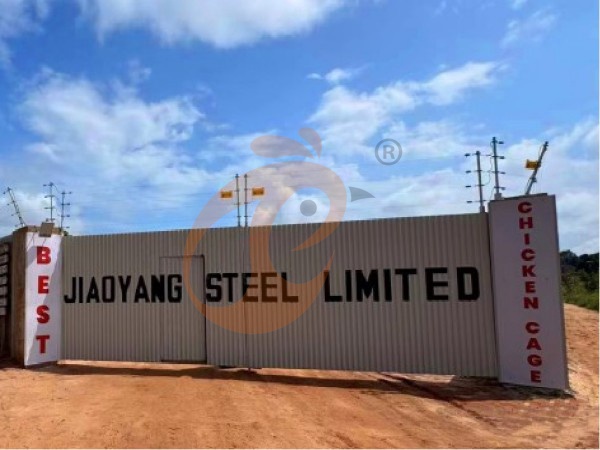
Tanzania Best Machinery And Equipment CO., LTD
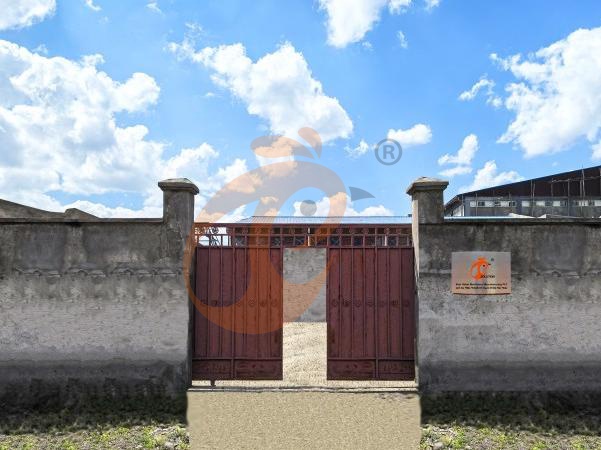
Ethiopia Best Hebei Machinery Manufacturing PLC
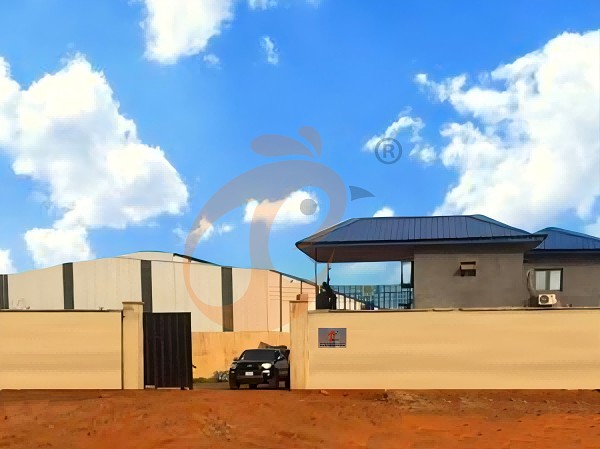
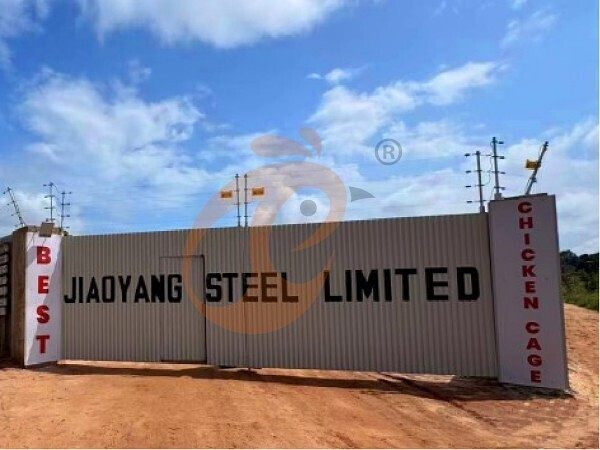
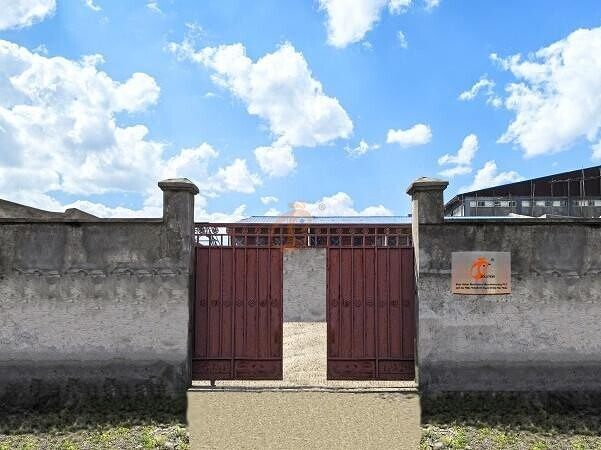
Reception /24 WhatsApp NO. : +8618830120193
FAQ
- battery cage
- battery cage system
- battery cage for layers
- poultry farm
- poultry farms
- layer cage
- automatic layer cage
- poultry house
- poultry cage
- cage
- poultry farm construction
- battery cage manufacturer
- automatic battery cage
- layer cage system
- poultry cage system
- poultry cage quotation
- battery cage system for layers
- automatic battery cage system
- automatic poultry cage system
- automatic poultry cage
- poultry equipment
- battery cages
- cage for layers
- automatic layer cage system
- chickencage
- bestchickencage
- cage system
- cage systems
- h cage
- automatic cage
- Nigeria
- layer farm
- layer cage equipment
- poultry cage systems
- cage manufacturer
- poultry farm plan
- automatic layer cage equipment
- automatic layer cage solution
- Ethiopia
Message
Products recommended
 >30,000 Pullets Automatic H Type Battery Cage1. More than 30,000 pullets a house, choose it.
2. It is designed to rearing older than 1 day old pullets to 12 to 16 weeks old chicken starting laying eggs.
3. Its lifespan is more than 25 years.
4. Its structure are Vcloud artificial intelligent fusion, electric control cabinet, automatic equipment of drinking, feeding, manure clean, manual harvesting.
5. Our 24 hour online reception What’sApp NO. is +8618830120193 <30,000 Pullets Automatic A Type Battery Cage1. 10,000 to 30,000 pullets a house, choose it.
2. It is designed to rearing older than 1 day old pullets to 12 to 16 weeks old chicken starting laying eggs.
3. Its lifespan is more than 25 years.
4. Its structure are Vcloud artificial intelligent fusion, electric control cabinet, automatic equipment of drinking, feeding, manure clean, manual harvesting.
5. Our 24 hour online reception What’sApp NO. is +86 18830120193. >30,000 Broilers Semi-Automatic Harvest H Type Battery Cage1. More than 30,000 broilers a house, choose it.
2. It is designed to rearing 1 to 45 day old adult broiler ready for market.
3. Its lifespan is more than 20 years.
4. Our 24 hour online reception What’sApp NO. is +8618830120193, +234 8111199996. >30,000 Broilers Manual Harvest H Type Battery Cage1. More than 30,000 broilers a house, choose it.
2. It is designed to rearing 1 to 45 day old adult broiler ready for market.
3. Its lifespan is more than 20 years.
4. Its structure are Vcloud artificial intelligent fusion, electric control cabinet, automatic equipment of drinking, feeding and manure clean, manual harvesting.
5. Our 24 hour online reception What’sApp NO. is +8618830120193, +234 8111199996. <30,000 Broilers Manual Harvest A Type Battery Cage1. Less 30,000 broilers a house, choose it.
2. It is designed to rearing 1 to 45 day old adult broiler ready for market.
3. Its lifespan is more than 20 years.
4. Its structure are Vcloud artificial intelligent fusion, electric control cabinet, automatic equipment of drinking, feeding and manure clean, manual harvesting.
5. Our 24 hour online reception What’sApp NO. is +8618830120193, +234 8111199996. HK Headquarter Offers EU-standard Poultry Farm Solutions, Manufacture Poultry Farm Equipment1. Continuous communication with the EU and the US
2. China, Nigeria, Ethiopia, Tanzania branch companies and factories
3. The products’ quality is customized for local poultry farms
4. Poultry cage and poultry farm equipment stock for sale
5. 24 online reception Whatsapp NO. : +8618830120193,contact us to get full information China Branch Offer Poultry Farm Business Plan, Manufacture Poultry Farm Equipment1. Address: Flat/RM 2416, 24/F, Runxing Building, Youyi Nan Street, Shijiazhuang City, Hebei Province, China
2. Poultry cage and poultry farm equipment factory and stock for sale
3. Customized for local poultry farms
4. Quality and design are based on Euro
5. 24 online reception Whatsapp NO. : +8618830120193 Nigeria Branch Offer Poultry Farm Business Plan, Manufacture Poultry Farm Equipment1. Address: After Sinoma Office, 200 Meters Near Danco Filling Station, Lagos/Ibadan Expressway, Lagos State, Nigeria
2. Poultry cage and poultry farm equipment factory and stock for sale
3. Customized for Nigerian poultry farms
4. Quality and design are based on Euro
5. 24 online reception Whatsapp NO. : +8618830120193 Ethiopia Branch Offer Poultry Farm Business Plan, Manufacture Poultry Farm Equipment1. Address: Gelan Gura, Akaki-kaliti Sub City, Addis Ababa, Ethiopia
2. Poultry cage and poultry farm equipment stock for sale
3. Customized for Ethiopian poultry farms
4. Quality and design are based on Euro
5. 24 online reception Whatsapp NO. : +8618830120193, contact us to get price list Tanzania Branch Offer Poultry Farm Business Plan, Manufacture Poultry Farm Equipment1. Address: No.8, Sova Road, Msufini, Mlandizi, Kibaha, Pwani, Tanzania
2. Poultry cage and poultry farm equipment factory and stock for sale
3. Customized for Tanzanian poultry farms
4. Quality and design are based on Euro
5. 24 online reception Whatsapp NO. : +8618830120193


Contact