


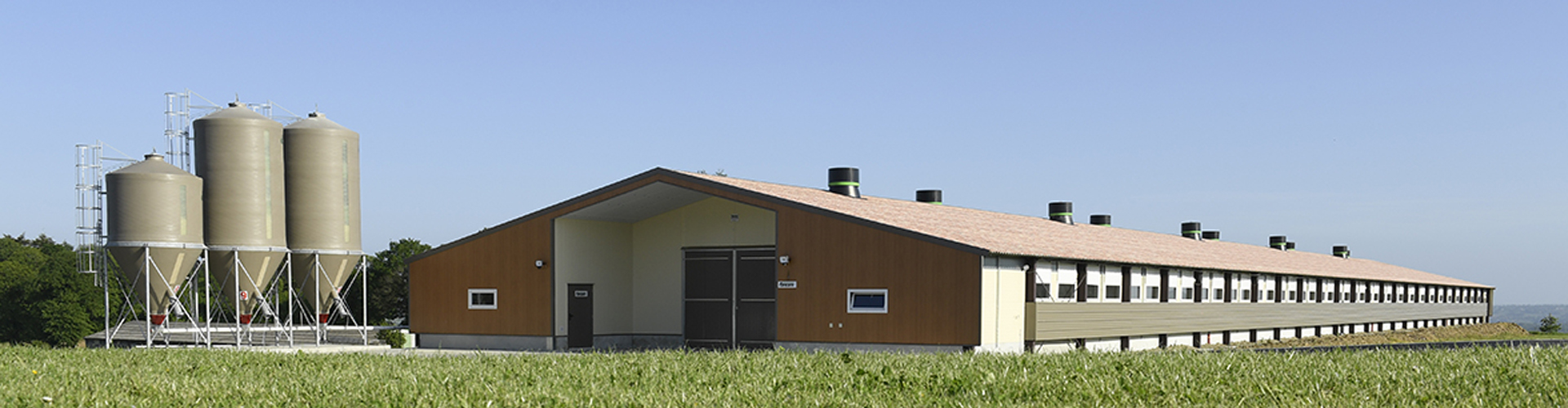
Blog
- Automatic broiler chicken cage systems can reduce repetitive labor across feeding, drinking, manure handling, ventilation, and climate management while supporting commercial production efficiency.
Automatic broiler cage systems shift daily work from physical handling toward supervision, inspection, maintenance, and flock management, creating measurable operational value for expanding poultry farms.
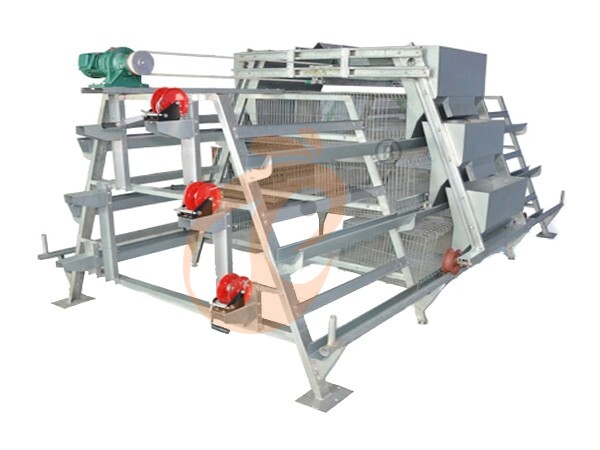
Broiler chicken cage systems integrate motors, conveyors, sensors, controllers, and galvanized structures into coordinated production lines designed around house dimensions and flock requirements.
Equipment selection should consider labor hours, operating cycles, maintenance requirements, production capacity, house layout, and long-term expansion rather than purchase price alone.
- Properly engineered automation creates stronger scalability, consistent workflows, and commercial returns for producers seeking reliable poultry equipment and professional project engineering.
Get professional poultry farm construction guidance, equipment selection solutions, and the latest price lists, whatsApp to +8618830120193, click to learn more:
Labor Cost Comparison: Automatic Vs. Manual Systems
Data is for reference only.Swipe horizontally to view full table.
For modern poultry operations, an automatic broiler chicken cage can coordinate several repetitive processes while keeping personnel focused on flock supervision.
A properly engineered automatic broiler cage system can support continuous production with fewer physical handling steps and more centralized management.
The Real Labor Difference
Manual poultry equipment requires workers to perform repeated physical operations throughout every production cycle.
Automatic broiler chicken cage equipment transfers repetitive operations to motors, conveyors, controllers, and calibrated distribution systems.
The practical difference becomes especially visible during peak feeding periods.
A 120-meter automated feed line can distribute feed through the house without requiring workers to carry feed between cage sections.
Workers can instead concentrate on bird observation, equipment inspection, and production management.
Such workflow restructuring makes a broiler chicken cage system particularly suitable for commercial farms where daily labor efficiency directly influences operating costs.
Where Automation Creates The Biggest Savings
Data is for reference only.Swipe horizontally to view full table.
The greatest labor reduction comes from operations repeated every day.
Feeding, manure handling, and environmental adjustment therefore become important purchasing criteria for an automatic broiler chicken cage project.
A professionally designed automatic broiler cage system combines those functions into a coordinated production environment instead of treating each task as an independent operation.
Think Beyond The Purchase Price
An automatic broiler cage system normally requires greater initial capital commitment than basic manual equipment.
However, equipment purchasing should be evaluated against the entire operating cycle.
Total operating cost = equipment investment + labor + maintenance + production losses + operating efficiency.
A useful commercial calculation is
Annual labor saving = reduced working hours × local hourly labor cost × operating days.
Reducing routine work by 3 hours per day produces 1,095 labor hours saved over a 365-day operating period.
Such calculation makes an automatic broiler chicken cage more attractive when labor expenses increase during long-term farm operation.
European union standard reference only.
How Automation Changes The Farm Workflow
Data is for reference only.Swipe horizontally to view full table.
The difference is not simply machines replacing workers.
Automatic broiler chicken cage equipment changes the sequence and organization of daily farm operations.
When feed distribution is automated, workers do not need to repeatedly transport feed through every production section.
When environmental controls are integrated, temperature and ventilation decisions can follow programmed operating curves rather than depending entirely on manual adjustments.
A broiler chicken cage system therefore creates a workflow centered on supervision instead of repetitive movement.
Capacity And Labor: The Scaling Advantage
Data is for reference only.Swipe horizontally to view full table.
Illustrative capacity ranges; actual stocking capacity depends on cage configuration, bird weight, ventilation design, local regulations, and farm management.
For farms planning expansion, automatic broiler cage systems become increasingly valuable because production capacity can grow without creating the same
proportionate increase in repetitive manual work.
A modular equipment layout also allows additional houses, feed circuits, and control zones to be incorporated into future expansion plans.
Projects with 2 or more additional houses can particularly benefit from coordinated broiler chicken cage system engineering.
Equipment Features That Matter Most
Data is for reference only.Swipe horizontally to view full table.
Not every automatic broiler chicken cage system delivers the same commercial value.
Galvanized steel quality, motor configuration, feed-line alignment, nipple construction, controller reliability, and cage engineering directly influence equipment
service life and operating performance.
Galvanized components with approximately 275 g/m² zinc coating can provide a durable structural solution for demanding poultry-house environments.
The strongest automatic broiler cage package is therefore engineered as a complete system rather than assembled from unrelated machines.
Maintenance Is Part Of Labor Efficiency
Data is for reference only.Swipe horizontally to view full table.
Automation reduces repetitive work, but maintenance remains essential for protecting equipment investment.
A reliable automatic broiler cage supplier should provide installation instructions, commissioning support, spare parts, operating manuals, and technical
assistance.
Preventive maintenance also helps avoid unexpected shutdowns that could interrupt feeding, ventilation, or manure removal.
Well-designed broiler chicken cage equipment should make routine service procedures accessible for farm personnel.
Why System Integration Matters
A poultry house operates as one production environment.
Feeding, drinking, ventilation, lighting, temperature, and manure management influence one another.
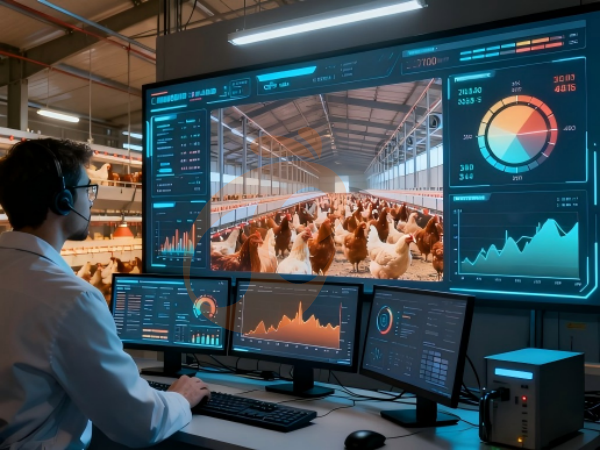
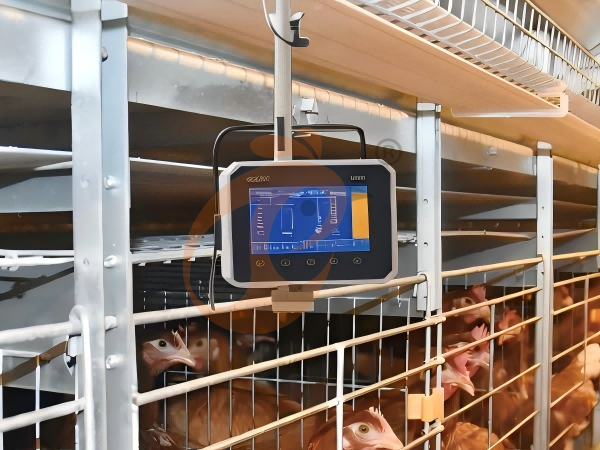
An integrated automatic broiler chicken cage system can connect sensors, controllers, motors, and distribution equipment through coordinated operating logic.
A properly designed environmental system can manage multiple house zones from a centralized control cabinet.
This is where experienced automatic broiler cage engineering creates additional value through cage layouts, equipment capacity selection, manure-route planning, and ventilation coordination.
Customers receive a complete production solution rather than individual machines.
A Simple Decision Framework
Data is for reference only.Swipe horizontally to view full table.
The correct configuration depends on house dimensions, local labor costs, production targets, bird density, and investment planning.
For a commercial automatic broiler chicken cage project, equipment should be selected after evaluating the complete production flow.
Such engineering prevents mismatched capacities between feeding, drinking, ventilation, manure handling, and control systems.
Why Choose A Complete Poultry Equipment Supplier?
Instead of treating cages, feeders, drinking lines, manure systems, and environmental controls as separate purchases, commercial farms can work with a manufacturer capable of engineering the entire broiler house around production targets.
A complete automatic broiler cage supplier can provide custom cage layouts, automatic feeding equipment, nipple drinking systems, manure removal solutions, ventilation equipment, environmental controllers, installation guidance, and after-sales technical support.
Project engineering can incorporate house length, cage tiers, feed-line positioning, manure-belt arrangement, ventilation requirements, and electrical configuration into one coordinated design.
For poultry equipment companies, the strongest selling proposition is therefore not automation alone.
The value comes from reliable broiler chicken cage equipment engineered specifically around the customer's farm.
Final Verdict: Which Saves More Labor?
Data is for reference only.Swipe horizontally to view full table.
Indicative project ranges; actual staffing depends on farm layout, automation level, management practices, and local operating conditions.
So, which saves more labor? Automatic broiler chicken cage systems clearly have the stronger labor-saving advantage.
Although initial investment is higher, automation can reduce repetitive work, improve workflow consistency, support larger commercial projects, and reduce dependence on manual operations.
For poultry producers planning a new broiler house or upgrading an existing facility, the better investment is not necessarily equipment with the lowest purchase price.
The stronger solution delivers lower labor requirements, reliable operation, efficient production, scalable capacity, and professional technical support throughout the equipment lifecycle.
Frequently Asked Questions
Q1: Can automatic broiler chicken cage systems reduce farm labor?
Yes.
Integrated feeding and manure systems can shift routine work toward inspection and supervision, with project staffing potentially falling to 1–2 workers per 10,000 birds.
Q2: What determines automatic broiler cage system payback?
Labor cost, house capacity, utilization rate, maintenance expenses, and equipment investment determine payback.
Commercial projects commonly evaluate a 3–7 year equipment period.
Q3: Should farms replace manual equipment immediately?
Not always.
Phased upgrades can begin with feeding, drinking, or manure handling before expanding automation across additional production zones.
Taiyu (HK) Group - One Of China Toppest Automatic Broiler Chicken Cage Manufacturer
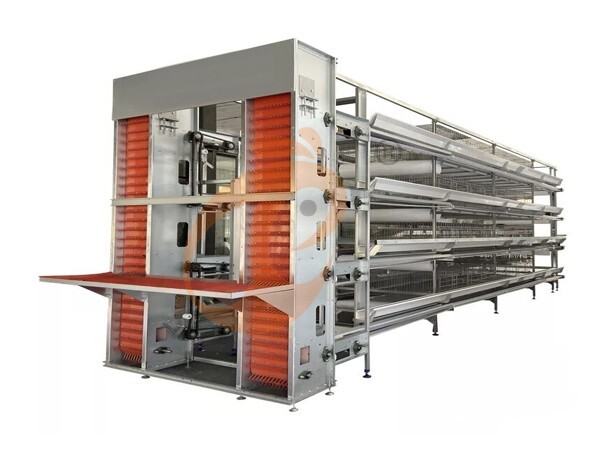
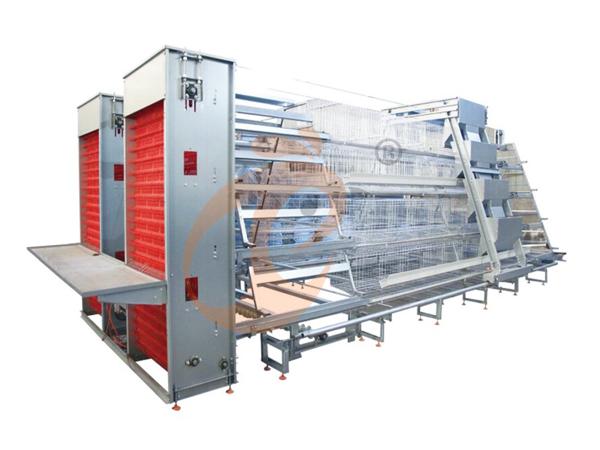
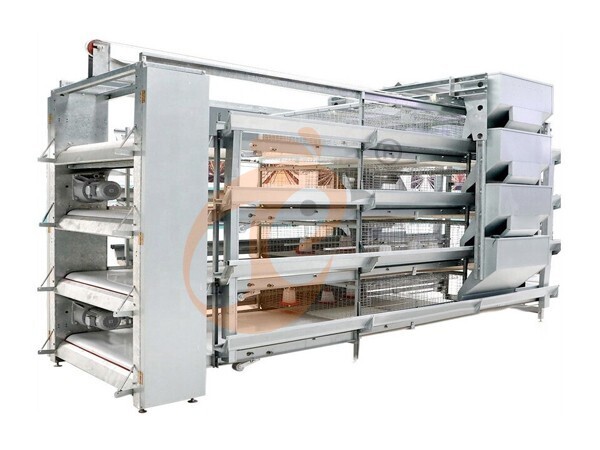
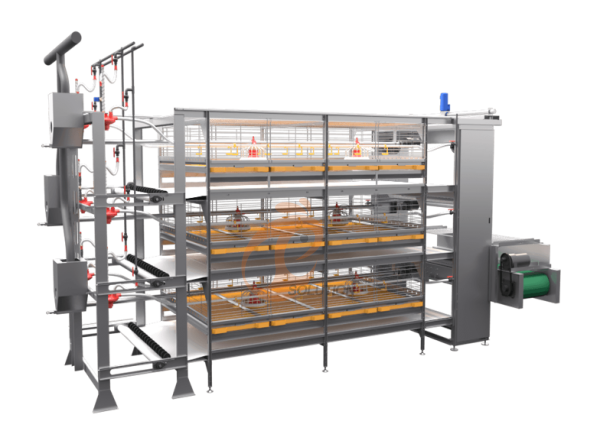
Automatic broiler chicken cage equipment integrates feeding, drinking, manure handling, environmental control, and structural housing into an engineered production system for commercial poultry projects.
Global factory direct sales provide poultry equipment with manufacturing coordination, technical documentation, configuration support, and international project communication from one source.
Poultry equipment packages cover cage systems, feeding lines, drinking systems, ventilation equipment, manure removal, environmental controls, and electrical integration for complete farm layouts.
Turn-key engineering connects project design, equipment production, delivery, installation guidance, commissioning procedures, and after-sales technical support into one structured implementation process.
International project execution supports new-build farms, capacity expansion, and equipment upgrades through configurable production lines matched to house dimensions and operating requirements.
Contact Us To Received Your Customized Poultry Farm Plan
Headquarters And Branchs
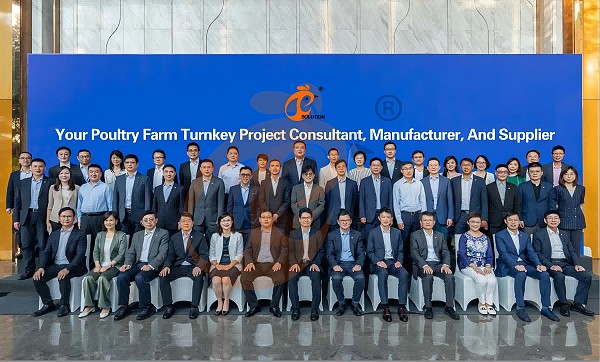
Hong Kong Headquarter Management Team
Hong Kong Headquarter Taiyu Industrial Group CO., LTD
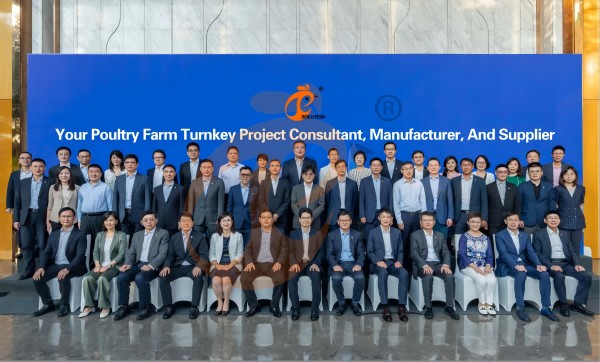
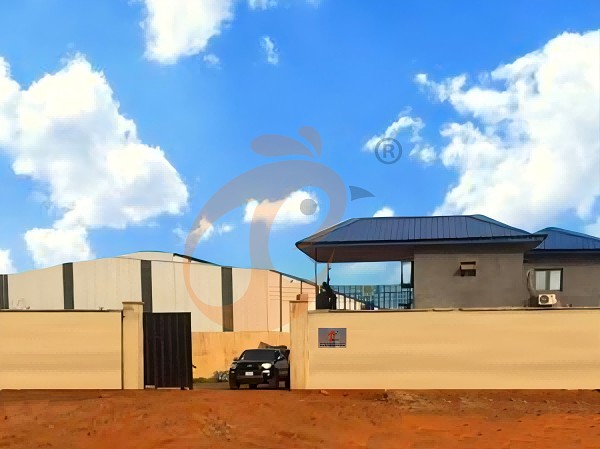
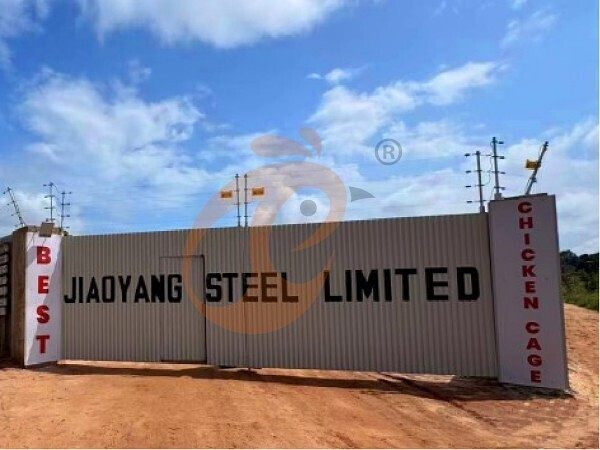
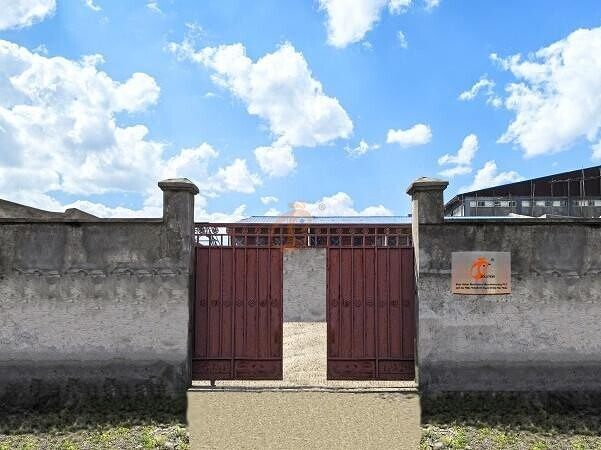
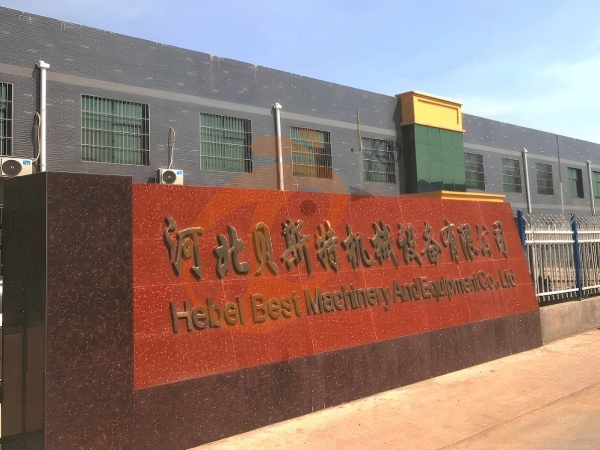
China Hebei Best Machinery And Equipment CO., LTD
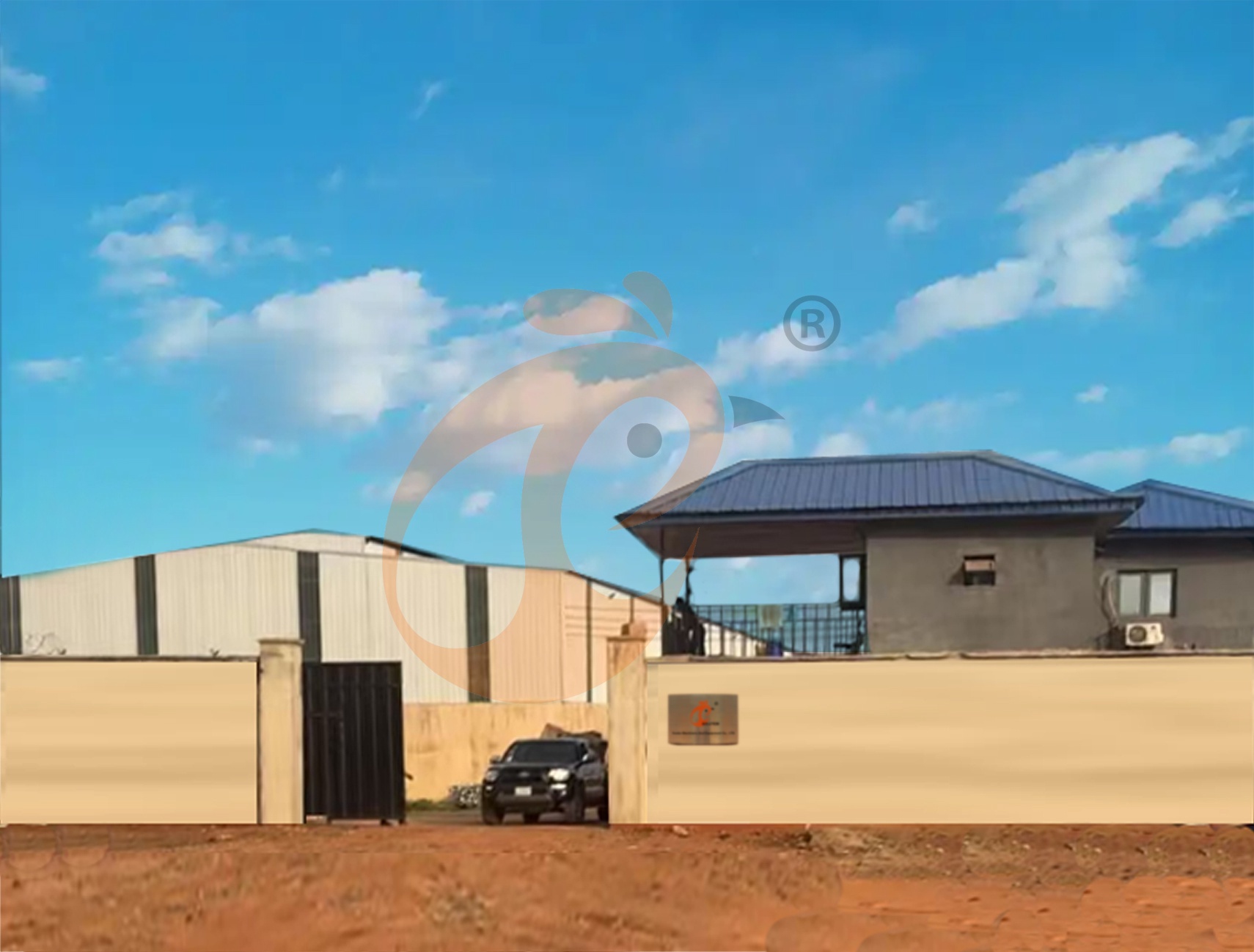
Nigeria Vanke Machinery And Equipment CO., LTD
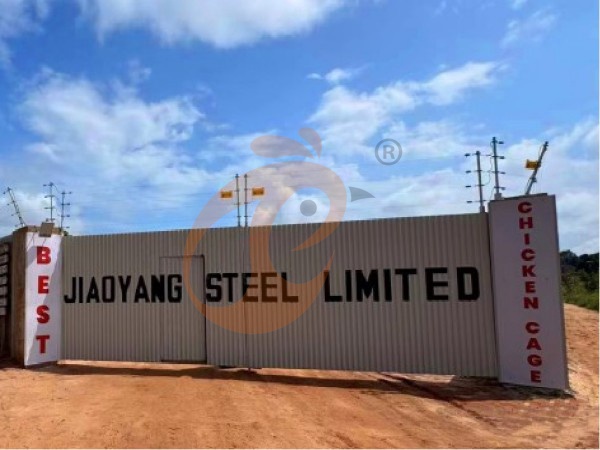
Tanzania Best Machinery And Equipment CO., LTD
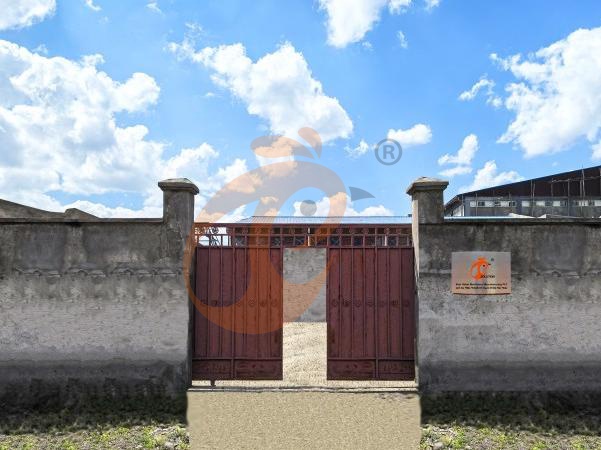
Ethiopia Best Hebei Machinery Manufacturing PLC
Reception /24 WhatsApp NO. : +8618830120193
FAQ
What Cage Structure Options Are Available For Broiler Chicken Cage Systems?
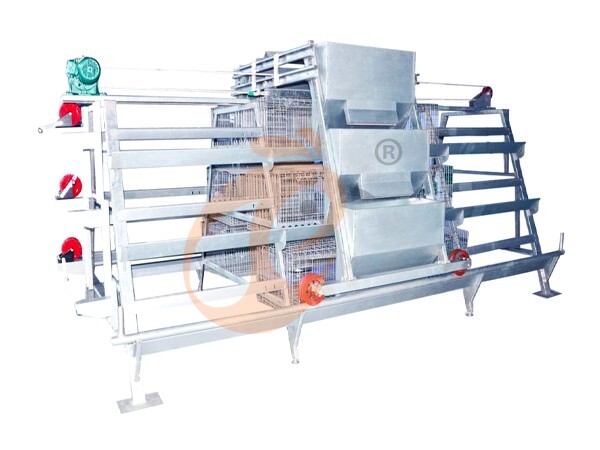
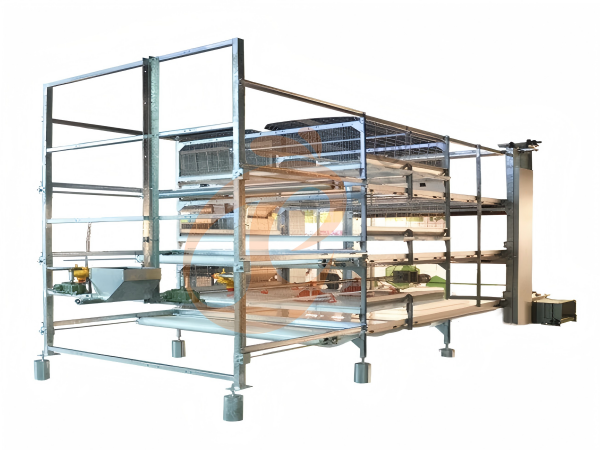
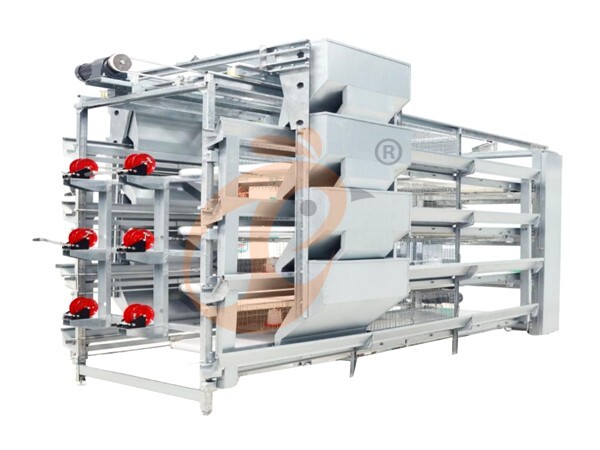
H-type cage systems are configured in 3–12 tiers accommodating 360–1440 birds per set for intensive farming operations.
Structural height ranges from 1.75–10.11 meters maximizing vertical space utilization and housing efficiency.
How Does Stocking Density Affect Broiler Chicken Cage Performance?
H-type systems maintain 500 cm² allocation per bird optimizing housing density and production output.
Bird distribution is balanced at 8 birds per compartment in partitioned cage configurations reducing competition.
Which Cage Dimensions Are Commonly Used In Broiler Chicken Cage Systems?
H-type cage modules measure 3.3 × 1.82 meters providing larger continuous housing sections.
Internal compartment height varies from 40–55 cm ensuring adequate bird activity and ventilation circulation.
- poultry farm
- chicken cage
- poultry farms
- broiler cage
- poultry house
- cage
- poultry farm construction
- broiler cage system
- chicken cage manufacturer
- chicken cage system
- broiler cage supplier
- chicken cage equipment
- automatic feeding system
- poultry equipment
- broiler chicken cage
- chickencage
- automatic broiler cage
- bestchickencage
- cage system
- automatic broiler chicken cage
- cage systems
- broiler chicken cage system
- h cage
- automatic broiler cage system
- Nigeria
- poultry equipment supplier
- cage manufacturer
- cage supplier
- poultry farm plan
- Ethiopia
Message
Products recommended
 >30,000 Pullets Automatic H Type Battery Cage1. More than 30,000 pullets a house, choose it.
2. It is designed to rearing older than 1 day old pullets to 12 to 16 weeks old chicken starting laying eggs.
3. Its lifespan is more than 25 years.
4. Its structure are Vcloud artificial intelligent fusion, electric control cabinet, automatic equipment of drinking, feeding, manure clean, manual harvesting.
5. Our 24 hour online reception What’sApp NO. is +8618830120193 <30,000 Pullets Automatic A Type Battery Cage1. 10,000 to 30,000 pullets a house, choose it.
2. It is designed to rearing older than 1 day old pullets to 12 to 16 weeks old chicken starting laying eggs.
3. Its lifespan is more than 25 years.
4. Its structure are Vcloud artificial intelligent fusion, electric control cabinet, automatic equipment of drinking, feeding, manure clean, manual harvesting.
5. Our 24 hour online reception What’sApp NO. is +86 18830120193. >30,000 Broilers Semi-Automatic Harvest H Type Battery Cage1. More than 30,000 broilers a house, choose it.
2. It is designed to rearing 1 to 45 day old adult broiler ready for market.
3. Its lifespan is more than 20 years.
4. Our 24 hour online reception What’sApp NO. is +8618830120193, +234 8111199996. >30,000 Broilers Manual Harvest H Type Battery Cage1. More than 30,000 broilers a house, choose it.
2. It is designed to rearing 1 to 45 day old adult broiler ready for market.
3. Its lifespan is more than 20 years.
4. Its structure are Vcloud artificial intelligent fusion, electric control cabinet, automatic equipment of drinking, feeding and manure clean, manual harvesting.
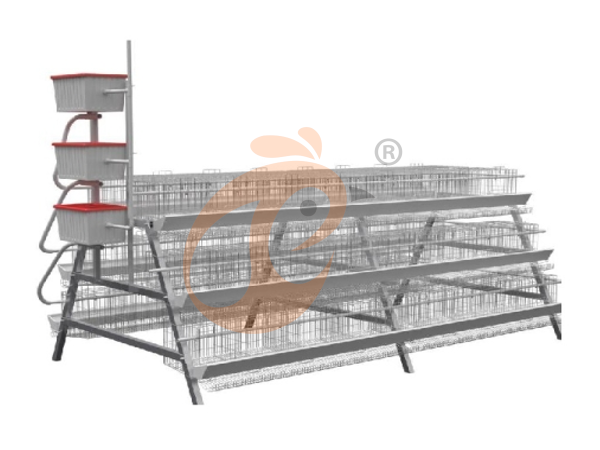
5. Our 24 hour online reception What’sApp NO. is +8618830120193, +234 8111199996. <30,000 Broilers Manual Harvest A Type Battery Cage1. Less 30,000 broilers a house, choose it.
2. It is designed to rearing 1 to 45 day old adult broiler ready for market.
3. Its lifespan is more than 20 years.
4. Its structure are Vcloud artificial intelligent fusion, electric control cabinet, automatic equipment of drinking, feeding and manure clean, manual harvesting.
5. Our 24 hour online reception What’sApp NO. is +8618830120193, +234 8111199996. HK Headquarter Offers EU-standard Poultry Farm Solutions, Manufacture Poultry Farm Equipment1. Continuous communication with the EU and the US
2. China, Nigeria, Ethiopia, Tanzania branch companies and factories
3. The products’ quality is customized for local poultry farms
4. Poultry cage and poultry farm equipment stock for sale
5. 24 online reception Whatsapp NO. : +8618830120193,contact us to get full information China Branch Offer Poultry Farm Business Plan, Manufacture Poultry Farm Equipment1. Address: Flat/RM 2416, 24/F, Runxing Building, Youyi Nan Street, Shijiazhuang City, Hebei Province, China
2. Poultry cage and poultry farm equipment factory and stock for sale
3. Customized for local poultry farms
4. Quality and design are based on Euro
5. 24 online reception Whatsapp NO. : +8618830120193 Nigeria Branch Offer Poultry Farm Business Plan, Manufacture Poultry Farm Equipment1. Address: After Sinoma Office, 200 Meters Near Danco Filling Station, Lagos/Ibadan Expressway, Lagos State, Nigeria
2. Poultry cage and poultry farm equipment factory and stock for sale
3. Customized for Nigerian poultry farms
4. Quality and design are based on Euro
5. 24 online reception Whatsapp NO. : +8618830120193 Ethiopia Branch Offer Poultry Farm Business Plan, Manufacture Poultry Farm Equipment1. Address: Gelan Gura, Akaki-kaliti Sub City, Addis Ababa, Ethiopia
2. Poultry cage and poultry farm equipment stock for sale
3. Customized for Ethiopian poultry farms
4. Quality and design are based on Euro
5. 24 online reception Whatsapp NO. : +8618830120193, contact us to get price list Tanzania Branch Offer Poultry Farm Business Plan, Manufacture Poultry Farm Equipment1. Address: No.8, Sova Road, Msufini, Mlandizi, Kibaha, Pwani, Tanzania
2. Poultry cage and poultry farm equipment factory and stock for sale
3. Customized for Tanzanian poultry farms
4. Quality and design are based on Euro
5. 24 online reception Whatsapp NO. : +8618830120193


Contact