


Blog
Before you invest in automatic chicken cages, compare the full farming result, not only the initial quotation.
For most poultry farms in 2026, the right system affects labor cost, egg collection efficiency, manure cleaning speed, bird density, house ventilation, and future expansion capacity.
- Compare cage structure, steel quality, and corrosion resistance
- Compare house size design and land-use efficiency
- Compare feeding, drinking, egg collection, and manure removal automation
- Compare farm management cost over 5 to 10 years, not only day-one price
Compare scalability for 30,000 to 100,000+ birds and future smart farm upgrades
Get professional poultry farm construction guidance, equipment selection solutions, and the latest price lists, whatsApp to +8618830120193, click to learn more:
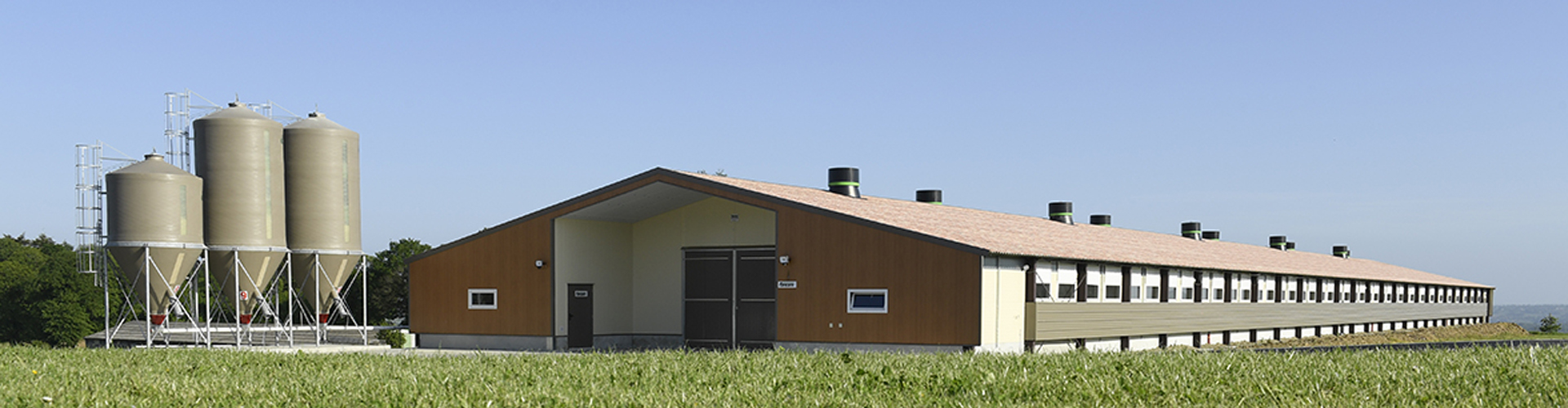
Why Automatic Chicken Cages Need A Full Comparison
Buyers searching for automatic chicken cages, poultry cage system, layer cage price, chicken farm equipment, and automatic egg laying cages often focus first on price. In real farm operation, that is only one part of the decision.
If the cage system does not match your land size, house width, ventilation path, or manure discharge route, daily management becomes harder and your long-term return drops. A cheaper system can later create higher labor cost, egg breakage, and maintenance expense.
Core Comparison Factors Buyers Often Miss
Many poultry investors compare only cage tier, bird capacity, and machine configuration. In practice, three hidden issues often decide profitability: land efficiency, manure route efficiency, and whether the system leaves space for expansion.
For example, on the same 1,500 m² house footprint, a well-designed automatic chicken cages project can increase usable bird capacity by 8% to 15% compared with a poor layout. That directly affects annual output.
Labor is another key point. If one worker can manage 8,000 to 12,000 birds with good automation, but only 4,000 to 6,000 birds with a weak system, salary cost over 5 years changes sharply.
Compare Cage Structure And Material Quality
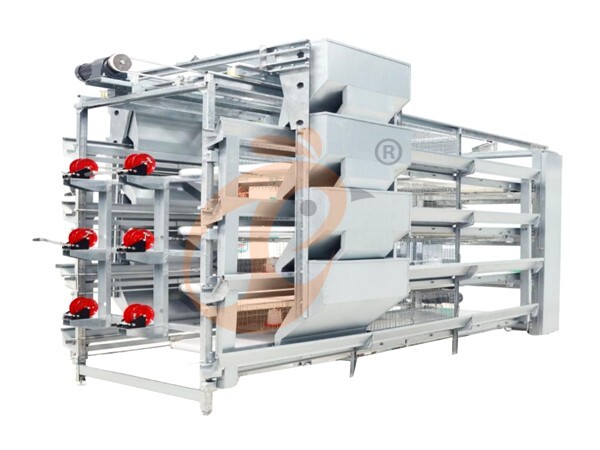
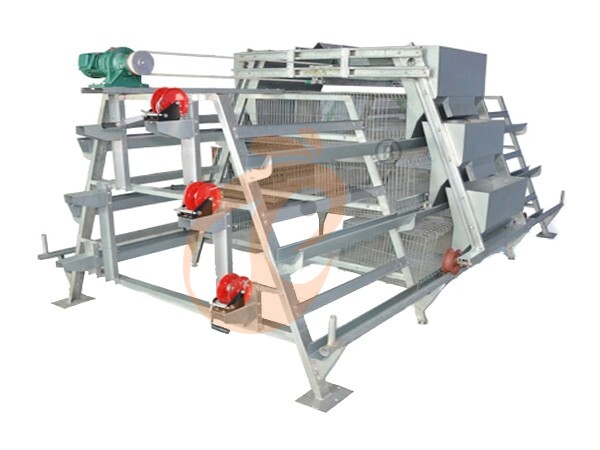
The first hardware point is the cage frame itself. Good automatic chicken cages should have stable structure, strong welding quality, and reliable anti-rust treatment. In humid poultry houses, corrosion resistance directly affects service life.
Most serious buyers compare galvanized process, wire diameter, feeding trough thickness, door design, and the load-bearing performance of the frame. If these details are weak, repair frequency rises quickly after 2 to 3 years of use.
We suggest asking for material specifications and expected service life under local climate conditions. In many markets, hot-dip galvanized systems can last 15 to 20 years, while lower-grade coating may show clear corrosion risk within 5 to 8 years.
When comparing automatic chicken cages, always connect structure quality with lifetime operating cost.
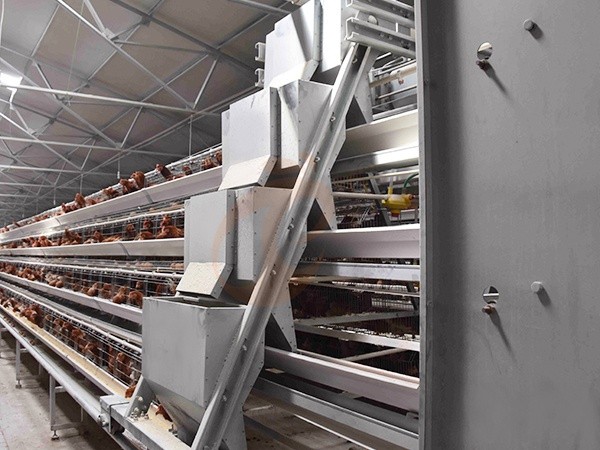
How Material Quality Changes Return
Higher-spec automatic chicken cages may cost 10% to 18% more upfront but reduce shutdown risk and replacement parts cost. That matters even more for farms above 20,000 birds.
Bird performance is also affected. Stable floors, smoother egg rolling design, and better feeder alignment help reduce egg cracking and bird stress.
For farms targeting stable output, structure quality should never be compared as a minor detail.
Compare Layout Design And House Size Matching
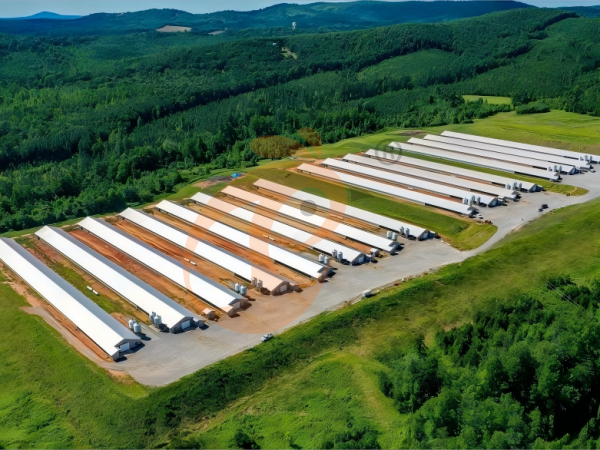
House width, length, height, sidewall condition, and ventilation direction all influence cage row quantity, aisle width, and equipment route.
This is where manufacturer experience matters. A professional layout should improve movement efficiency for workers, keep feed and manure routes practical, and leave enough space for maintenance and future upgrades.
For example, a 100 m x 12 m house and a 100 m x 15 m house require different row planning. If aisle width is too narrow, egg collection and maintenance become difficult. If it is too wide, land efficiency drops.
Compare Automation Level And Daily Labor Efficiency
Some systems automate only feeding. Others include nipple drinking, automatic manure cleaning, automatic egg collection, climate support, and farm digital monitoring.
In a typical layer project, full automatic chicken cages can reduce repeated manual work significantly. Egg collection time may drop by 40% to 70%, while manure removal time can be reduced by more than half depending on house design.
Automation should also be stable and easy to maintain. Fancy equipment with poor service support often becomes a burden.
Smart Management Is Becoming A Key Comparison Point
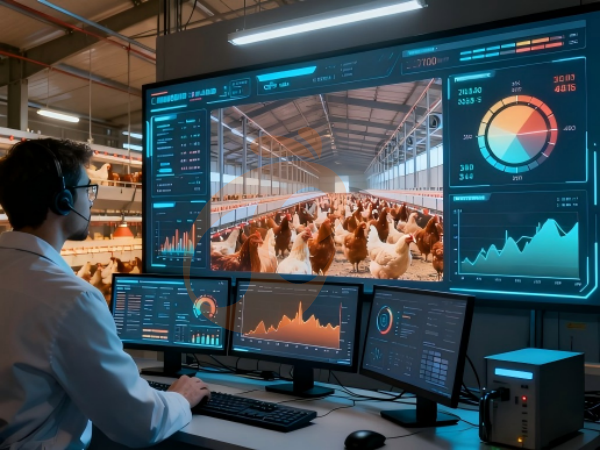
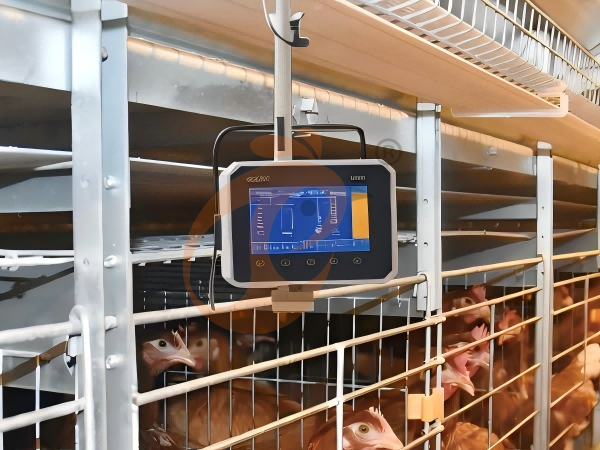
For farms planning 30,000 to 100,000+ birds, smart control is no longer optional for many investors. A digital system can help monitor environment, production, and device status in real time.
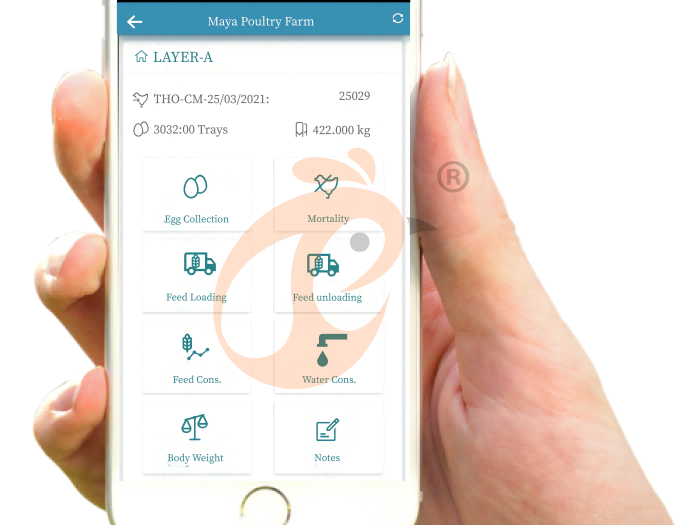
For example, Overall Structure IoT System In The Farm can support poultry farming with real-time monitoring, video recording and playback, remote camera operation, accurate flock weighing, abnormal alarm, data analysis, linkage control, and scene control.
This kind of upgrade helps managers track growth curve, uniformity, feed decisions, and environmental conditions on one platform. When integrated well with automatic chicken cages, it improves response speed and reduces hidden management loss.
For larger farms, one timely alarm on abnormal growth or environment can prevent losses far greater than the system cost.
Compare Cost Structure Instead Of Price Alone
One of the most important decisions is to compare total ownership cost. The quotation for automatic chicken cages is only the starting number. Real cost includes transport, installation, electricity use, spare parts, labor, maintenance, and production efficiency.
Buyers should also compare egg damage rate, manure handling efficiency, and service downtime. A 1% difference in saleable egg output becomes meaningful at scale.
On a farm with 20,000 layers, even a small output improvement can create a strong annual return advantage.
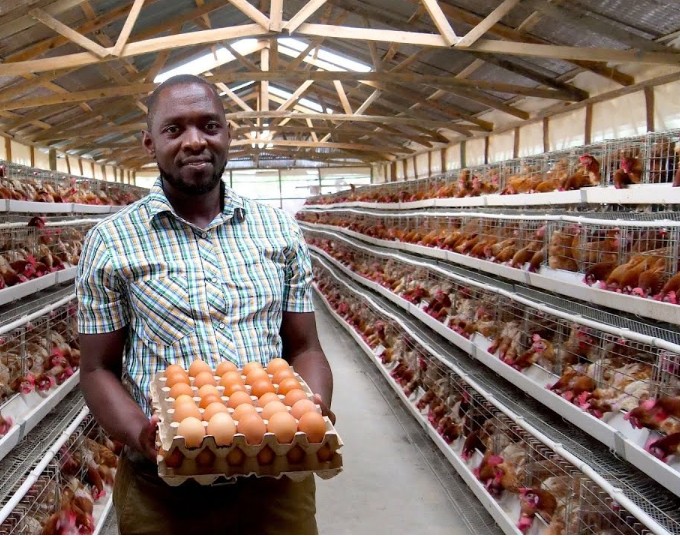
Service And Installation Comparison
As a factory, we know that smooth project execution depends on more than manufacturing. Correct house size design, accurate cage layout, practical equipment matching, and responsive communication all help avoid costly delays.
For customers starting a new poultry business, support during planning stage is especially important. A supplier that can guide house design and full farm arrangement often helps reduce mistakes from the beginning.
That support becomes part of the real value of automatic chicken cages.
FAQ
How Long Do Automatic Chicken Cages Usually Last?
With suitable material and proper maintenance, quality automatic chicken cages can commonly serve 25+ years. Hot-dip galvanized systems generally offer better corrosion resistance, especially in humid environments.
How Many Birds Can One Worker Manage With Automatic Chicken Cages?
On many well-designed farms, one worker may manage around 8,000 to 12,000 birds with a good automatic system. In more advanced setups, the number can be higher depending on local management practice.
Are Automatic Chicken Cages Suitable For Small Farms?
Yes, but the configuration should match the project size and budget. A smaller farm does not always need the same automation depth as a 100,000-bird operation.
Choose A Manufacturer That Understands Farming Results
- Vanke provides factory-direct automatic chicken cages with practical solutions for layer, chick, and broiler farming.
- Vanke supports free cage layout design or house design for starters based on your land size and shape.
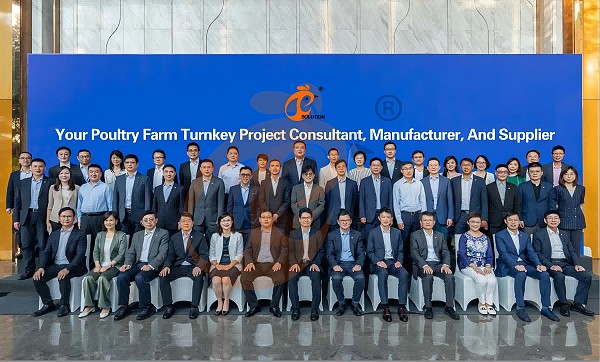
- Vanke can help plan modern recycle farms, including working areas, egg rooms, feed rooms, and manure processing flow.
- Vanke offers scalable equipment solutions for projects from small poultry houses to 30,000–100,000+ bird farms.
- Contact Vanke for a tailored quotation, layout suggestion, and efficient farm planning support for your next project.
Contact Us To Received Your Customized Poultry Farm Plan
Headquarters And Branchs

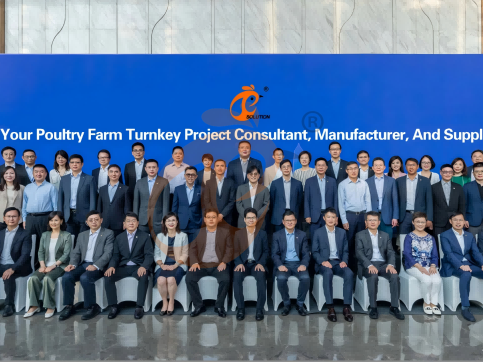
Hong Kong Headquarter Management Team
Hong Kong Headquarter Taiyu Industrial Group CO., LTD
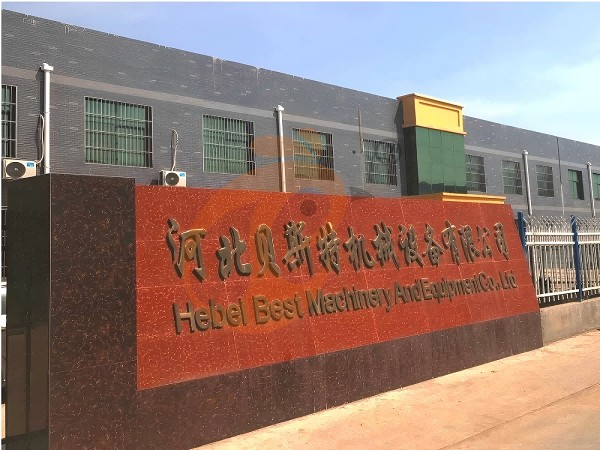
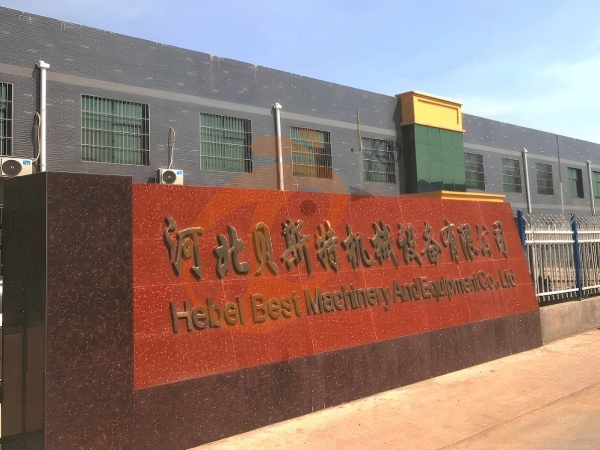
China Hebei Best Machinery And Equipment CO., LTD
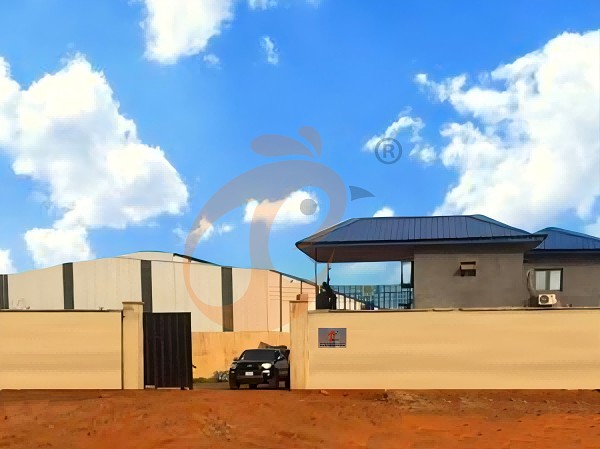
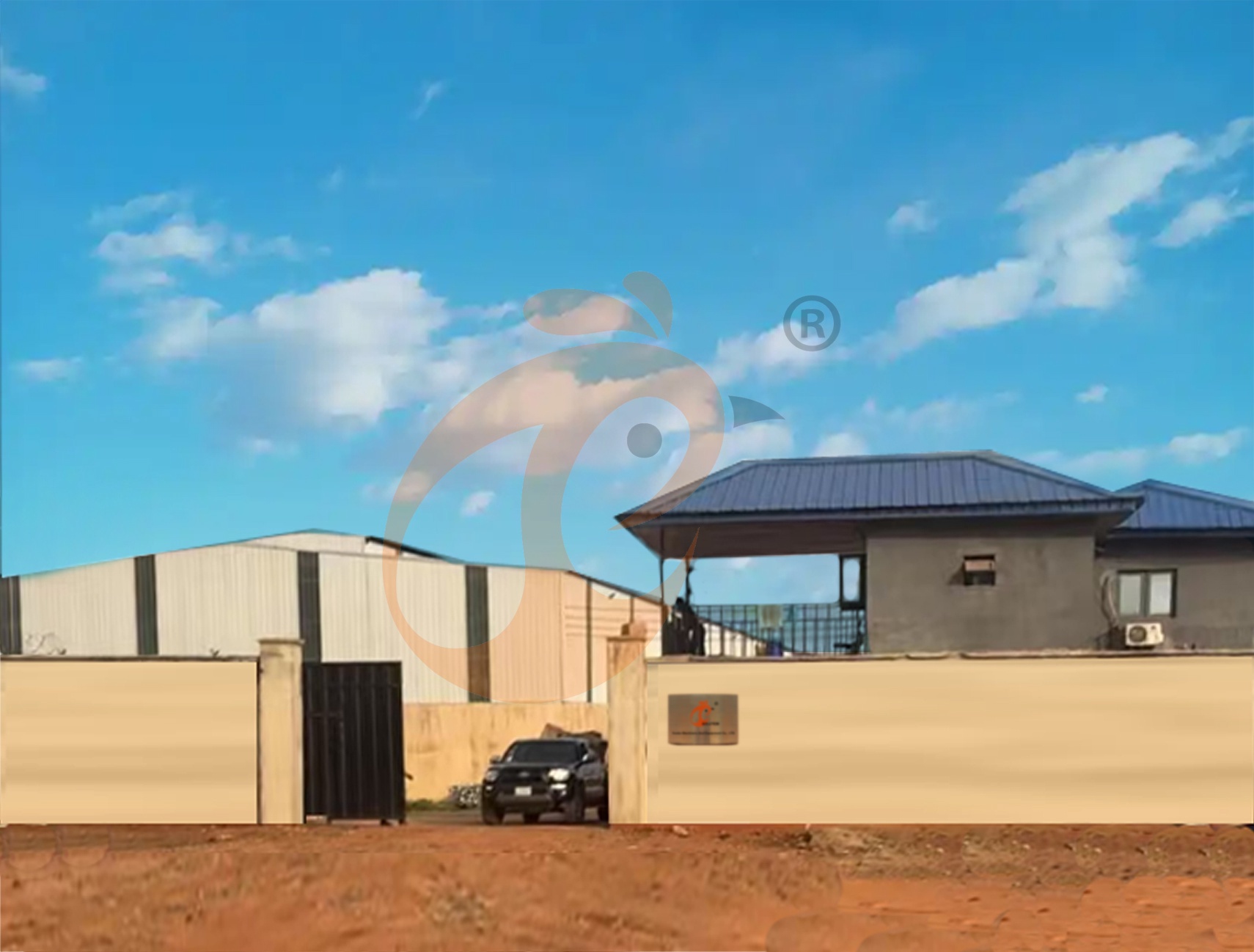
Nigeria Vanke Machinery And Equipment CO., LTD
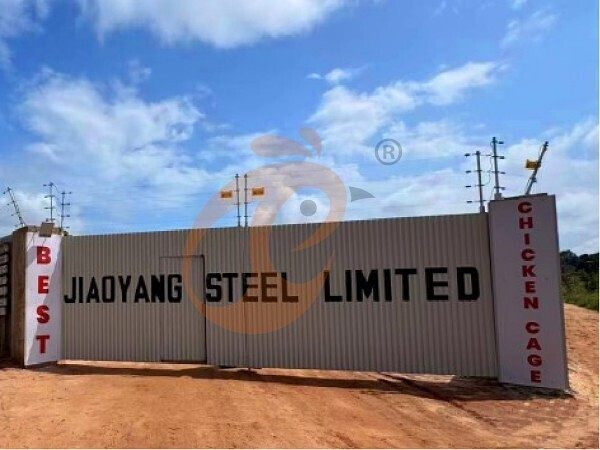
Tanzania Best Machinery And Equipment CO., LTD
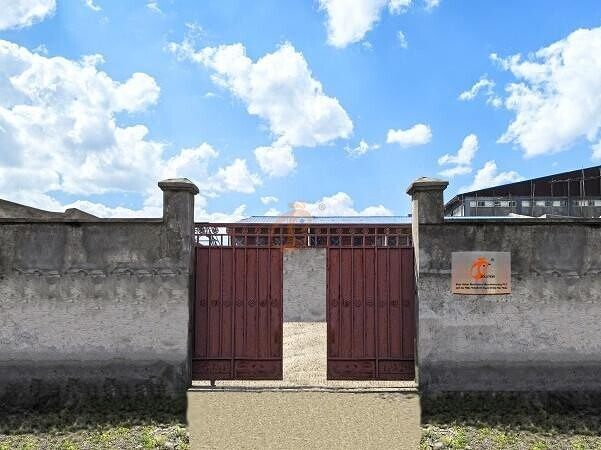
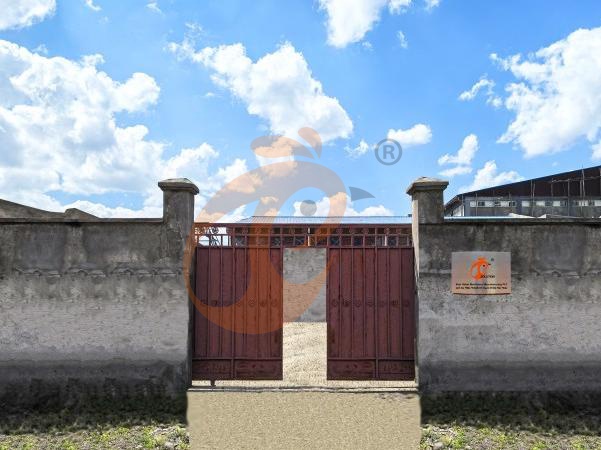
Ethiopia Best Hebei Machinery Manufacturing PLC
Reception /24 WhatsApp NO. : +8618830120193
FAQ
How Much Does A Complete Chick Cage System Cost For 10,000 Chicks?
Can I Use The Same Chick Cage For Broilers And Layers?
What Is The Optimal Temperature Range For Chick Cages In The First 4 Weeks?
- poultry farm
- chicken cage
- poultry farms
- layer cage
- automatic chicken cage
- chicken farm
- poultry house
- poultry cage
- cage
- poultry farm construction
- layer cage price
- poultry cage system
- chicken cages
- chickencage
- bestchickencage
- cage system
- laying cage
- egg laying cages
- laying cages
- Nigeria
- smart farm
- broiler farm
- poultry farming
- chicken farm equipment
- modern recycle farm
- automatic egg collection
- poultry farm plan
- automatic chicken cages
- Ethiopia
Message
Products recommended
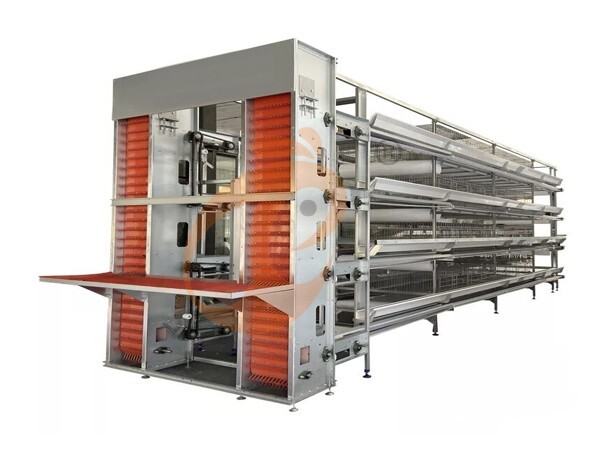
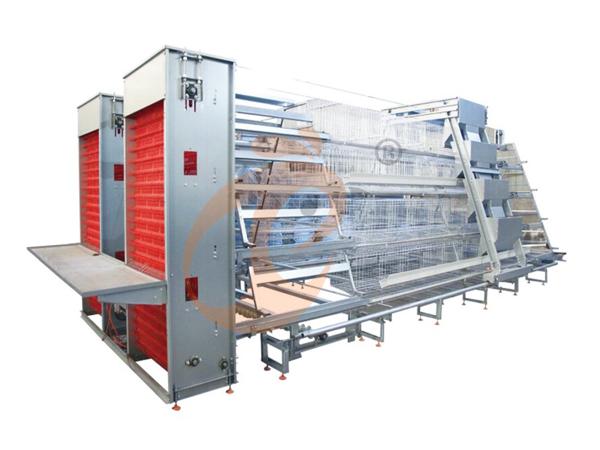
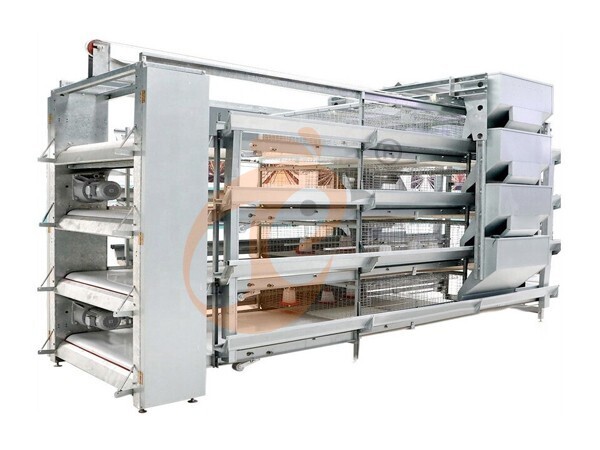
 >30,000 Pullets Automatic H Type Battery Cage1. More than 30,000 pullets a house, choose it.
2. It is designed to rearing older than 1 day old pullets to 12 to 16 weeks old chicken starting laying eggs.
3. Its lifespan is more than 25 years.
4. Its structure are Vcloud artificial intelligent fusion, electric control cabinet, automatic equipment of drinking, feeding, manure clean, manual harvesting.
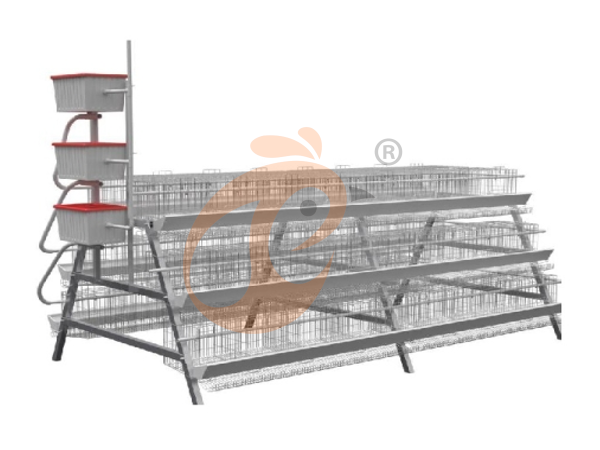
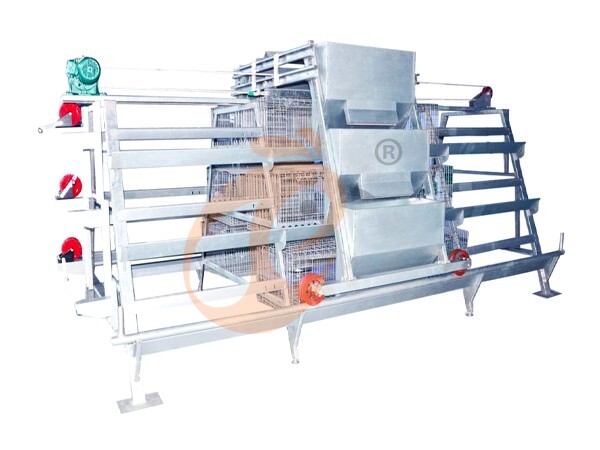
5. Our 24 hour online reception What’sApp NO. is +8618830120193 <30,000 Pullets Automatic A Type Battery Cage1. 10,000 to 30,000 pullets a house, choose it.
2. It is designed to rearing older than 1 day old pullets to 12 to 16 weeks old chicken starting laying eggs.
3. Its lifespan is more than 25 years.
4. Its structure are Vcloud artificial intelligent fusion, electric control cabinet, automatic equipment of drinking, feeding, manure clean, manual harvesting.
5. Our 24 hour online reception What’sApp NO. is +86 18830120193. >30,000 Broilers Semi-Automatic Harvest H Type Battery Cage1. More than 30,000 broilers a house, choose it.
2. It is designed to rearing 1 to 45 day old adult broiler ready for market.
3. Its lifespan is more than 20 years.
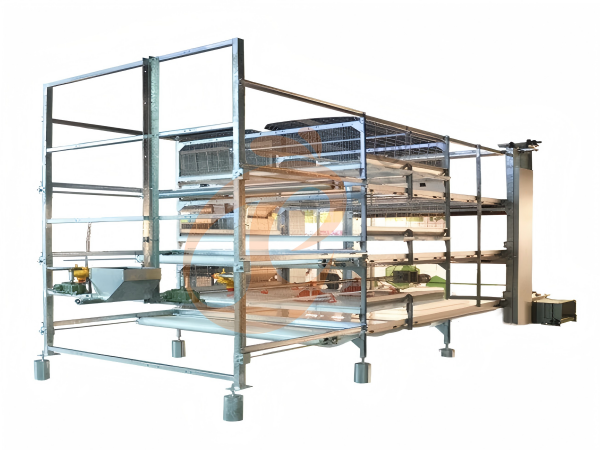
4. Our 24 hour online reception What’sApp NO. is +8618830120193, +234 8111199996. >30,000 Broilers Manual Harvest H Type Battery Cage1. More than 30,000 broilers a house, choose it.
2. It is designed to rearing 1 to 45 day old adult broiler ready for market.
3. Its lifespan is more than 20 years.
4. Its structure are Vcloud artificial intelligent fusion, electric control cabinet, automatic equipment of drinking, feeding and manure clean, manual harvesting.
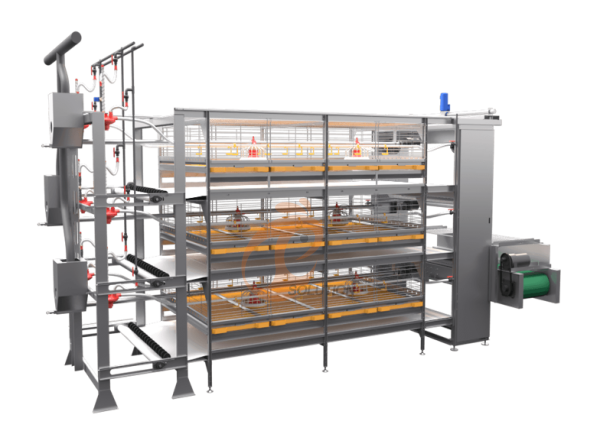
5. Our 24 hour online reception What’sApp NO. is +8618830120193, +234 8111199996. <30,000 Broilers Manual Harvest A Type Battery Cage1. Less 30,000 broilers a house, choose it.
2. It is designed to rearing 1 to 45 day old adult broiler ready for market.
3. Its lifespan is more than 20 years.
4. Its structure are Vcloud artificial intelligent fusion, electric control cabinet, automatic equipment of drinking, feeding and manure clean, manual harvesting.
5. Our 24 hour online reception What’sApp NO. is +8618830120193, +234 8111199996. HK Headquarter Offers EU-standard Poultry Farm Solutions, Manufacture Poultry Farm Equipment1. Continuous communication with the EU and the US
2. China, Nigeria, Ethiopia, Tanzania branch companies and factories
3. The products’ quality is customized for local poultry farms
4. Poultry cage and poultry farm equipment stock for sale
5. 24 online reception Whatsapp NO. : +8618830120193,contact us to get full information China Branch Offer Poultry Farm Business Plan, Manufacture Poultry Farm Equipment1. Address: Flat/RM 2416, 24/F, Runxing Building, Youyi Nan Street, Shijiazhuang City, Hebei Province, China
2. Poultry cage and poultry farm equipment factory and stock for sale
3. Customized for local poultry farms
4. Quality and design are based on Euro
5. 24 online reception Whatsapp NO. : +8618830120193 Nigeria Branch Offer Poultry Farm Business Plan, Manufacture Poultry Farm Equipment1. Address: After Sinoma Office, 200 Meters Near Danco Filling Station, Lagos/Ibadan Expressway, Lagos State, Nigeria
2. Poultry cage and poultry farm equipment factory and stock for sale
3. Customized for Nigerian poultry farms
4. Quality and design are based on Euro
5. 24 online reception Whatsapp NO. : +8618830120193 Ethiopia Branch Offer Poultry Farm Business Plan, Manufacture Poultry Farm Equipment1. Address: Gelan Gura, Akaki-kaliti Sub City, Addis Ababa, Ethiopia
2. Poultry cage and poultry farm equipment stock for sale
3. Customized for Ethiopian poultry farms
4. Quality and design are based on Euro
5. 24 online reception Whatsapp NO. : +8618830120193, contact us to get price list Tanzania Branch Offer Poultry Farm Business Plan, Manufacture Poultry Farm Equipment1. Address: No.8, Sova Road, Msufini, Mlandizi, Kibaha, Pwani, Tanzania
2. Poultry cage and poultry farm equipment factory and stock for sale
3. Customized for Tanzanian poultry farms
4. Quality and design are based on Euro
5. 24 online reception Whatsapp NO. : +8618830120193


Contact