


Blog
Broiler cage systems increase stocking density by 50% to 120% compared to floor houses.
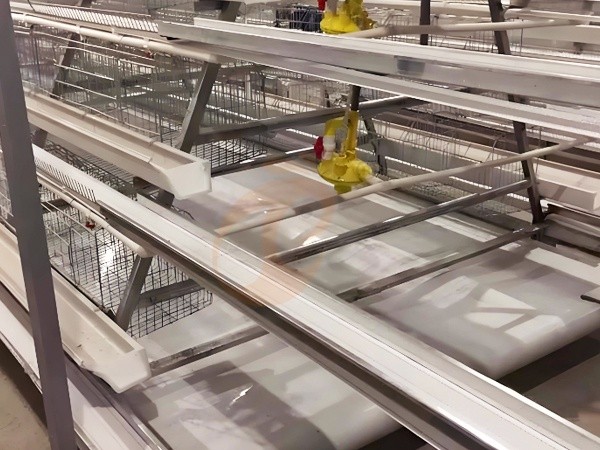
Automated manure removal in cage systems significantly reduces ammonia levels and disease risk.
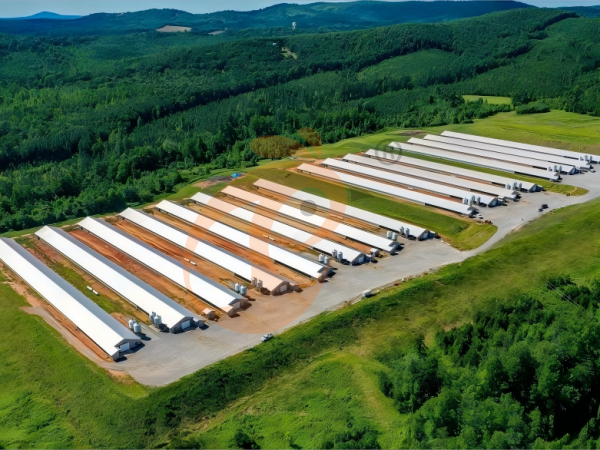
Floor raising offers a lower startup threshold for small-scale or land-abundant operations.
Modern vertical cage designs can save between 3% and 8% in total feed costs per cycle.
Get professional poultry farm construction guidance, equipment selection solutions, and the latest price lists, whatsApp to +8618830120193, +2348111199996, or click to learn more:

Nigeria-China Branch Office And Factory Of Poultry Farm Equipment
Core Operational Differences For Modern Farm Setup
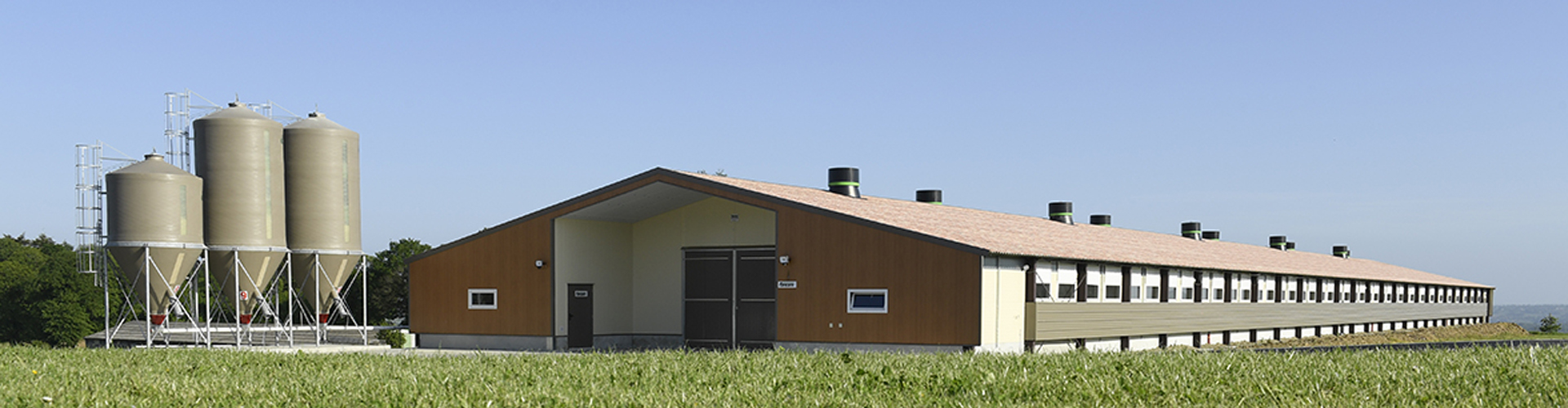
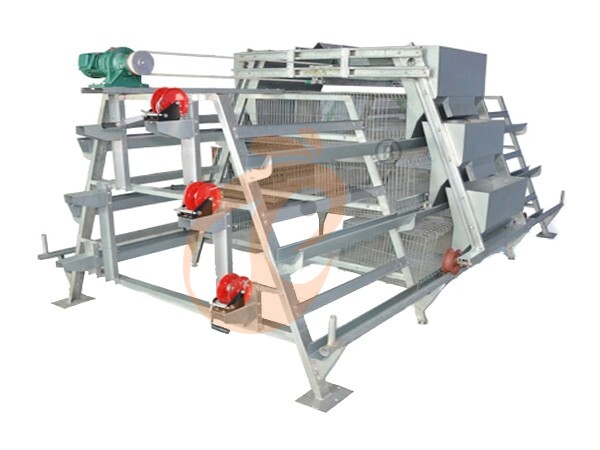
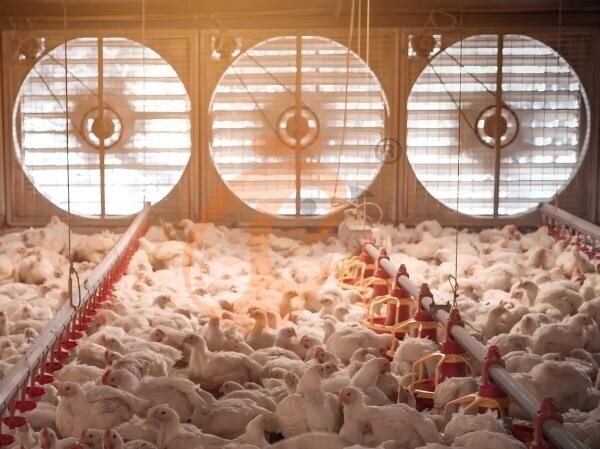
When farmers ask which system is better, the answer depends on your management style and land constraints. In practical operation, a broiler cage system delivers superior space utilization, which is critical as land and building costs continue to rise. Floor raising remains common for conversions of existing open houses, but it demands higher labor for litter management and bird catching.
Why Intensive Poultry Farming Favors Cage Systems
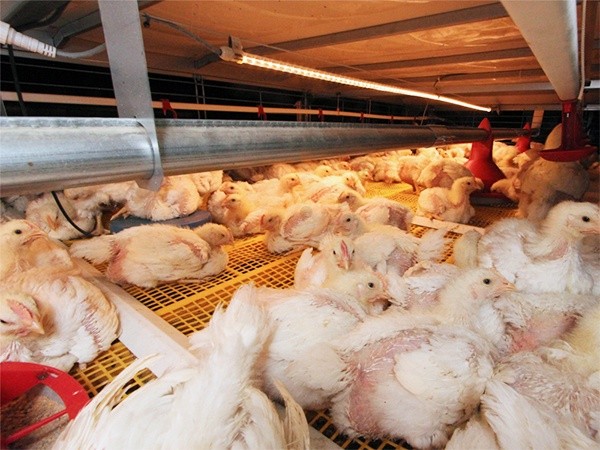
For intensive broiler production in 2026, a cage system provides a stronger operational structure. By distributing birds evenly across tiers, you ensure uniform access to feed and water, which results in more consistent bird weights. Furthermore, the reduction in direct contact with manure supports better biosecurity—a major advantage in humid regions where wet litter can lead to foot pad dermatitis and respiratory issues.
Evaluating The Economics Of Floor Raising
Floor raising can still be a practical option for specific market segments. If you have abundant land and very low labor costs, the lower startup threshold may reduce financial pressure during the first year. However, it is essential to calculate the hidden costs of litter replacement and higher mortality risks. For budgets focused on long-term efficiency, we often suggest comparing the full 5-year ownership cost.
Choosing The Right Configuration For Your Land Size
As a dedicated manufacturer, we provide more than just cages; we provide a workable poultry project. Whether your land is long and narrow or irregular in shape, we can supply free cage layout designs or house designs tailored to your land. For modern "Recycle Farms," we integrate the broiler house with security rooms, feed processing areas, and organic manure handling zones to create a professional management flow.
Frequently Asked Questions About Broiler Housing
Is The Payback Period Faster With Cage Systems?
On efficient commercial farms, the payback period for a broiler cage system typically falls between 2 and 4 years. The higher initial cost is offset by feed savings, lower labor needs, and higher bird density per house.
Can I Use A-Type Cages For Broilers?
While H-type cages are standard for large-scale broiler automation, some farmers utilize A-type designs for smaller operations or layers. For example, our A-Type Manual Battery Cages (starting at USD 65/set) are highly popular for flexible, rust-resistant poultry farming with a 25-year lifespan.
How Does The Environment Affect My Choice?
In hot and humid climates, cage systems are often preferred because they allow for better air circulation around individual birds and keep them away from damp, ammonia-producing litter.
Why Global Poultry Investors Choose Vanke
We are a direct manufacturer with deep expertise in chicken cage layout and full-cycle farm planning.
Vanke offers free starter design support, helping you avoid costly construction mistakes by matching the house to your land shape.
Our equipment is built for durability, featuring high-grade galvanized materials designed for a service life exceeding 25 years.
We support Modern Recycle Farm designs, integrating manure processing and feed rooms for a more sustainable business model.
From manual A-type cages to fully automated H-type systems, we match the technology to your specific bird capacity and budget.
Contact Us To Received Your Customized Poultry Farm Plan
Headquarters And Branchs

Hong Kong Headquarter Management Team
Hong Kong Headquarter Taiyu Industrial Group CO., LTD
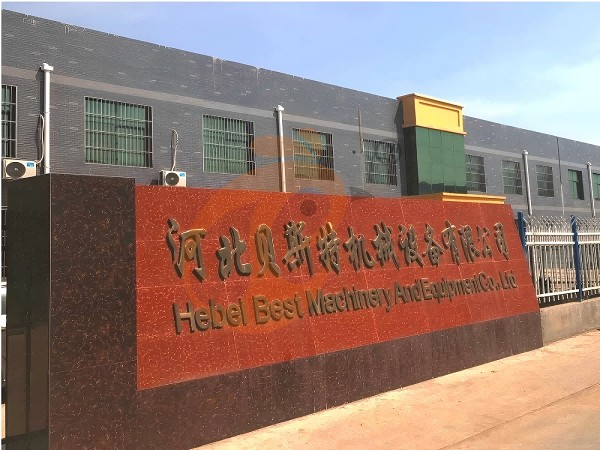
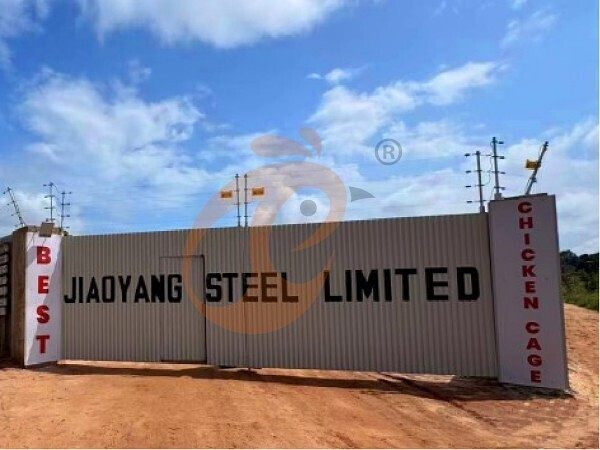
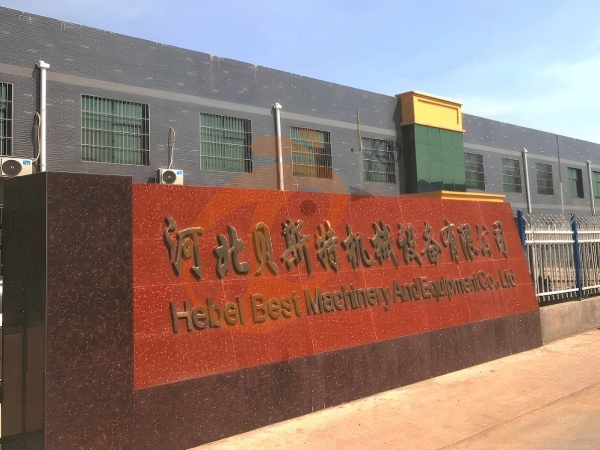
China Hebei Best Machinery And Equipment CO., LTD
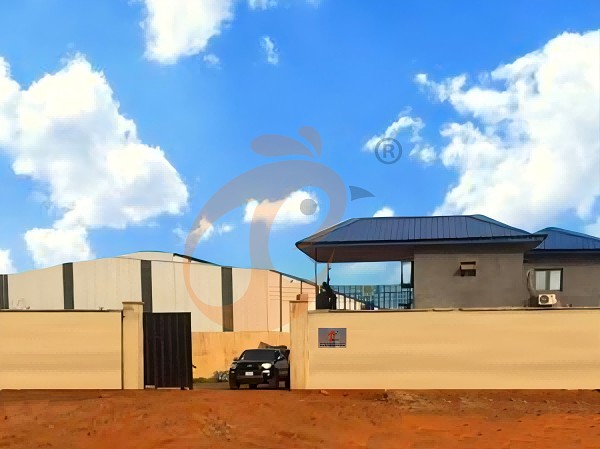
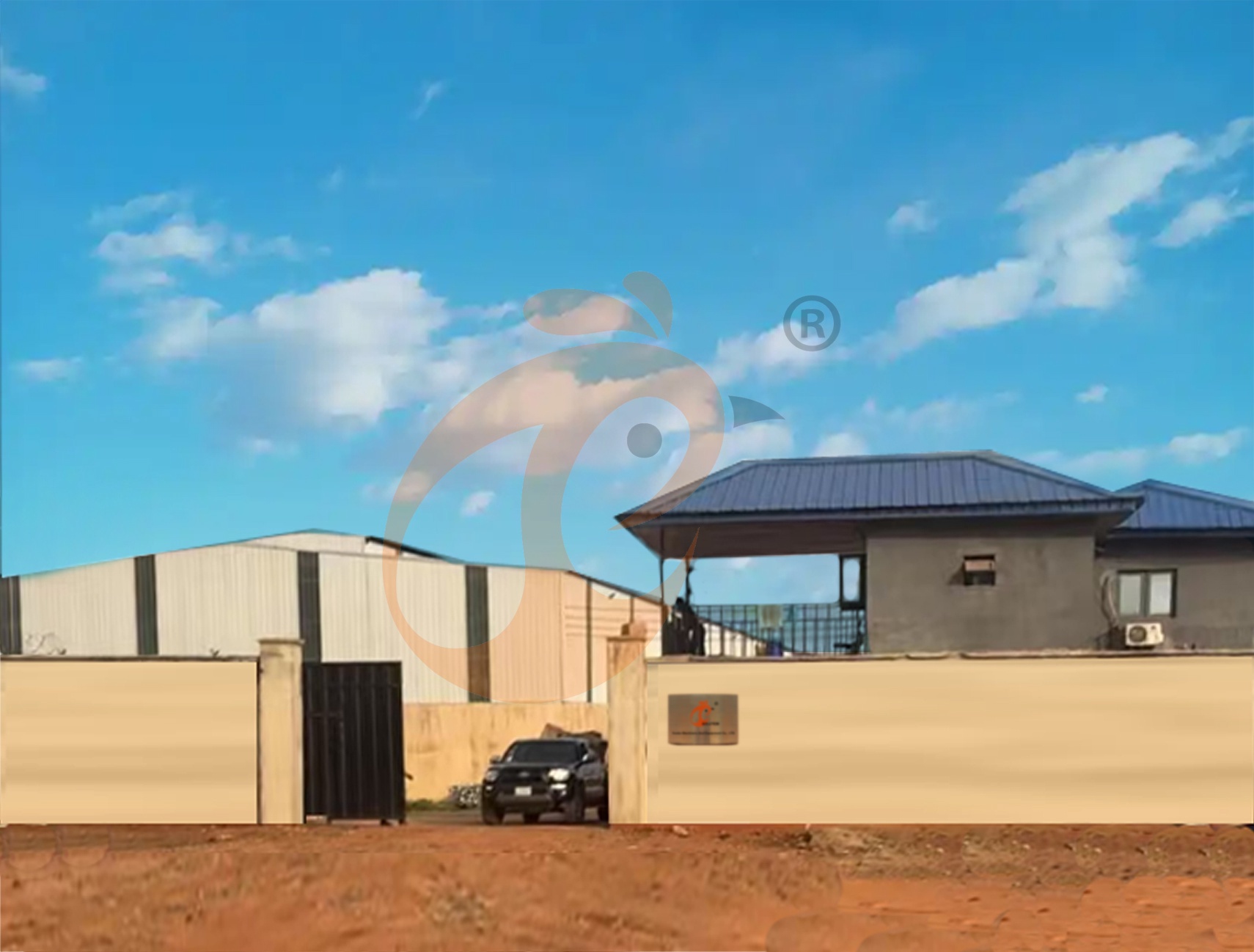
Nigeria Vanke Machinery And Equipment CO., LTD
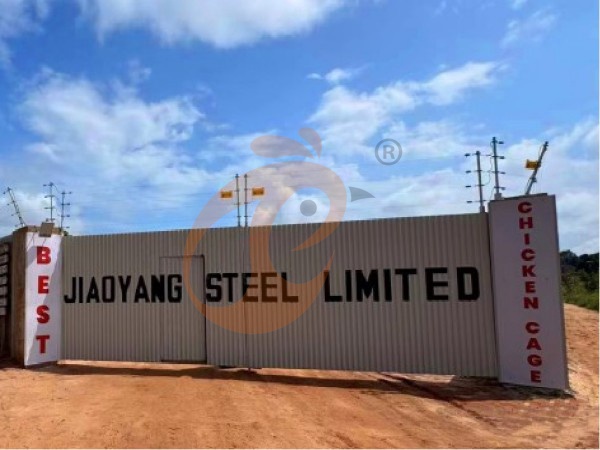
Tanzania Best Machinery And Equipment CO., LTD
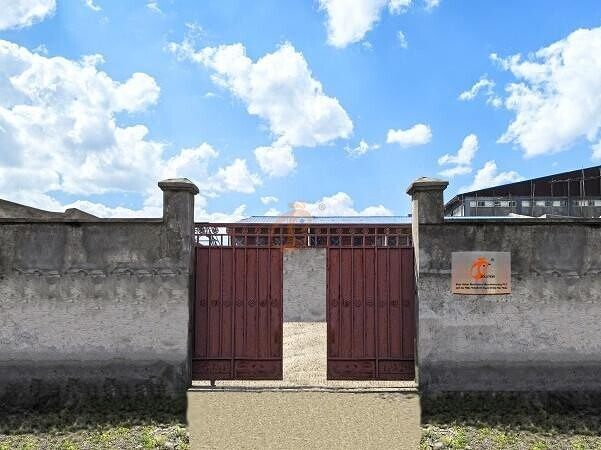
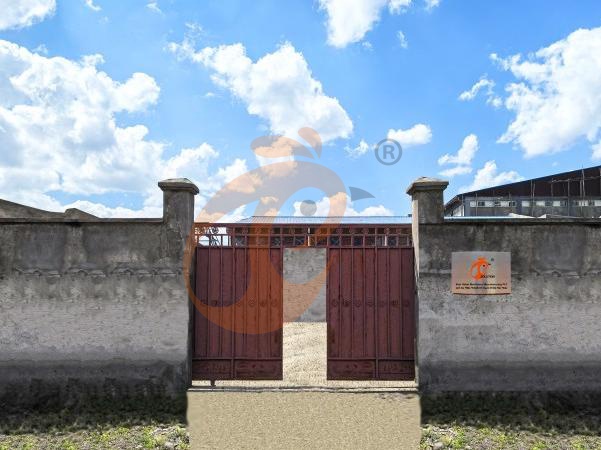
Ethiopia Best Hebei Machinery Manufacturing PLC
Reception /24 WhatsApp NO. : +8618830120193
FAQ
What Types Of Poultry Farm Equipment Are Essential In Poultry Chicken Production Systems?
Drinking systems provide 200–300 ml water per bird per day maintaining hydration balance, stabilizing metabolism, and improving nutrient absorption efficiency in controlled poultry farming conditions.
Ventilation equipment supports airflow rates of 5–7 m³ per kg live weight per hour ensuring heat removal, gas exchange stability, and maintaining optimal air quality for high-density poultry production systems.
How Does Poultry Farm Equipment Improve Production Efficiency In Poultry Chicken Farming?
Environmental control systems improve feed conversion ratio by 3%–6% through stable temperature and humidity management, supporting consistent broiler growth performance across full production cycles.
Integrated equipment reduces mortality rate by 2%–4% by maintaining controlled living conditions, improving disease prevention, and ensuring stable physiological performance in commercial poultry operations.
What Capacity Standards Are Required For Poultry Farm Equipment In Poultry Chicken Houses?
Water supply systems maintain flow rates of 1.0–1.5 liters per minute per line section ensuring stable pressure and continuous hydration for dense poultry populations.
Ventilation fans provide 25000–40000 m³ per hour airflow per unit ensuring effective heat dissipation and maintaining uniform environmental conditions throughout the poultry house.
- battery cage
- poultry farm
- chicken cage
- broiler cage
- cage
- poultry farm equipment
- poultry farm construction
- chicken cage layout
- broiler cage system
- battery cages
- chickencage
- cages for broilers
- bestchickencage
- cage system
- cage systems
- h cage
- Nigeria
- hen farm
- poultry farming
- cage design
- modern recycle farm
- automated manure removal
- poultry farm plan
- recycle farm design
- Ethiopia
Message
Products recommended
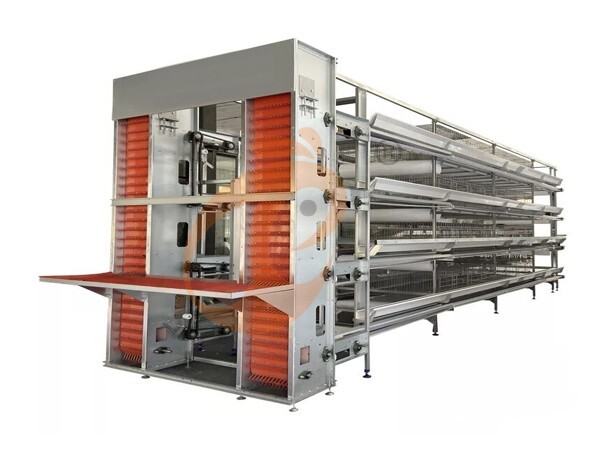
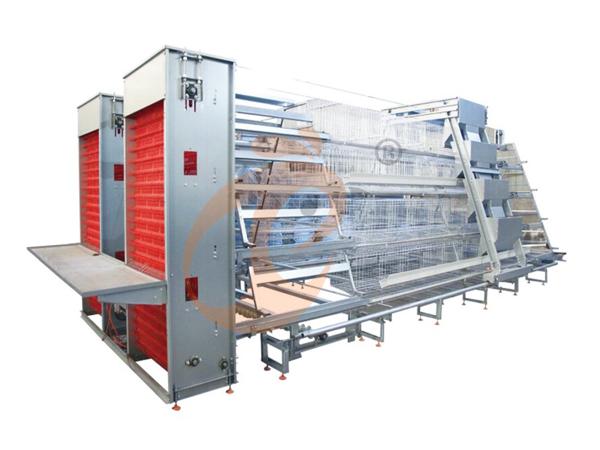
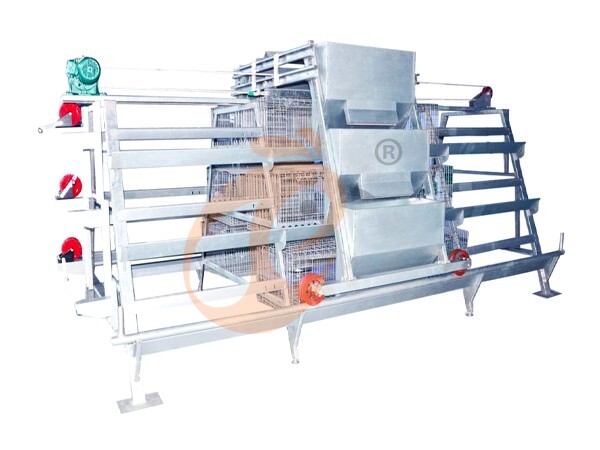
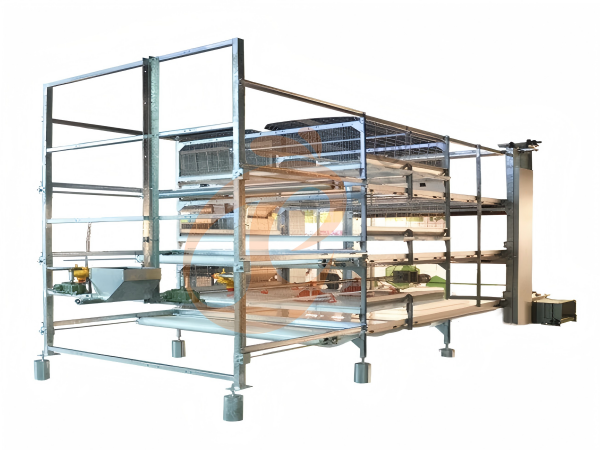
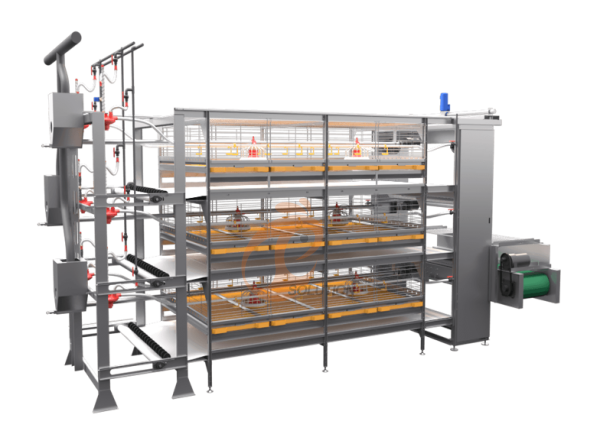
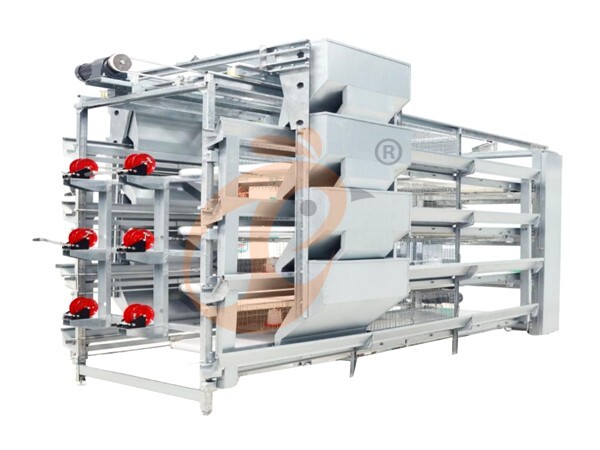
 >30,000 Pullets Automatic H Type Battery Cage1. More than 30,000 pullets a house, choose it.
2. It is designed to rearing older than 1 day old pullets to 12 to 16 weeks old chicken starting laying eggs.
3. Its lifespan is more than 25 years.
4. Its structure are Vcloud artificial intelligent fusion, electric control cabinet, automatic equipment of drinking, feeding, manure clean, manual harvesting.
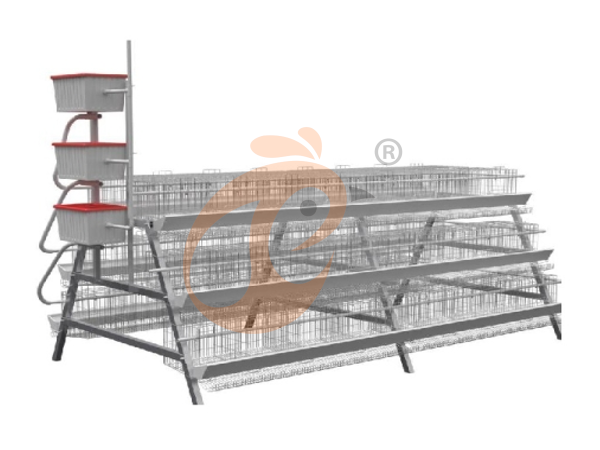
5. Our 24 hour online reception What’sApp NO. is +8618830120193 <30,000 Pullets Automatic A Type Battery Cage1. 10,000 to 30,000 pullets a house, choose it.
2. It is designed to rearing older than 1 day old pullets to 12 to 16 weeks old chicken starting laying eggs.
3. Its lifespan is more than 25 years.
4. Its structure are Vcloud artificial intelligent fusion, electric control cabinet, automatic equipment of drinking, feeding, manure clean, manual harvesting.
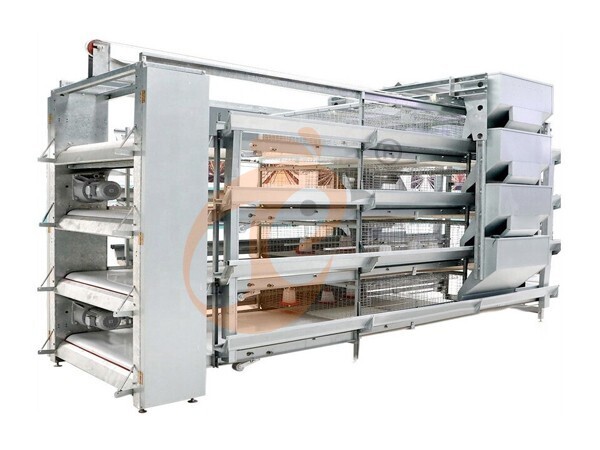
5. Our 24 hour online reception What’sApp NO. is +86 18830120193. >30,000 Broilers Semi-Automatic Harvest H Type Battery Cage1. More than 30,000 broilers a house, choose it.
2. It is designed to rearing 1 to 45 day old adult broiler ready for market.
3. Its lifespan is more than 20 years.
4. Our 24 hour online reception What’sApp NO. is +8618830120193, +234 8111199996. >30,000 Broilers Manual Harvest H Type Battery Cage1. More than 30,000 broilers a house, choose it.
2. It is designed to rearing 1 to 45 day old adult broiler ready for market.
3. Its lifespan is more than 20 years.
4. Its structure are Vcloud artificial intelligent fusion, electric control cabinet, automatic equipment of drinking, feeding and manure clean, manual harvesting.
5. Our 24 hour online reception What’sApp NO. is +8618830120193, +234 8111199996. <30,000 Broilers Manual Harvest A Type Battery Cage1. Less 30,000 broilers a house, choose it.
2. It is designed to rearing 1 to 45 day old adult broiler ready for market.
3. Its lifespan is more than 20 years.
4. Its structure are Vcloud artificial intelligent fusion, electric control cabinet, automatic equipment of drinking, feeding and manure clean, manual harvesting.
5. Our 24 hour online reception What’sApp NO. is +8618830120193, +234 8111199996. HK Headquarter Offers EU-standard Poultry Farm Solutions, Manufacture Poultry Farm Equipment1. Continuous communication with the EU and the US
2. China, Nigeria, Ethiopia, Tanzania branch companies and factories
3. The products’ quality is customized for local poultry farms
4. Poultry cage and poultry farm equipment stock for sale
5. 24 online reception Whatsapp NO. : +8618830120193,contact us to get full information China Branch Offer Poultry Farm Business Plan, Manufacture Poultry Farm Equipment1. Address: Flat/RM 2416, 24/F, Runxing Building, Youyi Nan Street, Shijiazhuang City, Hebei Province, China
2. Poultry cage and poultry farm equipment factory and stock for sale
3. Customized for local poultry farms
4. Quality and design are based on Euro
5. 24 online reception Whatsapp NO. : +8618830120193 Nigeria Branch Offer Poultry Farm Business Plan, Manufacture Poultry Farm Equipment1. Address: After Sinoma Office, 200 Meters Near Danco Filling Station, Lagos/Ibadan Expressway, Lagos State, Nigeria
2. Poultry cage and poultry farm equipment factory and stock for sale
3. Customized for Nigerian poultry farms
4. Quality and design are based on Euro
5. 24 online reception Whatsapp NO. : +8618830120193 Ethiopia Branch Offer Poultry Farm Business Plan, Manufacture Poultry Farm Equipment1. Address: Gelan Gura, Akaki-kaliti Sub City, Addis Ababa, Ethiopia
2. Poultry cage and poultry farm equipment stock for sale
3. Customized for Ethiopian poultry farms
4. Quality and design are based on Euro
5. 24 online reception Whatsapp NO. : +8618830120193, contact us to get price list Tanzania Branch Offer Poultry Farm Business Plan, Manufacture Poultry Farm Equipment1. Address: No.8, Sova Road, Msufini, Mlandizi, Kibaha, Pwani, Tanzania
2. Poultry cage and poultry farm equipment factory and stock for sale
3. Customized for Tanzanian poultry farms
4. Quality and design are based on Euro
5. 24 online reception Whatsapp NO. : +8618830120193


Contact