


Blog
As a manufacturer of advanced poultry cage solutions, we champion the integrated Automatic Feeding System—specifically the reliable, low-failure Hopper-Style Feeder—as the indispensable engine of modern poultry economics. This system is the key to achieving uniform flock development, reducing labor expenses, and optimizing the crucial Feed Conversion Ratio (FCR) across all types of Chicken cage layouts, including the popular A-Type Broiler Cage. Investing in automation means investing in guaranteed operational excellence.For a general overview of our offerings, please see our pillar content: [Broiler Cage Farming: A One-Stop Solution For All Your Problems.]
Labor Reduction And Operational Speed
The transition from manual labor to automated feeding is the most profound step a poultry farm can take to slash recurring operational costs. The automatic feeding machine, particularly the efficient hopper-style model, drastically reduces the reliance on human labor while simultaneously increasing the speed and frequency of feeding.
1. Eliminating Labor Intensive Tasks
Manual feeding requires a significant workforce to haul, distribute, and monitor feed along long rows of Layer cage or broiler cage batteries multiple times daily. This process is slow, inconsistent, and highly prone to error. Our fully automated systems can reduce the required labor force by an estimated $30%$ to $40%$, allowing a minimal crew to manage vast flocks.
2. High-Speed, High-Volume Delivery
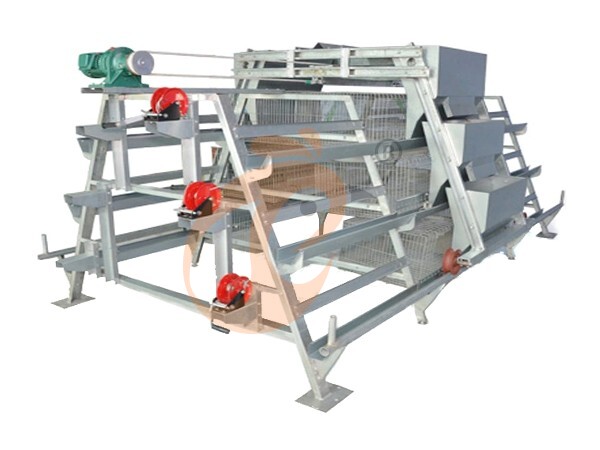
A central feature of the automatic system is its speed. A single automated feeding machine, such as the cross-hopper system used in many A-Type Broiler Cage houses, can traverse a 70m long poultry house and complete a full feeding cycle in just 5 to 8 minutes. This rapid delivery ensures that all chickens receive fresh feed simultaneously, reducing competitive stress and promoting uniformity.
Labor Efficiency Comparison
Our automatic systems, including the cross-hopper A-Type Broiler Cage feeder, operate on energy-efficient 0.75 kW motors, balancing high power with low energy consumption.
Precision Feeding And Feed Waste Elimination
The greatest hidden cost in manual poultry farming is feed waste. Inconsistent distribution leads to spillage, which contaminates the poultry farm environment and wastes the most expensive input. Automated feeding ensures that every gram of feed is utilized for growth.
1.Uniform Feed Distribution
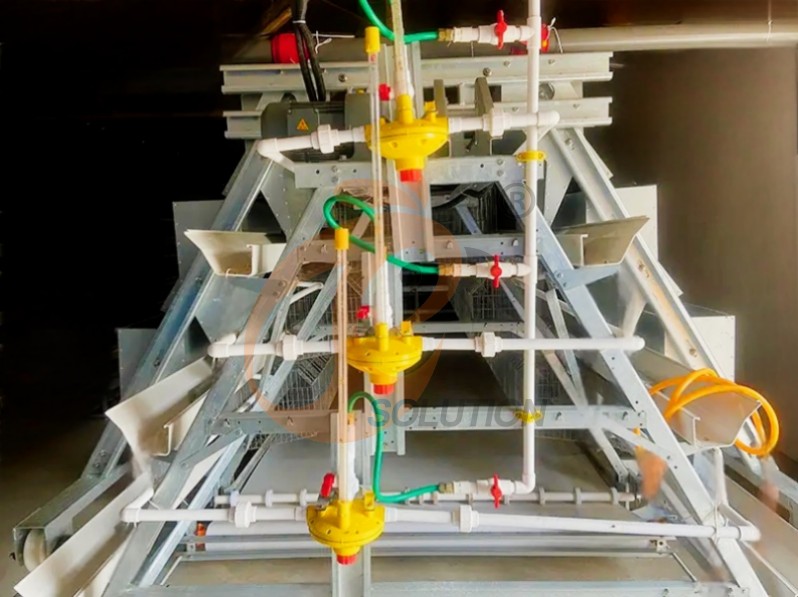
The automatic feeding trolley and its uniform feeding device are designed for precision. They distribute an even, pre-set layer of feed across the trough of every poultry cage level—from the first cage to the last, and from the top tier to the bottom tier. This stability prevents "running out" periods that cause stress and uneven growth.
2. Zero Spillage Hopper Design
Our hopper-style feeding machines feature a stable transmission system that controls the feed flow using a gravity-fed pipe system into the feed trough. This method avoids the human error, pushing, and scattering that characterize manual feeding, guaranteeing feed lands precisely where the chicken can consume it.
Feed Management And Waste Comparison
Our feeding troughs are manufactured from thickened, durable PVC, designed with internal lips and specific depths to minimize the bird's ability to swipe or toss feed out of the broiler cage.
Reliable Equipment And Low Maintenance
A high-density Cage System demands machinery that operates reliably day after day. The hopper-style machine is the preferred choice for its simple, yet robust, mechanical design that minimizes downtime and repair costs.
1.Low-Failure Rate Hopper Mechanism
The hopper feeding machine—often referred to as a cross-hopper or trolley system—is inherently reliable. It uses a single motorized trolley to dispense feed, drastically simplifying the mechanism compared to complex chain or disc feeding systems. Key components, such as the 0.75 kW vertical gear motor, are designed for maintenance-free operation over long periods.
2. Minimizing Wear And Tear
The critical wear items in our automatic feeding system are limited primarily to the track wheels and the guide rail, which are designed to be easily and affordably replaced. The use of robust, hot-dip galvanized round tube rails ensures the trolley glides smoothly with minimal friction, extending the life of the entire mechanism.
Equipment Reliability And Maintenance Metrics
Our system utilizes a simple yet powerful motor configuration: one 0.75 kW motor per feeding line, ensuring ease of maintenance and minimal risk of complex mechanical breakdown in your poultry farm.
The Economic Upside: FCR Improvement And ROI
The real economic value of automatic feeding is realized through superior animal performance driven by uniform feed access and reduced stress. By ensuring every bird receives its precise allocation of feed at the required time, the Cage System maximizes the efficiency with which feed is converted into meat (or eggs, in the case of a Layer cage).
1.FCR Optimization
Automated, precise feeding optimizes the FCR. When feed is consistently available and consumption is uniform, the broiler's energy is efficiently directed toward growth. Inconsistent or stressful feeding can negatively impact FCR by 5% to 10%
2. Accelerated Return On Investment (ROI)
The combination of reduced labor costs (Table 1) and feed savings (Table 2), coupled with improved FCR and flock uniformity, ensures a rapid return on the initial investment in the automated system. The upfront cost of automation is quickly offset by years of lower operational expenditure and higher production yield.
Key Economic Performance Indicators
Broiler Cage Automation Level And Bird Capacity (Data For Reference Only)
FAQ
To address common inquiries from Google searches regarding automatic feeding in a poultry farm:
Q1: How does the automatic feeder handle feed distribution to multiple tiers of A-Type Broiler Cage?
Our system utilizes a gravity-fed or chain-driven discharge mechanism integrated into the moving hopper trolley. The feed is uniformly dropped into designated vertical downspouts that guide the feed precisely into the trough of each tier (e.g., all 3, 4, or 5 tiers) simultaneously and uniformly.
Q2: What happens if the power goes out during a feeding cycle?
The automatic feeder trolley is typically battery-operated or designed to be manually movable. In the event of a power outage, the feeder can be safely moved to the end of the line, and the system is designed to lock the remaining feed within the hopper, preventing spillage and waste until power is restored.
Q3: Is the automatic feeding system suitable for different types of feed (pellet vs. mash)?
Yes. Our hopper-style systems are designed with adjustable gates and robust auger mechanisms (for silo transfer) to handle both pellet and mash feed effectively. The key is adjusting the discharge rate at the hopper to match the specific flow characteristics of the feed type, which can be easily programmed in the control panel.
Vanke One Of Nigeria's Top Poultry Cage Manufacturer
EU-Standard Durability: Hot-dip galvanized poultry cage systems built for a $20+$ year lifespan, guaranteeing long-term value.
Integrated Solutions: Comprehensive project planning for your poultry farm, covering design, equipment supply, and installation.
Local Expertise: Offering cost-effective Chicken cage solutions customized for African climatic conditions and operational needs.
Reliable Automation: Providing low-failure-rate automated feeding and prompt technical support.
Contact Us To Received Your Customized Poultry Farm Plan
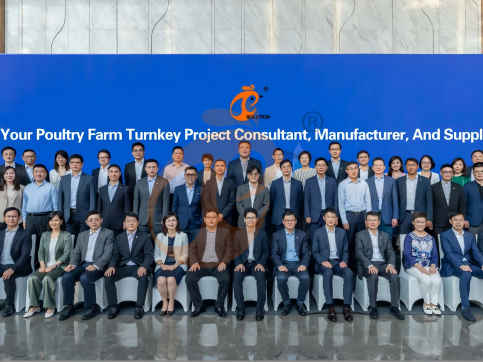
Headquarters And Distribution Centers
Hong Kong Headquarter Taiyu Industrial Group CO., LTD
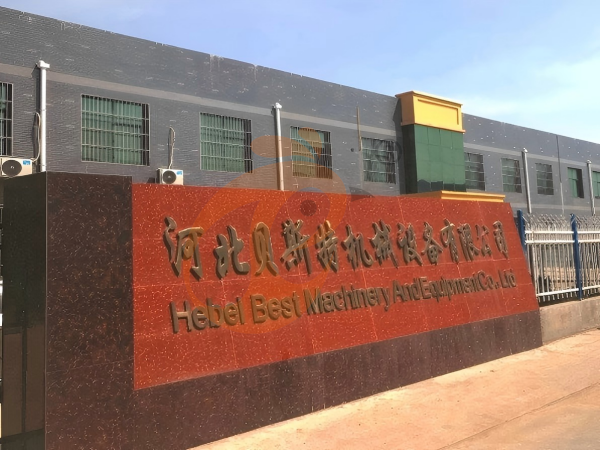
China Hebei Best Machinery And Equipment CO., LTD
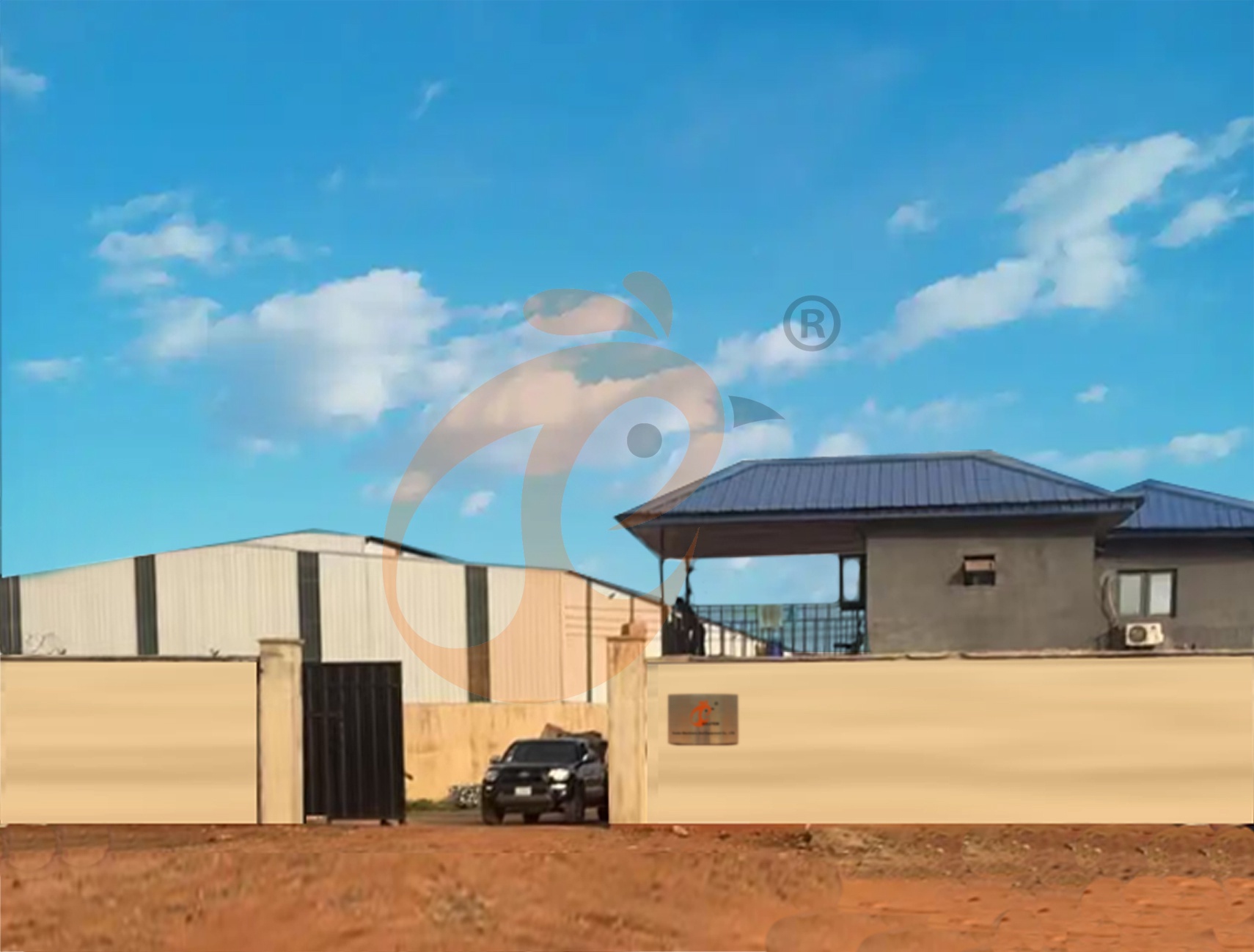
Nigeria Vanke Machinery And Equipment CO., LTD
Tanzania Best Machinery And Equipment CO., LTD
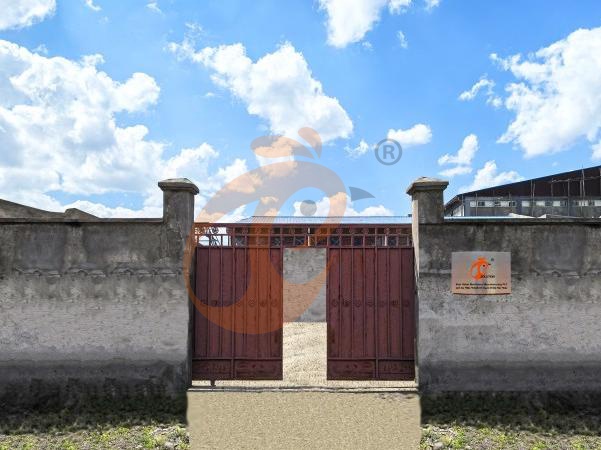
Ethiopia Best Hebei Machinery Manufacturing PLC
FAQ
Message
Products recommended
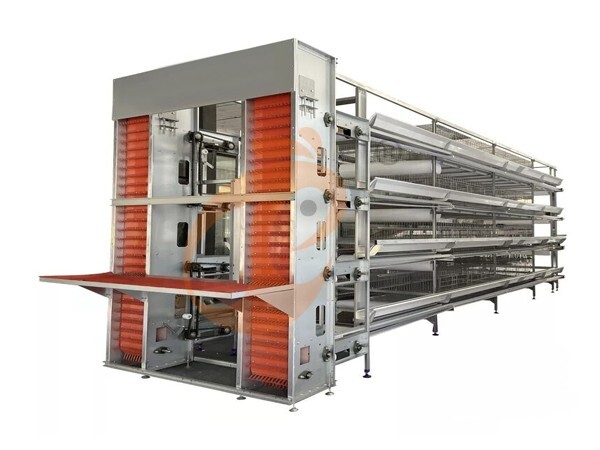
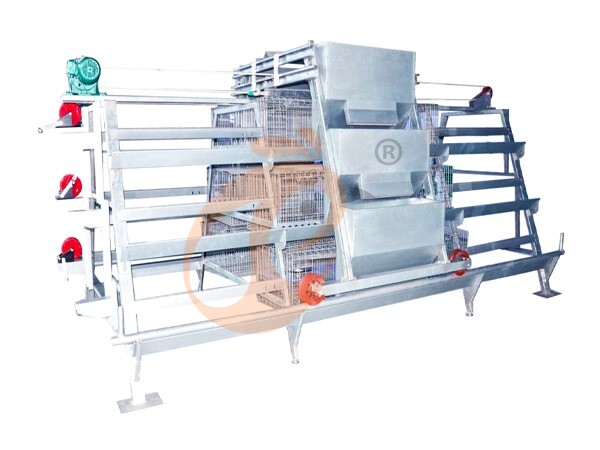
 >30,000 Pullets Automatic H Type Battery Cage1. More than 30,000 pullets a house, choose it.
2. It is designed to rearing older than 1 day old pullets to 12 to 16 weeks old chicken starting laying eggs.
3. Its lifespan is more than 25 years.
4. Its structure are Vcloud artificial intelligent fusion, electric control cabinet, automatic equipment of drinking, feeding, manure clean, manual harvesting.
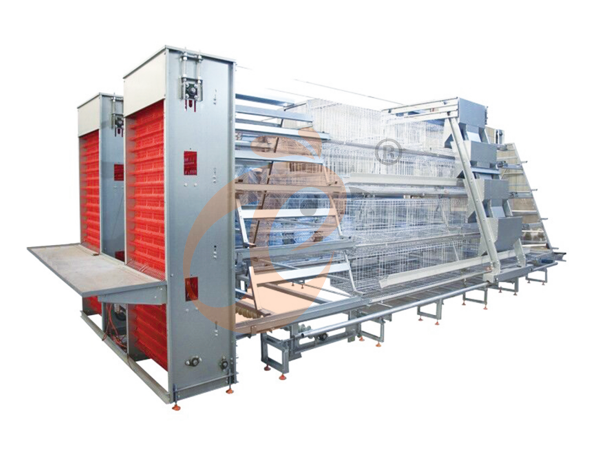
5. Our 24 hour online reception What’sApp NO. is +8618830120193 <30,000 Pullets Automatic A Type Battery Cage1. 10,000 to 30,000 pullets a house, choose it.
2. It is designed to rearing older than 1 day old pullets to 12 to 16 weeks old chicken starting laying eggs.
3. Its lifespan is more than 25 years.
4. Its structure are Vcloud artificial intelligent fusion, electric control cabinet, automatic equipment of drinking, feeding, manure clean, manual harvesting.
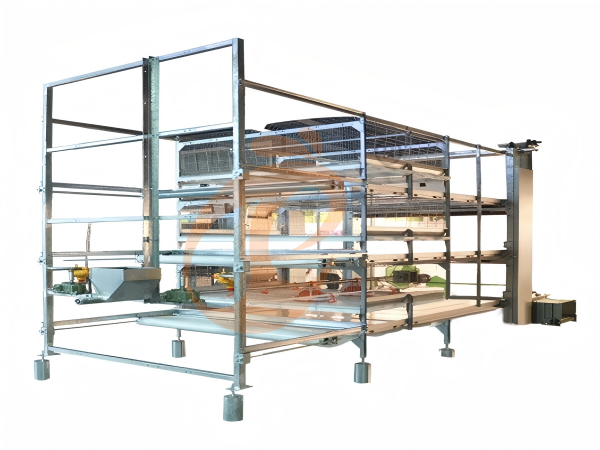
5. Our 24 hour online reception What’sApp NO. is +86 18830120193. >30,000 Broilers Semi-Automatic Harvest H Type Battery Cage1. More than 30,000 broilers a house, choose it.
2. It is designed to rearing 1 to 45 day old adult broiler ready for market.
3. Its lifespan is more than 20 years.
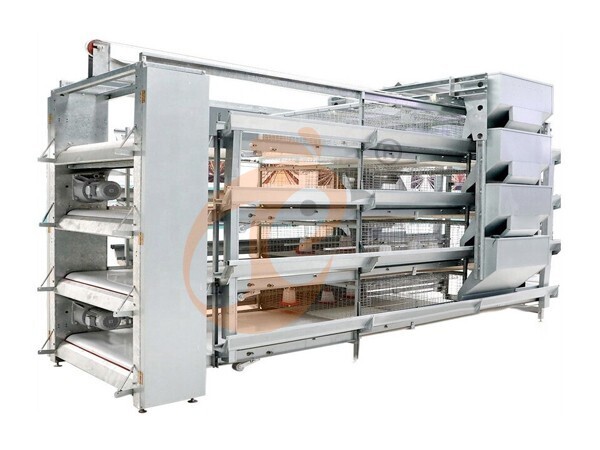
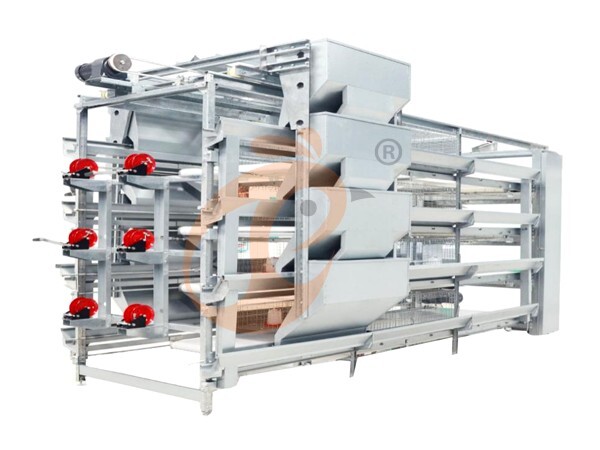
4. Our 24 hour online reception What’sApp NO. is +8618830120193, +234 8111199996. >30,000 Broilers Manual Harvest H Type Battery Cage1. More than 30,000 broilers a house, choose it.
2. It is designed to rearing 1 to 45 day old adult broiler ready for market.
3. Its lifespan is more than 20 years.
4. Its structure are Vcloud artificial intelligent fusion, electric control cabinet, automatic equipment of drinking, feeding and manure clean, manual harvesting.
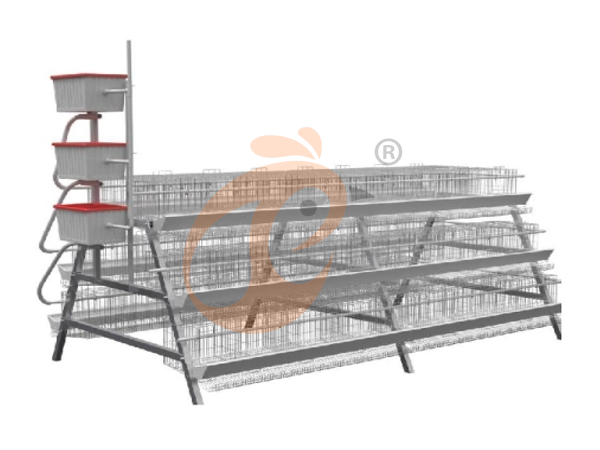
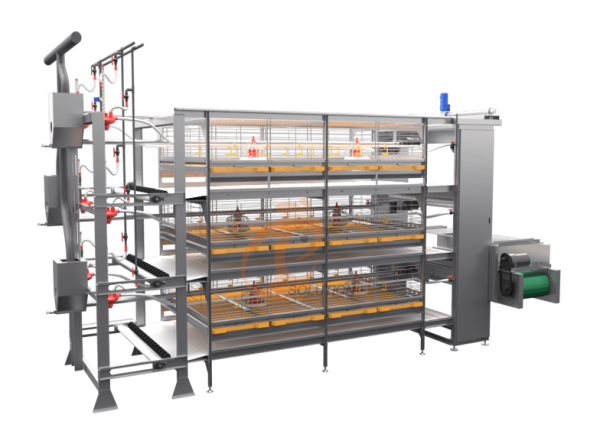
5. Our 24 hour online reception What’sApp NO. is +8618830120193, +234 8111199996. <30,000 Broilers Manual Harvest A Type Battery Cage1. Less 30,000 broilers a house, choose it.
2. It is designed to rearing 1 to 45 day old adult broiler ready for market.
3. Its lifespan is more than 20 years.
4. Its structure are Vcloud artificial intelligent fusion, electric control cabinet, automatic equipment of drinking, feeding and manure clean, manual harvesting.
5. Our 24 hour online reception What’sApp NO. is +8618830120193, +234 8111199996. HK Headquarter Offers EU-standard Poultry Farm Solutions, Manufacture Poultry Farm Equipment1. Continuous communication with the EU and the US
2. China, Nigeria, Ethiopia, Tanzania branch companies and factories
3. The products’ quality is customized for local poultry farms
4. Poultry cage and poultry farm equipment stock for sale
5. 24 online reception Whatsapp NO. : +8618830120193,contact us to get full information China Branch Offer Poultry Farm Business Plan, Manufacture Poultry Farm Equipment1. Address: Flat/RM 2416, 24/F, Runxing Building, Youyi Nan Street, Shijiazhuang City, Hebei Province, China
2. Poultry cage and poultry farm equipment factory and stock for sale
3. Customized for local poultry farms
4. Quality and design are based on Euro
5. 24 online reception Whatsapp NO. : +8618830120193 Nigeria Branch Offer Poultry Farm Business Plan, Manufacture Poultry Farm Equipment1. Address: After Sinoma Office, 200 Meters Near Danco Filling Station, Lagos/Ibadan Expressway, Lagos State, Nigeria
2. Poultry cage and poultry farm equipment factory and stock for sale
3. Customized for Nigerian poultry farms
4. Quality and design are based on Euro
5. 24 online reception Whatsapp NO. : +8618830120193 Ethiopia Branch Offer Poultry Farm Business Plan, Manufacture Poultry Farm Equipment1. Address: WR93+FQ2, Addis Ababa, Ethiopia
2. Poultry cage and poultry farm equipment stock for sale
3. Customized for Ethiopian poultry farms
4. Quality and design are based on Euro
5. 24 online reception Whatsapp NO. : +8618830120193, contact us to get price list Tanzania Branch Offer Poultry Farm Business Plan, Manufacture Poultry Farm Equipment1. Address: No.8, Sova Road, Msufini, Mlandizi, Kibaha, Pwani, Tanzania
2. Poultry cage and poultry farm equipment factory and stock for sale
3. Customized for Tanzanian poultry farms
4. Quality and design are based on Euro
5. 24 online reception Whatsapp NO. : +8618830120193

Contact
By clicking 'Allow All', you agree to the storage of cookies on your device to enhance site navigation, analyze site usage and assist with our marketing efforts.