


Blog
Automatic poultry feed pellet machine technology provides faster feed processing with modern systems reaching 40 t/h output for large-scale applications.
Advanced automation reduces manual operation pressure through intelligent control, stable pellet forming, and optimized production workflows.
Chicken feed pellet machine solutions support different poultry farms with flexible configurations for broiler, layer, and breeder production.
Industrial feed pellet production line integration improves resource management with professional equipment matching and engineering support.
Efficient pellet equipment investment creates long-term value through reliable performance, lower operation complexity, and scalable poultry development.
Get professional poultry farm construction guidance, equipment selection solutions, and the latest price lists, whatsApp to +8618830120193, click to learn more:
Automatic Vs Manual Pellet Machine Basic Comparison
Data is for reference only.Swipe horizontally to view full table.
Automatic poultry feed pellet machine equipment uses integrated control technology to improve production consistency.
Industrial farms often select automated solutions because equipment configuration can be expanded with crushers, mixers, coolers, and packing systems.
Time-Saving Performance In Daily Chicken Farm Operations
Data is for reference only.Swipe horizontally to view full table.
Time is one of the most valuable resources in poultry farming.
Automatic equipment allows farm workers to focus on other essential tasks such as poultry health management, environmental control, and house maintenance.
A professional chicken feed pellet machine can process different formulas while maintaining stable pellet quality.
A Farmer's Production Story
Imagine a poultry farm managing thousands of chickens.
Every day, feed demand increases, and any delay in feed preparation can affect the entire production cycle.
With a manual pellet machine, workers must constantly monitor raw material feeding, machine pressure, and pellet output.
During peak seasons, this creates additional labor pressure.
After upgrading to an automatic poultry feed system, the farm can maintain a more organized production schedule with reduced human involvement.
The equipment becomes a reliable partner inside the poultry house operation, ensuring chickens receive stable and uniform feed.
A commercial customer selecting a complete feed solution may combine pellet production equipment with automatic feeding lines and environmental control systems.
Production Capacity Comparison
Data is for reference only.Swipe horizontally to view full table.
Industrial feed pellet production line systems provide higher scalability for farms planning expansion.
Large ring die models can achieve different production levels depending on raw materials, formulation, and equipment configuration.
Technology Behind Higher Efficiency
The biggest difference between automatic and manual pellet machines is intelligent control technology.
Modern automatic pellet machines use advanced systems to regulate feeding speed, compression conditions, and production flow.
This reduces material waste and improves pellet consistency.
For poultry farms, consistent pellet size is important because chickens can consume feed more effectively.
Uniform pellets also help reduce separation during transportation and storage.
Professional poultry equipment manufacturers design complete solutions according to farm capacity, building structure, and future expansion requirements.
Automatic systems can be configured with stainless steel components, overload protection, and precision transmission structures for commercial environments.
Labor Cost Comparison
Data is for reference only.Swipe horizontally to view full table.
Reducing labor dependency is one of the main reasons poultry investors choose automated equipment solutions.
Lower manpower requirements create better management efficiency for modern chicken house projects.
Energy Efficiency And Long-Term Cost Value
Data is for reference only.Swipe horizontally to view full table.
European union standard reference only.
Although automatic equipment requires higher initial investment, the long-term benefits often come from improved production organization and reduced operating difficulties.
Why Poultry Equipment Companies Recommend Automation
A professional poultry equipment company does not only sell machines—it provides complete farming solutions.
From chicken house design to feeding equipment and feed production systems, automation creates a connected production environment.
The right automatic poultry feed pellet machine helps farmers achieve better control over feed quality and operational efficiency.
Engineering teams evaluate farm size, production targets, and installation conditions before recommending equipment combinations.
Reliable technical support and customized manufacturing create stronger value for global poultry investors.
Farm Application Selection Guide
Data is for reference only.Swipe horizontally to view full table.
Different farms require different solutions.
Professional suppliers evaluate flock size, production goals, and future expansion plans before recommending suitable machinery.
Final Decision — Which Pellet Machine Saves More Time?
Data is for reference only.Swipe horizontally to view full table.
When comparing automatic and manual pellet machines, the answer depends on farm size and production goals.
Manual machines provide an affordable option for small farms with limited feed demand.
However, automatic pellet machines save more working time, reduce operation complexity, and provide better production stability for commercial poultry farms.
For chicken house equipment projects aiming at higher efficiency and long-term growth, investing in an automatic pellet production solution is a practical choice.
By choosing advanced pellet machinery, farmers can improve productivity, reduce operational challenges, and create a more profitable farming future.
Frequently Asked Questions
Q1: What makes an automatic poultry feed pellet machine more efficient than a manual model?
An automatic poultry feed pellet machine improves production efficiency through continuous feeding, automatic adjustment, and stable operation.
Commercial models can reach output levels from 1.5 t/h to 40 t/h depending on configuration, raw material conditions, and production requirements.
Q2: How does a chicken feed pellet machine support different poultry farming projects?
A chicken feed pellet machine can produce different pellet sizes for broilers, layers, and breeders by changing die specifications and processing settings.
Professional equipment solutions commonly support pellet diameters between 2 mm and 12 mm for different feeding stages.
Q3: Why do large poultry farms prefer industrial feed pellet production line solutions?
Industrial feed pellet production line systems combine crushing, mixing, pelletizing, cooling, screening, and packing processes into one organized workflow.
Integrated production improves management efficiency and helps farms build scalable feed manufacturing capability.
Taiyu (HK) Group - One Of China Largest Automatic Poultry Feed Pellet Machine Manufacturer
Automatic poultry feed pellet machine provides engineered feed production solutions with models from 22 kW to 315 kW motor configurations for commercial poultry projects.
Global factory direct supply delivers poultry equipment with customized production planning, technical drawings, installation guidance, and international project support.
Turn-key engineering solutions integrate poultry equipment, feed processing systems, chicken house facilities, and complete farm development requirements.
Professional project teams provide equipment selection, manufacturing supervision, overseas delivery coordination, and technical service for global customers.
Advanced engineering management supports different poultry production scenarios through reliable machinery design, optimized workflow, and long-term operation planning.
Contact Us To Received Your Customized Poultry Farm Plan
Headquarters And Branchs

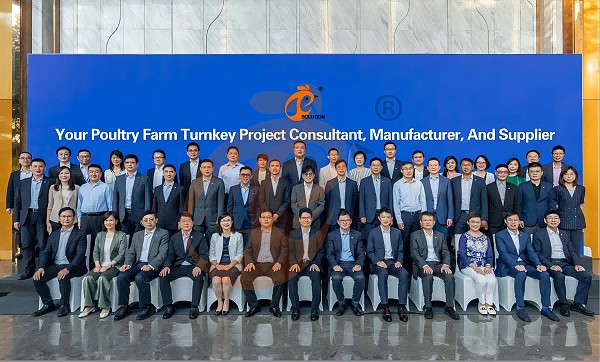
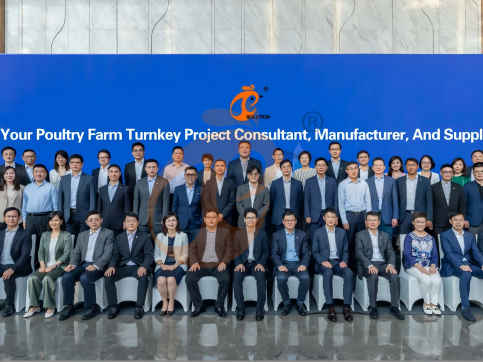
Hong Kong Headquarter Management Team
Hong Kong Headquarter Taiyu Industrial Group CO., LTD
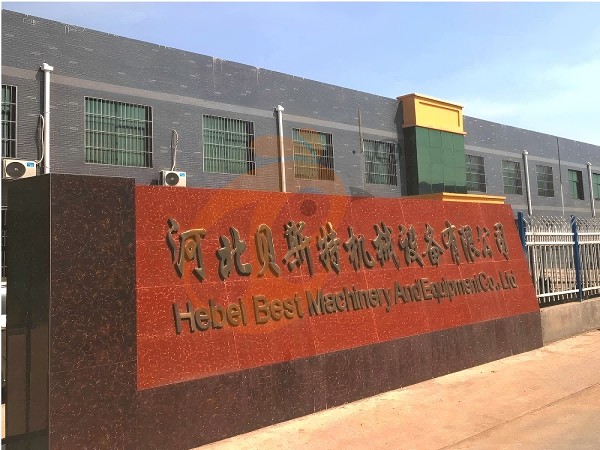
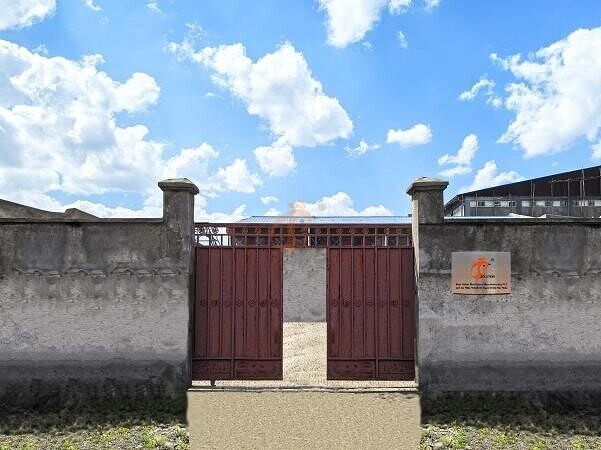
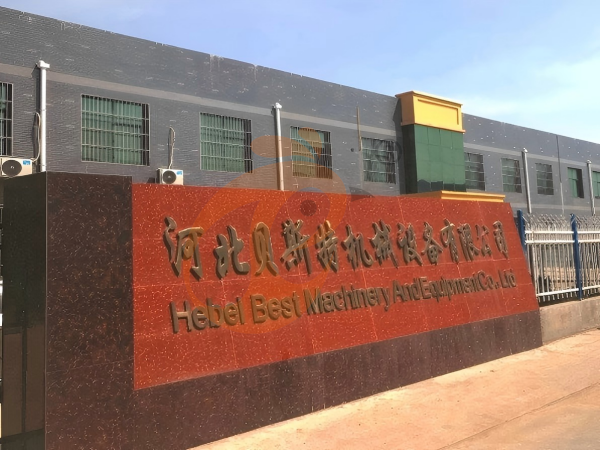
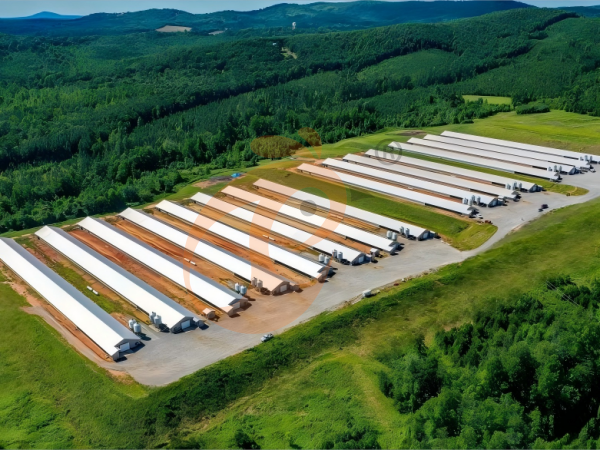
China Hebei Best Machinery And Equipment CO., LTD
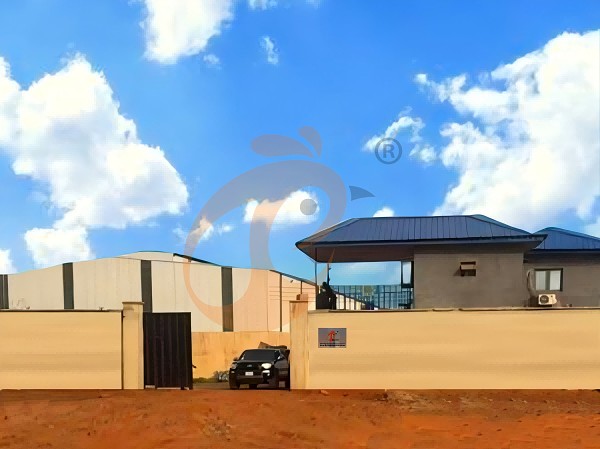
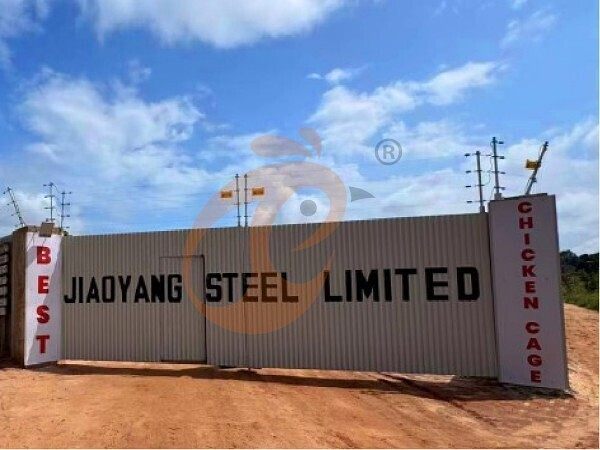
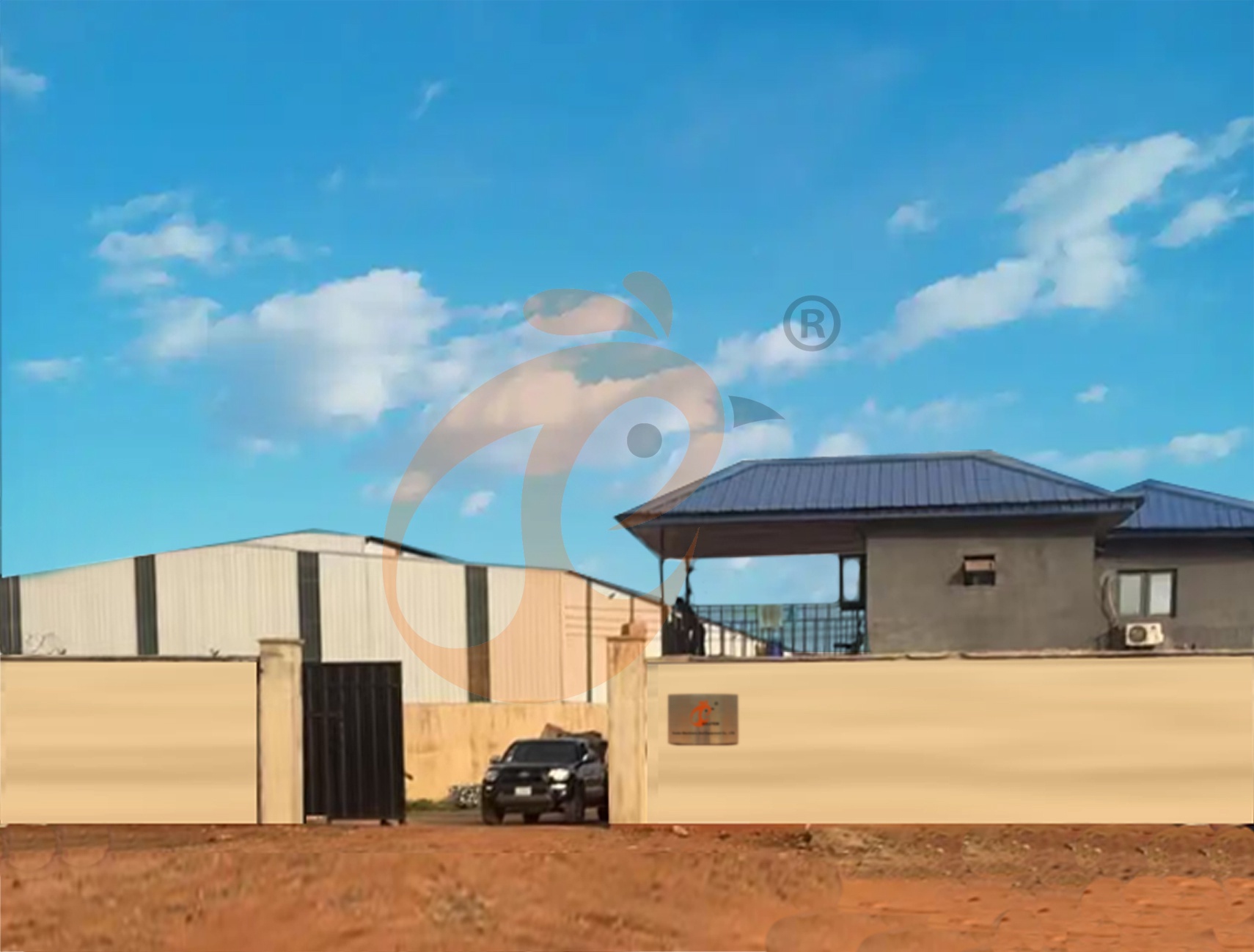
Nigeria Vanke Machinery And Equipment CO., LTD
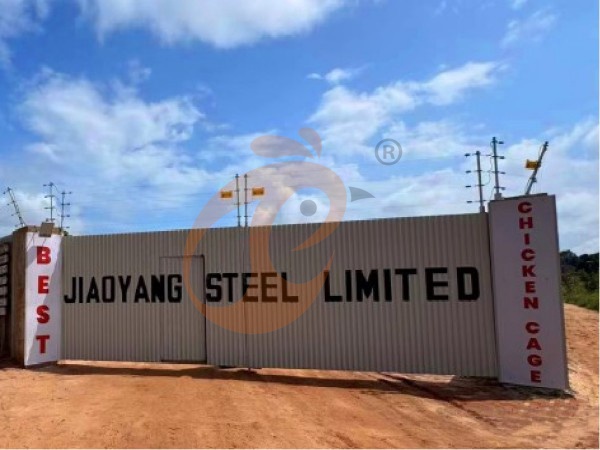
Tanzania Best Machinery And Equipment CO., LTD
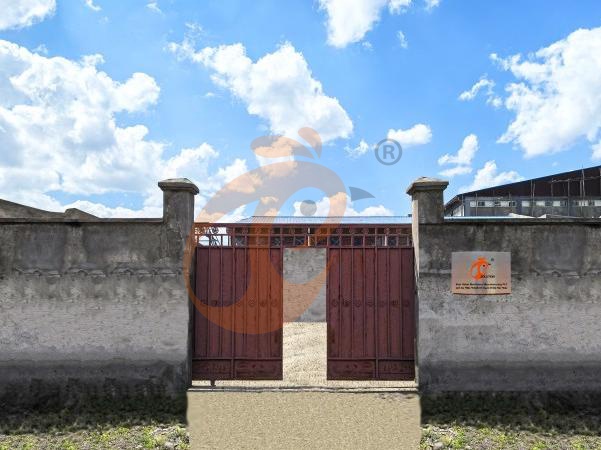
Ethiopia Best Hebei Machinery Manufacturing PLC
Reception /24 WhatsApp NO. : +8618830120193
FAQ
What Feeding System Standards Are Required For Pellet Machine In Poultry Chicken Feed Production Lines?
Feeder capacity is designed at 1.2–2.5 tons per hour depending on raw material density.
Flow consistency deviation is maintained within ±2% for uniform pellet quality output.
What Maintenance And Wear Part Replacement Standards Apply To Pellet Machine?
Bearing replacement intervals typically occur every 12–18 months under continuous operation.
Gearbox oil change frequency is maintained at 1000–1500 operating hours for system reliability.
What Safety Protection Systems Are Integrated In Pellet Machine For Poultry Chicken Feed Production?
Emergency stop response time is maintained within 0.5–1.0 seconds for operational safety.
Vibration monitoring limits are set at 4.5–6.0 mm/s to prevent mechanical failure.
- poultry farm
- poultry farms
- pellet machine
- chicken farm
- chicken house
- poultry house
- cage
- poultry farm construction
- chicken house design
- automatic feeding system
- poultry equipment
- chickencage
- bestchickencage
- Nigeria
- commercial poultry farms
- large poultry farms
- poultry farming
- poultry equipment supplier
- modern chicken house
- poultry equipment manufacturer
- chicken house equipment
- poultry feed system
- automatic poultry feed system
- chicken feed pellet machine
- pellet machine manufacturer
- automatic pellet machine
- modern poultry farm
- modern poultry farming
- poultry farm plan
- poultry equipment suppliers
- poultry feed
- chicken feed
- poultry feed production
- Ethiopia
Message
Products recommended
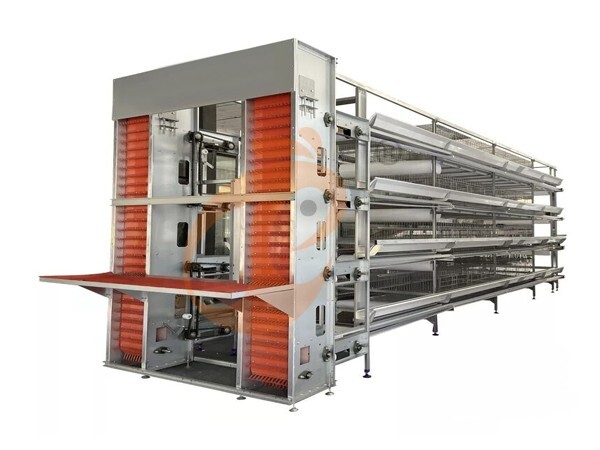
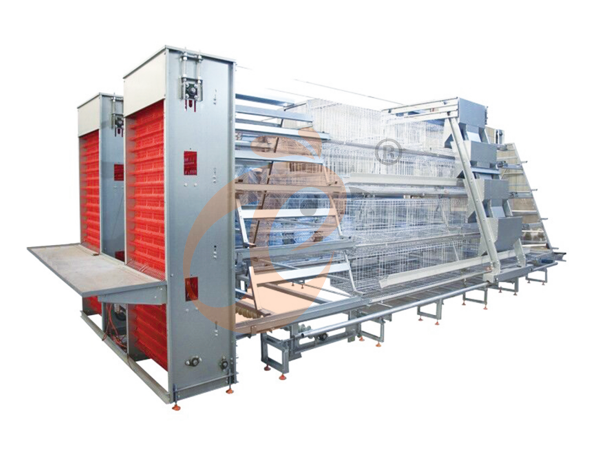
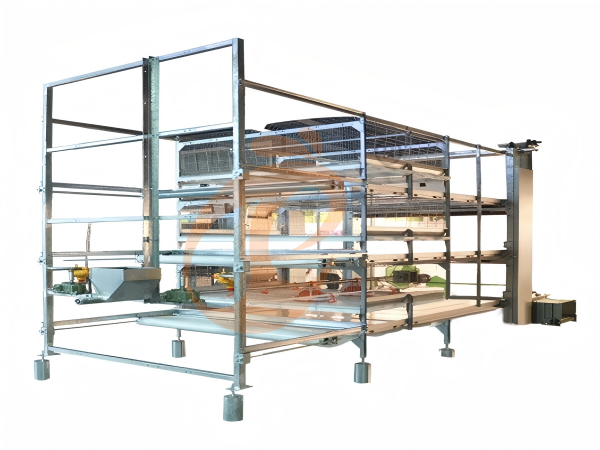
 >30,000 Pullets Automatic H Type Battery Cage1. More than 30,000 pullets a house, choose it.
2. It is designed to rearing older than 1 day old pullets to 12 to 16 weeks old chicken starting laying eggs.
3. Its lifespan is more than 25 years.
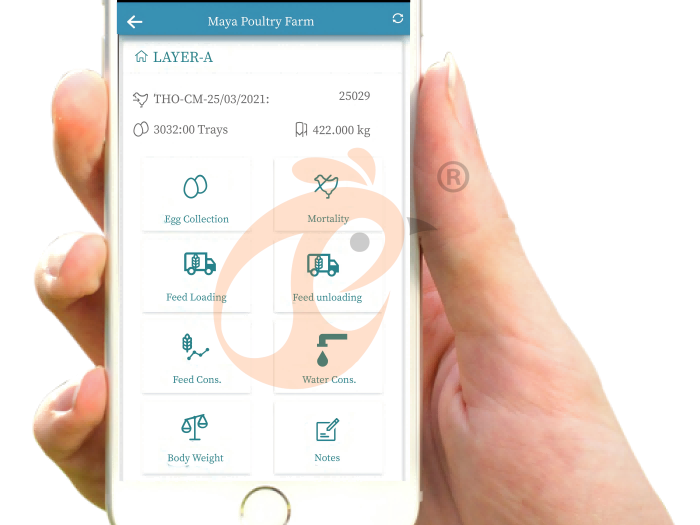
4. Its structure are Vcloud artificial intelligent fusion, electric control cabinet, automatic equipment of drinking, feeding, manure clean, manual harvesting.
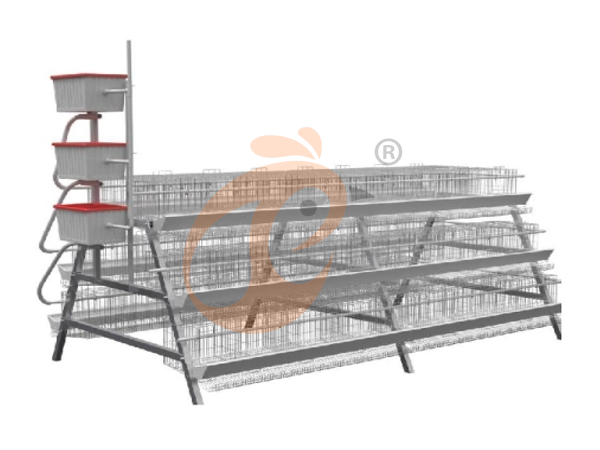
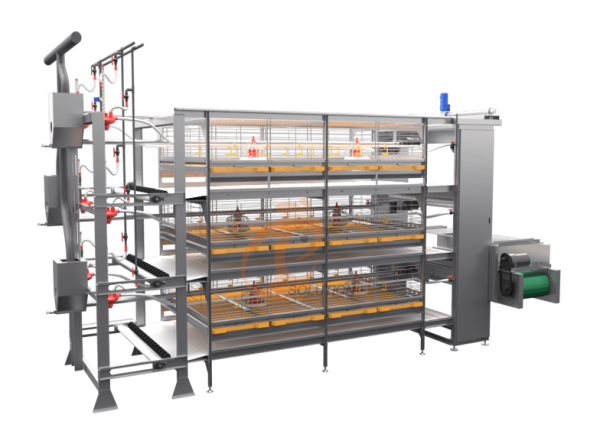
5. Our 24 hour online reception What’sApp NO. is +8618830120193 <30,000 Pullets Automatic A Type Battery Cage1. 10,000 to 30,000 pullets a house, choose it.
2. It is designed to rearing older than 1 day old pullets to 12 to 16 weeks old chicken starting laying eggs.
3. Its lifespan is more than 25 years.
4. Its structure are Vcloud artificial intelligent fusion, electric control cabinet, automatic equipment of drinking, feeding, manure clean, manual harvesting.
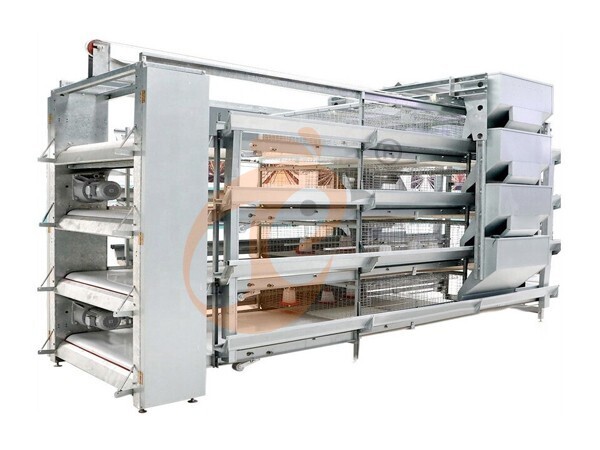
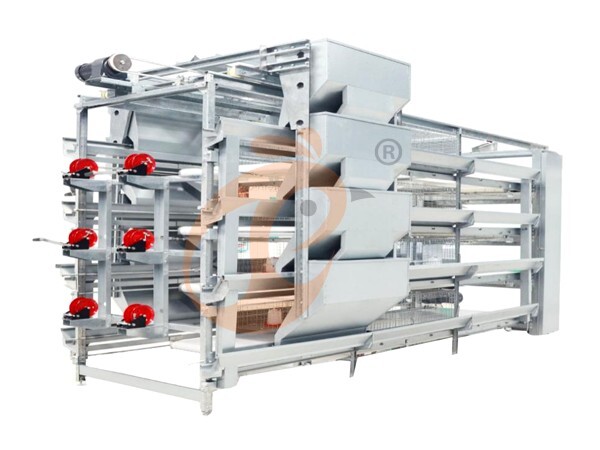
5. Our 24 hour online reception What’sApp NO. is +86 18830120193. >30,000 Broilers Semi-Automatic Harvest H Type Battery Cage1. More than 30,000 broilers a house, choose it.
2. It is designed to rearing 1 to 45 day old adult broiler ready for market.
3. Its lifespan is more than 20 years.
4. Our 24 hour online reception What’sApp NO. is +8618830120193, +234 8111199996. >30,000 Broilers Manual Harvest H Type Battery Cage1. More than 30,000 broilers a house, choose it.
2. It is designed to rearing 1 to 45 day old adult broiler ready for market.
3. Its lifespan is more than 20 years.
4. Its structure are Vcloud artificial intelligent fusion, electric control cabinet, automatic equipment of drinking, feeding and manure clean, manual harvesting.
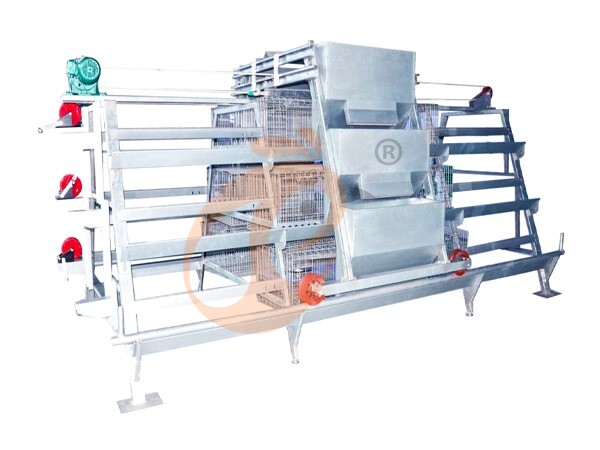
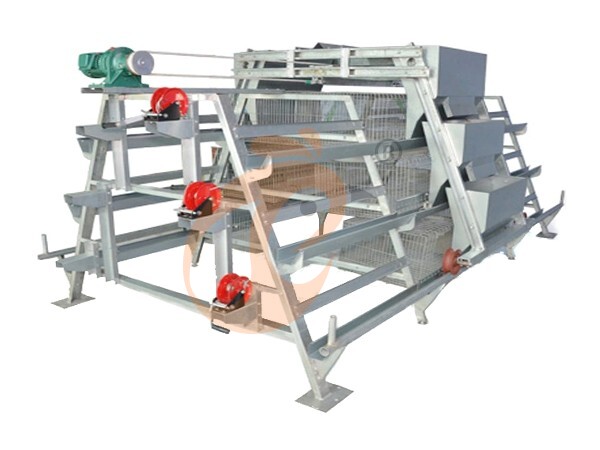
5. Our 24 hour online reception What’sApp NO. is +8618830120193, +234 8111199996. <30,000 Broilers Manual Harvest A Type Battery Cage1. Less 30,000 broilers a house, choose it.
2. It is designed to rearing 1 to 45 day old adult broiler ready for market.
3. Its lifespan is more than 20 years.
4. Its structure are Vcloud artificial intelligent fusion, electric control cabinet, automatic equipment of drinking, feeding and manure clean, manual harvesting.
5. Our 24 hour online reception What’sApp NO. is +8618830120193, +234 8111199996. HK Headquarter Offers EU-standard Poultry Farm Solutions, Manufacture Poultry Farm Equipment1. Continuous communication with the EU and the US
2. China, Nigeria, Ethiopia, Tanzania branch companies and factories
3. The products’ quality is customized for local poultry farms
4. Poultry cage and poultry farm equipment stock for sale
5. 24 online reception Whatsapp NO. : +8618830120193,contact us to get full information China Branch Offer Poultry Farm Business Plan, Manufacture Poultry Farm Equipment1. Address: Flat/RM 2416, 24/F, Runxing Building, Youyi Nan Street, Shijiazhuang City, Hebei Province, China
2. Poultry cage and poultry farm equipment factory and stock for sale
3. Customized for local poultry farms
4. Quality and design are based on Euro
5. 24 online reception Whatsapp NO. : +8618830120193 Nigeria Branch Offer Poultry Farm Business Plan, Manufacture Poultry Farm Equipment1. Address: After Sinoma Office, 200 Meters Near Danco Filling Station, Lagos/Ibadan Expressway, Lagos State, Nigeria
2. Poultry cage and poultry farm equipment factory and stock for sale
3. Customized for Nigerian poultry farms
4. Quality and design are based on Euro
5. 24 online reception Whatsapp NO. : +8618830120193 Ethiopia Branch Offer Poultry Farm Business Plan, Manufacture Poultry Farm Equipment1. Address: Gelan Gura, Akaki-kaliti Sub City, Addis Ababa, Ethiopia
2. Poultry cage and poultry farm equipment stock for sale
3. Customized for Ethiopian poultry farms
4. Quality and design are based on Euro
5. 24 online reception Whatsapp NO. : +8618830120193, contact us to get price list Tanzania Branch Offer Poultry Farm Business Plan, Manufacture Poultry Farm Equipment1. Address: No.8, Sova Road, Msufini, Mlandizi, Kibaha, Pwani, Tanzania
2. Poultry cage and poultry farm equipment factory and stock for sale
3. Customized for Tanzanian poultry farms
4. Quality and design are based on Euro
5. 24 online reception Whatsapp NO. : +8618830120193


Contact